
Give each physical beach wheelchair a durable local asset ID. Two chairs can share a model, colour and supplier invoice while only one awaits a replacement part. A technician standing beside that unit should be able to read its ID, find the open fault and tell the desk whether it can be issued. Keep the manufacturer’s original label and serial number, when supplied, alongside the local ID.
Place readable labels where staff can inspect them without interfering with use or cleaning. Check the location against the supplier’s instructions before attaching anything. Avoid covering a rating, warning, moving connection or inflatable surface. Photograph the location of the identifier. If a label becomes unreadable, reconcile the chair with the serial number, configuration and custody records before applying a replacement label.
Use one permanent record and dated events
Put facts that define the asset in its permanent record. Add a dated event when somebody receives, moves, repairs or releases it. A new location can be shown at the top of the record while earlier transfers remain available to explain where the unit was during a past booking.
| Permanent record | Dated event |
|---|---|
| Local asset ID, supplier model, revision if known and manufacturer serial number if present | Time, actual location, staff member, event type and resulting status |
| Received configuration, accepted accessories, source manual and order or delivery reference | Changed component, approval, relevant work order and check following installation |
| Normal storage bay, service contact and compatible parts references | Actual move, receiving custodian and the next expected return or inspection |
| Current configuration photograph and date | Dated condition photograph linked to its finding and corrective work |
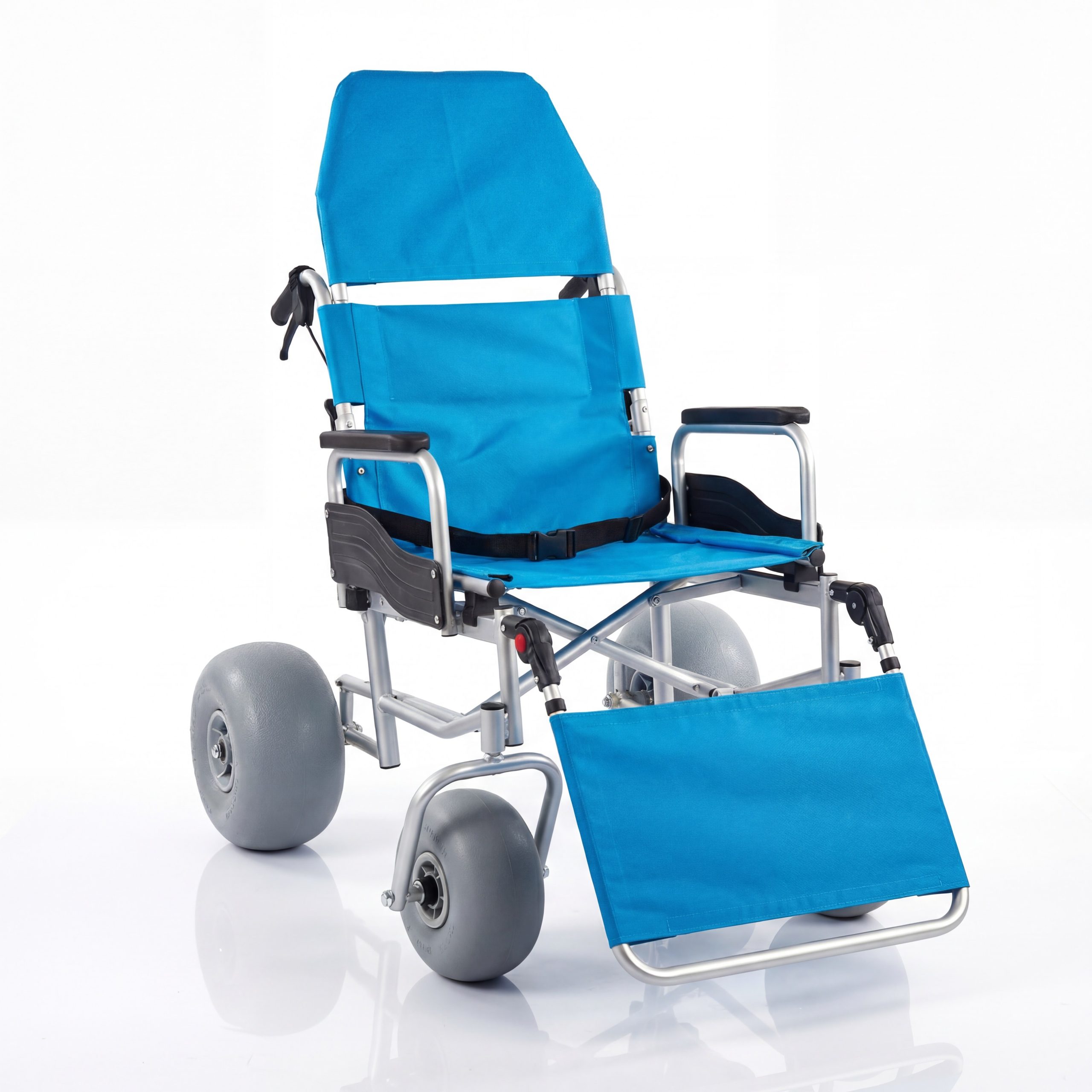
For the four-wheel AY-ST-V2.0, record the high backrest, upper support, adjustable leg support and supplied wheel assemblies. The manufacturer’s manual identifies the fitted arrangement and technical specifications. An approved change needs a dated update so that an old service record still refers to the configuration present at the time. AY-ST-V2.0 manual
Follow a unit through a repair and a move
In a fictional example, chair W-14 returns to the north station with a report that its leg support has shifted. The receiving employee records the return location, the visitor’s observation and the affected support. The chair enters a maintenance-hold state, and the desk blocks its allocation. A second chair of the same model keeps its own existing status.
The authorised technician links the work order to W-14, identifies the original component and records the part approved and fitted. The entry also identifies any adjacent connection disturbed and the outcome of the instructed recheck. A shipment notification for a replacement part updates the open work order. The release event comes from the person who has verified the completed work on the chair. Identifying replacement parts for the high-back model
Suppose the repaired chair then moves to the south station. Record the dispatch time, component set and receiving custodian. Keep the transfer open until the receiving station acknowledges the chair, its accessories and its condition. A unit can be at the south station and still be waiting for inspection. Location and availability need separate fields.
Make the register usable at the counter
Give booking staff a view showing the asset, service role, current location, status and any action that prevents issue. Link rather than copy visitor details from a booking or a restricted incident file. Make a correction as a dated amendment stating who corrected which field and why. Earlier issue and repair events must remain traceable after the amendment.
For a mixed fleet, include a role field such as “assisted land chair” or “floating chair for the approved supervised service.” The AY-ST-V1.0 has three wheels and detachable inflatable armrests. A unit released from maintenance can still have no water session to offer that day if the site or trained cover is unavailable. Keep the activity status with the service schedule. Floating wheelchair booking and allocation
Pick an asset at the end of a busy shift and ask another employee to locate it, identify who has it and show the last release decision. Reconcile the answer with the unit, its label and the physical bay or receiver. An unexplained difference calls for investigation before the next booking relies on it.