The Cart Does Not Fit the Vehicle
An open frame may exceed the usable cargo opening or consume space needed for the rest of the service equipment.

Move chairs, coolers, fishing equipment, rental supplies, and event gear across coastal routes with a cart designed to fold for vehicle loading and controlled storage.
For resorts, public beaches, rentals, distributors, fishing programs, events, and coastal service teams.
Share your route, cargo task, storage limits, quantity, and destination so the right configuration questions can be identified.
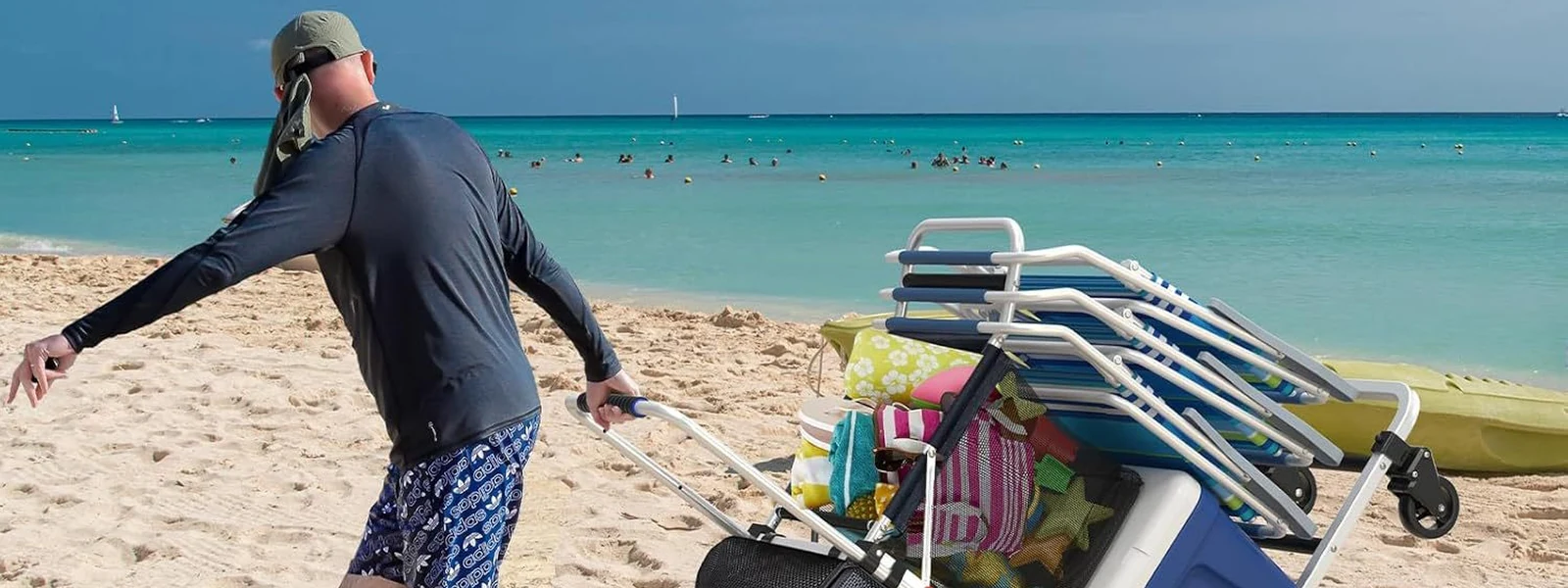
Beach transport starts before the wheels reach sand. A cart that is difficult to fold, lift, load, store, or secure can delay the daily operation even when it rolls well.
An open frame may exceed the usable cargo opening or consume space needed for the rest of the service equipment.
A bulky frame can make seasonal equipment harder to organize, count, protect, and retrieve.
Unclear release and locking steps can lead to incorrect storage or a cart returning to service with an open issue.
Chairs, rods, coolers, and tools can move when the cargo position and securing method are not planned.
The right cart begins with the full workflow from storage to return.
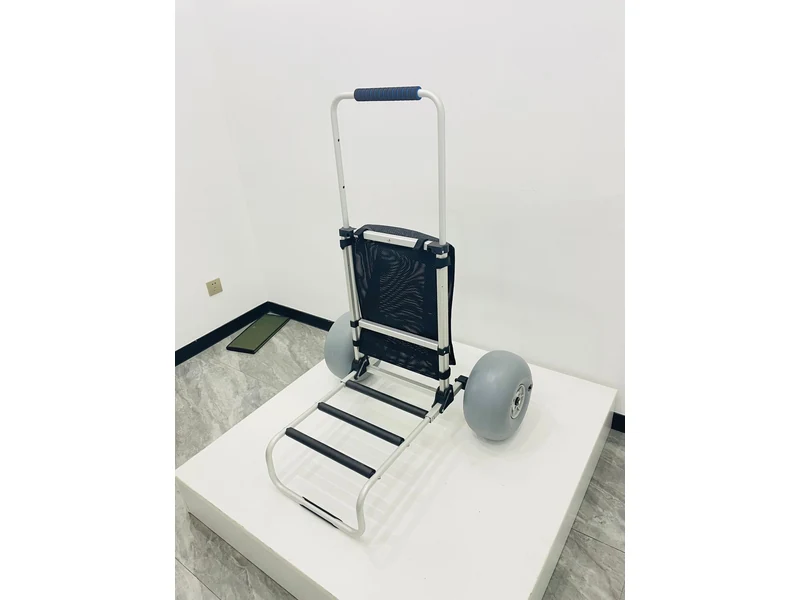
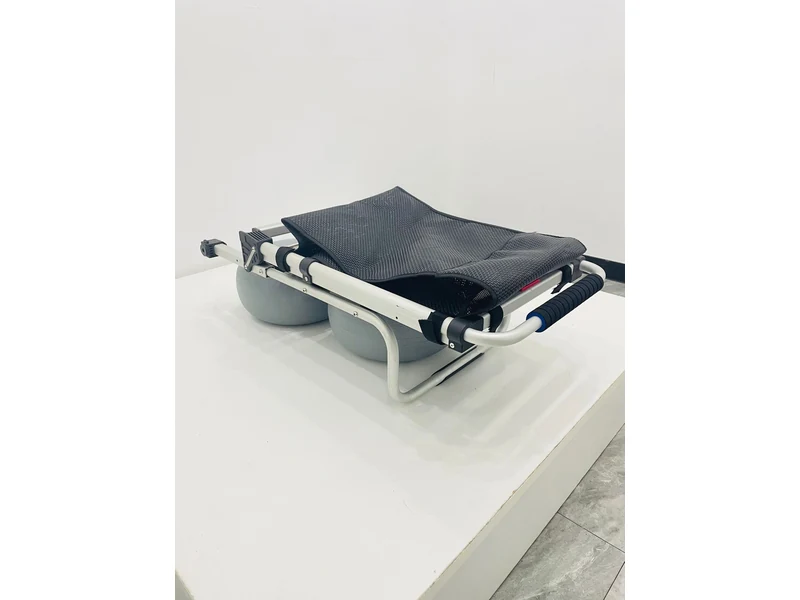
A Folding Beach Cart combines a collapsible frame, handle, cargo-support area, wheels, and securing points. It moves beach and outdoor gear, then reduces its footprint for vehicle transport or controlled storage.
The cart transports equipment and supplies. It is not a passenger vehicle, and its approved cargo arrangement, route, folded drawing, wheel layout, and instructions control use.
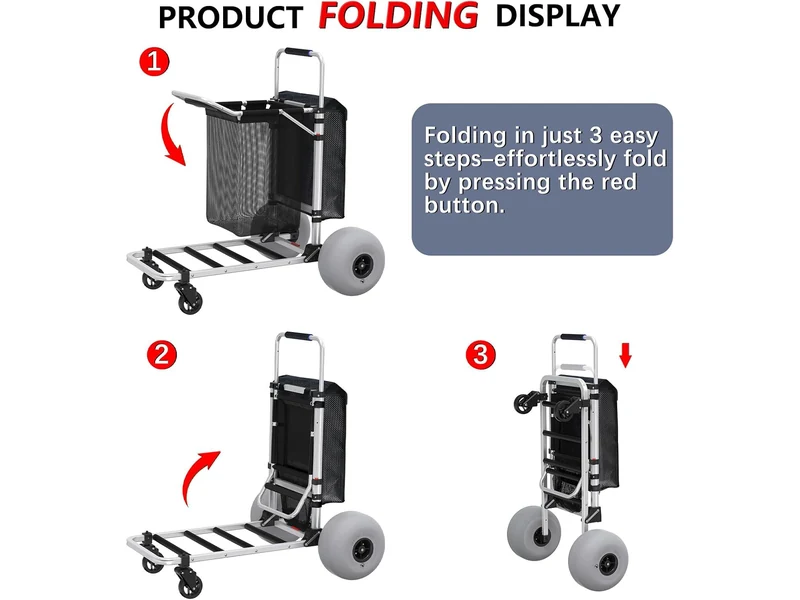
See how the folding structure changes setup, transport, and storage.
The folding structure connects daily preparation, safe locking, release after service, and a controlled transport or storage position.
Expand the frame according to the selected instructions so the handle, cargo area, and wheels reach their intended positions.
Check visible joints, clips, pins, locks, or frame stops before cargo is added.
Position the platform, bars, fabric body, side supports, and securing points before loading.
Remove cargo before releasing folding points so the frame is not closed under an uncontrolled load.
Secure the folded cart in the approved position for the vehicle or storage area.
A short opening, locking, folding, and inspection record helps different staff follow one process.
Ask for the current folding instructions and drawing before planning storage space.
Handling comes from the complete system. Route surfaces, wheel layout, frame geometry, cargo position, securing points, and the operator must support the same movement plan.
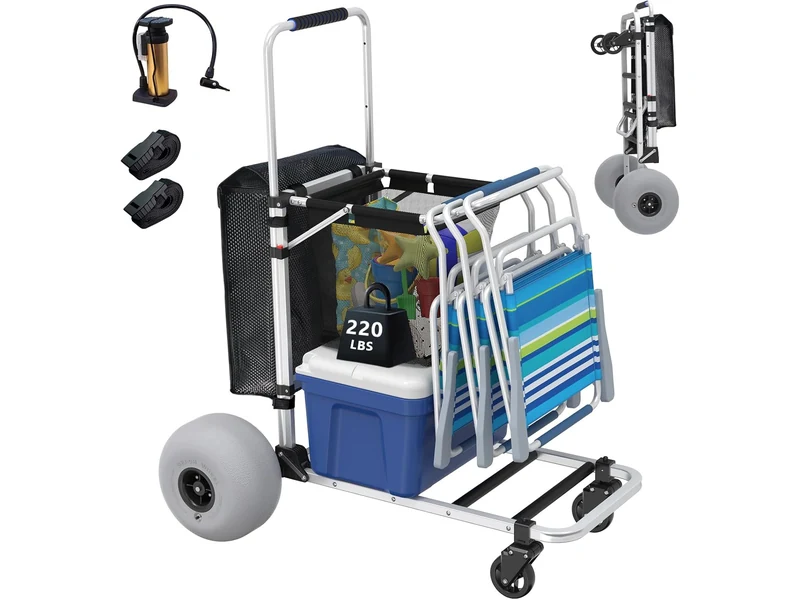
Record vehicles, pavement, boardwalks, ramps, access mats, firm sand, loose sand, slopes, turns, and the return route.
Review wheels, casters, axle positions, turning method, and frame clearance rather than wheel count alone.
List chairs, coolers, rods, tools, and supplies and show where each item sits.
Identify straps, retainers, pockets, bars, or approved securing points before movement.
Include unloading, cleaning, folding, vehicle loading, and storage in the review.
The current drawing, instructions, and sample evidence control the final cargo arrangement.
Send route photographs and a cargo list before requesting a final recommendation.
The cart supports different operations when folding, wheels, cargo arrangement, route, and storage are reviewed together.

Move secured rods, coolers, tackle, chairs, and packed supplies between vehicles and selected shoreline areas.

Support setup, handoff, return, cleaning, folding, loading, and storage for managed beach services.

Carry picnic, shade, seating, and camp supplies while keeping the folded cart easier to store.

Move signs, cleaning supplies, guest-service materials, or event gear through a controlled workflow.
Tell us which operating task and route the cart needs to support.
Ary Beach Wheelchair connects product development, frame and wheel coordination, assembly review, inspection, packing, and export communication. Buyers can request evidence tied to the selected cart.
Current cart drawings, photographs, sample records, inspection results, and packing confirmation carry more weight than a general factory claim.
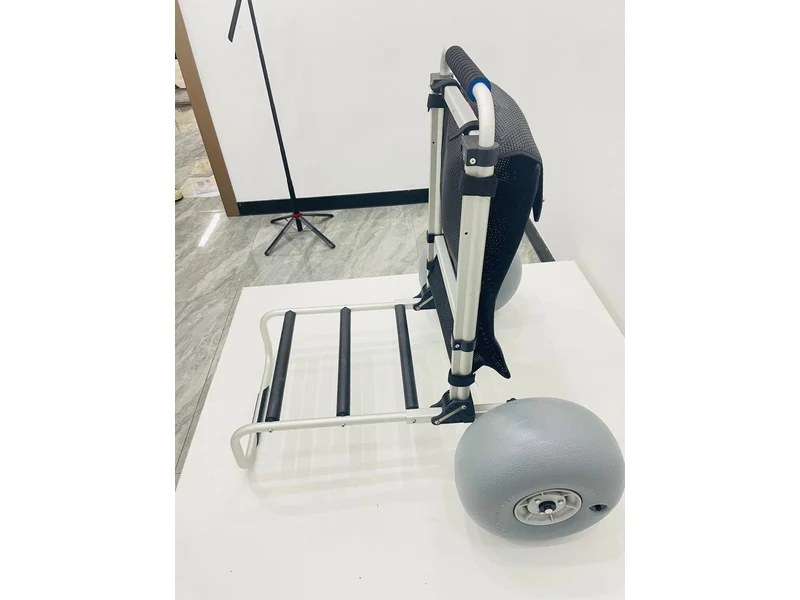
Check frame identity, joints, handle movement, folding points, locks, and visible workmanship.
Confirm wheels, axles, casters, fasteners, platform or fabric body, securing points, and accessories.
Record the folded position, protected parts, loose components, package identity, and receiving checks.
Request evidence tied to the folding structure and order you plan to approve.
The brief begins before the beach route and continues after it. Storage, loading, setup, cargo, surfaces, cleaning, folding, and return handling belong in one review.
Record storage, vehicle access, loading, opening, and the route starting point.
Review frame, handle, cargo area, securing points, wheels, joints, and staff tasks.
Observe opening, locking, loading, movement, cleaning, folding, lifting, vehicle fit, and storage fit.
Keep the drawing, findings, parts identity, packing, and buyer approval connected.
Turn the full operating journey into a controlled product brief.
Ary Beach Wheelchair has worked with buyers serving the United States, Europe, South America, Australia, and other coastal markets. Every order still needs its own product and destination review.
Open, folded, frame, wheel, cargo-area, joint, and storage images identify the reviewed cart.
Compare open and folded geometry with vehicles, storage, and route constraints.
Record folding, cargo, route, cleaning, lifting, vehicle, and storage observations.
Confirm package identity, loose parts, quantity, condition, discrepancies, and release.
Market names do not prove that one configuration fits every buyer. Product-specific evidence supports the decision.
Share your destination, buyer role, document needs, and receiving process.
Practical value depends on the frame, joints, wheels, cargo area, route, cleaning, lifting, vehicle, storage, and operating frequency.

Check the current folded drawing, grips, lifting task, vehicle opening, and securing position.

Inspect the frame, joints, locks, handle, wheels, fasteners, platform, fabric, and securing areas.

Unload, remove sand, clean as instructed, dry components, record issues, fold, and protect the cart.
Do not publish universal weight, capacity, folded size, service life, or maintenance claims without the current drawing and evidence.
Add lifting, cleaning, folding, and storage tasks to the purchasing brief.
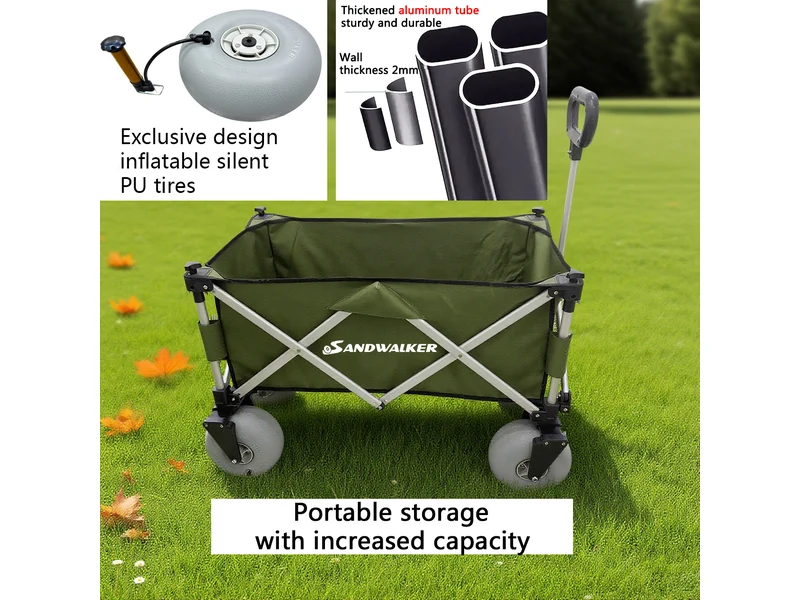
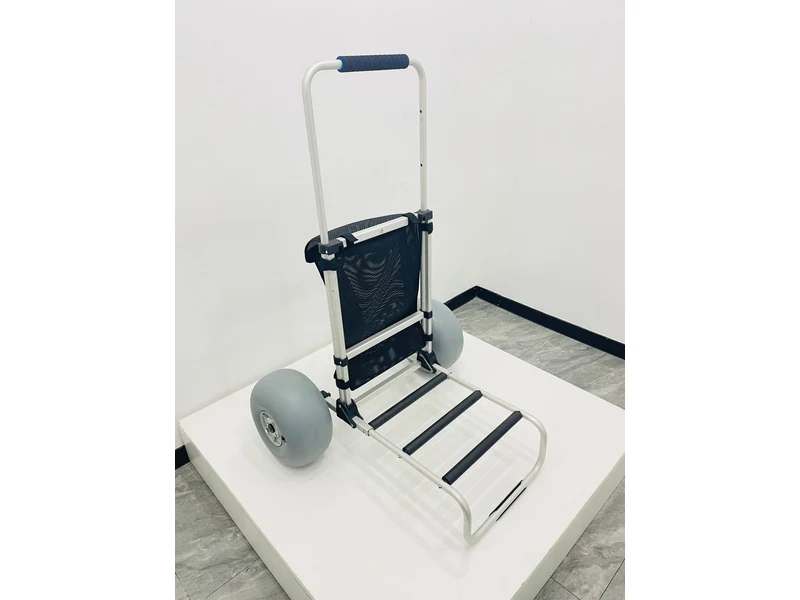
OEM requests can be reviewed against the frame, folding structure, handle, wheels, cargo area, fabric, markings, quantity, packing, documents, and feasibility.
A requested structure, material, dimension, capacity claim, or public statement is not approved until evidence supports it.
Send requested changes with route, cargo, storage, quantity, and destination details.
Long-term supply works best when every order stays connected with the approved frame, folding hardware, wheels, fabric or platform, fasteners, packing, and revision.
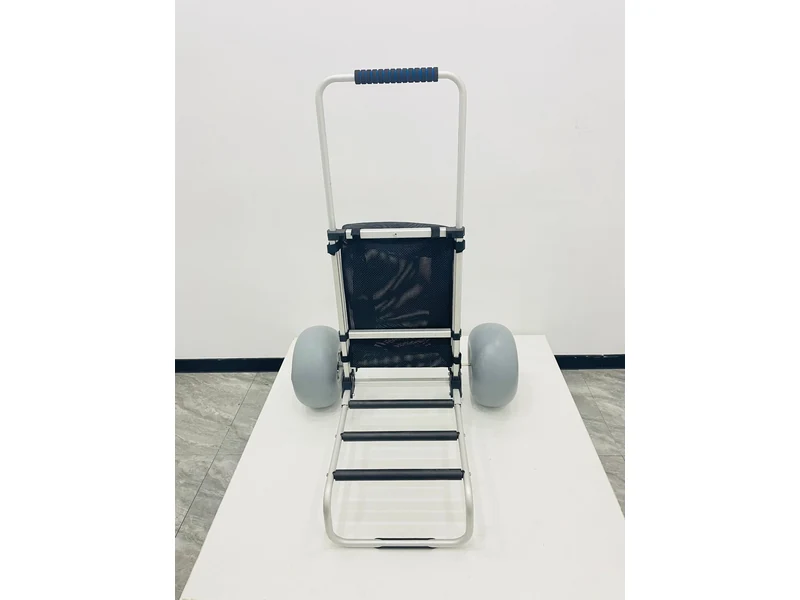
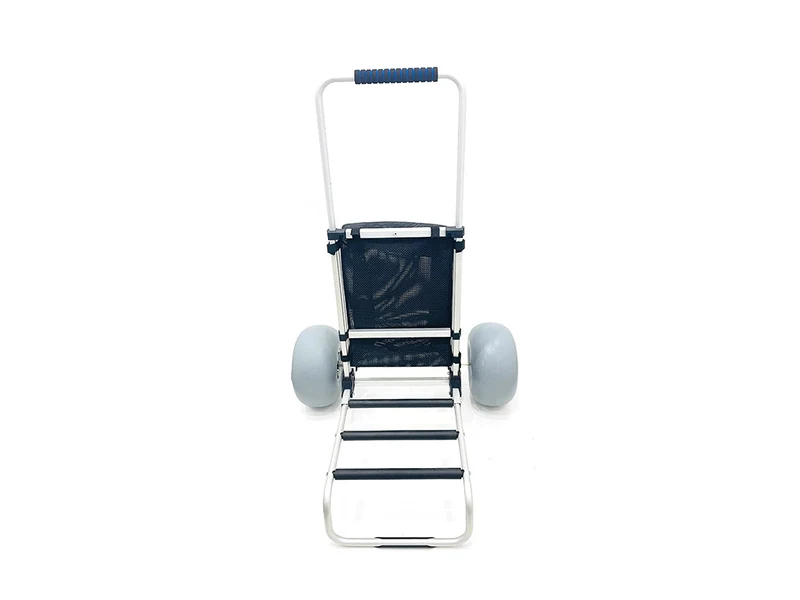
Keep the drawing, photographs, sample decision, frame and wheel identity, cargo area, and approval in one file.
Identify joints, pins, clips, locks, fasteners, axle parts, wheels, and casters.
Link replacement fabric, platform, straps, pockets, bars, or securing parts with the approved cart.
Confirm revision, changes, quantity, destination, packing, documents, and delivery needs before release.
Build a parts identity purchasing, receiving, storage, and maintenance teams can use.
A controlled process keeps the route, cargo, folding structure, drawing, sample, quotation, production, packing, and receiving decisions connected.
Check opening, locking, cargo, securing, movement, turning, cleaning, folding, lifting, vehicle fit, storage fit, and open questions on the sample.
A complete route, cargo, vehicle, and storage brief reveals open questions before quotation.
Review folding, locking, route fit, cargo control, vehicle loading, cleaning, storage, samples, and quotation inputs before approval.
No. Request current open and folded drawings, wheel layout, cargo-area details, instructions, and sample evidence.
Compare the folded drawing with the vehicle opening, internal clearance, other equipment, lifting method, and securing position.
Confirm the frame is open, locking points are engaged, wheels and fasteners are in place, and the cargo area is ready.
Use the approved cargo arrangement and securing points. Do not rely on stacking or balance alone.
Yes. Define route, cargo, folding, vehicle, storage, cleaning, inspection, and approval steps first.
Unload, follow the instructions, remove sand, dry components, record issues, and fold into the approved storage position.
Yes, subject to product identity and availability. Link each replacement to the approved cart and part record.
Send application, route, cargo, vehicle and storage limits, quantity, destination, packing, documents, and timing.
Put unresolved operating questions into the inquiry instead of turning them into assumptions.
Share the route, cargo, folding process, vehicle, storage, quantity, destination, and project needs so the next drawing, sample, and quotation questions can be identified.