Incoming Material Identity
Match tube, PVC and purchased hardware to the approved material list before they enter production.

Our Foshan factory makes the aluminum frame, PVC float armrests, metal hardware and seating, while the client supplies its own PVC balloon wheels. The brand retains control of a key component and sources the remaining part groups from one factory.
Planning a floating wheelchair under your own brand? Start with the parts you want us to build.
This anonymized case shows how responsibility can be divided in a component-level OEM project, so a brand can see which part groups a factory like ours can coordinate.
Frame, float armrests, metal parts, seating and assembly hardware come from one factory, so the brand manages one supplier instead of five.
The client retains its PVC balloon wheels, so a key interface and replacement component stays under the brand’s control.
AY-ST-V1.0 and V1.1 share one frame and specification, so both versions use the same spare parts.
Salt spray, durability and impact testing run in our own test room, so parts are checked before they leave Foshan.
| Client | Confidential mobility brand |
| Product | Floating beach wheelchair |
| Base platforms | AY-ST-V1.0 and AY-ST-V1.1 |
| We manufacture | Aluminum alloy frame, PVC float armrests, metal parts and fasteners, seat and backrest, assembly hardware |
| Client supplies | PVC balloon wheels |
| Production site | Foshan Ary Medical Co., Ltd., Foshan, Guangdong, China |
Client name, trademarks and identifying materials are intentionally omitted under our confidentiality policy.
Tell us which part groups you want to keep, and we will show how the rest could be supplied.
These chairs go into the sea, get rinsed, dry in the sun and go back out the next day. Each part we supply answers one of these failure points.
Aluminum alloy frame with metal parts checked in our salt spray chamber.
Aluminum does not rust like plain steel, and hardware finishes are tested before production.
Joints and pins hold up longer in daily sea use.
Simple pin-and-knob folding points with open joints.
Fewer enclosed gaps means less space for grit to pack in, and a hose rinse reaches every hinge.
Operators keep the fold smooth with routine rinsing.
Two PVC float armrests fixed to the frame at set points.
Fixed mounting stops the floats sliding or rotating, and each one is checked for air loss before packing.
The chair sits level and steady in calm water.
Every batch built to one client-approved sample.
Frame geometry, hardware and float mounting stay the same from order to order.
This year’s spare parts fit last year’s chairs.
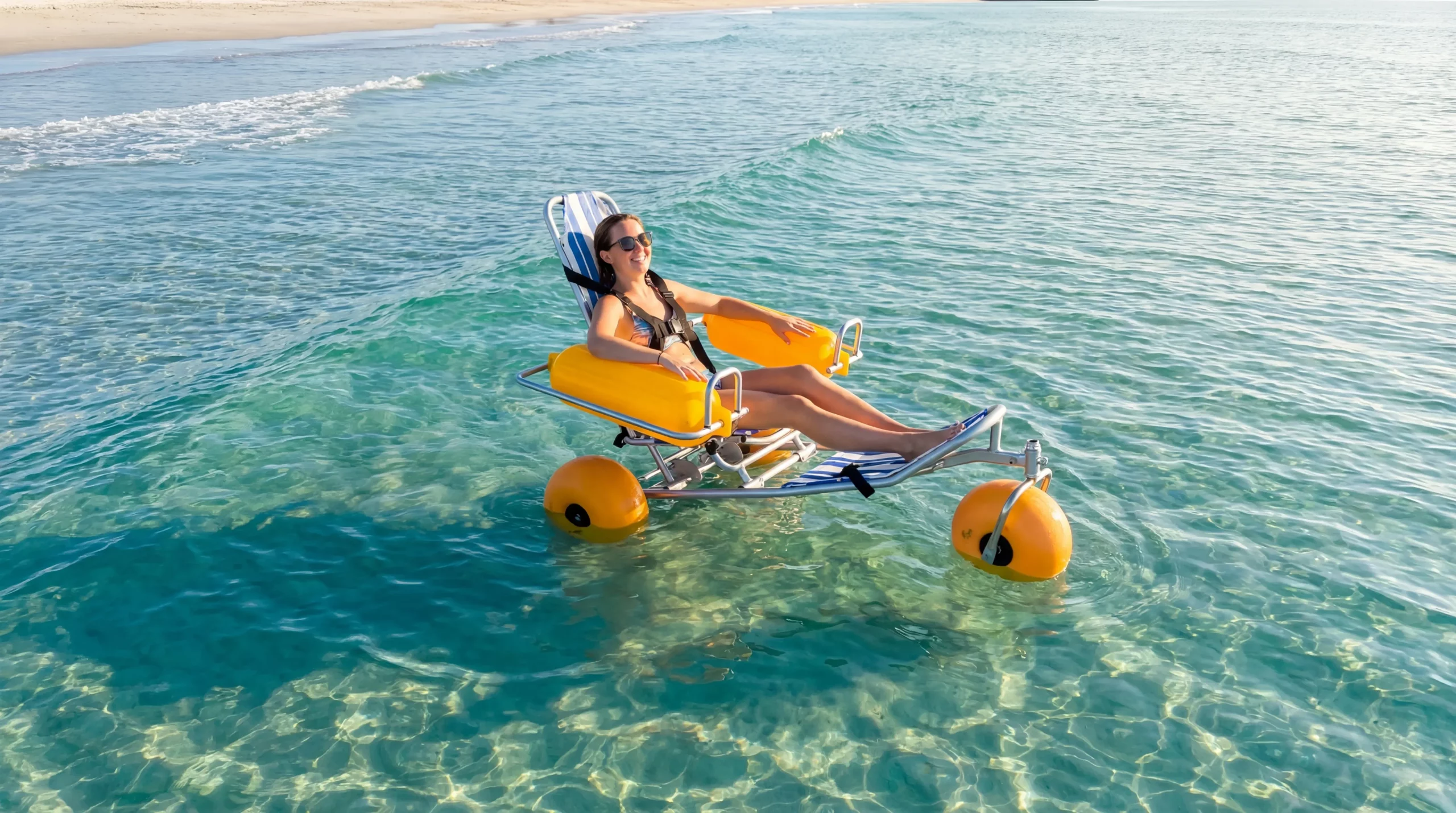
Send us the conditions your chairs face, and we will match the build to them.
Each numbered part below is made in Foshan except number 6. The frame is built around the client’s wheels, so the two halves fit without adapters.
Bent and joined in-house, light enough to fold into a van.
Give buoyancy in water and side support on land.
Sized to the client’s hubs, so wheels mount with no play.
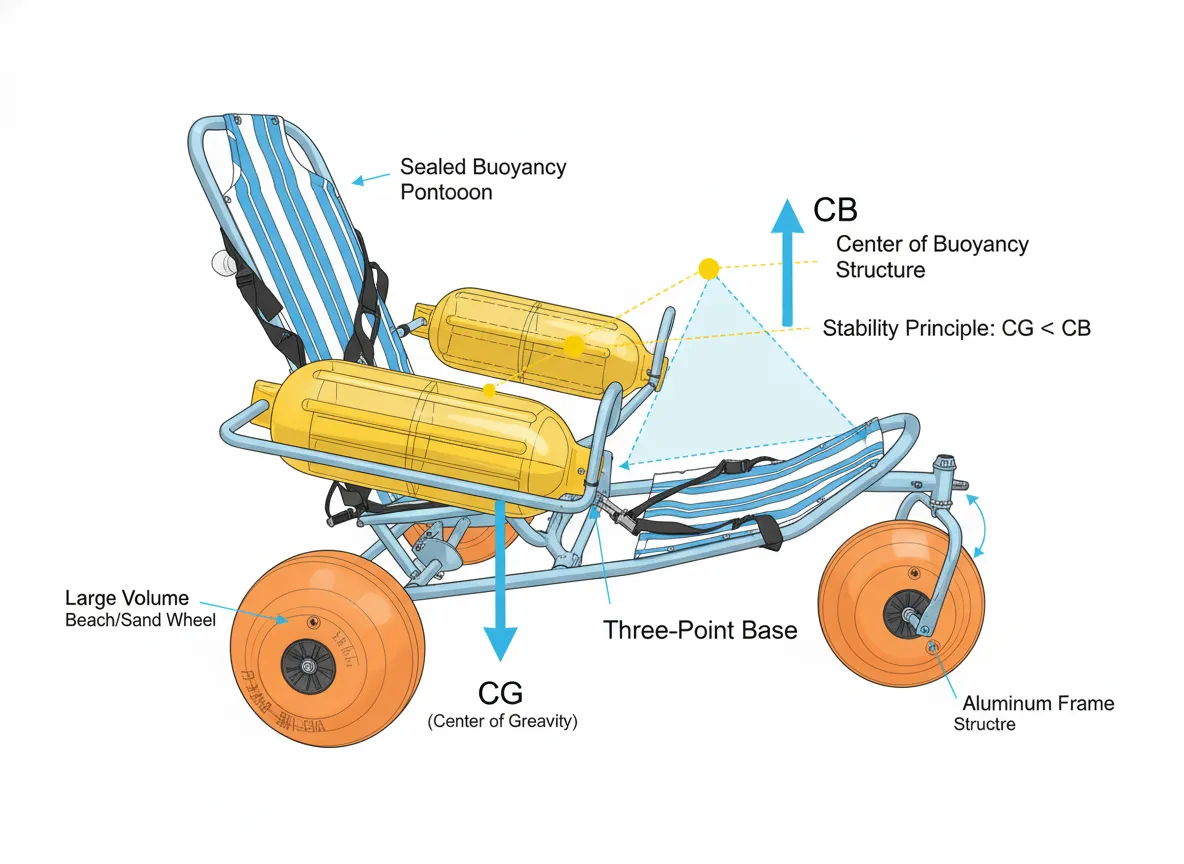
Lock the fold and backrest, and hold each float in place.
Breathable fabric with three backrest positions for comfort.
Supplied by the client: one front wheel, two rear wheels.
Mark the parts you want to source from us, and we will quote that split.
Because one part comes from the client, the work starts with the wheel and builds outward. The same six steps repeat for every new version or wheel change, so each change is tested before it reaches production.
The client sends wheel size and hub details.
We set fork width, axle size and axle seat position.
A full sample is assembled on the AY-ST platform.
The approved sample becomes the production reference.
Frames, floats, hardware and seating are made in Foshan.
Parts are inspected, packed and shipped to the client.
Ready to start at step one? Send your wheel or reference sample details.
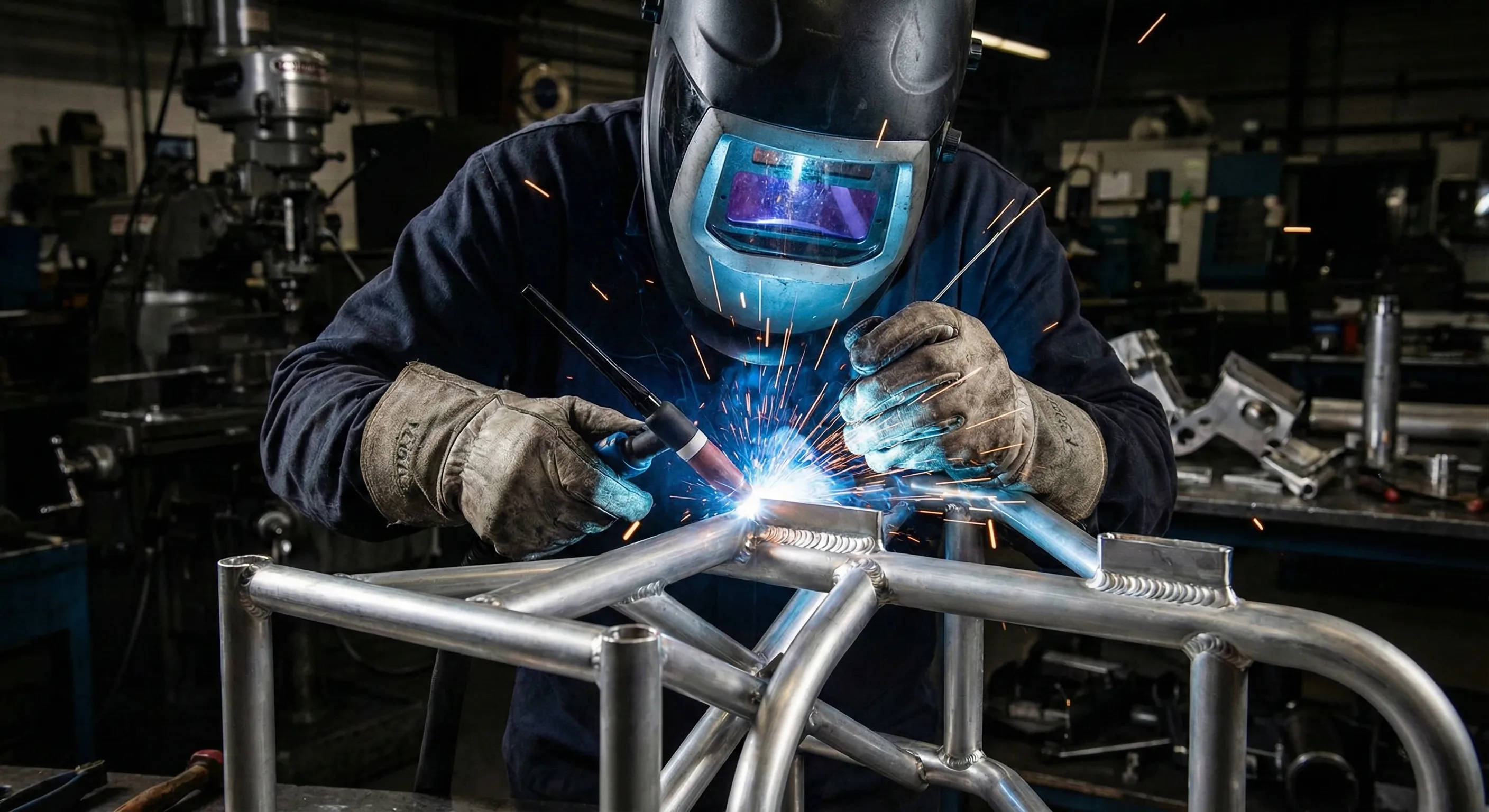
We cut, bend and join the aluminum alloy tube on our own lines. The light, rust-resistant frame carries the user and the floats, then folds small enough for a van or storeroom, so operators move and store chairs with less effort.
Several chairs fit in one vehicle run.
A long, wide base keeps the chair stable.
Room for most adult users.
Users can sit up or lean back in the water.
Dimensions from the AY-ST-V1.0 product manual. AY-ST-V1.1 shares the same frame.
Need a different frame color or fold size for your market? We can review it on a sample.

The PVC float armrests give buoyancy in calm water and serve as armrests on land. Because each float is fixed and air-checked, users get a level, steady chair every session.
Want floats in your brand color or a different armrest style? Tell us what you have in mind.
In salt water, small hardware usually wears out before the frame. We make these parts ourselves and stamp formed pieces on our own presses, so the brand gets matching hardware with every batch instead of mixing suppliers.
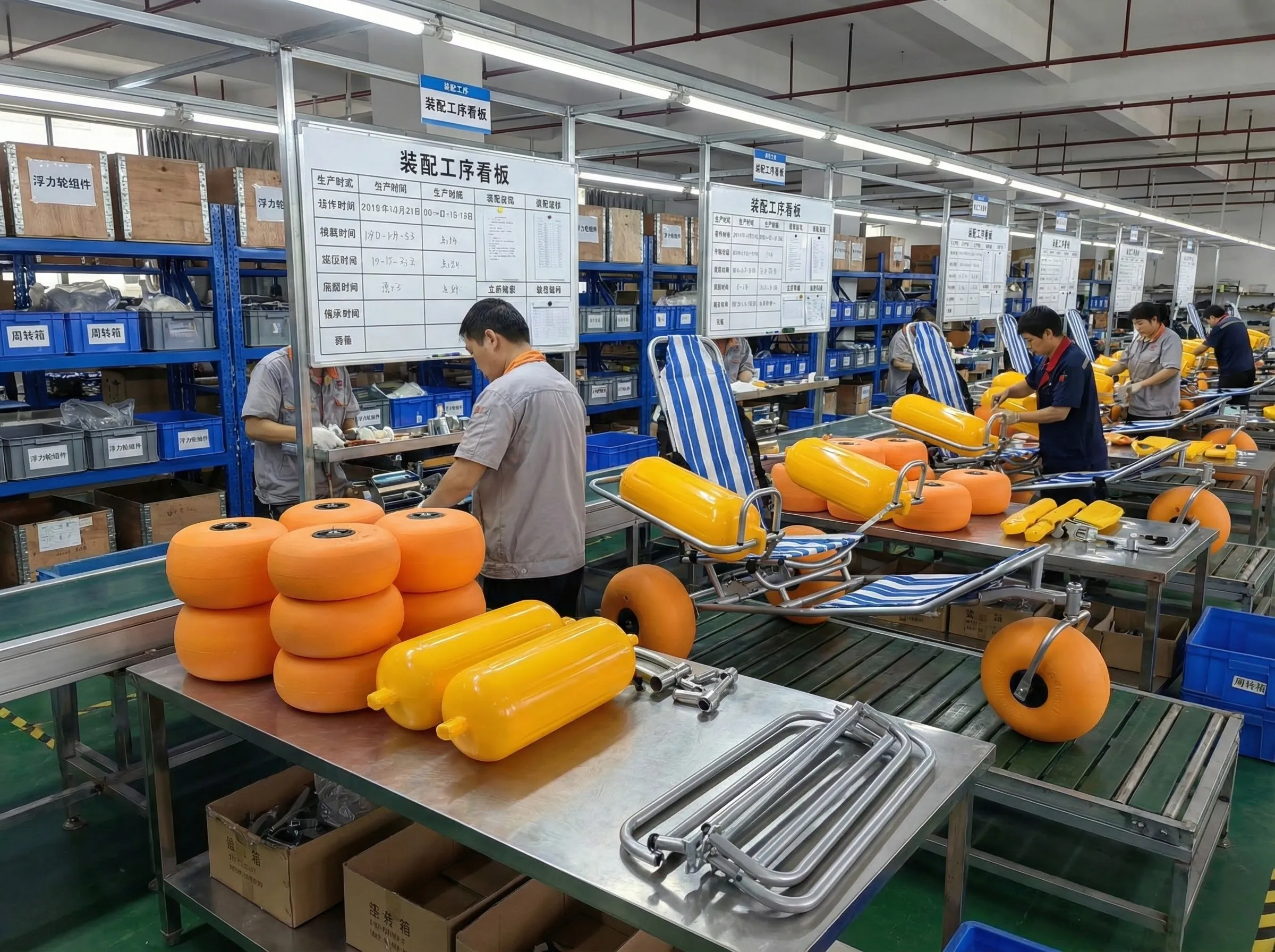
Sized to the client’s front hub, so the wheel steers true without spacers.
Set at a fixed spacing, so both rear wheels track evenly on sand.
Lock the fold and three backrest positions, so staff adjust the chair by hand.
Hold each armrest in one position, so buoyancy stays balanced side to side.
Sourcing replacement hardware for an existing chair? Send us photos and dimensions.
Our fork and axles are sized to the client’s wheel interface. The two halves fit without adapters or play, so the brand can retain its wheel system without redesigning the chair.
| Position | Wheel size | What we control |
|---|---|---|
| Front | 12″ × 4.5″ PVC | Fork width, axle diameter, steering pivot |
| Rear ×2 | 16″ × 6.5″ PVC | Axle seat position, axle length, spacing |
Client wheel or hub changes
We re-check fit on sample wheels
Production runs on the confirmed fit
Wheel sizes from the AY-ST-V1.0 manual.

Already have your own wheels? Send the hub dimensions and we will check the fit.
Both platforms share the same frame, dimensions, seating and wheel layout, and only the armrest style changes. A brand can offer two looks while stocking one set of spare parts.
Original platform
Updated armrests
Data from the AY-ST-V1.0 product manual. AY-ST-V1.1 uses the same specification apart from the armrest style.
Not sure which platform suits your brand? We can send details on both.
A useful inspection plan names the part, method, sampling level and acceptance rule before production starts. The equipment shown below is available in our Foshan factory and test area; the exact checks and records are confirmed in each approved order file.
Match tube, PVC and purchased hardware to the approved material list before they enter production.
Check formed tubes, joint locations and key dimensions against the approved sample or drawing.
Where required, define the sample, exposure time and pass criteria for salt-spray evaluation before testing.
Record the model, load, cycles and inspection points when a project calls for rig-based testing.
Agree on inflation, hold time and acceptance criteria for the PVC float armrests in the project checklist.
Verify folding points and wheel interfaces against the agreed sample wheels or confirmed hub dimensions.
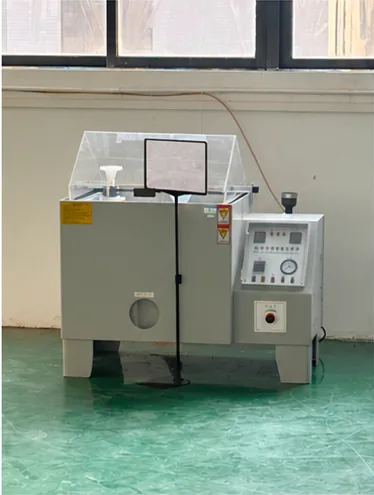
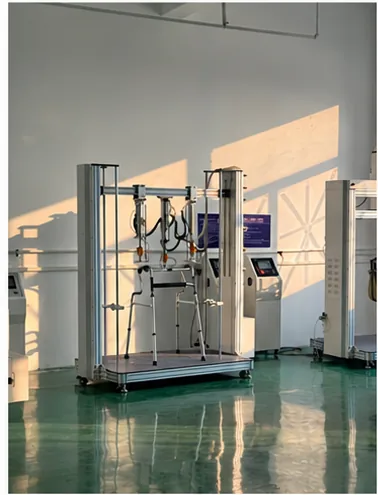
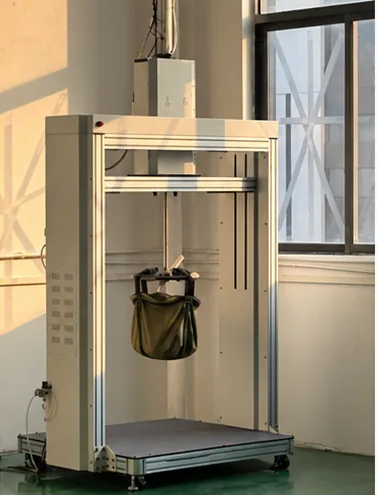
Project control: test standards, hours, loads, sampling and report format are not assumed on this page. They must be written into the approved specification or purchase order.
Have your own inspection checklist? Send it with the drawing or reference sample.
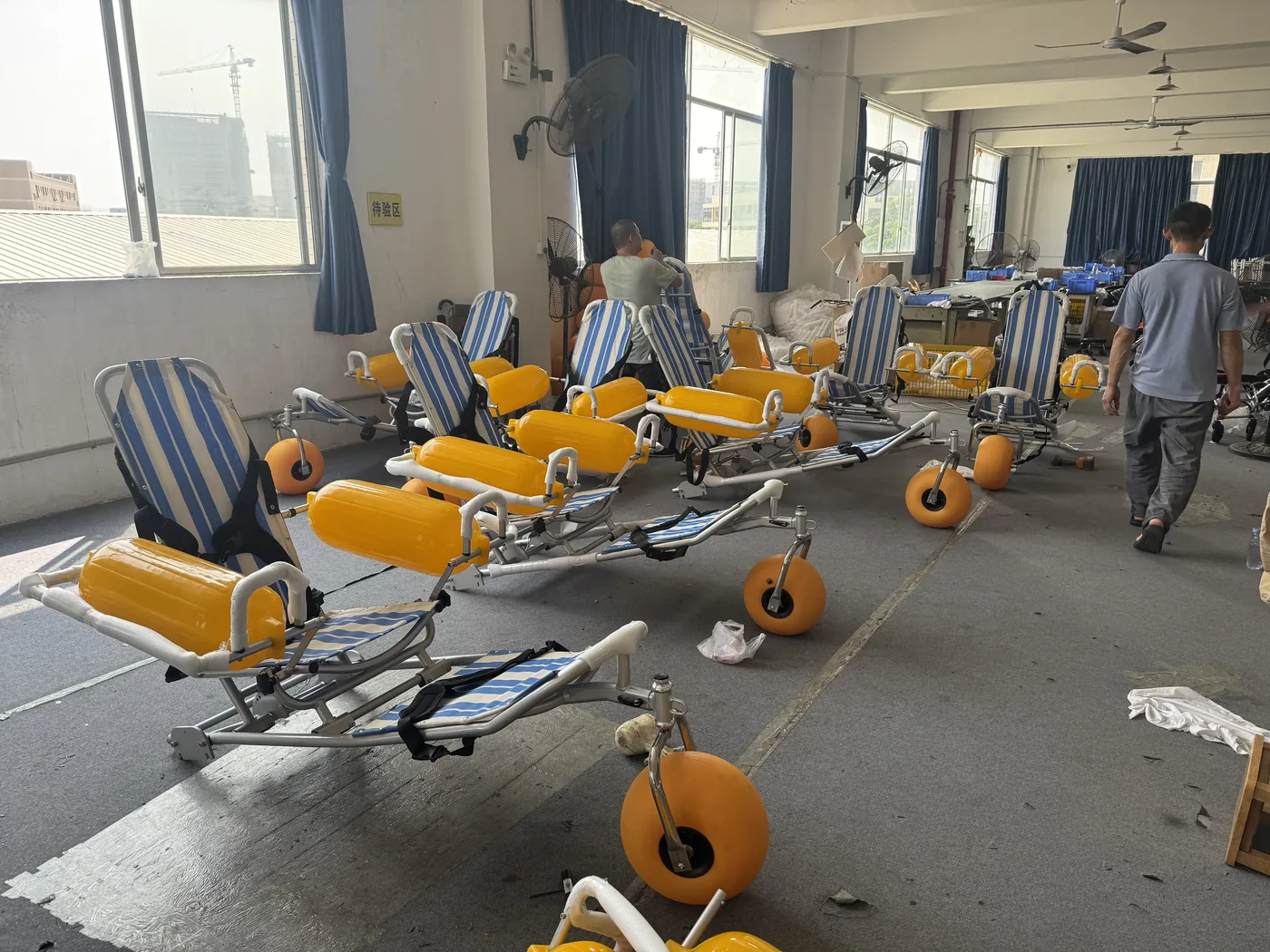
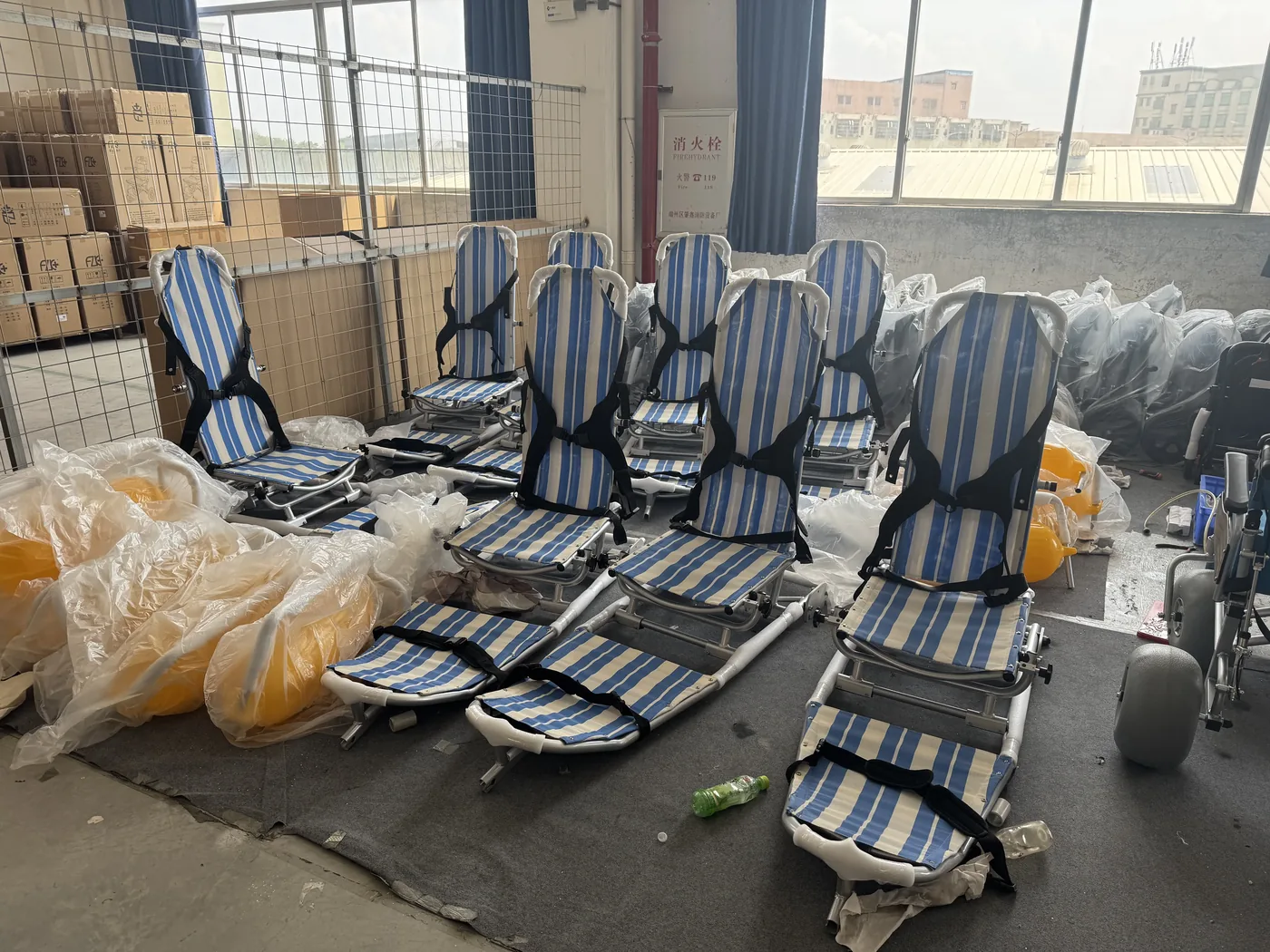
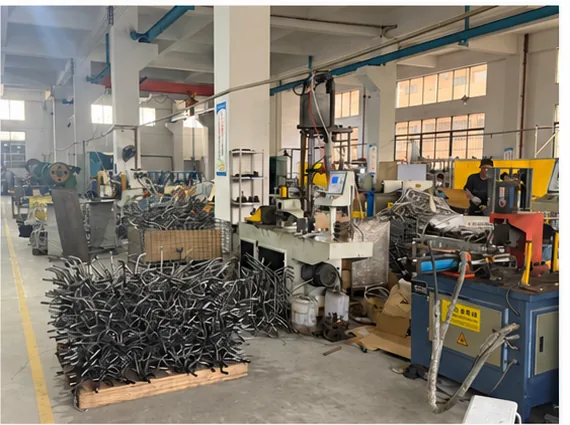
This OEM arrangement combines frame work, metal parts, float armrests, seating and final coordination in one project file. That gives the brand one place to review revisions, samples and inspection requirements before a batch is released.
Page owner: Ary Beach OEM team. Customer drawings, written approvals and the final order specification take precedence over this case-page summary.
Want to review the relevant workstations before an order? Ask for a project-focused video walk-through.
This setup shows one way to divide responsibility: the brand retains selected parts and product decisions, while the factory coordinates the remaining component groups against an approved reference.
Define which components stay under your control and which ones the factory should build, quote and document.
Use a controlled reference, revision number and interface dimensions to reduce ambiguity when spare parts are ordered later.
Keep drawings, sample approvals, inspection criteria and packing requirements together for each released revision.
Considering a similar supply split? Start by identifying the parts you want to retain.
These answers explain the project process without assuming a fixed minimum order, price, lead time or test standard.
Yes. This case uses that responsibility split: the factory supplies the agreed component groups and the brand supplies its wheels. Wheel samples or confirmed hub dimensions are needed for interface review.
A sample stage can be included in the project plan. Sample scope, cost, supplied parts and acceptance checks are confirmed after the design and interface requirements are reviewed.
Lead time is quoted for the specific project after the revision, sample status, test requirements, quantity, packing and destination are known. This page does not promise a standard delivery window.
The AY-ST platforms can be used as a reference for an engineering review. Requested changes still need drawing, interface and sample approval before production.
A named case page requires written client approval. Projects without that approval remain confidential and are discussed without identifying the customer.
Have a requirement that is not covered here? Add it to the project details.
Share the responsibility split and the information already available. The first reply can then focus on missing interface, sample and specification questions instead of assuming a standard product.