
Two AY-ST-V2.0 chairs bought on the same order can deserve different decisions. One may have a documented, repairable fault on a route it still serves well. The other may be mechanically sound yet too wide for the new entrance through which every guest must pass. A renewal request should tell purchasing which problem it would buy its way out of.
Start with one fleet number and one decision date. A chair with an unresolved safety concern stays out of service while the team evaluates it. Its book value, the arrival of a replacement quotation or a long summer waiting list cannot release it.
What work did this particular chair miss?
Pull the dates on which this unit became unavailable, the reported symptoms, the work carried out and the dates someone cleared it to return. An open ticket carried across three shifts is one unresolved incident. Three separate returns for the same wheel rubbing after approved repair and release deserve a technical review. Count days when the chair was needed separately from days spent in seasonal storage. The service desk can then explain whether a second chair covered the missed visits.
Ask the technician what remains uncertain. Is a replacement assembly available for this precise configuration? Does the supplier identify a repair method and what must be checked afterward? A quoted part alone leaves the repair decision open. The chair-specific maintenance history gives purchasing a place to trace those answers.
Would a new unit solve the route problem?
The AY-ST-V2.0 manual lists an overall width of 110 cm, a 45 cm seat width and a 100 kg maximum load. The overall width matters at a gate. The seat measurement concerns the individual using the chair. Neither measurement includes the space an attendant needs to approach, turn and return. Compare the deployed chair with the passage and destination that are available today. Also ask whether visitors whose needs the existing unit cannot meet would gain anything from an identical replacement. AY-ST-V2.0 manual, pages 2–3
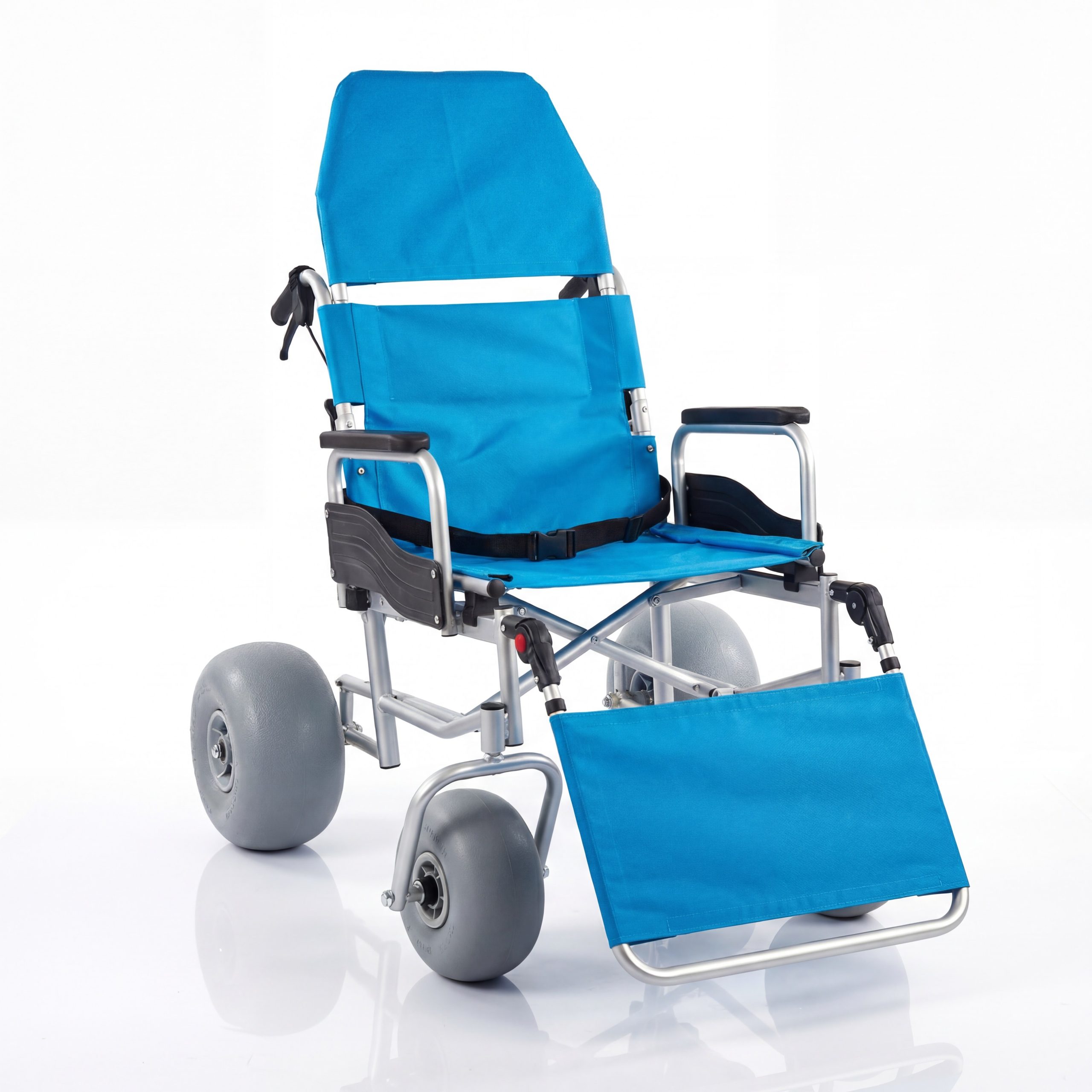
If a construction project has permanently narrowed a turning space, ask facilities whether another authorised route can provide the same visit. A sound chair may suit another staffed site, provided the receiving team checks its route, accepts custody and gets its manual and maintenance record. A transfer on the asset register alone does none of this.
Compare the options over the same period
| Option | Information to put before the buyer |
|---|---|
| Repair and retain | Supplier’s applicable part and work quotation, expected delivery, clearance required and temporary cover during the interruption |
| Reassign to another site | Current condition and technical release, the destination’s confirmed fit, handling costs and the receiving manager’s acceptance |
| Replace | Delivered configuration and price, lead time, sample or acceptance work, training and the disposition of the old asset |
| Withdraw without replacement | What service or location would lose capacity, what alternative has been confirmed and who changes the booking information |
Suppose a site budgets for the coming season. Use that same season to compare repair and replacement. If a repair estimate excludes collection but the new-chair quote includes delivery, add collection to the repair side before comparing totals. Show an unknown repair lead time as an open risk with an owner. Avoid converting an unconfirmed number of missed bookings into a cash saving.
Close the old asset as well as the purchase order
Record the chosen option, the reason, the evidence date and who authorised it. Where a replacement is ordered, keep the old chair’s ID and hold status intact. Allocate the incoming chair its own ID and accept the delivered configuration before the desk offers it. For a retired chair, remove it from loan stock, record its physical destination and close any listing that still offers it.
A useful renewal note fits in a few lines. It identifies the individual chair, says what failed or changed, names the alternative the team checked and links to the cost or route evidence that made the decision possible.