
A service history should let a technician distinguish a wheel that rubbed once after transport from a wheel that continues to rub after successive repairs. Give the actual chair, component position and repair revision a place in the record. “Three wheel problems this month” could mean three different units, one recurring fault, or equipment being assembled differently at one station.
Start with the current instructions and the supplier’s service contact for each unit. The AY-ST-V2.0 has a folding carbon-steel frame, a stainless-steel fork, inflatable front and rear wheel assemblies, a removable upper backrest, reclining backrest and adjustable leg support. Page 5 illustrates a maintenance point. Obtain the applicable service method, products and intervals from the responsible manufacturer or service provider for the fitted configuration. AY-ST-V2.0 manual, pages 2–5
Separate scheduled work from an event requiring attention
Schedule the tasks required for the actual model and the local operating history. Ask which tasks designated attendants may perform and which belong with a technician. A service visit due later this season should never postpone assessment of a crack, slipping support, recurring air loss or missing retention hardware reported today.
For each job, record the asset ID, side and location, dates of the first and most recent finding, the use or transport conditions and previous work. Preserve the original observations when a diagnosis changes. Keep daily cleaning and return checks with the unit so a technician can see what was already done. After-use care and drying
Examine the pattern before choosing another part
| Recurring observation | What to compare on this asset | What the service lead needs to decide |
|---|---|---|
| Front wheel rubs after the chair returns from another site | Wheel and fork identity, hardware order, handling and refitting record, location of contact. | Whether the problem follows the wheel, its mount or the transport/setup task. |
| Backrest or leg support slips at the same setting | Actual setting, attachment condition, part revision and last adjustment or repair. | Which support or mating component requires authorised technical assessment. |
| A tire repeatedly loses air | Identified wheel position, inspection conditions, recorded readings and part history. | Whether to hold the assembly for the prescribed leak investigation or replacement. |
| Similar damage appears on several units in one bay | Which parts contact the rack, chair storage orientation and recent changes in handling. | Whether the rack or storage method also needs correction. |
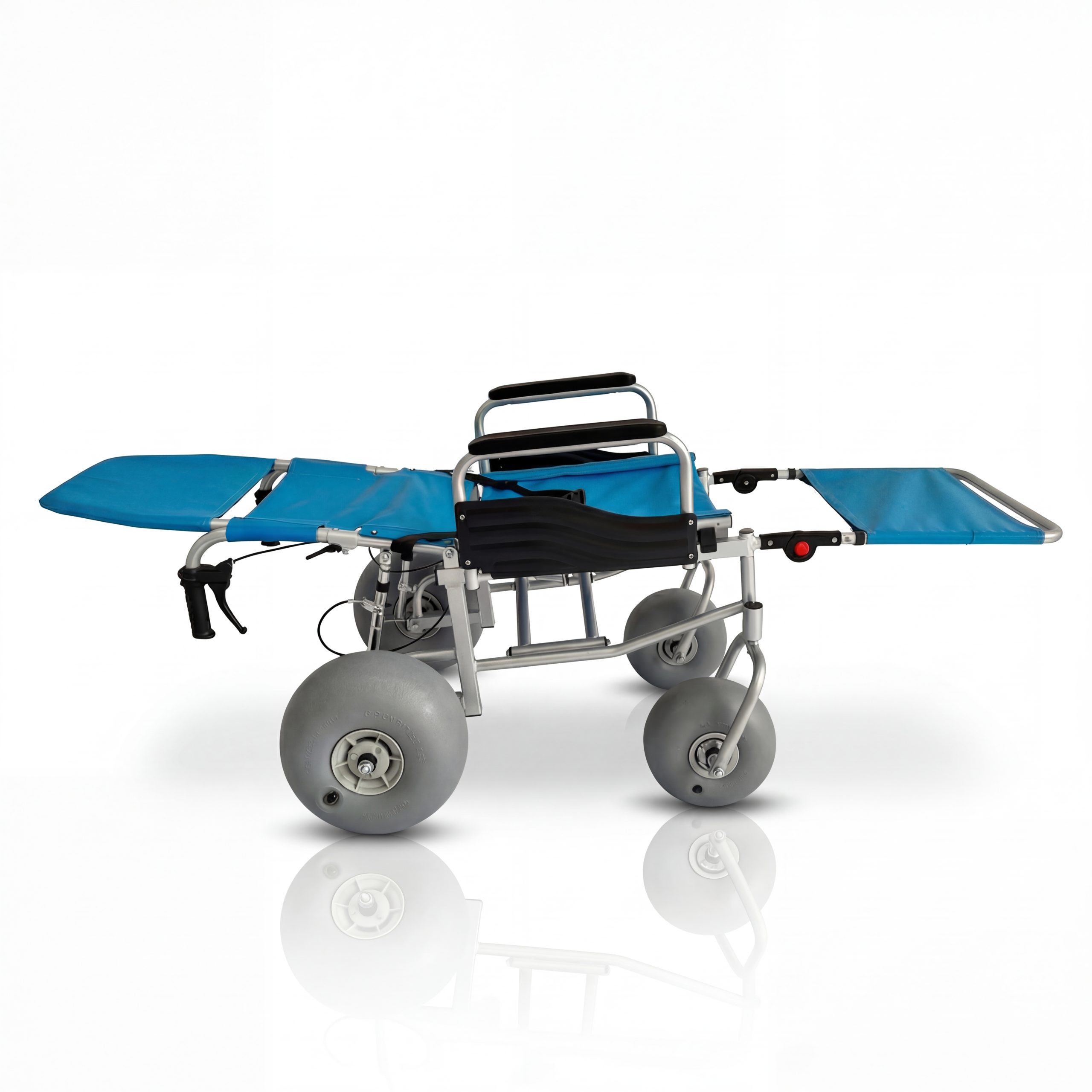
Consider a chair whose right front wheel is replaced after persistent rub. On its first empty check after the repair, the same contact recurs at the same turn. Record both results and retain the hold. The technician can now inspect the mating fork, mounting geometry and installation rather than ordering another wheel on the assumption that the first replacement failed. Similar symptoms on other chairs warrant examination only when their configuration or history makes the comparison meaningful.
Verify the function the work disturbed
A completed job entry identifies the approved part or method, the technician and anything removed or adjusted to gain access. If work involved a rear wheel, recheck attachment, retention, clear movement and the related functions specified for that version. If the upper backrest or leg support was disturbed, check the instructed engagement and movement of those parts. An empty roll cannot establish that an adjustable support holds as intended.
Use the manufacturer’s required method for any technical recheck. Keep unapproved structural work, substitutions and improvised stress tests out of the operating team’s routine. Record the result against the initial finding and the person who authorised return to service. Pre-use equipment checks
Before the next season, review time unavailable, repeated problems, actual parts consumption and changes in where the equipment travels. A delayed repair may justify a service agreement or a compatible reserve. A recurring problem after approved work may require a broader technical or replacement assessment. Tie that next decision to the named chair and its history. Repair, renewal and retirement decisions