Floating beach wheelchair saltwater care starts with the exact model instructions. A site plan should cover rinsing, drying, inspection, restraints, wheels, flotation parts, reporting, and storage after each approved water session.
Imagine a resort guest reaching the shoreline, only to watch soft sand trap a standard wheelchair before the family even reaches the water. The moment feels small from a distance, yet it can turn a long-planned trip into a frustrating barrier. A model-matched chair can support a documented sand route and supervised water boundary when local conditions allow.
What Is a floating beach wheelchair for Water Access?
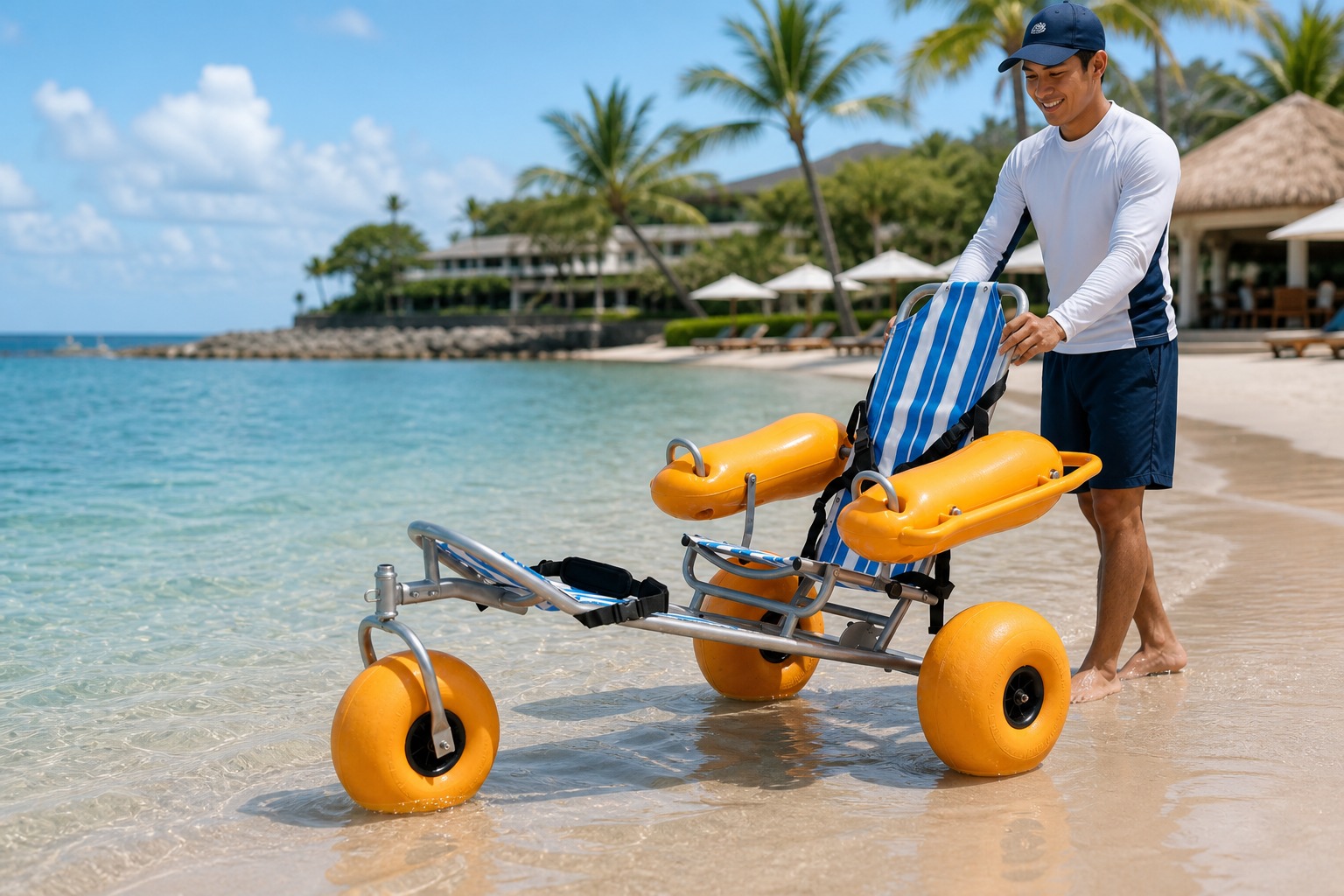
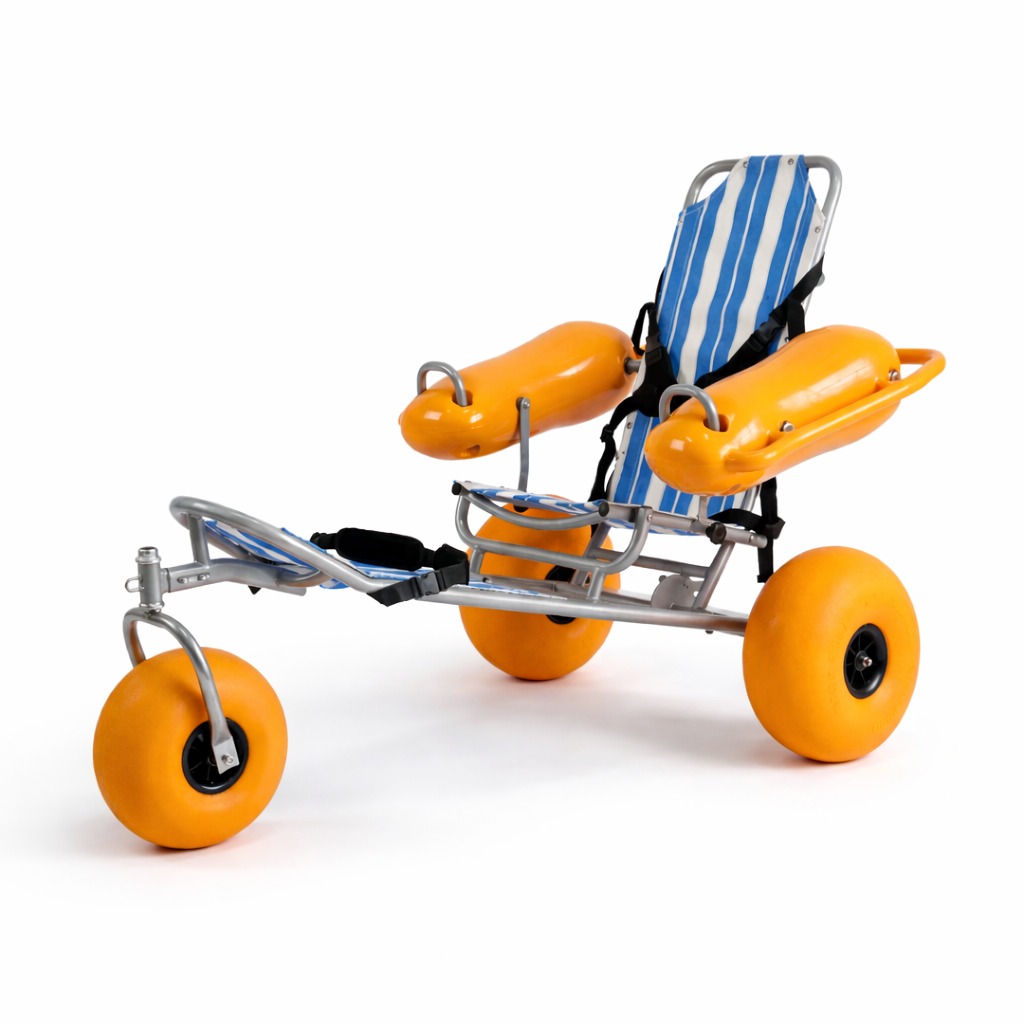
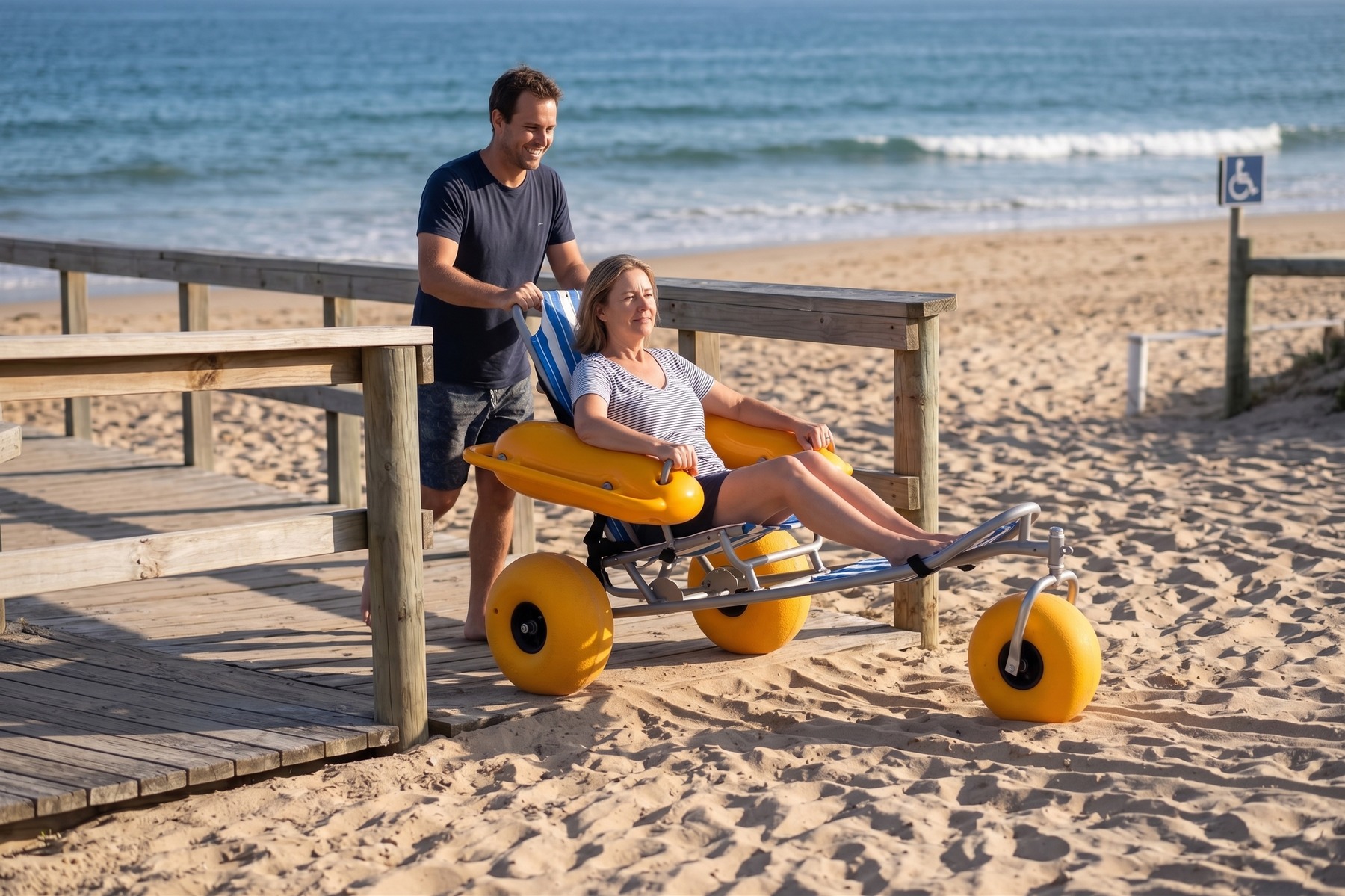
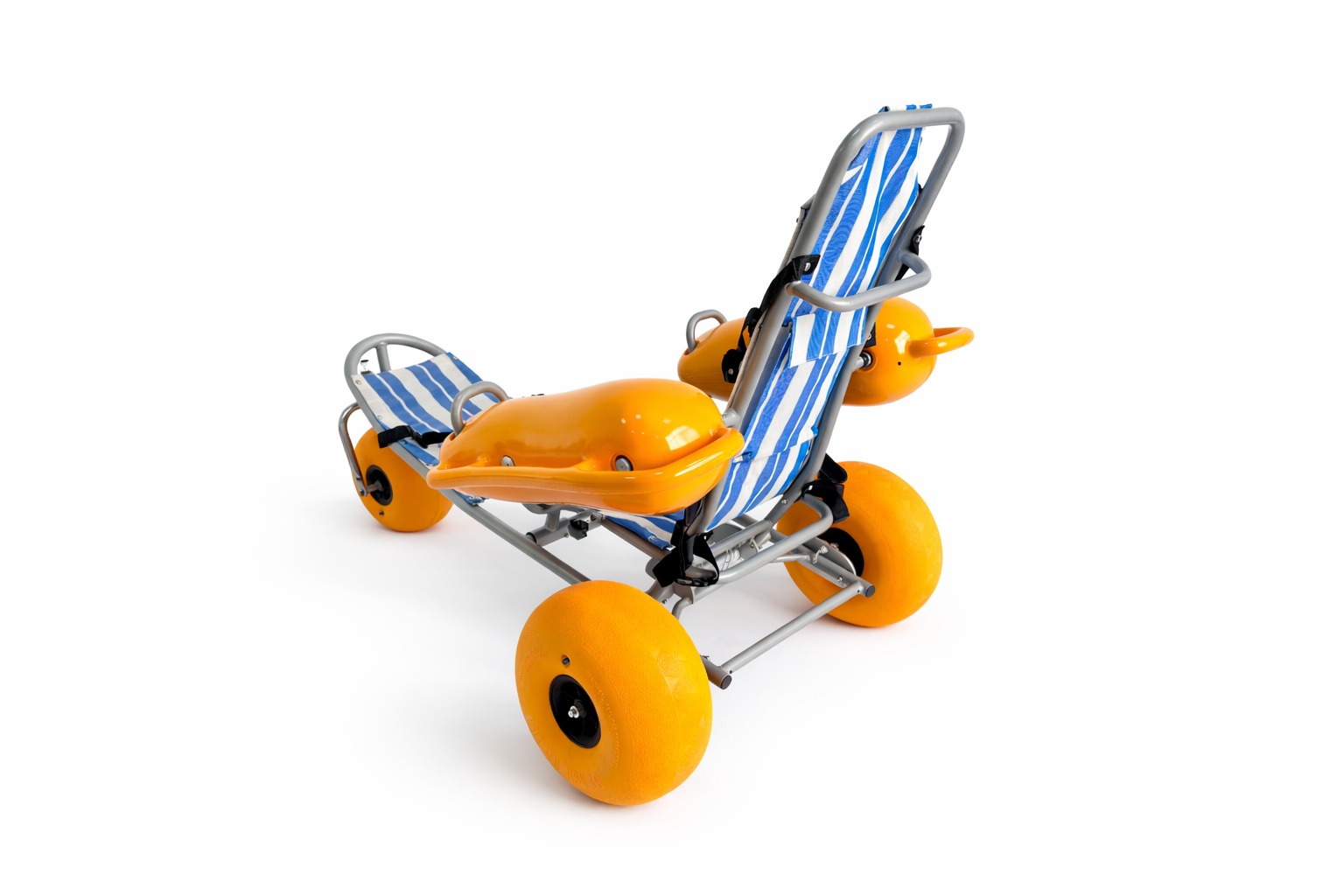
A floating beach wheelchair is a purpose-built mobility chair that combines sand-ready wheels with buoyant side floats for controlled shallow-water use. It helps you serve guests who need more than a paved ramp or beach mat because water access starts where dry pathways end. For U.S. coastal sites, NOAA tide predictions can inform use planning, while actual conditions control service.
Why does it work differently from a standard chair?
Here’s the deal: a standard wheelchair sinks because small wheels concentrate weight into soft sand. A floating model spreads load through large beach wheels and adds flotation around the seat.
- Wide wheels reduce sinking on sand.
- Side floats support buoyancy near calm water.
- A corrosion-resistant frame handles coastal exposure.
- Attendant handles improve controlled movement.
What should buyers remember before ordering?
You might be wondering: does one chair solve every beach access need? No, but it can close the hardest gap between shoreline and shallow water when staff, route planning, and weather judgment support each use.
Key Takeaway: If your beach program stops at the sand, this chair can extend access into carefully managed water contact.
| Buyer Check | What It Means |
|---|---|
| Sand travel | Large wheels help cross loose surfaces |
| Water entry | Floats support shallow-water positioning |
| Staff role | Attendants guide movement and safety |
This gives you a quick filter before comparing models.
Why Does a floating beach wheelchair Matter for Resorts?
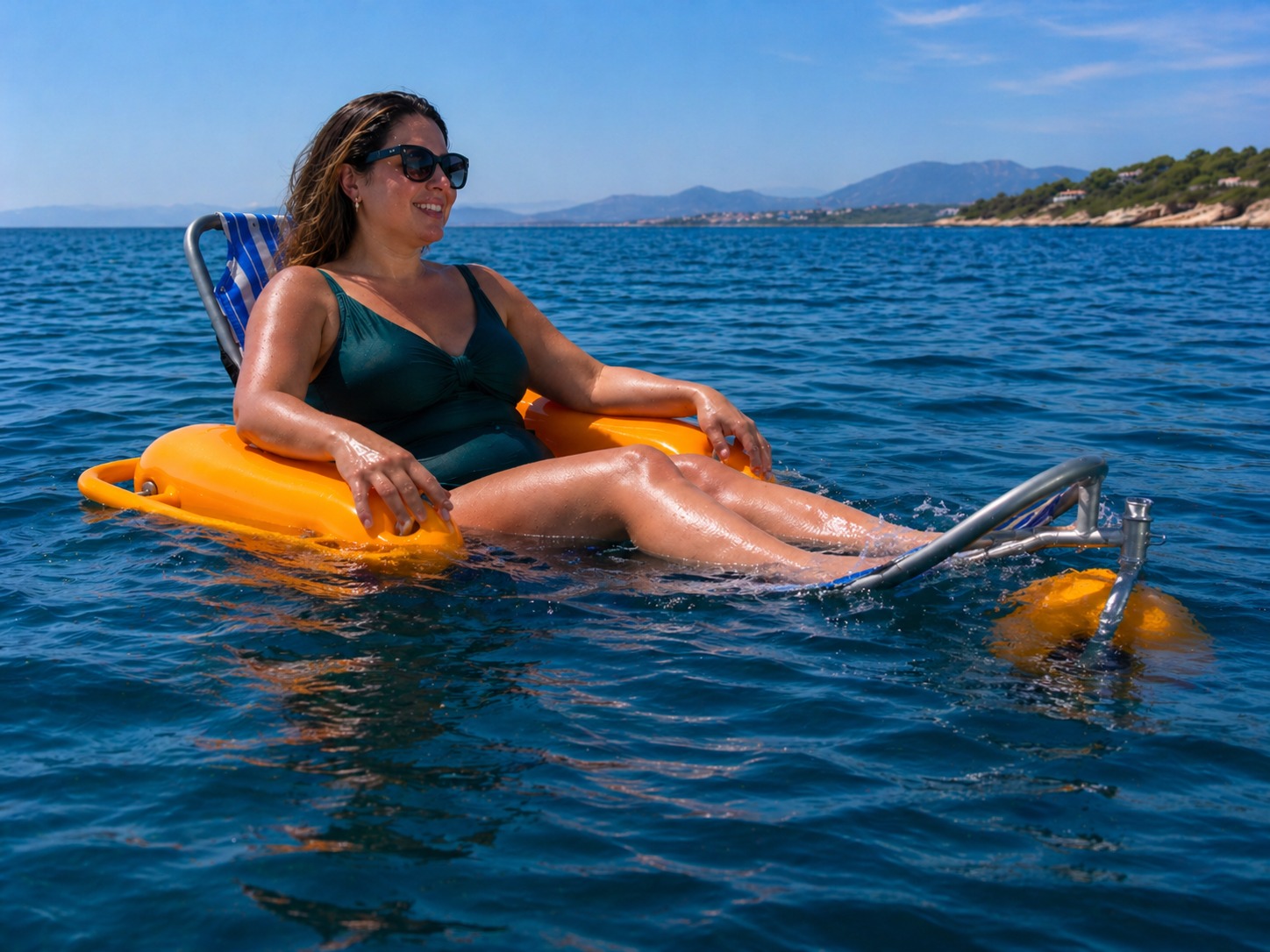
A floating beach wheelchair matters for resorts because guests judge accessibility by the full experience, not by a sign near the entrance. If your property promotes oceanfront leisure but stops mobility users at the dry sand, the promise feels unfinished.
How does it improve guest confidence?
This is where it gets interesting: guests often worry less about equipment and more about being watched, rushed, or handled awkwardly. A planned chair program gives them a visible, respectful option.
- Staff know where to meet the guest.
- Transfers can happen in a calmer zone.
- Families can stay together near water.
- The chair becomes part of service flow.
What makes it useful for operations?
Ready for the good part? one well-managed chair can support guest service, accessibility reviews, event planning, and resort reputation at once. It also gives staff a repeatable workflow instead of improvising under pressure.
Key Takeaway: Resorts gain more than equipment; they gain a structured answer for water-side inclusion.
| Resort Need | Chair Value |
|---|---|
| Guest service | Clear support option |
| Beach access | Sand and water route |
| Staff training | Repeatable workflow |
That makes procurement easier to justify across departments.
How Does a floating beach wheelchair Stay Buoyant?
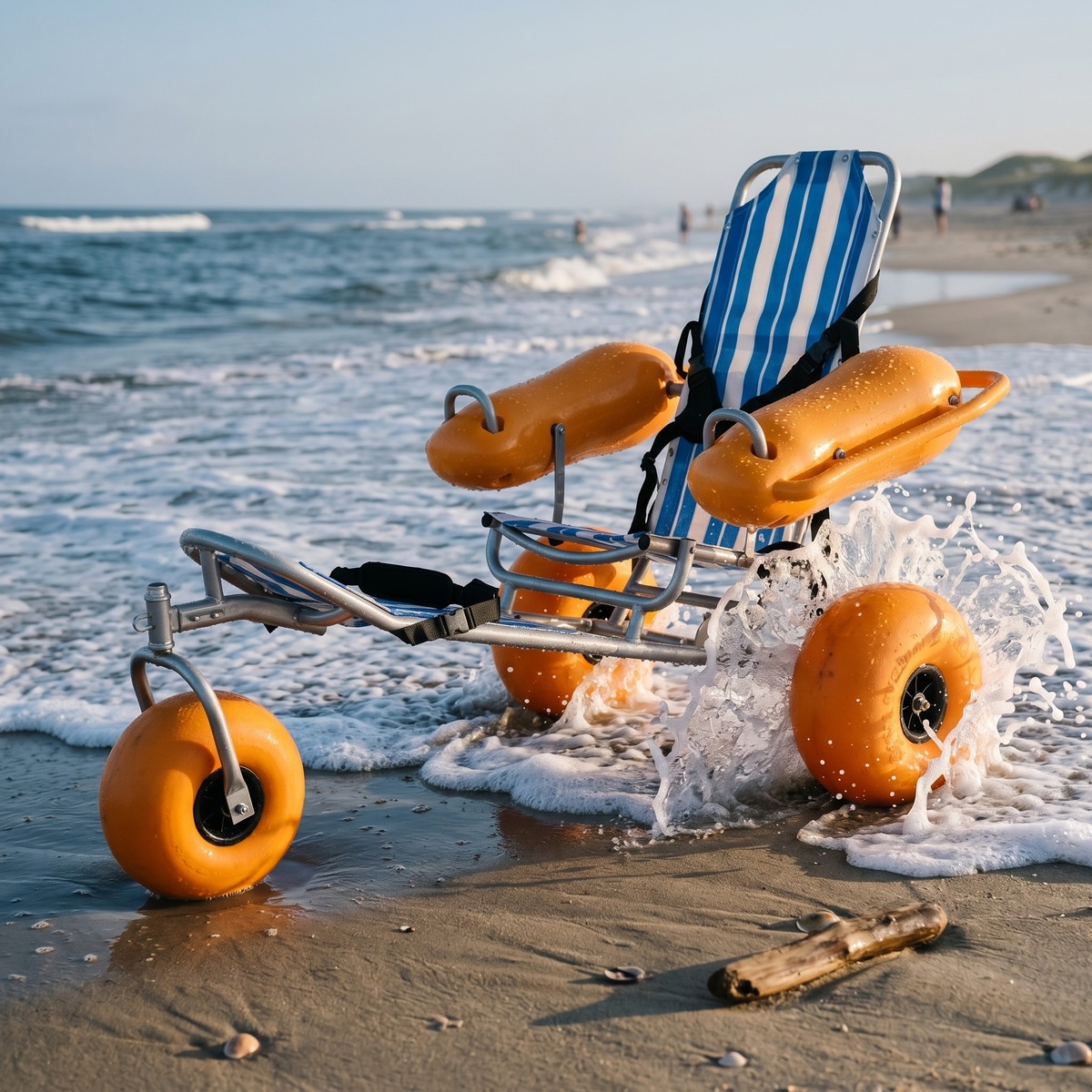
A floating beach wheelchair stays buoyant through side floats, wheel volume, seat position, and balanced frame geometry. The chair should keep the user supported in calm shallow water while an attendant remains in control.
What parts create flotation?
What’s the real story? buoyancy does not come from one single part. It comes from a system where floats, frame angle, wheel placement, and user posture work together.
- Side pontoons add lift near the torso.
- Large wheels add surface support.
- Reclined seating can improve stability.
- Low center placement reduces tipping risk.
Can buoyancy replace supervision?
Not quite: flotation supports the chair, but supervision guides the experience. You still need calm conditions, trained attendants, and a clear rule for when water entry should pause.
Key Takeaway: Buoyancy helps, but staff judgment keeps each water session controlled.
| Buoyancy Factor | Buyer Question |
|---|---|
| Side floats | Are they stable and easy to inspect? |
| Seat angle | Does posture feel secure? |
| Water setting | Is the use area calm enough? |
That table points buyers toward function rather than looks alone.
Where Should a floating beach wheelchair Be Used?
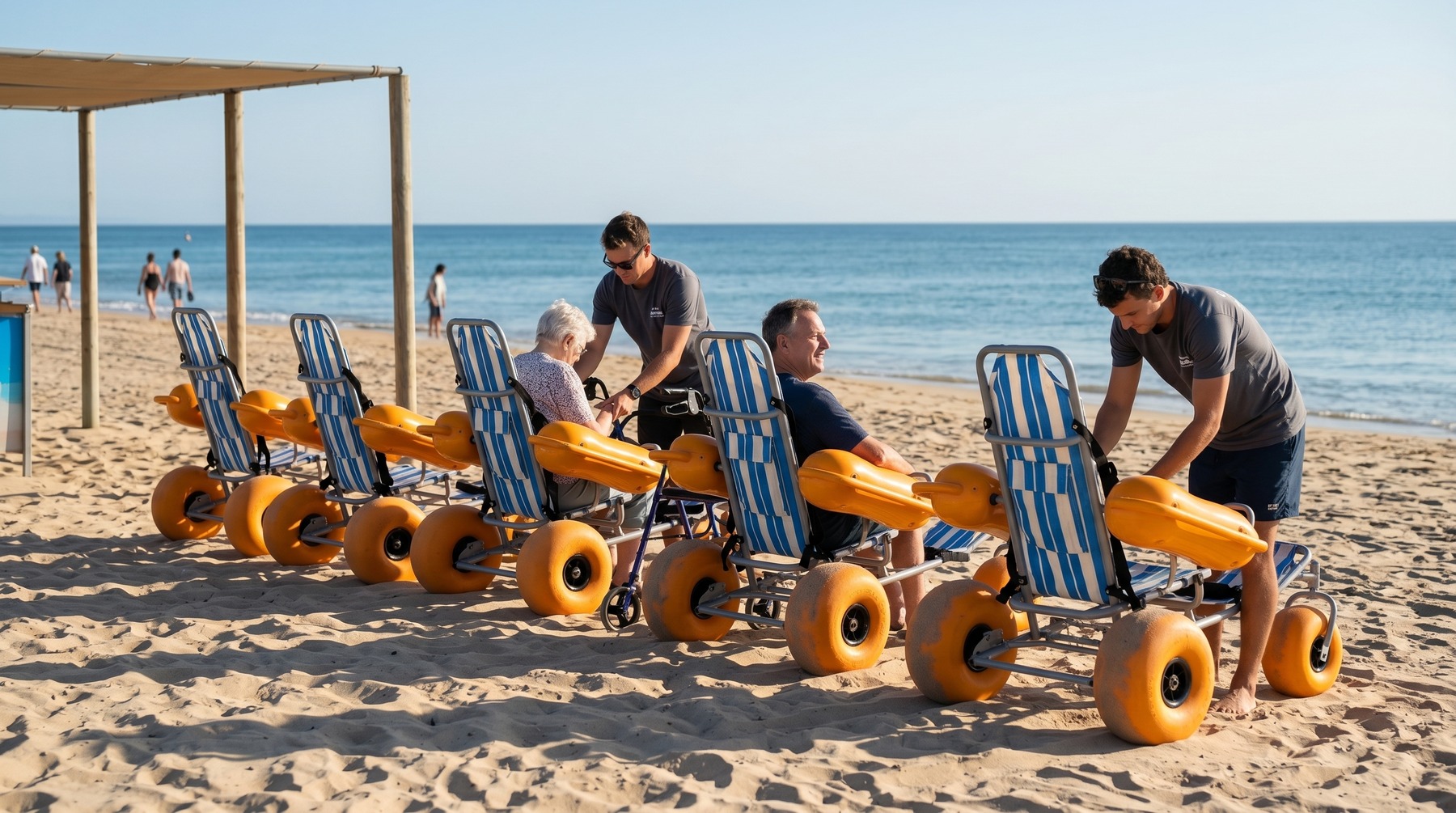
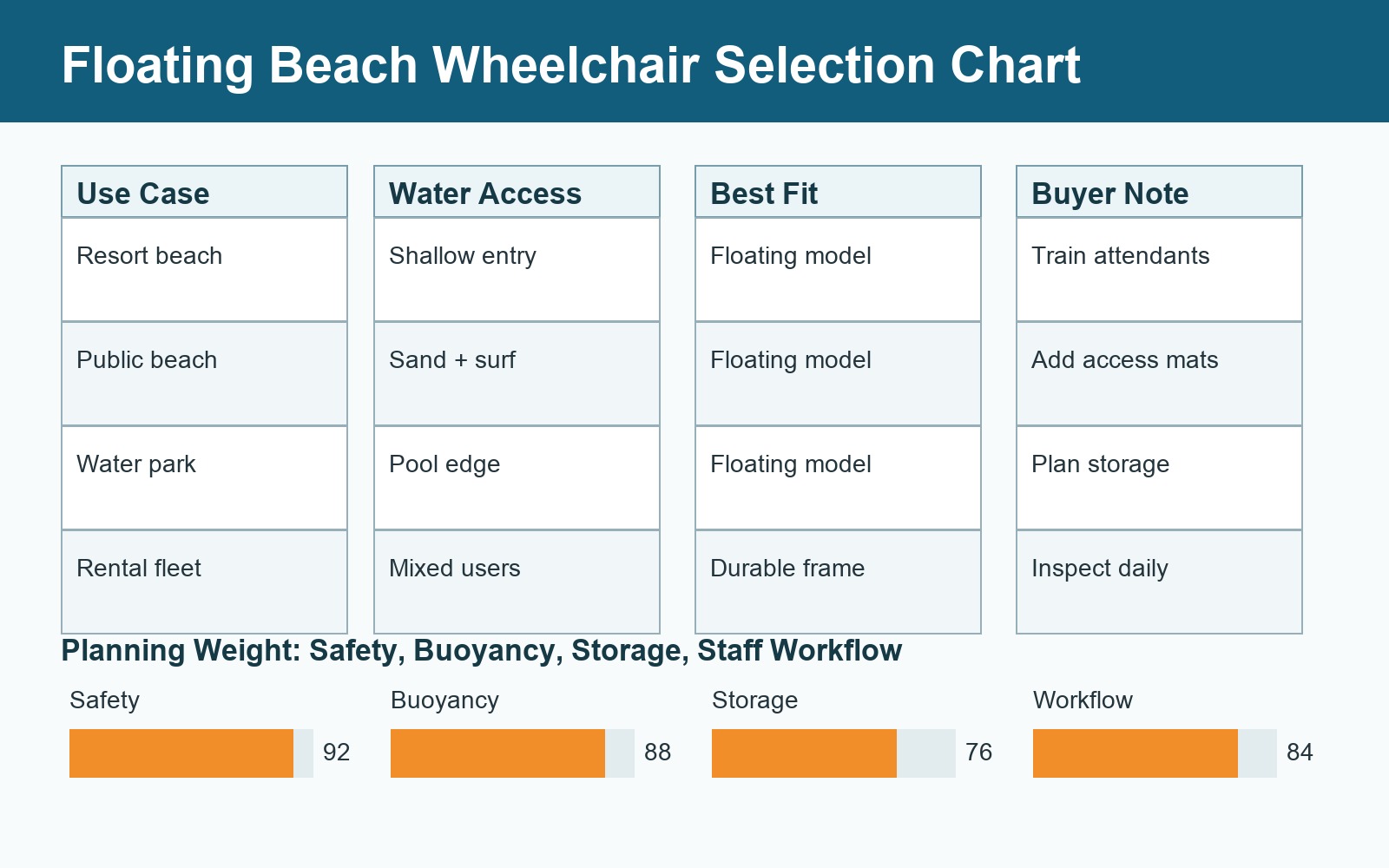
A floating beach wheelchair should be used on managed beaches, resort shorelines, water parks, and supervised coastal programs with calm entry points. It works best where you can control routes, staff response, storage, rinsing, and guest handoff.
Which locations fit the chair best?
Keep this in mind: the chair performs better when the site already has a clear access plan. Loose sand, steep slopes, and rough surf need extra caution.
- Resort beach clubs with staff support.
- Public beaches with access mats.
- Water parks with shallow entry zones.
- Community programs with trained teams.
What locations need extra review?
Here’s the catch: not every shoreline has the same risk profile. Rocky entries, strong shore breaks, fast tides, and crowded swim zones may require a different access plan.
Key Takeaway: Match the chair to a managed route, not just a beautiful view.
| Site Type | Fit Level |
|---|---|
| Calm resort bay | Strong fit |
| Mat-connected beach | Strong fit |
| Rough surf zone | Review carefully |
This helps you avoid placing equipment where conditions fight against safe use.
Who Needs a floating beach wheelchair Most?
A floating beach wheelchair serves guests, seniors, rehabilitation users, and visitors with limited mobility who want supported access beyond the boardwalk. It also supports facilities that want a better answer than “we can help you get close.”
How can different users benefit?
Let’s make it practical: not every user wants the same beach day. Some want to sit near water, some want a guided float, and some simply want to share a family moment without stress.
- Seniors may need stability on soft sand.
- Wheelchair users may need water transfer support.
- Rehab guests may need gentle water contact.
- Families may need a shared beach plan.
What should staff ask before use?
Here’s a simple filter: ask about transfer needs, comfort level, water confidence, and any support person involved. Those answers shape a calmer setup.
Key Takeaway: Better questions lead to better guest matching and fewer awkward moments.
| User Need | Program Response |
|---|---|
| Sand access | Use large wheels and clear route |
| Water contact | Use calm shallow entry |
| Transfer support | Assign trained attendants |
This turns accessibility from guesswork into service design.
How Should You Plan a floating beach wheelchair Route?
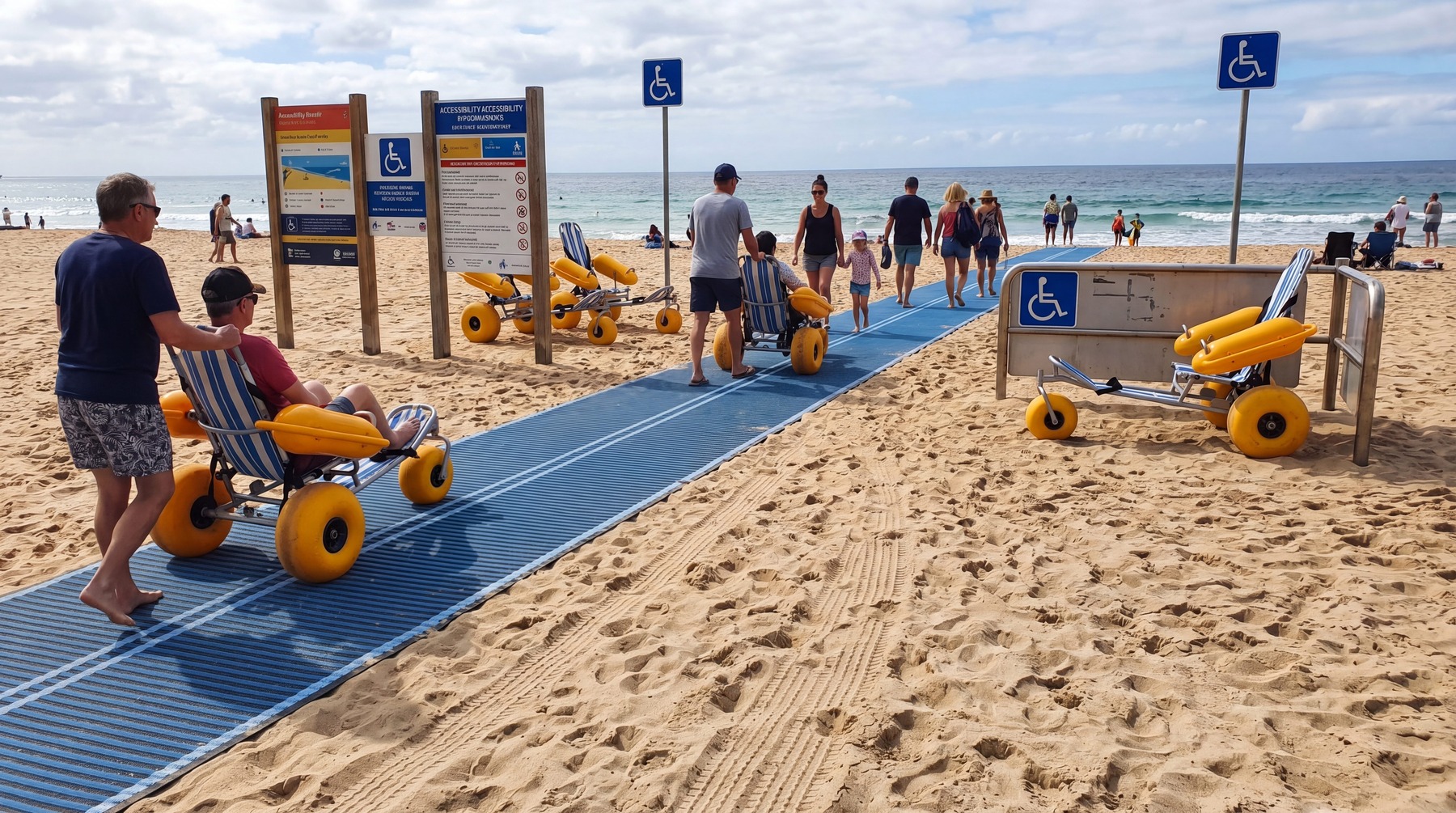
A floating beach wheelchair route should connect parking, ramps, mats, transfer zones, and shallow water into one continuous path. If any link breaks, the guest still faces a barrier, even with a good chair waiting nearby.
What route details matter most?
Here’s the path that works: start where the guest arrives, not where the sand begins. Your route should feel obvious to staff and comfortable for users.
- Accessible parking or drop-off.
- Firm path or beach mat.
- Transfer space with privacy.
- Short shoreline approach.
How do mats and chairs work together?
Now for the smart part: mats help the route, while floating chairs help the water moment. A firm beach pathway can reduce effort before the chair reaches soft sand or shallow surf.
Key Takeaway: A chair performs better when the route around it supports every step.
| Route Element | Why It Helps |
|---|---|
| Mat pathway | Reduces sand resistance |
| Transfer zone | Adds comfort and privacy |
| Shallow entry | Supports smoother water access |
This gives managers a checklist before launch day.
What Safety Rules Should a floating beach wheelchair Follow?
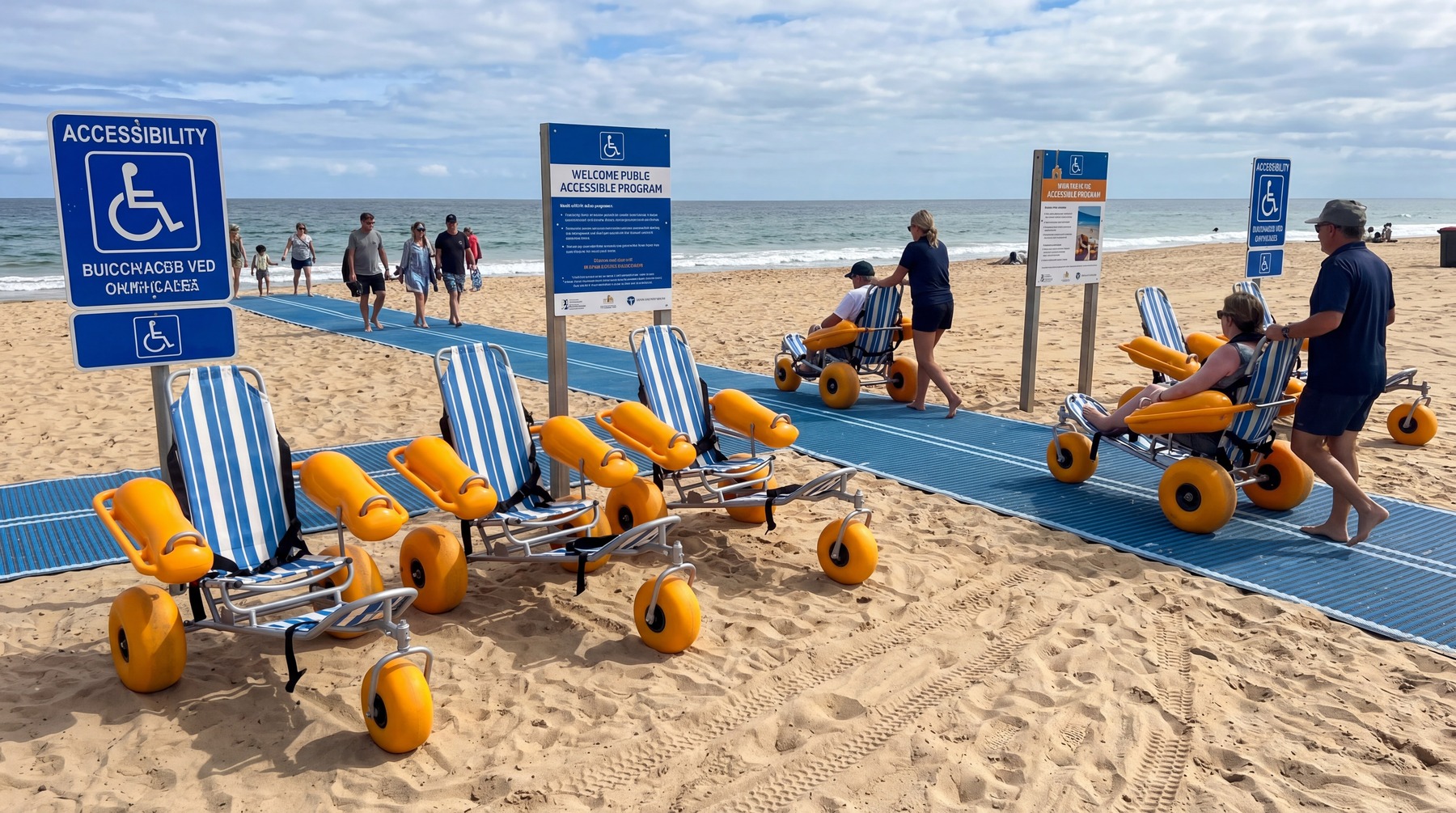
A floating beach wheelchair should follow rules for weather, water depth, attendant control, user positioning, and post-use inspection. Clear rules protect users and help staff act with confidence.
What should staff check before each session?
Before anyone rolls forward: inspect the chair and beach conditions. A fast check can prevent a poor experience.
- Tire and float condition.
- Restraint and strap placement.
- Weather and wave behavior.
- Route crowding and obstacles.
When should water entry pause?
Here’s the line: pause when waves become unpredictable, visibility drops, staff are short, or the guest feels uneasy. A respectful pause protects trust.
Key Takeaway: Safety rules should feel clear enough for new staff and calm enough for guests.
| Safety Area | Go / Pause Signal |
|---|---|
| Waves | Calm sets allow entry |
| Staff | Two trained people preferred |
| Chair | No loose straps or damage |
This keeps decisions grounded in visible conditions.
How Do You Train Staff for a floating beach wheelchair?
A floating beach wheelchair training plan should teach route setup, guest communication, transfer support, shallow-water handling, and after-use care. Staff need simple language and repeated practice, not a thick manual nobody opens.
What should training include?
Here’s what matters on day one: staff should know how to speak with users before touching equipment. Respectful communication sets the tone.
- Ask before assisting.
- Explain each movement.
- Confirm comfort and consent.
- Keep one person leading commands.
How can managers keep training simple?
Try this approach: build a short checklist for opening, use, and closing. Then run practice sessions before peak season.
Key Takeaway: Training turns a chair into a dependable guest service.
| Training Moment | Staff Action |
|---|---|
| Before use | Confirm comfort and route |
| During use | Move slowly and communicate |
| After use | Rinse, inspect, record notes |
This helps new staff repeat good habits without overthinking.
How Do You Maintain a floating beach wheelchair?
A floating beach wheelchair needs rinsing, drying, strap checks, fastener review, and storage away from harsh exposure. Salt, sun, and sand can shorten service life if care becomes random. Then keep the supplier overview with model-specific care questions. Keep the user manual resource with the exact model care record.
What should happen after saltwater use?
Small routine, big payoff: rinse fresh water over wheels, frame joints, straps, and floats after each session. Let the chair dry before storage when possible.
- Rinse salt and sand.
- Check straps and buckles.
- Look for loose hardware.
- Store in a shaded area.
How often should inspections happen?
Don’t wait for failure: high-use sites should inspect daily during season and record any repair notes. Lower-use programs still need a recurring schedule.
Key Takeaway: Maintenance protects guest experience and lowers surprise downtime.
| Care Task | Suggested Timing |
|---|---|
| Freshwater rinse | After each use |
| Strap check | Daily in season |
| Hardware review | Weekly or as needed |
This helps teams protect equipment without making care feel complex.
How Can a floating beach wheelchair Shape Better Beaches?
A floating beach wheelchair can shape better beaches by turning access from a promise into a usable shoreline experience. It helps you answer the real questions: how guests reach the sand, how they enter shallow water, how staff support them, and how your program stays ready. Also record any accessible beach mat as a separate care and inspection item.
What does a complete program include?
Here’s the big picture: equipment works best inside a system. A chair, mat, route map, training plan, storage process, and guest booking flow should all fit together.
- Sand and water mobility equipment.
- Staff training and safety rules.
- Rinsing and storage plan.
- Clear guest request process.
What should buyers do next?
Your next step is simple: review your shoreline route, decide where water access should happen, and contact us today if you want help planning a chair and access pathway. Better beaches are built when mobility, dignity, and real coastal participation are treated as one shared standard.
Key Takeaway: The right plan helps you solve sand access, water entry, staff workflow, and user confidence together.
| Program Piece | User Value |
|---|---|
| Chair | Water-side participation |
| Mat | Easier route across sand |
| Staff plan | Calmer support experience |
This final check keeps the project focused on people, not just products.
FAQ
Can I use a floating beach wheelchair in ocean waves?
Yes, but only in calm, shallow conditions with trained support. Strong surf, fast current, or poor visibility should stop water entry because the chair works best in managed shoreline areas.
What’s the best floating beach wheelchair for a resort?
The best choice is a durable model that fits your shoreline, guest profile, storage space, and staff workflow. Resorts should review route length, transfer needs, water depth, and maintenance capacity before buying.
How do I know if my beach needs mats too?
You likely need mats if guests must cross soft sand before reaching the chair or shoreline. Mats reduce effort and make the route more predictable for users, attendants, and families.
Can I use one chair for adults and seniors?
Yes, if the model supports the user size, posture, transfer needs, and comfort level. Staff should confirm fit before each use and avoid forcing one chair into every situation.
What’s the best care routine after saltwater use?
Rinse the chair with fresh water, check straps and fasteners, let it dry, and store it away from harsh sun when possible. This simple routine protects performance during busy beach seasons.