
Compare a PVC beach wheelchair or aluminum model as a complete system, not by frame label alone. A resort quote may name frame material yet leave joints, care, documents, and service support unclear. Never assume one material weighs less, lasts longer, or resists corrosion better.
Use a controlled B2B review when similar quotes leave material or service details unclear. Ask for model evidence before ordering. A photo cannot prove alloy grade, polymer formula, bonding method, load rating, approval, or corrosion performance.
What does a PVC or aluminum comparison actually cover?
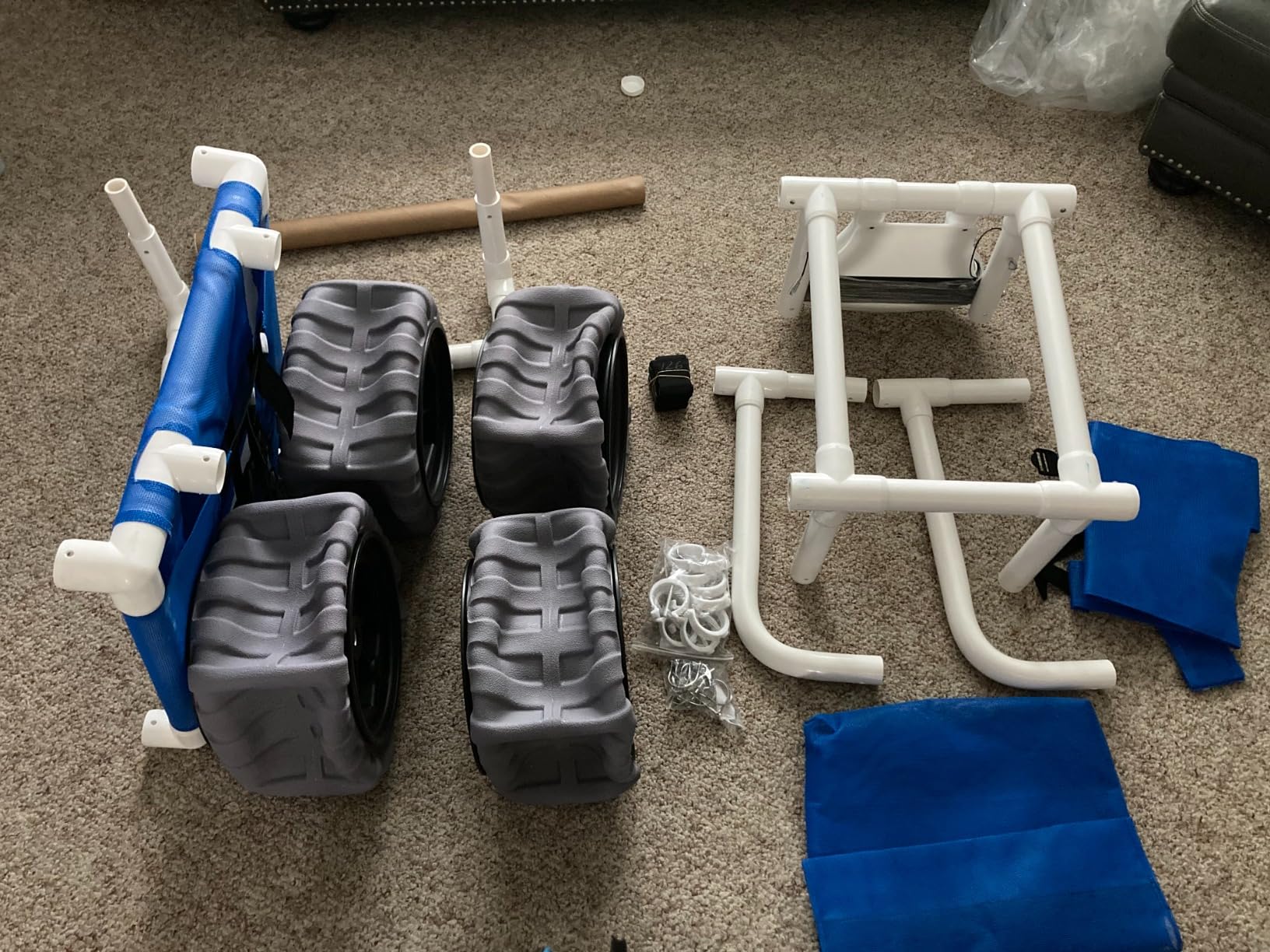
A fair PVC versus aluminum comparison covers every part that affects service, not only visible frame tubes. Compare frame, wheels, seat, supports, fasteners, joints, accessories, instructions, cleaning, storage, and supplier response. Similar shapes may need different handling records.
Define the system before naming a winner
Write down each approval responsibility. Material alone cannot answer a route or fleet question. Include storage, checks, parts, and setup needs.
- Name surfaces, storage location, route, and staff roles.
- Record sand use and firm transitions.
- List cleaning, inspection, and repair responsibilities.
Start with a one-page brief linking each feature to a task, risk, or owner.
| Comparison area | Buyer should record | Evidence still needed |
|---|---|---|
| Frame system | Material named in current quotation | Model drawing or specification |
| Complete chair | Wheels, seat, supports, hardware | Configuration and parts list |
| Service | Cleaning, inspection, storage, repair roles | Current instructions |
| Program fit | Route, staff, storage, handoff | Site review and owner approval |
Key takeaway: approve a service brief before comparing PVC and aluminum labels.
How should you verify frame material claims?
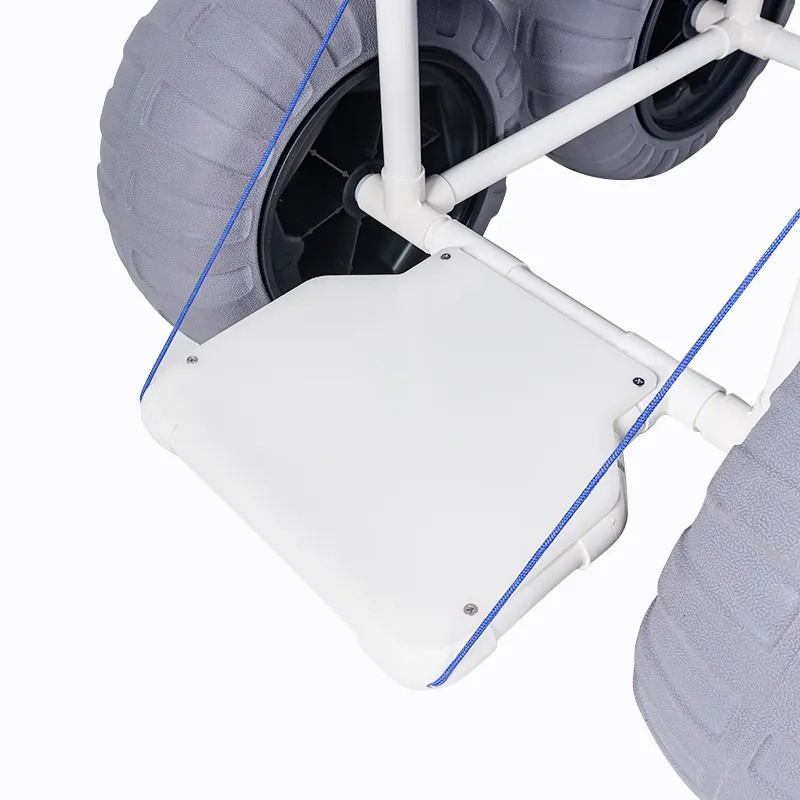
Verify frame claims with a written specification tied to an exact model and revision. Color, finish, tube shape, and photos cannot prove PVC, aluminum, another polymer, a mixed build, or a specific alloy. One product family may offer more than one frame option.
Ask for named material evidence
Request named material evidence. Ask what “PVC frame” or “aluminum frame” means in the quotation. Request a component-level description covering tubes, connectors, supports, fasteners, and mixed-material joints.
- Request exact model and revision.
- Ask for a current drawing or controlled specification.
- Require a mixed-material component list.
Do not turn a broad marketing phrase into a promise. Keep answers with quote records.
| Claim type | Safe buyer treatment | Close-out evidence |
|---|---|---|
| “PVC frame” | Treat as a label, not a full formulation | Component specification |
| “Aluminum frame” | Do not infer alloy grade or temper | Written material statement |
| “Corrosion resistant” | Ask for conditions and test basis | Stated limits or report |
| “Lightweight” | Request configuration-specific value | Controlled product data |
Key takeaway: keep any material claim open until a current document closes it.
Why do joints matter as much as frame material?
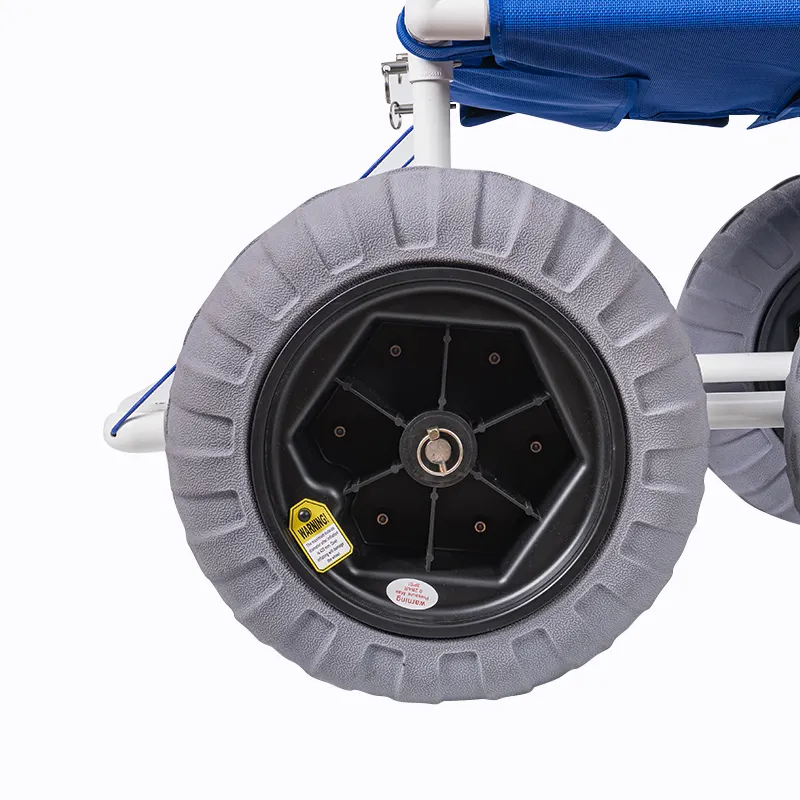
Joints matter because a chair sends handling force through connectors, fasteners, axles, brackets, and mixed-material joins. A tube may look sound while a joint causes a care, cleaning, alignment, or parts issue. Compare how each quoted system names and services its connections.
Trace connection points through service records
Trace each joint through service. Ask a supplier to map connections staff inspect, clean, replace, or leave untouched. Identify who may inspect each connection and where replacement information lives.
- Mark tube, wheel, seat, and support interfaces.
- Ask how fasteners and retainers appear in the parts list.
- Review sand and moisture collection points.
A mixed system may need a different care method at each join. Do not assume one rinse method works everywhere. This matters for all-terrain beach wheelchair programs on varied surfaces.
| Joint review | Question for supplier | Buyer record |
|---|---|---|
| Wheel interface | Which parts are model-specific? | Drawing and parts ID |
| Seat support | How is condition inspected? | Manual section and owner |
| Mixed interface | Which care limits apply? | Written boundary |
| Fastener set | What triggers service? | Hold and escalation rule |
Key takeaway: compare connection control and service evidence beside each material statement.
How should coastal exposure shape your review?
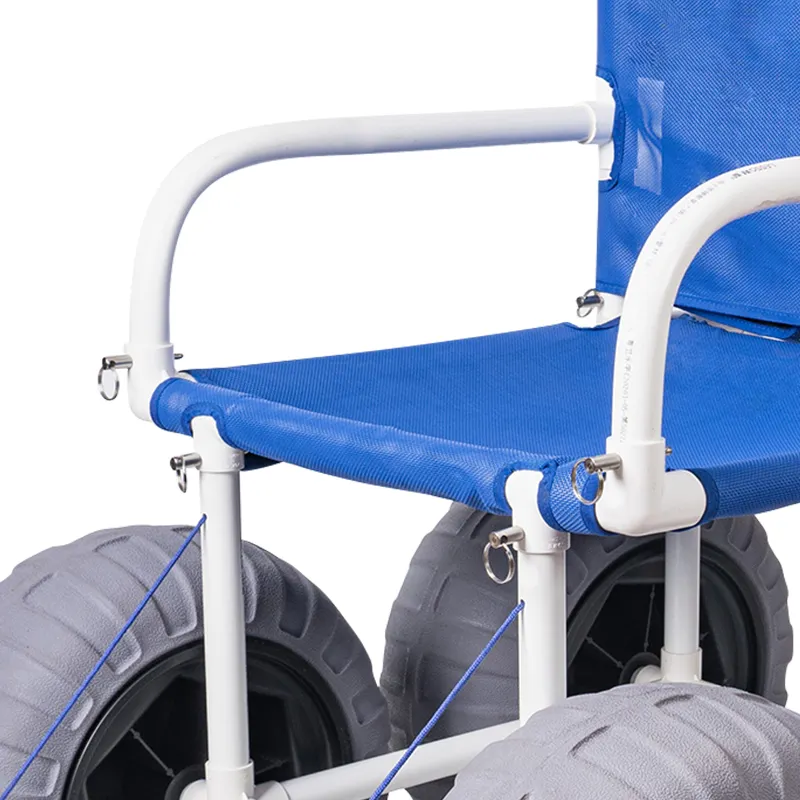
Review coastal exposure through salt, sand, moisture, sun, rinsing, drying, and storage. Do not claim PVC never corrodes or aluminum resists every coastal problem. Frames, fasteners, fabrics, wheels, and labels can face different conditions.
Ask for care boundaries, not blanket promises
Put salt and sand into the care plan. Request a written routine covering cleaning agents, water exposure, drying, inspection, and storage. Ask for a separate approved-use statement around water.
- Describe exposure in the buyer brief.
- Request care instructions for frame, fabric, joints, and wheels.
- Ask how sand removal and drying are recorded.
The same approach supports a lightweight beach wheelchair fleet with a clear return, clean, dry, inspect, and store workflow. WHO wheelchair provision guidance puts fitting, training, and follow-up with trained staff.
Keep water use separate; the floating beach wheelchair comparison belongs in a different approval question.
| Exposure condition | What to ask | What not to infer |
|---|---|---|
| Salt air | Cleaning and inspection method | Universal corrosion immunity |
| Loose sand | Removal and drying guidance | Joint sealing from appearance |
| Splash or water | Approved-use boundary | Water approval from a photo |
| Sun and storage | Fabric and storage guidance | Unlimited outdoor storage |
Key takeaway: make exposure conditions a written part of the quotation request.
Which service records should a buyer request?
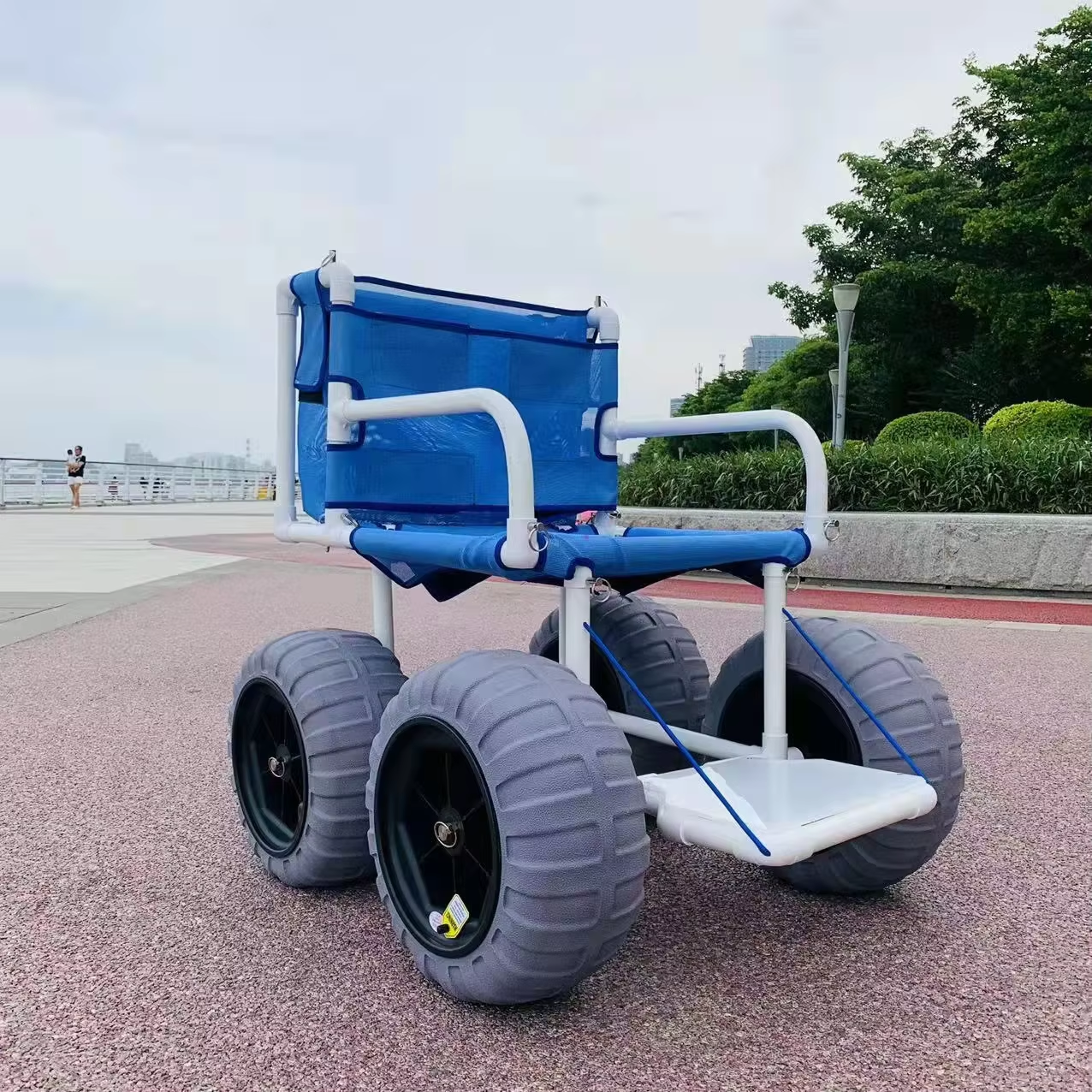
Request records that keep product identity, care, checks, parts, incidents, and supplier answers together. A controlled file preserves configuration without unsupported durability claims.
Build a traceable record pack
Build a record pack staff can use. Request a model drawing, current manual, parts list, packing list, cleaning guide, check list, service contact, and revision history. Ask suppliers to mark standard parts and options. Record which answer fits each chair or order line.
- Give each unit a local identifier.
- Store model and revision beside the purchase record.
- Keep open questions with an owner and due date.
- Record cleaning, damage, and release status.
Review projects and applications when mapping roles. Attach model documents to the record pack.
| Record | Why procurement needs it | Owner after handoff |
|---|---|---|
| Model drawing | Confirms quoted configuration | Technical or asset owner |
| Manual | Guides approved handling and care | Operations |
| Parts list | Prevents wrong substitutions | Maintenance or supplier |
| Inspection log | Shows ready, hold, or service status | Operations |
Key takeaway: make document ownership a scored line in every supplier review.
How do complete systems change day-to-day handling?
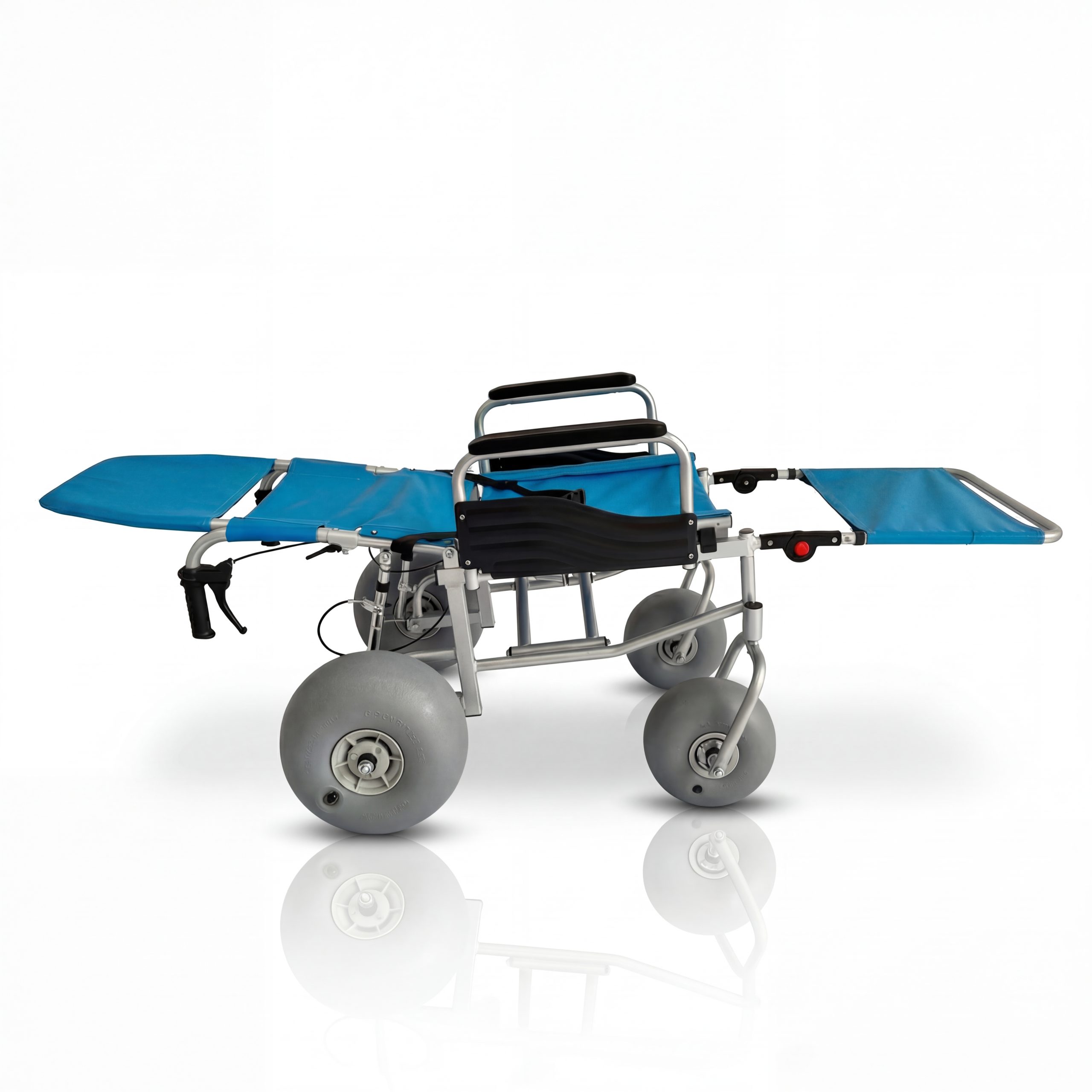
Complete systems change daily work through width, wheel layout, supports, accessories, storage, and staff workflow. Compare ready and approved stored states.
Review the full work cycle
Map the complete work cycle. Record return, cleaning, drying, inspection, storage, retrieval, handoff, use, and return again. Ask staff where a material-specific concern appears. Assign an owner for each check.
- Compare packed items and loose accessories.
- Record hand clearance around wheels and supports.
- Review storage-to-service routes.
- Keep personal suitability outside procurement claims.
Add a matching user manual to the handoff pack. Keep its revision beside the chair record. A good system can still fail at handoff when staff lack space or authority.
| Workflow stage | Comparison point | Owner |
|---|---|---|
| Return | Care and status | Operations |
| Storage | Space and protection | Facilities |
| Handoff | Instructions and parts | Service lead |
| Release | Ready or hold decision | Named approver |
Key takeaway: observe one complete empty-chair cycle before approving a fleet specification.
What should a fleet compare before ordering?
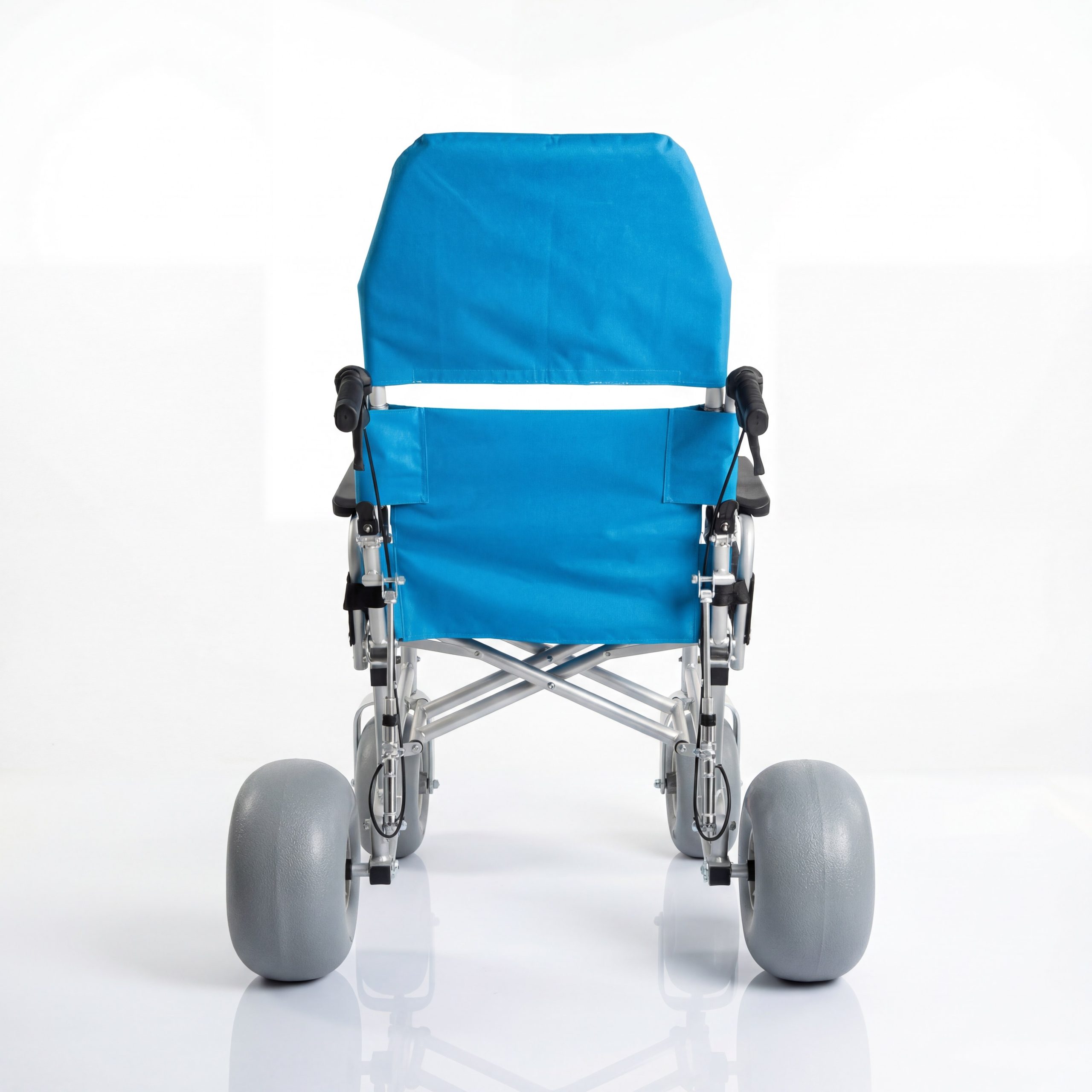
A fleet should compare configuration control, checks, cleaning, parts, storage, roles, supplier response, and owner tasks. Ask whether every unit can follow one process.
Use one matrix for every quoted system
Compare each quote in one matrix. Give every supplier identical fields and a status beside each response. Mark fields answered, partly answered, evidence pending, not offered, or outside scope. Keep price separate from technical acceptance.
- Compare exact model and revision.
- Score document completeness and response speed separately.
- Record storage, cleaning, and inspection effort.
- Ask about spare-part identification and support boundaries.
For a distributor, ask whether staff can identify the same configuration later. For a rental program, ask whether staff can isolate one chair without stopping all units.
| Fleet criterion | PVC quote | Aluminum quote | Close-out rule |
|---|---|---|---|
| Configuration | Exact model and revision | Exact model and revision | Match order documents |
| Care | Written method and limits | Written method and limits | Operations accepts |
| Parts | IDs and support path | IDs and support path | Maintenance accepts |
| Records | Inspection and hold process | Inspection and hold process | Owner assigned |
Key takeaway: reject any matrix row that has a marketing phrase but no named evidence.
How can a sample review avoid photo-led decisions?
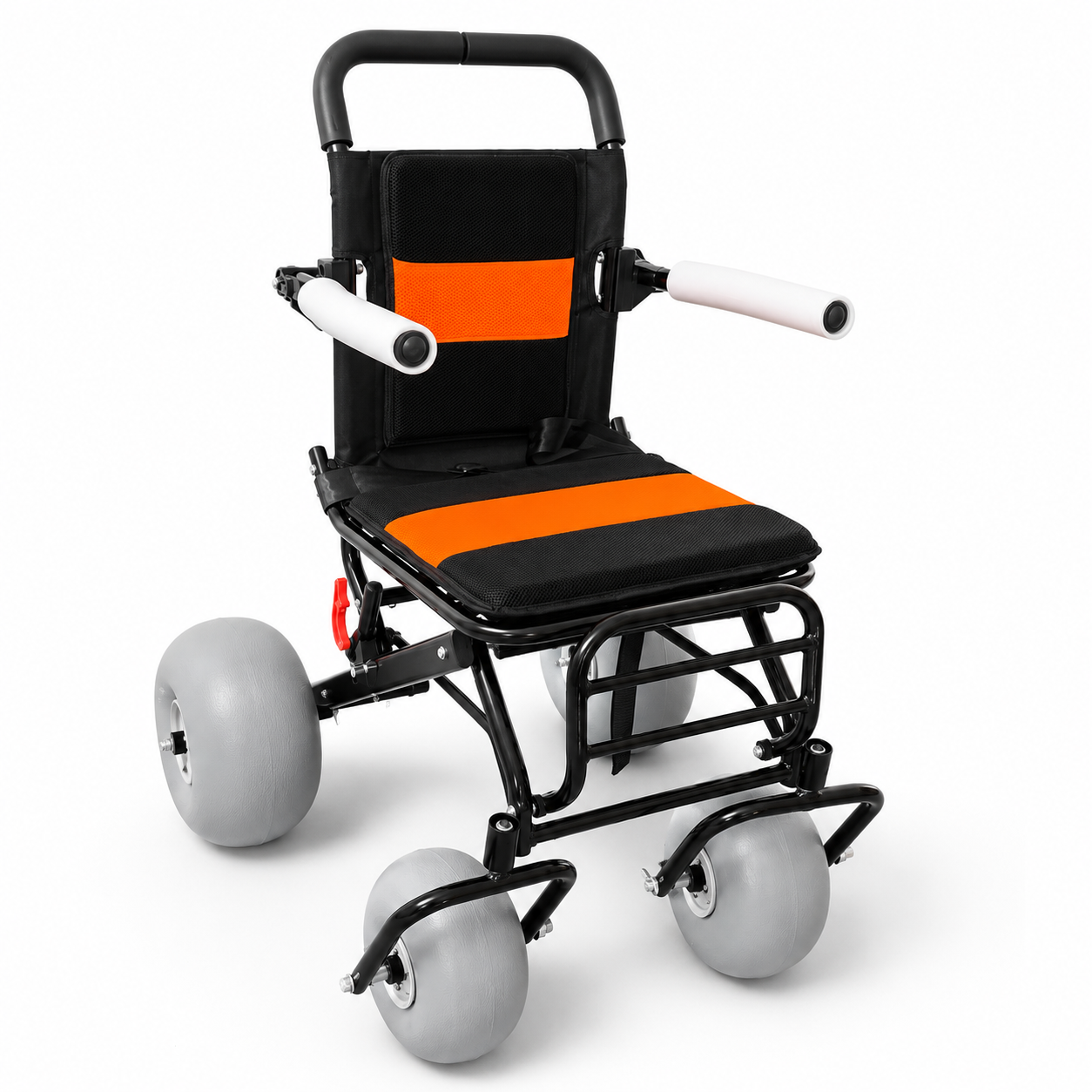
A sample review uses images for orientation and tests the quoted configuration with documents, visible checks, and an empty-chair workflow. It can expose missing records, unclear parts, poor access, or a mismatch in sales language.
Record what a sample can and cannot show
Use the sample to ask better questions. Inspect identity, joints, wheel interfaces, supports, labels, accessories, cleaning access, and storage state. Ask the supplier to confirm each observation in writing. Do not convert a sample into a general performance promise.
- Photograph the sample under buyer policy.
- Match visible parts with the current drawing.
- Run an empty-chair route on approved surfaces.
- Separate observed facts from interpretation.
During a beach wheelchair applications review, record whether staff can see connectors and reach cleaning points. A sample still needs a site review before a new use case.
| Sample finding | What it supports | What it does not prove |
|---|---|---|
| Visible component | Identity question | Material grade |
| Empty handling | Workflow observation | Passenger suitability |
| Cleaning access | Care planning question | Long-term durability |
| Supplier reply | Documented claim | Universal site performance |
Key takeaway: close sample observations with written answers before converting them into specifications.
Which questions belong in a supplier quotation?
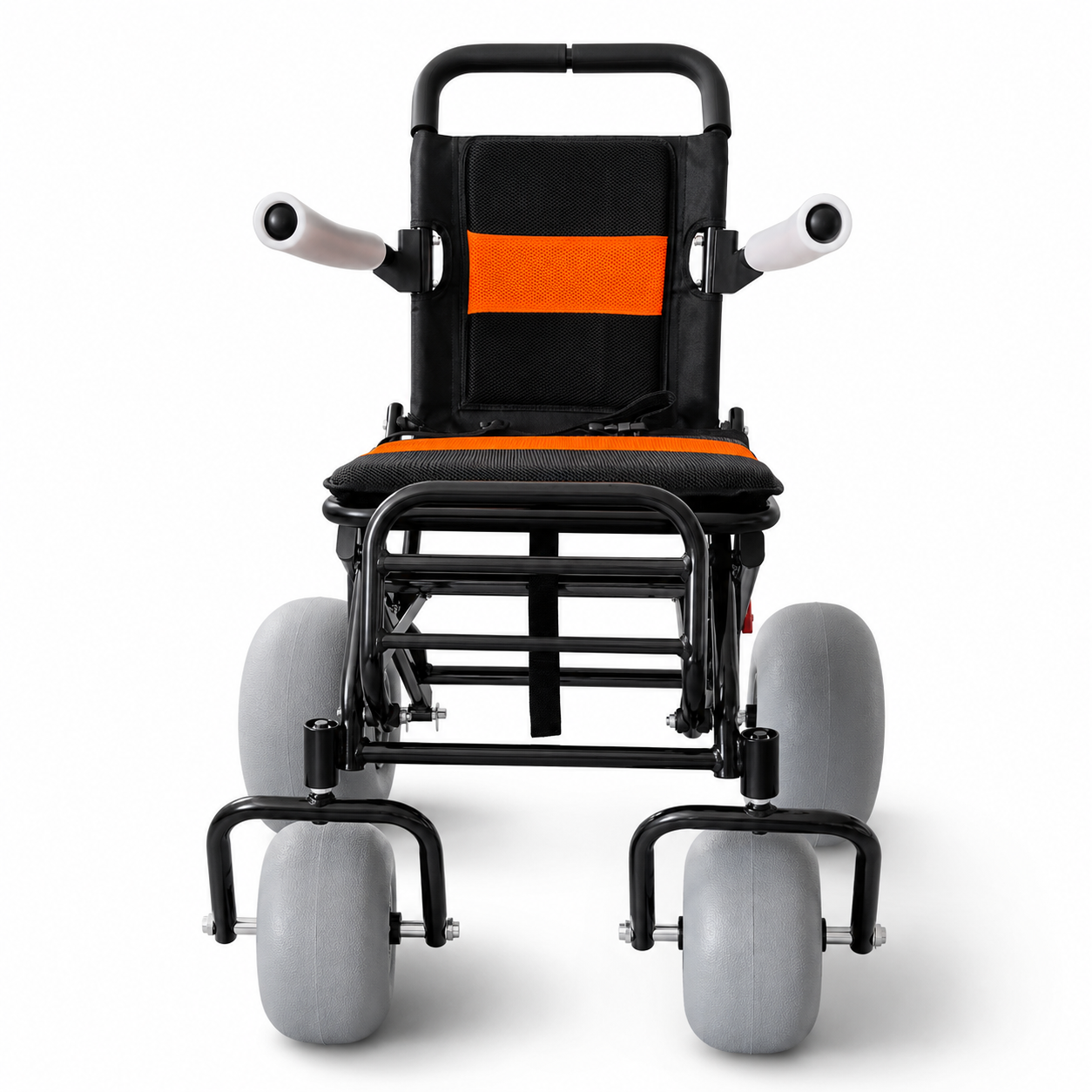
A supplier quote should state supplied items, identity, governing documents, option changes, and support contacts. Broad requests for “strong,” “light,” or “rustproof” invite vague answers.
Send a decision-ready question set
Put evidence beside every promise. Request model, revision, frame description, mixed-material list, drawing, wheel details, care limits, packing state, parts path, warranty, and change notices. Ask suppliers to mark unconfirmed items.
- Define each performance word before using it.
- Ask what configuration the price covers.
- Request current documents rather than screenshots.
- Separate approved use from optional or untested use.
Open supplier conversations from about the company and request model evidence before acceptance.
| Quotation field | Buyer prompt | Decision status |
|---|---|---|
| Material | What components use each material? | Answered or open |
| Configuration | What exact model and options are included? | Matched or open |
| Documents | Which manual and drawing govern delivery? | Received or open |
| Support | Who handles technical and parts questions? | Named or open |
Key takeaway: hold the purchase until every required quotation field has an owner and status.
What should your next PVC versus aluminum decision be?
Compare complete systems against one service brief. Choose only when evidence and controls line up. If a key answer stays unclear, choose “hold and ask.”
Build a one-page approval file
Keep the decision file visible. List service, systems, evidence, open items, approvals, and boundaries staff must not cross. Use contact us for follow-up, not product evidence.
- State the route and operating roles.
- Attach current material and configuration evidence.
- Record unresolved claims and stop conditions.
- Recheck delivered configuration at receiving.
Key takeaway: send your one-page file with a quotation request and keep your decision tied to written evidence.
Q1: Does PVC always outperform aluminum near salt water?
No. Performance depends on the complete system, exposure, joints, care, and documented material details. A broad label cannot answer that comparison.
Q2: Can a product photo prove frame material or alloy grade?
No. A photo can show visible form only. Request a model-specific written specification and mixed-material list.
Q3: Should buyers compare only frame weight?
No. Include wheels, supports, storage, cleaning, parts, staff handling, and supplier records. A lighter frame may still create more work elsewhere.
Q4: Does a beach setting in a photo prove water approval?
No. Ask for an approved-use statement for the exact model. Keep immersion or floating questions separate from shoreline use.
Q5: What should a buyer do when suppliers provide different levels of detail?
Use one response matrix, mark missing evidence, and ask for written clarification. Do not award technical acceptance to an unanswered field.