
A Portugal beach wheelchair package should connect Praia Acessível conditions, equipment, staffing, care records and local authority checks. Beach wheelchairs in Portugal should be specified inside a Praia Acessível service package, not treated as a stand-alone purchase. A participating beach needs a usable arrival route, stable beach access, nearby support facilities, clear information, and responsible staff. Amphibious equipment can add value, yet it is recommended equipment rather than a universal requirement. This guide separates programme conditions from product selection under Portugal’s local implementation rules.
1. What should a Portugal beach wheelchair plan start with?
Still, start with the visitor chain: arrival, parking, route, beach position, facilities, information, and support. The IDiPD Praia Acessível programme presents a joined package. It includes an access route, suitable parking, a stable beach path, nearby shade, toilets, first aid, lifeguard coverage, and public information. For a participating beach, treat these service conditions as the acceptance gate. They do not turn every Portuguese beach into a programme site. For that reason, keep the Portugal route plan tied to a named site.
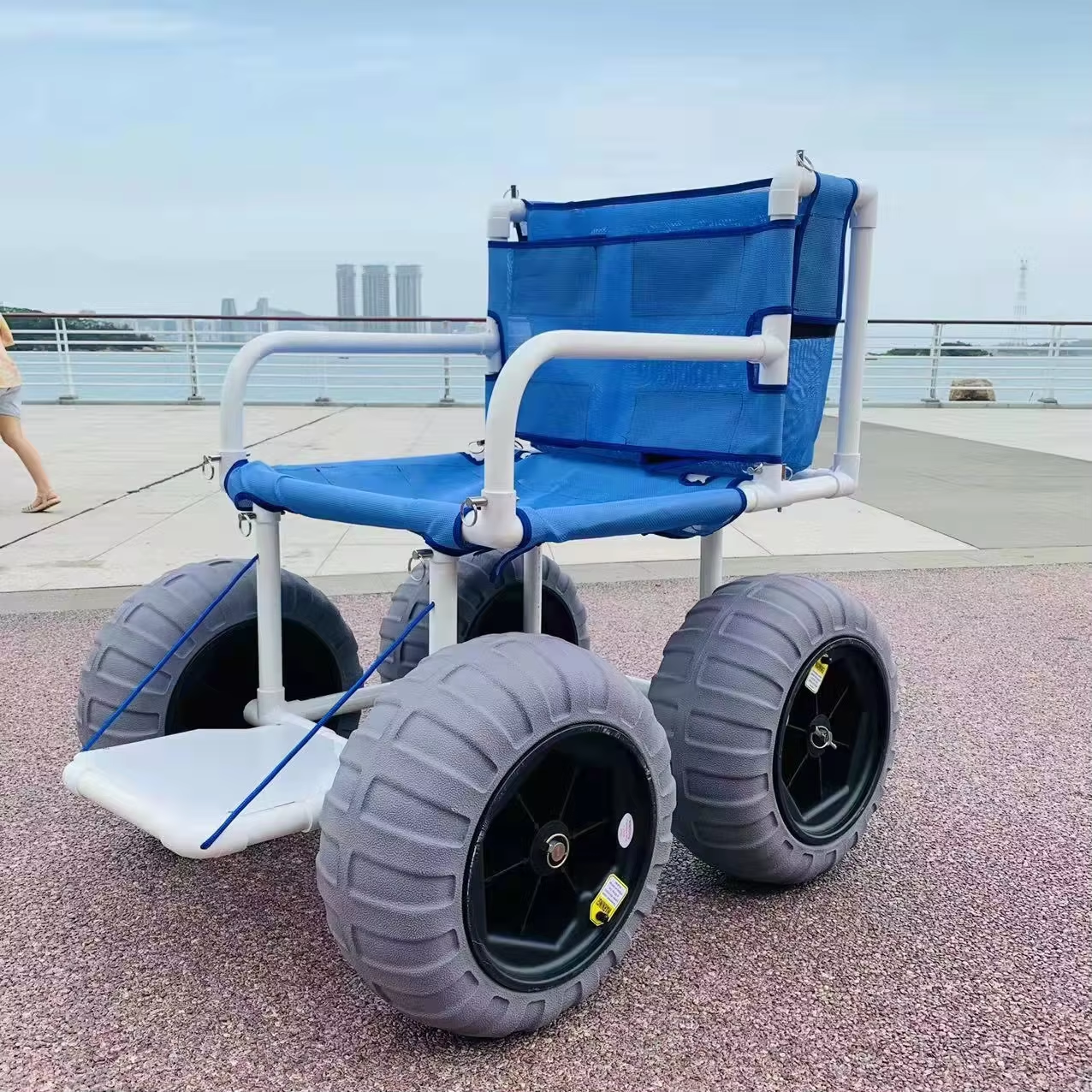
In fact, set the package before choosing the chair. Put these items in a Portuguese site brief:
- For example, step-free arrival and marked accessible parking;
- Then, stable route from the access point toward the beach area;
- However, shade, toilets, first aid, and lifeguard information;
- visitor information in a format people can use before arrival;
- equipment, staffing, storage, inspection, and seasonal status.
However, the brief should name the authority, concession, beach operator, or service partner responsible for each item. A chair can support the route, but it cannot replace a missing path, closed toilet, or absent lifeguard. Record any justified local exception with the responsible authority rather than silently deleting a condition.
Turn the programme package into a brief
| Package layer | Portuguese site question | Evidence for the file |
|---|---|---|
| Arrival | Can a visitor reach the stated entrance? | Route and parking check |
| Beach access | Does a stable path reach the planned area? | Surface, edge, and maintenance note |
| Support | Are shade, toilets, first aid, and lifeguard details current? | Facility and duty records |
| Equipment | What role does each chair perform? | Asset, procedure, and inspection record |
Action: ask the local operator and responsible public body to sign each package layer before a product quotation is accepted.
Key takeaway: Praia Acessível begins with a connected service package, not an amphibious chair.
Which Praia Acessível conditions should operators treat as mandatory?
For example, treat listed route and service conditions as mandatory within a participating-beach brief, while keeping their legal scope clear. The programme’s package is a public accessibility framework. It is not a claim that every beach nationwide must offer identical equipment or facilities. A buyer should state which beach seeks participation and which body confirms current conditions. In practice, local authority evidence should settle this Portugal question before procurement.
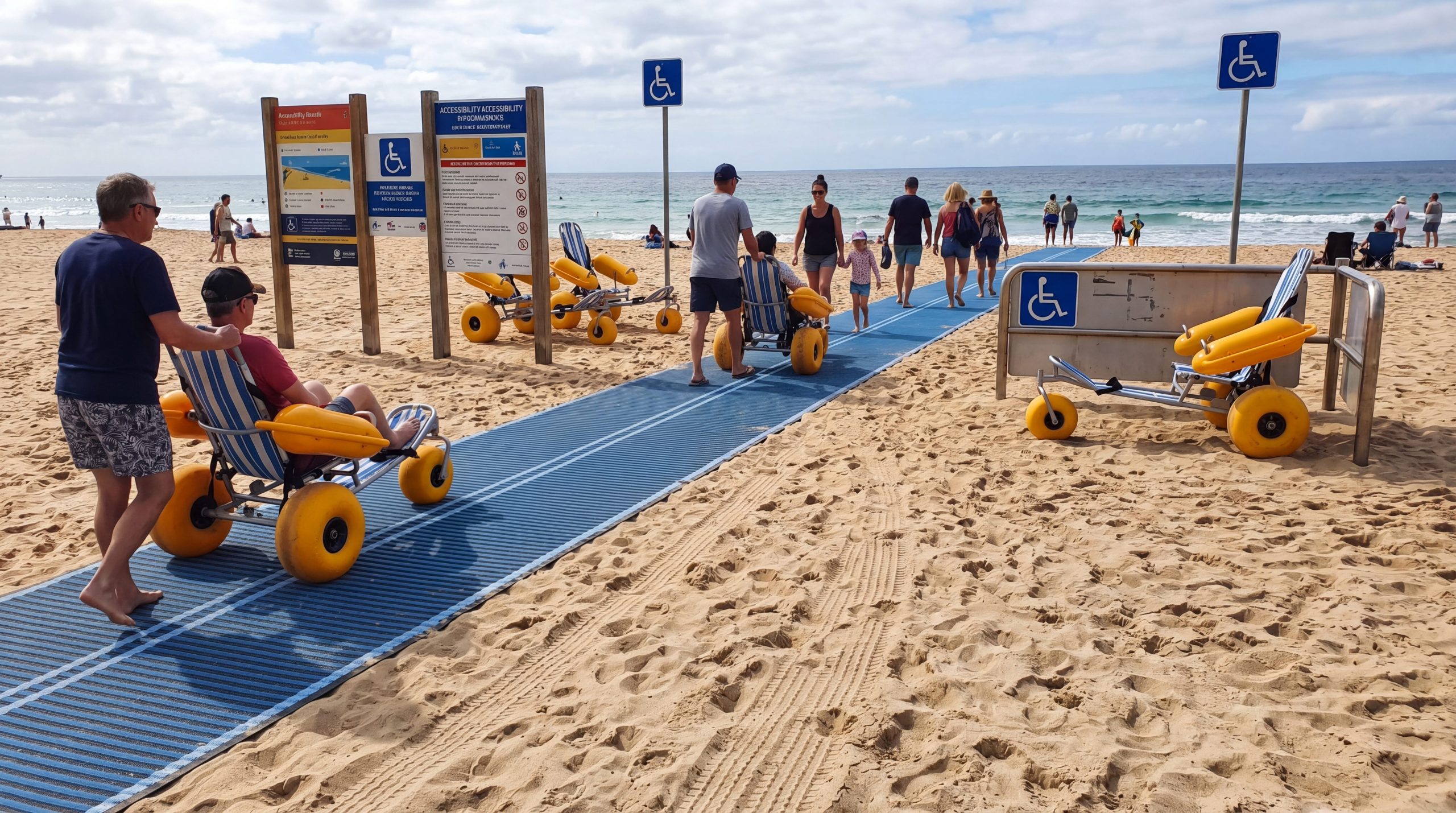
However, write the acceptance gate in plain language. A review should check:
- Also, arrival and parking access;
- Instead, a stable, usable route across the beach approach;
- For that reason, proximity or directions for shade and toilets;
- first-aid and lifeguard arrangements;
- public information and a current service contact.
Also, do not replace a missing condition with a product description. If a route is temporary, say who installs it, who checks it, and when it can close. If facilities belong to a concession or municipality, record the responsible party. The operator can then show where the programme package ends and where a local exception needs a separate decision.
Document each acceptance condition
| Condition | Acceptance question | Open item if missing |
|---|---|---|
| Parking and arrival | Can the visitor reach the access point? | Route owner and correction date |
| Stable beach access | Does the planned path remain usable? | Inspection and weather response |
| Public facilities | Are shade and toilets available as described? | Hours, location, and backup |
| Safety support | Is first aid and lifeguard information current? | Duty contact and escalation |
Action: add a responsible name and review date beside every programme condition rather than using a generic “compliant” tick.
Key takeaway: mandatory programme conditions need named local evidence and current status.
How does Portugal’s accessibility framework affect beach planning?
Instead, portugal’s national accessibility framework should sit beside the programme brief. The consolidated Decree-Law 163/2006 covers relevant public facilities and leisure spaces, with local implementation and justified exceptions. A buyer should ask which parts apply to the site, who administers them, and whether coastal, municipal, concession, or environmental rules add requirements. At the same time, record who owns each Portugal service handoff.
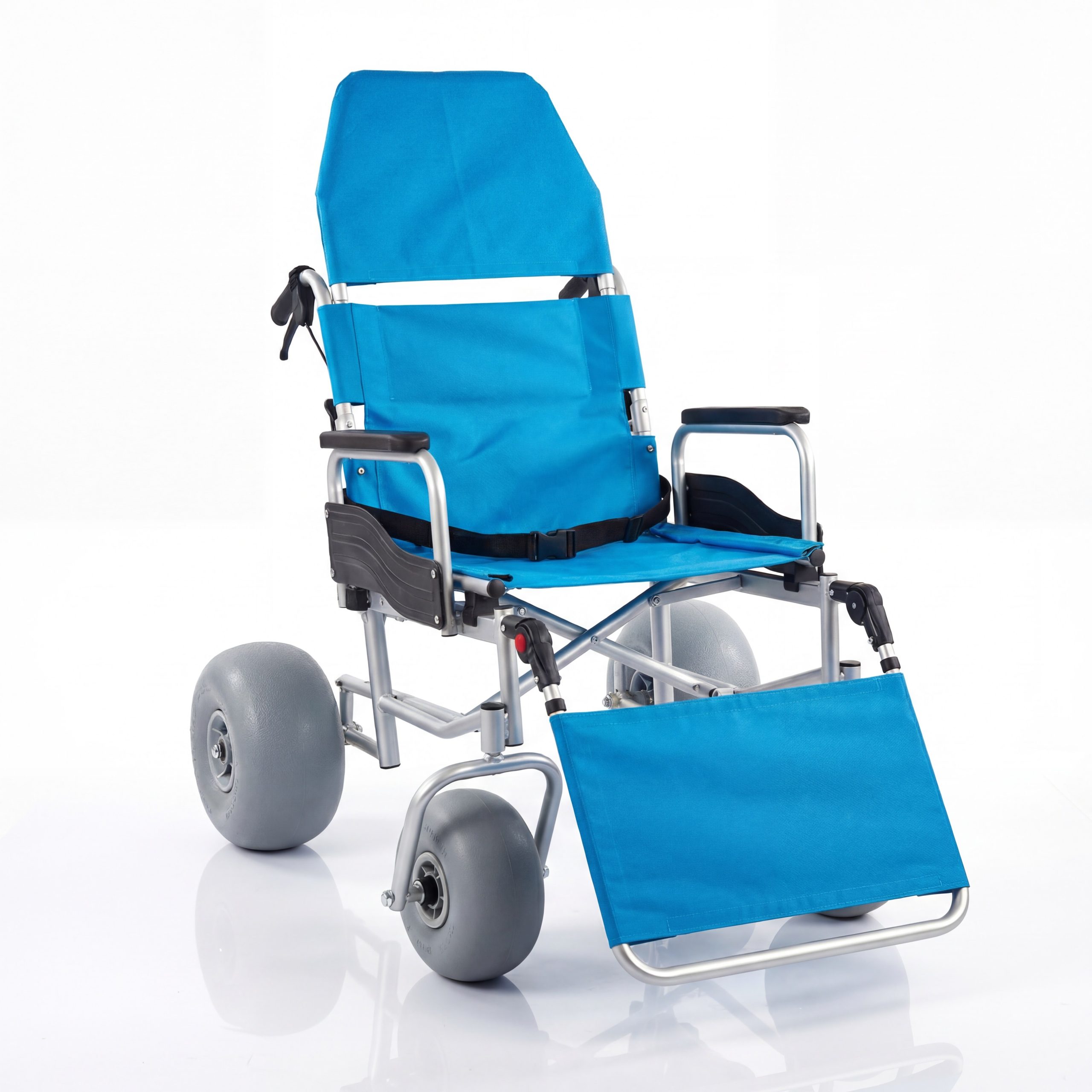
Also, keep law, programme, and product in separate columns. A procurement file can distinguish:
- Meanwhile, national accessibility framework and applicable facility scope;
- Still, praia Acessível programme conditions for the named beach;
- At the same time, local authority or concession requirements;
- equipment role, instructions, and service procedure;
- unresolved questions requiring qualified local advice.
Because of that, this separation prevents a product catalogue from being treated as legal evidence. It also avoids telling a buyer that an Ary chair earns a programme label or proves compliance. Local bodies may apply a justified exception under their own process, yet a supplier should not decide that exception.
Build a three-layer compliance matrix
| Layer | What it can establish | What still needs confirmation |
|---|---|---|
| National framework | Broad accessibility context | Site scope and current local application |
| Praia Acessível brief | Programme service package | Participation decision and current inspection |
| Product file | Equipment details and instructions | Fit with route, staff, and local rules |
Action: have the responsible Portuguese authority mark each layer as confirmed, open, or outside its remit.
Key takeaway: clear layers stop a product purchase from becoming a false compliance claim.
Which route and parking details should operators verify?
Meanwhile, verify the route from public arrival through the planned beach area. A marked parking space helps only when visitors can reach the entrance, cross the pavement, follow a stable path, and find staff or information. Sand, slope, loose edges, drainage, and seasonal construction can change the route after approval. For example, verify this step during normal Portugal beach operations.
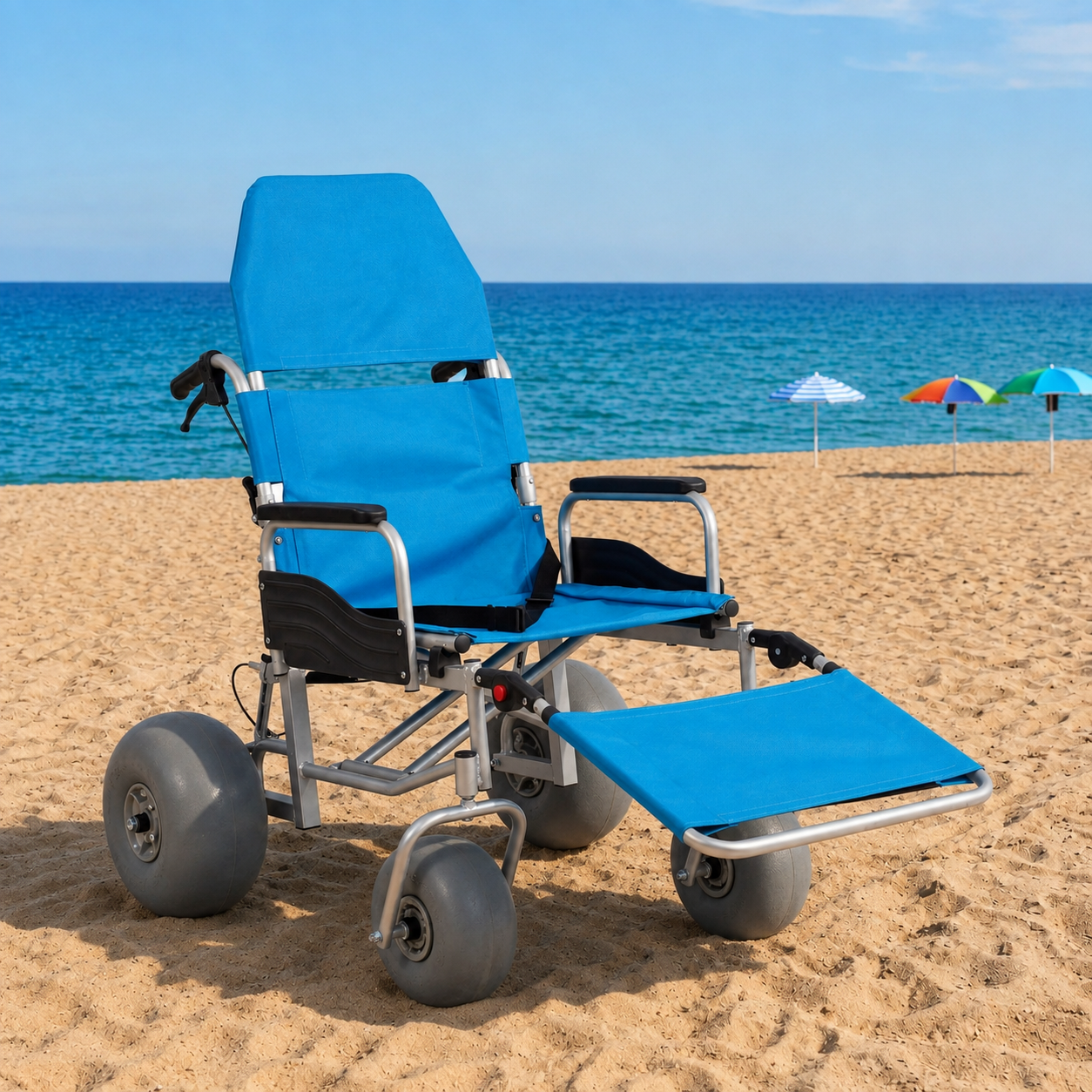
Meanwhile, walk the route with a map in hand. Check:
- In practice, parking location, transfer area, and step-free connection;
- As a result, ramp, promenade, boardwalk, or mat transitions;
- In fact, stable surface, width, turning space, and loose sand;
- route end point, shade location, and return path;
- inspection after storms, tides, cleaning, or construction.
In fact, an accessible beach mat may support a stable passage. It still needs local installation, edge checks, cleaning, and a defined end point. Do not write that a mat makes every beach surface suitable. Match equipment with the route that staff actually inspect.
Record the arrival-to-beach route
| Route point | Check | Service decision |
|---|---|---|
| Parking | Space, transfer, and path to entrance | Publish location or revise plan |
| Beach approach | Slope, width, edges, and surface | Set chair and assistance role |
| Stable passage | Mat or constructed path condition | Create inspection responsibility |
| End point | Shade, seating, and return access | Explain service boundary |
Action: inspect the complete route during a busy operating period and after one weather event before committing the season’s map.
Key takeaway: a connected route turns parking and equipment into one usable arrival.
Why are shade, toilets, first aid, and lifeguards part of the package?
As a result, these facilities shape whether a beach visit can continue after a person reaches the sand. A chair does not provide shade, changing space, a toilet, first aid, or water supervision. A package brief should show where each facility sits, when it operates, and who updates its status. However, keep product facts separate from Portugal site promises.
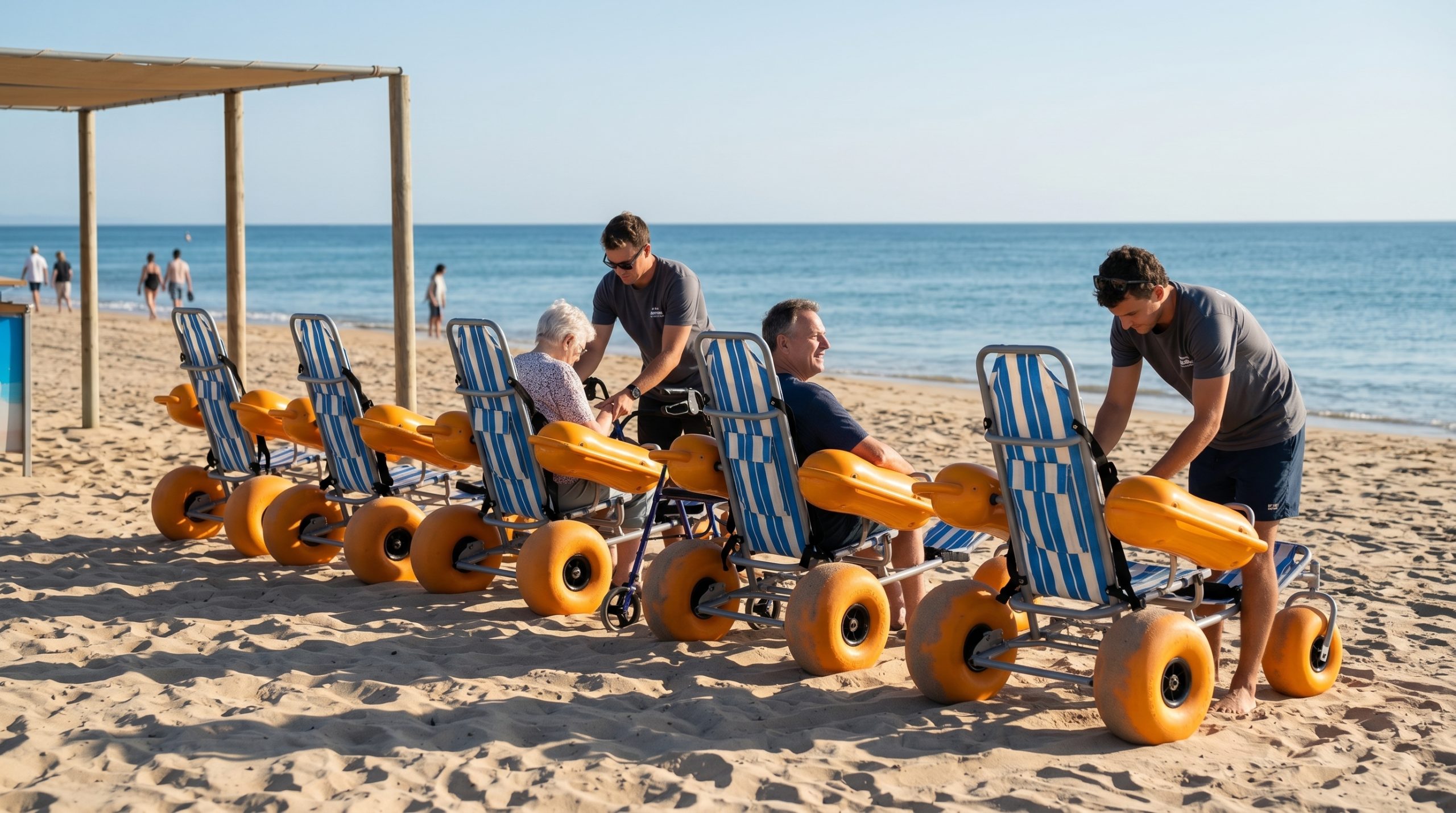
For example, design for the whole stay. Ask the operator to map:
- However, shade or sheltered rest close to the planned beach area;
- In fact, accessible toilet location, hours, and fallback information;
- Then, first-aid contact and response procedure;
- lifeguard presence, duty period, and public contact;
- seating, drinking water, and a route back to assistance.
For that reason, the programme source lists these service conditions as part of the joined package. Availability can still depend on a municipality, concession, season, or operational schedule. Publish current details rather than implying that one chair guarantees a complete accessible visit.
Link facilities to operating ownership
| Facility | Information to confirm | Owner to name |
|---|---|---|
| Shade and rest | Location and usable hours | Beach operator or concession |
| Toilet | Route, opening, and backup | Facility manager |
| First aid | Contact and escalation | Local service lead |
| Lifeguard | Duty period and boundaries | Beach safety authority |
Action: review facility status alongside chair checks at opening, not only during procurement.
Key takeaway: support facilities make beach equipment part of a visit rather than an isolated asset.
When does amphibious equipment add value?
Then, amphibious equipment adds value when an operator has a defined shoreline or water-use service, trained staff, suitable conditions, and a clear stop boundary. Under the Praia Acessível framework, such equipment is recommended rather than universally mandatory. The operator must still decide whether local staffing, surf, tide, bathing zone, and supervision support that service. Meanwhile, give staff a written Portugal service boundary they can repeat.
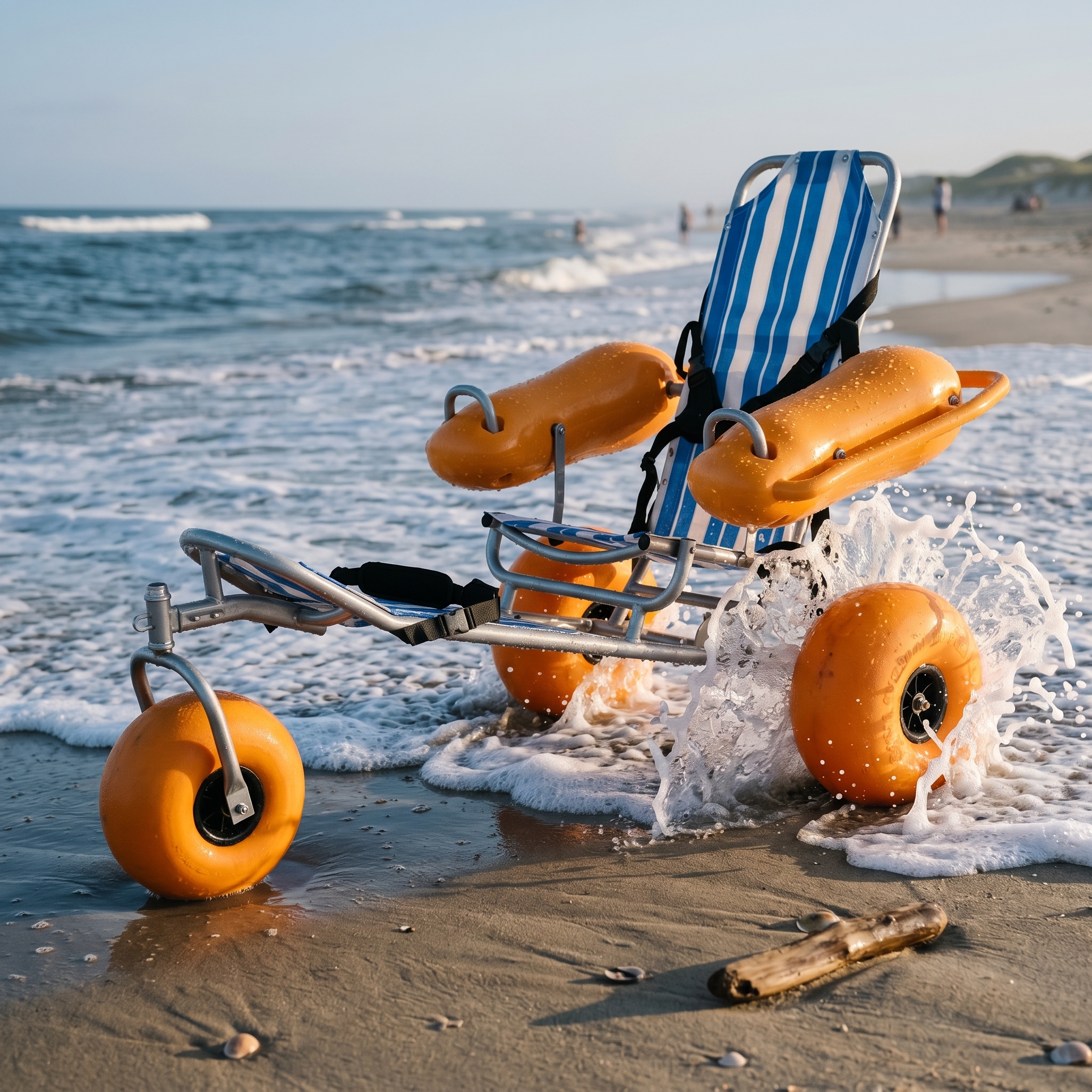
Still, separate a recommended option from a required condition. Before purchase, clarify:
- For that reason, whether service ends at sand, water edge, or a supervised bathing area;
- Even so, which staff remain responsible during shoreline or water use;
- Still, what weather, tide, surf, or lifeguard conditions stop use;
- how users receive instructions and give consent;
- how the chair is rinsed, dried, inspected, and stored.
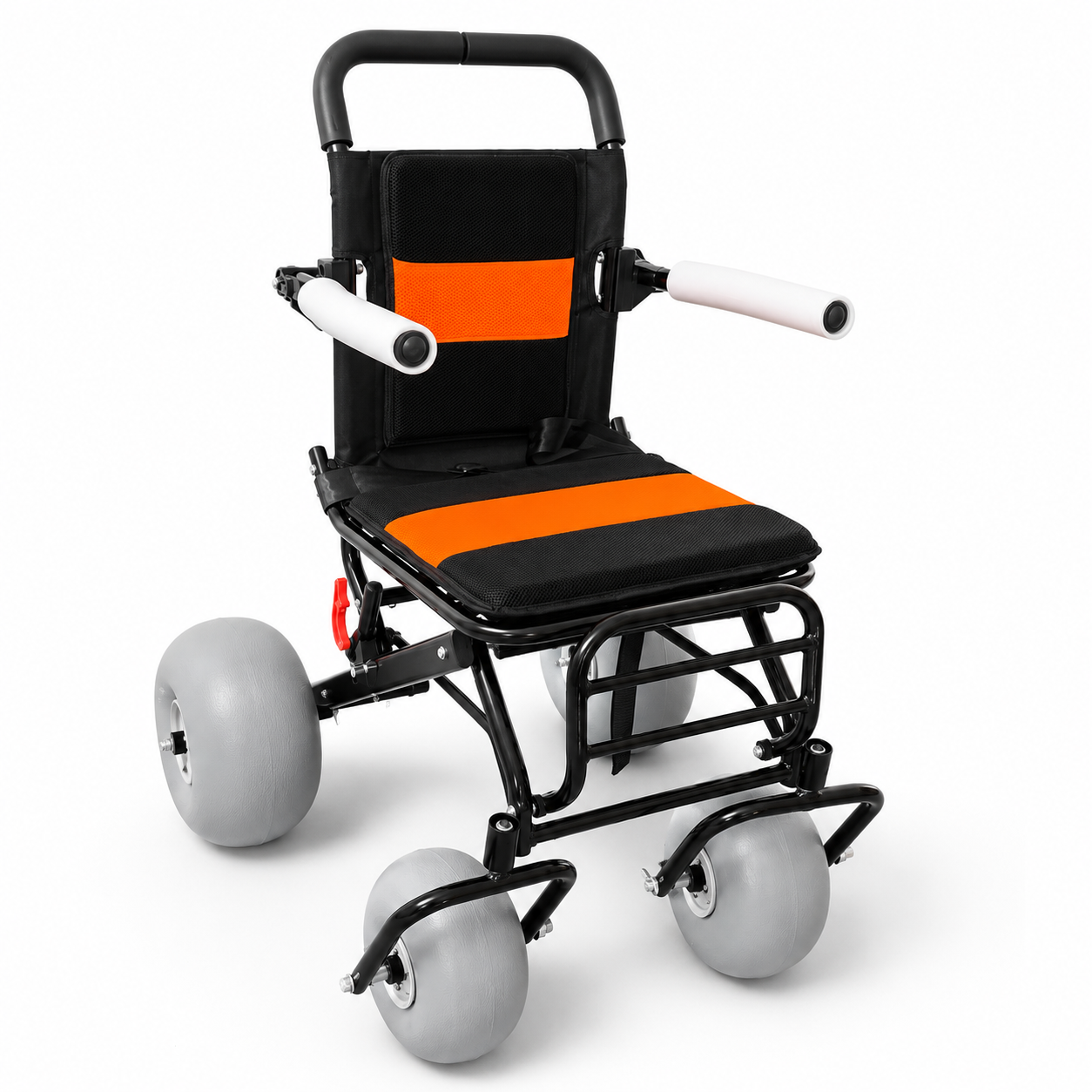
At the same time, review a floating water beach wheelchair or new floating beach wheelchair as product references only. Neither page proves programme participation, local approval, or suitability for a particular bathing zone.
Set the water-use boundary
| Planning question | Record | Do not claim |
|---|---|---|
| Where does use end? | Sand, shoreline, or supervised zone | Universal water access |
| Who supervises? | Named staff and lifeguard interface | Unassisted operation |
| When does use stop? | Weather, tide, surf, or staffing trigger | Year-round availability |
| How is equipment cared for? | Rinse, dry, check, and storage routine | Maintenance without records |
Action: test the written water-use procedure with lifeguard and operations staff before advertising amphibious access.
Key takeaway: amphibious equipment is valuable only when its service boundary is operationally real.
How should staff and visitor information be structured?
Even so, information should explain the service before a visitor travels. Use Portuguese or suitable local-language copy, accessible contact options, clear directions, equipment categories, assistance limits, and current operating dates. Keep programme information and product information separate, so visitors do not read a catalogue as a promise of a beach service. As a result, every quotation can answer the same Portugal decision.
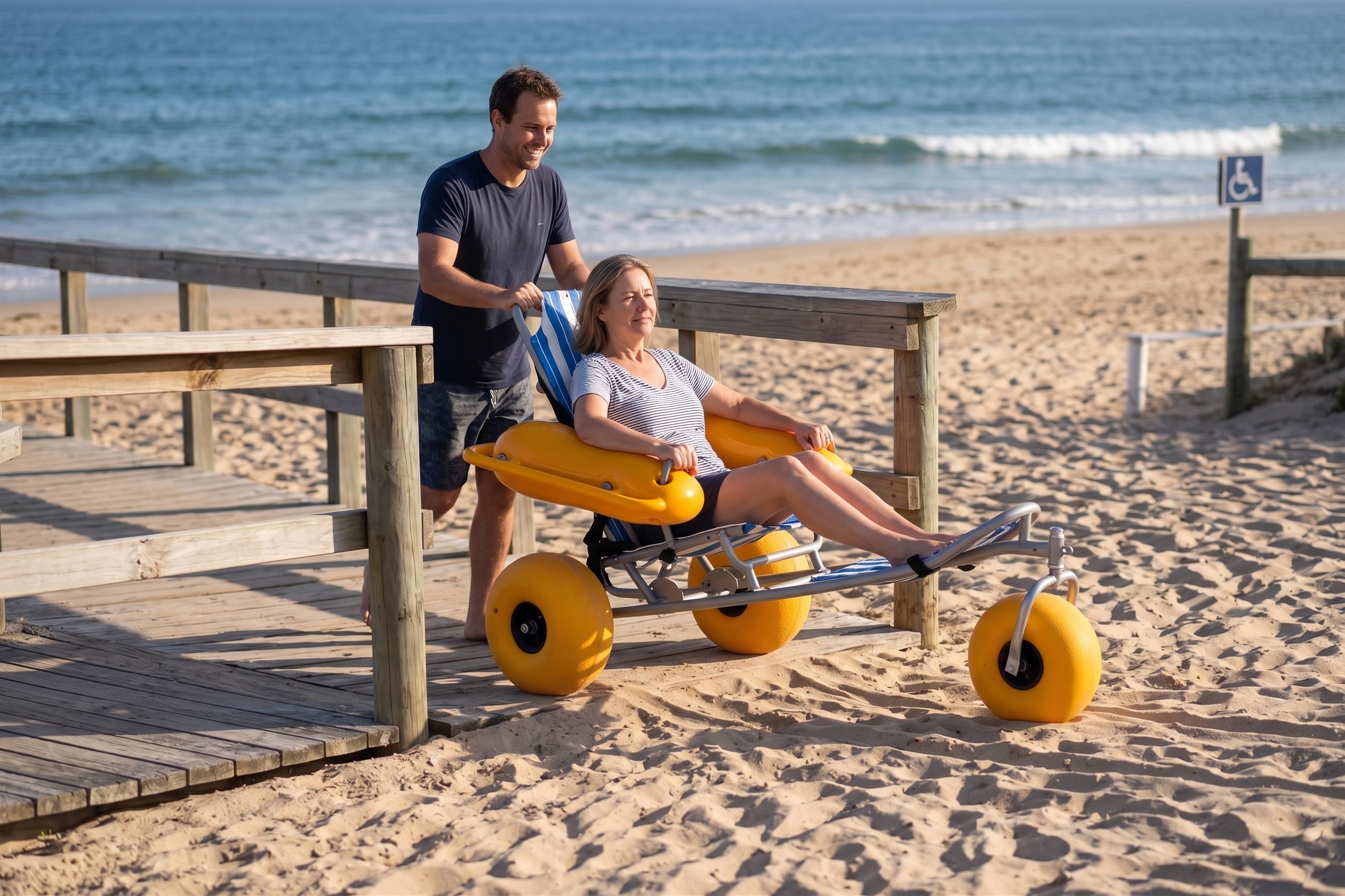
As a result, make every public answer practical. Explain:
- At the same time, how to request equipment and how much notice helps;
- Specifically, where the visitor meets staff and what the route includes;
- As a result, whether a manual, all-terrain, or amphibious option is available;
- what assistance staff can discuss and what sits outside their role;
- how weather, tide, maintenance, or staffing changes appear online.
Before purchase, linking a beach wheelchair user manual may help with model familiarisation when the manual matches the supplied chair. It does not replace a local briefing or visitor consent. Put a dated contact and status owner on the public page.
Check the information before opening
| Visitor question | Public answer | Internal owner |
|---|---|---|
| Can I request equipment? | Booking route and dates | Service coordinator |
| Where will I meet staff? | Entrance, point, and route | Beach operations |
| What support exists? | Device and assistance boundary | Accessibility lead |
| Can service change? | Weather, tide, and update method | Duty manager |
Action: run the page through a visitor test and remove every phrase that leaves the meeting point or service limit unclear.
Key takeaway: precise information helps visitors plan without turning equipment into an unsupported promise.
What should Portuguese procurement ask suppliers to document?
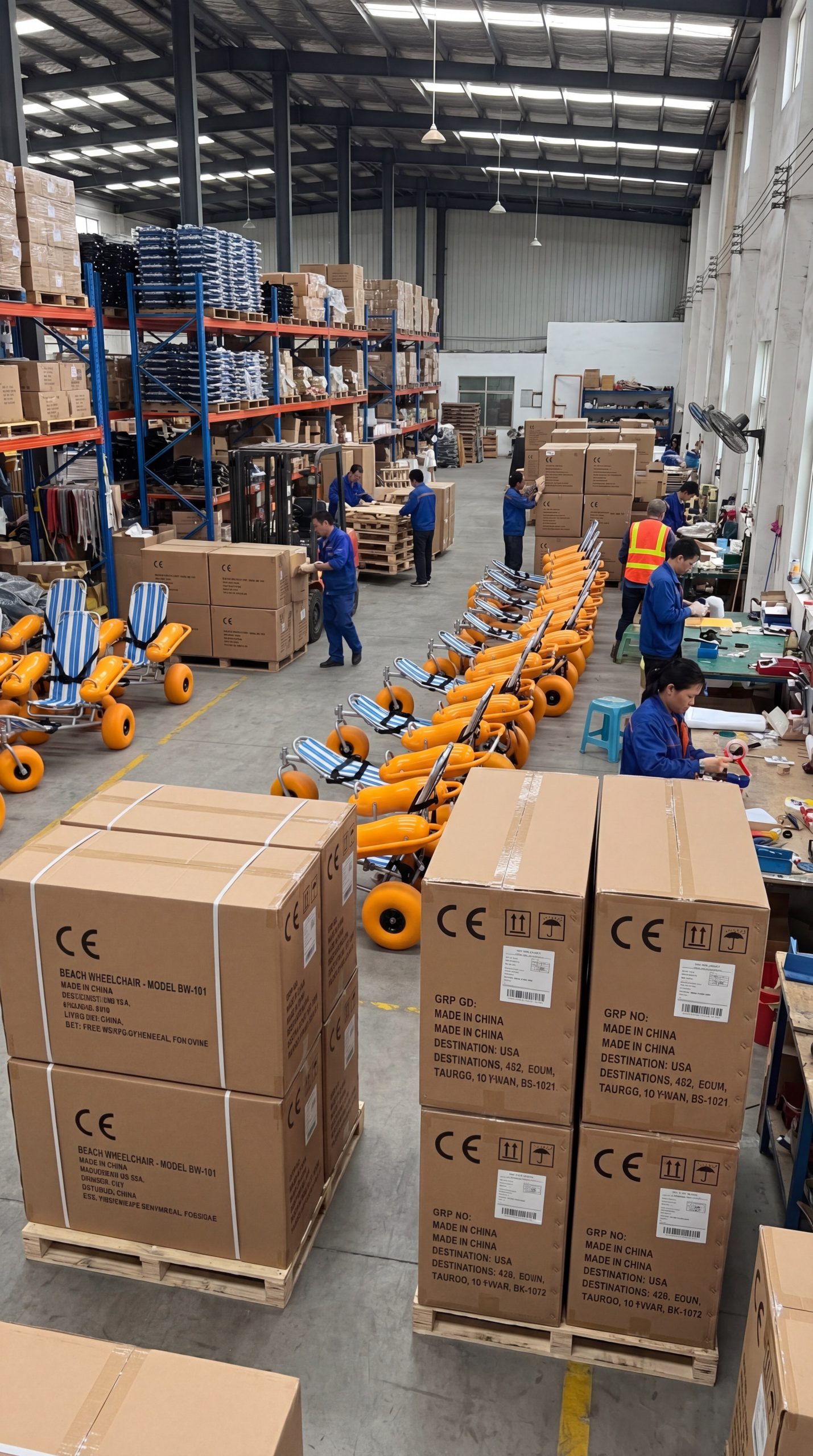
In practice, ask suppliers for product information that supports the defined service role. Procurement should cover visible configuration, supplied accessories, inspection points, cleaning, storage, training material, replacement questions, and any assumptions. Keep programme conditions in the authority file, not inside a supplier’s product claim. Before approval, attach a date and responsible Portugal service owner.
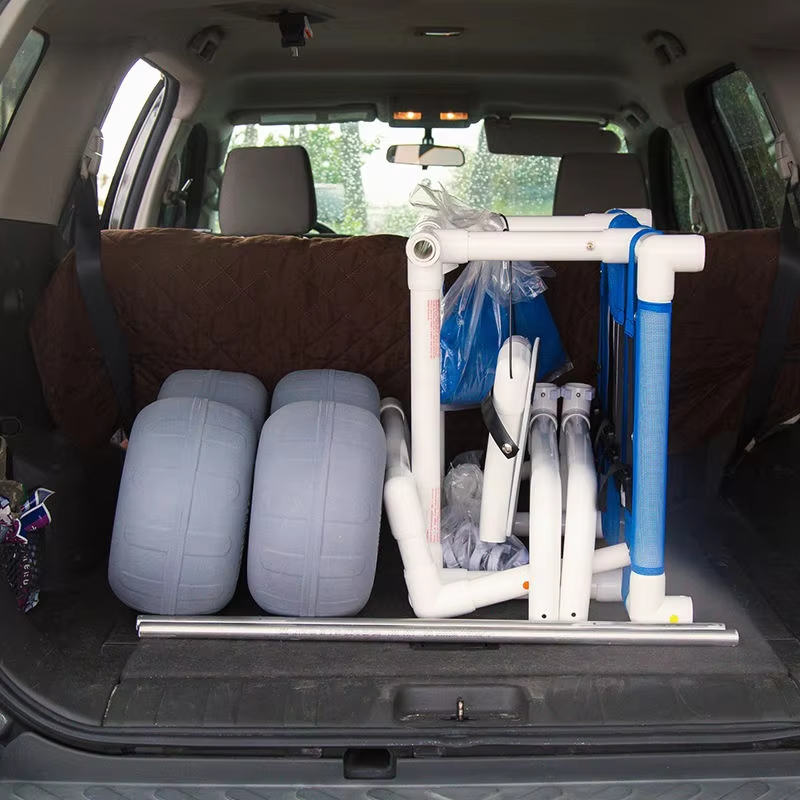
At the same time, specify the operating work around the product. Request:
- At first, images or descriptions that match the quoted configuration;
- Then, care, drying, storage, and inspection instructions;
- Afterward, staff familiarisation material and model identity;
- spare or replacement part identification;
- packaging, handoff, and delivery assumptions;
- written limits for any water-use or terrain discussion.
During review, the all-terrain beach wheelchair and lightweight beach wheelchair pages can help a buyer compare categories. They are not Portuguese approvals, Praia Acessível certificates, or proof that local route conditions suit a device. Ask a qualified local adviser about rules outside the product file.
Build an evidence-ready quotation file
| Supplier item | Buyer check | Open question |
|---|---|---|
| Configuration | Does the offer match the requested role? | Which options are included? |
| Care information | Can staff clean and store it? | What routine is assumed? |
| Training material | Can the local team learn the handoff? | Who provides familiarisation? |
| Limits | Are terrain and water boundaries written? | Which site conditions remain open? |
Action: attach the mapped route and service procedure to every quotation request so suppliers can state assumptions.
Key takeaway: a strong quotation file keeps local programme duties separate from product description.
How should seasonal inspections and service records work?
At that point, run inspections at opening, after use, and after conditions that can change a route or chair. Portugal’s beaches may face salt, sand, humidity, storms, construction, and concession changes. Record what staff saw, what action followed, and who owns an unresolved point. Avoid claiming continuous availability when the service runs seasonally. During review, leave unsupported Portugal claims marked open.
Instead, make status visible to the whole team. Keep records for:
- For example, route and parking condition;
- Also, chair identity, visible condition, and cleaning;
- Instead, mat or stable-path inspection;
- facility, lifeguard, and staff status;
- visitor feedback and incidents;
- open supplier or authority questions.
Afterward, a manual or amphibious chair may remain held while an operator checks a part, route, or condition. Do not quietly return equipment to service because a booking exists. The applications page offers general context, while a Portuguese operator must keep its own site record.
Use an opening and closing checklist
| Check point | Record | Hold trigger |
|---|---|---|
| Opening | Route, facilities, staff, and equipment status | Missing condition or unclear owner |
| During service | Handoff, changes, and assistance | Event outside procedure |
| Closing | Cleaning, drying, storage, and open issues | Damage or unresolved check |
| Seasonal review | Feedback, workload, and route changes | Next season not yet defined |
Action: assign one duty owner to review the checklist before publishing each day’s service status.
Key takeaway: a simple status record keeps seasonal promises aligned with real conditions.
How can operators prepare Praia Acessível evidence?
On the other hand, prepare evidence by naming the beach, documenting each programme condition, recording local responsibilities, and separating product documents from the authority’s participation decision. An Ary product can be offered for review against a stated route and service role. It cannot be described as Praia Acessível approved unless the responsible authority gives that exact decision. Afterward, update Portugal visitor information when conditions change.
For that reason, close the file with facts a local reviewer can check. Keep:
- Afterward, the route and parking map;
- Later, facility and lifeguard contacts;
- Also, equipment identity and operating procedure;
- staff training and inspection records;
- public information version and review date;
- open exceptions, approvals, and responsible authorities.
Unlike a product claim, for a product comparison or service brief, operators can contact us with route conditions and intended use. We can discuss equipment information, yet the local authority decides programme participation, site acceptance, and any applicable approval.
Set the participation decision gate
Before submission, check that route and facilities show current package conditions. Confirm that the equipment file states role and care, staff records show handoff readiness, and public information matches the service promise. Keep unresolved items marked open for the responsible authority.
Action: submit a complete local evidence pack and keep unresolved items marked open.
Key takeaway: evidence supports a Praia Acessível review; it never turns a supplier into the approving authority.
Common buyer questions
Q1 In practice, must every Portuguese beach own an amphibious beach wheelchair? No. Amphibious equipment is recommended within the Praia Acessível framework, not a universal requirement for every beach.
Q2 For example, what service conditions should a participating beach plan? Plan accessible arrival and parking, a stable route, nearby shade and toilets, first aid, lifeguard information, public communication, and an operating owner.
Q3 However, does an Ary chair receive Praia Acessível approval? No. Product selection and programme participation are separate decisions made by the buyer, operator, and responsible authority.
Q4 Also, does Decree-Law 163/2006 set one equipment list for beaches? No. It provides a national accessibility framework for relevant public facilities and leisure spaces. Local application and justified exceptions still need confirmation.
Q5 For that reason, what should a Portuguese buyer send with a quotation request? Send the route map, facilities, season, staff role, equipment task, care plan, visitor information, and questions for the local authority. Ask the supplier to state assumptions in writing.