
A Mexico beach wheelchair route should connect transport, parking, shade, shoreline access, trained support and local safety coordination. Mexican resorts often start an accessibility purchase with a chair, then find that guests still face a broken route between transport, reception, shade, toilets, and shoreline. A stronger plan treats equipment as one part of a route-to-shore service. Mexico’s General Law for Inclusion of Persons with Disabilities supports federal promotion of access to tourism, recreation, and leisure services. SECTUR’s Universal Design guide adds a planning and self-review lens. Neither source creates automatic certification for a chair or a resort. If you are sourcing beach wheelchairs in Mexico, begin with a mapped route and local approval checklist.
1. What should a Mexico beach wheelchair plan start with?
Still, a Mexican resort should decide which guest route it can support, where that route starts, where staff assistance ends, and which local rules must be confirmed. Set those boundaries before comparing products or promising a beach service online. For that reason, keep the Mexico route plan tied to a named site.
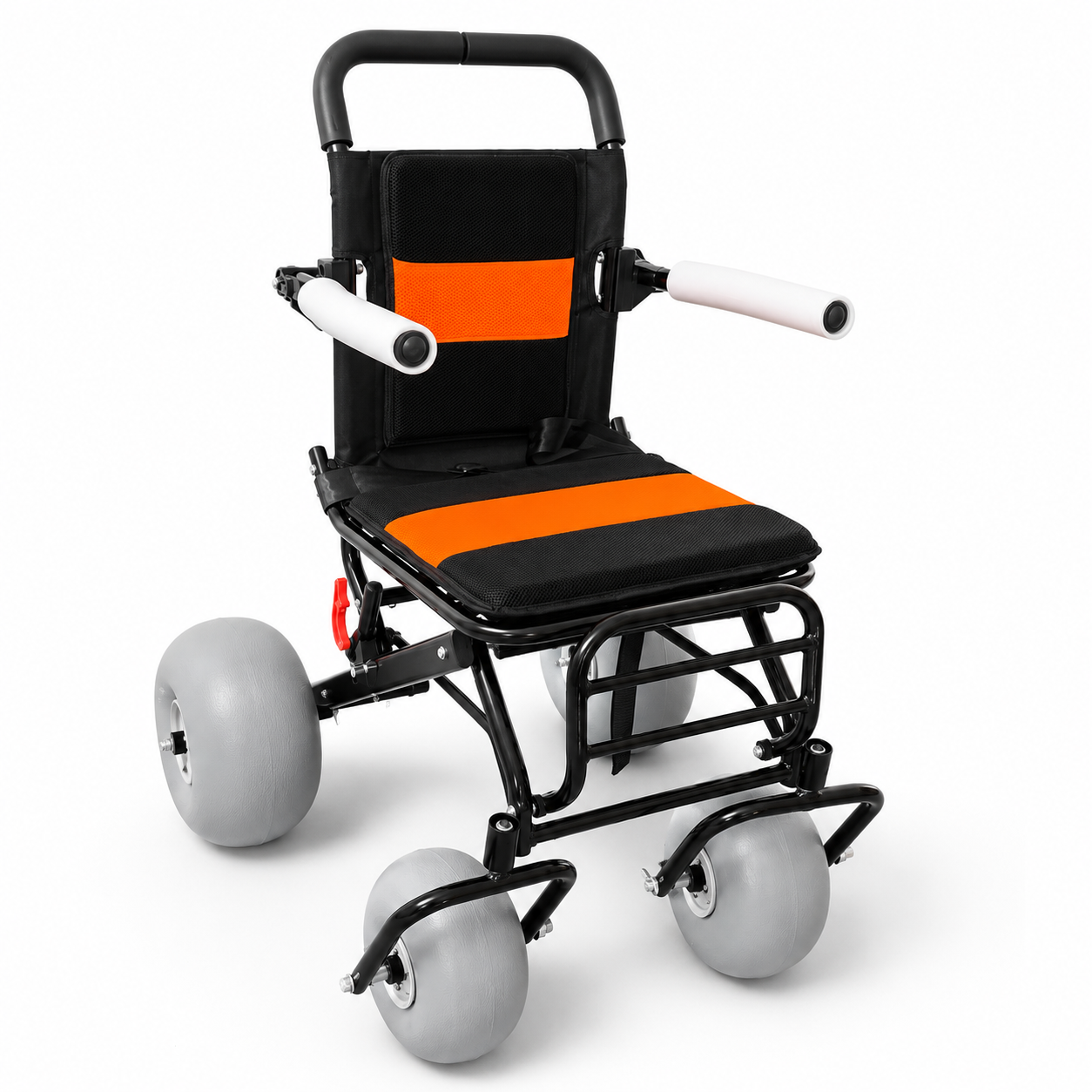
However, the federal inclusion law provides a broad public-policy basis for access to tourism and leisure. It does not tell every resort which chair, route, staffing pattern, or local approval applies. Use the SECTUR checklist as a working aid rather than an automatic certificate. If you are sourcing beach wheelchairs in Mexico, begin with a mapped route and local review.
In fact, set the service boundary early: name a route, a service window, and a responsible resort role.
- For example, define the guest route from arrival through return.
- Then, separate route infrastructure from movable equipment.
- However, list state, municipal, environmental, and procurement questions.
- Record which claims remain for local confirmation.
Turn a broad aim into one service brief
Write one page that explains who the service supports, where the route runs, which equipment task is planned, and who can pause service. A narrow brief helps reception, operations, safety, and procurement work from the same facts.
| Brief element | Resort decision | Evidence |
|---|---|---|
| Guest route | Start, route, shoreline, return | Simple map |
| Equipment task | Land, water-edge, or transfer support | Use note |
| Staff role | Handoff and pause authority | Role sheet |
| Local review | Authority or adviser to contact | Open-item log |
Action: ask operations and guest-services managers to sign the brief before seeking quotations.
Key takeaway: an inclusion goal becomes useful after a resort gives it a defined route and owner.
How should a resort map arrival and approach?
For example, a resort should map approach from transport or parking through reception, check-in, changing space, and beach-service staging. Guests need a clear decision at each point, not a promise that access begins at sand. In practice, local authority evidence should settle this Mexico question before procurement.
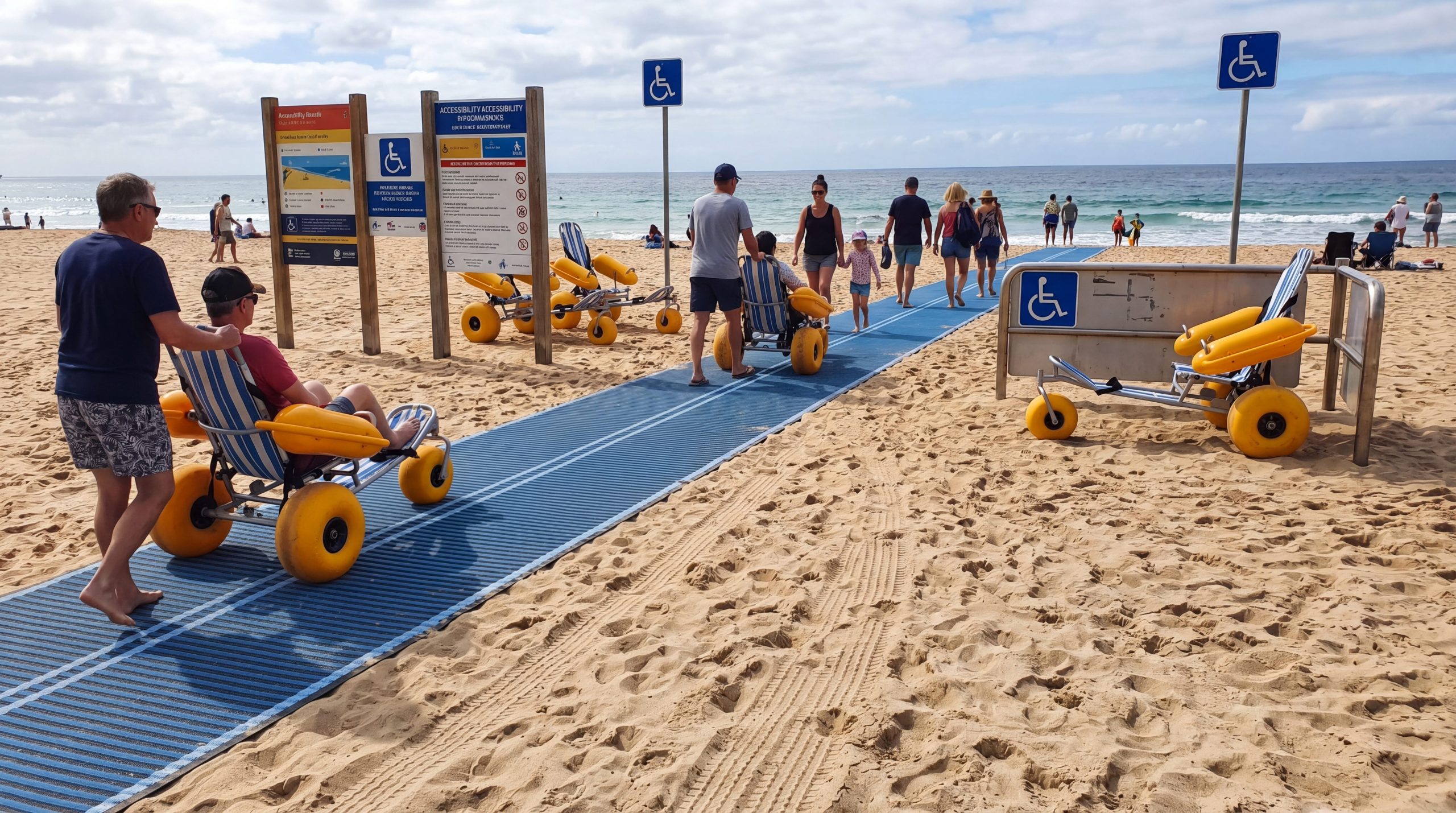
Also, use accessible beach mat information as a product reference when comparing route interfaces. Resort staff still decide placement, inspection, cleaning, and closure responses under local conditions.
However, trace the arrival before the shoreline: a hidden curb or crowded lobby can stop a service early.
- Also, mark accessible arrival, drop-off, and waiting space.
- Instead, check route surfaces around reception and changing areas.
- For that reason, keep staging clear of guest queues and service vehicles.
- Publish one contact for route or assistance questions.
Walk the route during a normal shift
Review the route while luggage carts, loungers, signs, and guests occupy their usual positions. A quiet inspection before opening can miss the pinch points that matter most at noon.
| Approach point | What to check | Owner |
|---|---|---|
| Arrival | Directions and transfer space | Guest services |
| Reception | Queue and information access | Front desk |
| Changing area | Route, privacy, and assistance boundary | Operations |
| Staging | Unit identity and clear release lane | Beach team |
Action: ask a staff member unfamiliar with the map to follow it without verbal guidance.
Key takeaway: approach planning makes shoreline service reachable rather than merely advertised.
How should a route-to-shore checklist work?
Instead, a route-to-shore checklist should connect approach, parking or transport, stable paths, information, toilets or changing areas, shade, staff support, and the shoreline boundary. It should show where a checklist item belongs and who verifies it. At the same time, record who owns each Mexico service handoff.
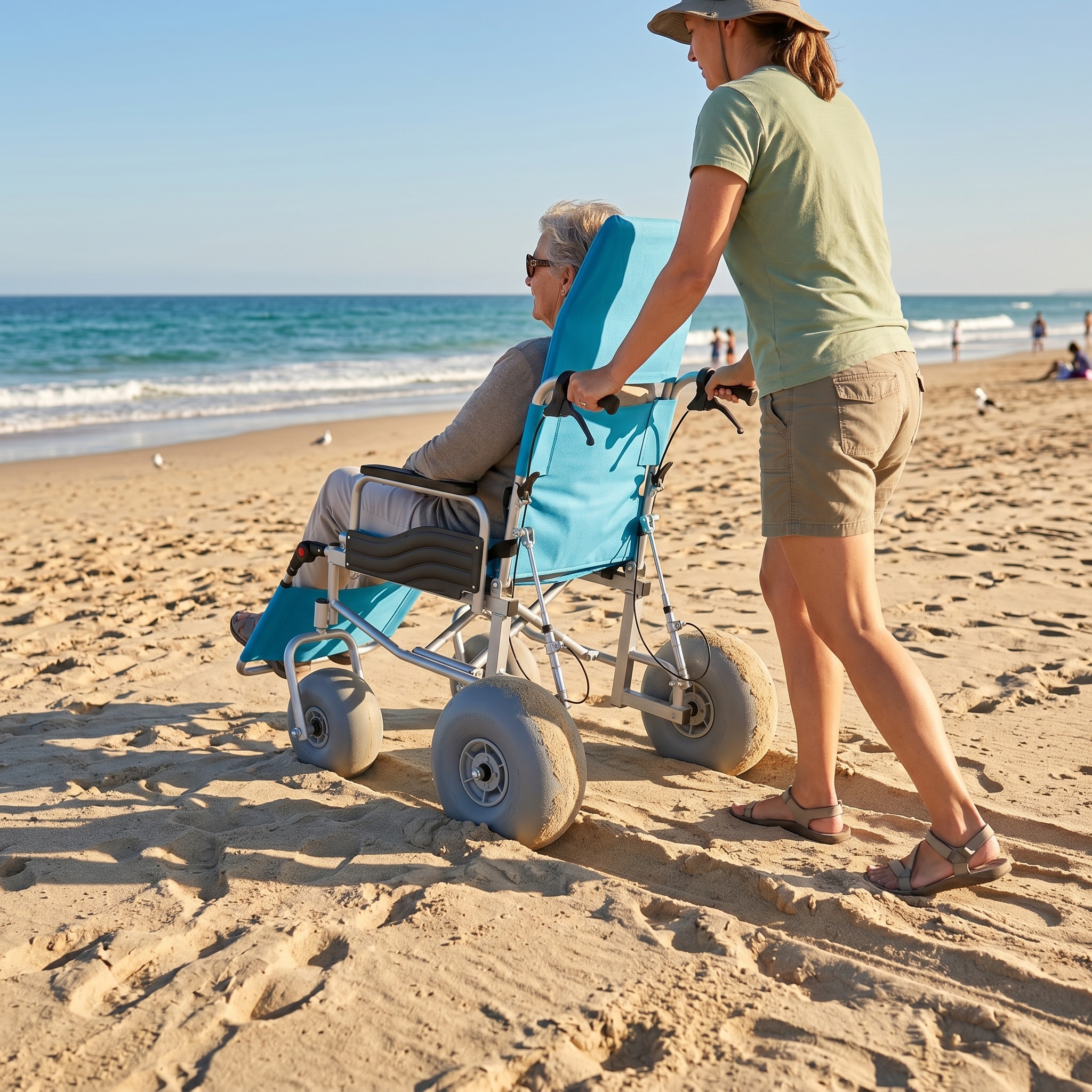
Because of that, sECTUR’s guide can support a self-review conversation. It does not make a resort automatically certified, and it cannot replace state, municipal, environmental, concession, or emergency-service decisions.
Also, use the checklist as a chain: every item should connect with the next movement a guest needs.
- Meanwhile, link arrival directions with a staffed welcome point.
- Still, connect stable paths with a clear stopping or transfer area.
- At the same time, place shade, toilets, and changing information near service decisions.
- State what staff support and where the route ends.
Keep checklist answers evidence-based
Write “reviewed,” “not available,” or “open for local confirmation” instead of using a broad accessible label. Attach a map, photograph, procedure, or responsible name where it helps a manager act.
| Checklist layer | Evidence example | Open question |
|---|---|---|
| Approach | Marked route | Public works or site rule |
| Service point | Staff script and hours | Seasonal coverage |
| Shoreline | Boundary note | Beach or environmental rule |
| Visitor support | Sign and contact | Translation or update owner |
Action: review the checklist with a local disability-access adviser or user group before publication.
Key takeaway: a checklist earns value through evidence and ownership, not a decorative badge.
What should resort information and signage explain?
Meanwhile, resort information should explain how guests request help, where service begins, which route has been reviewed, what equipment is available, and how conditions can change. Keep online copy, reservation replies, desk scripts, and beach signs aligned. For example, verify this step during normal Mexico beach operations.
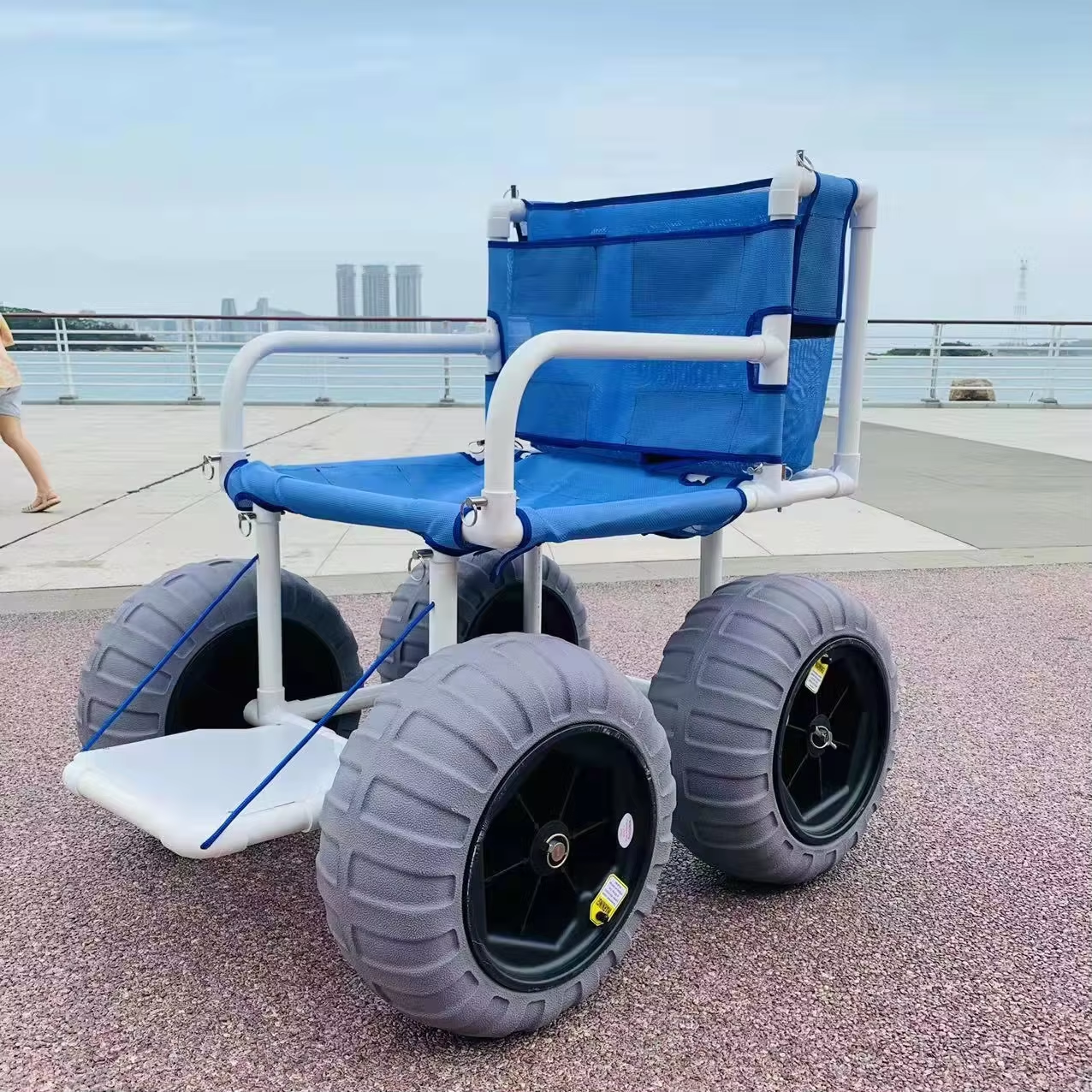
In fact, ary Beach product pages can support vocabulary in a procurement discussion. They should not be copied as proof of a particular Mexican resort’s route or service.
Meanwhile, information must answer the next question: tell a guest what to do after reading the page.
- In practice, give a request channel and named resort contact.
- As a result, state the current service point and route boundary.
- In fact, explain whether an attendant remains involved.
- Tell guests where to report a changed condition.
Write a versioned service card
Add a revision date and owner to every public service card. When furniture moves or staffing changes, update the web page and desk script together. Retire old PDFs that still circulate through travel agents.
| Visitor need | Service-card answer | Update owner |
|---|---|---|
| Request | Contact and response method | Reservations |
| Arrival | Meeting point and directions | Guest services |
| Use | Route and support boundary | Beach operations |
| Change | Pause notice and contact | Duty manager |
Action: test the card with a Spanish-speaking staff member and an independent reader before release.
Key takeaway: clear information is part of route access, not a marketing extra.
How should shade, changing, and toilet services connect?
As a result, shade, changing, toilets, and rest points should sit inside the guest route rather than appear as separate amenities. A chair at the shoreline cannot solve a long, unclear route back to a shaded or private place. However, keep product facts separate from Mexico site promises.
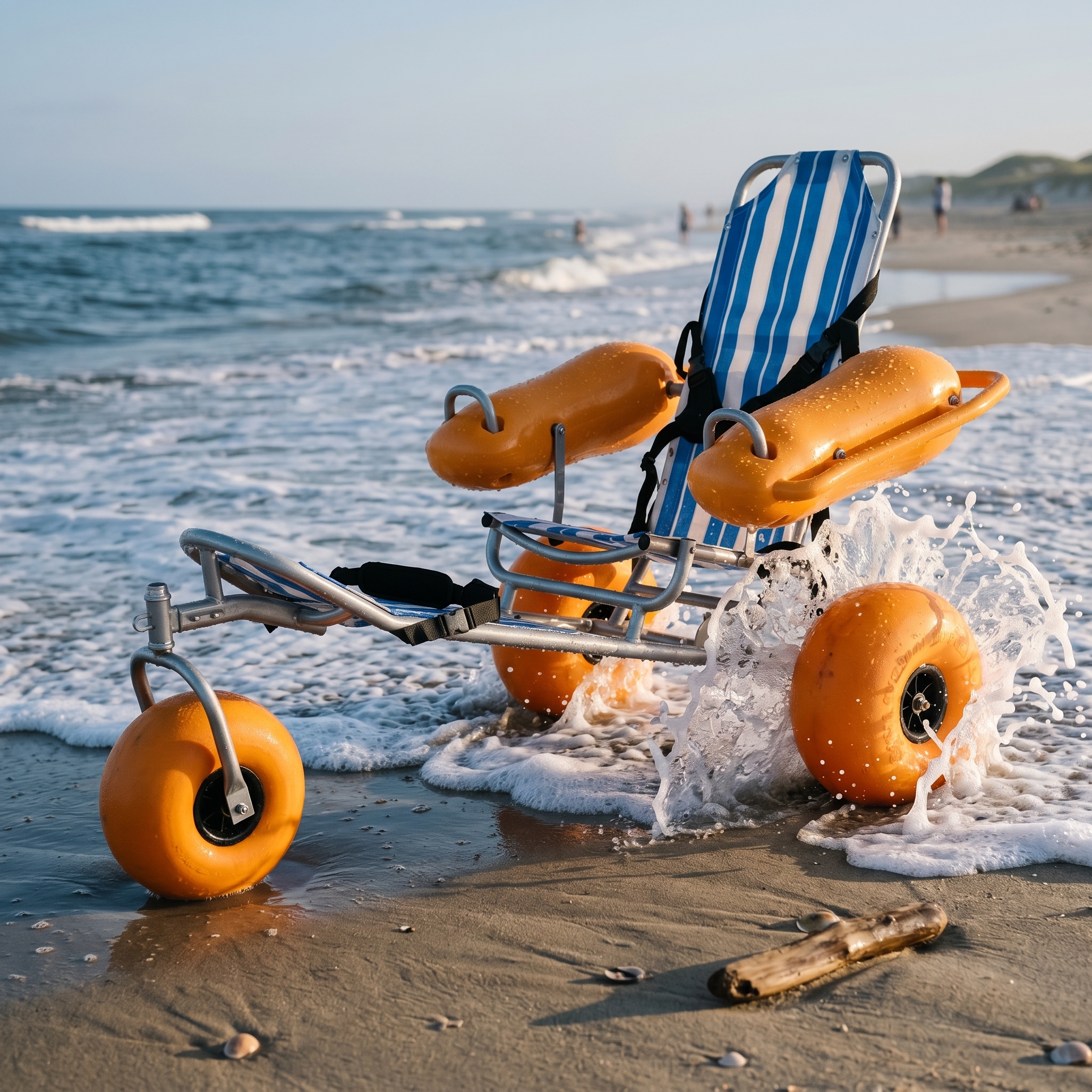
For that reason, if the resort evaluates a floating water beach wheelchair, map its handoff beside other guest services. Keep water activity, transfer, and support decisions separate from room or amenity descriptions.
For example, connect the rest of the service: ask where a guest pauses, changes, receives information, and returns equipment.
- However, mark shade and rest options along the reviewed route.
- In fact, give staff a way to direct guests to toilets or changing spaces.
- Then, keep equipment release away from wet or crowded areas.
- Record an alternate plan when an amenity closes.
Review comfort points as route decisions
During the walk-through, note distance, surface, queues, privacy, and staff contact. Avoid turning an amenity list into an unsupported promise about independent use.
| Service point | Route question | Record |
|---|---|---|
| Shade | Where can a guest pause? | Map and sign |
| Changing | Who explains available support? | Staff script |
| Toilet | How is the route communicated? | Direction note |
| Rest return | Who receives equipment? | Return process |
Action: have guest services trace a complete outing from room or parking through return, including the beach segment.
Key takeaway: comfort services matter because they shape the full route, not because they decorate a brochure.
What staff support and rescue boundaries should be stated?
Then, staff support should state who handles arrival, transfer discussion, equipment release, route guidance, water-edge coordination, and return. Rescue work belongs to trained emergency or water-safety teams; a product handoff should never imply rescue capability. Meanwhile, give staff a written Mexico service boundary they can repeat.
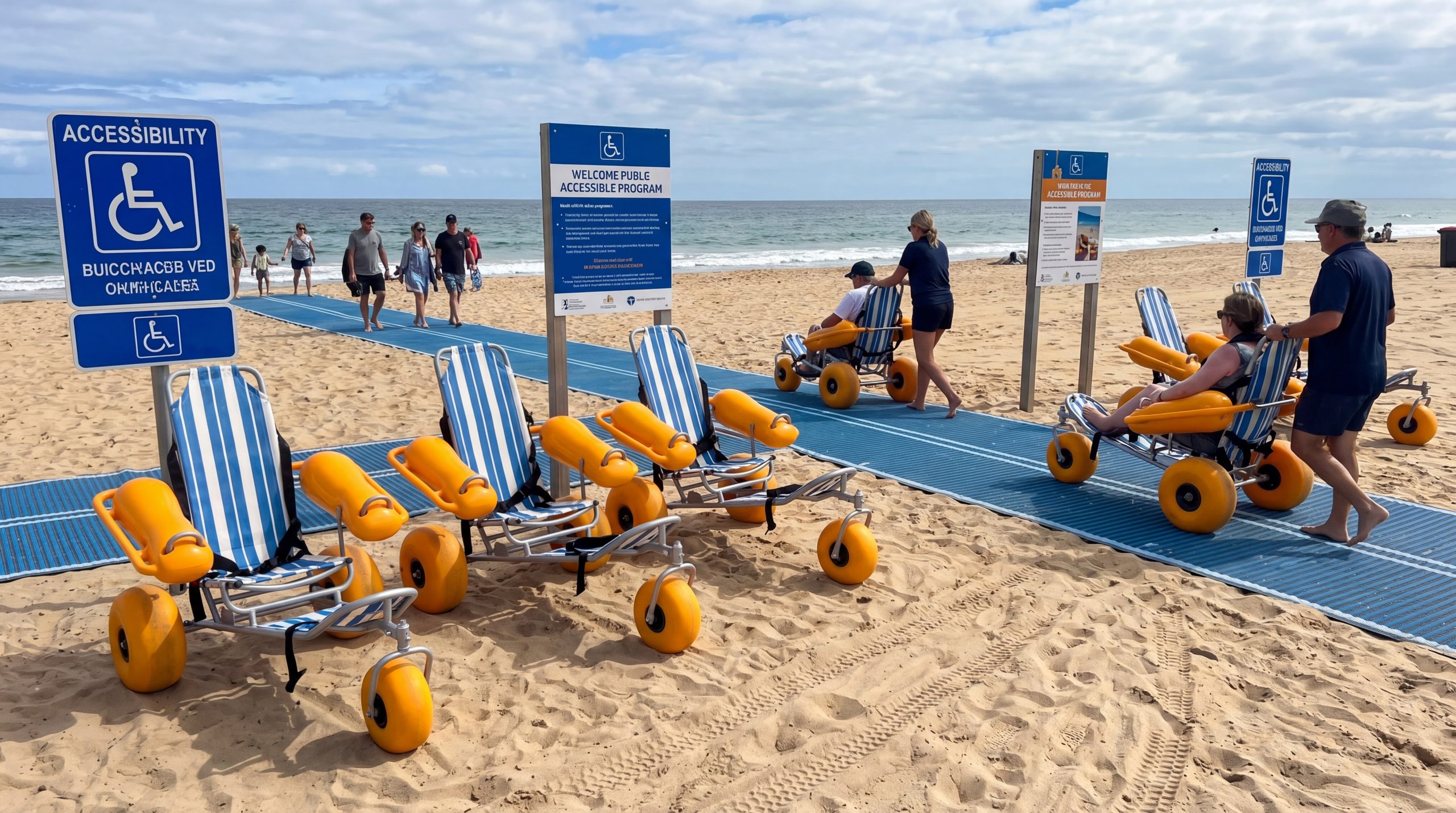
At the same time, use the new floating beach wheelchair page as product context only. Confirm local lifeguard, emergency, beach, and environmental arrangements before offering any water-edge use.
Still, name the boundary before the busy period: staff need a script for what they can do and who they call.
- For that reason, assign one attendant for each handoff task.
- Even so, set a pause authority for route, staffing, or conditions.
- Still, keep rescue and emergency decisions with qualified responders.
- Log questions that exceed a staff member’s training.
Create a role and escalation card
Use verbs such as “meets,” “checks,” “guides,” “pauses,” and “calls.” A title alone does not tell a seasonal worker what action belongs to that role.
| Situation | Immediate role | Escalation |
|---|---|---|
| Guest arrives | Reception or welcome staff | Duty manager |
| Unit release | Equipment attendant | Operations lead |
| Water question | Beach-safety contact | Qualified local team |
| Changed route | Duty manager | Site authority or adviser |
Action: rehearse one normal handoff and one paused handoff before public service starts.
Key takeaway: boundaries protect guests and staff when conditions or questions move beyond a script.
How should equipment match Mexican beach terrain?
Even so, equipment should match a reviewed task and surface, not a country label. Compare wheel layout, handling method, transfer needs, cleaning, storage, and service support against the resort’s route. Keep land, floating, and water-edge use as separate decisions. As a result, every quotation can answer the same Mexico decision.
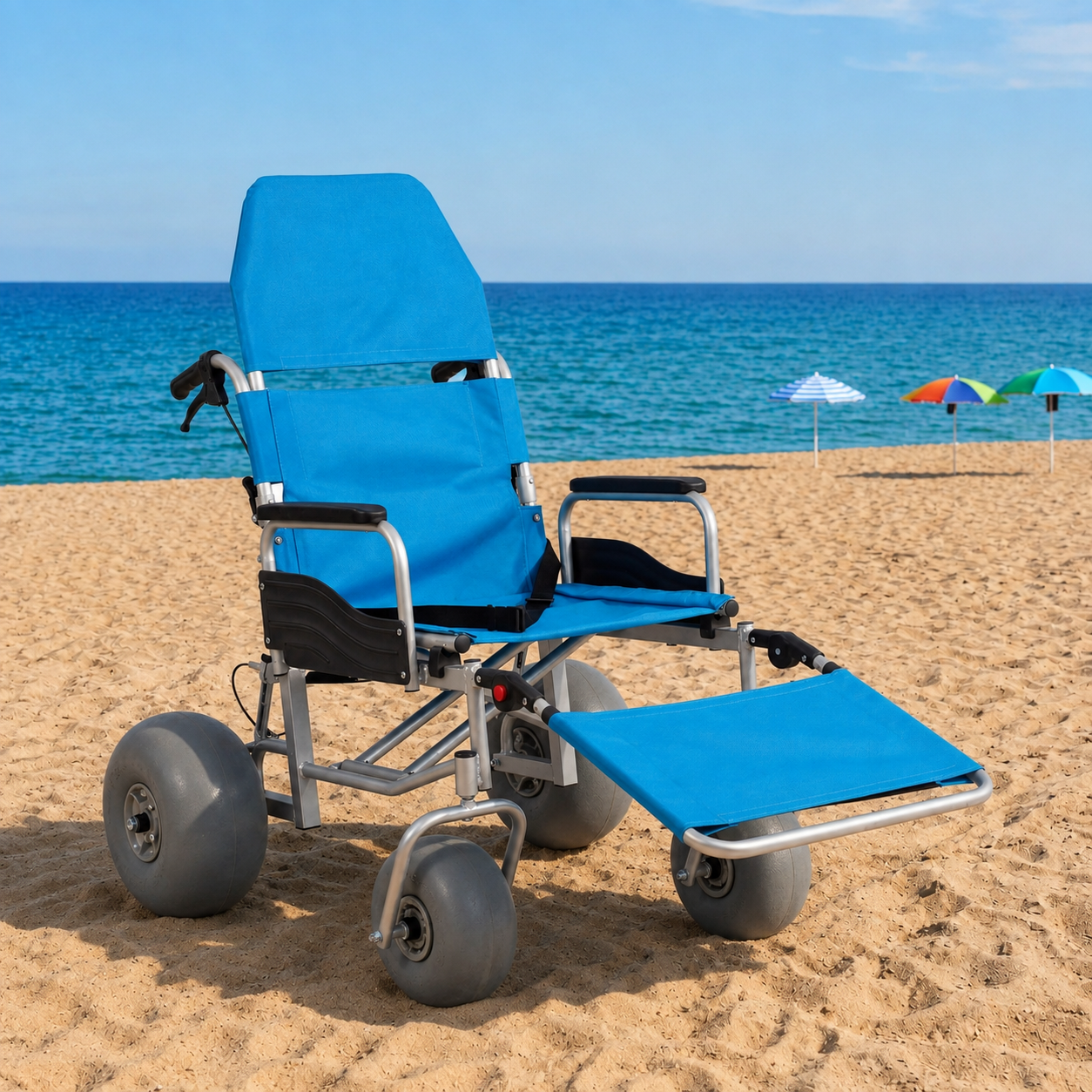
Before purchase, an all-terrain beach wheelchair may fit one reviewed land task. A resort still needs a local decision about surfaces, staff, weather, water, and public access.
As a result, choose by worksite: ask what staff must move, where, and under which procedure.
- At the same time, describe sand, hardscape, mats, and transitions.
- Specifically, match model handling with trained staff capacity.
- As a result, plan rinse, drying, inspection, and storage.
- Keep user-fit questions with qualified reviewers.
Build a task-to-model matrix
Invite suppliers to respond against the same tasks. Keep “unknown” visible when information is missing. Do not translate a product feature into a legal or clinical promise.
| Resort task | Supplier response | Local check |
|---|---|---|
| Land route | Handling and surface description | Site walk |
| Transfer | Handoff and support information | Qualified review |
| Water edge | Supplied use boundary | Lifeguard or authority |
| Storage | Care and drying instructions | Facility procedure |
Action: run a sample or staff demonstration only within a pre-approved local test scope.
Key takeaway: terrain fit is a service decision grounded in a reviewed task.
How should local approvals and procurement align?
In practice, local approvals and procurement should run together. A resort can ask suppliers for technical and care evidence while its team confirms state, municipal, environmental, concession, public-space, and emergency requirements. Federal inclusion language does not remove local review. Before approval, attach a date and responsible Mexico service owner.
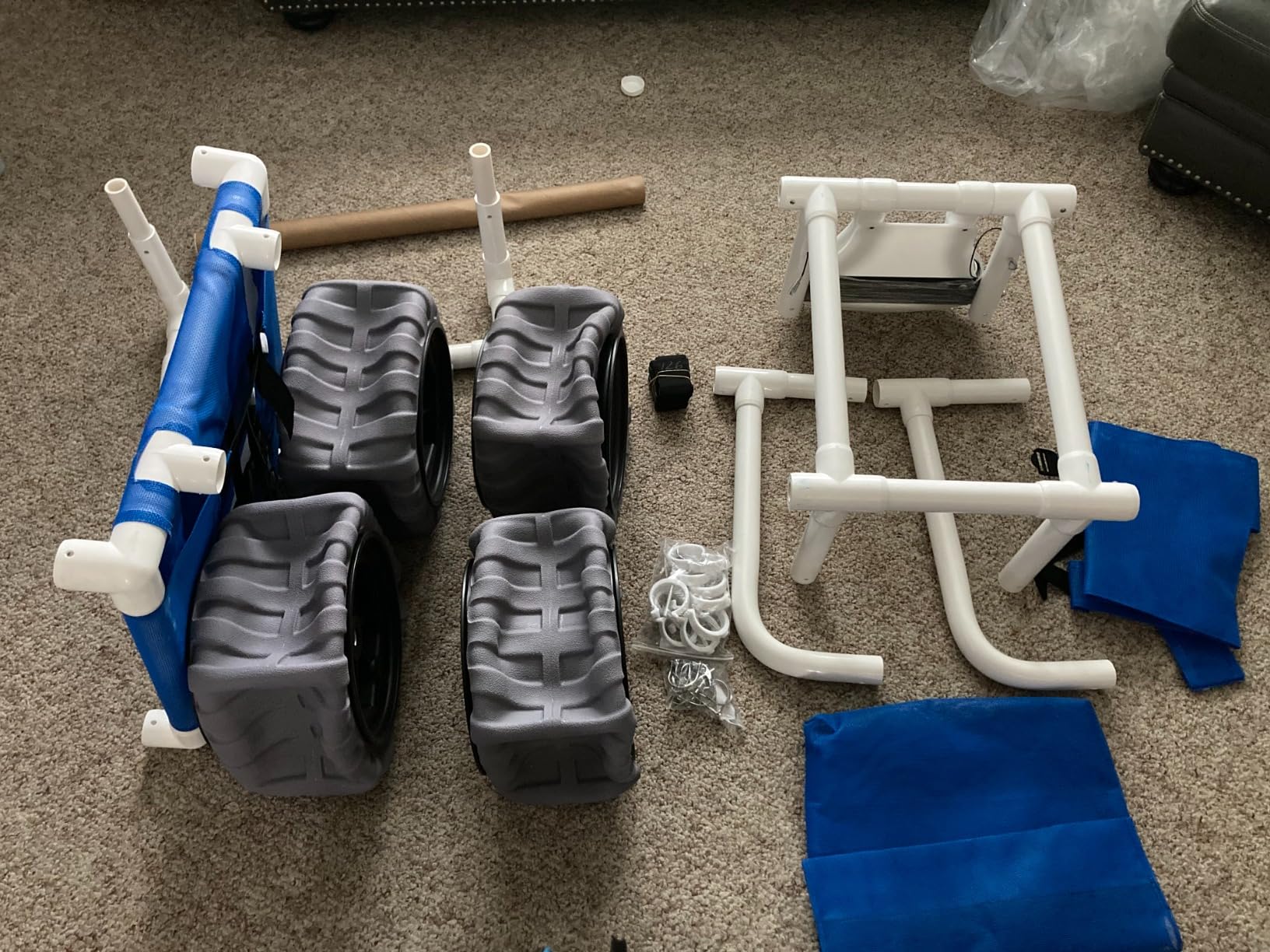
During review, keep a portable beach wheelchair travel reference for transport discussions, then validate loading, storage, and route decisions at the actual resort.
At the same time, run two tracks in parallel: procurement gathers evidence while local teams confirm authority and site conditions.
- At first, name the authority or adviser for each open question.
- Then, request exact model, configuration, instructions, and care data.
- Afterward, record concession or environmental limits before installation.
- Keep funding assumptions out of a purchase decision until verified.
Make an approval-and-evidence register
A register keeps unanswered questions from vanishing inside a quotation. Add an owner, next contact, and due date without promising an approval outcome.
| Question | Evidence source | Status field |
|---|---|---|
| Route placement | Site and local authority | Open or confirmed |
| Equipment task | Supplier documents | Received or missing |
| Concession use | Contract or authority | Review needed |
| Emergency role | Resort safety team | Assigned or open |
Action: hold final sign-off until every material open question has an owner and a documented answer.
Key takeaway: a clean register prevents federal policy language from being mistaken for local permission.
How should a resort accept the finished service?
At that point, a resort should accept the finished service through a documented route walk, staff rehearsal, equipment check, information review, and closeout test. Buying a chair is not the same as accepting a working guest route. During review, leave unsupported Mexico claims marked open.
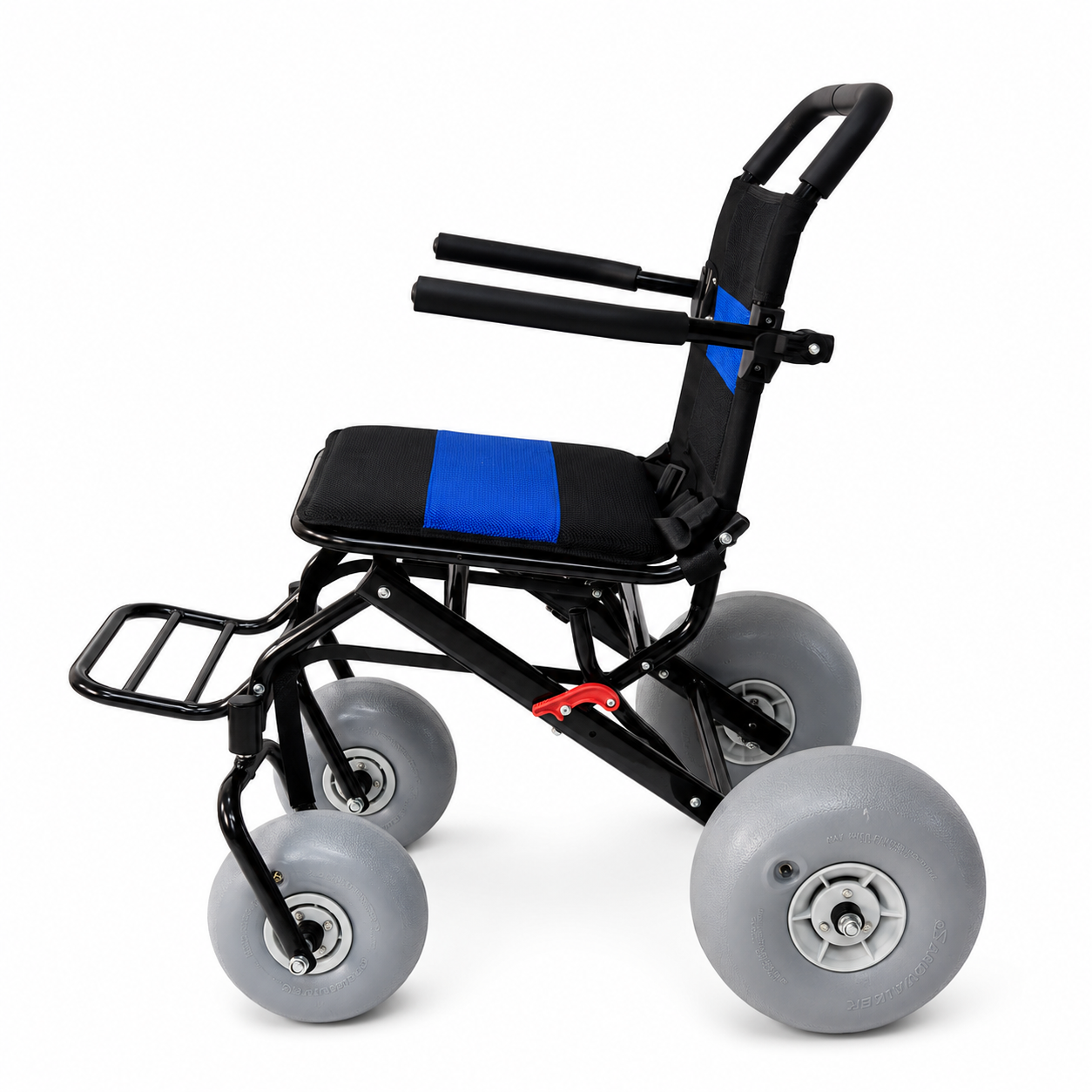
Afterward, use a practical applications checklist to frame use cases, then write acceptance criteria for this resort. A supplier can answer product questions; resort leadership approves its local operating process.
Instead, accept the route in the same order guests use it: start outside and finish at storage.
- For example, walk arrival, reception, route, service point, and return.
- Also, rehearse a normal and paused handoff.
- Instead, check public information against current practice.
- Record defects, owners, and a retest date.
Define acceptance evidence
Keep acceptance tied to observable actions. Avoid labels such as certified or compliant unless a responsible authority has issued a specific document for that exact scope.
| Acceptance area | Pass evidence | Hold reason |
|---|---|---|
| Route | Dated walk-through map | Surface or boundary open |
| Staff | Rehearsed roles and pause call | Training incomplete |
| Equipment | Identity and care check | Unit mismatch |
| Information | Page, signs, and script match | Copy outdated |
Action: sign acceptance only after a named manager can show each evidence item.
Key takeaway: acceptance proves a local workflow, not a universal claim about every Mexican beach.
What should a Mexico resort plan decide before launch?
On the other hand, a Mexico resort plan should decide one route-to-shore service, one responsible operating team, one equipment task per model, one information owner, and one local-review register. Keep the federal inclusion principle and SECTUR checklist as planning context while authorities and qualified advisers answer site-specific questions. Afterward, update Mexico visitor information when conditions change.
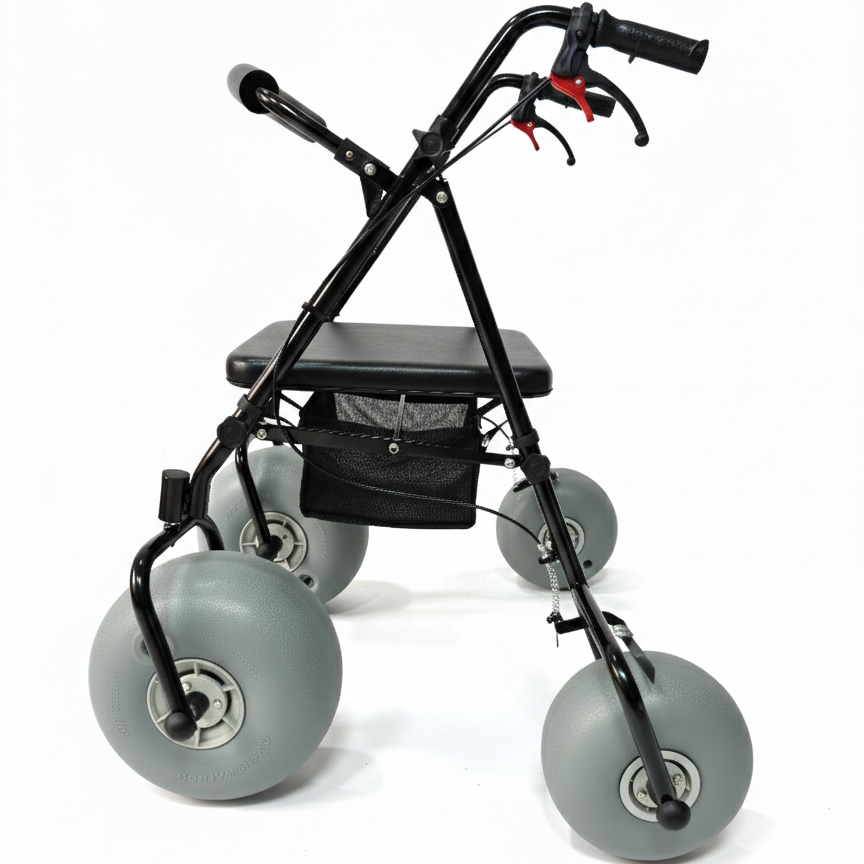
Unlike a product claim, use projects to discuss deployment contexts with a supplier, not as proof that a resort has been assessed. A signed brief should name route limits, staff boundaries, maintenance, and review dates.
For that reason, choose proof over promise: approve a route and service record before expanding a purchase.
- Afterward, confirm the guest route and local authority contacts.
- Later, match products with reviewed tasks and care procedures.
- Also, align public information with staff practice.
- Set a review date for weather, staffing, and local changes.
Action: ask resort leadership to approve a one-page route-to-shore brief, then issue a comparable supplier request.
Key takeaway: inclusive resort planning succeeds when route, people, equipment, and local review stay connected.
If you want a factory-side discussion about equipment tasks, route interfaces, or documentation, contact us with your brief. Keep final decisions with responsible Mexican state, municipal, environmental, concession, safety, and procurement authorities.
Common buyer questions
Q1: Does Mexico’s inclusion law certify a beach wheelchair? In practice, no. It supports a broad access policy context; product status and local requirements need separate confirmation.
Q2: Does the SECTUR guide make a resort automatically accessible? For example, no. It is a planning and self-review aid, not automatic certification.
Q3: What belongs in a route-to-shore checklist? However, include arrival, stable paths, information, toilets or changing, shade, staff support, shoreline boundaries, and return.
Q4: Can a resort promise water access from a product photo? Also, no. Water use needs local conditions, staffing, safety, and qualified review.
Q5: Who confirms Mexican local rules? For that reason, the resort should consult responsible state, municipal, environmental, concession, procurement, and safety authorities or qualified advisers.