
A Brazil beach wheelchair bid should define route mapping, equipment, staffing, maintenance, responsibility and user participation. A Brazilian waterfront bid can mention universal design yet leave route ownership, equipment tasks, staffing, and maintenance unclear. A stronger bid turns access into evidence: a mapped public route, a defined service model, user participation, technical scope, operating records, and named responsibilities.
Brazil’s Inclusion Law 13.146/2015 supports accessibility and universal-design consideration in public projects, concessions, and publicly funded work. Ministry of Tourism Portaria 26/2026 describes an evidence-led sustainability plan for its stated federal transfer mechanism and future fiscal scope. It does not apply to every beach or certify a product. If you are bidding for beach wheelchairs in Brazil, write the route and responsibilities before writing a quantity.
1. What should a Brazil beach wheelchair plan start with?
Still, a Brazilian waterfront bid should define the public problem, reviewed route, user groups, equipment tasks, operating hours, maintenance owner, and evidence required at acceptance. Keep those decisions visible before a bidder proposes a model or price. For that reason, keep the Brazil route plan tied to a named site.
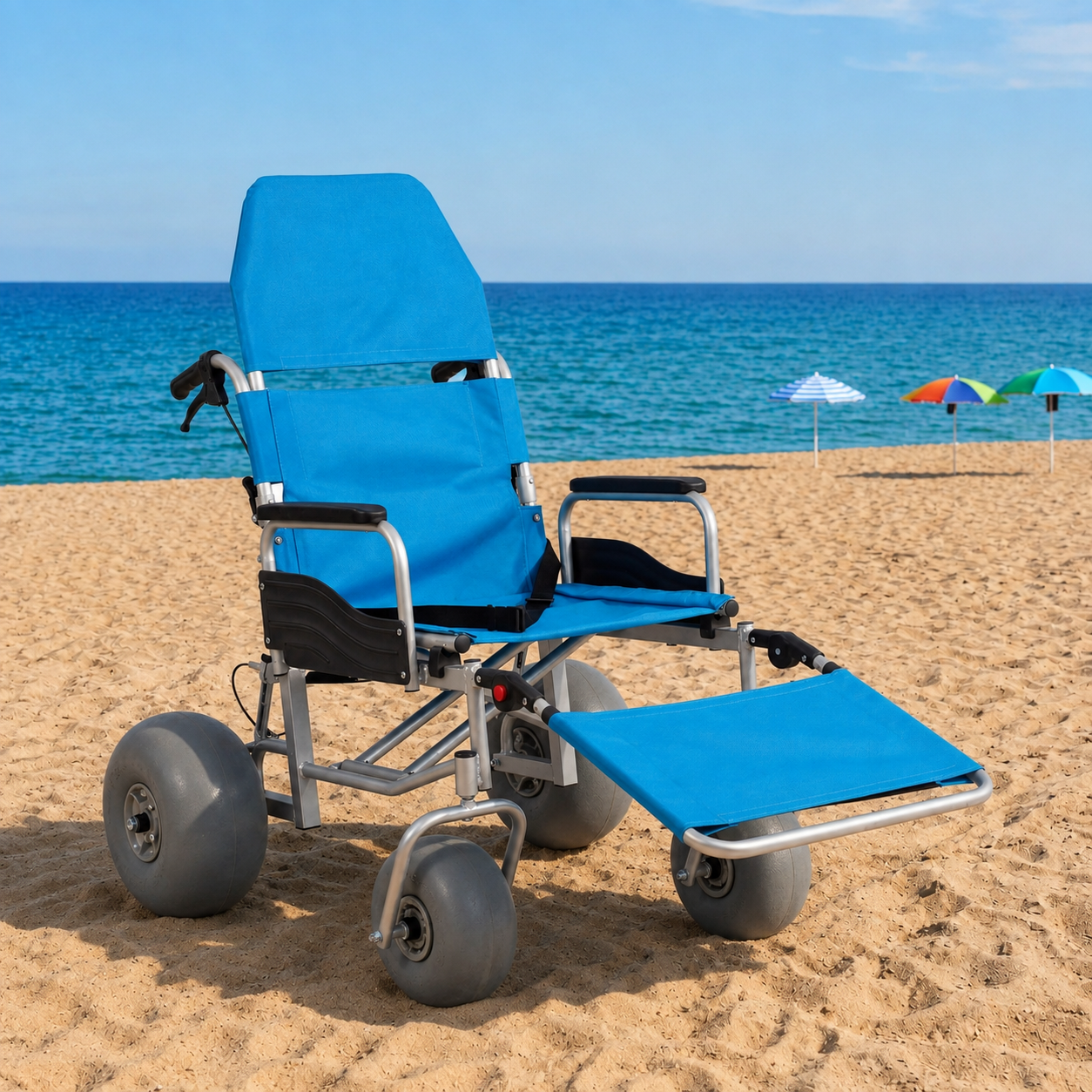
However, universal-design language gives a bid a public-interest direction. It does not remove municipal, state, coastal, environmental, concession, procurement, safety, or accessibility reviews. Write the bid so each authority can see which question belongs to it.
In fact, define the public task: a quantity without a service boundary leaves the hardest work unfunded.
- For example, name the waterfront area and route under review.
- Then, separate infrastructure, equipment, staffing, and maintenance.
- However, state who pauses service when conditions change.
- List evidence required before public opening.
Turn the need into a scope sheet
Use a short scope sheet that procurement, public works, tourism, and operations can all read. It should describe a guest route rather than promise universal access across an entire coastline.
| Scope item | Bid question | Evidence |
|---|---|---|
| Route | Which public path is reviewed? | Map and site notes |
| Equipment | Which task does each model support? | Technical response |
| People | Who hands over and maintains units? | Role plan |
| Acceptance | What proves readiness? | Test record |
Action: ask the contracting authority to approve this scope sheet before publishing technical requirements.
Key takeaway: a good bid buys a managed public service, not a pile of equipment.
How should a bid map routes and users?
For example, a bid should map arrival, parking or transport, public paths, service points, beach entry, water-edge limits, and return. Add user participation so people who will use or manage the route can identify barriers missing from a drawing. In practice, local authority evidence should settle this Brazil question before procurement.
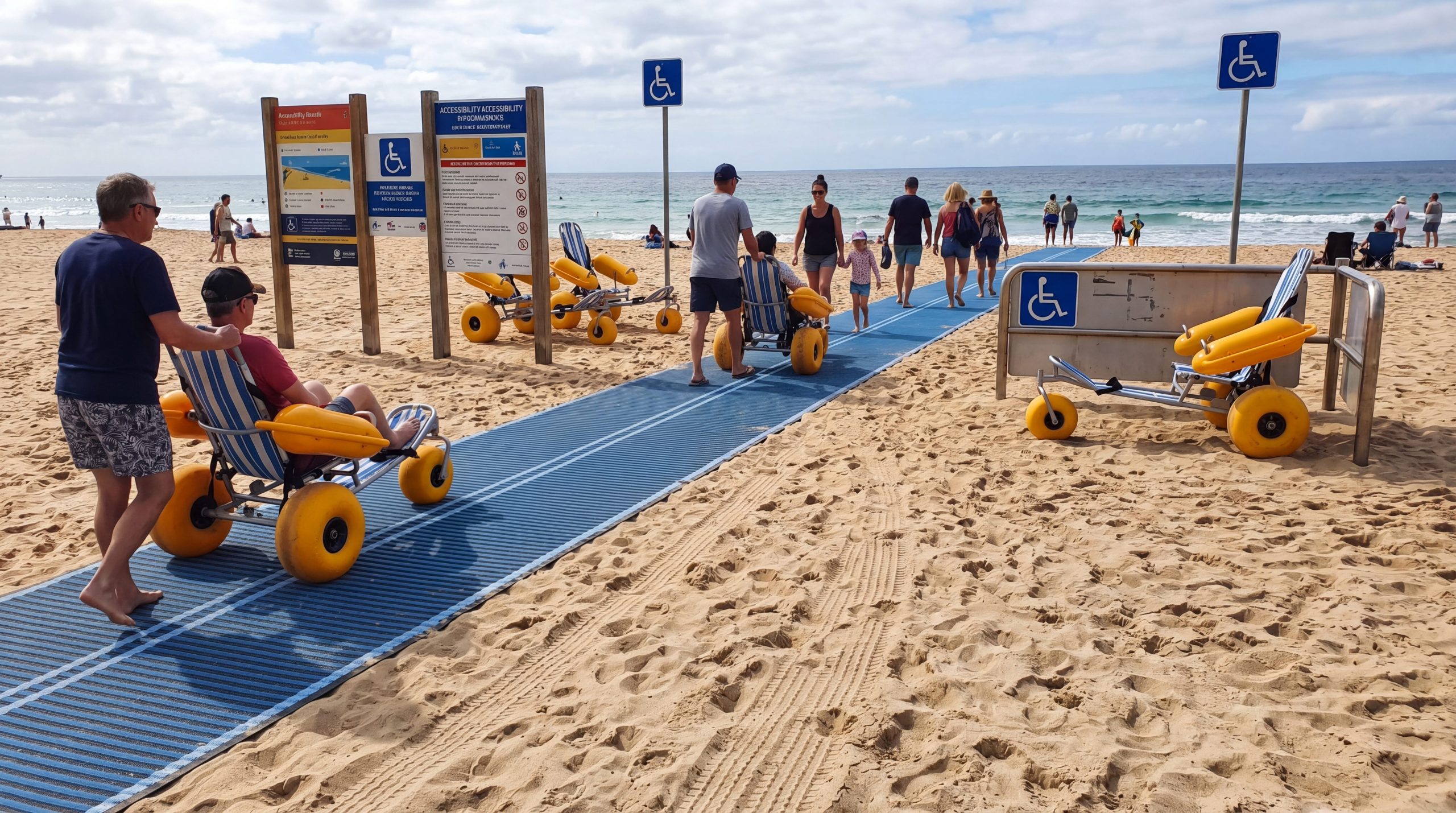
Also, an accessible beach mat can be listed as one route component. The bid still needs placement, inspection, storage, and closure responsibilities. Do not describe a product as proof that a public route is compliant.
However, map the public route: start where a resident arrives, not where a supplier unloads a carton.
- Also, mark surfaces, crossings, waiting areas, and route changes.
- Instead, identify a public contact and equipment staging point.
- For that reason, invite users, operators, and local access advisers to walk the map.
- Record seasonal or environmental conditions that alter use.
Keep participation tied to decisions
Minutes should show which user comment changed a route, sign, handoff, or requirement. A meeting photo alone does not prove that participation influenced scope.
| Participant | Decision they can inform | Record |
|---|---|---|
| Disabled users | Route and handoff experience | Meeting notes |
| Public works | Surface and placement | Site sketch |
| Beach operators | Daily service limits | Operations note |
| Safety team | Pause and emergency roles | Procedure |
Action: attach a dated participation summary to the bid file before final technical review.
Key takeaway: user input gains force when procurement can point to the clause it changed.
What universal-design evidence belongs in the bid?
Instead, universal-design evidence should show how the proposed works serve varied users across approach, movement, information, service, and return. Keep broad principles connected to observable design, operation, and maintenance decisions. At the same time, record who owns each Brazil service handoff.
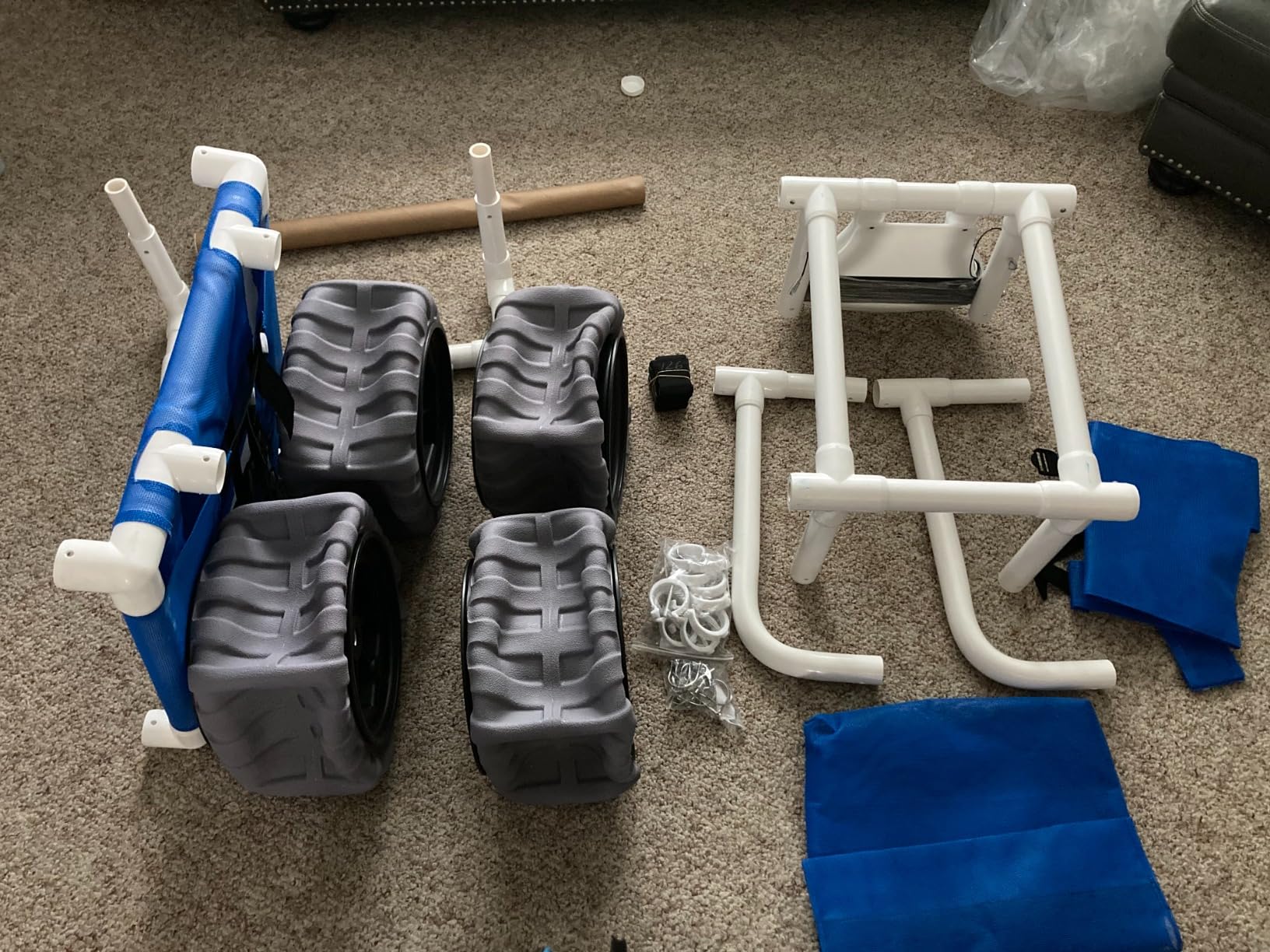
Because of that, the Inclusion Law supplies a legal framework for accessibility and universal design in its stated contexts. A bid still needs a responsible authority to interpret requirements for this waterfront, contract, and funding source.
Also, ask for evidence, not slogans: every universal-design statement should lead to a drawing, method, record, or responsible role.
- Meanwhile, show how visitors find the service and route.
- Still, explain interfaces between fixed works and movable equipment.
- At the same time, describe information formats and staff communication.
- State how defects and changed conditions are handled.
Link each principle with a deliverable
A deliverables register lets evaluators compare proposals fairly. It also prevents a bidder from treating a policy phrase as a finished design.
| Principle | Bid deliverable | Verification point |
|---|---|---|
| Route continuity | Dated site map | Walk-through |
| Usable information | Sign and web copy sample | User review |
| Supported service | Role and pause plan | Rehearsal |
| Ongoing access | Maintenance and issue log | Operations audit |
Action: reject vague evidence fields before bids arrive by rewriting each one as an observable deliverable.
Key takeaway: universal design becomes procurement-ready when it has a file, owner, and test.
What should the equipment scope say?
Meanwhile, the equipment scope should describe tasks, surfaces, handling, transfer boundaries, cleaning, storage, documentation, and support. It should avoid prescribing a product only because a photograph looks suitable. A beach wheelchair may support a reviewed route, yet it cannot replace route construction or local approval. For example, verify this step during normal Brazil beach operations.
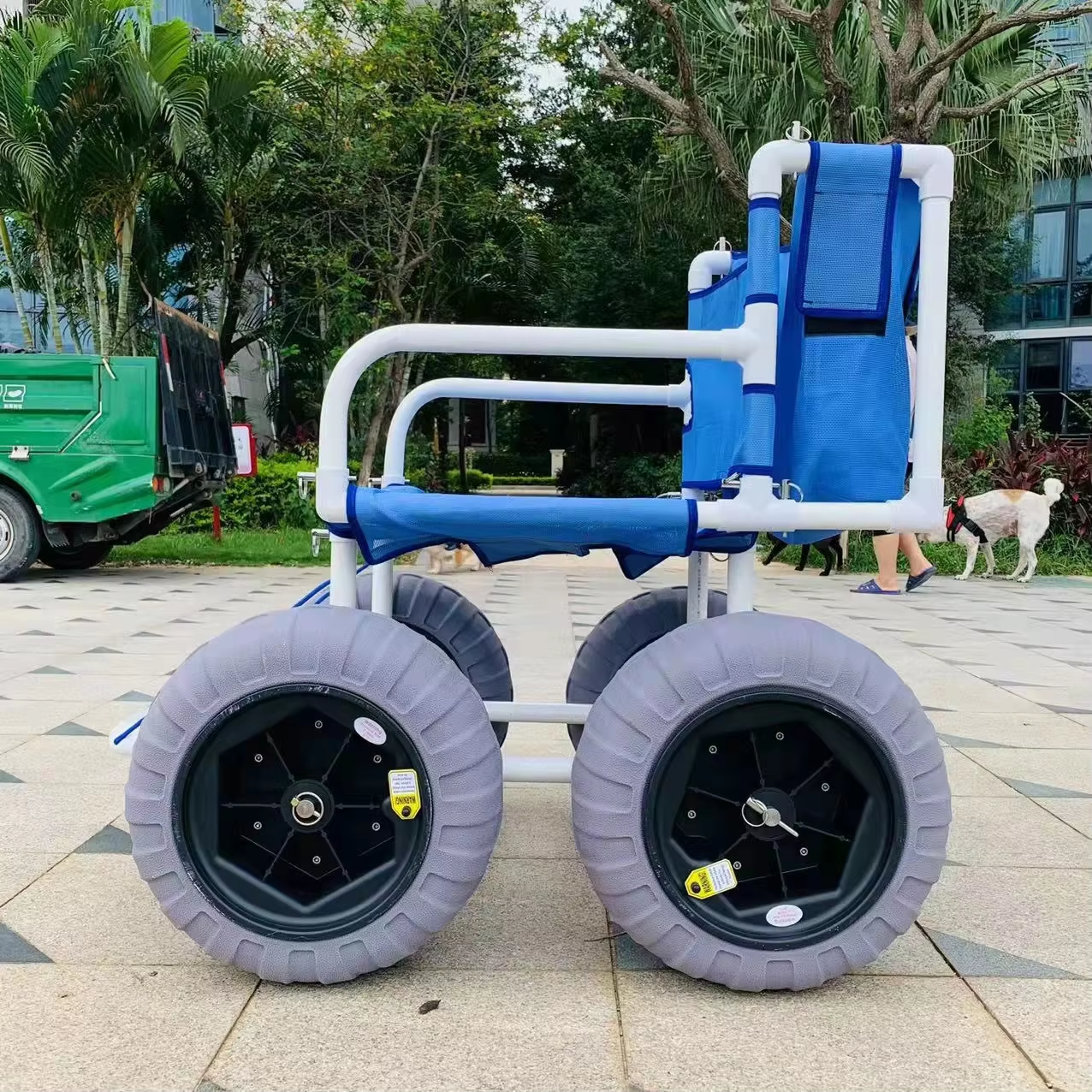
In fact, keep floating or water-edge models in a separate line item with separate staffing and safety decisions. A bid can request alternatives while preserving a like-for-like response format.
Meanwhile, write the task before the model: bidders should show how their configuration meets each reviewed use.
- In practice, identify manual handling and staff positions.
- As a result, describe land, mat, and surface interfaces.
- In fact, request supplied instructions, care, and parts information.
- State what equipment cannot be assumed to do.
Build a technical response schedule
Ask each bidder to complete identical fields. Keep unresolved items visible for clarification or local review. Do not reward a response merely for repeating tender language.
| Scope field | Bidder response | Authority check |
|---|---|---|
| Configuration | Model and included parts | Identity |
| Intended use | Surfaces and task | Site walk |
| Care | Rinse, drying, storage | Operations |
| Documentation | Manual, parts, training | Handover |
Action: publish a question-and-answer period that lets bidders clarify task boundaries without changing the public purpose.
Key takeaway: a technical scope protects both buyer and bidder from an invented capability.
How should operation and maintenance appear in a bid?
As a result, operation and maintenance should appear as priced, owned work rather than an afterthought. Name opening checks, handoffs, cleaning, drying, storage, repairs, issue escalation, and public communication when service pauses. A floating water beach wheelchair needs its own water-edge role and boundary instead of being folded into a generic equipment line. However, keep product facts separate from Brazil site promises.
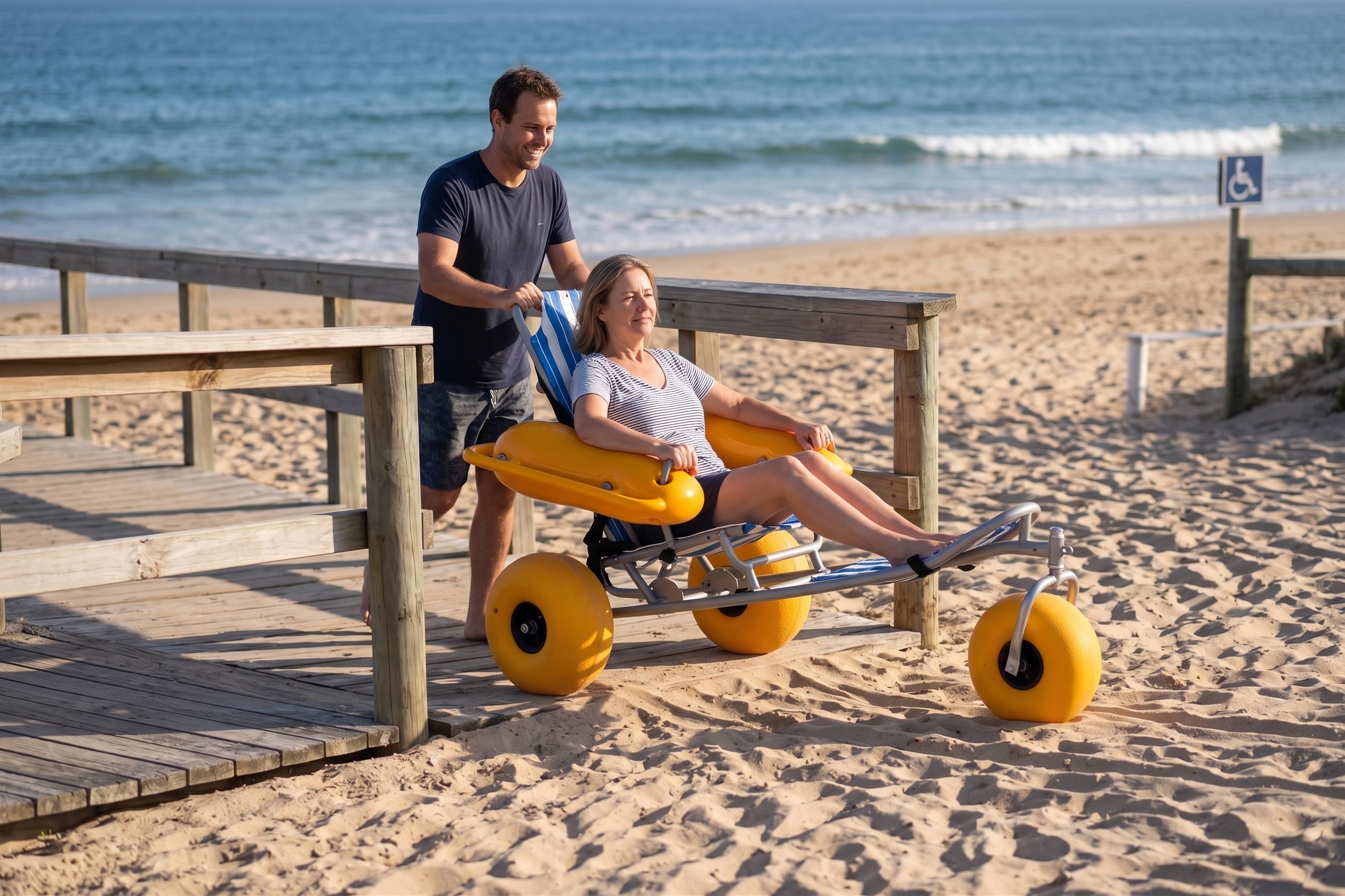
For that reason, use the all-terrain beach wheelchair category as a product discussion point, then specify who manages salt, sand, wet surfaces, and route changes at this site.
For example, fund the work after delivery: a public unit needs a public operating record.
- However, assign an opening and closing inspection role.
- In fact, set hold and quarantine steps for defects.
- Then, provide storage, drying, and cleaning requirements.
- Record repairs, parts, and unresolved route issues.
Make the service model auditable
Require a service plan with shifts, stations, communication methods, and pause authority. Keep staffing claims realistic and subject to the contracting authority’s budget and labor rules.
| Operating task | Evidence in bid | Owner |
|---|---|---|
| Opening check | Completed checklist | Site operator |
| Handoff | Script and unit log | Attendant |
| Care | Cleaning and drying method | Maintenance |
| Pause | Trigger and public notice | Duty manager |
Action: score maintenance and operations beside equipment price during technical evaluation.
Key takeaway: service life belongs in the bid because public access ends when care stops.
Which stakeholder records should a public bid require?
Then, a public bid should require records showing who participated, what route was reviewed, which risks remain open, and who accepts each handoff. Involve disabled users, operators, public works, safety teams, tourism staff, and relevant local authorities within their roles. Meanwhile, give staff a written Brazil service boundary they can repeat.
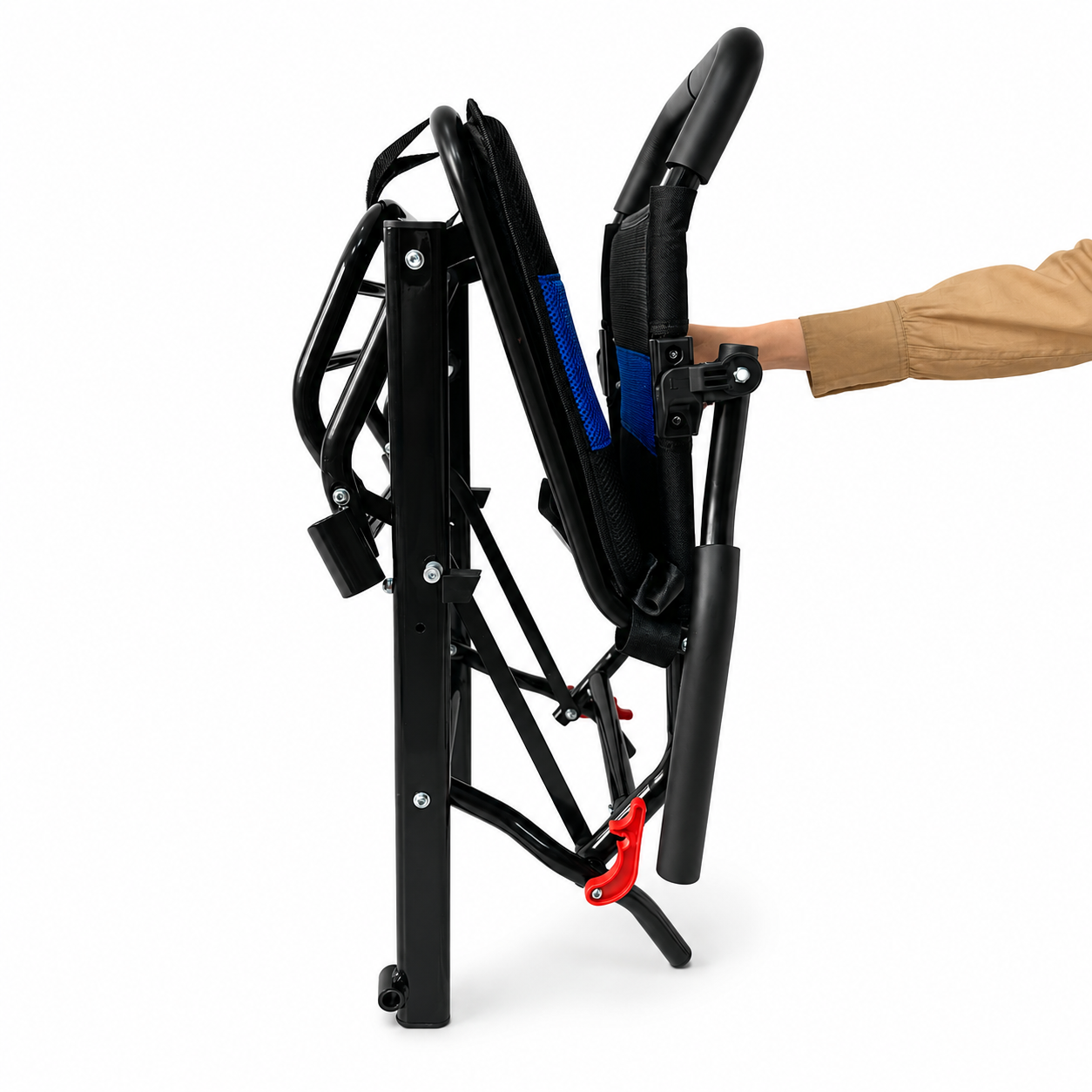
At the same time, the lightweight beach wheelchair category may help a team discuss transport or storage tasks. A bid should still request site-specific handling evidence rather than assume transport ease.
Still, give each voice a decision lane: participation works better when people know what they can change.
- For that reason, invite users to review route, information, and handoff experience.
- Even so, have operators review staffing and storage feasibility.
- Still, request a public-works review of fixed-route interfaces.
- Include safety contacts in reviewing pause and emergency boundaries.
Keep a decision and response log
Write the concern, response, owner, and date. Mark an item open when evidence or authority input has not arrived. This log helps evaluators explain why a clause remains in the final contract.
| Record type | Decision supported | Status |
|---|---|---|
| User feedback | Route and service usability | Open or closed |
| Site review | Surface and placement | Dated |
| Authority note | Local requirement | Confirmed or pending |
| Bid clarification | Comparable scope | Published |
Action: include the log in procurement governance instead of leaving it in one consultant’s notebook.
Key takeaway: transparent records make a public bid easier to defend and easier to improve.
How should Portaria 26/2026 be used carefully?
Even so, portaria 26/2026 should be used only within its stated federal transfer mechanism and future fiscal scope. A team considering that mechanism must confirm current eligibility, required evidence, responsible ministry process, and project timing directly with the competent authority. The Portaria does not turn every beach purchase into a federal programme. As a result, every quotation can answer the same Brazil decision.
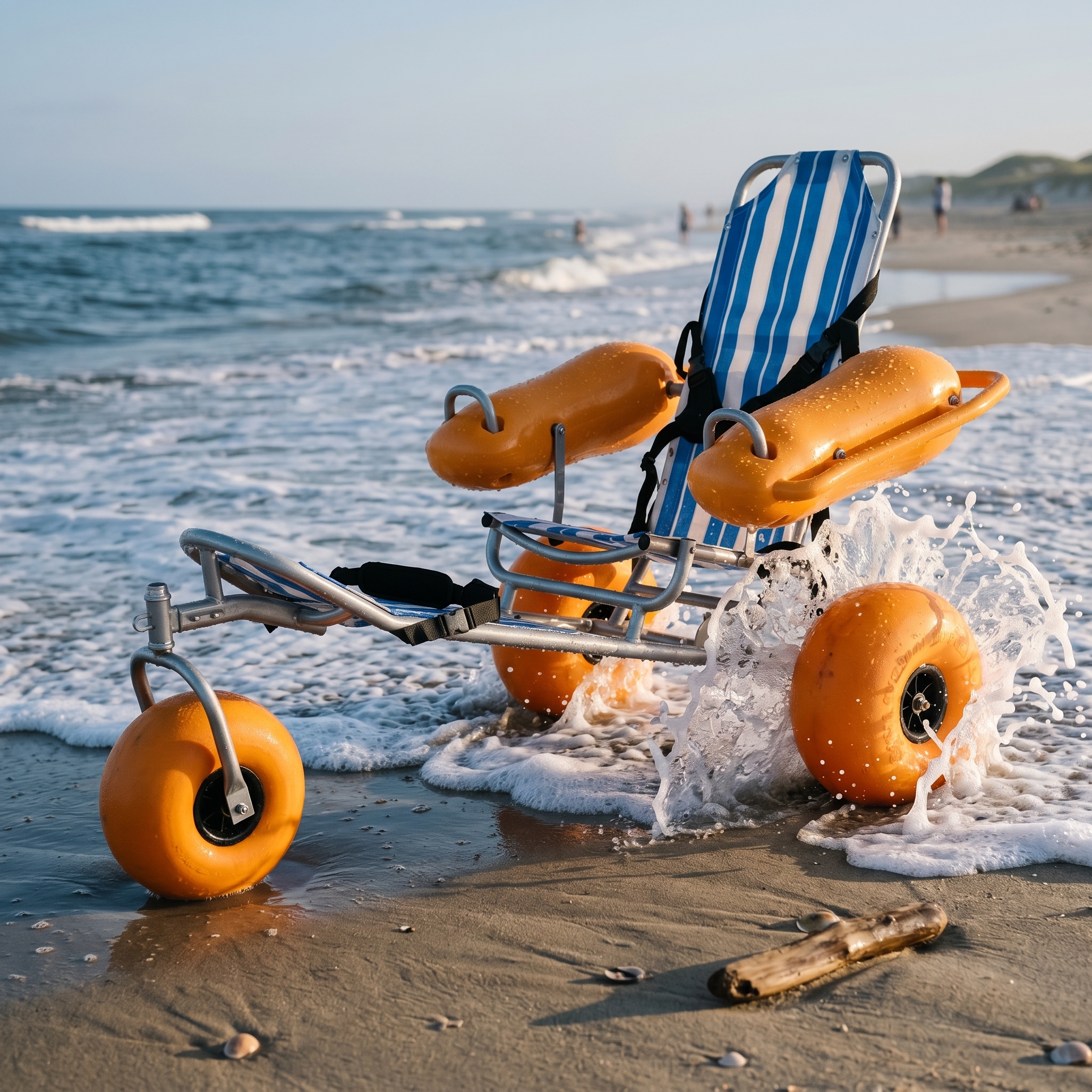
Before purchase, its sustainability-plan framing can remind a bid to document accessibility, safety, operation, and maintenance. Do not promise funding, approval, or certification before the authority confirms the exact programme scope.
As a result, keep the fiscal gate visible: a reference to a Portaria needs a scope check beside it.
- At the same time, identify the transfer mechanism named by the project team.
- Specifically, record the applicable fiscal period and authority contact.
- As a result, match sustainability evidence with the programme’s stated requirements.
- Remove funding language when current terms remain unverified.
Separate policy reference from eligibility proof
Keep the Portaria in a policy folder and maintain a separate eligibility record. This prevents a draft bid from presenting a future or conditional programme as money already available.
| Document | What it can support | What still needs proof |
|---|---|---|
| Portaria text | Stated programme scope | Project eligibility |
| Sustainability plan | Evidence categories | Authority acceptance |
| Bid response | Proposed delivery | Transfer approval |
| Local review | Site and contract fit | Final authorization |
Action: ask the contracting authority to confirm Portaria scope in writing before using it as a bid criterion.
Key takeaway: careful scope language protects a public project from an overbroad funding promise.
How should bids handle beach and seasonal conditions?
In practice, bids should handle sand, rain, storms, tide or water-level changes, seasonal furniture, staffing shifts, and environmental controls through site-specific operating rules. Avoid a permanent promise when a public route depends on temporary conditions. Before approval, attach a date and responsible Brazil service owner.
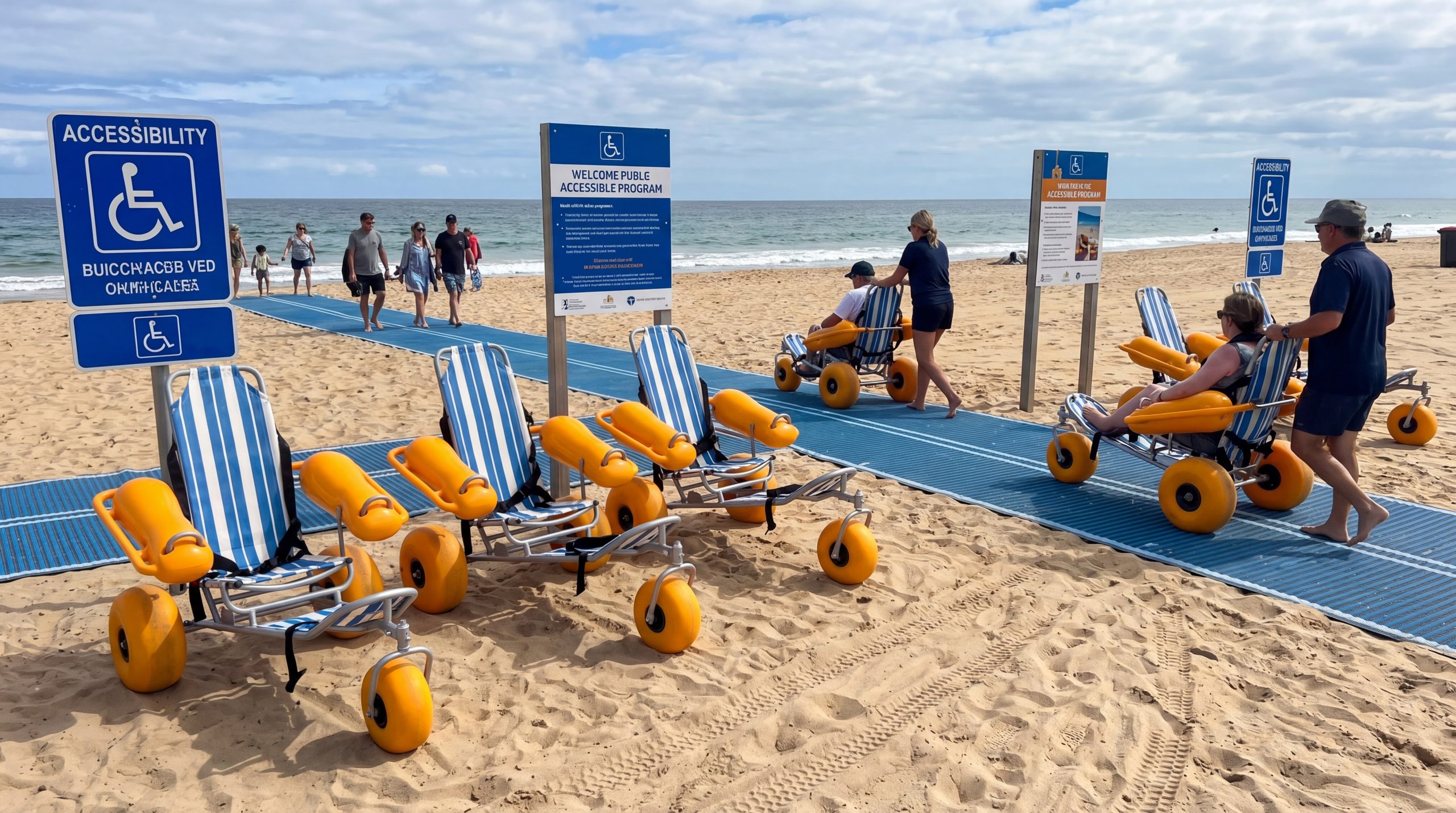
During review, use the applications page to discuss possible deployment contexts with suppliers, then ask the site team to define its own opening, pause, and return decisions.
At the same time, write the no-go call into the contract: staff need permission to pause before a route becomes unsafe or unusable.
- At first, list route, weather, staffing, and equipment triggers.
- Then, name the person who stops releases.
- Afterward, define public messages for a pause or closure.
- Record a restart check before service resumes.
Price change work beside normal operations
Require bidders to describe how they respond when a path shifts, a unit is held, or staff are absent. Do not invent numeric weather thresholds; ask the responsible site and safety teams to set them.
| Change condition | Required response | Record |
|---|---|---|
| Route blocked | Pause and redirect | Incident note |
| Unit held | Quarantine and replace if approved | Asset log |
| Staff absent | Hold affected handoff | Duty decision |
| Season ends | Clean, dry, and store | Closeout record |
Action: require a seasonal operations plan before commercial scoring is complete.
Key takeaway: a resilient bid explains what happens when a beach refuses to behave like a drawing.
How should proposals be compared and accepted?
At that point, proposals should be compared through a published matrix covering route, equipment, people, operations, maintenance, evidence, and price. Acceptance should require a route walk, staff rehearsal, information check, and documented equipment handover. During review, leave unsupported Brazil claims marked open.
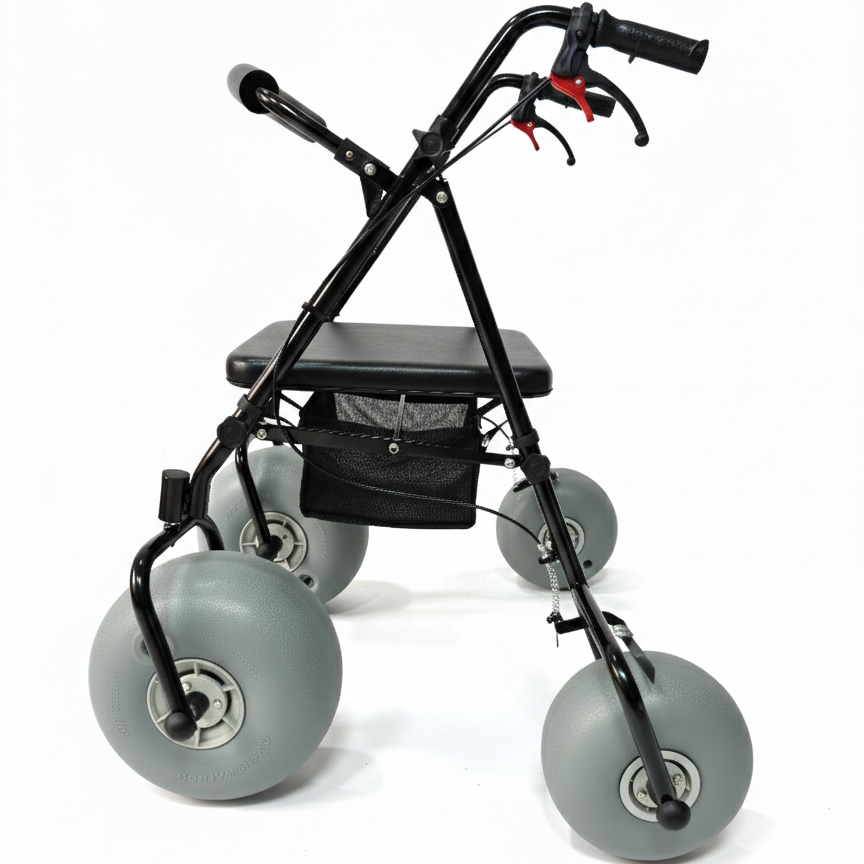
Afterward, the projects page can help a procurement team discuss deployment contexts, while evaluators still judge the submitted evidence for this waterfront.
Instead, accept the service in public-facing order: test arrival before asking a unit to carry the promise.
- For example, confirm route map and fixed-interface work.
- Also, rehearse handoff, pause, return, and maintenance roles.
- Instead, check public information against the delivered service.
- Record defects, owners, and retest dates.
Build an acceptance matrix
Use observable pass evidence. Avoid calling a proposal certified or legally sufficient unless a responsible authority issues that exact determination for the stated scope.
| Acceptance area | Evidence | Hold reason |
|---|---|---|
| Route | Dated walk-through | Interface unresolved |
| Equipment | Identity and care check | Configuration mismatch |
| Staff | Rehearsed handoff | Role gap |
| Public information | Sign, web, and script match | Copy stale |
Action: require the winning bidder and site operator to sign the same acceptance record.
Key takeaway: acceptance proves a contracted workflow, not universal access across Brazil.
What should a Brazil waterfront bid decide?
On the other hand, a Brazil waterfront bid should decide the reviewed route, user-participation method, fixed and movable scope, operating team, maintenance record, local approvals, fiscal boundaries, and acceptance evidence. Keep the Inclusion Law as a public-access framework and Portaria 26/2026 within its stated transfer and future scope. Afterward, update Brazil visitor information when conditions change.
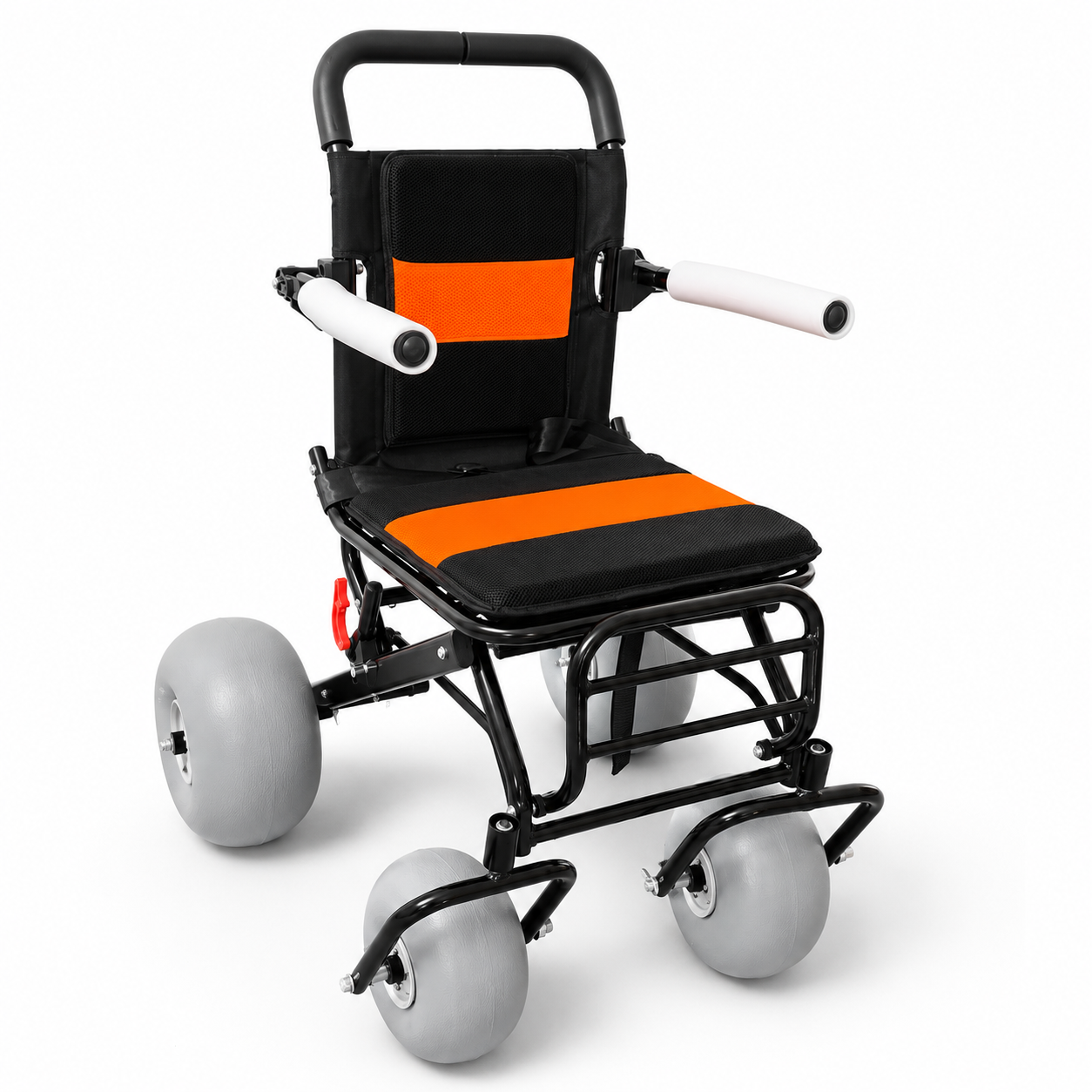
Unlike a product claim, an Ary Beach wheelchair user manual can inform product handover discussions. It cannot replace a Brazilian public authority’s route, procurement, environmental, safety, or funding decisions.
For that reason, make the bid testable: every promise should point to an owner, document, or walk-through.
- Afterward, approve one public route and service boundary.
- Later, match each proposed model with a defined task.
- Also, fund operations, care, storage, and pause communication.
- Keep local and fiscal questions open until confirmed.
Action: ask the contracting authority to sign a scope-and-evidence sheet before publishing the final request.
Key takeaway: a defensible bid connects universal-design intent with public route evidence and daily ownership.
If you want a factory-side discussion about configurations, handover records, or route tasks, contact us with your draft scope. Keep final decisions with the responsible Brazilian procurement, municipal, state, environmental, safety, and tourism authorities.
Common buyer questions
Q1: Does Brazil’s Inclusion Law certify a beach wheelchair? In practice, no. It provides an accessibility and universal-design framework; product and project decisions need their own evidence.
Q2: Does Portaria 26/2026 apply to every Brazilian beach? For example, no. Keep it within its stated federal transfer mechanism and future fiscal scope.
Q3: What should a public bid ask suppliers to provide? However, request exact configuration, intended use, handling, care, documentation, parts, training options, and clear limits.
Q4: Should a bid fund maintenance? Also, yes. Include inspection, cleaning, drying, storage, repairs, records, and pause communication in the operating scope.
Q5: Who confirms local waterfront requirements? For that reason, the contracting team should consult responsible municipal, state, coastal, environmental, concession, procurement, safety, and tourism authorities or qualified advisers.