
An Italy beach wheelchair service should audit arrival, booking, routes, equipment, staffing, care records and local beach-club duties. An Italian stabilimento balneare can own suitable equipment and still deliver a confusing access service. Visitors need clear information before arrival, an identifiable reception point, a reviewed route, a safe handoff, and a reliable return process. An audit joins those steps without pretending that one chair settles regional, municipal, concession, or safety questions.
The Italian Ministry of Tourism’s accessibility practice for accommodation, bathing establishments, and sports facilities offers useful service-design context. It is not an Ary product certificate, proof of legal compliance, or evidence that historical funding remains open. If you are reviewing beach wheelchairs in Italy, audit the customer route before counting units. Supplier context can be reviewed separately through Ary Beach information.
1. What should an Italy beach wheelchair plan start with?
Still, an Italian beach-club audit should review a visitor’s complete service path from enquiry through return. Write each step, name the responsible role, and record the evidence that proves staff can repeat that step during normal operations. For that reason, keep the Italy route plan tied to a named site.

However, treat the Ministry practice as a checklist reference for service design. Regional rules, municipal beach arrangements, concession terms, and site-specific safety procedures still need separate confirmation.
In fact, audit handoffs and hardware separately: a service breaks where a visitor loses the next instruction.
- For example, map enquiry, booking, arrival, reception, route, use, and return.
- Then, assign an owner for each point in the service path.
- However, keep product records separate from legal or concession records.
- Note gaps that require local or qualified review.
Set one audit boundary
Choose one club, season, and service window for the working audit. A narrow boundary produces usable findings. Expand later when staff can show that the opening workflow operates consistently.
| Service point | Audit question | Evidence |
|---|---|---|
| Enquiry | Can a visitor request information? | Web page or reply script |
| Reception | Who starts the service? | Role and desk note |
| Equipment | How is a unit released? | Unit and condition log |
| Return | Who closes the record? | Return checklist |
Action: convene the club manager, reception lead, beach attendant, and maintenance contact for one route walk-through.
Key takeaway: a useful audit names a service boundary before it judges a product.
How should pre-arrival information set expectations?
For example, pre-arrival information should state how visitors request the service, where the club meets them, which route staff support, and which details need advance discussion. Keep language specific enough for a visitor to plan without making a promise staff cannot deliver. In practice, local authority evidence should settle this Italy question before procurement.
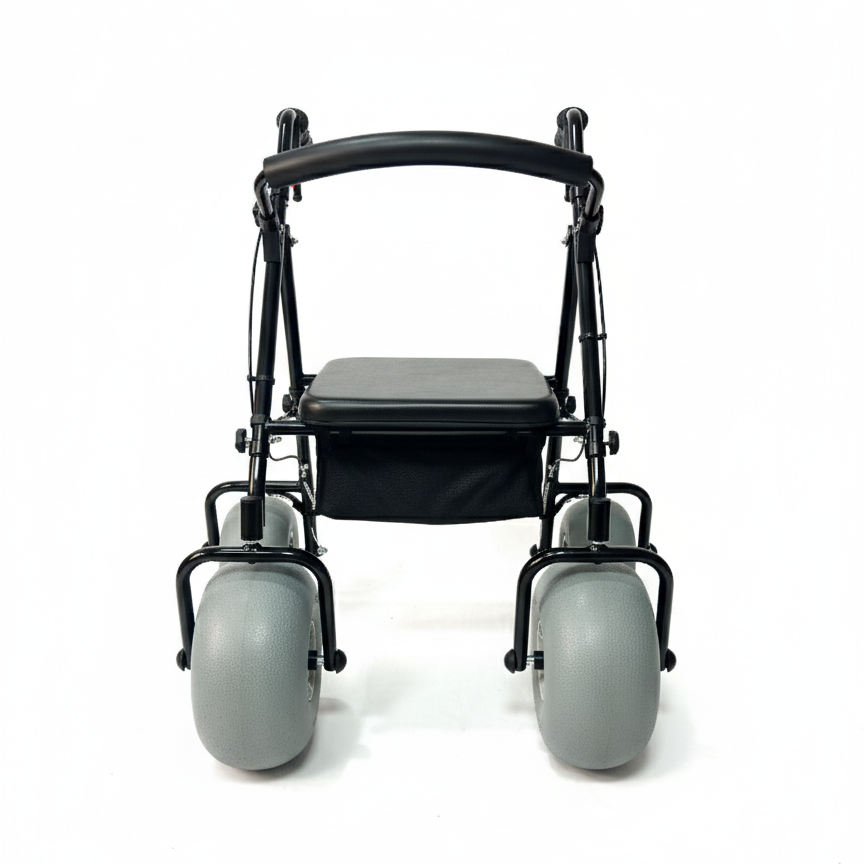
Also, the same facts should appear on a club page, booking reply, phone script, and reception notice. A portable beach wheelchair travel reference can help frame transport questions, but it does not replace a site-specific review.
However, make the booking answer practical: visitors should know what happens after pressing send.
- Also, name the request channel and service contact.
- Instead, explain the meeting point and expected arrival process.
- For that reason, describe route surfaces in ordinary language.
- State what staff need to confirm before release.
Keep one version of service information
Assign an owner who updates every public version when the route or season changes. Add a review date to the page or notice. Old information can create a failed handoff even when equipment remains in good condition.
| Information item | Owner | Review trigger |
|---|---|---|
| Request method | Reception lead | Contact change |
| Meeting point | Club manager | Layout or concession change |
| Route note | Beach operations | Surface or weather change |
| Equipment note | Equipment lead | Model or procedure change |
Action: ask a person unfamiliar with the club to follow published instructions and record every point of uncertainty.
Key takeaway: pre-arrival clarity turns a booking into a prepared handoff.
What should reception and arrival checks cover?
Instead, reception and arrival checks should cover wayfinding, waiting space, staff availability, transfer discussion, and a clear route toward equipment. A club should not send a visitor searching across umbrellas, kiosks, or changing layouts. At the same time, record who owns each Italy service handoff.
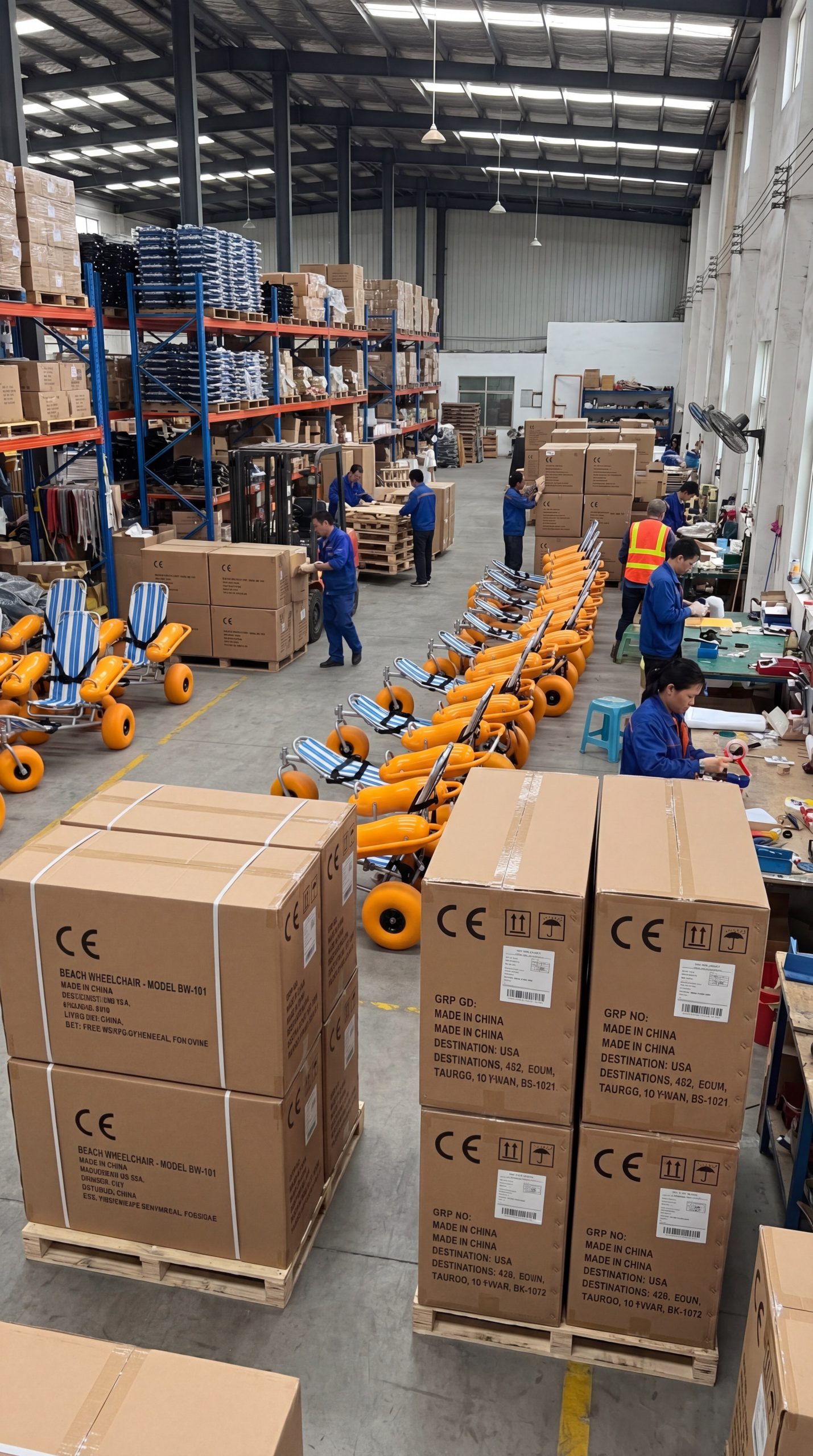
Because of that, keep reception staff within their role. They can explain the service, show the route boundary, and call a trained attendant. They should not improvise medical advice or promise a personal fit based on a photograph.
Also, reception is part of access: a good chair cannot compensate for a hidden service desk.
- Meanwhile, mark a visible welcome or equipment point.
- Still, keep a clear waiting position for the handoff.
- At the same time, give staff a short script for route and return questions.
- Record unresolved fit or transfer questions for qualified review.
Walk arrival during operating hours
Review the site when umbrellas, loungers, kiosks, and queues occupy their normal positions. A route that looks open before service starts can narrow once the club is busy.
| Arrival detail | What to check | Record |
|---|---|---|
| Welcome point | Can a visitor find staff? | Sign or map |
| Waiting space | Does the queue block movement? | Layout note |
| Transfer area | Is staff room available? | Walk-through record |
| Route start | Who releases the unit? | Named attendant |
Action: complete one arrival walk with a club employee who did not design the current layout.
Key takeaway: reception earns trust by making the next move visible.
How should a club map its route to the beach?
Meanwhile, a club should map its route from reception or equipment storage through every surface change, stopping area, and beach edge. Keep the route map separate from product descriptions. Local concession boundaries and municipal decisions may affect what can be placed or operated. For example, verify this step during normal Italy beach operations.
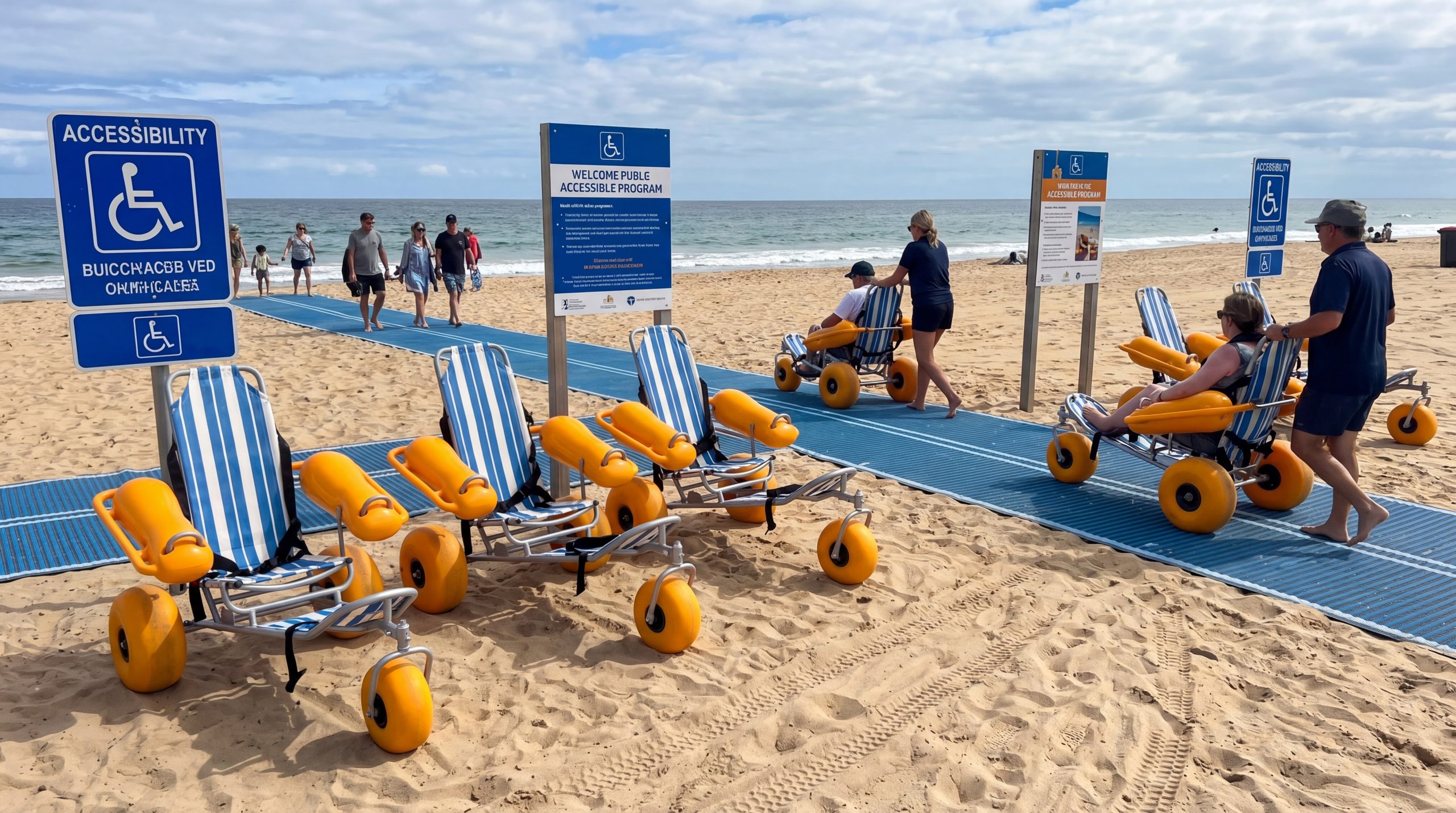
In fact, an accessible beach mat may form one route interface. Staff still need to check placement, inspection, weather response, and the point where support ends.
Meanwhile, map each interface: describe what changes under a wheel and who owns that change.
- In practice, mark firm surfaces, mats, boardwalks, and sand transitions.
- As a result, identify a stopping point for briefing or transfer.
- In fact, record water-edge limits and a pause authority.
- Show a return route that staff can actually manage.
Keep route and equipment records apart
Use one document for the physical route and another for units, instructions, and condition checks. Cross-reference them by service date. This avoids treating a product file as proof that a route remains open.
| Route item | Local question | Evidence |
|---|---|---|
| Surface change | Where does handling change? | Marked map |
| Mat or boardwalk | Who checks placement? | Opening record |
| Beach edge | Where does support stop? | Boundary note |
| Return line | Can staff bring units back? | Closing walk |
Action: attach a date and responsible name to every route map before seasonal service opens.
Key takeaway: a route audit keeps physical conditions visible beside, not inside, a product audit.
Which equipment tasks belong in the audit?
As a result, equipment tasks include identification, release, handling, route support, cleaning, storage, and return. Choose a unit against an assigned task rather than asking one chair to cover every visitor, surface, or water activity. However, keep product facts separate from Italy site promises.
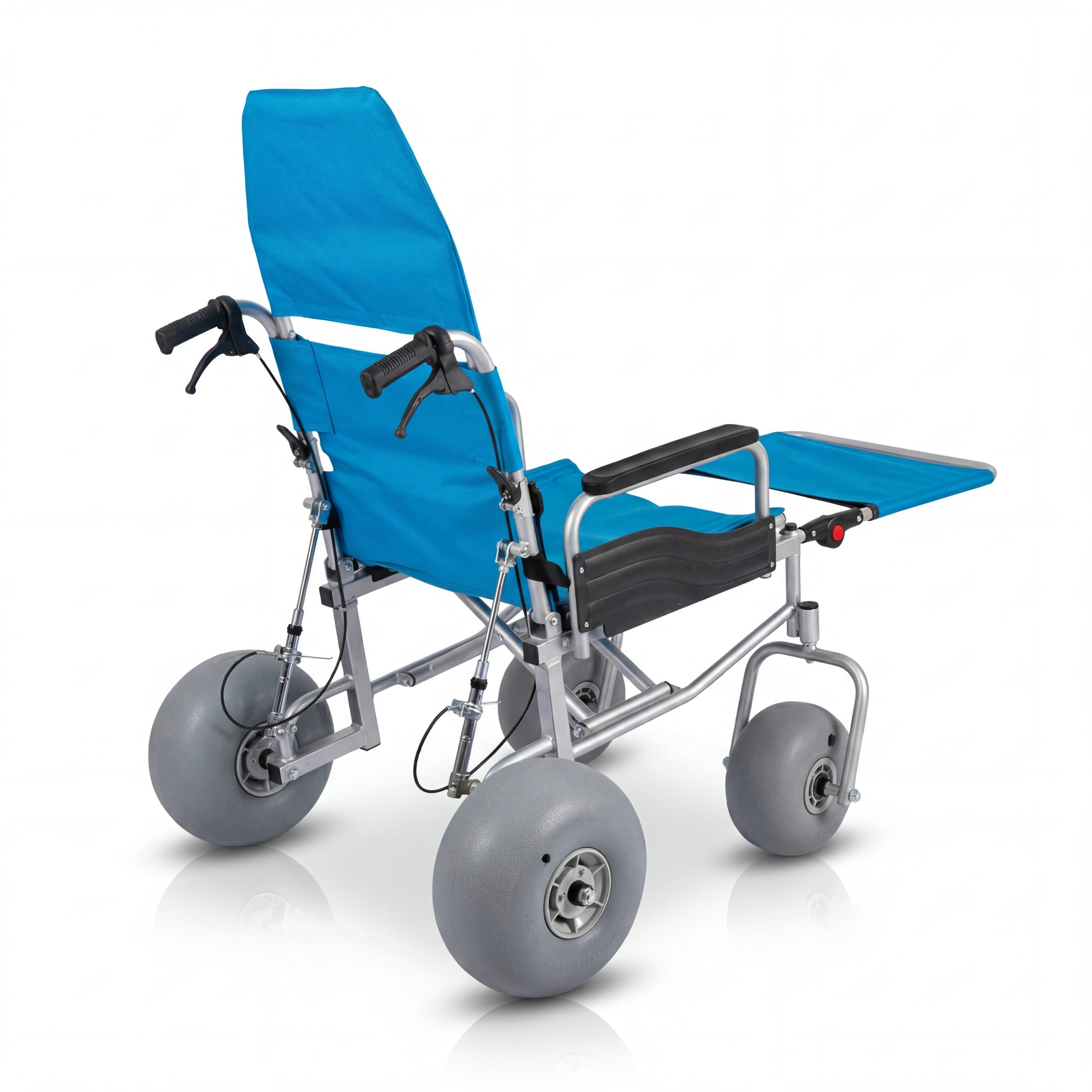
For that reason, an all-terrain beach wheelchair can be compared for a reviewed land route. A floating model needs separate instructions, staff roles, and water-edge decisions. Product pages help explain categories; they do not grant local permission.
For example, give each unit a job card: staff should know why a model sits at a particular station.
- However, record model identity and supplied configuration.
- In fact, link intended use with a reviewed route or activity.
- Then, list pre-release inspection and cleaning steps.
- State return location and escalation contact.
Use a unit-level record
A unit-level record lets a manager trace a concern without blaming an entire fleet. Include condition observations, staff initials, and a hold decision when a unit does not match its task.
| Unit record | Decision question | Owner |
|---|---|---|
| Identity | Which model is released? | Equipment lead |
| Condition | Can staff release it under procedure? | Attendant |
| Task | Which route or activity applies? | Club manager |
| Return | Was it cleaned and stored? | Closing staff |
Action: label each unit record with a service task and keep it beside the release station.
Key takeaway: equipment becomes auditable when every release has a defined purpose.
How should staff handle water-edge service?
Then, water-edge service should have a distinct operating boundary, trained staff roles, communication method, and stop decision. A chair photograph cannot prove that a particular shoreline, weather window, or user situation suits water use. Meanwhile, give staff a written Italy service boundary they can repeat.

At the same time, if a club considers a floating water beach wheelchair, keep release instructions separate from land-route instructions. Confirm local bathing, lifeguard, concession, and environmental requirements before operation.
Still, water changes the service boundary: write the stop call before anyone approaches the shoreline.
- For that reason, name the attendant who controls the handoff.
- Even so, state where equipment use starts and ends.
- Still, keep a communication route with lifeguard or duty staff.
- Record a pause or cancellation without pressuring a visitor.
Separate equipment use from bathing decisions
The club can describe supplied use information and its own staffing plan. A qualified local team must decide whether a specific user, day, and water area can proceed. Keep personal-fit questions out of a generic booking script.
| Water-edge item | Club record | Escalation |
|---|---|---|
| Boundary | Marked entry and exit point | Duty manager |
| Staff | Named attendant and backup | Beach safety lead |
| Conditions | Current site decision | Local authority or lifeguard |
| Return | Drying and storage plan | Equipment lead |
Action: run a dry rehearsal on land before offering any water-edge handoff.
Key takeaway: water access needs an operating decision, not a product adjective.
What should cleaning and storage records cover?
Even so, cleaning and storage records should cover who receives a unit, what visible checks occur, how the unit dries, where it waits, and who releases it next. Salt, sand, wet fabric, and busy shifts can turn a vague care instruction into a repeatable failure. As a result, every quotation can answer the same Italy decision.
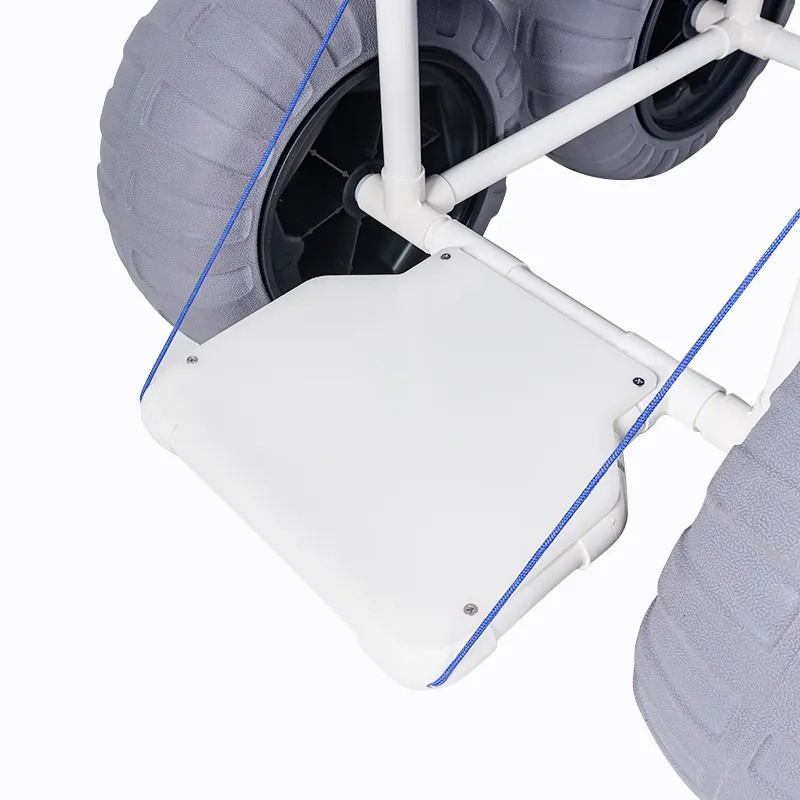
Before purchase, use supplier instructions as a reference and adapt only within approved local procedures. Keep a new floating beach wheelchair reference separate from the club’s own cleaning record if different equipment types share storage.
As a result, care work needs an owner: a checklist without a receiver is only a suggestion.
- At the same time, record rinse, drying, inspection, and storage steps.
- Specifically, keep wet units away from released units.
- As a result, mark a hold status when a check is incomplete.
- Log repeated damage or missing parts for review.
Make closeout visible across shifts
Use a station board or digital log that shows open, held, cleaned, and ready states. Avoid personal shorthand that a replacement worker cannot interpret. A closing signature should indicate what was checked, not promise future performance.
| Status | Meaning | Next owner |
|---|---|---|
| In use | Unit has an active handoff | Attendant |
| Held | Release stopped pending review | Manager |
| Cleaning | Care process underway | Maintenance |
| Ready | Checks recorded and stored | Opening staff |
Action: inspect one closed unit at the next opening and compare its condition with the prior log.
Key takeaway: maintenance records protect continuity between a busy shift and the next release.
How should an owner compare supplier responses?
In practice, an owner should compare suppliers against the club’s defined tasks, route, handling process, care needs, and documentation. Do not rank a quotation by price alone when missing manuals or unclear use boundaries will fall on seasonal staff. Before approval, attach a date and responsible Italy service owner.
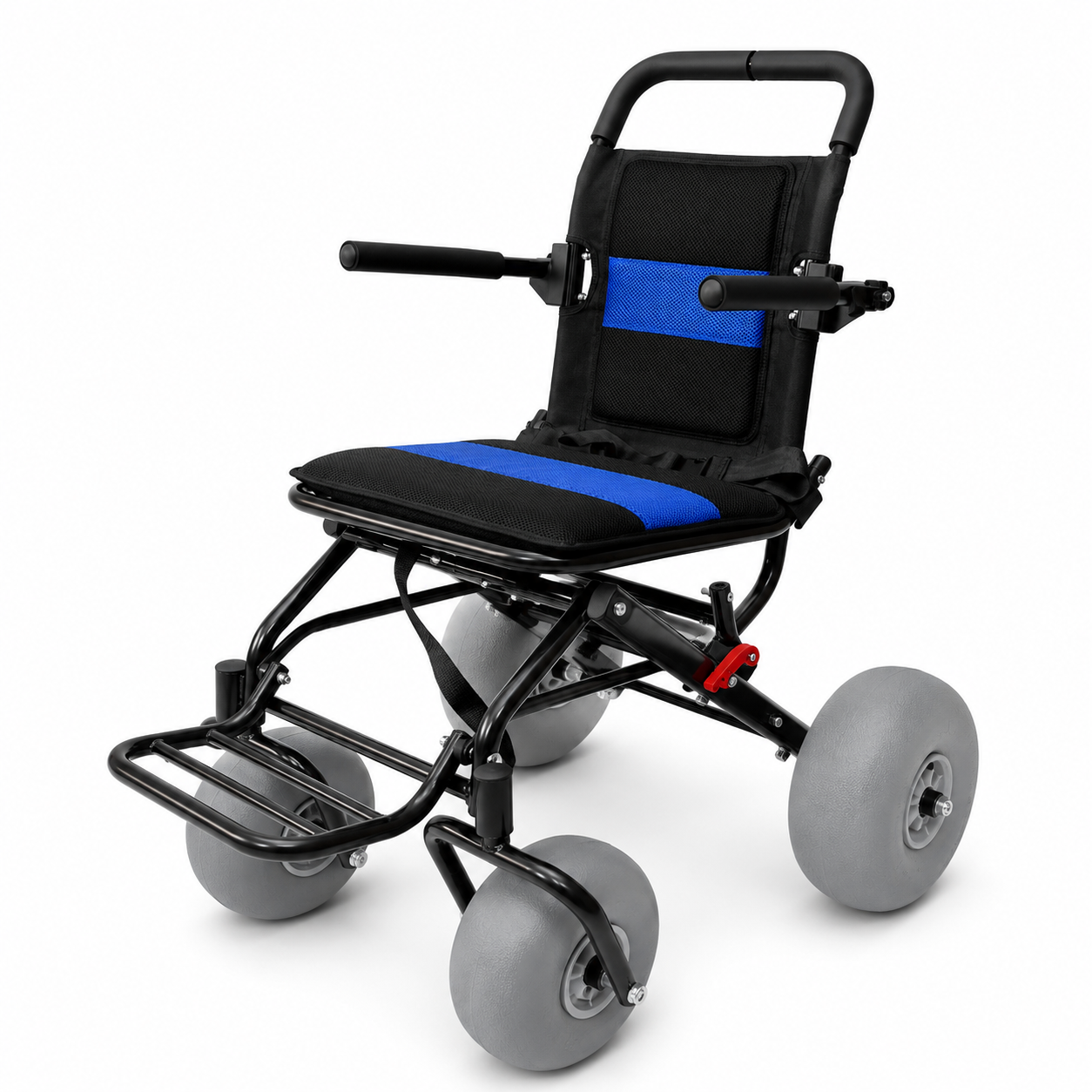
During review, ask suppliers to describe model identity, configuration, intended use, assembly, care, spare parts, and available training. A supplier’s applications page may help frame use cases, while the club still validates its local workflow.
At the same time, compare evidence line by line: a neat catalogue cannot replace a missing operating answer.
- At first, request the exact model and included configuration.
- Then, ask for handling and cleaning guidance.
- Afterward, request a clear list of supplied documents.
- Mark unknown local or concession questions for advisers.
Use a balanced response matrix
Give every bidder the same fields. Add a verification column so unresolved claims do not disappear inside a sales paragraph. Keep product evidence distinct from regulatory evidence.
| Response field | What it supports | Hold point |
|---|---|---|
| Model and configuration | Like-for-like comparison | Identity unclear |
| Use instructions | Staff briefing | Boundary missing |
| Care and parts | Service continuity | Procedure absent |
| Training option | Handoff preparation | Scope unconfirmed |
Action: ask the club manager and attendant lead to score usability separately before commercial review.
Key takeaway: supplier comparison works when staff can see the answer behind every score.
How should a club review seasonal and local rules?
At that point, a club should schedule reviews when concession layouts, beach conditions, staffing, or local instructions change. The Ministry practice is a planning reference, not a blanket national rule. Regional and local authorities may set requirements that a national page does not answer. During review, leave unsupported Italy claims marked open.
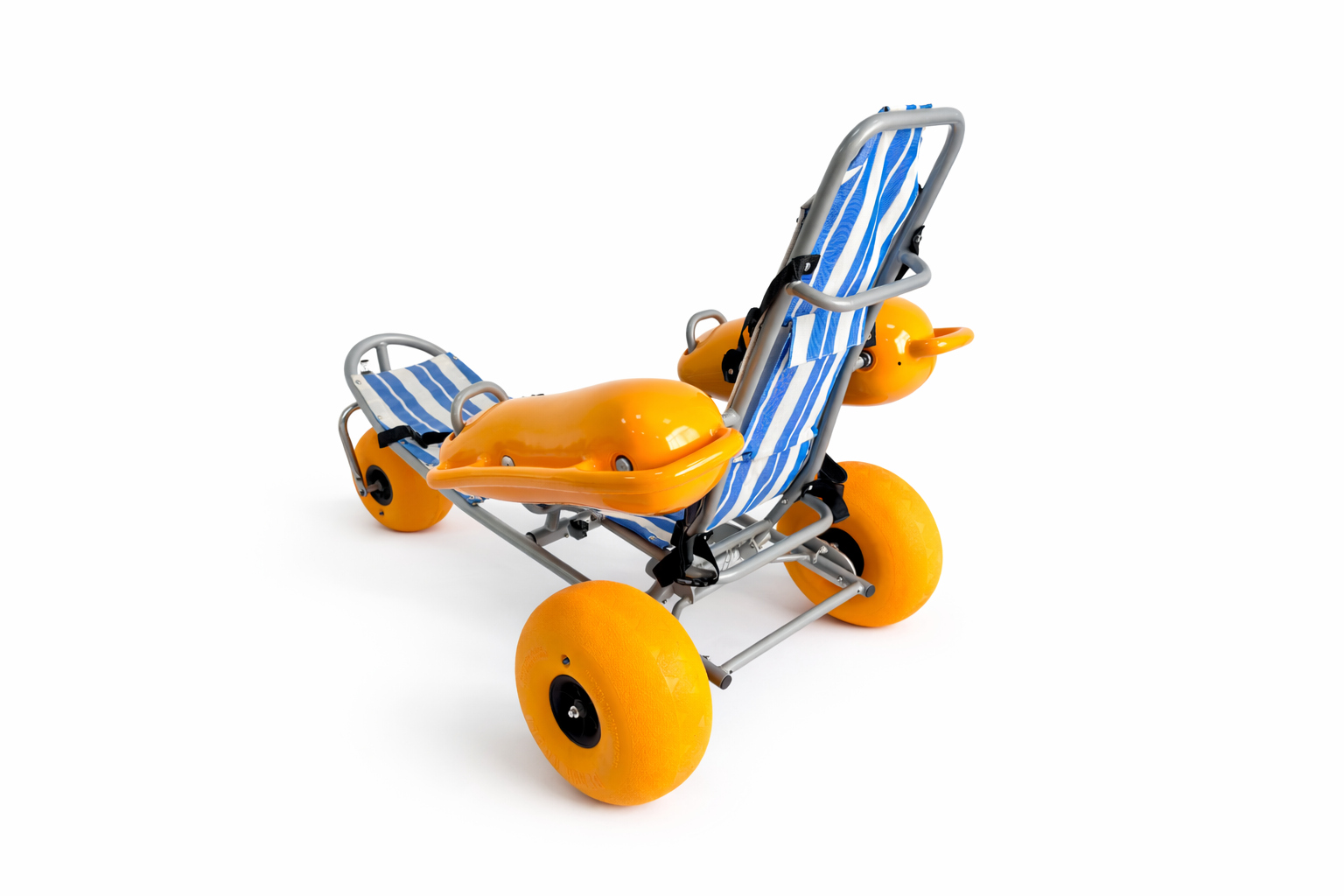
Afterward, use a short change log. Record what changed, which service point it affects, who decided the response, and what visitors were told. Keep any historical funding assumption out of current purchase decisions unless a responsible authority confirms it.
Instead, seasonal review keeps promises honest: revisit service facts when the club’s physical reality moves.
- For example, rewalk arrival, route, handoff, water edge, and return.
- Also, refresh staff roles and public information.
- Instead, check local, concession, environmental, and safety questions.
- Hold equipment when its assigned task no longer fits.
Turn findings into a next-season brief
An audit report should end with owners, dates, evidence, and open questions. It should not end with a generic claim that the club is compliant. Keep the brief short enough for a new manager to use.
| Finding | Next action | Owner and date |
|---|---|---|
| Route changed | Rewalk and update map | Operations lead |
| Information stale | Replace public copy | Reception lead |
| Unit held | Review care or fit | Equipment lead |
| Local rule open | Ask responsible authority | Club manager |
Action: schedule a pre-season route walk and a post-season service review in the same calendar.
Key takeaway: a good audit ends with assigned work, not a broad label.
What should an Italian beach-club audit decide?
On the other hand, an Italian beach-club audit should decide which visitor service path the club can support, who owns each handoff, which equipment task belongs at each station, how staff communicate boundaries, and which local questions remain open. Keep product selection inside that service decision. Afterward, update Italy visitor information when conditions change.
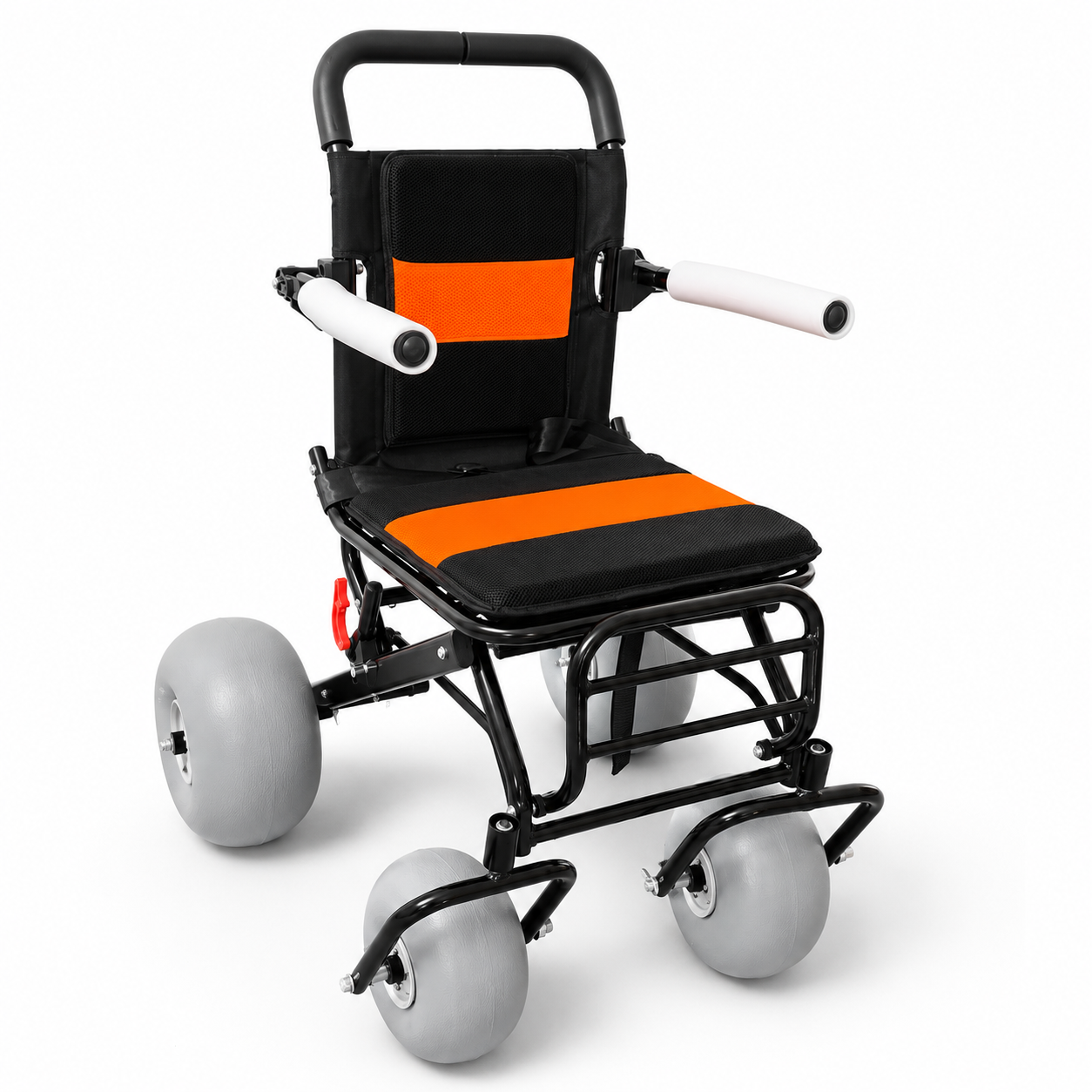
Unlike a product claim, for a practical comparison, use projects as a way to discuss deployment contexts, not as proof of a matching Italian site. Keep a signed route-and-service brief with the club’s responsible manager.
For that reason, choose a narrow operating promise: prove one workflow before adding more equipment or activities.
- Afterward, approve the service path and route boundary.
- Later, assign reception, attendant, maintenance, and return owners.
- Also, match every unit with a defined task.
- List local questions for the relevant authorities or advisers.
Action: ask the club team to approve one-page audit findings before issuing a final procurement request.
Key takeaway: a beach-club service becomes dependable when every handoff has an owner and a record.
If you want a factory-side discussion about configurations, care records, or service tasks, contact us with your audit brief. Keep final local decisions with the responsible Italian authorities, concession holders, safety teams, and qualified advisers.
Common buyer questions
Q1: Does the Italian Ministry practice certify a beach wheelchair? In practice, no. It can inform service design, while product status and local compliance require separate review.
Q2: What should a stabilimento balneare audit? For example, audit enquiry, arrival, route, handoff, equipment use, care, return, and visitor information as one service chain.
Q3: Can one chair cover land and water use? However, do not assume that. Keep land and water tasks separate until local staff review instructions and conditions.
Q4: Should a club promise a funding programme? Also, no. Treat historical or possible funding as unverified until a responsible authority confirms current terms.
Q5: Who handles fit or transfer questions? For that reason, route those questions to a qualified local reviewer instead of improvising medical or personal-fit advice.