
A France beach wheelchair plan should connect transport, parking, pedestrian routes, visitor information, equipment and beach entry points. Beach access in France can fail at a kerb, a parking transfer, or an unstaffed equipment point long before a visitor reaches sand. Town teams can avoid that gap by reviewing one continuous chain from arrival through return, then assigning equipment only where a reviewed route and service can support it. This article uses the accessibility-chain principle in French Law Article 45 as planning context. It does not treat a chair as legal compliance or a product as a certified solution. If you are sourcing beach wheelchairs in France, begin with a route map and a named local owner.
1. What should a France beach wheelchair plan start with?
Still, french towns should start with a person’s complete trip, not with a product catalogue. List the likely arrival point, transfer, pedestrian route, beach entry, supported activity, and return. Then mark every handoff where a visitor relies on a public service, concession, contractor, or attendant. For that reason, keep the France route plan tied to a named site.
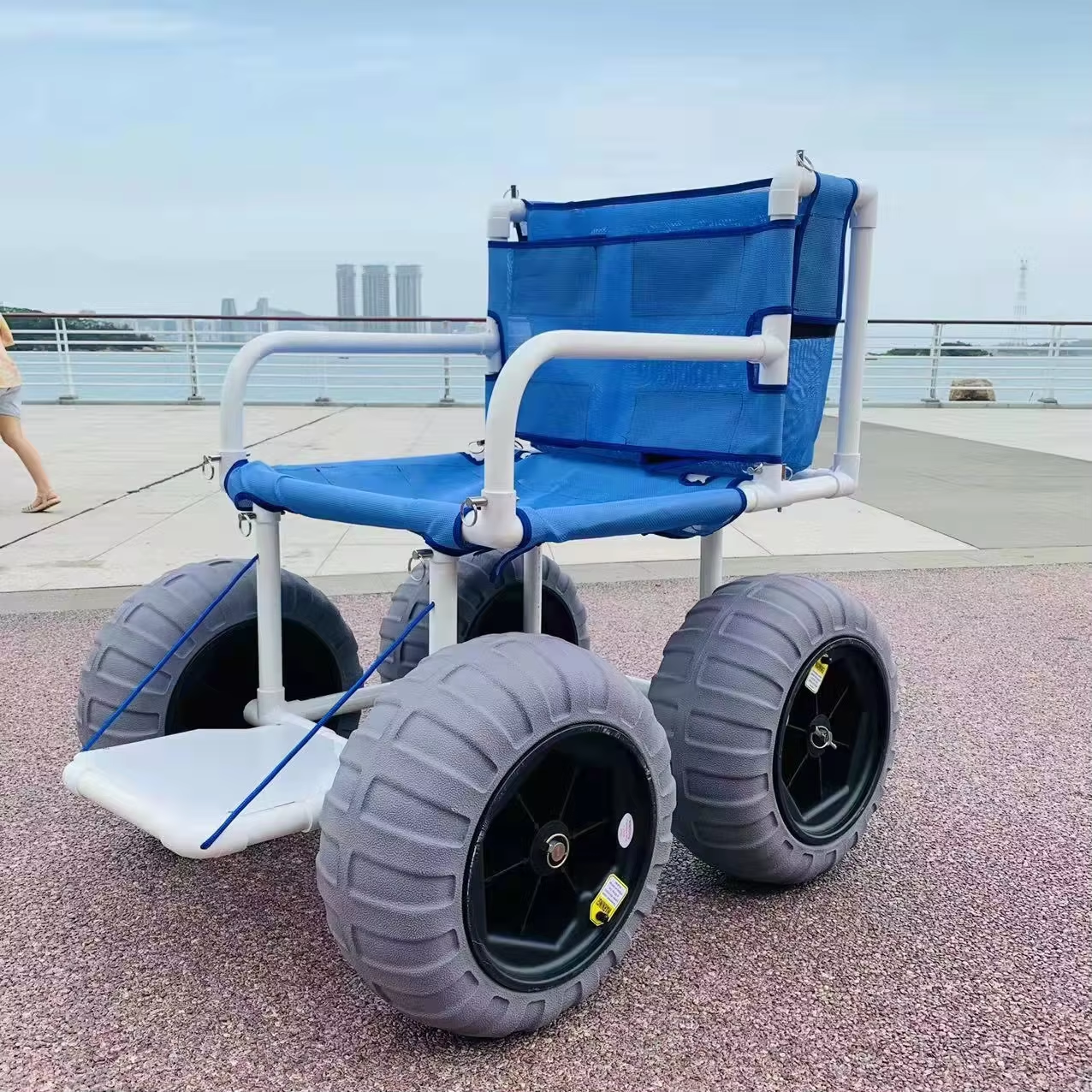
However, article 45 describes continuity across buildings, roads, public spaces, transport, and connections. A town can use that idea as a coordination lens while checking which national, regional, municipal, public-domain, and concession rules actually apply. For any French town sourcing units, begin with a route map rather than a product count.
In fact, start with the chain: write the visitor’s route in plain verbs before discussing chair quantities.
- For example, name the arrival point and the initial accessible decision.
- Then, mark surfaces, transfers, crossings, and route boundaries.
- However, assign an owner for each handoff and interruption.
- Record what equipment supports the route, rather than replacing it.
Put each handoff on one working map
| Chain point | Town question | Evidence to retain |
|---|---|---|
| Arrival | Where can a visitor request assistance? | Signage and contact note |
| Transfer | Who controls the move from vehicle or transit? | Staff role record |
| Beach entry | Which surface has been reviewed? | Walk-through map |
| Return | Where does equipment go after use? | Closeout location |
Action: walk one arrival-to-water route with public-works, tourism, and beach-service representatives before selecting a fleet.
Key takeaway: continuity starts with ownership at every break in a visitor’s route.
Which arrival links belong in the chain?
For example, arrival links include transit information, parking, drop-off, kerbs, crossings, and a visible welcome point. A beach can offer a suitable chair yet remain difficult to use when a visitor cannot find a legal stopping point or a clear transfer area. In practice, local authority evidence should settle this France question before procurement.
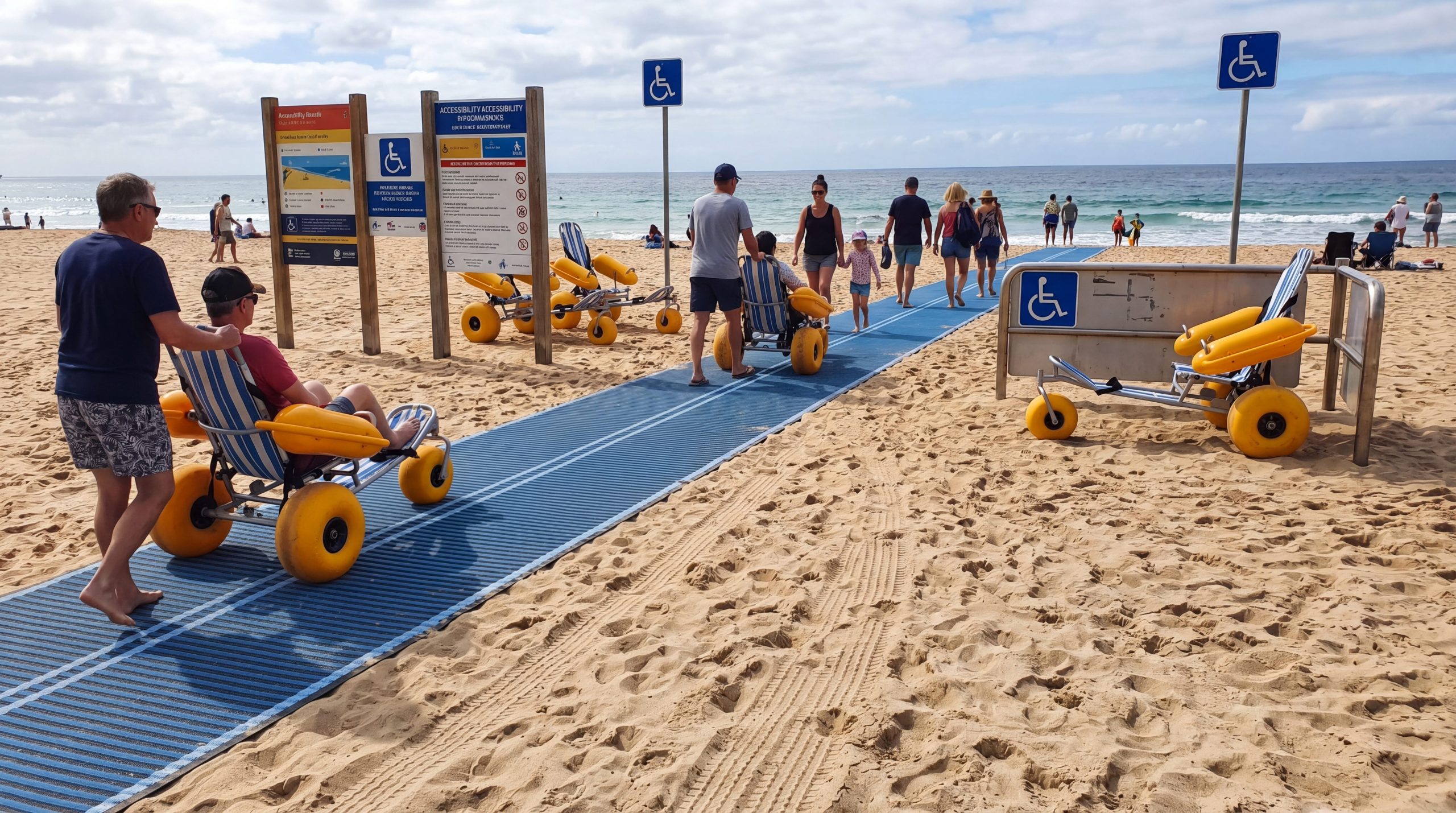
Also, review arrival at the same time of day that service normally runs. Seasonal traffic, market stalls, bins, temporary barriers, and tide-related changes can alter a route that looked workable on paper.
However, look beyond the parking bay: arrival information needs a physical continuation.
- Also, show accessible drop-off or parking directions in visitor information.
- Instead, check kerbs, crossing points, and waiting space.
- For that reason, keep a clear line from arrival toward the beach service point.
- Explain who helps with equipment transfer and when.
Test arrival with a new visitor
| Arrival element | What to verify | Responsible team |
|---|---|---|
| Directions | Route language matches site signs | Tourism or communications |
| Drop-off | Transfer space remains usable | Parking or public works |
| Crossing | Kerb and surface changes are visible | Public works |
| Welcome point | Staff and contact method are obvious | Beach operator |
Action: repeat the arrival check after seasonal furniture, barriers, and temporary works appear.
Key takeaway: the chain begins where a visitor needs a reliable decision, not at the shoreline.
How should a pedestrian route reach beach entry?
Instead, a pedestrian route should connect its reviewed surfaces without asking a beach wheelchair to solve missing infrastructure. Check the full line from welcome point through boardwalk, mat, ramp, or firm edge. Record where sand, shingle, wet ground, or a changing shoreline alters the plan. At the same time, record who owns each France service handoff.
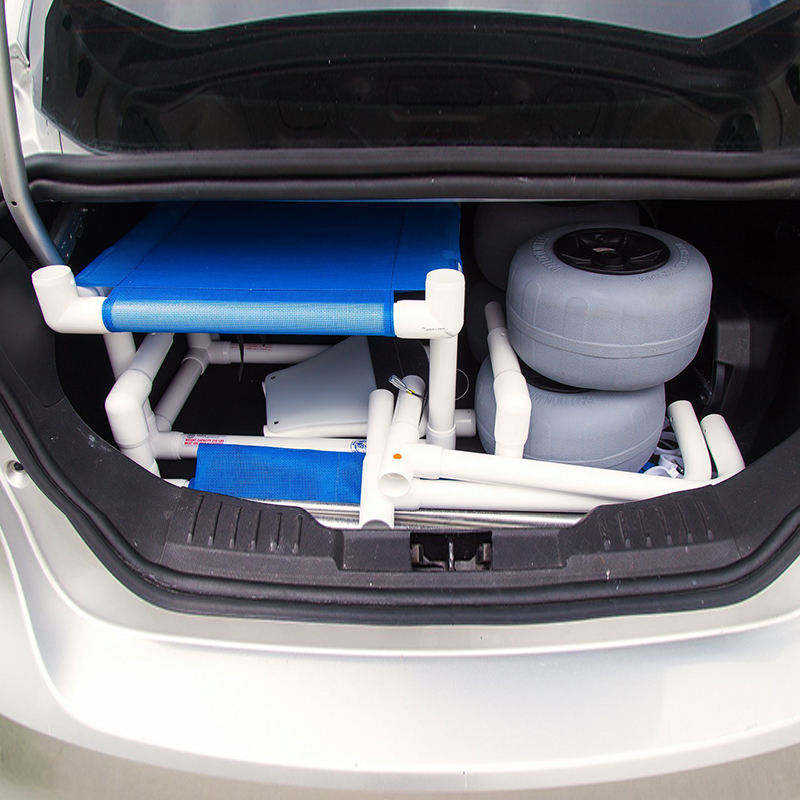
Because of that, route planning belongs with local teams who know public-domain boundaries, environmental constraints, and seasonal access decisions. A product supplier can describe equipment; town staff must decide which route can open on a given day. An accessible beach mat may form one interface, yet its placement still needs a local route decision.
Also, separate route and equipment records: keep a route promise distinct from a chair description.
- Meanwhile, map the surface before and after any mat or boardwalk.
- Still, identify a firm stopping area for transfer or staff briefing.
- At the same time, record water-edge limits and any closure trigger.
- Keep route changes visible to staff and visitors.
Record interface points instead of vague accessibility
| Interface | Review question | Record |
|---|---|---|
| Pavement to sand | Where does route support change? | Surface note |
| Mat or boardwalk | Who places and checks it? | Opening checklist |
| Beach edge | Where does equipment stop? | Boundary notice |
| Return route | Can staff bring equipment back? | Closeout walk |
Action: attach one route sketch to every service brief and update it after any physical change.
Key takeaway: a chair works within a route decision; it cannot stand in for that decision.
Where should equipment sit in a French access chain?
Meanwhile, equipment should sit at a known service point with a clear custodian, cleaning method, release rule, and return location. An all-terrain beach wheelchair may support movement over a reviewed surface, yet it does not establish a town’s legal duty or prove route suitability. For example, verify this step during normal France beach operations.
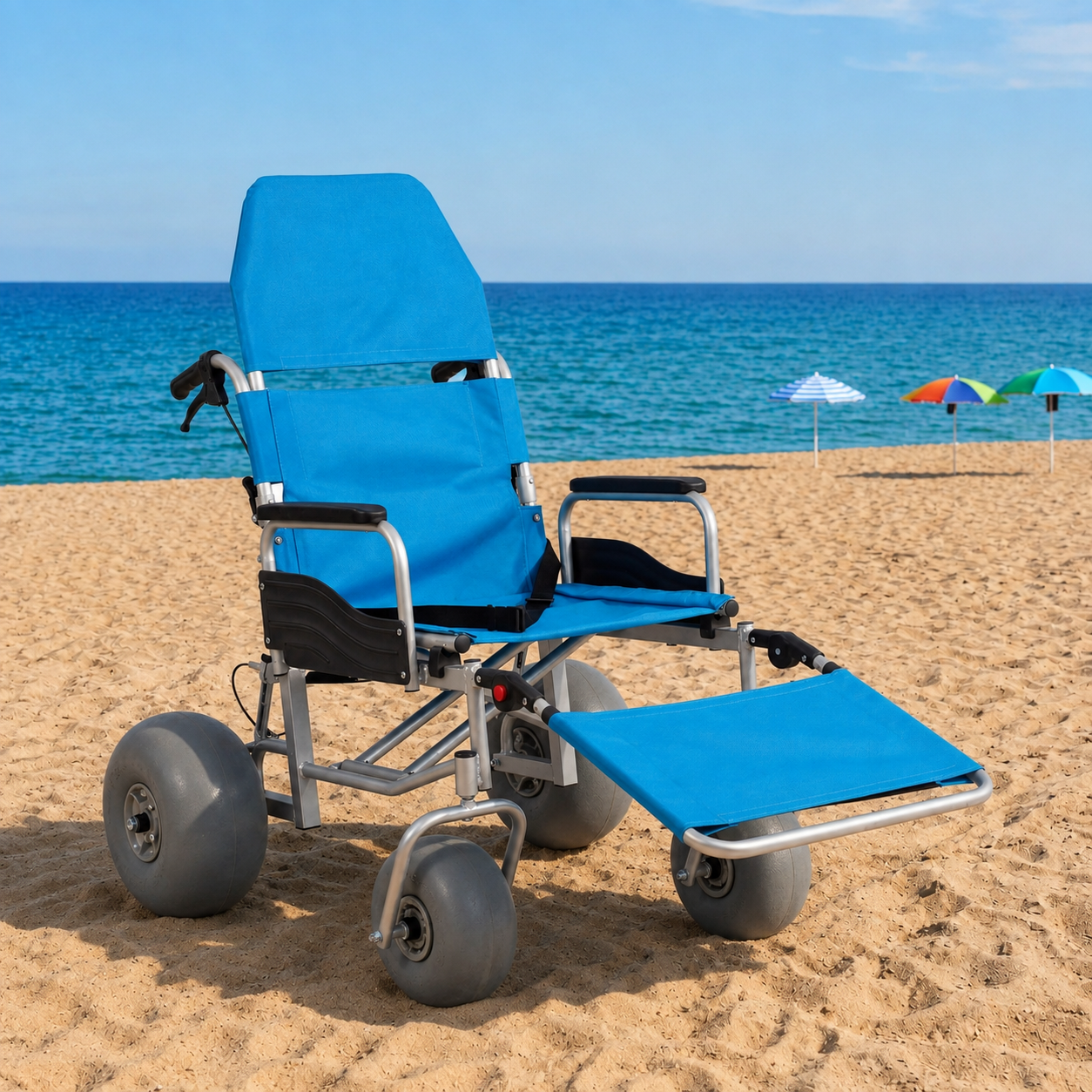
In fact, select models around actual work: pushing, transfer, staging, storage, and route access. Keep a separate decision for any floating or water-edge use. Staff should follow supplied instructions and local operating procedures.
Meanwhile, the equipment question comes later: define the task each unit must support before comparing units.
- In practice, match wheel layout and handling method with reviewed surfaces.
- As a result, provide a visible release and return point.
- In fact, record inspection, cleaning, and storage responsibilities.
- Separate product information from legal or medical advice.
Match a unit with a service task
| Service task | Buyer check | Boundary |
|---|---|---|
| Route support | Handling and surface description | Reviewed route only |
| Water-edge activity | Supplied use instructions | Separate local decision |
| Staff handoff | Handles, brakes, and transfer process | Trained team scope |
| Storage | Drying, cleaning, and access | Site procedure |
Action: write a one-line use case beside every proposed chair before requesting a quotation.
Key takeaway: equipment belongs in a chain when its task, custodian, and boundary are visible.
How should information help visitors choose?
As a result, information should tell visitors what service exists, where it begins, how to request it, what route staff support, and which questions need advance review. A generic “accessible beach” label leaves too many decisions until arrival. However, keep product facts separate from France site promises.
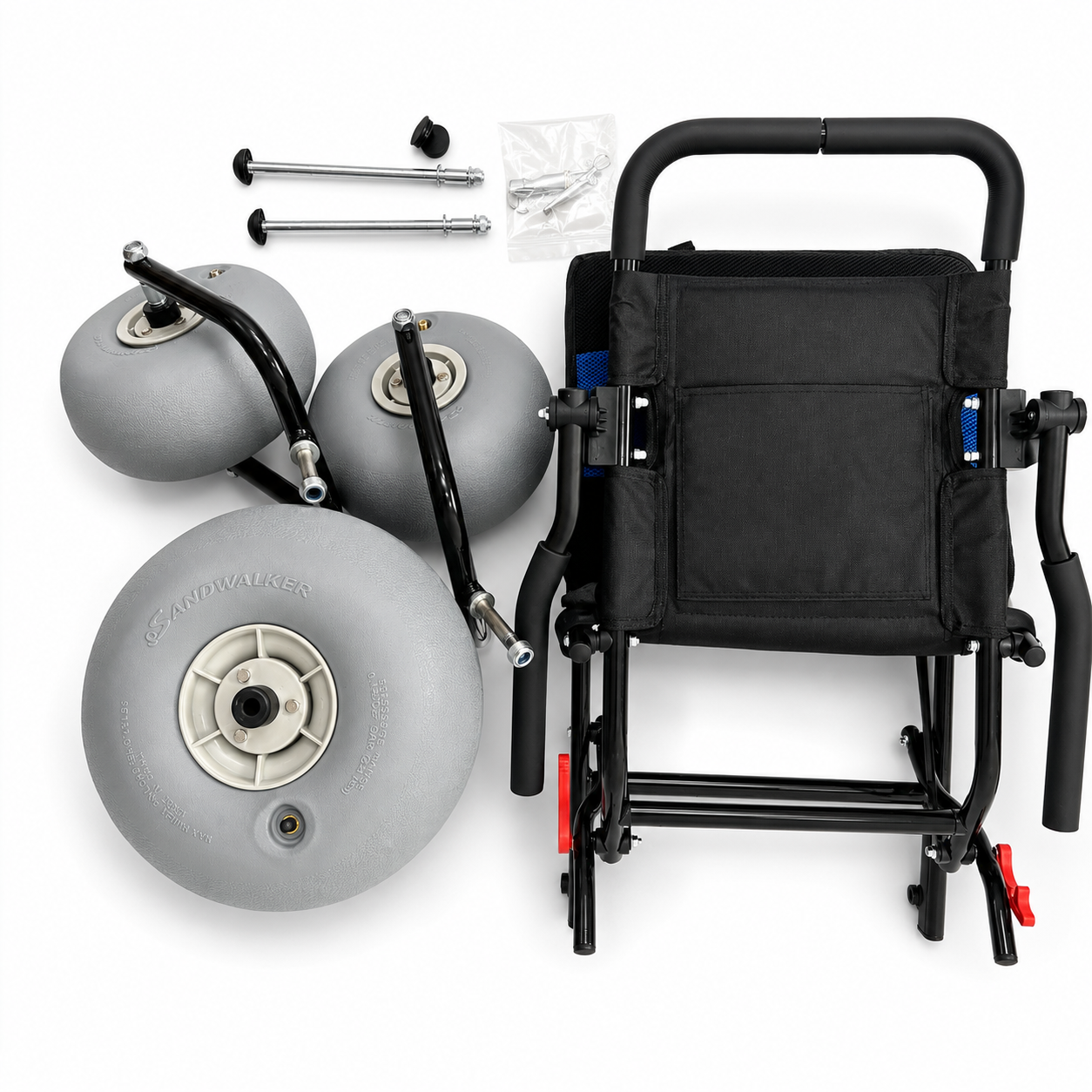
For that reason, publish the same core facts across town pages, concession pages, signs, and booking replies. Keep language factual. Do not imply that one piece of equipment suits every person or every shoreline. A lightweight beach wheelchair can be described as a product option, but published service information still needs route and assistance limits.
For example, make the information usable: answer a visitor’s next question before asking for a booking.
- However, state operating dates or the current service window.
- In fact, give a request method and response time only when confirmed.
- Then, describe route surfaces and stopping points in ordinary language.
- Provide a contact for fit, transfer, or assistance questions.
Build a short service card
| Visitor question | Service-card answer |
|---|---|
| Where do I start? | Named welcome or booking point |
| What route is supported? | Reviewed route and surface note |
| What should I request? | Equipment type and assistance boundary |
| What if conditions change? | Pause message and contact |
Action: let a local accessibility adviser or user group review the service card before release.
Key takeaway: good information carries the access chain into a visitor’s planning decision.
What does Tourisme & Handicap add to planning?
Then, tourisme & Handicap can be used as a tourism-service reference for reception and access criteria, but it should never be presented as beach-wheelchair product certification. The Ministry of Economy’s professional label information describes a label for tourism businesses, not an approval stamp for an Ary chair. Meanwhile, give staff a written France service boundary they can repeat.
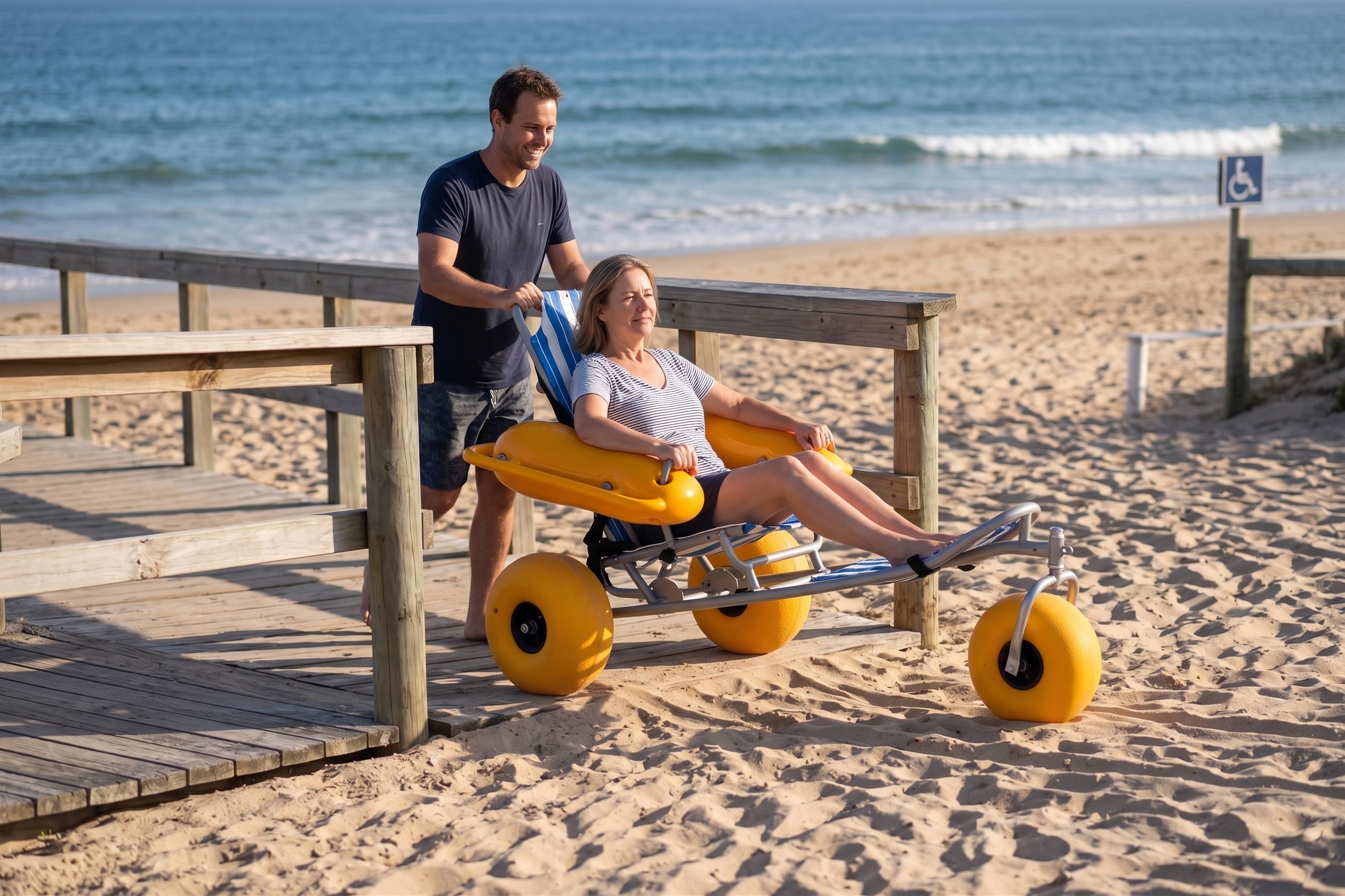
At the same time, town staff can ask whether a tourism site’s information, reception, physical route, and service delivery align with its own label work. Keep public-domain, concession, and establishment reviews separate. A projects page can serve as a conversation starter, not evidence that a local site has been assessed.
Still, use the label carefully: treat it as a service conversation, not a shortcut through local review.
- For that reason, compare public information with what staff actually deliver.
- Even so, check reception, route, and assistance as connected touchpoints.
- Still, keep product records separate from label evidence.
- Confirm current criteria with the responsible programme contact.
Separate label evidence from product evidence
| Evidence stream | What it can show | What it cannot show |
|---|---|---|
| Tourism label work | Site and service criteria | Product certification |
| Route review | Current physical path | Permanent access guarantee |
| Product file | Model and care information | Local legal sufficiency |
| Visitor feedback | Experience and gaps | Engineering approval |
Action: create separate folders for label, route, service, and product evidence before an audit visit.
Key takeaway: a tourism label can support service quality work without changing a chair’s regulatory status.
How should staff hand off a chair?
Even so, staff should explain the reviewed route, equipment boundary, assistance role, return point, and pause contact before release. Use a short script. Staff should not answer medical or personal-fit questions beyond their training. As a result, every quotation can answer the same France decision.
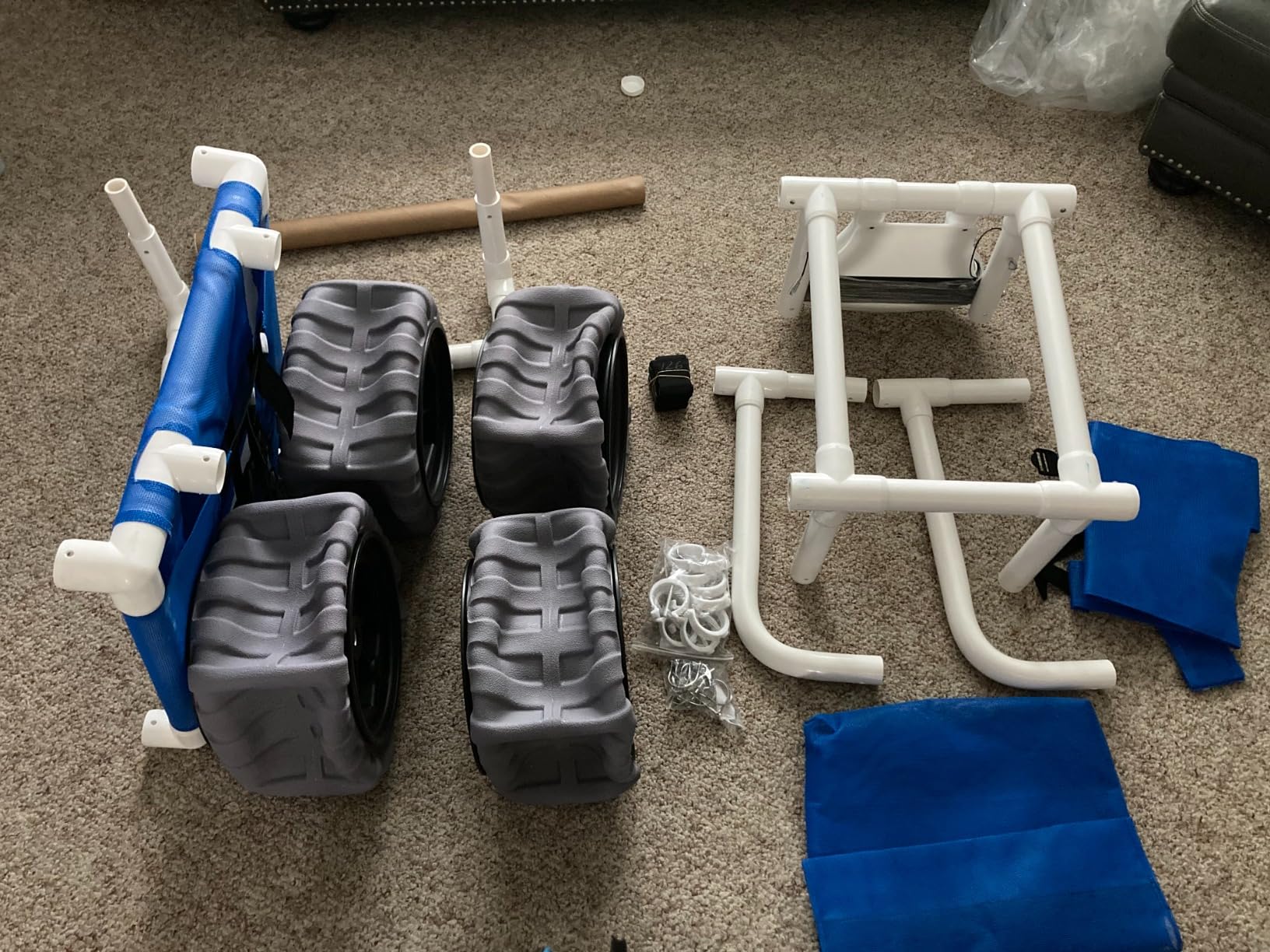
Before purchase, place a handoff log at the service point. It can record time, unit identity, staff member, route note, and return status. A log supports continuity when shifts change. The Ary Beach wheelchair user manual can be kept with supplier documentation, while town staff still set their own briefing and escalation rules.
As a result, a clean handoff beats a grand promise: keep four facts consistent at every release.
- At the same time, where the supported route starts and ends.
- Specifically, who remains available during use.
- As a result, which equipment instruction governs the handoff.
- When and where the unit must return.
Use a repeatable four-line briefing
| Handoff line | Staff purpose | Record |
|---|---|---|
| Route | Set the reviewed boundary | Route acknowledgment |
| Equipment | Identify unit and instructions | Unit ID |
| Support | Name attendant or contact | Staff name |
| Return | Set time and location | Return status |
Action: rehearse the briefing with every seasonal worker before opening service.
Key takeaway: a handoff protects trust when everyone gives the same narrow, useful answer.
What should a French town request from suppliers?
In practice, a town should request evidence that lets its team compare a product against a defined service task. Ask for model identity, photos of relevant interfaces, handling instructions, care guidance, spare-part information, and a clear description of intended use. Do not ask a supplier to declare local legal compliance. Before approval, attach a date and responsible France service owner.
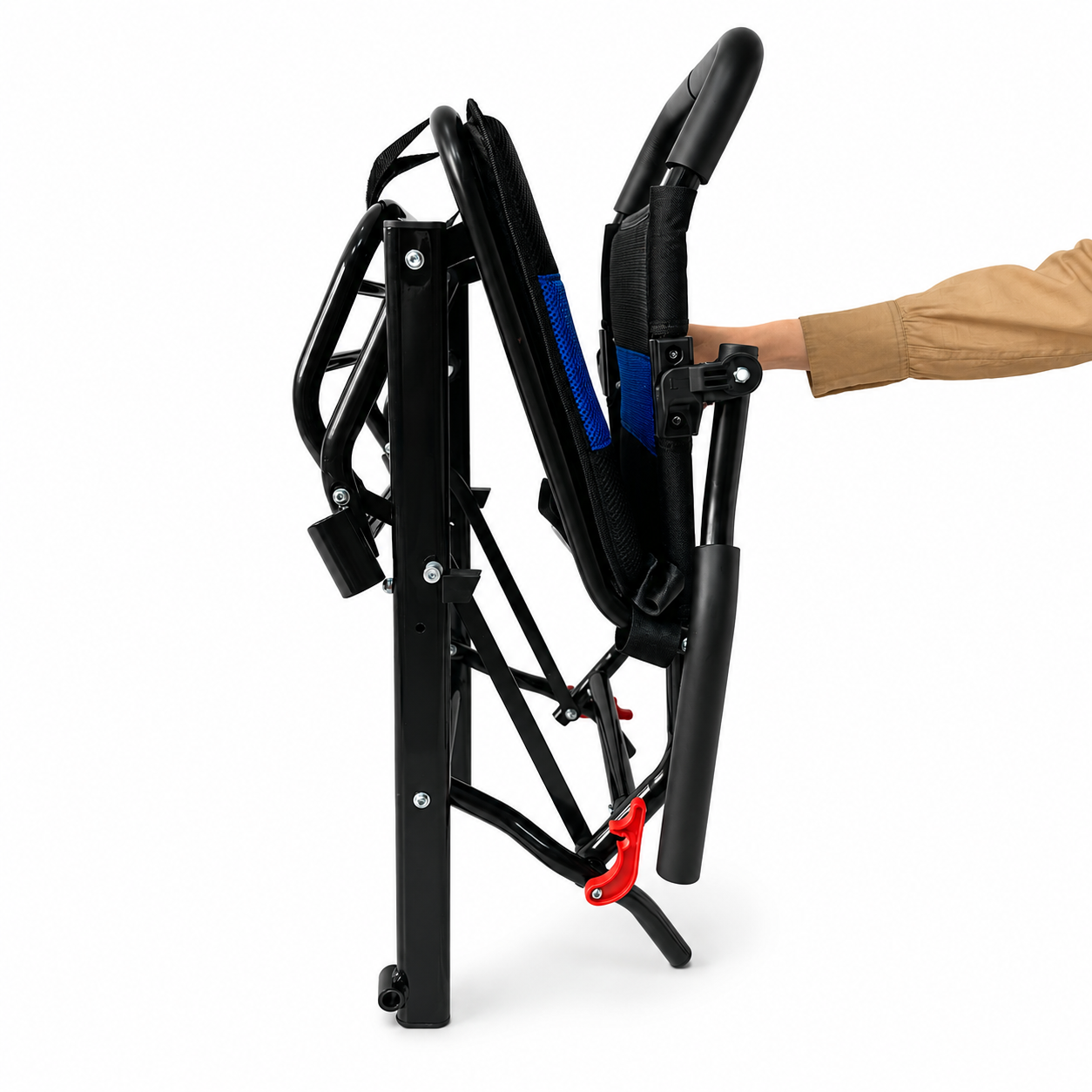
During review, use a response schedule that leaves local route and concession questions with local authorities. Keep options visible where a buyer may need manual, all-terrain, or floating equipment. An about Ary Beach page may explain supplier context, yet it cannot answer a town’s public-domain or label obligations.
At the same time, procurement gets clearer when evidence has a job: every requested document should answer a decision question.
- At first, identify the exact model and supplied configuration.
- Then, describe assembly, handling, cleaning, and storage steps.
- Afterward, state what staff must inspect before release.
- List questions that require local review or qualified advice.
Make quotations comparable
| Request field | Comparable response |
|---|---|
| Model | Exact name and configuration |
| Use | Intended surface and service task |
| Care | Cleaning, drying, storage guidance |
| Support | Manuals, parts, training options |
Action: score only documented responses, then send unresolved route and legal questions to the town’s responsible advisers.
Key takeaway: a disciplined request makes supplier evidence useful without turning it into a compliance claim.
How can towns keep the chain open through a season?
At that point, towns can keep a chain open by scheduling route checks, equipment inspections, information updates, and staff refreshers. Seasonal work changes sand, furniture, staffing, and concession boundaries. Treat every change as a possible break in the chain. During review, leave unsupported France claims marked open.

Afterward, use a simple issue log. Record what changed, who decided the response, what visitors were told, and when the route will be checked again.
Instead, seasonal access needs a rhythm: a route reviewed once can still fail after a storm or staffing change.
- For example, check arrival, route, service point, and return path.
- Also, inspect visible equipment condition before release.
- Instead, refresh signs and online information after changes.
- Review complaints as route evidence, not as isolated anecdotes.
Set review triggers
| Trigger | Immediate check | Owner |
|---|---|---|
| Storm or high water | Route and beach-entry condition | Beach operations |
| Temporary works | Arrival and crossing changes | Public works |
| Staff turnover | Handoff script and roles | Service manager |
| Repeated complaint | Information and route review | Town lead |
Action: put trigger checks beside the opening checklist and record the next review date.
Key takeaway: continuity is maintained through small reviews that catch breaks early.
What should a France beach-access brief decide before launch?
On the other hand, a France beach-access brief should decide which visitor route the town will review, who owns each handoff, what service equipment supports that route, and how local rules will be confirmed. Keep the document practical enough for public works, tourism, concessions, and seasonal staff to use together. Afterward, update France visitor information when conditions change.
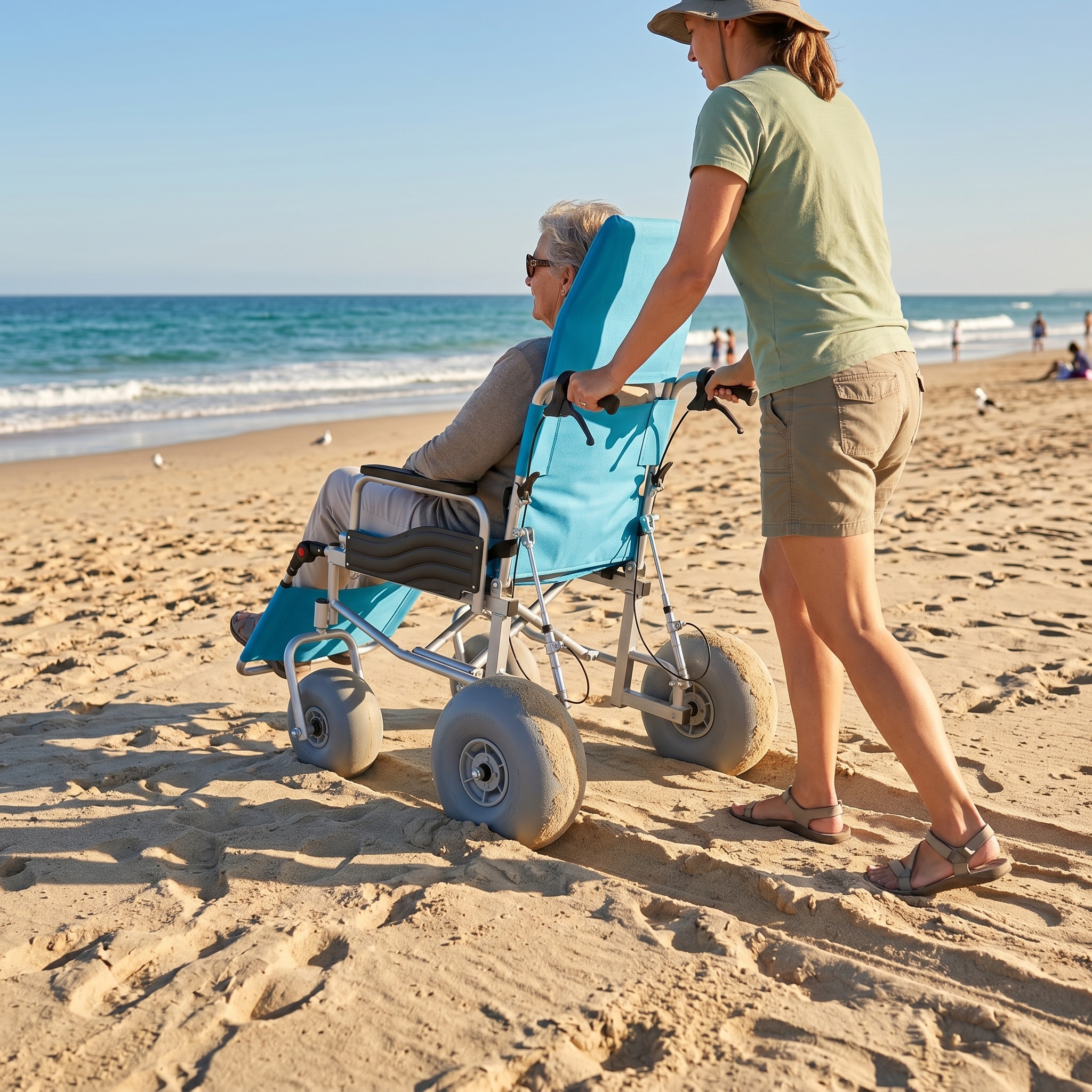
Unlike a product claim, use a short decision record rather than a slogan. It should state the reviewed route, current service window, equipment task, information owner, pause rule, and next local review. If you are comparing deployment options, our applications page can help organize use cases without replacing local assessment.
For that reason, make the initial decision narrow: approve one documented route and service model before expanding a fleet.
- Afterward, name the route and physical boundary.
- Later, assign arrival, handoff, maintenance, and return owners.
- Also, link each proposed unit to a defined task.
- Set a review date with the responsible local teams.
Action: ask the town team to sign a one-page route-and-service brief, then request supplier evidence against that brief.
Key takeaway: a continuous chain is a managed service decision, not a product label.
If you want a factory-side discussion about route tasks, configurations, and documentation, contact us with your reviewed use case. Keep final decisions with the competent French public, concession, tourism, and accessibility authorities.
Common buyer questions
Q1: Does a beach wheelchair make a French beach legally accessible? In practice, no. A chair can support a defined task, while route, public-domain, service, and local legal questions require separate review.
Q2: Does Tourisme & Handicap certify a beach wheelchair? For example, no. It concerns tourism-service criteria. Do not present the label as product certification.
Q3: Should a town buy equipment before mapping its route? However, usually no. Map the visitor chain and service task before comparing equipment against that scope.
Q4: What should staff record during a handoff? Also, record unit identity, route boundary, responsible staff member, key instructions, and return status.
Q5: Who confirms local requirements? For that reason, the town should consult responsible public, concession, environmental, tourism, and accessibility authorities or qualified advisers.