
A folding beach wheelchair fits only when its approved state matches vehicle opening, cargo space, handling, protection, and setup. “Folding” does not promise a trunk fit, lifting experience, or permission for seated travel. Buyers need a worksheet built around the exact chair, vehicle, staff, and route.
This review helps resorts, rental operators, distributors, municipalities, and families avoid inventing folded sizes or weights. Compare supplier documents with the vehicle, hands, loose parts, labels, and reassembly. Use a folding beach wheelchair request only after its state is documented.
What does vehicle fit mean for a folding beach wheelchair?
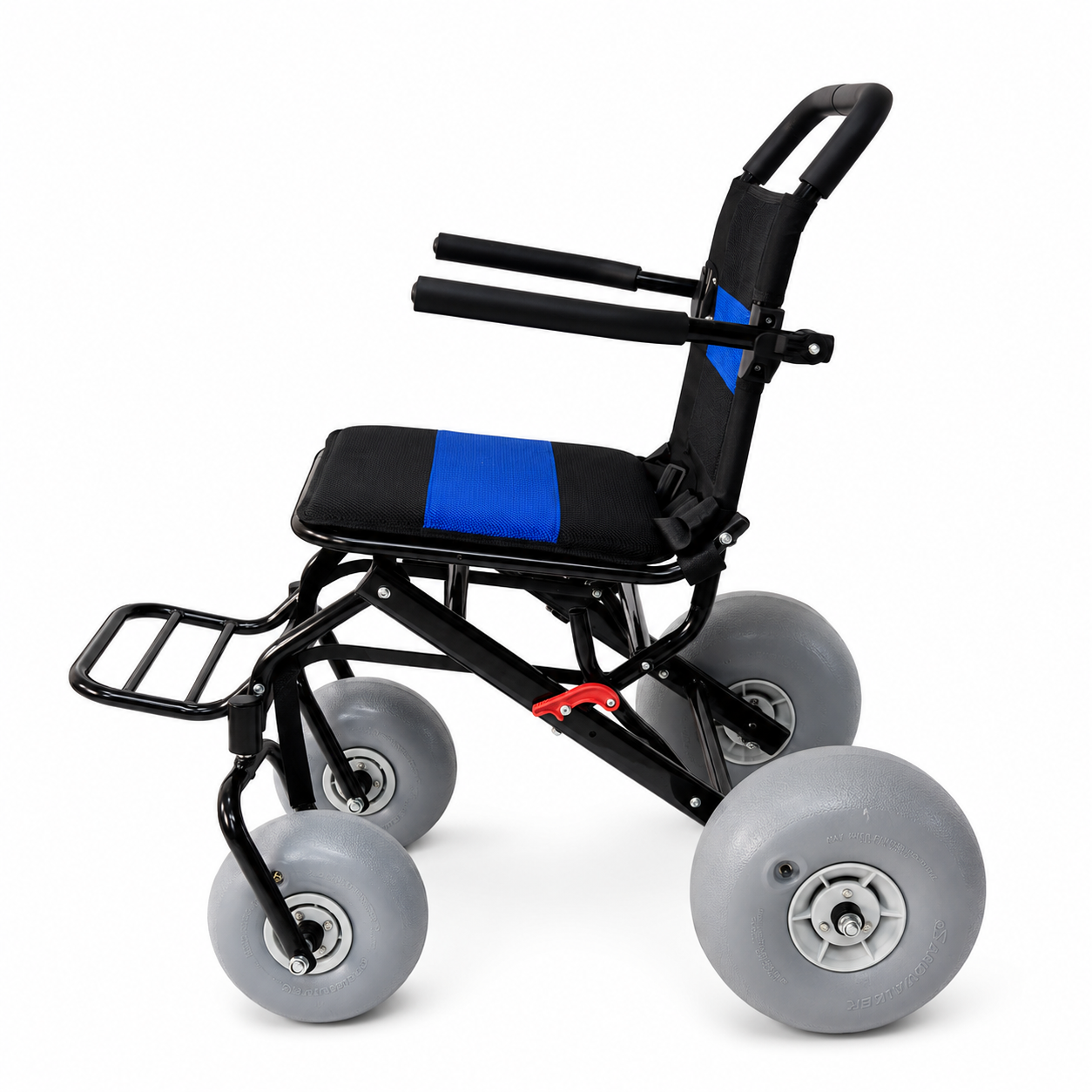
Vehicle fit means more than placing a folded frame inside cargo space. It includes the approved state, opening route, hand clearance, parts control, protection, passenger separation, unloading, and reassembly. A vehicle may accept one configuration yet fail with wheels or accessories attached.
Define fit as a complete workflow
Define fit as a complete workflow. Start with a written fit question, not a trunk photo. Name the chair, approved states, vehicle, access door, cargo surface, staff, and destination. Keep unknown product values open until confirmed.
- Identify the exact chair and current revision.
- Name each vehicle and access opening used by staff.
- Record parts that remain attached or travel separately.
- Include loading, travel, unloading, and setup steps.
- Separate product fit from transport approval.
Use the portable beach wheelchair travel application to list travel questions, then compare an actual vehicle with supplier instructions. A compact-looking chair may still need protected space around hinges or latches.
| Fit area | What the buyer records | Evidence source |
|---|---|---|
| Chair state | Folded or approved parts state | Current manual or drawing |
| Vehicle | Opening, cargo floor, route | Actual vehicle inspection |
| Handling | Roles, grips, turns, clearance | Staff practice |
| Release | Setup and hold decision | Named operations owner |
Key takeaway: approve the workflow definition before asking whether a model fits.
Which chair states belong in a fit worksheet?
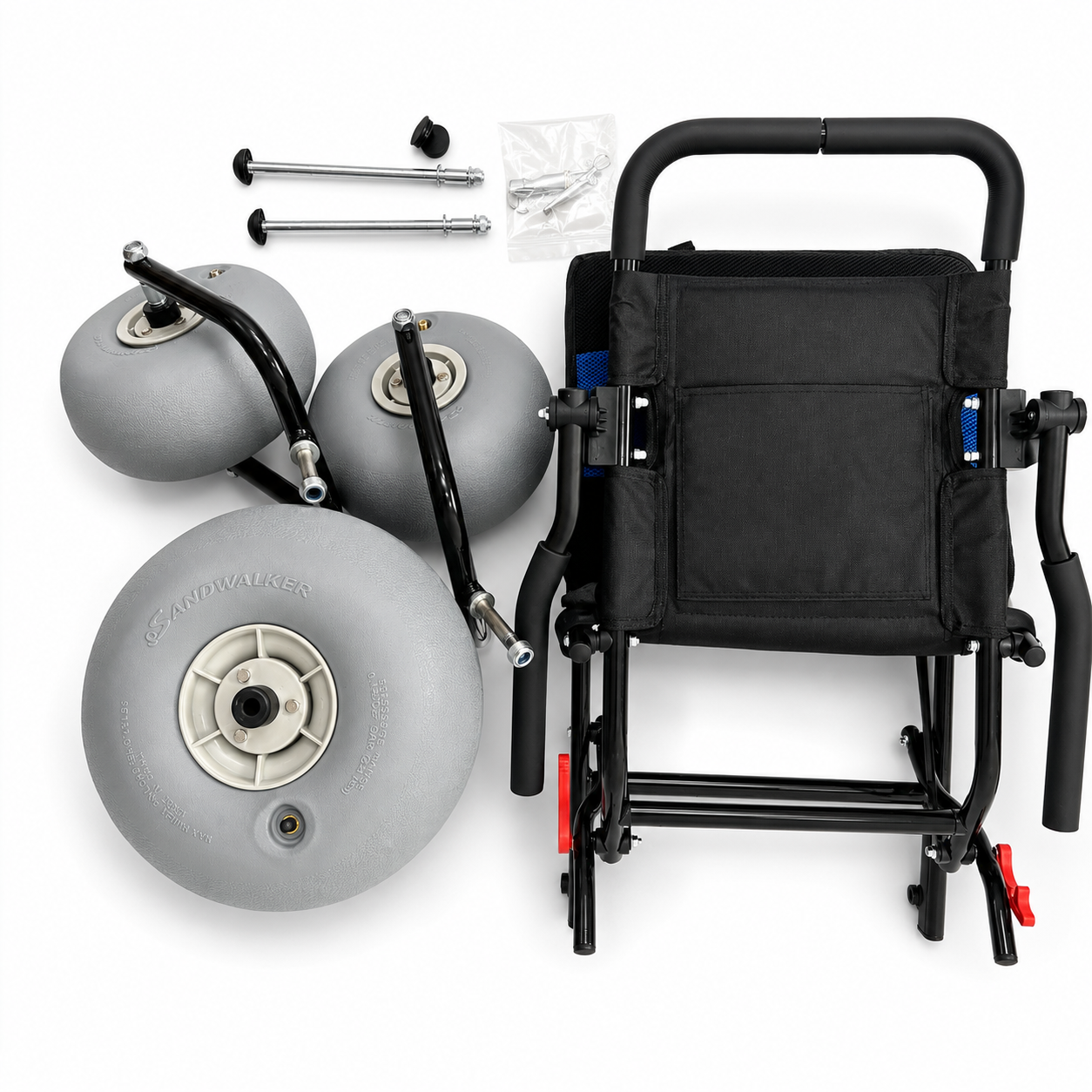
A fit worksheet should list every supplier-approved state used between storage and service. It may include ready, folded, wheel-removed, accessory-separated, protected, and unpacked states. Do not invent a disassembly method because a part appears detachable.
List states without guessing
List every approved chair state. A chair that folds is not approved for every smaller package. Ask which parts may be removed, what stays attached, how hardware is controlled, and what check follows.
- Name each approved state in plain language.
- Attach the model document supporting each state.
- Record loose parts, retainers, and accessory locations.
- Mark states that require trained staff or tools.
- Keep unapproved experiments out of the worksheet.
Pair beach wheelchair product information with a worksheet that names each approved state. Show who may change and release each state.
| Chair state | Worksheet question | Hold trigger |
|---|---|---|
| Ready | What must be removed before loading? | Unknown sequence |
| Folded | Which locks or supports show position? | Unclear folded status |
| Parts-separated | Where are parts and hardware stored? | Missing identifier |
| Reassembled | What checks precede service? | No release owner |
Key takeaway: ask the supplier to approve every state that appears in your vehicle plan.
How should buyers measure a vehicle opening?
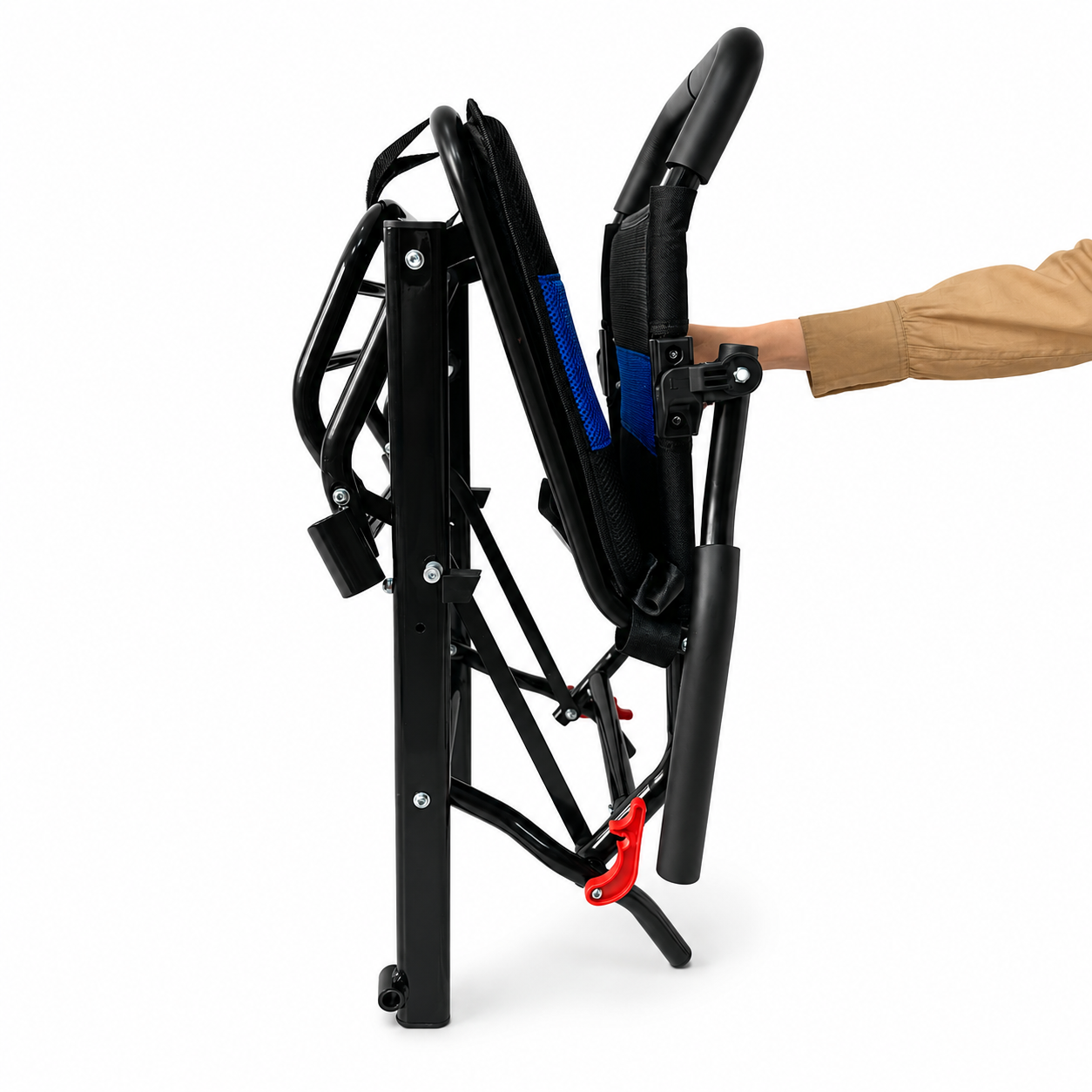
Buyers should measure the actual opening, internal route, cargo floor, turning points, seat or partition interference, and protection space. Record vehicle and chair values separately. Do not estimate a folded size from a photo or another model.
Measure the route, not only the door
Measure each route, not only a door. Walk a packaged chair through its loading path. Check approach angle, door hardware, sill, cargo-floor step, obstructions, lighting, and hand access. Record units, points, chair state, and date.
- Measure each opening used in the route.
- Record obstructions and removable vehicle features.
- Note where staff turn, lower, or protect parts.
- Compare values only with matching chair states.
Do not state that a chair fits “most SUVs” or “standard vans” without evidence. Repeat the check for each vehicle type.
| Vehicle check | Record | Why it matters |
|---|---|---|
| Entry opening | Actual opening and state | Confirms approach |
| Cargo route | Turns, sill, obstructions | Shows handling demand |
| Cargo floor | Surface and protection | Controls movement and damage |
| Vehicle identity | Type, unit, date | Prevents wrong approval |
Key takeaway: sign off one measured vehicle and one approved chair state together.
Why does handling space matter after folding?
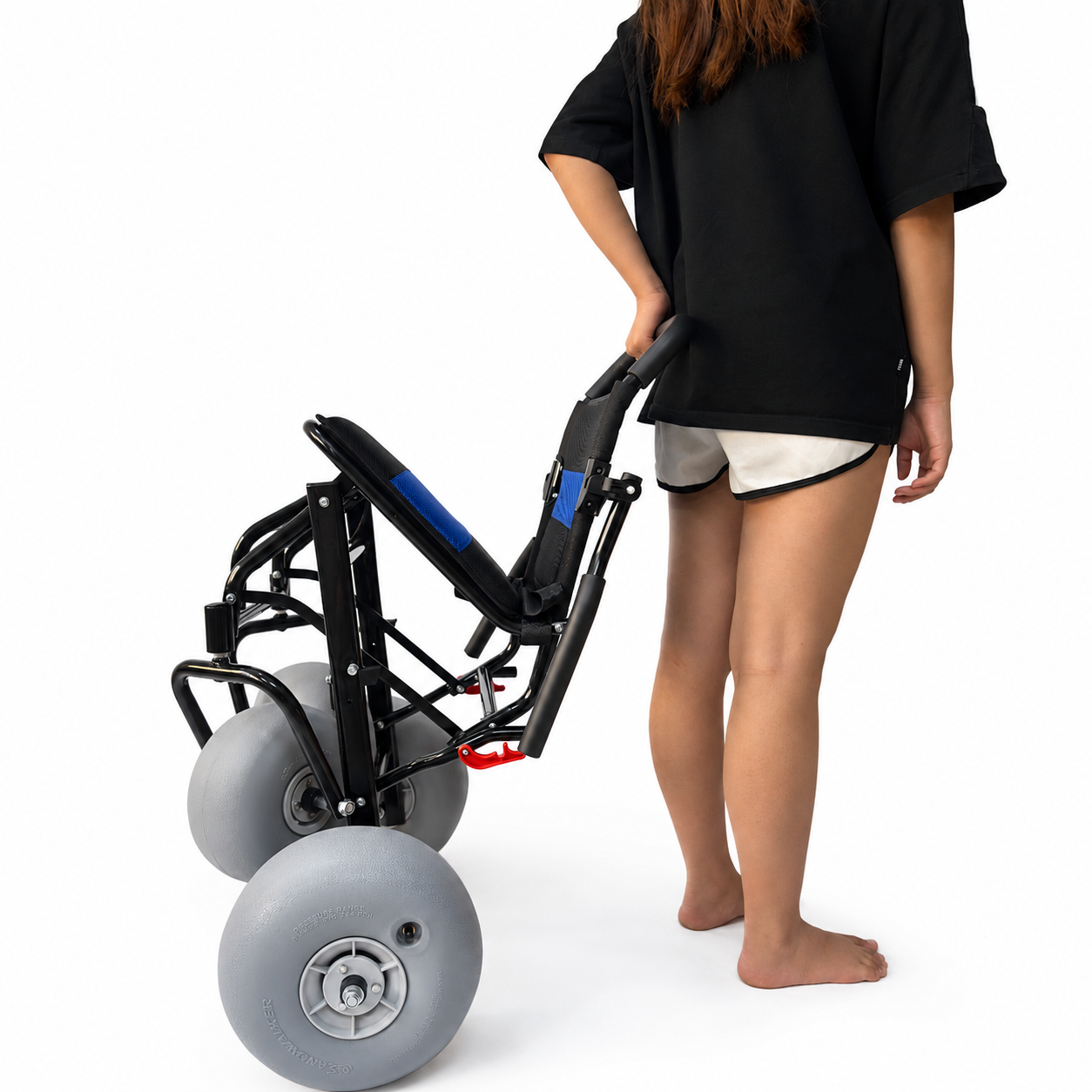
Handling space matters because staff need room to approach, grip, turn, lower, secure, and retrieve the chair. A package may pass through an opening yet fail when hands cannot clear wheels, latches, cables, or supports. “Fits inside” is not a handling review.
Plan hands, parts, and protection
Run a controlled dry test. Use an empty chair, actual vehicle, trained staff, and approved state. Observe protection, grip access, and contact. Stop if any handoff remains unclear.
- Mark approach and turning space around the vehicle.
- Identify approved handling points.
- Keep loose wheels and hardware labeled and protected.
- Record loading and retrieval roles.
The all-terrain beach wheelchair category shows why wheels and frame shape affect space planning. Do not use a wheel as a handle unless approved.
| Handling question | Evidence to record | Stop condition |
|---|---|---|
| Approach | Staff can reach approved points | Grip not documented |
| Turning | Package clears route | Contact or forced angle |
| Protection | Parts remain separated | Unprotected contact |
| Retrieval | Staff can remove package safely | No role or sequence |
Key takeaway: repeat the dry run until staff can explain every contact and handoff point.
What transport approval should a buyer request?
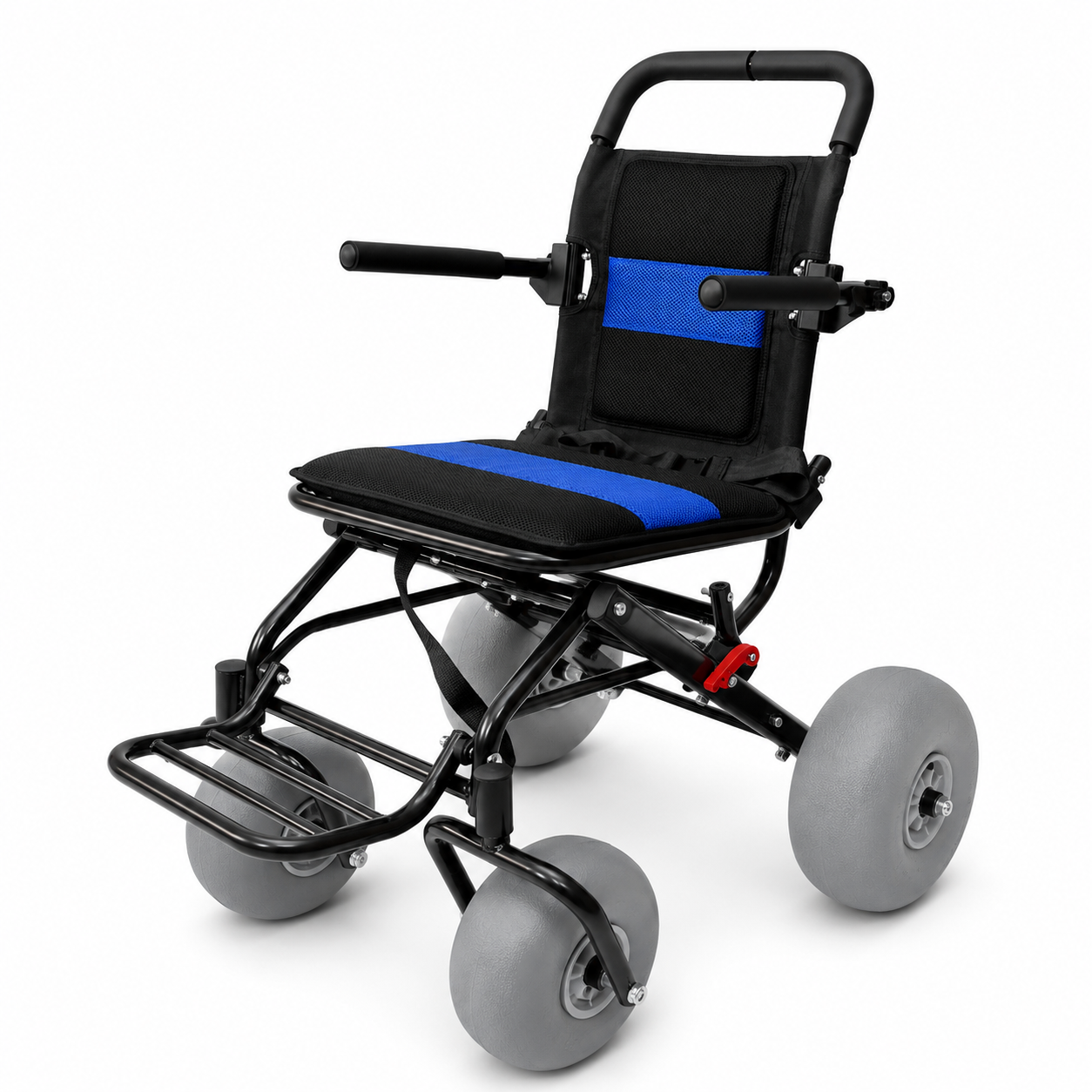
A buyer should request written transport boundaries for the exact chair and vehicle plan. Ask about approved states, loading orientation, protection, restraint points, passenger separation, weather, and inspection. Folding does not approve seated travel.
Separate equipment transport from rider transport
Separate equipment from occupied travel. Moving an unoccupied chair differs from transporting a person seated in it. Occupied travel needs separate approval, vehicle evidence, local rules, and qualified review. Without that evidence, plan another authorized arrangement.
- Ask which equipment states the supplier approves.
- Ask where protection or restraints may contact the chair.
- Keep occupants and loose equipment separated.
- Mark seated transport unapproved without written evidence.
Place matching user manual in the transport file. WHO wheelchair provision guidance links fitting and training with follow-up.
| Transport question | Buyer decision |
|---|---|
| Empty chair | Equipment transport plan |
| Occupied chair | Separate approval required |
| Restraint contact | Supplier and vehicle evidence |
| Local rules | Compliance owner assigned |
Key takeaway: place an explicit empty-chair or occupied-chair status on every transport plan.
How should staff plan securement and separation?
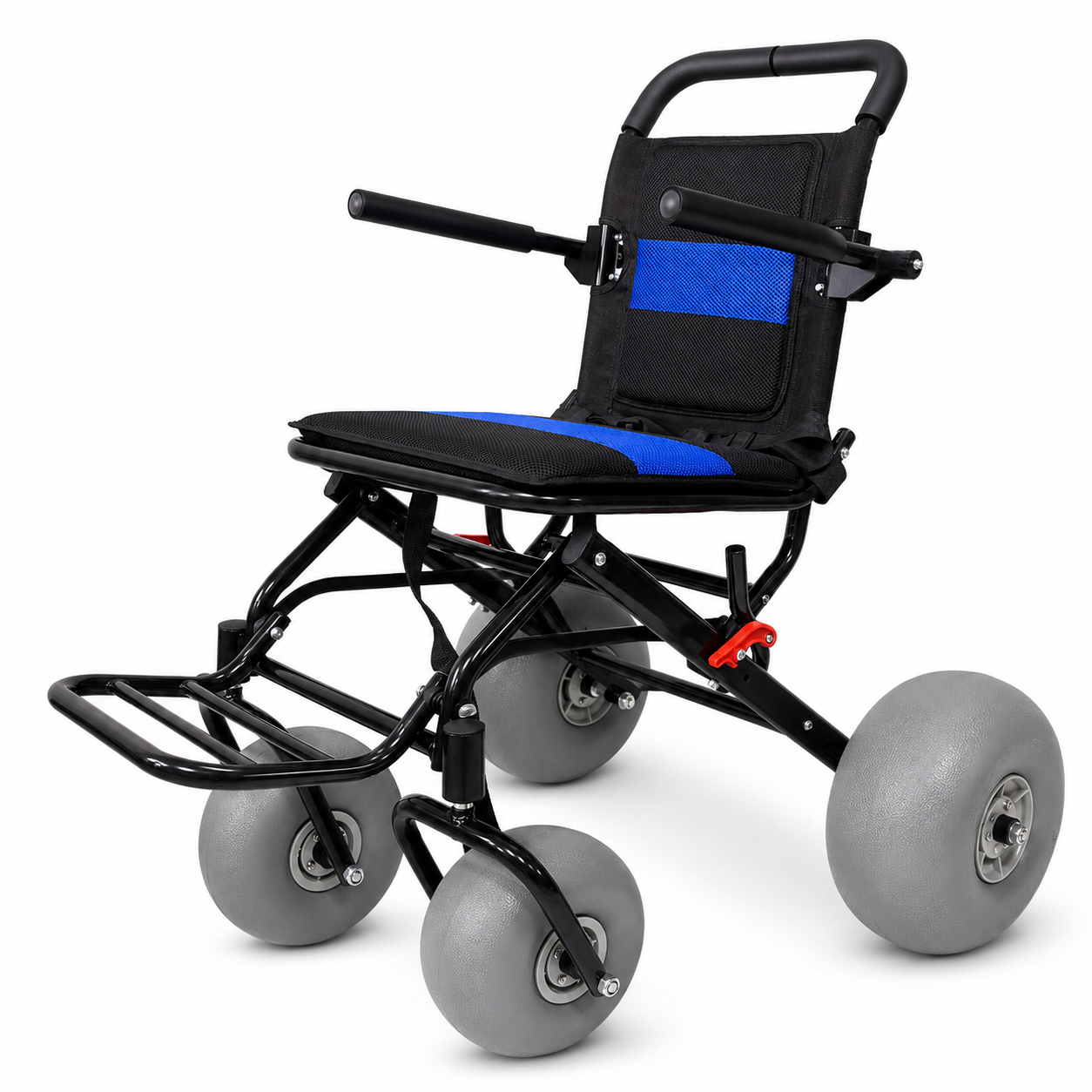
Staff should plan securement and separation around approved contact points, vehicle instructions, package stability, passenger boundaries, and cargo protection. Do not choose a tube, arm support, wheel, or fabric panel as a restraint point without evidence.
Write a loading and return sequence
Name one checker and a status. Name who loads, checks, unloads, and releases the chair. Include wet returns, sand, loose accessories, and damage. A returned chair enters hold, cleaning, or inspection.
- Define loading order and staff roles.
- Use approved protection and restraint methods.
- Keep bags, wheels, and hardware identified.
- Separate wet or sandy returns from ready equipment.
Link applications entry with a chair ID and vehicle unit, then record vehicle-specific approval.
| Sequence point | Owner | Record |
|---|---|---|
| Load | Assigned staff | Chair state and vehicle |
| Secure | Trained checker | Approved interfaces |
| Unload | Assigned staff | Visible condition |
| Release | Operations owner | Ready or hold status |
Key takeaway: require a named checker before every loaded trip.
What does reassembly evidence need to show?
Reassembly evidence should show that every approved part, fastener, retainer, support, and latch returns to its documented state. Use a model-specific checklist, trained role, visible pass criteria, and a hold path.
Link parts control with release
Reconcile every part before release. Staff need to know each wheel, support, pin, and accessory belongs with this chair. Use IDs and protected containers. Keep unverified substitutions out of service.
- Reconcile removed items against the parts list.
- Check latches and retainers under the manual.
- Inspect frame, seat, supports, and wheels.
- Name the person who grants ready status.
Do not claim readiness because a chair opened once. Match the service state and planned route.
| Reassembly area | Pass evidence | Hold trigger |
|---|---|---|
| Parts | Complete labeled set | Missing or mixed item |
| Frame | Open and secured as documented | Unclear latch |
| Wheels | Installed and retained | Unexpected movement |
| Release | Named checker and time | No accountable owner |
Key takeaway: attach a reassembly record to each chair ID before booking or deployment.
How can storage and cleaning change vehicle fit?
Storage and cleaning can change vehicle fit because sand, moisture, bags, covers, parts bins, and drying positions affect the package state. A dry empty chair may need a different return path after beach use. Plan clean, drying, hold, and ready states.
Add condition states to the worksheet
Record the real return condition. List where the chair waits, how sand is removed, when drying finishes, and which parts stay separated. Keep status visible so wet or damaged units are not loaded.
- Record clean, drying, hold, and ready locations.
- Protect fabric, latches, wheels, and hardware.
- Keep covers and bins linked with chair ID.
Use projects for program examples; assign storage and care roles locally, then match rinse or drying methods with supplier instructions.
| Condition | Fit implication | Control |
|---|---|---|
| Ready | Approved transport state | Release record |
| Sandy | Protection and cleaning needed | Return hold |
| Wet | Drying and separation needed | Drying status |
| Damaged | Transport and service review | Isolate and escalate |
Key takeaway: test vehicle fit with the real return condition, not only a clean showroom state.
Which supplier records should close the fit decision?
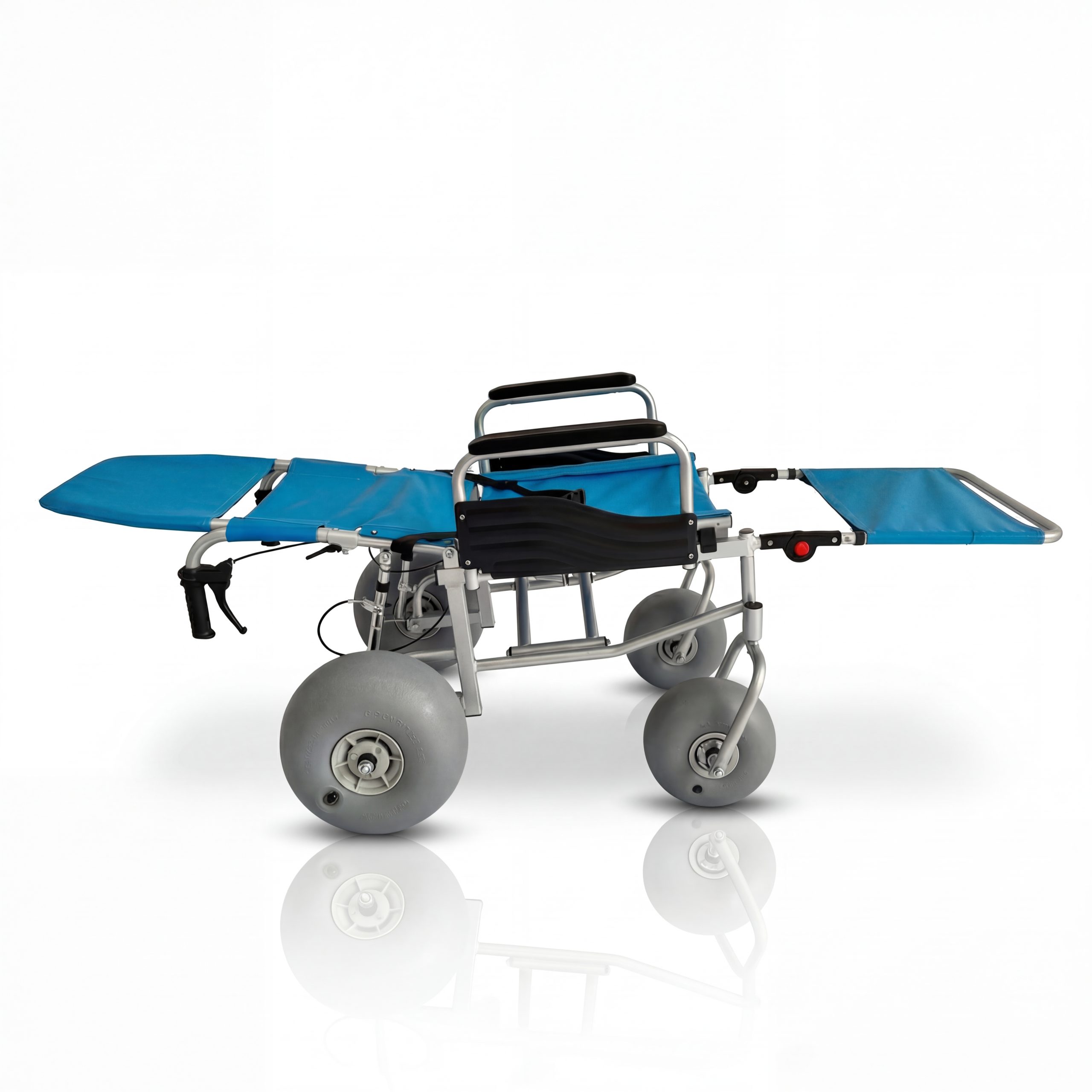
Supplier records should name model, approved states, current values, parts, handling points, care, storage, transport boundaries, and revision owner. Request documents matching the quotation. “Easy transport” cannot close a vehicle question.
Request a controlled transport file
Match every record with a chair state. Request a current drawing, manual, state sequence, parts list, care guidance, transport boundary, and technical contact. Record language, revision, date, and model. Request written confirmation for verbal answers.
- Match every value with a chair state.
- Ask which options change the fit envelope.
- Request approved handling and protection points.
- Record vehicle assumptions and exclusions.
Use about the company when opening supplier questions; tie acceptance to model evidence. A photo supports orientation, not approval.
| Supplier record | Fit decision supported |
|---|---|
| Drawing | State and opening comparison |
| Manual | Fold, handle, and setup sequence |
| Parts list | Loose-item control |
| Written boundary | Transport and use limits |
Key takeaway: leave the purchase open until every required transport record has an owner.
What should your next vehicle-fit decision be?
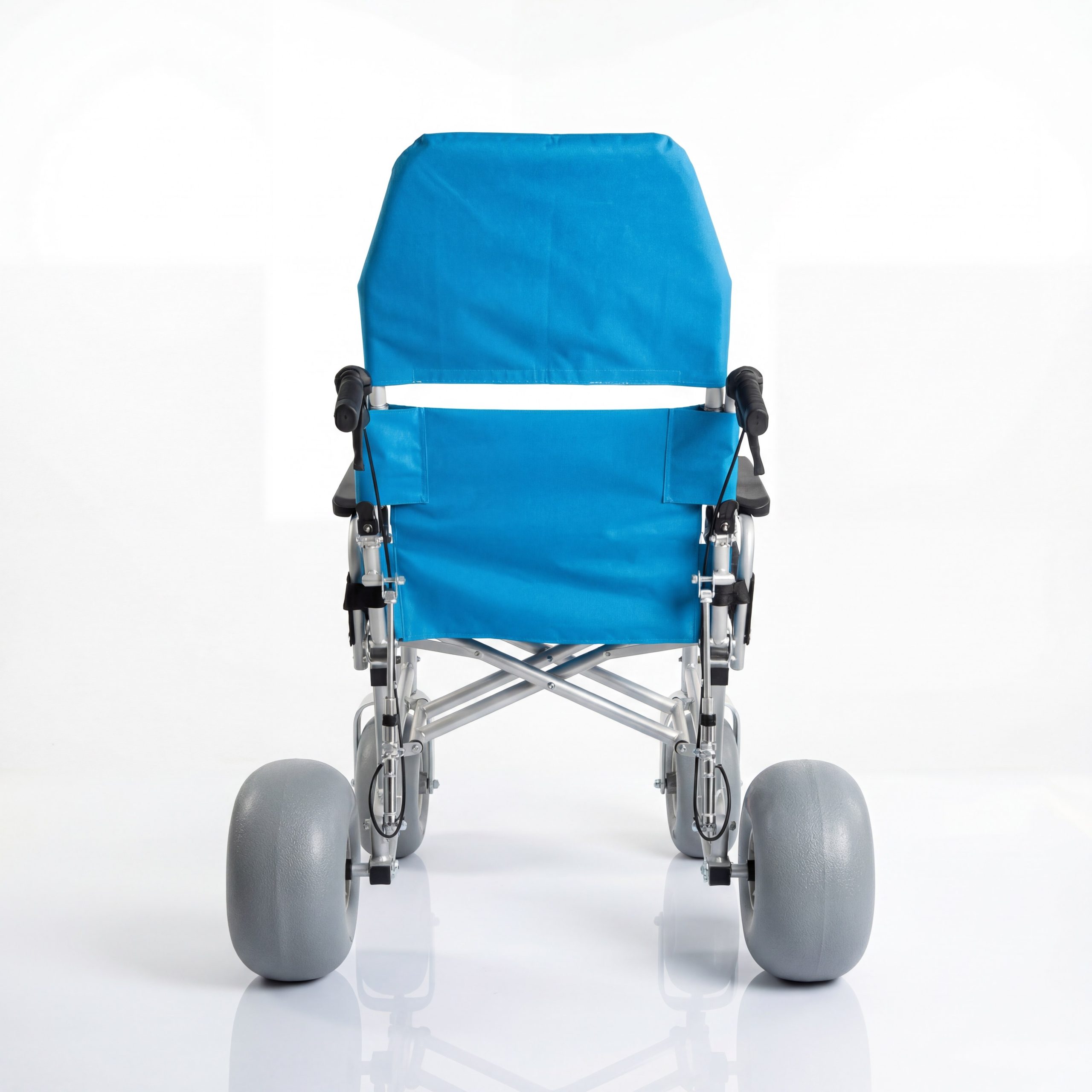
Your next decision should be a signed worksheet for one chair state and one vehicle plan. Include opening, route, roles, protection, securement evidence, passenger boundary, return condition, reassembly check, and release owner. Pause when a value or approval remains unclear.
Build the approval packet
Sign one vehicle-fit worksheet. Attach supplier documents, vehicle record, dry-run notes, approved photographs, open questions, and status. Use contact us for follow-up. Do not claim universal vehicle fit.
- Identify chair, vehicle, and approved state.
- Attach actual measurements and route notes.
- Separate empty equipment transport from occupied travel.
- Record hold conditions and accountable approvers.
Key takeaway: approve only the chair, vehicle, state, and workflow that your evidence actually covers.
Q1: Does folding guarantee that a beach wheelchair fits a car?
No. Fit depends on the exact folded state, vehicle opening, handling route, protection, and staff process.
Q2: Can I use a product photo to estimate folded size?
No. Request current state-specific values from a supplier and compare them with an actual vehicle.
Q3: Can a passenger remain seated in the chair during vehicle travel?
Not automatically. Treat occupied travel as a separate approval question with vehicle, restraint, and local-policy evidence.
Q4: Should removable wheels be counted as a transport benefit?
Only when removal, parts control, protection, and reassembly are approved for the quoted model.
Q5: What happens when one vehicle fits and another does not?
Keep an approved vehicle list. Do not generalize one vehicle check across different openings or interiors.