
A gift for beach matting may pay for the product while leaving the recipient to fund delivery to the sand, the transition off a boardwalk, installation and seasonal removal. Before agreeing an order, put the donor’s intended outcome and the supplier’s actual offer next to each other. Name who will pay for every item needed to open the route and for the following season’s care.
Agree what the money can buy
Start with the signed grant or gift terms and the receiving operator’s budget. Identify the entrance, destination, season and service the funding is intended to support. If the gift covers equipment only, ask the operator to show how it will fund site work, staff time and storage. If the donor expects an operational route by a particular date, show which site decisions, components and labour must be in place to reach it.
Ask for a priced schedule covering mat rolls or sections, connectors, end treatments, the proposed securing method, spares, packing, freight, unloading and any installation support. Require the supplier to mark included, optional and excluded items. A kit priced to a depot can leave a separate bill for the final move to the beach. Beach access mat budget planning
A public purchasing example shows the level of specificity a funder can ask to see. The Mauritius Beach Authority’s tender for a particular polyester roll mat listed end connectors, galvanised spikes, pre-installed grommets and a carrying strap among its components. Use the component list for the product actually selected for your site. A modular interlocking system may have a different bill of materials. Mauritius Beach Authority tender, PDF page 61 · Modular mat system description
Match each proposed payment to something verifiable
The grant agreement and supply contract govern the actual payment arrangements. The following is a suggested discussion schedule, with no assumed deposit percentage or compulsory payment sequence.
| Proposed payment or claim | Evidence the recipient can submit | What may still need funding or work |
|---|---|---|
| Order or agreed advance | Accepted scope, authorised ordering party, supplier quote, delivery basis and approved amount | Outstanding site permissions or assumptions stated against the order |
| Goods received | Itemised invoice, packing list, counts and condition at the agreed delivery point | Shortages, damage, installation and outstanding transition components |
| Installation and handover | Confirmed installed extent, checked interfaces, component references, instructions and an operator able to receive the system | Defects or excluded work identified by location |
| Seasonal operation, if funded | Actual removal, storage, redeployment or repair costs and service dates under the grant terms | Costs that recur after the funded period ends |
For example, suppose the right number of mat sections arrives but the quoted end-transition kit is missing. Confirm the received items at the depot and identify the missing line to the supplier. Apply the agreed payment terms to those facts. Keep “equipment received” separate from a claim that visitors can use the entire route. Mat receiving and discrepancy checks
When the installed scope changes
If a site revision requires a longer approach or a different anchoring method, obtain a revised layout, price and confirmation from the responsible site team. Check whether the proposed change fits the donor’s permitted use of funds. A change from a complete usable route to a shorter partial route affects what the recipient can announce, even if the invoice total stays the same.
Keep the original quote, the accepted change and the resulting delivery record together. At handover, identify who owns the installed system, where spare sections and connectors are kept, what warranty terms apply and who can contact the supplier if a piece fails. The nonprofit project planning guide covers the earlier decision about who will operate the site.
Close the grant with a plan for the next season
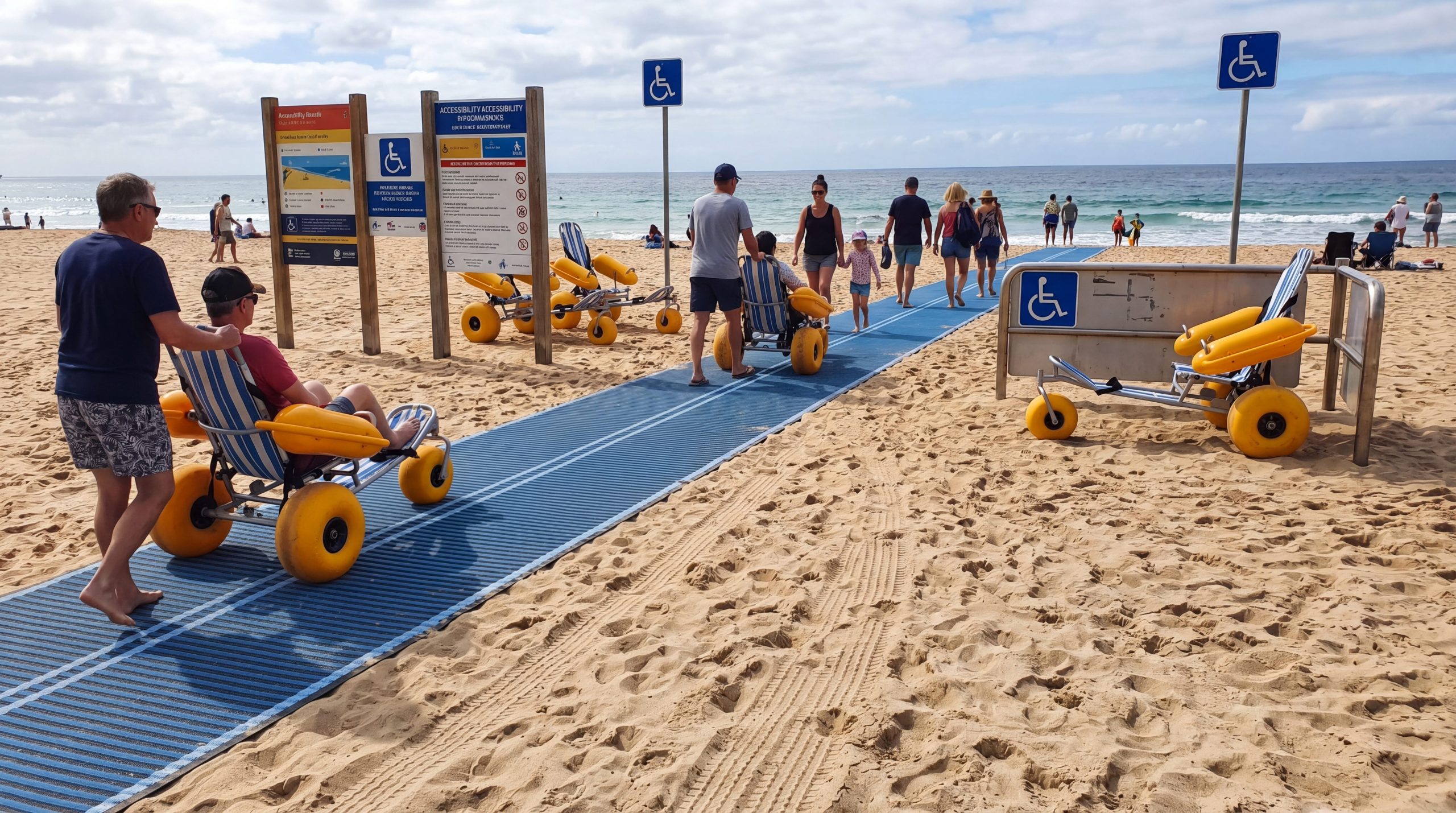
Give the donor a plain account of what was ordered, received, installed and available to visitors during the reported period. Describe a shortened or closed route accurately. A photograph can show the appearance of an entrance on a particular day, while service dates and closure notes explain when people could use it.
Agree where the next replacement connector, removal crew or storage payment will come from. If those costs have no owner after the grant ends, identify the gap in the handover. The receiving organisation can then decide which future service it can afford to offer.