
A DIY beach wheelchair project fits when one buyer can own design, build work, testing, sign-off, service, and long-term care. A factory-built chair fits when its setup, support path, cost, and work plan meet those needs. This is a buying decision, not a build recipe.
By contrast, a conversion-kit review asks whether a documented kit fits an existing chair. A short workshop quote may look cheaper, yet it can leave tests, records, and service with no owner. Compare a DIY beach wheelchair with supplied options only after each route has a clear duty list.
What does DIY beach wheelchair actually mean for a buyer?
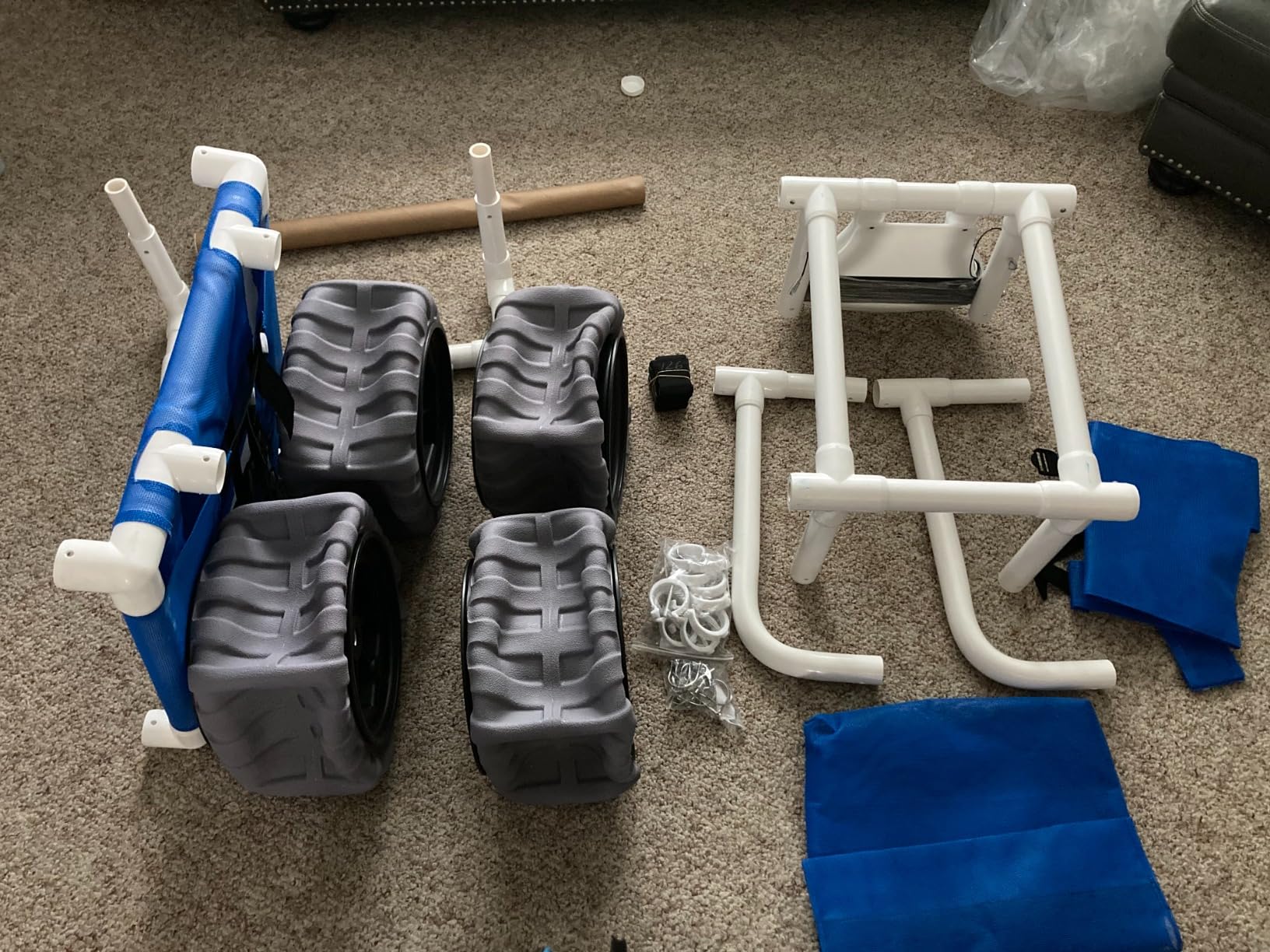
In practice, “DIY beach wheelchair” means owning a complete product, not joining convenient parts. That duty covers design, source records, build work, checks, tests, training, service, and change control. It does not mean copying online pictures.
Define the build boundary before comparison
Before comparing costs, assign each duty. Write down what the project owns before debating build cost. A DIY route may use in-house designers, an approved shop, or an engineering partner. A factory-built route moves set production work to the supplier, yet the buyer still owns site checks and daily use.
- Name the service, site, users, staff, and route.
- State who owns design and configuration changes.
- List required documents and release decisions.
- Separate a full build from a retrofit kit.
- Mark tasks outside the buyer’s competence.
Use projects to frame program questions, then request your own design and release evidence.
| Build boundary | Buyer decision | Evidence |
|---|---|---|
| Design | Who owns the approved design? | Controlled drawings |
| Fabrication | Who makes and inspects parts? | Process and records |
| Release | Who accepts the complete chair? | Signed test file |
| Service | Who owns faults and changes? | Support plan |
Key takeaway: choose a responsibility model before comparing a workshop quote with a product quote.
Which factory-built option should a procurement team compare?
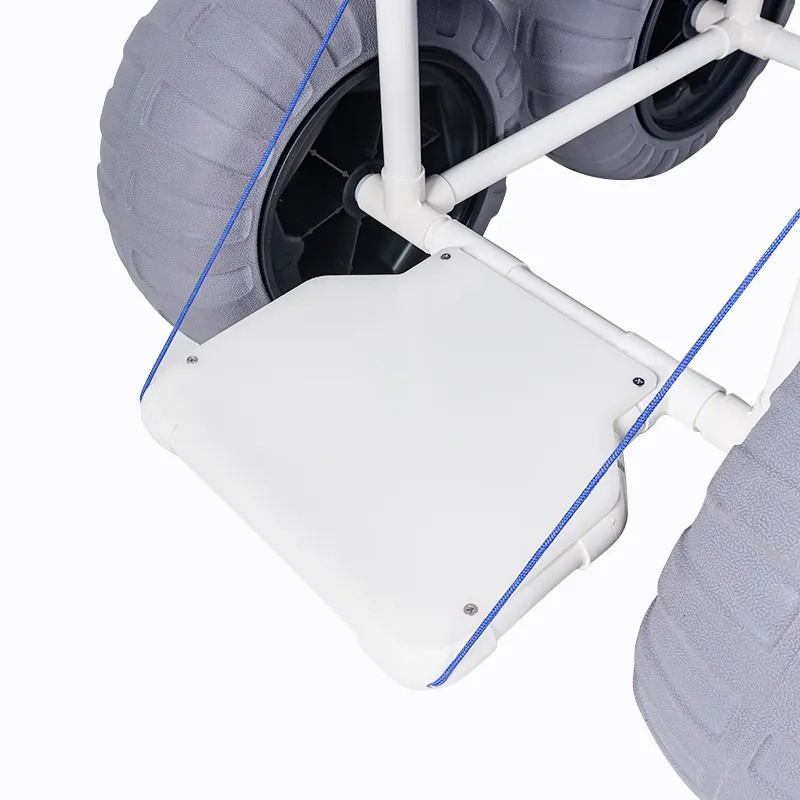
By contrast, a buying team should compare a factory-built option as a complete setup with drawings, parts, instructions, service contacts, delivery state, and change control. Do not compare a DIY frame idea with a fully documented chair as if both quotes carry the same duties.
Request a configuration-level offer
Then request a setup-level factory offer. Ask the factory to list the frame, wheels, seat, supports, fasteners, accessories, packing, manuals, and options. Record what the price covers and which work stays with your team. A product photo cannot answer a technical question.
- Match the offer with an exact model and revision.
- Request component and packing lists.
- Separate standard items from optional items.
- Ask which documents arrive with delivery.
- Record supplier and buyer responsibilities.
For example, use the new floating beach wheelchair page for a separate water-use discussion. It does not set a land-only or DIY setup.
| Factory-built field | Buyer asks | Open if |
|---|---|---|
| Model | Which exact configuration is quoted? | Revision missing |
| Scope | What arrives complete or separate? | Packing unclear |
| Documents | Which instructions govern? | Files missing |
| Support | Who handles technical questions? | Contact unnamed |
Key takeaway: compare a documented factory system with a complete DIY obligation list.
What design evidence must a DIY project own?
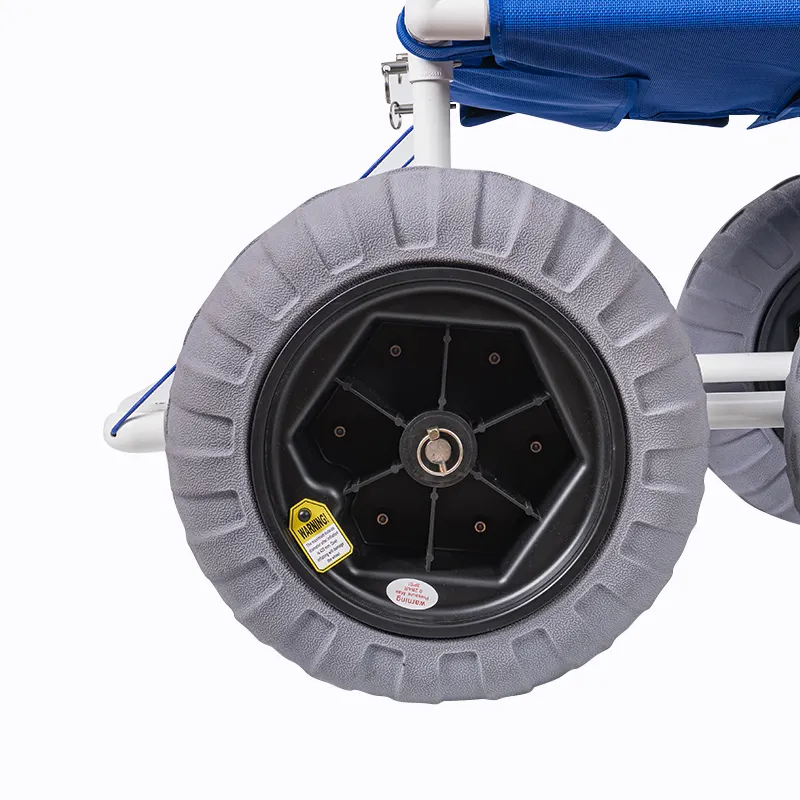
Before fabrication, a DIY project must own design records for the chair, intended use, interfaces, parts, materials, revision, check points, and release rules. An independent reviewer should see what was designed and which assumptions remain open.
Build a controlled design record
In practice, control the design record. Keep a needs brief, setup drawing, parts list, material records, interface notes, check plan, change log, and pass rules. Use qualified people for engineering decisions. Do not copy another chair because it looks similar.
- Define the intended route and operating conditions.
- Identify every structural and user-contact component.
- Record approved materials and supplier sources.
- Link inspections with design requirements.
- Version every change before fabrication.
Meanwhile, this work starts with owning the product definition. A retrofit review starts with an existing chair.
| Design record | What it answers |
|---|---|
| Requirements brief | What service must the chair support? |
| Configuration drawing | What complete system is being made? |
| Parts list | Which items and revisions belong? |
| Acceptance criteria | What must pass before release? |
Key takeaway: do not authorize fabrication until design ownership and revision control are explicit.
How should teams govern fabrication without unsafe recipes?
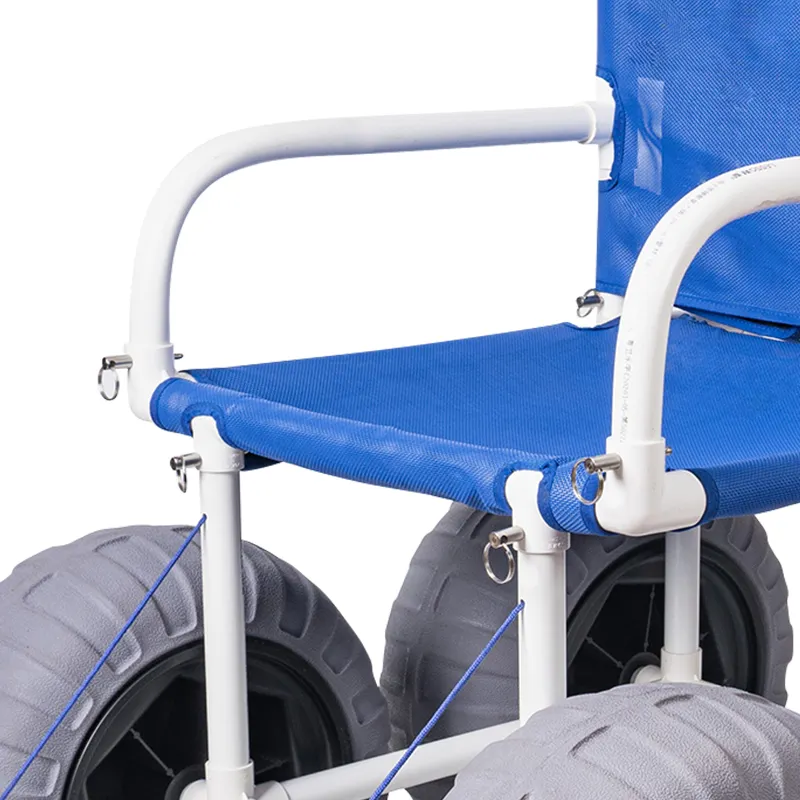
However, teams should control build work through named roles, approved drawings, checked suppliers, incoming checks, final review, fault handling, and clear records. A buying guide should not give cut lengths, glue recipes, changes, or build steps.
Manage the workshop as a controlled supplier
Next, name each workshop role. Define who may build, check, approve substitutions, close faults, and sign off the product. Keep drawing revisions controlled and record proof for bought materials and key work.
- Approve fabricator capability before work starts.
- Use drawings and work instructions under revision control.
- Record incoming parts and material identity.
- Isolate deviations until an authorized review closes them.
- Keep final release separate from fabrication speed.
By contrast, the user manual applies to a supplied model, not DIY work. A factory-built route may help when your team lacks design or check capacity.
| Fabrication control | Required owner | Record |
|---|---|---|
| Drawing release | Design authority | Revision approval |
| Incoming check | Quality role | Part and material log |
| Deviation | Technical approver | Nonconformance decision |
| Final release | Independent reviewer | Signed acceptance |
Key takeaway: govern people, documents, and deviations instead of improvising a build method.
Which testing and approval records belong in the file?
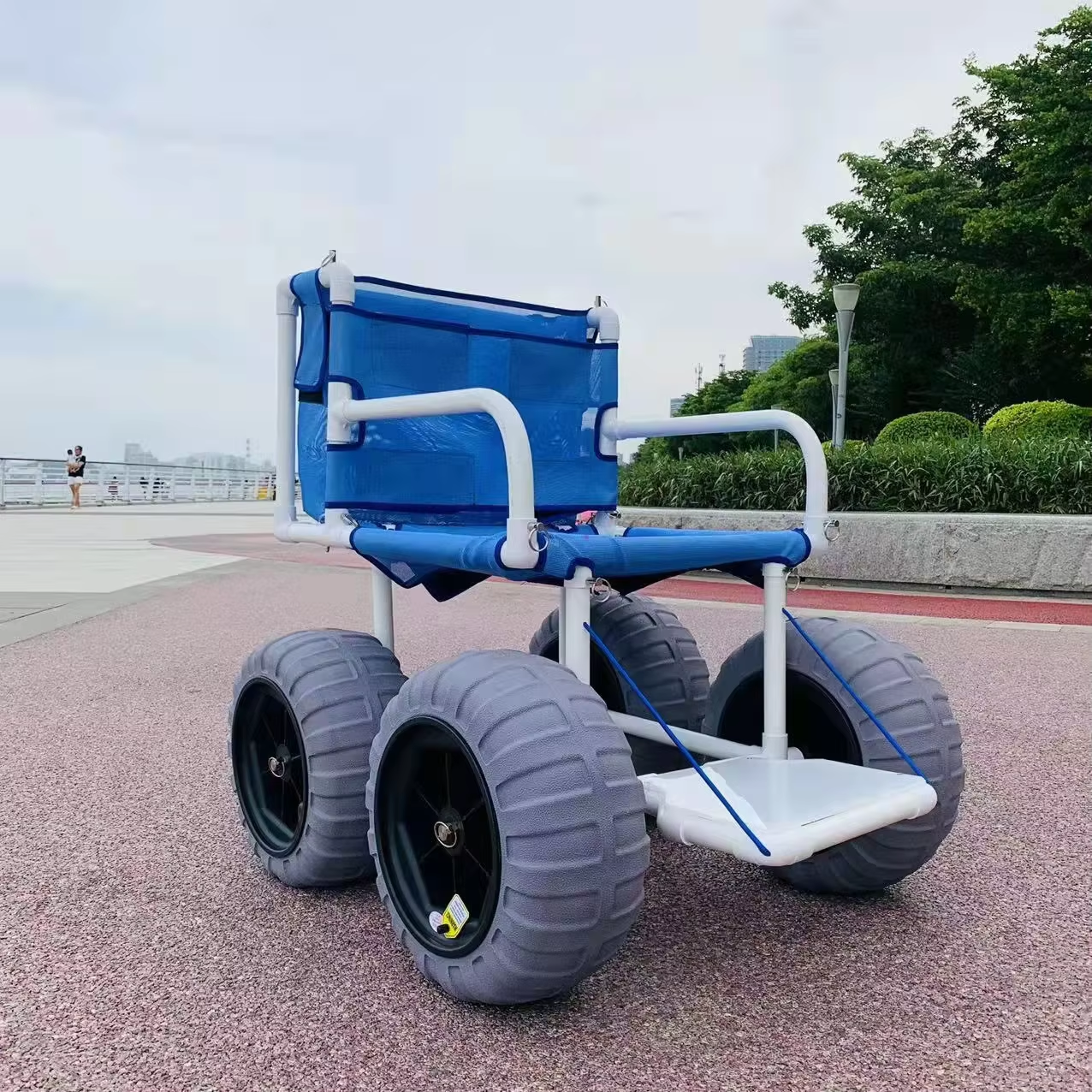
Before release, the file should link a test plan with intended use, check results, fault decisions, final sign-off, training limits, and change status. Ask what was tested, under which conditions, by whom, and what the result permits. A photo cannot replace a clear record.
Link evidence with release decisions
Before any check, link it to a release decision. Set pass rules before work begins. Keep product acceptance separate from personal fit. Ask who approved the test plan.
- Identify checks for complete configuration and interfaces.
- Record conditions, method, date, and reviewer.
- Keep failed or partial results visible.
- Link every change with a new review decision.
- State what the evidence does not prove.
For example, WHO wheelchair provision guidance links assessment, fitting, training, and follow-up with trained staff.
| Evidence item | Decision supported |
|---|---|
| Inspection record | Visible configuration accepted |
| Test result | Defined condition passed or failed |
| Deviation record | Exception accepted or rejected |
| Release signature | Product enters approved service |
Key takeaway: keep test evidence tied to a named release decision and stated boundary.
How do total ownership duties differ?
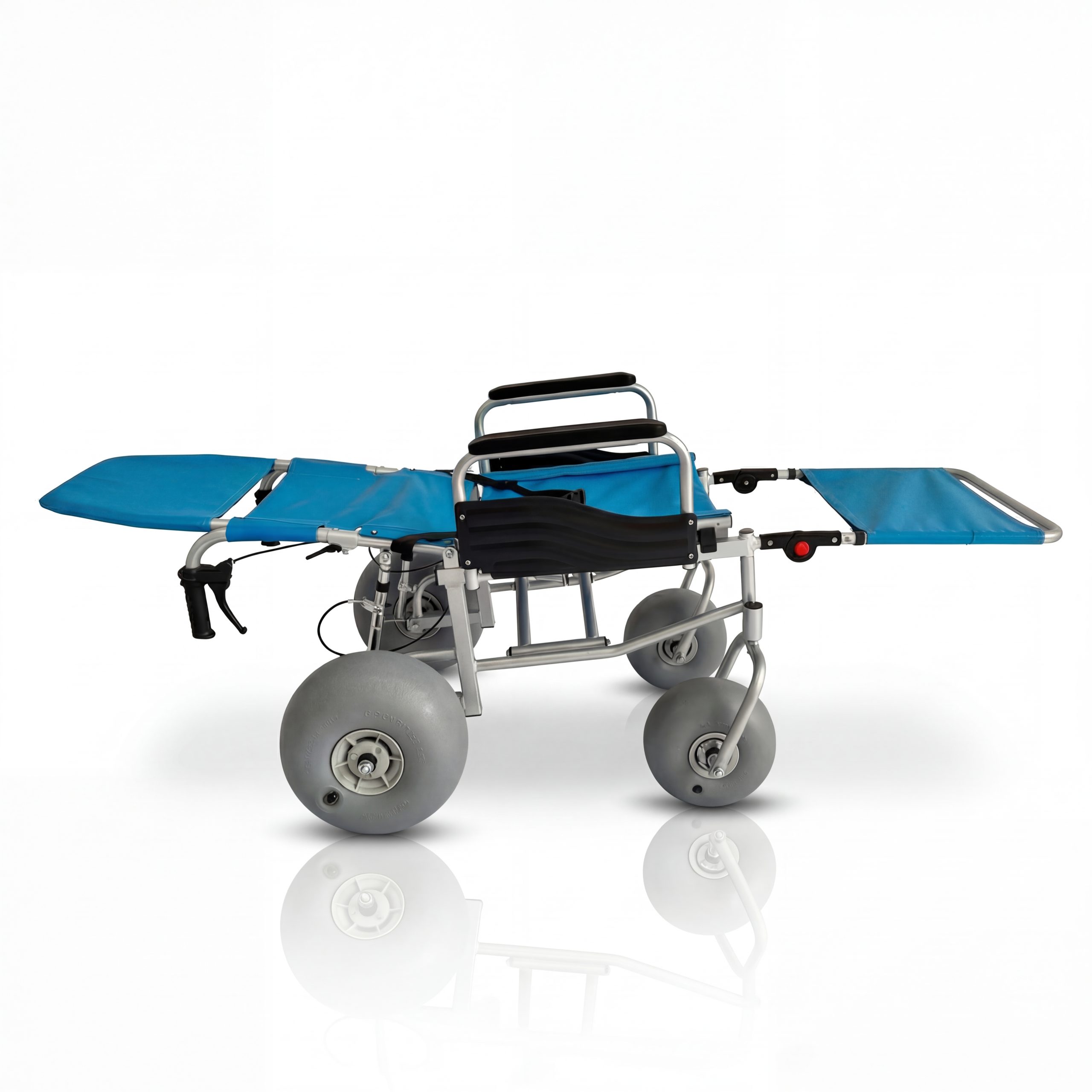
Meanwhile, total ownership includes design updates, sourcing, build work, checks, training, spare parts, cleaning, storage, fault handling, records, and replacement. DIY may look cheaper before buyers count those duties. A factory-built purchase may offer clearer records and a support path. Use project numbers for the comparison.
Count work across the service life
Before comparing invoices, count labor. List work hours, review time, tools, rejected parts, records, freight, storage, service, and end-of-life work. Keep estimates separate from quotes. Add downtime when a fault pauses service.
- Count design and review hours.
- Include inspection, training, and record time.
- Budget parts and approved service support.
- Include downtime and replacement planning.
- Record assumptions beside every estimate.
For supplier background, use the about page. Your project still must set its own cost and capacity.
| Ownership area | DIY responsibility | Factory-built question |
|---|---|---|
| Design changes | Buyer or partner | Who controls revisions? |
| Parts | Source and approve | What support path exists? |
| Training | Create and maintain | What documents are supplied? |
| Downtime | Buyer absorbs or mitigates | What escalation applies? |
Key takeaway: compare the work and downtime each route leaves with your organization.
When can factory support reduce procurement risk?
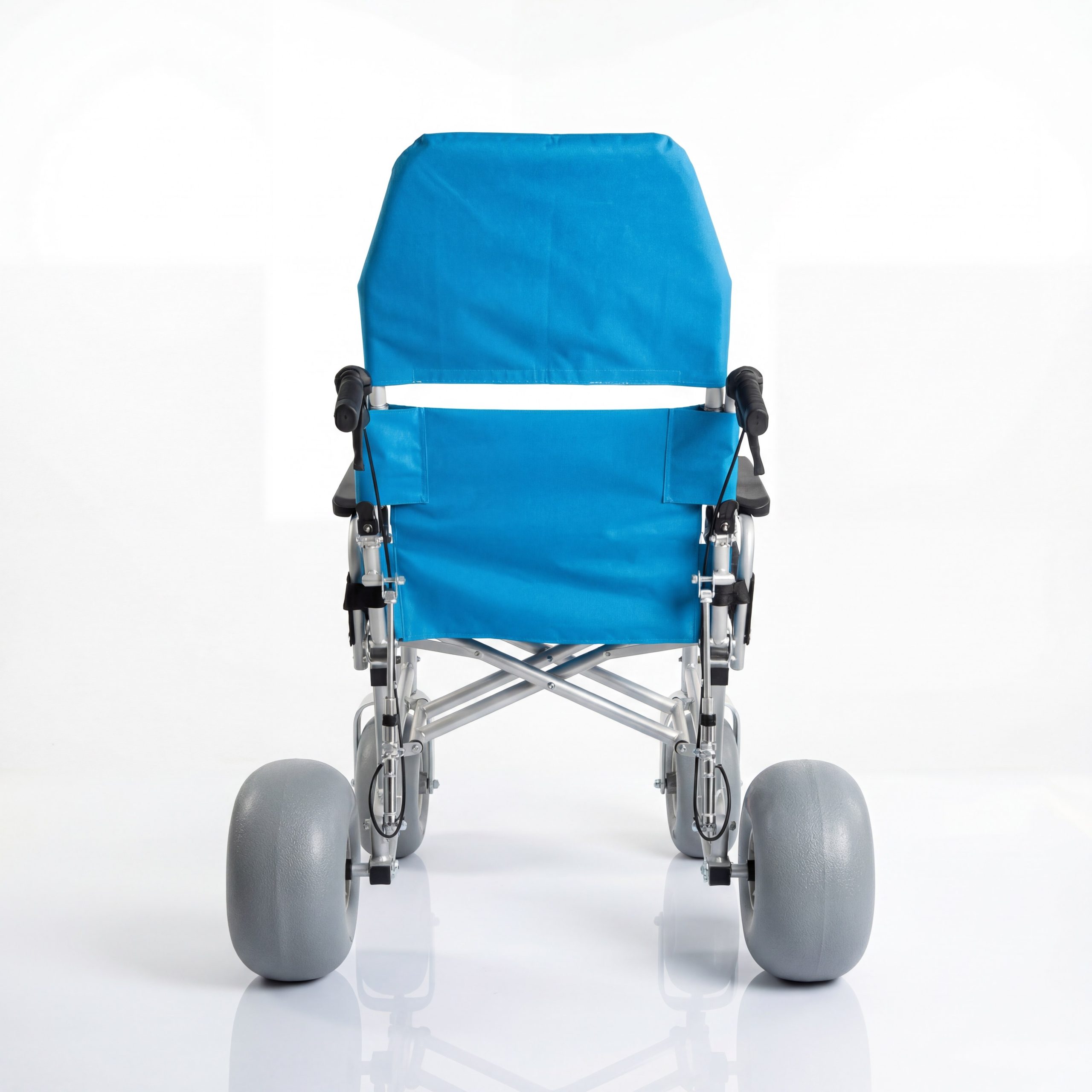
In practice, factory support can cut buying risk when the supplier provides setup control, model files, part IDs, technical replies, service limits, and change notices. The buyer still owns site checks, staff roles, local rules, and use conditions.
Test the support relationship before ordering
Before ordering, ask support questions. Request a technical contact, document update method, part IDs, warranty limits, escalation route, and fault-report fields.
- Name technical and commercial contacts.
- Request current manuals and revision notices.
- Ask how parts are identified.
- Define warranty and service boundaries.
- Record what the supplier cannot support.
Then use contact us for supplier questions, and keep purchase files under project ownership. A contact cannot replace release proof.
| Support topic | Buyer evidence |
|---|---|
| Documents | Current model files and revision path |
| Parts | Identification and ordering path |
| Faults | Escalation and service boundary |
| Changes | Notice and acceptance process |
Key takeaway: treat support as a documented procurement requirement, not a friendly promise.
How should a site compare both routes fairly?
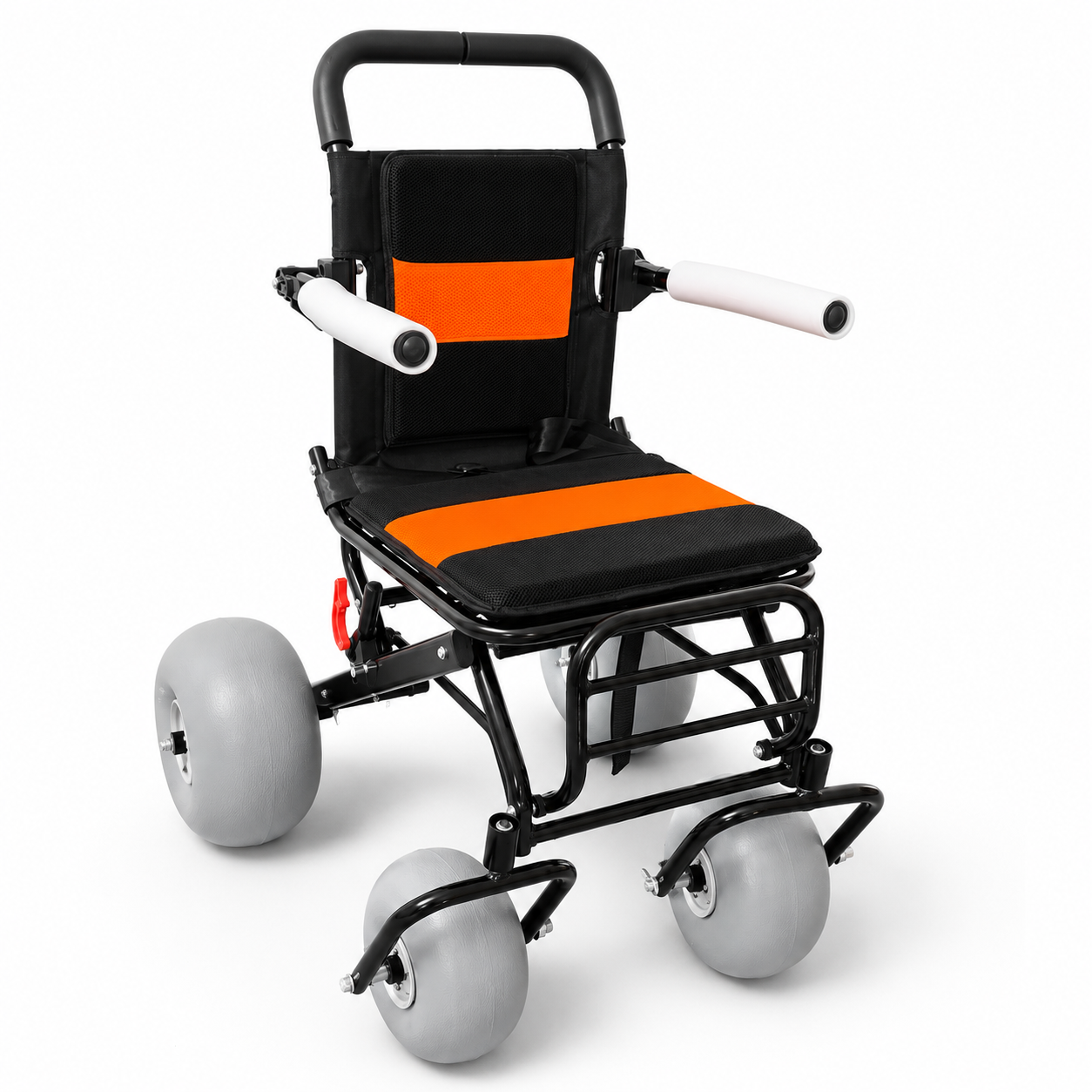
However, a fair comparison uses one service brief, duty matrix, evidence list, and release rule for both routes. Do not let a short parts list or polished brochure decide the result. Ask both routes the same questions about use, records, cost, support, and ownership.
Use a common decision matrix
Then use one matrix for both routes. Score evidence, design ownership, build control, service capacity, delivery state, change handling, and total work. Mark “open” when an answer is missing.
- Compare complete scope, not only frame or wheel parts.
- Give each requirement an owner.
- Separate facts from estimates.
- Mark route or use boundaries.
Meanwhile, compare project examples while mapping beach programs. Keep each score tied to your route and service model.
| Criterion | DIY route | Factory-built route |
|---|---|---|
| Design ownership | Buyer or appointed designer | Supplier with buyer review |
| Fabrication | Controlled workshop | Supplier production records |
| Evidence | Buyer builds the file | Supplier provides documents |
| Support | Buyer creates pathway | Supplier boundary to confirm |
Key takeaway: select a route with clear evidence and accountable ownership.
Which questions should a build-or-buy quotation answer?
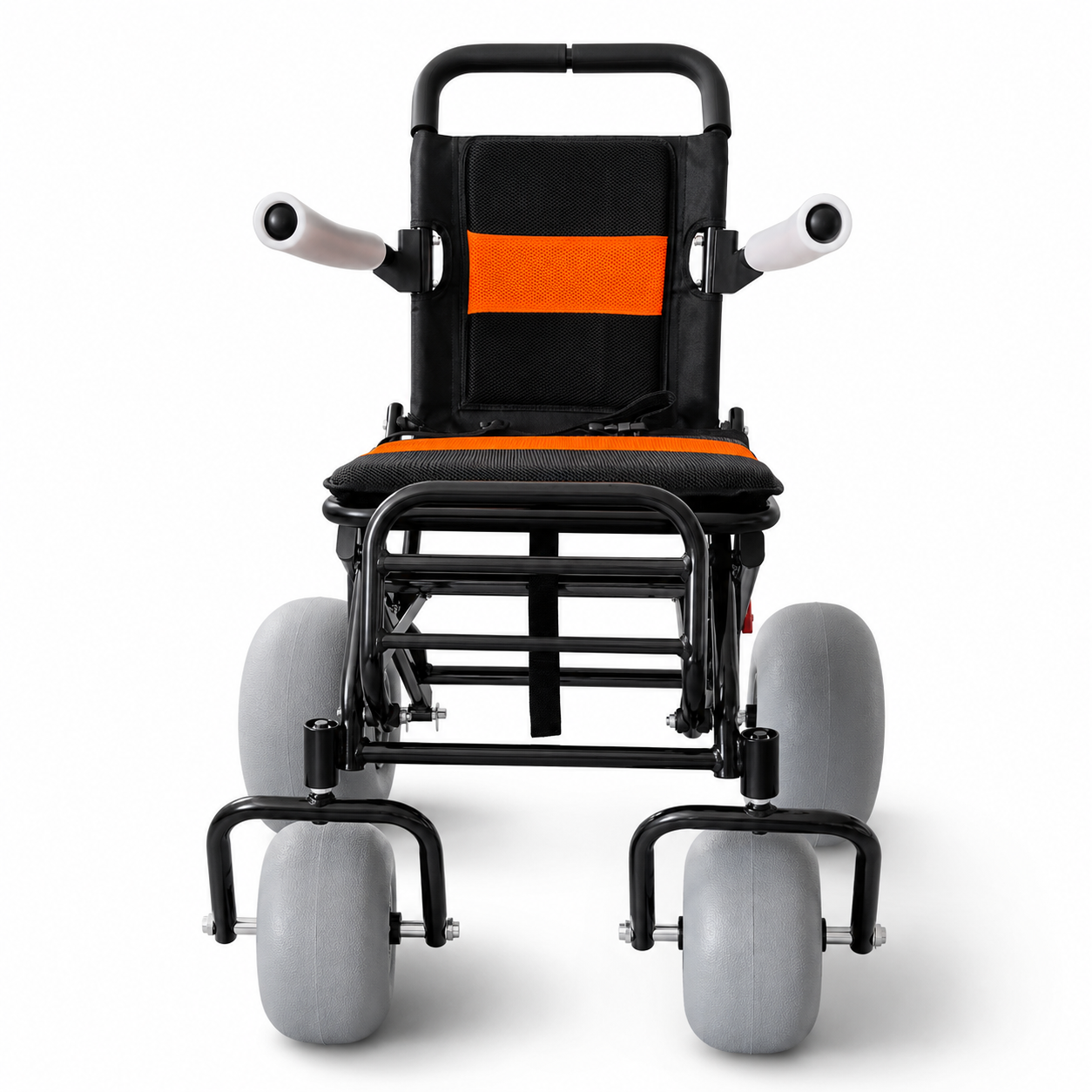
Before comparing quotes, list scope, setup, records, labor, delivery state, acceptance, support, changes, and exclusions. A DIY quote should name design and build duties. A factory quote should name supplied work and buyer site duties.
Send one decision-ready request
Then send both routes the same core questions. Ask what is included, who owns records, how changes and faults are handled, which files arrive, and what stays outside scope. Keep conversion-kit fit separate from full-build control.
- Request exact scope and responsibility matrix.
- Ask for current configuration and parts records.
- Require acceptance and release evidence.
- Request support, service, and change boundaries.
Instead, use the beach wheelchair range for categories, but do not copy a catalog into a DIY spec. Make ownership visible before work starts.
| Quotation field | DIY response | Factory response |
|---|---|---|
| Scope | Design and build tasks | Supplied configuration |
| Evidence | Records buyer will create | Records supplier provides |
| Release | Reviewer and test plan | Delivery and acceptance path |
| Support | Internal or contracted | Supplier boundaries |
Key takeaway: require comparable scope and evidence before comparing prices.
What should your next build-or-buy decision be?
So, name one route, one brief, one owner, and one evidence bar. Choose factory-built when its scope and support remove work your team cannot safely own. Choose DIY only when qualified design, build work, checks, tests, records, and service capacity have funding.
Approve the route with a responsibility packet
Before approval, attach a duty packet. Include the service brief, duty matrix, evidence list, cost assumptions, support contacts, open issues, and sign-off owner. Use contact us for sourcing. Keep open engineering work outside release.
- State full-build or factory-built scope.
- Keep retrofit-kit compatibility separate.
- Record design, fabrication, and release owners.
Key takeaway: buy or build only when your organization can own the complete evidence and service path.
Q1: Is a DIY beach wheelchair the same as a conversion kit?
No. A DIY guide covers full design and build duties; a conversion review checks fit with an existing chair.
Q2: What should a buyer do when a DIY quote lacks design evidence?
Pause the decision. Ask for a qualified design owner, clear records, tests, and sign-off duties before approving build work.
Q3: Can a low DIY material cost prove better value?
No. Count design, checks, tests, records, training, support, downtime, and replacement work.
Q4: Does a factory-built chair remove all buyer responsibility?
No. Buyers still own site checks, staff roles, local rules, storage, and service sign-off.
Q5: What should a team do when a build quote lacks testing records?
Keep a route open or reject it until qualified owners define and close the needed proof.