
A Canada beach wheelchair service should plan seasonal openings, storms, removable routes, equipment care and visitor information before launch. Seasonal operators asking about beach wheelchairs in Canada need a plan that can open, pause, store, and reopen. A route to water, a removable mat, a manual chair, a floating chair, visitor information, and storm checks belong in one site brief. The CAN-ASC-2.1 outdoor spaces draft addresses route-to-water, removable paths, seasonal weather and storage, information, and equipment considerations. Parks Canada accessible activities shows why site service mixes can differ.
CAN-ASC-2.1 remains a draft, not a nationwide mandatory rule. Parks Canada examples are site-specific. Provincial, territorial, municipal, Indigenous, environmental, concession, and land-manager requirements still need separate confirmation. This article gives Canadian councils, park operators, resorts, and distributors a seasonal operating method without treating a chair, mat, or photograph as proof of compliance.
1. What should a Canada beach wheelchair plan start with?
Still, put season dates, route endpoint, equipment roles, weather pauses, storage, and visitor information into one plan. A site may offer a service for only part of a year, yet planning continues before opening and after closing. A seasonal brief should show how conditions change, who decides to pause service, and how a visitor learns what remains available. For that reason, keep the Canada route plan tied to a named site.
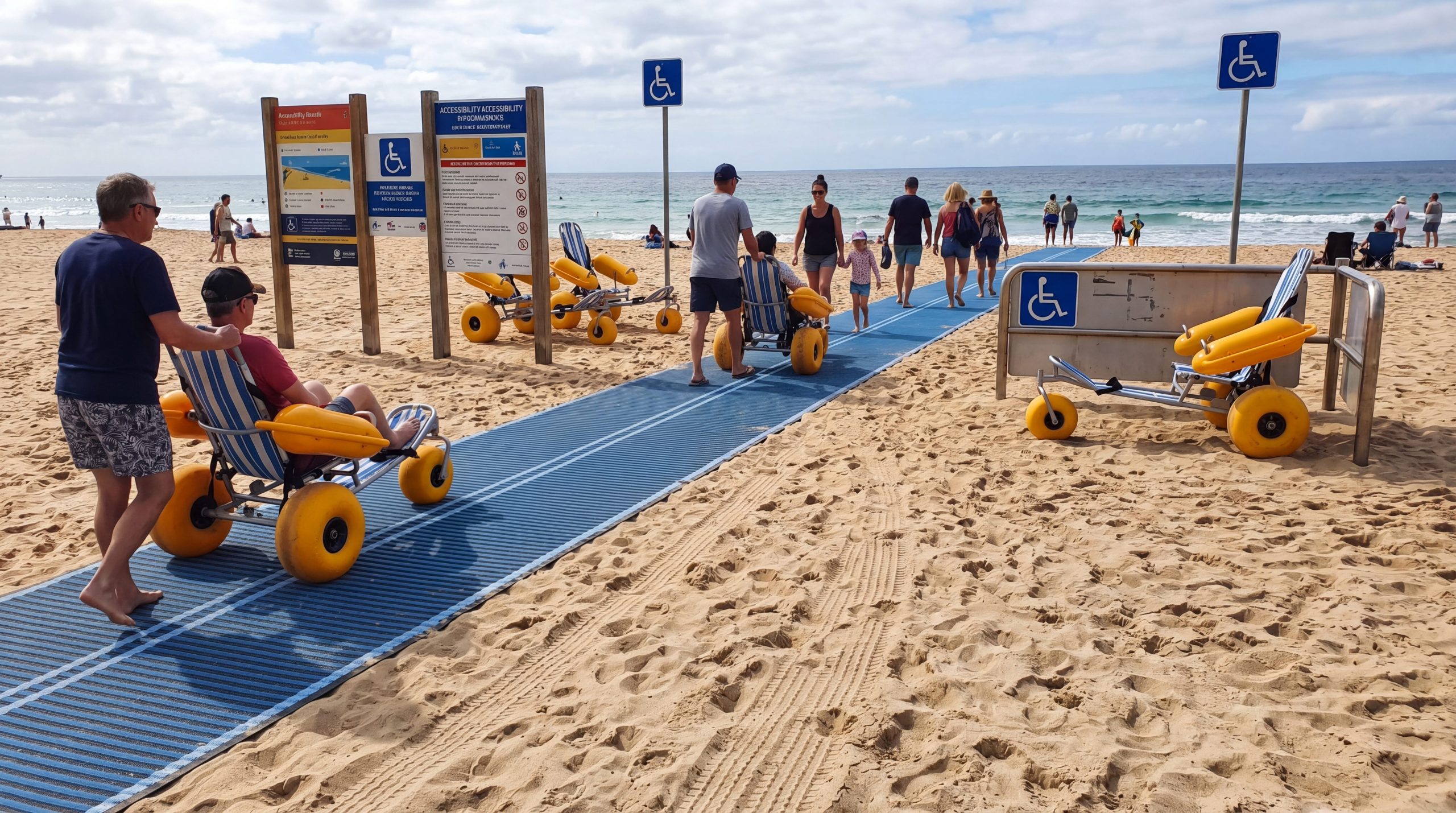
- For example, name opening, operating, storm-watch, and close-down periods.
- Then, map arrival, route, water-edge, stopping, and return points.
- However, assign decisions for staffing, storage, inspections, and public updates.
In fact, seasonal access needs a calendar. Buyer action: place route, equipment, and communications tasks on one opening checklist. Add an owner and date for each task so a short operating season does not turn into an informal promise.
Seasonal planning frame
| Planning layer | Question | Output |
|---|---|---|
| Site | Where does access begin and end? | Route sketch |
| Season | When can service operate? | Opening calendar |
| Equipment | What task does each item support? | Role list |
| Continuity | What happens during closure? | Storage plan |
2. What does the CAN-ASC-2.1 draft add?
For example, the draft adds useful prompts for route-to-water connections, removable paths, seasonal weather and storage, information, and equipment type. Use it as a planning reference that helps a team ask better site questions. Do not quote its draft status as a national legal requirement, and do not let a checklist replace provincial, territorial, municipal, or land-manager review. In practice, local authority evidence should settle this Canada question before procurement.
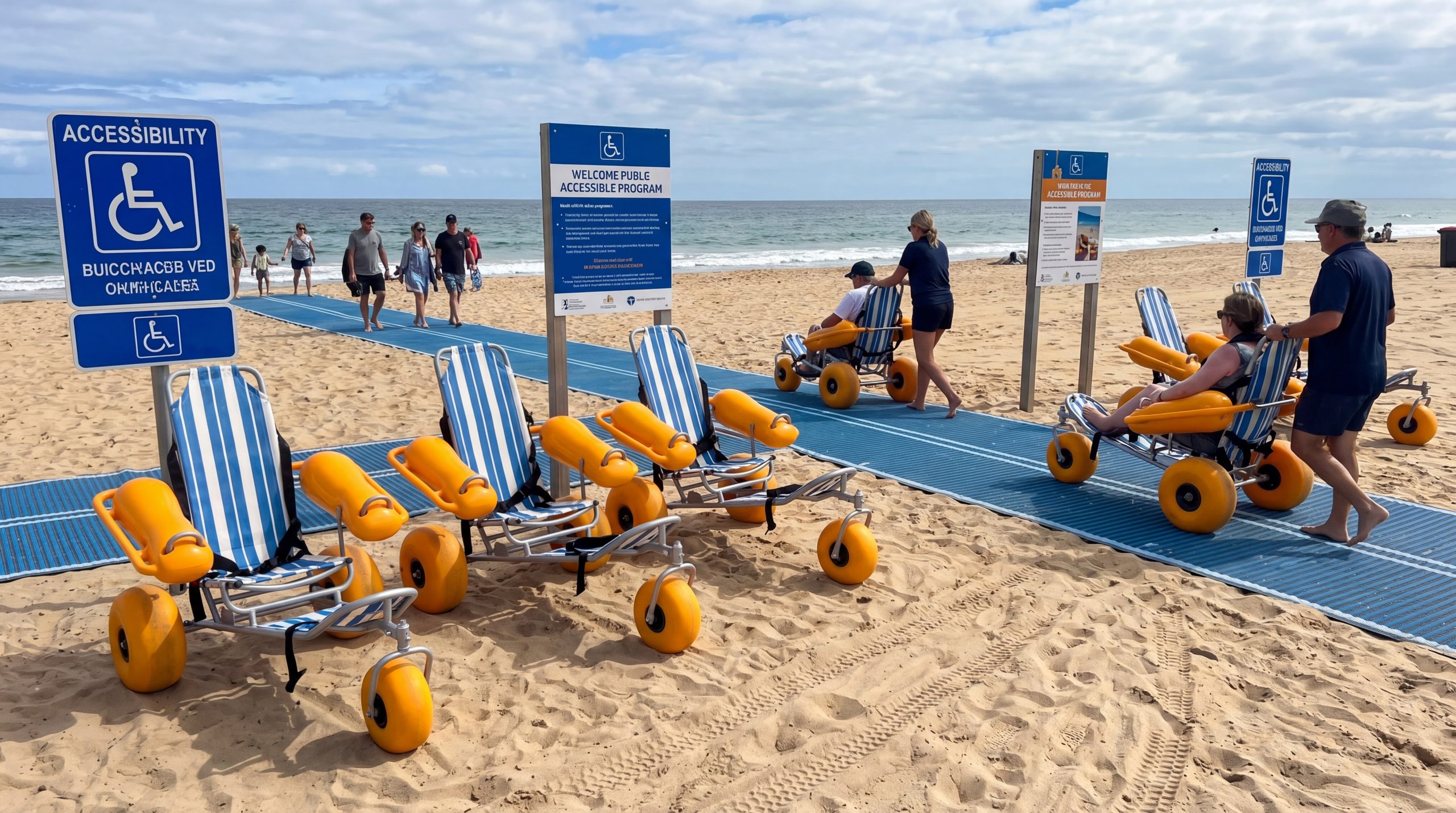
- Also, mark each draft prompt as site evidence, open question, or local rule.
- Instead, record removable and permanent elements separately.
- For that reason, keep equipment selection tied to route, storage, and information work.
However, a draft can sharpen a conversation. Buyer action: add a status column to any CAN-ASC-2.1 checklist. Label it draft, then write a separate line for every authority or operator who must confirm the site decision.
Draft-status control
| Item | Draft can inform | Separate confirmation |
|---|---|---|
| Route-to-water | Connection questions | Site rule and approval |
| Removable path | Seasonal option | Placement and care |
| Storage | Close-down planning | Secure local facility |
| Information | Visitor notice | Current service details |
3. How should Parks Canada examples inform local choices?
Instead, use Parks Canada examples as evidence that accessible activities may combine mats, beach chairs, buoyant chairs, accessible paths, and reservations differently at different sites. They help a buyer resist a single national equipment list. A local operator should compare its own shore, staffing, reservation method, and visitor expectations before borrowing an approach from another park. At the same time, record who owns each Canada service handoff.
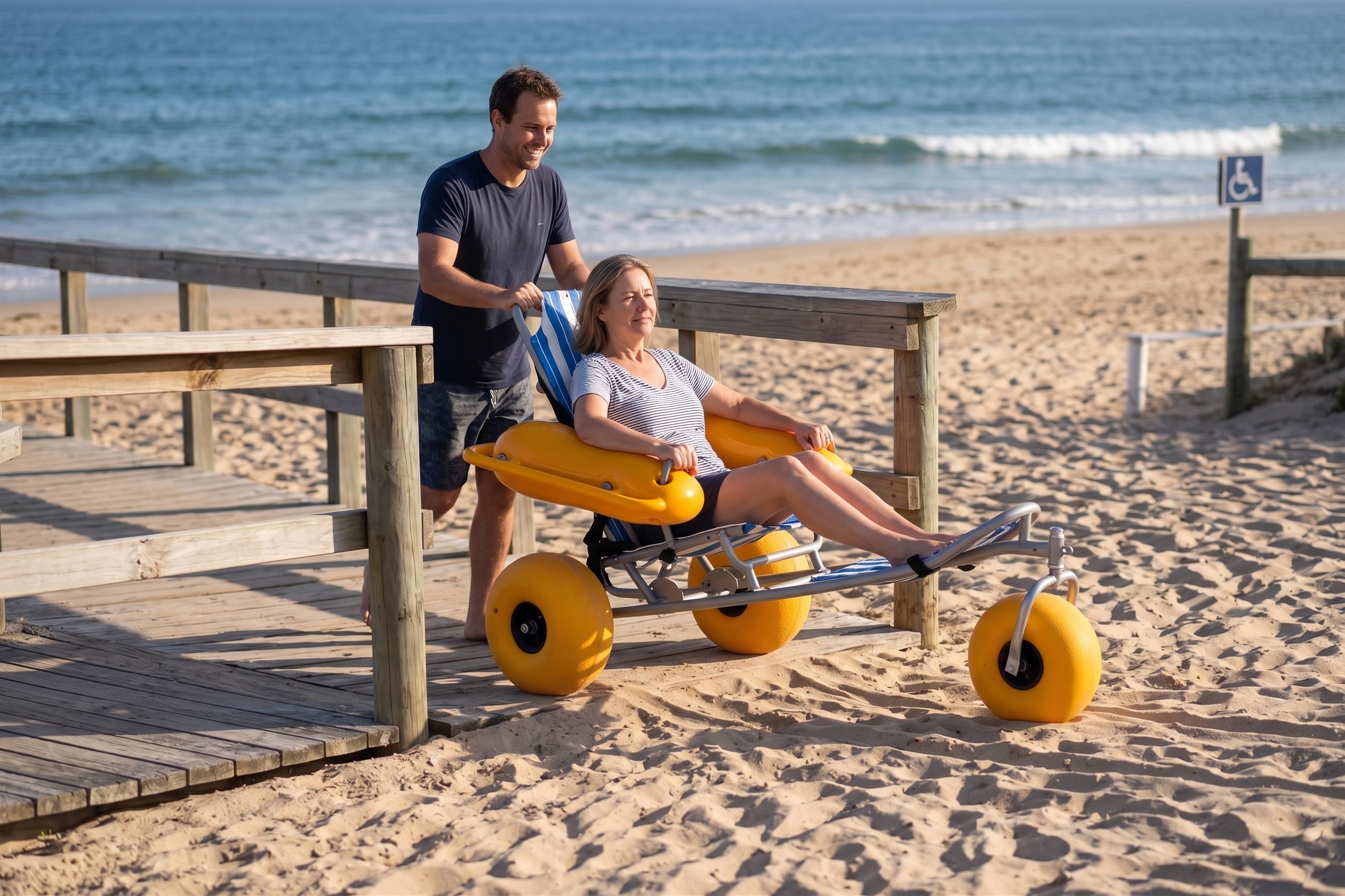
- Meanwhile, note which service elements appear at a comparable site.
- Still, ask what terrain, staffing, booking, and weather assumptions differ.
- At the same time, publish only services that a local team can operate during stated hours.
Also, examples are useful when their limits stay visible. Buyer action: make a comparison sheet with one column for a Parks Canada example and another for local conditions. Do not describe a site-specific practice as a Canada-wide requirement.
Site-example comparison
| Example detail | Local question | Record |
|---|---|---|
| Mat or path | What surface needs support here? | Site note |
| Chair type | Who uses or guides it? | Service role |
| Reservation | Is booking needed? | Contact rule |
| Conditions | What changes seasonally? | Pause trigger |
4. How can a site set a route-to-water endpoint?
Meanwhile, set an endpoint that a visitor can understand and staff can operate. It may be a beach viewing point, a firm-surface stopping place, a water-edge handoff, or another meaningful destination. Record each connection from accessible approach to sand, mat, chair, and water service. A route drawing should show where a removable element starts and where staff assistance begins. For example, verify this step during normal Canada beach operations.
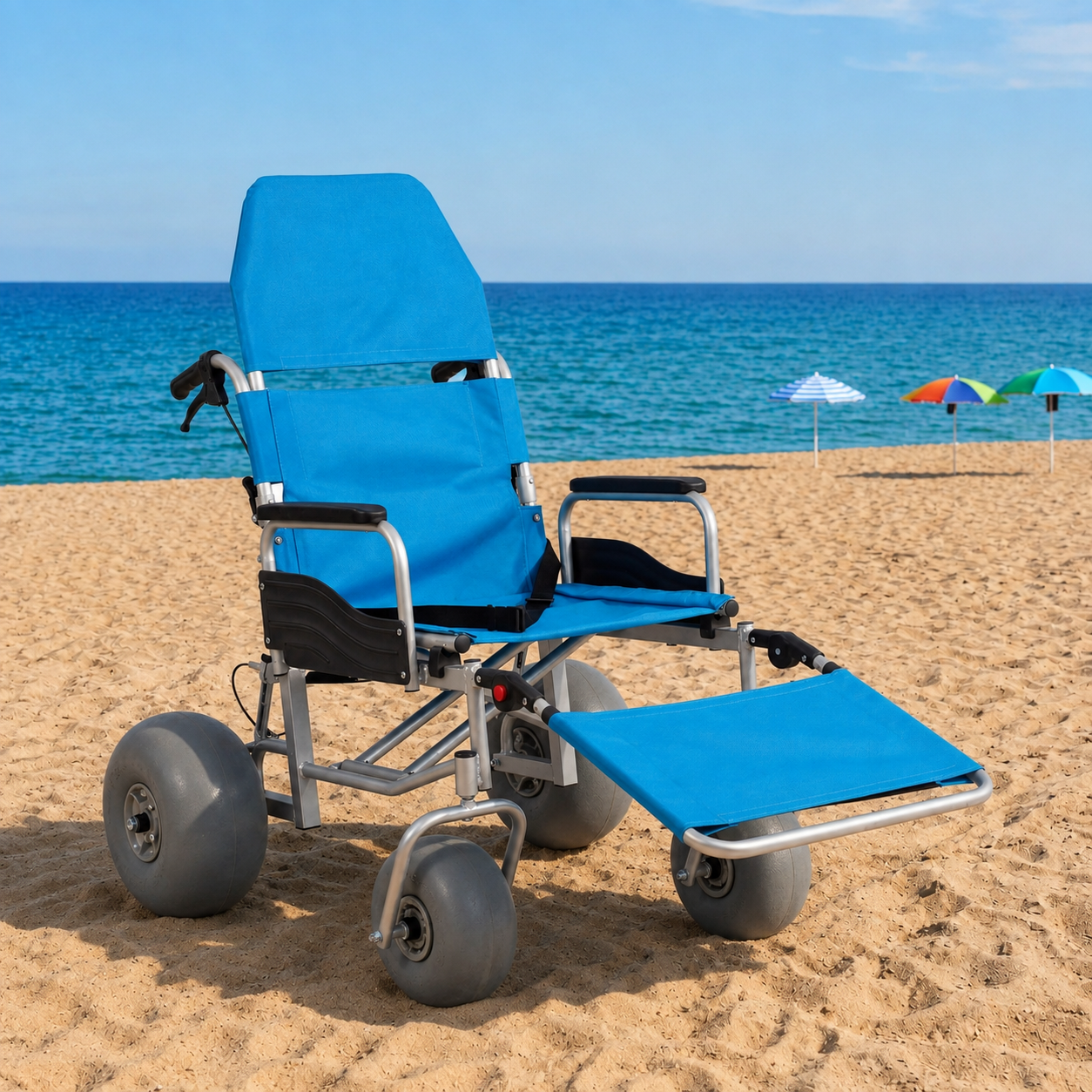
- In practice, mark approach, mat, sand, water-edge, and return segments.
- As a result, note slope, loose surface, wash, ice, crowd, and storm observations.
- In fact, tell visitors which endpoint the published service actually reaches.
Meanwhile, an endpoint makes access concrete. Buyer action: walk the route with operations staff and people who use access services. Put route notes beside the accessible beach mat discussion so a product choice follows a place rather than a generic label.
Route-endpoint record
| Segment | Site question | Owner |
|---|---|---|
| Approach | Where does public access begin? | Facilities |
| Mat or path | What needs seasonal placement? | Beach team |
| Water edge | What service is offered? | Operations |
| Return | How does a visitor leave? | Duty lead |
5. What should storm and weather planning include?
As a result, write pause, removal, storage, and reopening steps for weather that changes the site. A storm plan should cover wind, waves, flooding, lightning, heavy rain, snow, ice, and other local conditions identified by the operator. It need not predict every event. It needs named decision-makers, a public notice method, and an inspection before service restarts. However, keep product facts separate from Canada site promises.
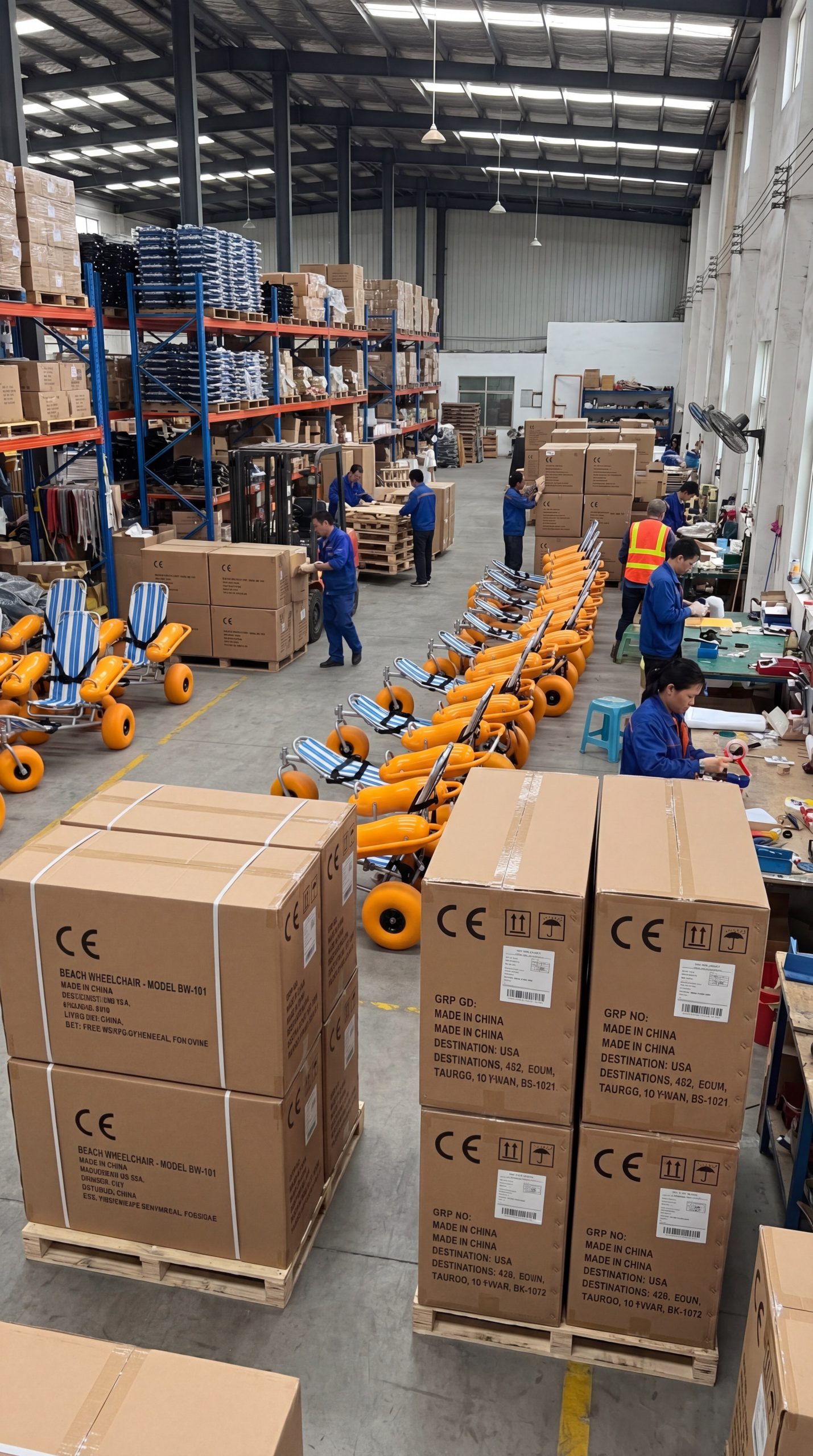
- However, define who can close a mat, route, chair loan, or water service.
- In fact, list where equipment moves during a warning or seasonal closure.
- Then, require a route and equipment check before public reopening.
For example, weather changes the operating brief. Buyer action: add a pause-and-reopen card to staff training, then publish a plain notice channel. A product page cannot tell visitors whether a specific Canadian beach service operates after a storm.
Weather response card
| Stage | Staff action | Public information |
|---|---|---|
| Watch | Review conditions and staffing | Service may change |
| Pause | Close named element | State closure and contact |
| Secure | Move or protect equipment | State next review |
| Reopen | Inspect route and item | Publish current status |
6. How should removable mats be managed?
Then, manage a removable mat as a seasonal site asset, not as a permanent promise. Placement depends on route, surface, water, weather, storage, staff, and local permissions. A mat may support a path while leaving a gap at an approach, turn, transfer, or water edge. Buyers should inspect each connection and explain what the mat does not cover. Meanwhile, give staff a written Canada service boundary they can repeat.
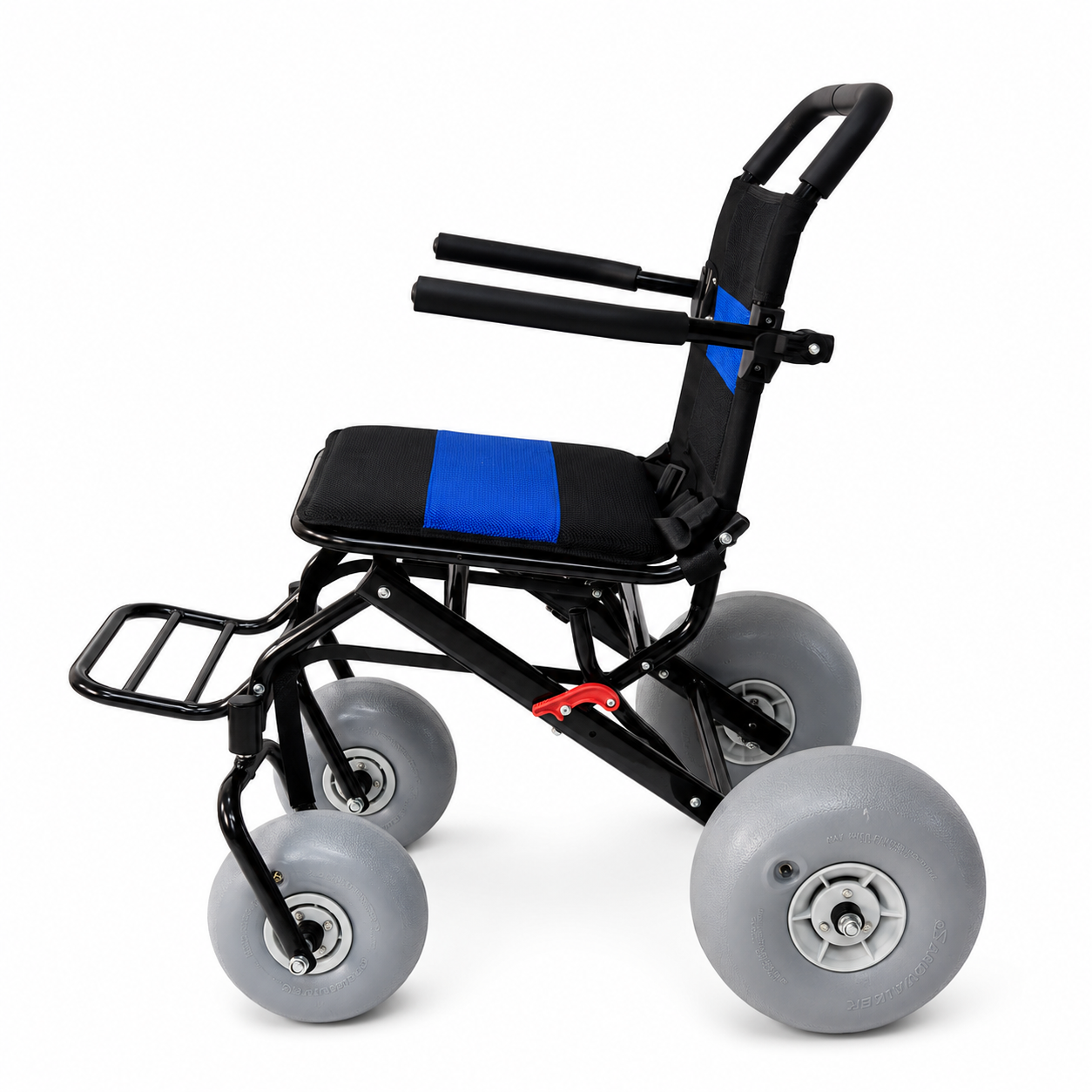
- For that reason, record placement date, route line, anchors or handling method, and removal date.
- Even so, check edges, movement, sand build-up, surface changes, and public notices.
- Still, store clean, dry, and accessible according to supplier and local instructions.
Still, a removable route still needs ownership. Buyer action: make a mat map with photographs and written observations for opening and closing teams. Use the applications overview only as product context; local staff still decide where a mat can operate.
At the same time, for loose-surface decisions, an all-terrain beach wheelchair page can add product context after the route map is approved.
Mat lifecycle
| Point | Check | Evidence |
|---|---|---|
| Placement | Route connects as planned | Opening record |
| Operation | Surface remains usable | Inspection note |
| Removal | Visitors are informed | Closure notice |
| Storage | Item is protected and findable | Inventory |
7. When do manual and floating chairs serve different roles?
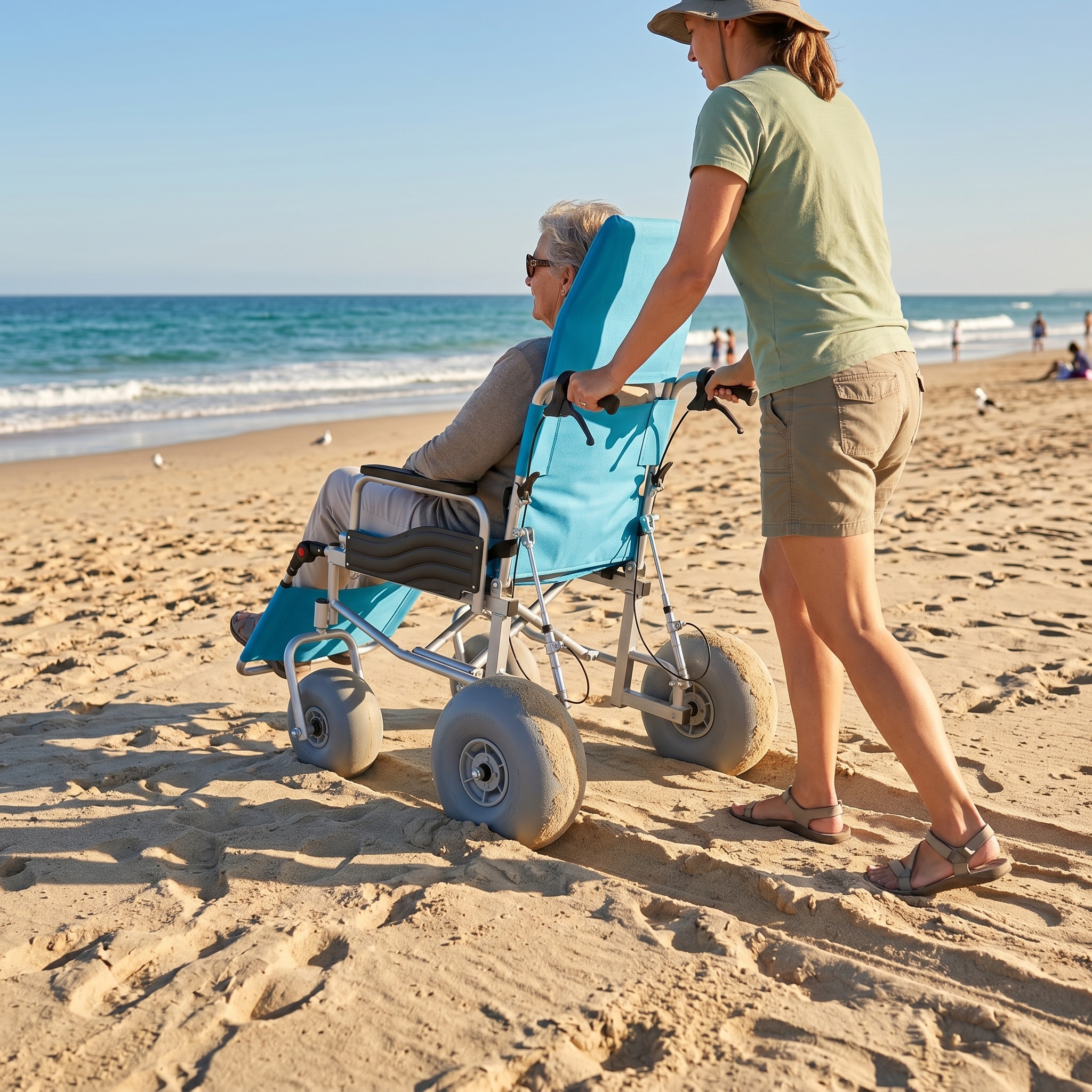
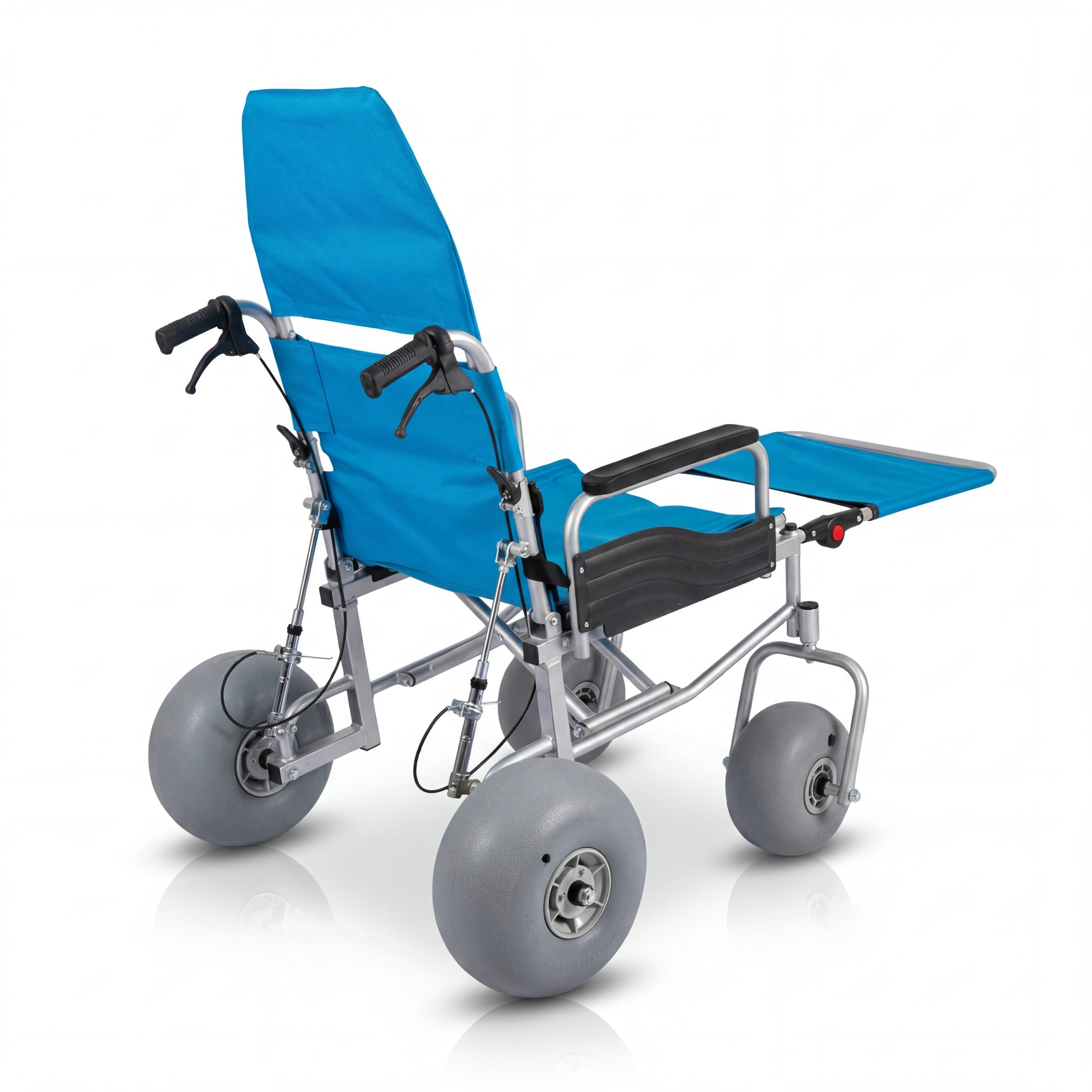
Even so, manual and floating chairs answer different service questions. A manual beach chair may support supervised movement across sand or along a mat. A floating chair may support a water-edge or in-water service where local staff, safety procedures, and conditions allow. Neither device sets a national rule, guarantees personal fit, or removes a route, transfer, supervision, or rescue decision. As a result, every quotation can answer the same Canada decision.
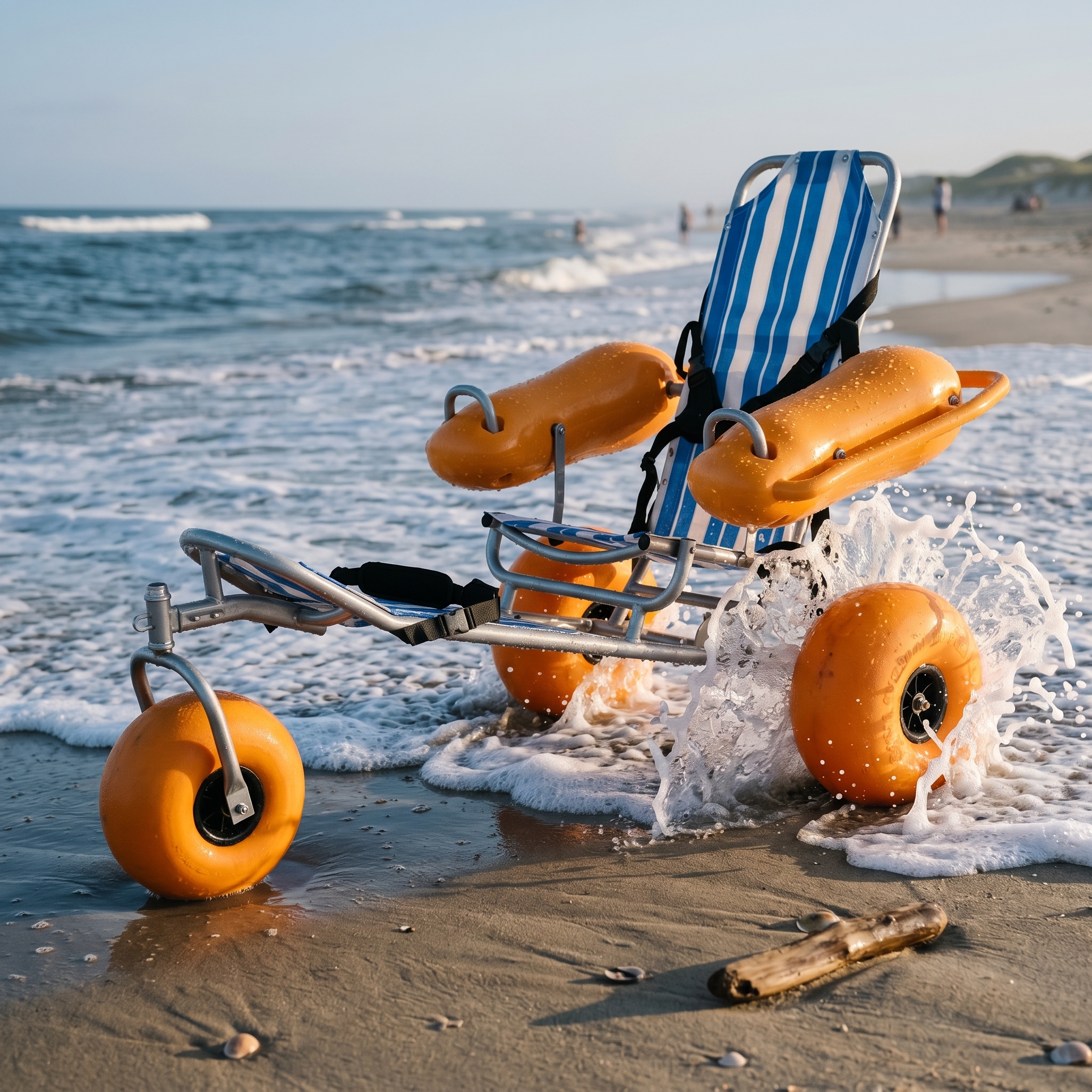
- At the same time, define land movement, water-edge, and in-water roles separately.
- Specifically, assign staff, communication, and stop conditions for each role.
- As a result, ask users what information they need before choosing a service.
As a result, the service role decides the shortlist. Buyer action: compare floating water beach wheelchair options beside a manual-use brief, not beside a generic product score. Keep water operations within local safety and land-manager review.
Role comparison
| Role | Equipment discussion | Separate control |
|---|---|---|
| Sand movement | Manual beach chair or suitable format | Route and attendant role |
| Water edge | Buoyant or floating format | Local water procedure |
| Visitor information | Clear service description | Current weather status |
8. How should seasonal storage and reopening work?
In practice, close a site with the next opening in mind. Storage planning should name who cleans, inspects, labels, locks, and records each mat or chair. Reopening should repeat the route walk, equipment check, staff briefing, public update, and booking test. A seasonal site can lose access through missing keys, unclear inventory, or a broken contact route even when equipment remains intact. Before approval, attach a date and responsible Canada service owner.
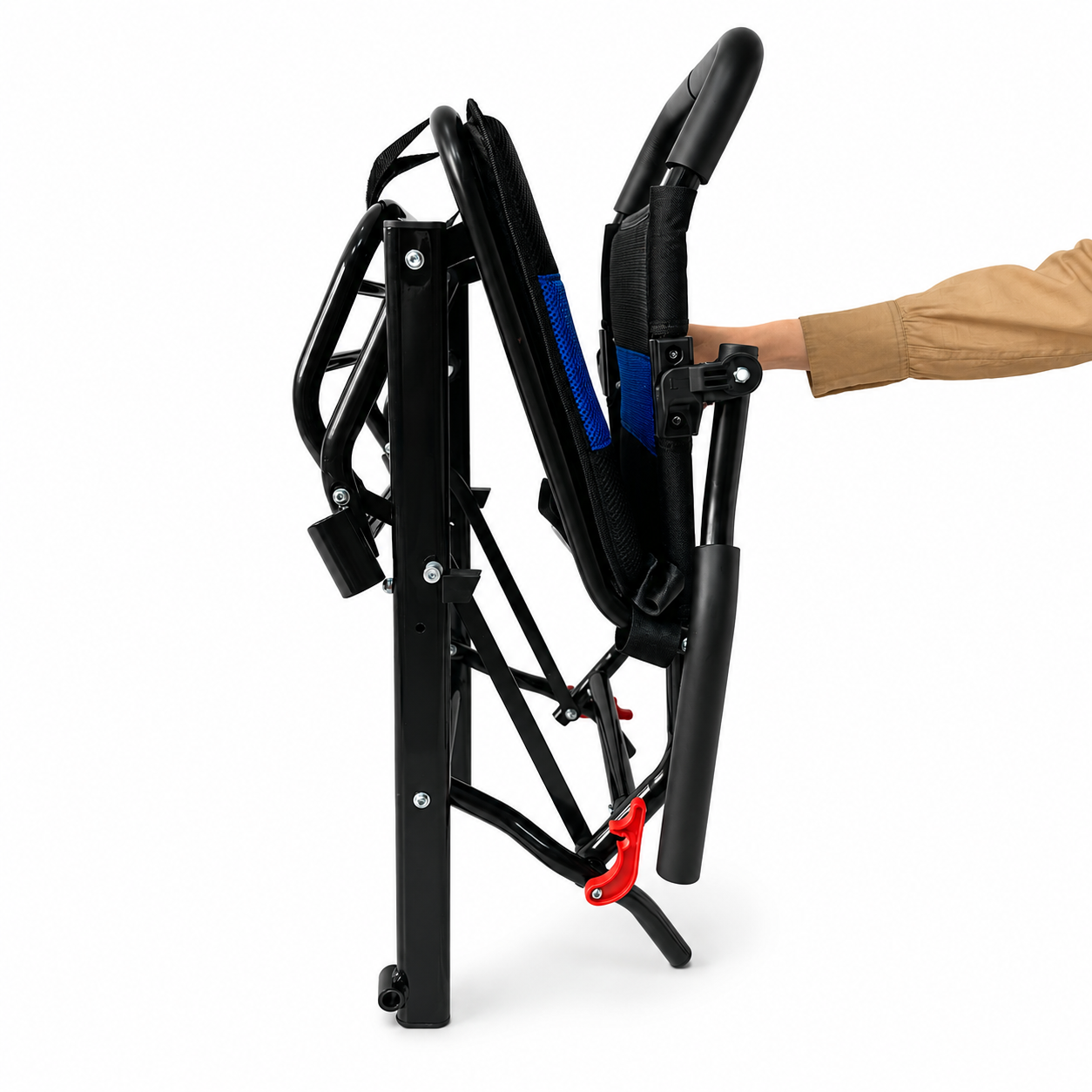
- At first, keep an inventory with item identity, location, condition, and owner.
- Then, store manuals, care notes, and emergency contacts beside the service record.
- Afterward, schedule reopening before publishing a new season’s availability.
At the same time, reopening deserves its own work order. Buyer action: use the beach wheelchair user manual alongside local procedures, then record any difference a responsible reviewer approves. Do not infer a storage or operating limit from a photograph.
Close-down and opening
| Phase | Required check | Owner |
|---|---|---|
| Close-down | Clean, inspect, and secure | Site lead |
| Winter or storm storage | Inventory and access control | Asset owner |
| Reopening | Route and equipment walk | Operations |
| Public launch | Notice, booking, and contact | Communications |
9. What should visitor information say before arrival?
At that point, tell visitors what service exists, where it begins, how to request it, when it operates, and what conditions can change it. State whether booking, an attendant, a mat, a manual chair, or a floating chair forms part of the service. Avoid language that promises every visitor the same outcome. Information should also tell people who can answer a question before travel. During review, leave unsupported Canada claims marked open.
- For example, publish access point, endpoint, hours, booking route, and closure notice.
- Also, describe terrain and support boundaries without alarming or blaming visitors.
- Instead, offer a contact for questions about transfer, equipment, and conditions.
Afterward, offer an email or phone route for last-minute conditions and a readable format for notices. If booking requests involve personal details, state who receives them and how they are handled. Update wording whenever a mat is removed, an endpoint changes, or seasonal hours close.
Instead, clear information prevents a difficult arrival. Buyer action: have an access reviewer and front-line worker read the notice before release. A portable beach wheelchair travel guide may inform a product conversation, but it does not replace local visitor information.
Visitor-information checklist
| Notice field | Visitor needs |
|---|---|
| Place | Where to arrive and meet staff |
| Service | What equipment and help are offered |
| Conditions | What may pause or change use |
| Contact | Who can answer before travel |
10. What should a Canadian buyer do next?
On the other hand, hold a pre-season meeting with site management, operations, procurement, access representatives, maintenance, and any park or concession authority. Leave with one route sketch, one weather card, one storage record, one visitor notice, and a product brief that separates manual and floating roles. Then confirm draft status and local requirements before a bid, public claim, or service launch. Afterward, update Canada visitor information when conditions change.
- Afterward, confirm provincial, territorial, municipal, environmental, and land-manager requirements.
- Later, keep CAN-ASC-2.1 labelled as a draft reference.
- Also, use the beach accessibility projects page only for general planning context, not as local proof.
For that reason, a seasonal brief earns its place on the opening checklist. Buyer action: send route, weather, storage, information, and equipment questions to your responsible site owner. For a product conversation tied to those conditions, contact us with the beach surface, service role, and operating season. A photo or example from another site cannot establish Canadian approval.
Common buyer questions
Q1: Is CAN-ASC-2.1 a mandatory Canadian beach rule? In practice, no. It remains a draft. Confirm applicable provincial, territorial, municipal, and land-manager requirements.
Q2: Can Parks Canada examples be copied at a municipal beach? For example, no. They show site-specific mixes of mats, chairs, paths, reservations, and activities. Compare local terrain, staffing, and rules.
Q3: Why should a storm plan include reopening? However, a closure only protects people and equipment for a moment. Reopening requires a route walk, equipment check, staff briefing, and current public notice.
Q4: Do removable mats create a complete route? Also, not automatically. Inspect every connection and describe gaps at approaches, turns, transfers, water edges, or other site transitions.
Q5: How should a buyer compare manual and floating chairs? For that reason, start with separate land and water service roles, then review supervision, route, storage, information, and local safety controls.