
An Australia beach wheelchair program should connect access routes, equipment, staffing, maintenance and local checks before council procurement. Councils and nonprofits asking about beach wheelchairs in Australia need an operating brief before a funding conversation. A public service may combine beach matting, a manual chair, a floating chair, staff support, storage, and clear visitor information. The Commonwealth’s Accessible Australia initiative and its Inclusive Beaches resource support this operations-led way of thinking.
Those sources do not promise a live funding round, an approval, a grant amount, or a delivery date. They also do not create a permanent nationwide beach-construction law. Verify current program status, state or territory processes, council duties, coastal permissions, and procurement rules before making a public commitment. This guide turns the evidence into a council or nonprofit planning brief without presenting any product as approved or grant-eligible.
1. What should an Australia beach wheelchair plan start with?
Still, plan a service that can operate on a named beach before writing a grant request. A strong brief explains who needs access, where movement starts and ends, what equipment may help, who will assist, and how the service will be maintained. Funding language then supports a real operating plan rather than a shopping list. A council can also use that brief for internal budget review if an external opportunity changes. For that reason, keep the Australia route plan tied to a named site.
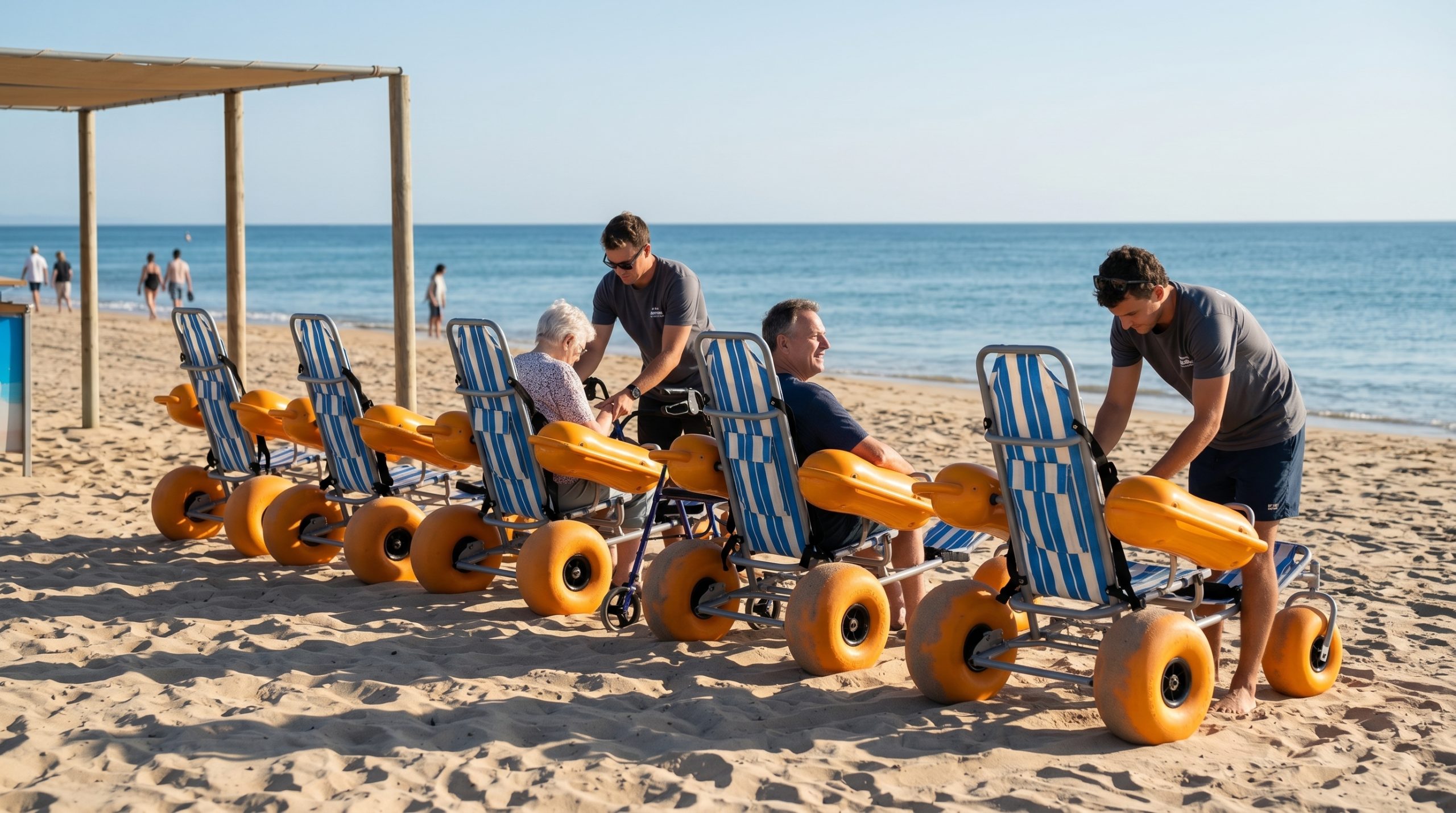
- For example, name the beach, access point, visitor destination, and operating season.
- Then, describe community need with local records, consultation, and observed barriers.
- However, list capital items beside staff, storage, care, information, and review costs.
In fact, a funding request needs an operating spine. Buyer action: ask a service owner to sign a one-page brief before anyone promises a grant outcome. State that approval, amount, and timing remain unknown until the responsible Commonwealth, state, territory, or council process confirms them.
However, teams can frame an internal record with beach accessibility projects while keeping local evidence and program status separate.
Build the service case
| Brief element | Planning question | Evidence to attach |
|---|---|---|
| Need | Who cannot reach the beach service today? | Consultation and site notes |
| Place | Where does a visitor enter and stop? | Beach sketch |
| Delivery | Who opens, assists, and closes? | Roster and procedure |
| Cost | What repeats each season? | Cost-owner map |
2. What does Accessible Australia evidence support?
For example, accessible Australia evidence supports a public, operations-led approach where a project can consider beach wheelchairs, floating wheelchairs, beach matting, community benefit, detailed quotes, and ongoing maintenance. It gives a council a useful frame for connecting equipment with a local service. It does not name a universal package for every shoreline or grant every requested item. In practice, local authority evidence should settle this Australia question before procurement.
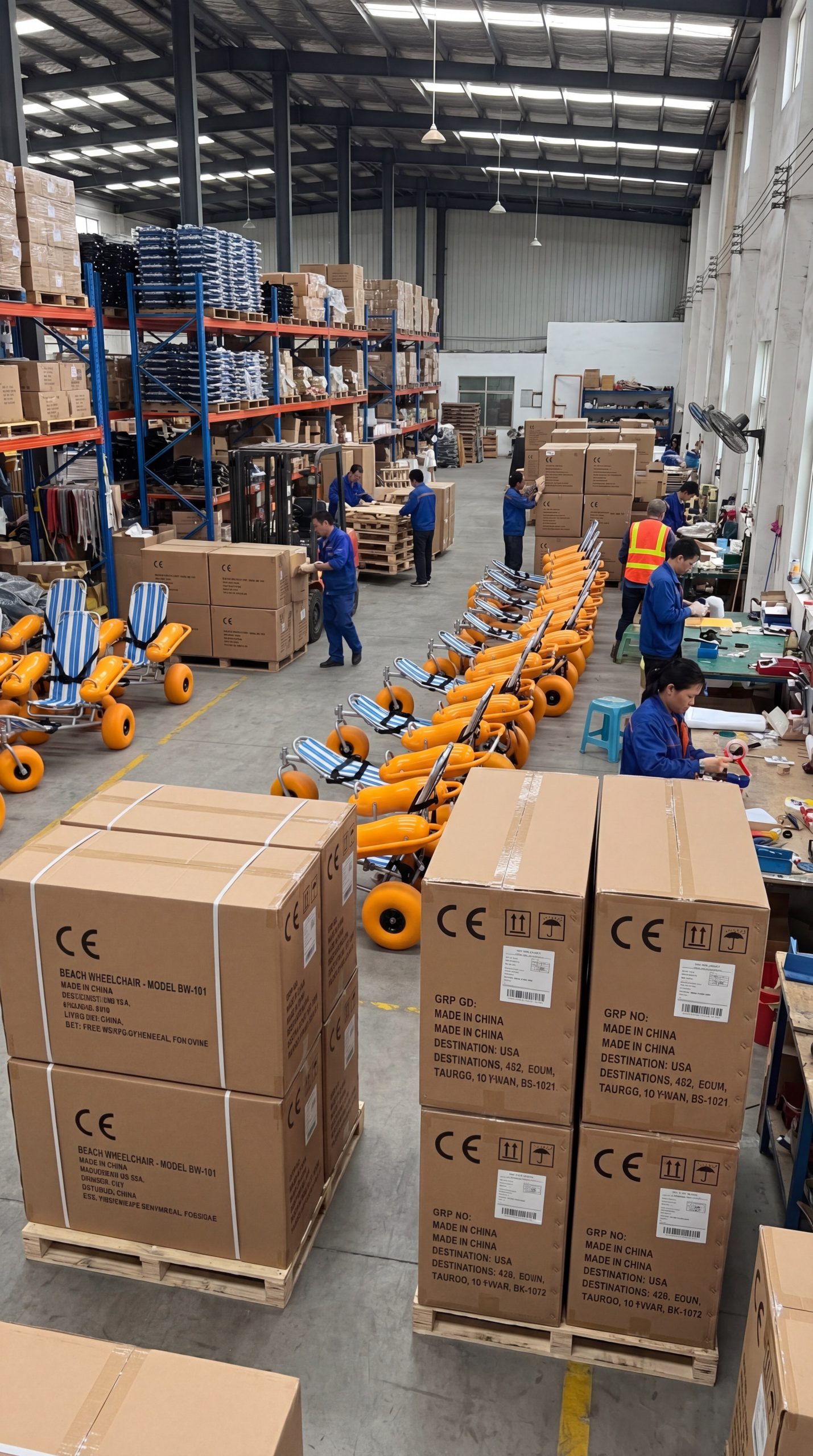
- Also, treat equipment as one part of an access service.
- Instead, show how a quote relates to local use, storage, care, and staffing.
- For that reason, state who will review community benefit and operating evidence.
However, the source supports planning, not a blank cheque. Buyer action: quote each item against a stated task, then identify what local authority or program officer must confirm. Avoid describing any Ary chair as endorsed by Accessible Australia or eligible for support without written confirmation.
Evidence within its scope
| Evidence type | What it can support | What it cannot promise |
|---|---|---|
| Program resource | Operations-led access planning | A live grant round |
| Project quote | Costed local need | Approval or funding level |
| Maintenance plan | Continuing public service | National legal compliance |
3. How should a needs case describe local use?
Instead, describe need through actual service barriers and intended users rather than a national beach count. A council can combine visitor feedback, access-group consultation, staff observations, booking records, and site walks. Keep personal stories anonymous and do not turn one request into a claim about every resident. A nonprofit can add its volunteer capacity, referral routes, and plan for shared use across community events. At the same time, record who owns each Australia service handoff.
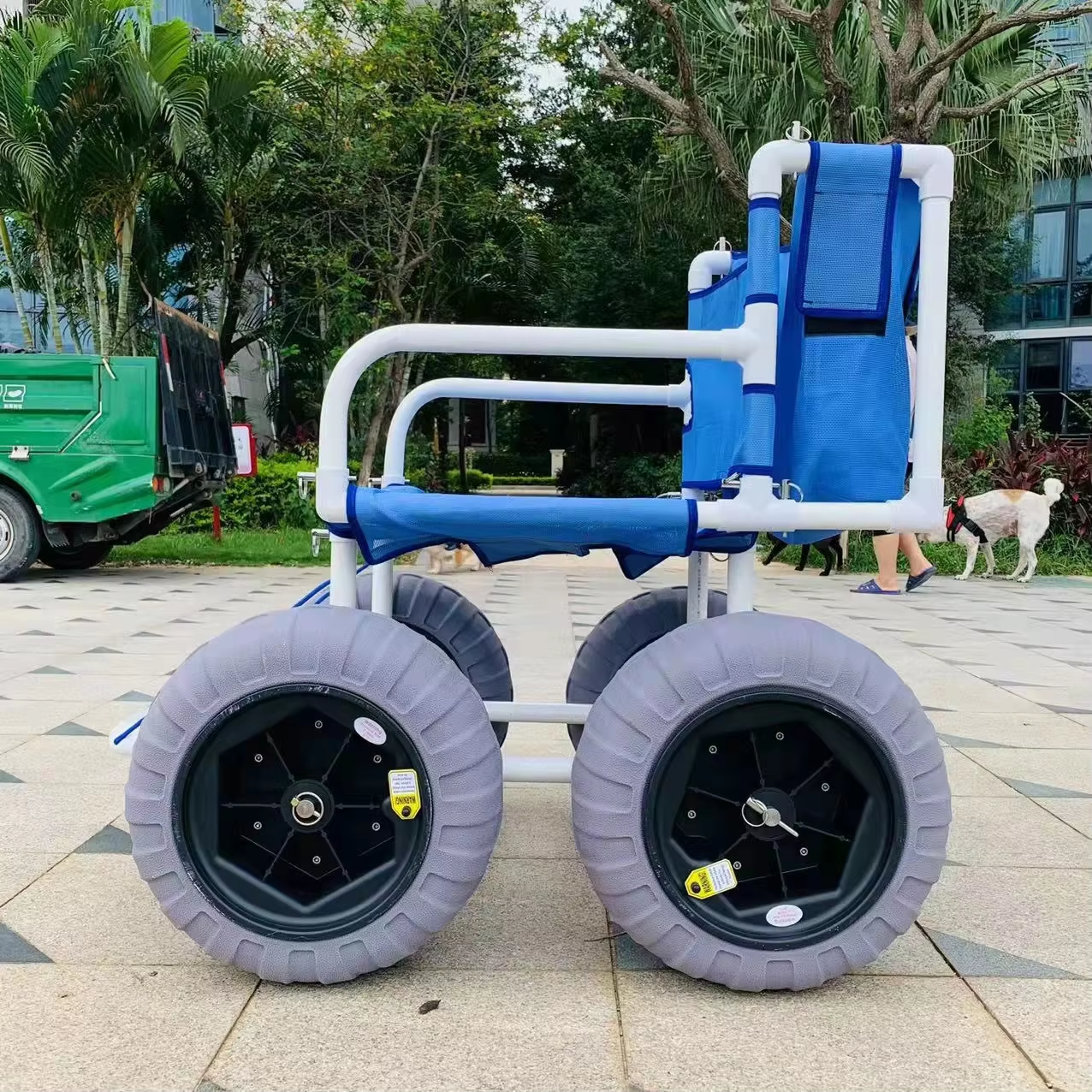
- Meanwhile, record who reaches the promenade but stops at loose sand or a water edge.
- Still, describe peak periods, quieter booking windows, and event demand.
- At the same time, separate observed need from assumptions about medical, clinical, or personal outcomes.
Also, specific need beats a broad promise. Buyer action: prepare a short needs register with source, date, place, and responsible reviewer for each entry. Use that register to decide whether one access point, a shared equipment pool, or a pilot service fits local capacity.
Because of that, for transport and handoff questions, the portable beach wheelchair travel guide can supply product context without replacing site consultation.
A defensible needs register
| Entry | Useful wording | Keep separate |
|---|---|---|
| Barrier | Visitor cannot cross a named surface | Clinical diagnosis |
| Demand | Requests occur during stated period | National demand estimate |
| Service | Council plans a booking or loan role | Unfunded promise |
| Review | Team will check use and faults | Guaranteed outcome |
4. Which beach access layers need a quote?
Meanwhile, quote the whole service chain: approach, stable beach path, chair or mat, water-edge handoff, storage, information, staffing, and maintenance. One product quotation can cover equipment while leaving a costly operational gap. A staged quote helps a council choose a modest start point and add capacity later if staff, permissions, and visitor demand support it. For example, verify this step during normal Australia beach operations.
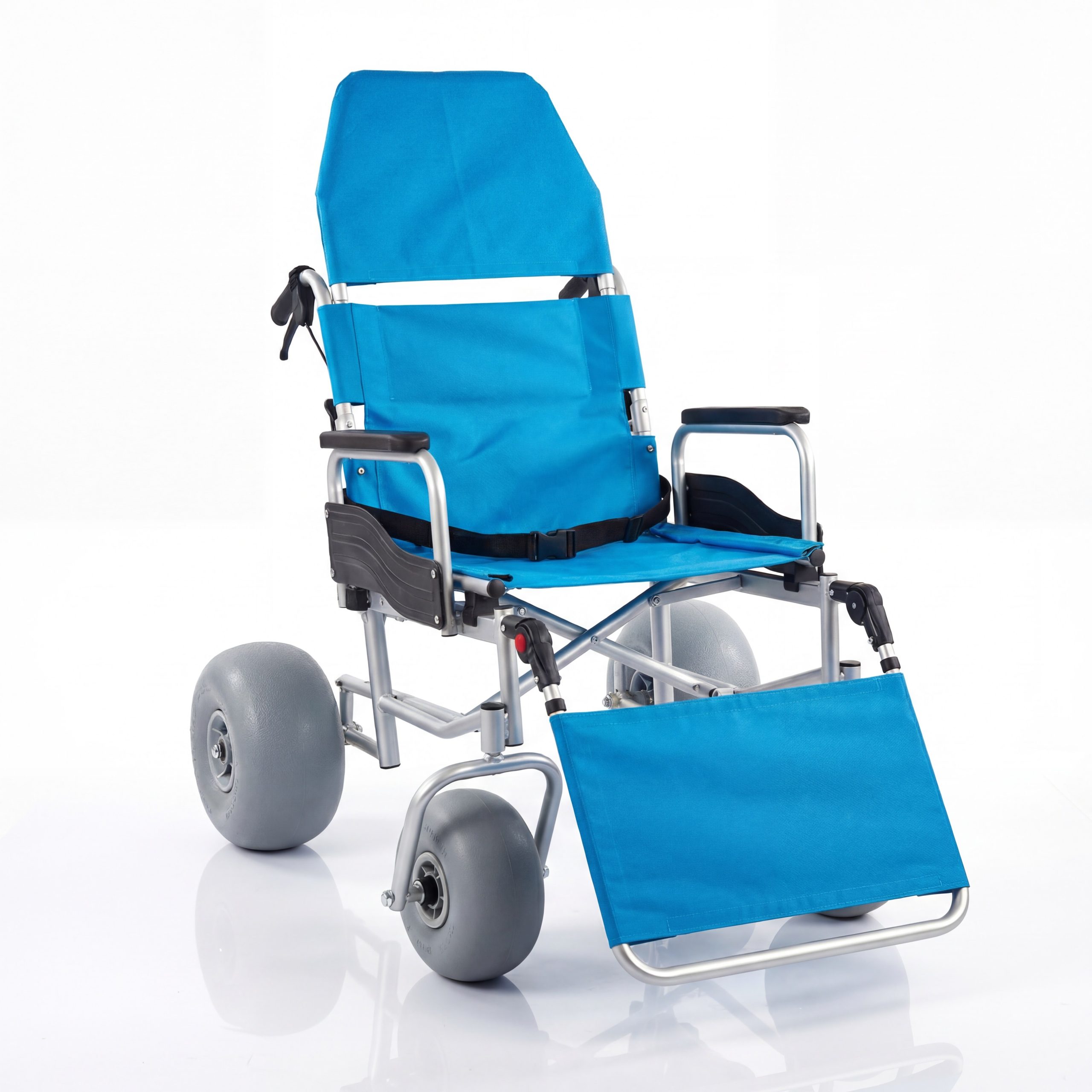
- In practice, ask for separate lines for matting, chairs, accessories, delivery, and documents.
- As a result, add site preparation, storage, cleaning, inspection, and repair assumptions.
- In fact, mark items that need state, territory, coastal, environmental, or land-manager review.
Meanwhile, a quote should reveal the gaps. Buyer action: ask each supplier to identify what its price excludes, then have operations price those exclusions. This lets a funding brief show a complete service without pretending a product invoice covers route work or staff time.
In fact, when a route needs a movable surface, review an accessible beach mat as one quoted layer and ask who will place, inspect, and store it.
Quote layers for review
| Layer | Quote prompt | Council question |
|---|---|---|
| Access | What mat or route element is proposed? | Who approves placement? |
| Equipment | What task does each chair support? | Who handles and checks it? |
| Service | What documents or training are supplied? | Who owns the routine? |
| Continuity | What care or storage is assumed? | Who funds repeat work? |
5. How should councils plan equipment deployment?
As a result, deploy equipment around a public timetable and named staff roles. A chair kept in an unlocked shed may not be available when visitors need it; a chair requiring help needs a safe handoff and a clear contact route. Councils can compare fixed beach points, booking loans, event deployment, or a shared pool. Choice depends on site, people, operating hours, and storage rather than colour or a catalogue label. However, keep product facts separate from Australia site promises.
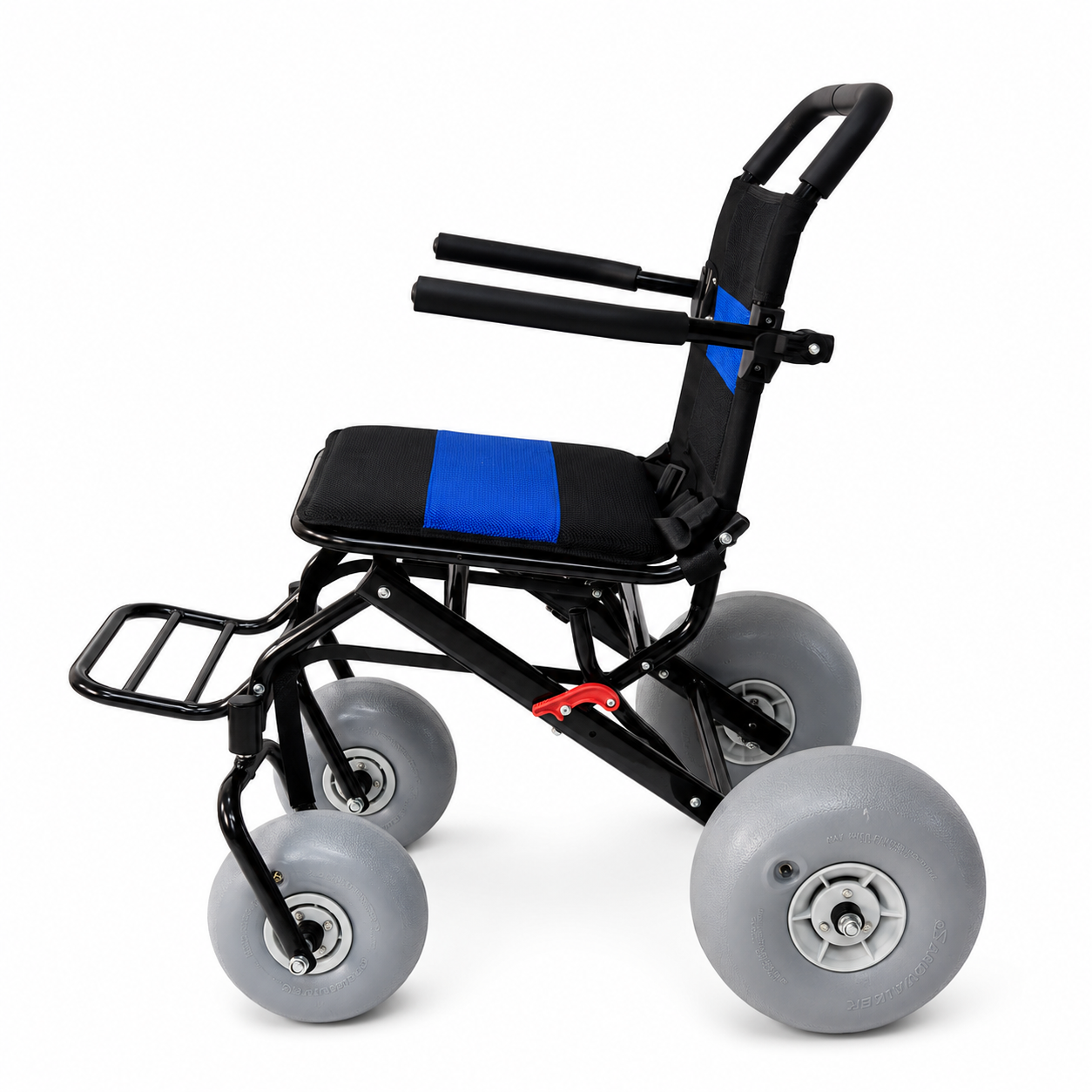
- However, choose booking, walk-up, event, or shared-pool rules before purchase.
- In fact, mark opening hours, weather pauses, handoff locations, and return points.
- Then, give staff a short description of what the equipment can and cannot support.
For example, availability is an operations decision. Buyer action: draw one visitor path from enquiry through return, then test it with a front-line worker. Record the point where a person waits, who responds, and what happens if weather or a damaged item stops use.
For that reason, for water-edge deployment, a new floating beach wheelchair can be considered alongside staff, storage, and local operating boundaries.
Deployment models
| Model | Useful when | Planning pressure |
|---|---|---|
| Fixed point | One beach has a stable service team | Daily access and storage |
| Booking loan | Demand varies by day | Contact and return control |
| Event pool | Several groups share equipment | Transport and scheduling |
| Shared sites | Council serves multiple beaches | Ownership and maintenance |
6. What belongs in maintenance and storage planning?
Then, treat maintenance and storage as part of the public service from day one. Sand, salt, sun, rain, handling, and seasonal closure can affect equipment care, but a buyer should use supplier instructions and local experience rather than inventing a life span. A storage plan should protect access items, support quick inspection, and tell staff what happens before the next booking. Meanwhile, give staff a written Australia service boundary they can repeat.
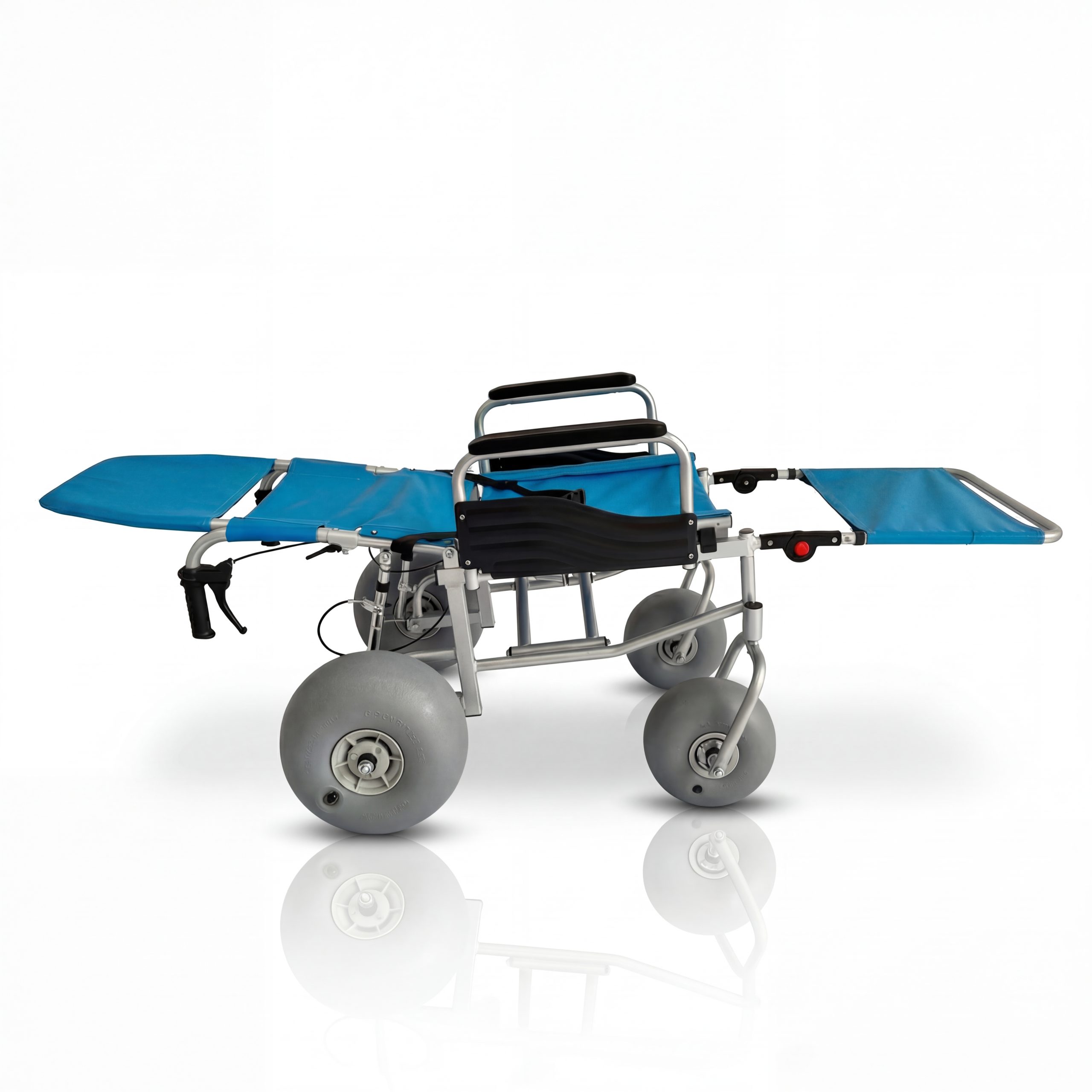
- For that reason, assign a dry, secure, reachable storage point.
- Even so, create opening, closing, cleaning, and fault-report steps.
- Still, record who can remove an item from service and who authorises return.
Still, storage is part of visitor access. Buyer action: include a seasonal close-down and re-opening rehearsal in a service pilot. Ask suppliers for care instructions, then adapt them only after a responsible local reviewer accepts the routine.
At the same time, keep the selected model’s user manual with a local care procedure rather than treating a manual as program approval.
Maintenance ownership
| Task | Suggested record | Decision owner |
|---|---|---|
| Opening check | Visible condition and fittings | Duty supervisor |
| Cleaning | Date and method used | Service team |
| Fault | Description and image | Equipment owner |
| Storage | Location and access control | Site manager |
7. How can nonprofits share a public service?
Even so, share a service through a written operating agreement that covers access, booking, equipment, staff, insurance review, storage, and public information. A nonprofit may supply volunteers or community insight while a council controls land, procurement, or public communications. A distributor may train a team without becoming the service operator. Clear roles prevent goodwill from becoming an unpriced obligation. As a result, every quotation can answer the same Australia decision.
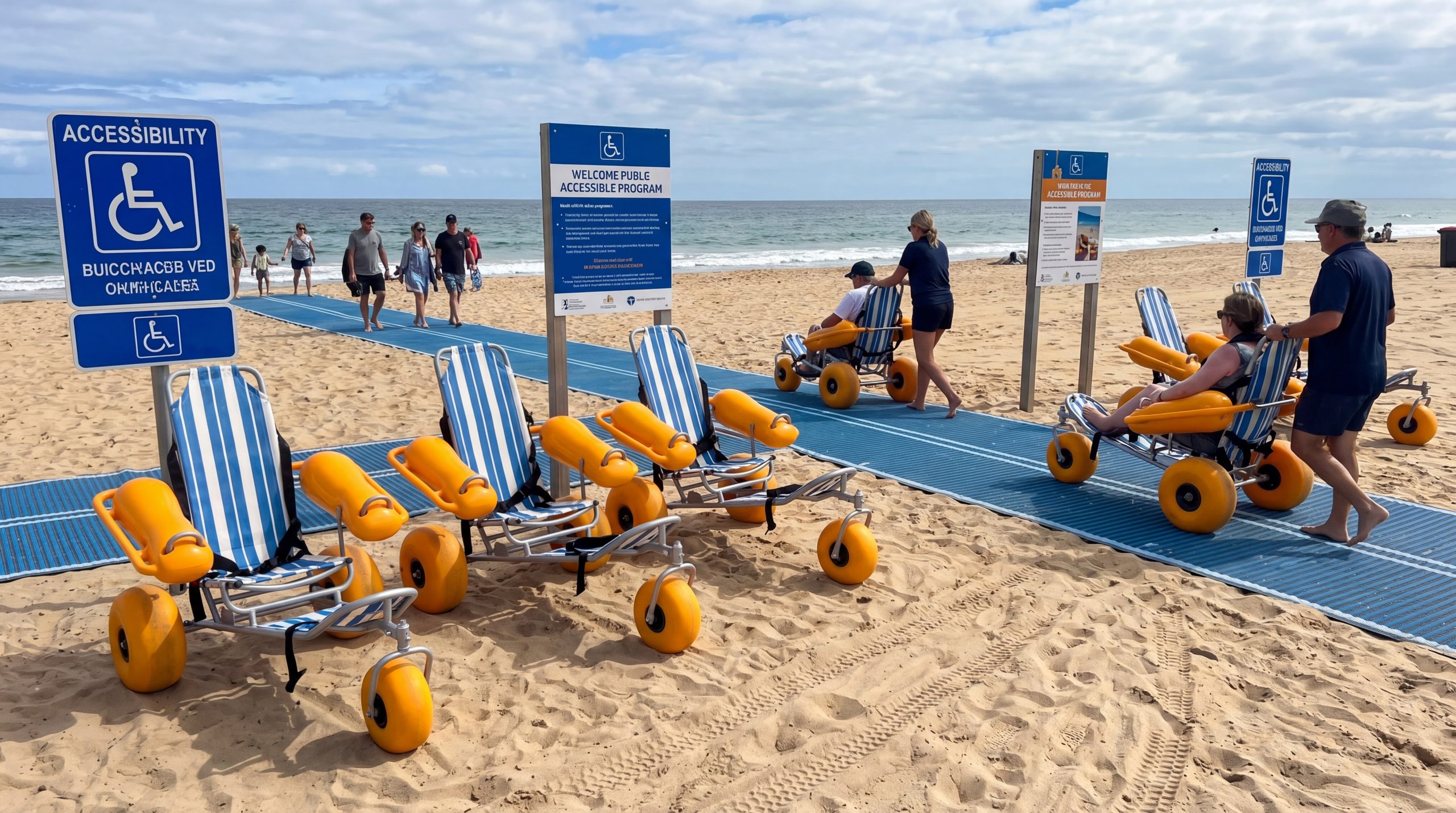
- At the same time, name who owns equipment, data, keys, booking, and incident records.
- Specifically, agree how volunteers receive task boundaries and escalation contacts.
- As a result, set a review date for demand, faults, complaints, and seasonal changes.
As a result, shared delivery needs one owner per task. Buyer action: turn a partnership discussion into a responsibility table signed by each organisation. Confirm local insurance, safeguarding, employment, and land requirements with qualified advisers rather than implying a product solves them.
Before purchase, an applications overview can help a partner compare product roles before responsibilities are assigned.
Partnership responsibility table
| Task | Council role | Nonprofit or supplier role |
|---|---|---|
| Site permission | Confirm land process | Supply site questions |
| Booking | Publish contact route | Support referrals if agreed |
| Equipment | Own or contract care | Train or advise within scope |
| Review | Lead public reporting | Provide observations |
8. What should a supplier quotation clarify?
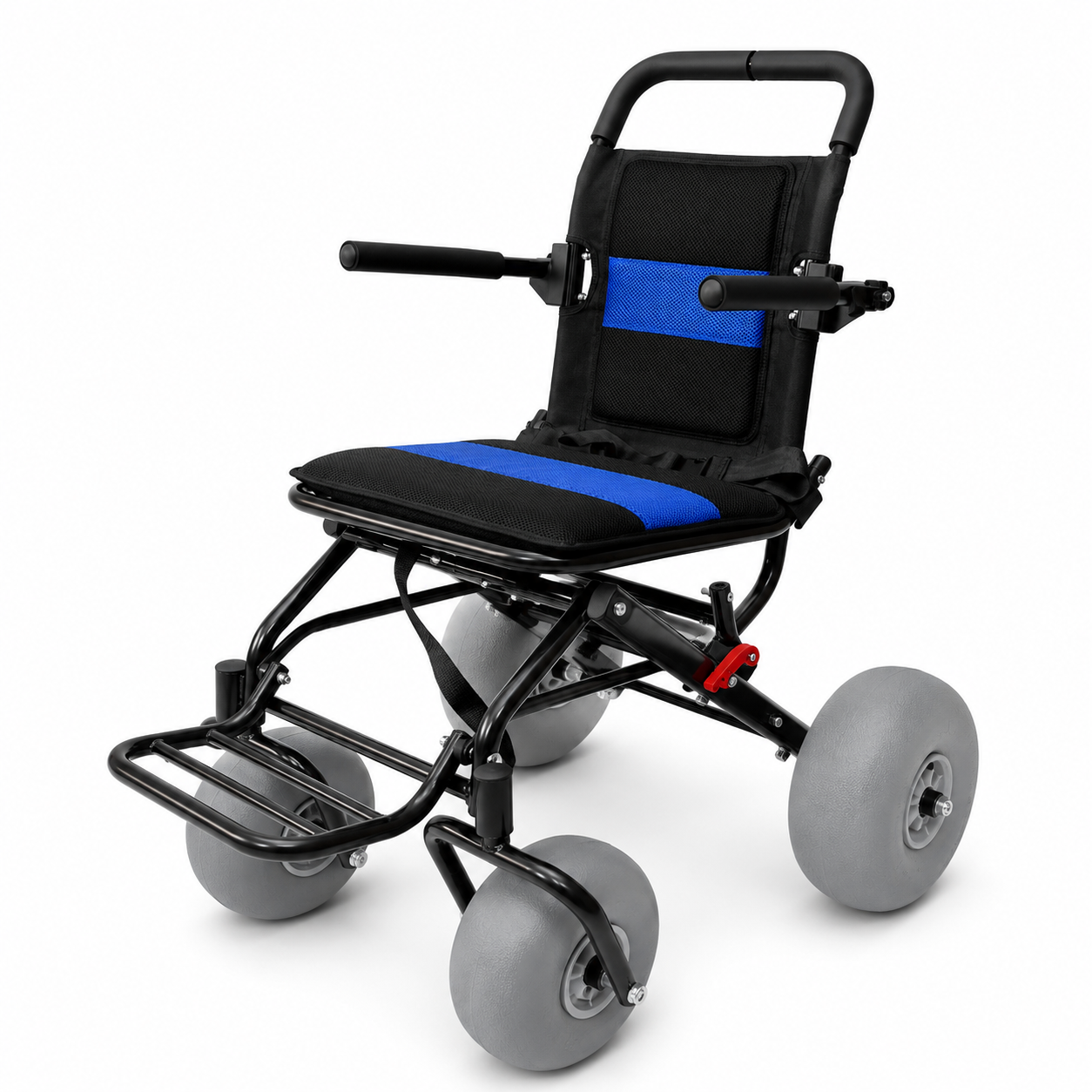
In practice, ask suppliers to describe a product’s intended use, handling, care, storage, and documents in plain language. A council should provide its own surface and service context, then ask a supplier to explain what remains unknown. Product photos show visible features only; they do not establish load, fit, performance, certification, funding status, or Australian approval. Before approval, attach a date and responsible Australia service owner.
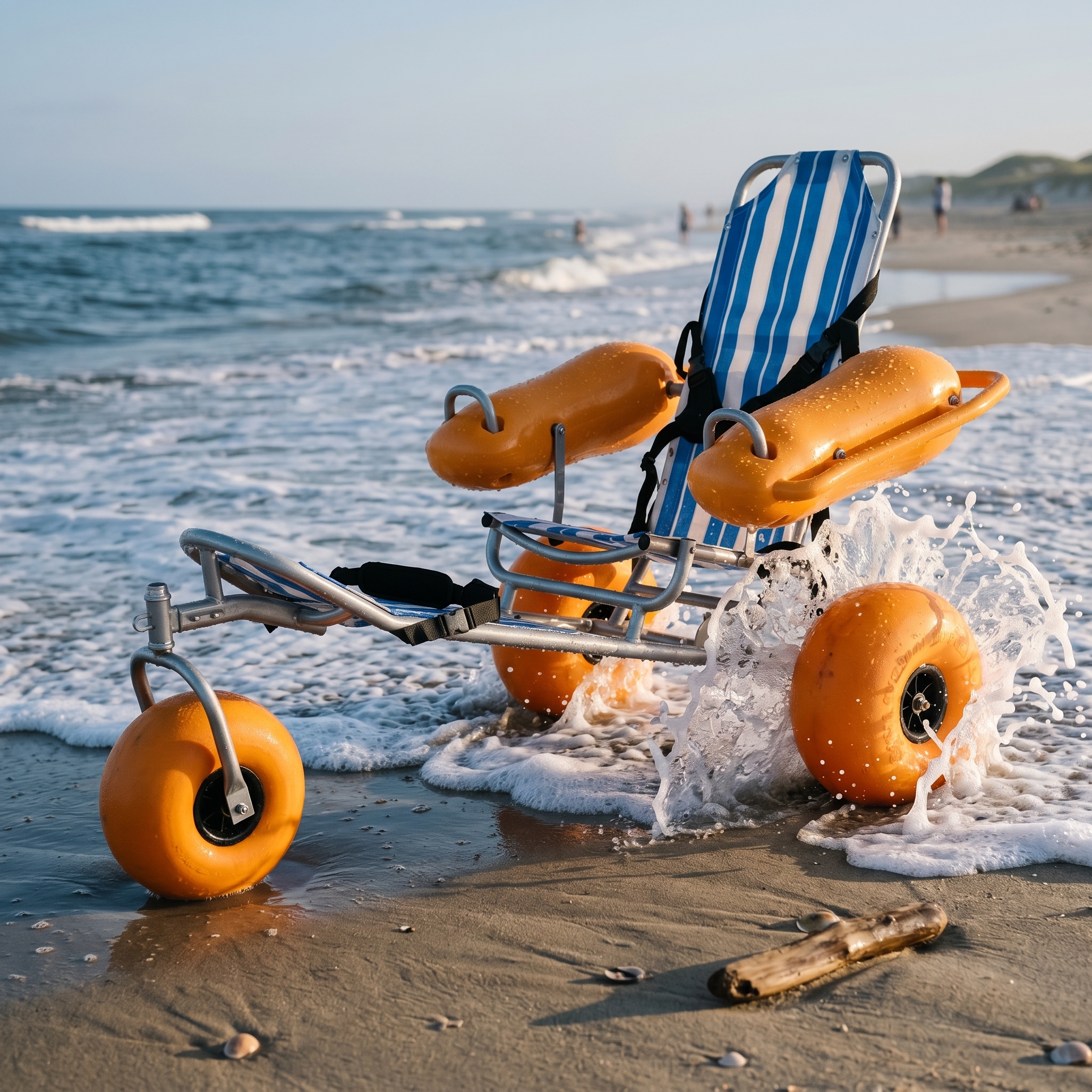
- At first, ask which tasks suit manual, all-terrain, or floating configurations.
- Then, request setup, inspection, cleaning, storage, and staff-handling information.
- Afterward, ask for exclusions, assumptions, replacement parts, and contact responsibilities.
At the same time, good questions travel better than broad claims. Buyer action: send one identical request to shortlisted suppliers and score answers against site notes. Keep legal, procurement, product, and program review as separate gates.
During review, for a water-use conversation, the floating beach wheelchair page can be one product reference, not a promise about every Australian shoreline.
Supplier clarification list
| Question | Why it matters | Output |
|---|---|---|
| Intended task | Connects model with service | Use-case note |
| Handling | Shows staff workload | Handoff procedure |
| Care | Sets local routine | Maintenance sheet |
| Exclusions | Prevents surprise gaps | Procurement record |
9. How should teams report outcomes without overclaiming?
At that point, report actions and observations that a service can document. A council can report equipment loans, operating days, returned faults, staff training, visitor feedback, and route changes without claiming universal access or a clinical result. Describe who collected information, over what period, and what remains under review. A small pilot can produce useful learning even if no grant follows. During review, leave unsupported Australia claims marked open.
- For example, track service availability, requests, cancellations, and reasons for closure.
- Also, record maintenance actions and unresolved access barriers.
- Instead, ask users what worked, what failed, and what information was missing.
Instead, a modest report can still be credible. Buyer action: agree measures before launch and label them as counts, observations, or feedback. Do not turn those measures into an approval, funding, compliance, or universal-access claim without authority evidence.
Pilot reporting fields
| Measure | Clear description | Caveat to retain |
|---|---|---|
| Loans | Completed equipment handoffs | Does not equal all demand |
| Open days | Days service operated | Weather and staffing affect it |
| Faults | Items taken out of use | Does not prove product defect |
| Feedback | Visitor or staff comments | Not a clinical study |
10. What should an Australian buyer do next?
On the other hand, hold a site and service workshop before selecting a grant path or product list. Invite council operations, access representatives, procurement, facilities, beach staff, and any nonprofit partner. Leave with a named beach brief, route and equipment layers, staffing plan, storage routine, quote questions, and a list of Commonwealth, state, territory, coastal, and local approvals still needing confirmation. Afterward, update Australia visitor information when conditions change.
- Afterward, confirm current Accessible Australia or other program status through the responsible authority.
- Later, state what a pilot can deliver during its operating window.
- Also, set a review date before any public funding or access promise.
For that reason, a well-scoped pilot gives decision-makers something real to review. Buyer action: send a concise brief with site evidence and quote questions to your internal owner. If you need a supplier discussion tied to local conditions, contact us with the route, service, and storage questions. A resource or photograph does not prove Australian approval.
Common buyer questions
Q1: Does Accessible Australia guarantee funding for a beach wheelchair? In practice, no. It provides a program framework and resource context. Verify current status, eligibility, amount, timing, and state or territory processes.
Q2: Should a council request a chair quote before describing need? For example, describe the site, users, operating role, and maintenance plan before any quote. A quote becomes useful when it answers that brief.
Q3: Can a floating chair serve every Australian beach? However, no. Water, sand, staffing, storage, weather, and local rules differ. Review each site and service boundary separately.
Q4: What should a nonprofit contribute to a shared service? Also, set out its exact role, such as consultation, referrals, volunteers, or observations, beside council ownership, booking, care, and reporting duties.
Q5: Do product photographs prove program approval? For that reason, no. They show visible equipment only. Keep product review, funding review, and local authority confirmation as separate decisions.