
In practice, warranty support works when written terms, chair identity, fault evidence, and one decision owner meet in a single case. Resorts, towns, distributors, and rental teams may need a chair review after use. A sample buyer can use this process to separate a product question from a care question, then request a business decision in writing. A beach wheelchair warranty review should focus on records and safe release, not legal rights or an invented deadline.
What does a beach wheelchair warranty need to explain?
In practice, a useful warranty record says which product, parts, conditions, and supplier decisions the terms cover. Read it as a set of limits, not a promise for every case. Keep the quote, order confirmation, and warranty text together.
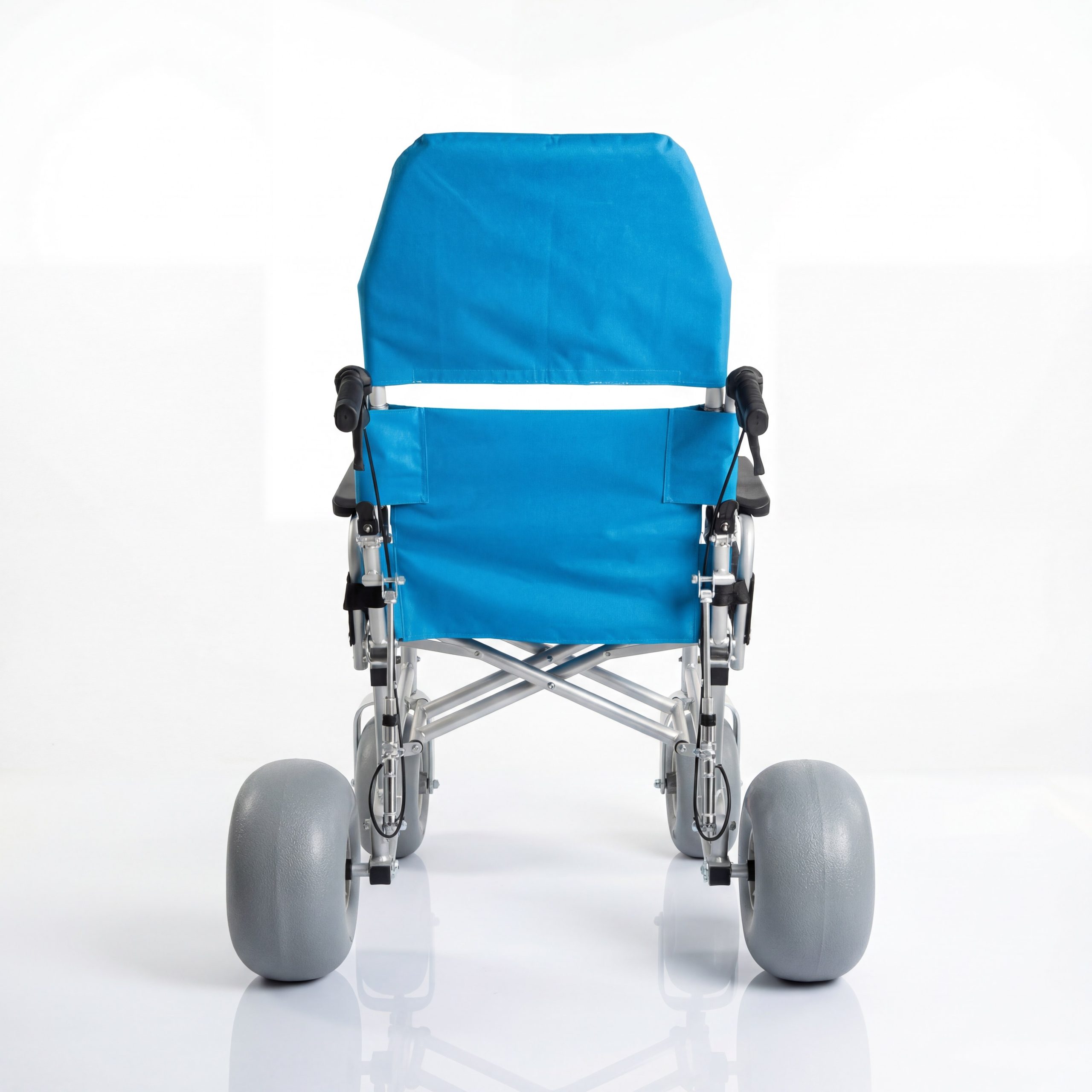
Start with the written boundary. Before anyone labels a problem as covered, locate these points:
- the exact model or order identity;
- parts or assemblies named in commercial terms;
- operating and care conditions stated by the supplier;
- the evidence required for review;
- the person allowed to approve a remedy or hold.
Do not fill a blank with an assumption. If terms do not state a duration, exclusion, remedy, or response expectation, mark that item as open and ask the supplier to clarify it. A photograph or sales phrase cannot prove coverage without a written reference.
Map written coverage boundaries
Use a short reading sheet before opening a case.
| Warranty question | Record to retain | Safe buyer action |
|---|---|---|
| Which item does the term cover? | Model, order, serial or internal asset identity when available | Match the record before discussing remedy |
| What condition does the supplier state? | Care, use, storage, or inspection wording | Ask about any missing boundary |
| What evidence does review need? | Photos, description, records, and reply format | Collect only evidence relevant to the reported fault |
| Who decides the commercial response? | Named supplier contact and buyer owner | Route the case through those people |
Action: copy unresolved wording into a questions list, then request a written answer before staff promise a result.
Key takeaway: written terms define questions, not assumptions.
How should a team open a support case?
Next, a support case needs a short fault statement, an identified chair, and a temporary status. A long email full of guesses slows review. Start with what staff saw, when it appeared, and what the chair does now. Keep guesses in a separate field so a theory does not become a fact.
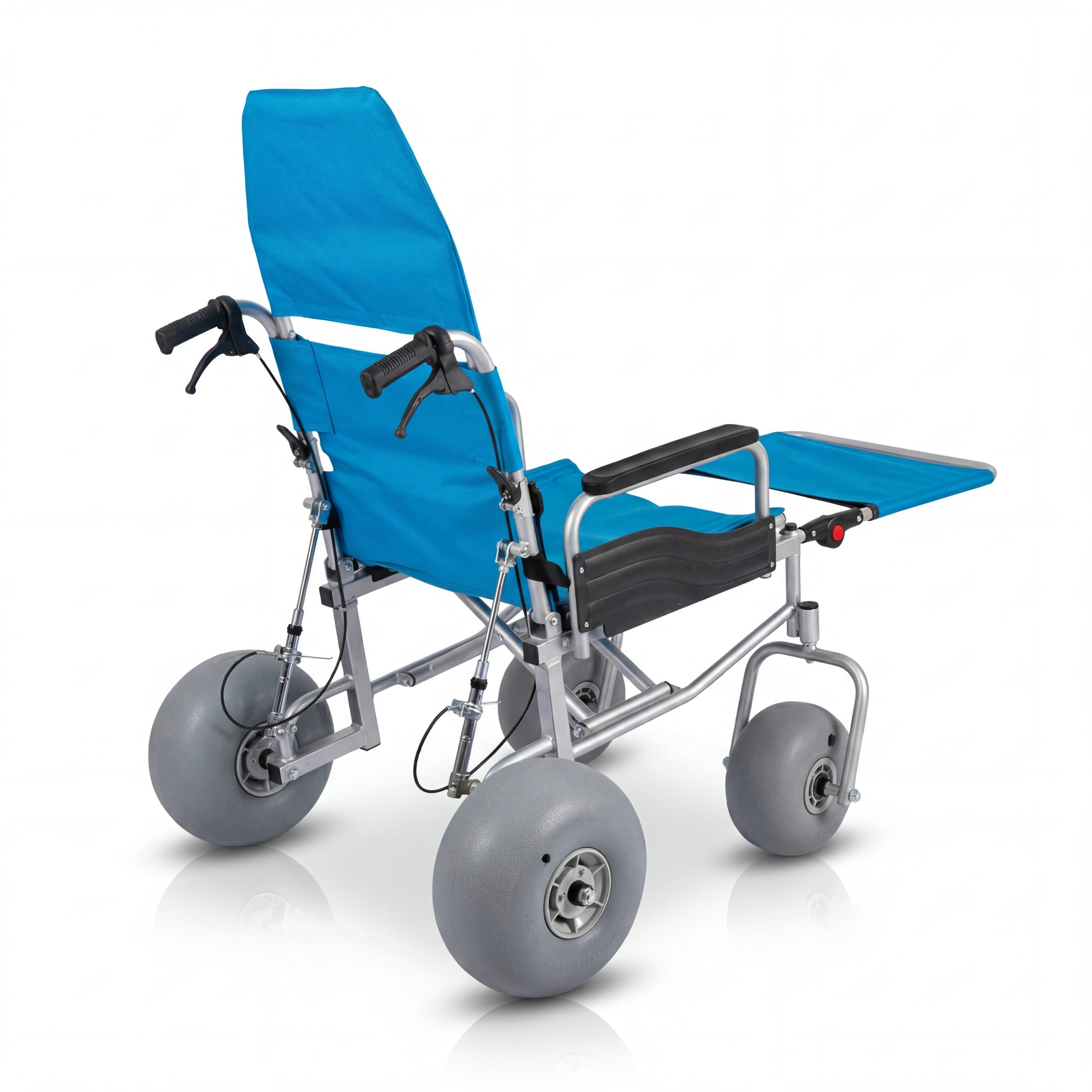
A workable case begins with a clean handoff. Include the following in one case file:
- case number and date opened;
- chair identity and current location;
- plain description of the symptom;
- last known normal condition, if staff actually know it;
- photos or short records that show the reported area;
- interim status: available, held, or awaiting qualified review.
In a hypothetical resort example, staff might report a changed wheel feel during a routine check. They should hold the chair under local procedures and record that observation, not diagnose a hidden defect.
Build the initial case record
A consistent case answers the same basic questions without inventing a failure rate.
| Case field | Good entry | Weak entry |
|---|---|---|
| Symptom | “Wheel does not roll freely during staff check” | “Wheel is bad” |
| Timing | “Observed during check on recorded date” | “Recently” |
| Status | “Held pending review” | “Probably unsafe” |
| Evidence | Area photograph plus check note | Unrelated product photograph |
Action: create one shared case template and require an operations owner to review it before sending.
Key takeaway: a neutral initial report keeps review moving.
Which chair details should the report identify?
Before a parts request, name a chair with business and local records, not its color or a broad name. Similar chairs can have different parts or instructions. Good identity keeps a request on the right product.
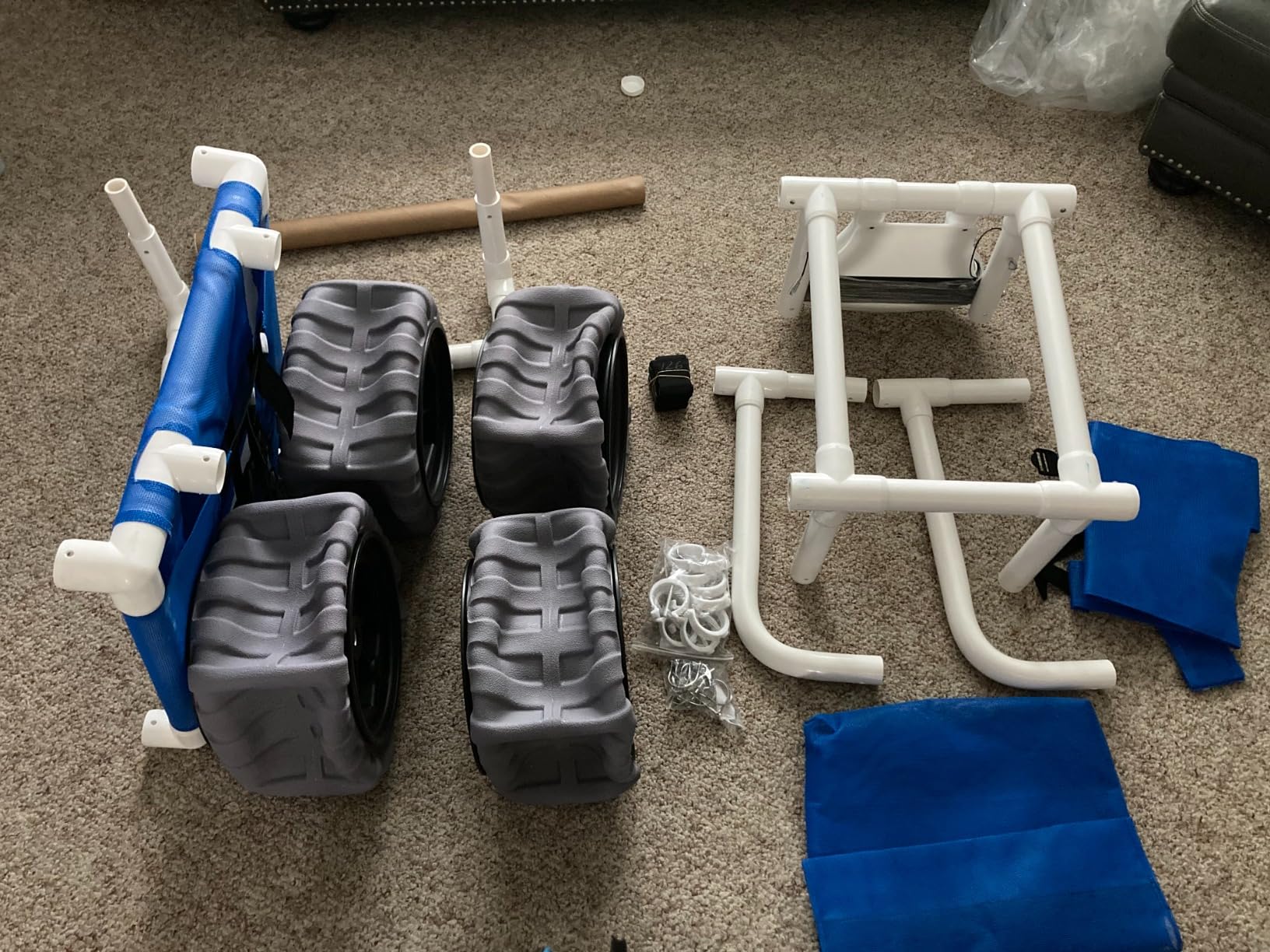
Identity comes before diagnosis. Capture only information that the team can read or verify:
- model name or order description;
- asset label or internal chair number;
- purchase or delivery record, when available;
- visible assembly involved in the report;
- relevant option or configuration noted in the order;
- current site and custodian.
A parts photograph may show an interface, yet it cannot establish compatibility. If an order record is missing, mark that gap and ask the supplier to confirm identity. Avoid inserting an unverified serial number, test result, or model code. For a mixed fleet, an all-terrain beach wheelchair label still needs a model or order reference. A lightweight beach wheelchair label needs the same discipline.
Separate identity from symptoms
Keep chair identity in an asset record and changing observations in a case record.
| Identity item | Why it matters | If missing |
|---|---|---|
| Model or order description | Connects case with written terms | Ask supplier to confirm model |
| Asset or chair number | Prevents mix-ups in shared fleets | Assign a local temporary reference |
| Component location | Narrows review without naming a fault | Photograph location and describe it |
| Custodian and site | Shows who can hold or release chair | Name an interim owner |
Action: label the reported chair and its evidence folder with one reference before requesting parts or remedy.
Key takeaway: stable identity prevents a support case from changing chairs.
What evidence helps separate fault from care issue?
Good evidence shows a change and its setting. It does not decide coverage. Care notes may show cleaning, storage, checks, or a handoff. A fault note may show changed movement, fit, or visible condition. A reviewer must assess the cause.
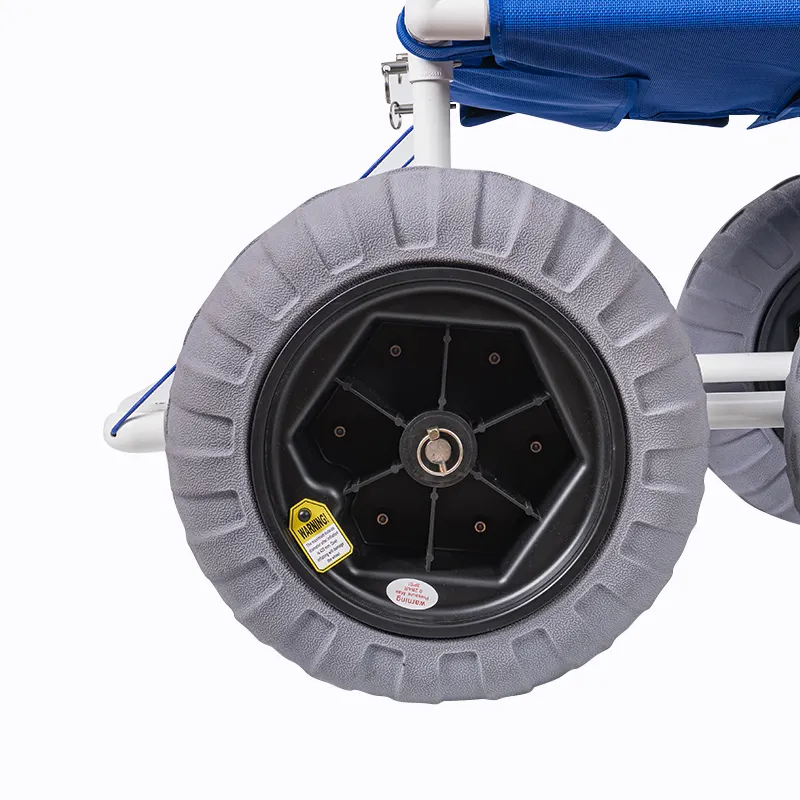
Evidence should answer, “What changed?” Gather a modest set of records:
- dated photographs of the relevant area;
- the observation in staff words;
- care or cleaning entry connected with the chair;
- recent handoff or storage note, if one exists;
- any earlier case number involving the same area;
- a hold or release decision from the responsible reviewer.
The WHO wheelchair provision guidelines support assessment, fitting, training, and follow-up by trained personnel. That service principle does not turn WHO guidance into a warranty standard. Route personal fit or safety questions to an appropriately trained reviewer, not a photograph. Keep the beach wheelchair user manual with a case only when it matches the identified model.
Keep evidence neutral
Neutral wording helps a supplier distinguish a product question from care or fit context.
| Evidence type | What it can show | What it cannot prove alone |
|---|---|---|
| Photograph | Visible condition at a stated time | Hidden cause or coverage |
| Care record | Recorded cleaning or storage action | That care was complete or correct |
| Staff observation | What happened during a check | A technical diagnosis |
| Qualified review | Fit or safety judgment within reviewer role | A commercial remedy unless authorized |
Action: write observations before theories, then leave cause or coverage open until the named reviewer responds.
Key takeaway: neutral evidence protects a fair review.
How should staff document safe release?
At release, staff should act only when a named reviewer records that release conditions are met. If a symptom could affect movement, seating, or support, keep the chair on hold under local rules.
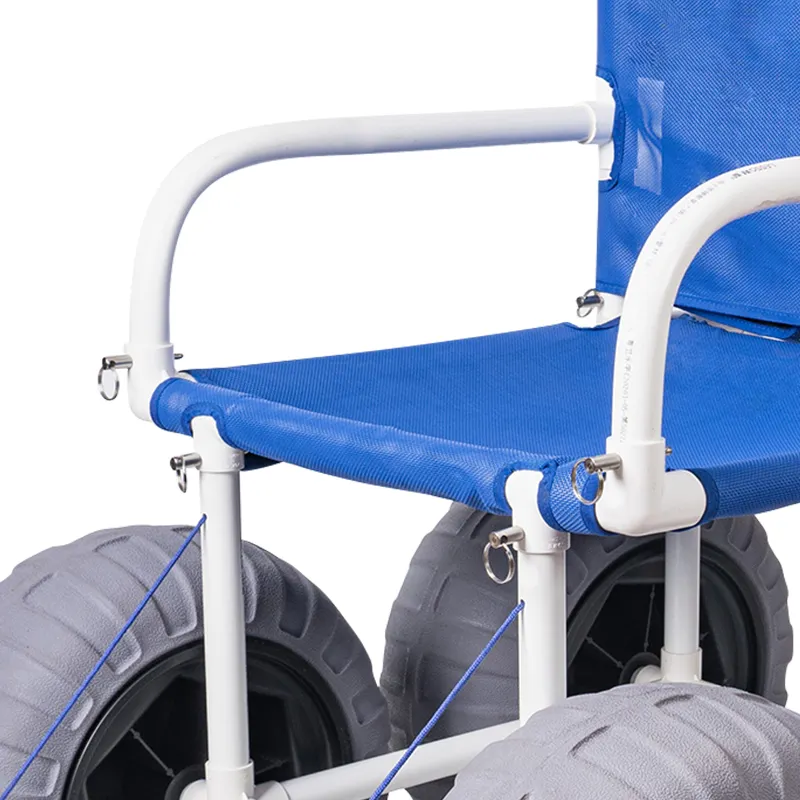
A commercial case and a release decision are different records. A release note can state:
- which chair was reviewed;
- who performed the review and within what role;
- what was observed at review time;
- whether local operating instructions were followed;
- whether chair status changed to available, restricted, or held;
- what follow-up remains open.
Do not write “safe for every user” after a narrow review. Do not give transfer, water-use, repair, or lifting instructions without exact model instructions and trained oversight. Pause a handoff when personal fit remains uncertain. The floating beach wheelchair page is a product reference, not proof that a reported chair was approved for water use.
Release by named authority
A named release owner prevents pressure from overriding a safety hold.
| Release record | Minimum useful detail | Decision boundary |
|---|---|---|
| Chair identity | Same reference as support case | No cross-chair release |
| Reviewer | Name, role, and review date | No anonymous approval |
| Review scope | Observed condition and instructions used | No wider claim than scope |
| Status | Available, restricted, or held | Follow local operating procedure |
Action: place a visible status marker on held equipment and remove it only after the named release owner signs the record.
Key takeaway: release follows named authority, not commercial pressure.
Who should decide a commercial coverage response?
Meanwhile, the supplier or contract owner should decide business coverage. The operator controls local use and hold status. A service tech can report a finding without approving a business result.
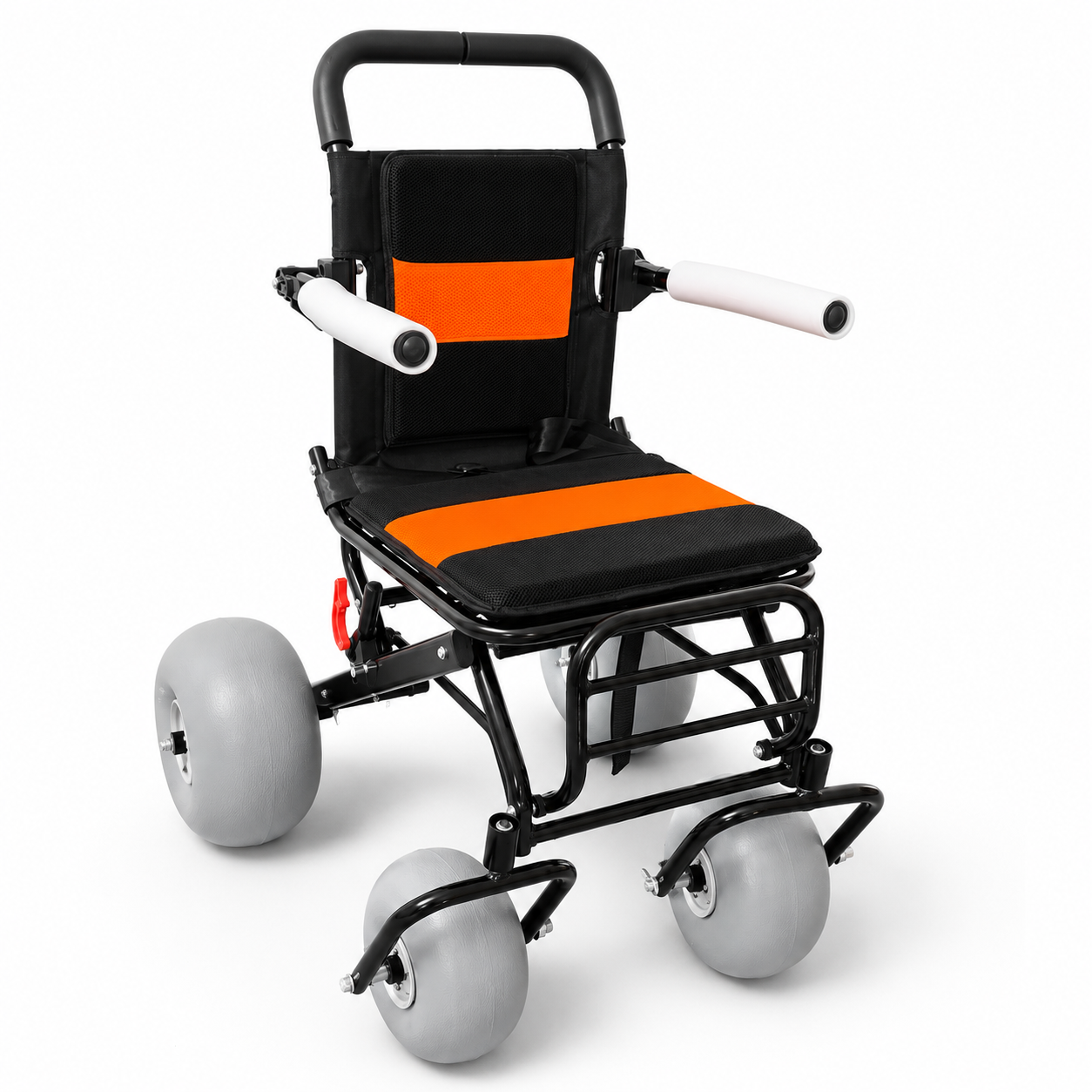
Name the decision path before a dispute grows. Clarify these roles:
- operator case owner;
- local safety or accessibility reviewer;
- supplier service contact;
- purchasing or contract owner;
- person authorized to accept a commercial outcome.
An operator can ask for a written decision that cites the relevant term and evidence. It should not tell a supplier which remedy must be approved. If terms are silent, request clarification rather than relying on a sales phrase. The beach walker page can help keep walker discussions separate from a wheelchair case.
Record roles and decision scope
Role clarity reduces circular emails and stops an operational hold being treated as claim acceptance.
| Role | Owns | Does not automatically own |
|---|---|---|
| Operator | Local status and evidence | Supplier coverage decision |
| Qualified reviewer | Fit or safety review within role | Commercial approval |
| Supplier contact | Technical or commercial response within authority | Local release without buyer confirmation |
| Contract owner | Order and written-term interpretation | A technical diagnosis without evidence |
Action: add named owners to every case before asking for a coverage decision.
Key takeaway: roles keep commercial and operational decisions separate.
What should a supplier response include?
In response, a useful supplier reply links its decision to the named chair, reported symptom, evidence, and written terms. It should say what remains unclear and what the operator must do next. For a larger team file, a projects page can be background reading, not evidence for this case.
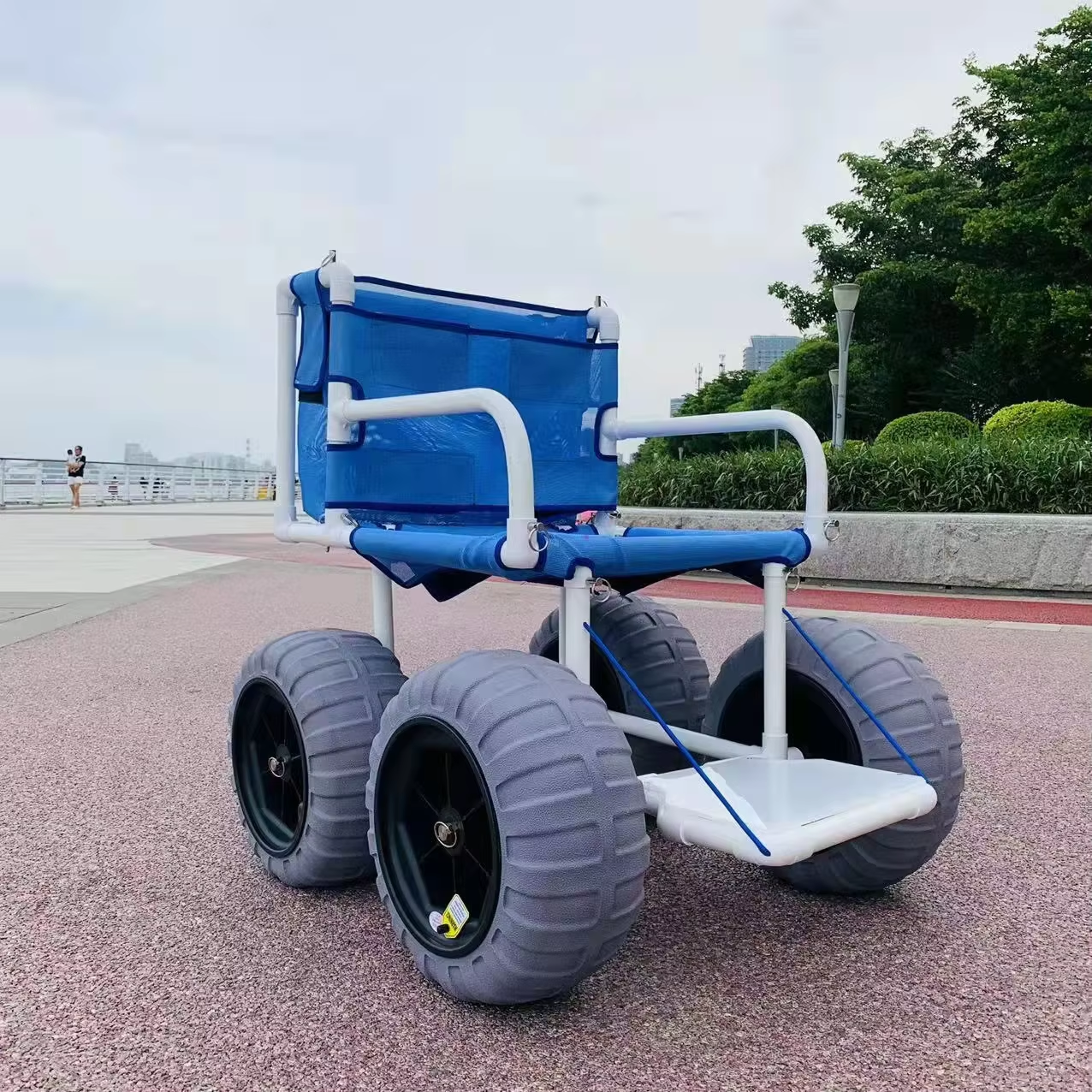
Ask for a response that can be filed. Request these practical elements:
- case reference and product identity;
- finding or limitation of review;
- cited commercial term, if coverage is discussed;
- approved next step and responsible party;
- part identity only when compatibility is confirmed;
- conditions for return, hold, or release;
- open questions and expected communication owner.
Do not demand an invented deadline. If a supplier gives a timing expectation, record it as a supplier statement. A response that names missing evidence is still useful.
Ask for a filed response
A filed reply should show status without a long message chain.
| Response element | Buyer should check | Closeout result |
|---|---|---|
| Product match | Correct chair or assembly | Identity confirmed or open |
| Finding | Observation separated from cause | Review recorded |
| Commercial position | Term or limitation named | Coverage open or decided |
| Next step | Owner and action stated | Case moves to follow-up |
Action: reply with a short confirmation of understanding and list any unresolved point instead of paraphrasing the whole case.
Key takeaway: a filed response should show status and next ownership.
How can operators prevent repeat support confusion?
Over time, operators cut repeat confusion by linking each case with asset, care, handoff, and release records. The goal is to see patterns without turning guesses into stats.
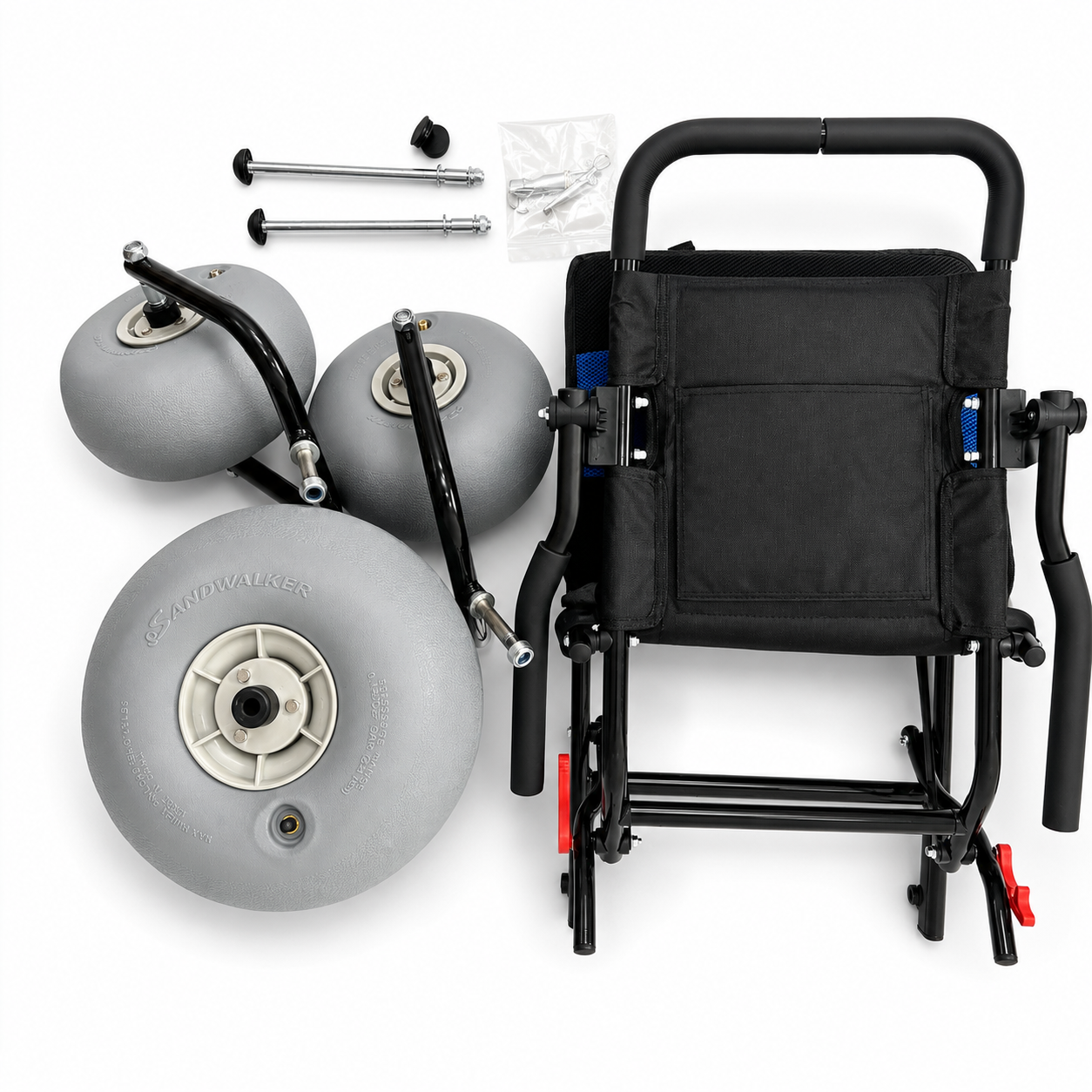
A small record system beats a perfect spreadsheet. Keep these controls simple:
- one asset identity per chair;
- one case number per reported issue;
- one current status visible to operations;
- one folder for evidence and supplier replies;
- one closeout note that states what changed;
- one owner for any open follow-up.
Use the applications page as a general route for discussing operational fit, not as proof that a chair suits every application. Record care-routine changes with their reason.
Preserve the support timeline
A timeline shows whether a symptom appeared before or after a handoff, care entry, or response.
| Timeline point | Record | Why it helps |
|---|---|---|
| Before use | Last available condition | Establishes a reference |
| During operation | Observation and chair status | Shows when issue surfaced |
| During review | Reviewer and scope | Separates finding from theory |
| After response | Action and remaining owner | Prevents silent reopenings |
Action: audit one closed case each month for identity, evidence, decision, and release fields, then fix the template where staff hesitated.
Key takeaway: a short timeline is more useful than a polished gap.
What should happen when a claim remains open?
If a claim stays open, give it a visible status, current owner, and next task. Do not invent a deadline. “Open” does not mean “covered.” “Waiting for a supplier” does not mean “safe to use.” Keep chair status apart from business status.
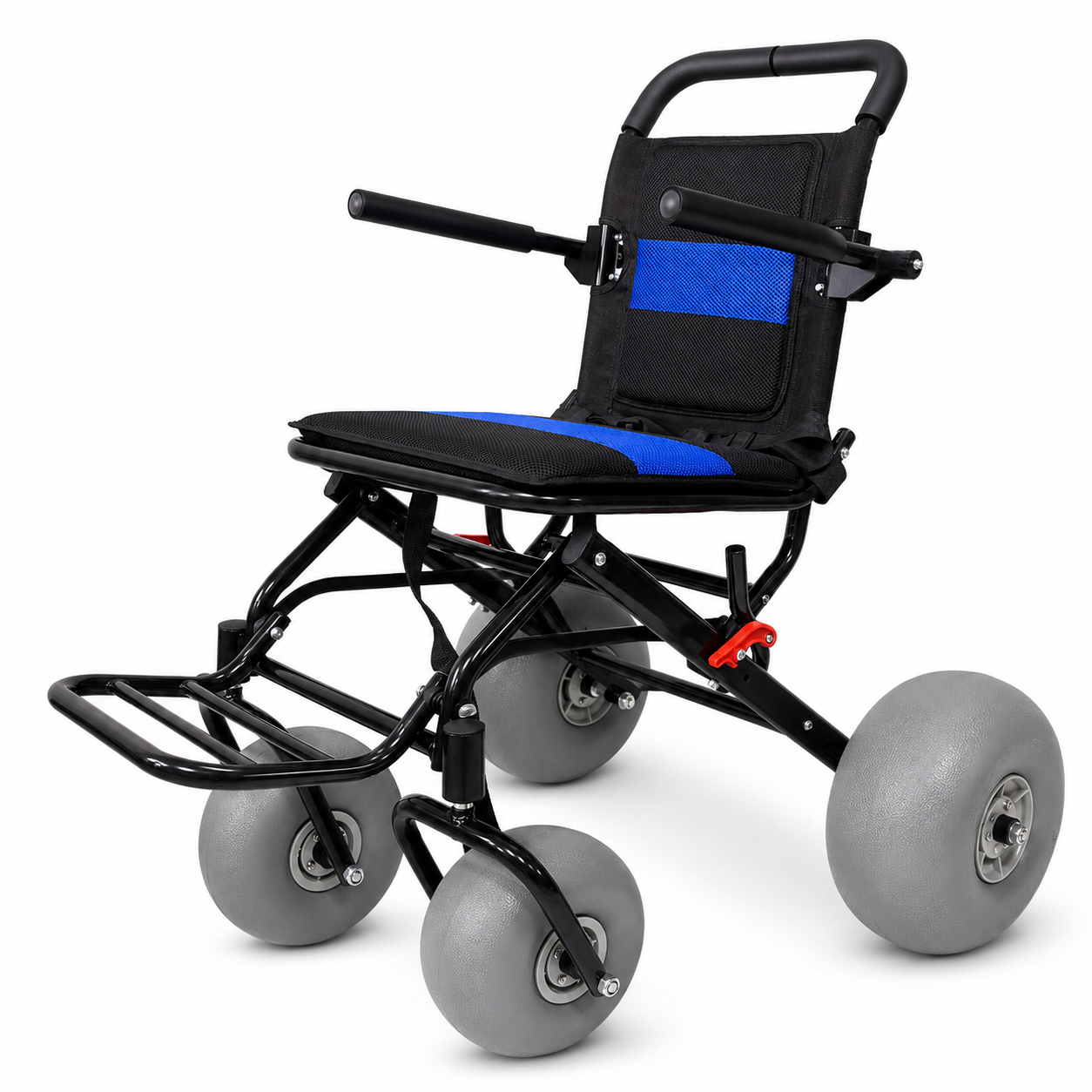
Keep two tracks moving. The case owner can monitor:
- equipment status and storage location;
- evidence still needed;
- supplier question awaiting response;
- temporary service workaround, if locally approved;
- commercial decision still open;
- person responsible for the next update.
If a chair is needed for scheduled service, do not quietly return held equipment. Ask an authorized operations owner for a documented decision. Retain supplier response and release record together; mark technical review unresolved when evidence remains incomplete.
Keep open claims visible
Good closeout language states what is known, decided, and still outside the case.
| Status | Meaning | Next record |
|---|---|---|
| Awaiting evidence | Review cannot proceed with current file | Name missing evidence owner |
| Supplier review open | Case sent and response pending | Retain sent message and reference |
| Commercial decision recorded | Coverage position has been stated | File decision with written term |
| Equipment hold open | Local release not completed | Keep status visible to operations |
Action: review every open case in an operations meeting and assign one concrete next step without promising an outcome.
Key takeaway: close communication while keeping uncertainty visible.
How can a buyer turn warranty terms into a service routine?
From there, a buyer can turn warranty terms into a routine. Link case intake, evidence, review, reply, and release records. Different contracts can fit this path.
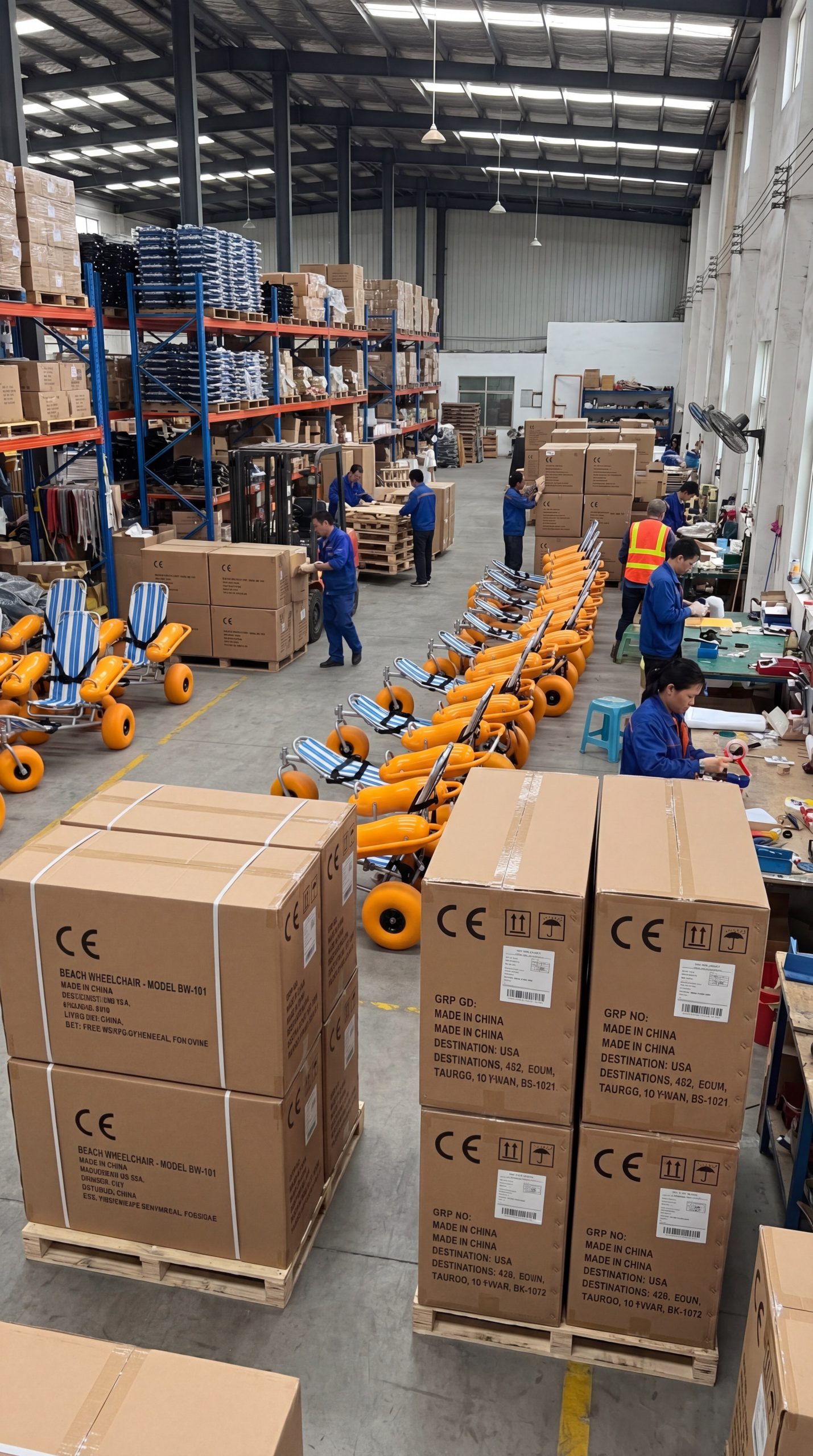
Use the routine at the next handoff. Keep a practical sequence:
- read actual terms before service begins;
- identify each chair and its custodian;
- open a neutral case when a symptom appears;
- hold equipment when local procedure requires it;
- route fit or safety questions to qualified personnel;
- request a written supplier position;
- record release and unresolved follow-up separately.
This approach suits a distributor, hospitality operator, municipal team, or service partner that needs clean accountability. For a route, application, or product question, teams can contact us with model identity and written issue; they should not assume coverage before review.
Action: make this sequence part of staff onboarding, then test it with a clearly labeled hypothetical case before a live support issue appears.
Key takeaway: a warranty routine is a record-and-release process, not a universal promise.
Common buyer questions
Q1 Is every beach wheelchair covered by the same warranty terms? No. Coverage depends on the actual supplier terms, order, model, and agreed conditions.
Q2 Does a photograph prove that a warranty claim is valid? No. A photograph shows visible condition, while cause and commercial coverage need review against written terms.
Q3 Should staff keep using a chair while a claim is open? Only a responsible local reviewer should decide status under applicable operating procedures. An open commercial case is not a release approval.
Q4 Who decides whether a supplier covers a reported fault? The supplier or contract owner decides commercial coverage within its authority. The operator still controls local evidence and equipment status.
Q5 What should a buyer send with a support request? Send chair identity, neutral symptom description, dated relevant evidence, current status, and a named contact. Add care or handoff records when they help explain context.