
For a beach wheelchair sample, approve one unit for bulk production only after identity, scope, fit review, open items, and sign-off are clear. A product photo or friendly message cannot carry that decision. This guide covers one sample-to-bulk gate, not a supplier comparison.
Imagine an operator reviewing one chair before ordering a larger group. That is a general buying scenario, not a claimed customer case. The reviewer records what they saw, which claims remain open, and what must close before bulk ordering.
1. What does a beach wheelchair sample approval cover?
Sample approval covers one defined sample, a written scope, and a decision on whether the same identity can move toward bulk ordering.
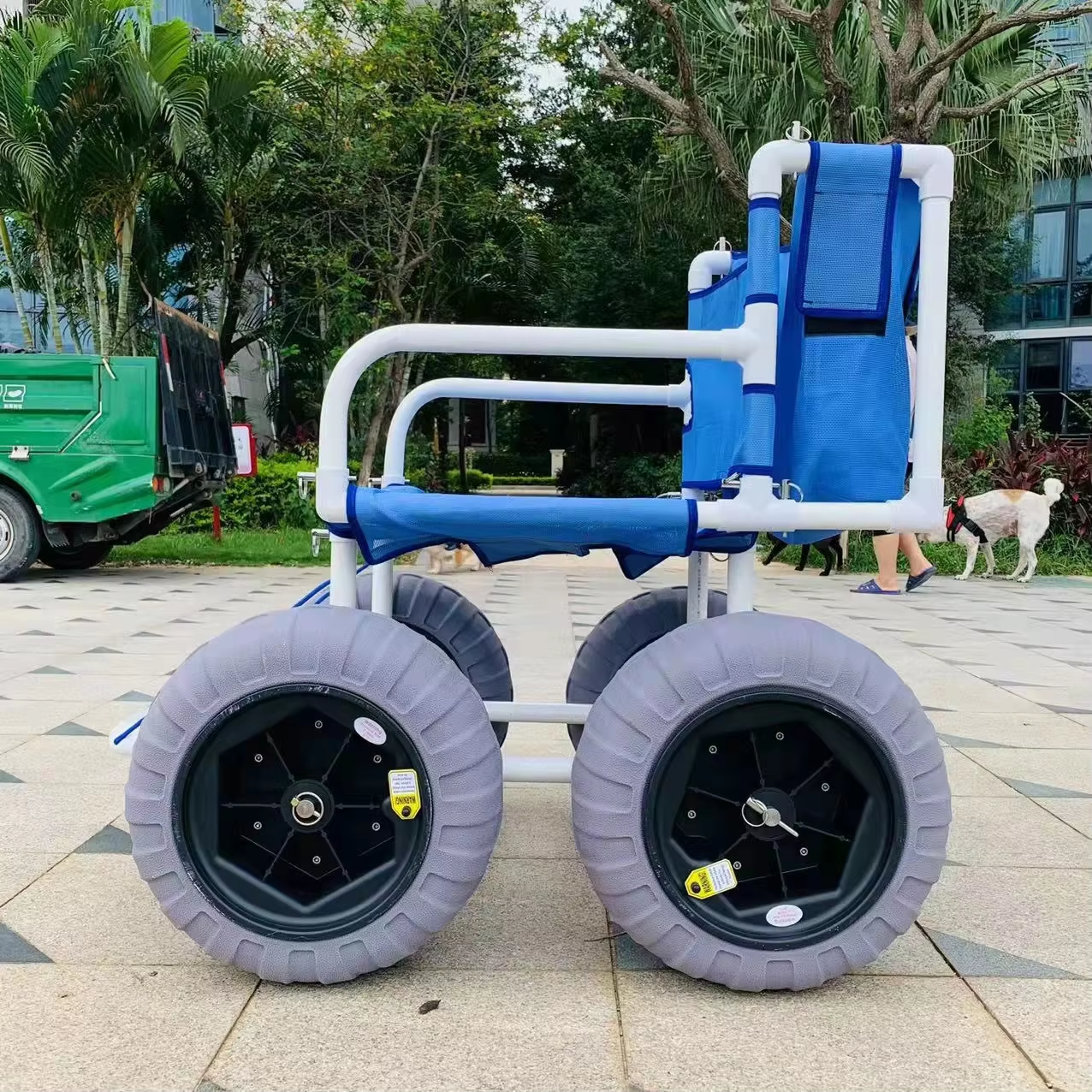
Set the gate before the review
State the sample’s purpose: confirm visible parts, review fit with qualified personnel, compare agreed parts, or close buyer questions. The beach wheelchair category gives product context, but it does not define your sample’s scope. Keep the review narrow enough for a buyer to sign.
A sample gate needs a boundary. It should answer one buying decision, not every question about a supplier.
- Name the sample and intended bulk relationship.
- State which features or documents the review covers.
- Record what remains outside this gate.
Separate approval from general comparison
General supplier comparison can include price, service, or commercial terms. Sample approval asks whether this sample matches the brief and whether open issues block bulk release. Do not turn one sample into a universal product promise.
| Gate | Record | Hold |
|---|---|---|
| Sample | Model, visible parts, date | Identity unclear |
| Scope | Questions and owners | Scope keeps changing |
| Findings | Notes and open items | Proof missing |
| Decision | Approve, hold, reject | No buyer sign-off |
Key takeaway: Define the sample gate before anyone treats it as a bulk decision.
2. Which sample identity must be frozen?
Freeze model identity, visible parts, labels, and review date before judging whether a sample represents the bulk order.
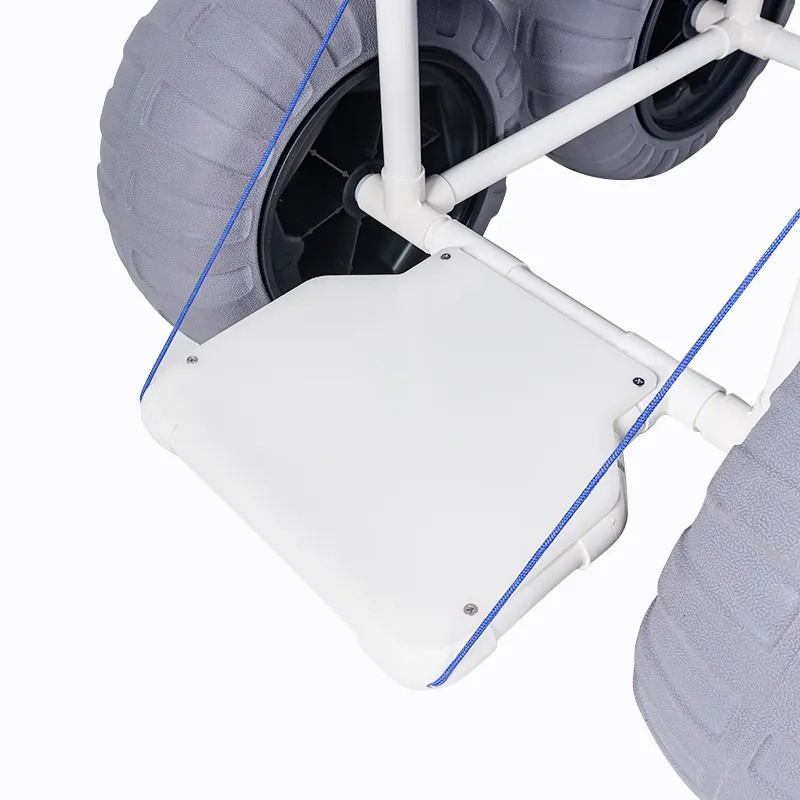
Record what arrived
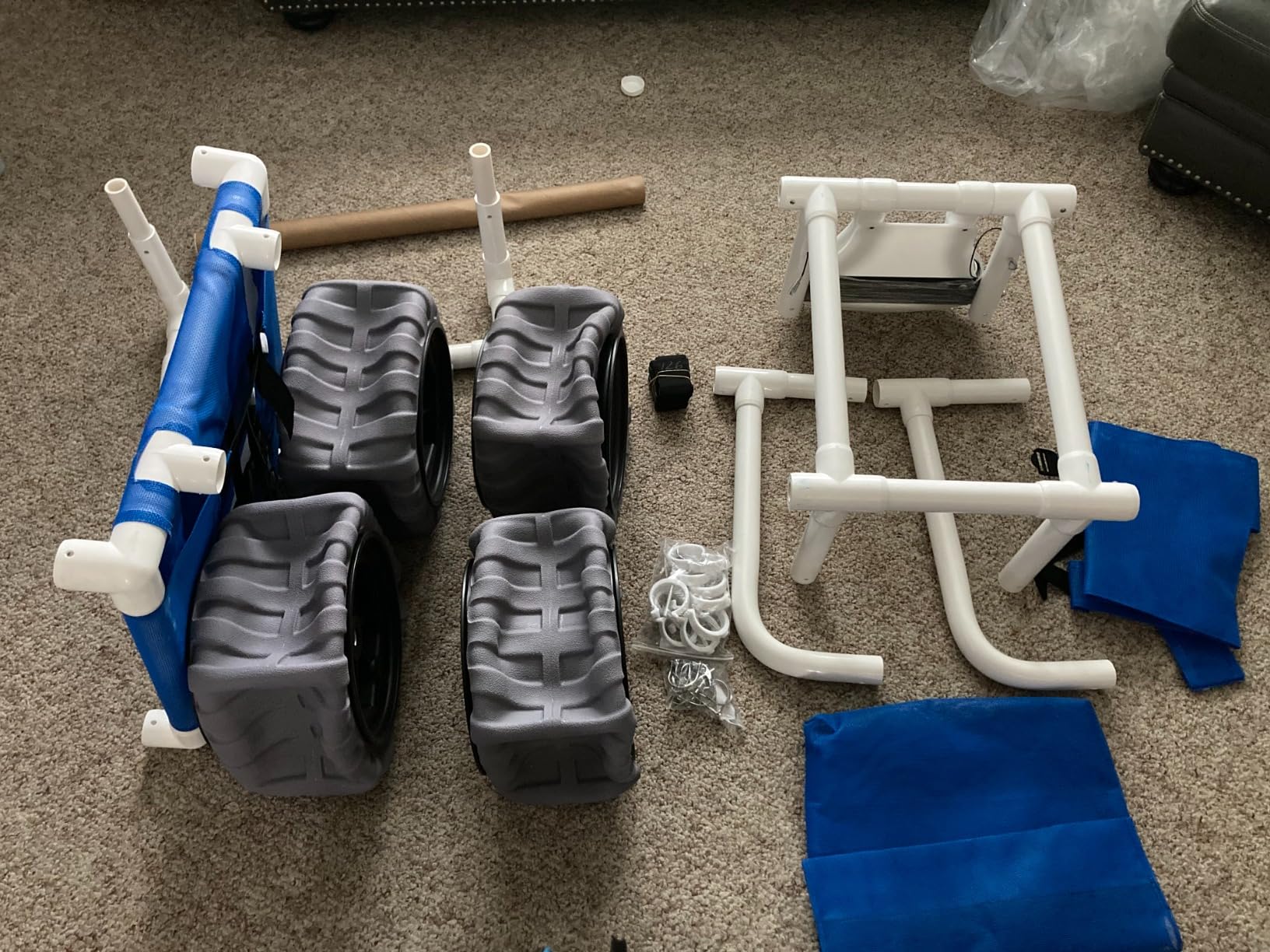
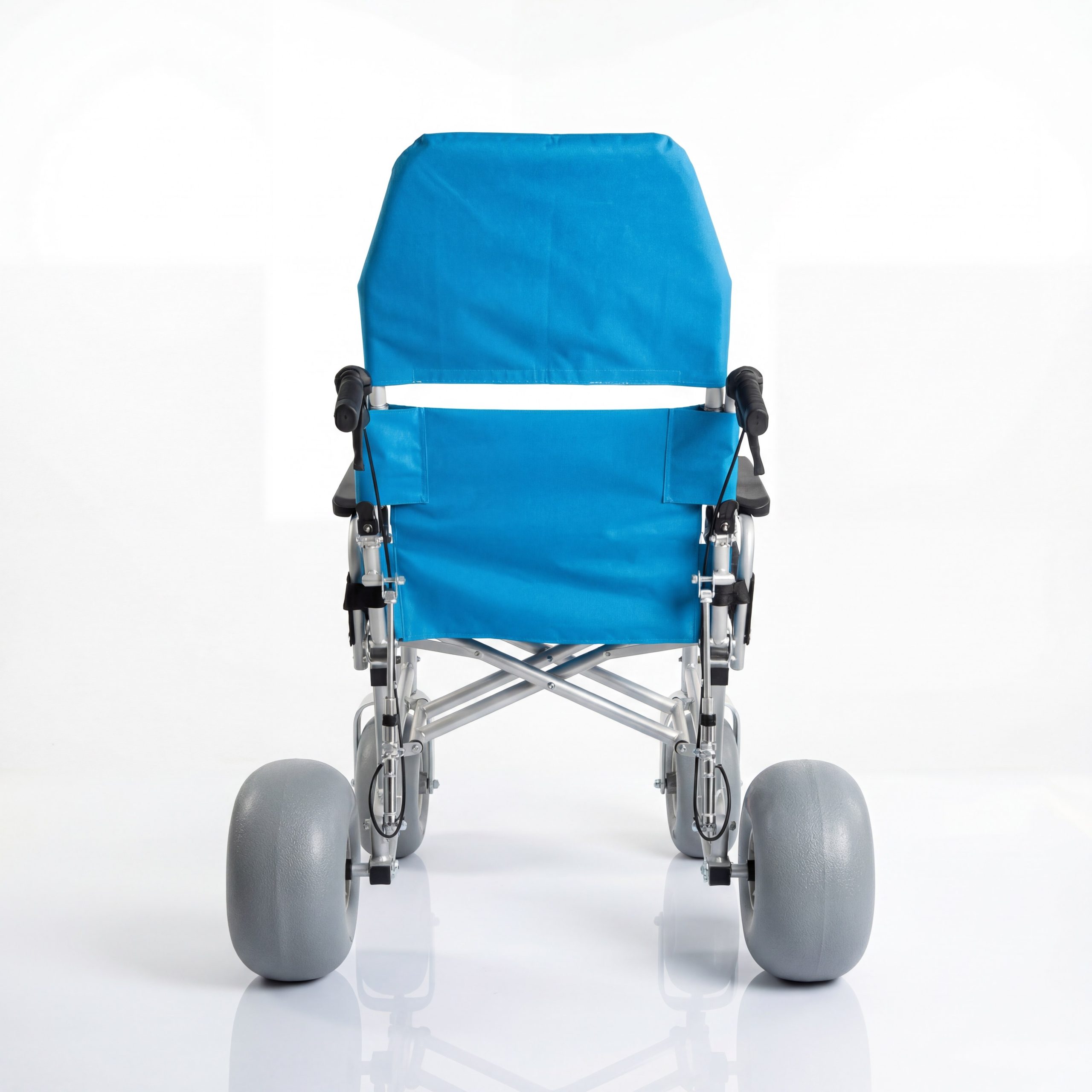
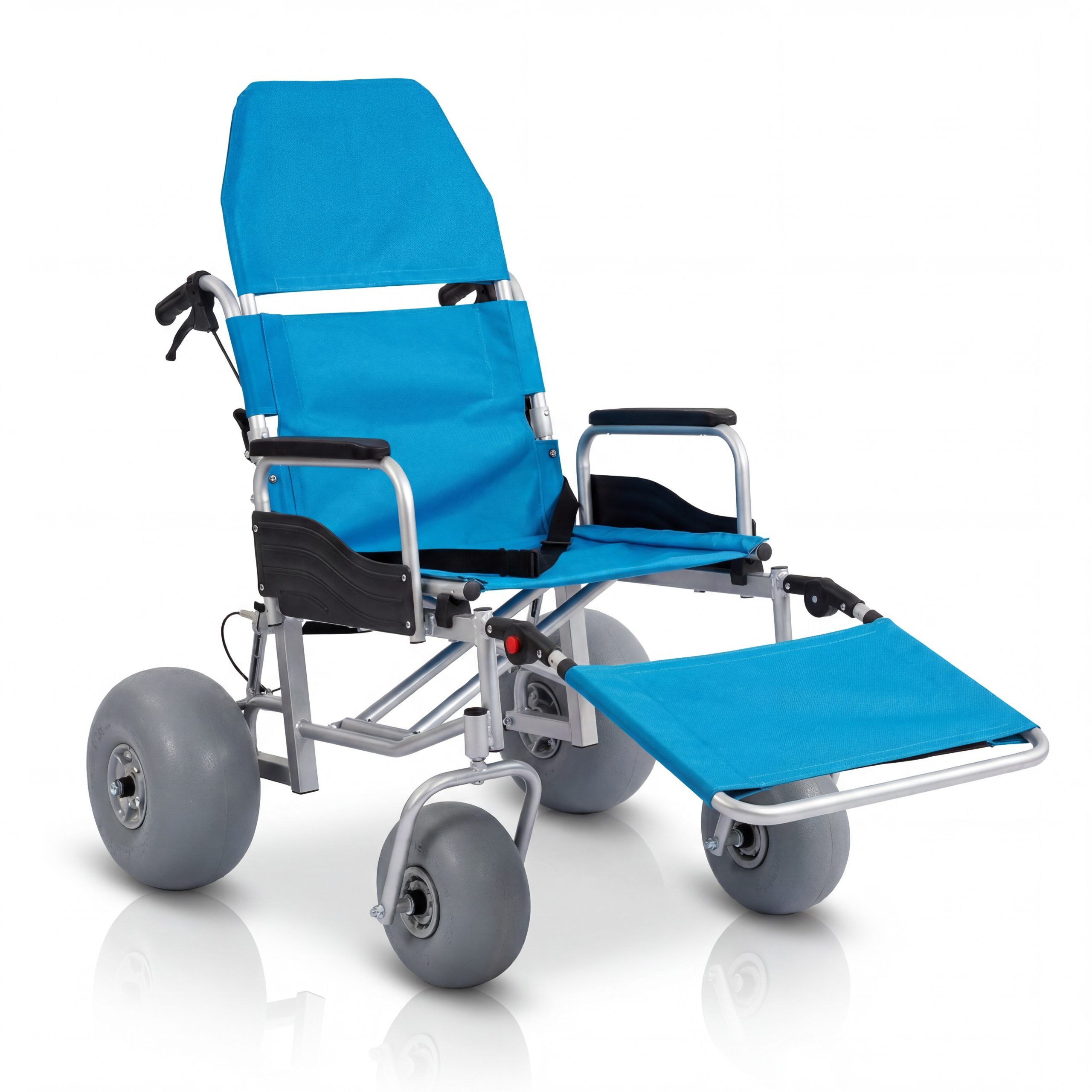
Record the model or local reference, frame, wheels, support parts, accessories, finish, and package labels. The all-terrain beach wheelchair page helps describe a product family, but your file must name the unit reviewed.
Freeze the reference before review. Log any later change; do not blend it into the original sample.
- Give the sample a unique internal reference.
- Keep photos tied to that reference and date.
- List included and excluded parts.
Control changes after review
If a wheel, support, finish, accessory, or label changes after review, open a new comparison line. A buyer may accept a documented change, but the original approval cannot cover an unreviewed configuration. Keep bulk identity tied to the approved record.
| Field | Sample record | Change trigger |
|---|---|---|
| Model | Name or local reference | Different model/label |
| Setup | Visible parts and layout | Part added or removed |
| Review date | Date and reviewer | New sample or version |
| Package | Included accessories | Contents change |
Key takeaway: Freeze sample identity before freezing an approval decision.
3. What should a buyer observe on the sample?
Record visible construction, part relationships, finish, labels, and agreed features. A visual review does not certify performance.
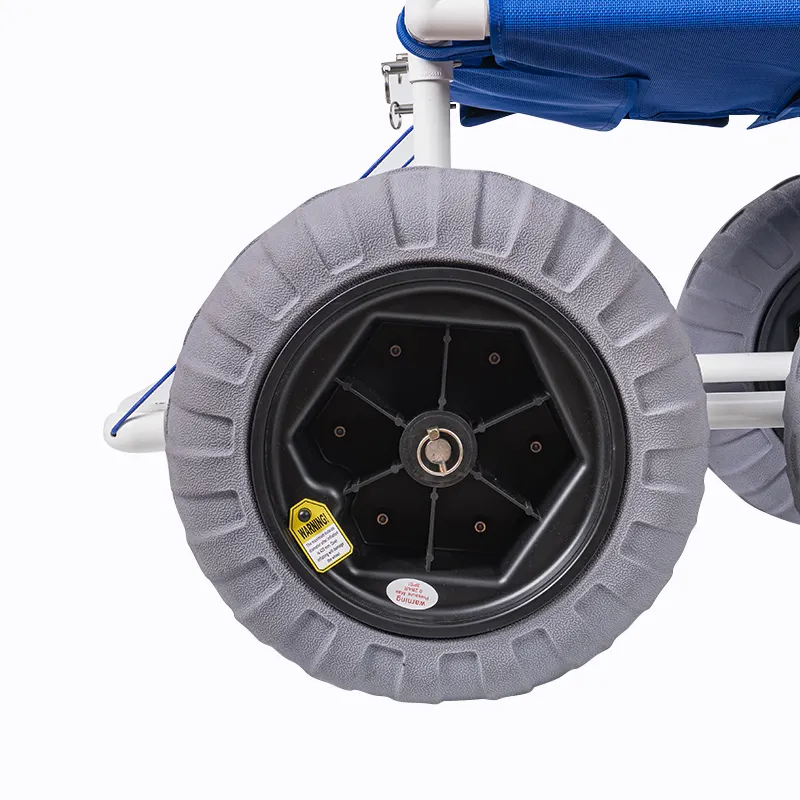
Write observations in plain language
Describe visible frame joints, wheel placement, support shape, fasteners, and labels. Compare those observations with the brief. The lightweight beach wheelchair page is separate product context; it cannot prove this sample’s fit or performance.
Keep eyes and claims separate. A visible feature is an observation, not a hidden rating.
- Record matching and differing features.
- Note unclear details instead of guessing.
- Attach a photo to each material observation.
Keep evaluation within the brief
If a buyer needs a structural test, capacity value, pressure or torque value, certification statement, or clinical outcome, record it as an open item. Ask the responsible reviewer for model-specific evidence.
| Observation | Compare with | Do not claim |
|---|---|---|
| Wheel interface | Approved setup | Universal fit |
| Support parts | Brief and sample photos | Personal suitability |
| Label or finish | Accepted identity | Certification |
| Visible condition | Pack/receipt record | Hidden performance |
Key takeaway: Record visible facts and keep unsupported claims out of approval.
4. How should fit review be handled?
Qualified personnel should review individual fit, chair configuration, and intended use. Keep that review separate from user-trial instructions.
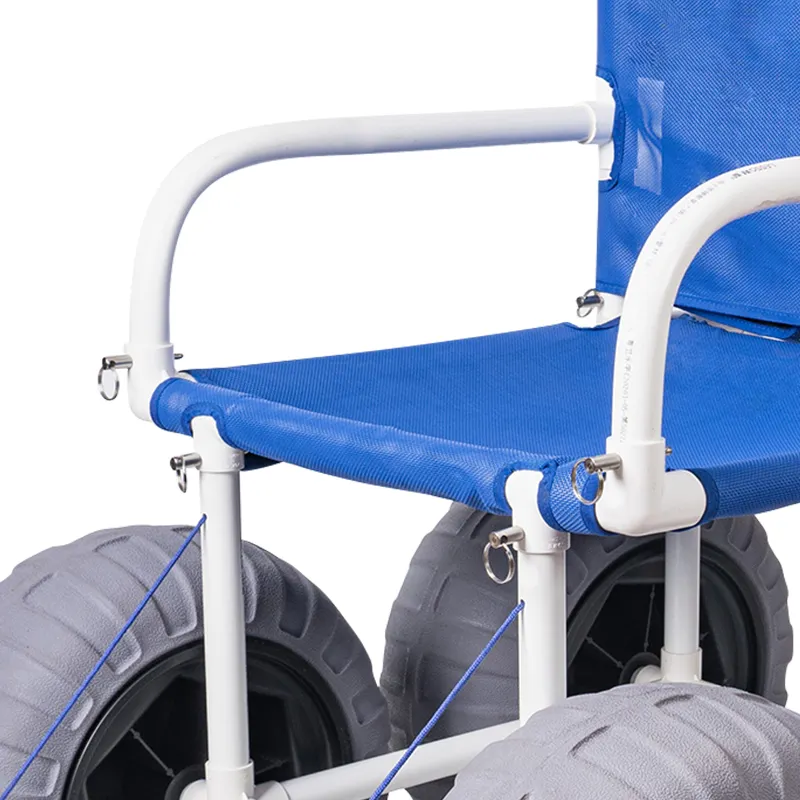
Assign the right reviewer
The buyer can check whether the sample matches its brief. A qualified seating or care professional should address personal fit, posture, transfer needs, or support questions. WHO guidance links wheelchair provision with assessment, fitting, training, and follow-up by trained personnel.
Fit is a separate decision. Do not let a clean product review stand in for a person-specific assessment.
- Name the fit reviewer and their role.
- State which user or operator questions need review.
- Keep personal information out of a general supplier file.
Record the fit outcome without overreach
Write whether the reviewer confirmed the sample for the stated group, found an open question, or requires another review. Do not describe a sample as suitable for every person. A fit outcome belongs to its intended context and configuration.
| Fit topic | Reviewer note | Hold |
|---|---|---|
| Personal need | Checked by fit pro | No reviewer |
| Setup | Parts checked together | Sample changed |
| Support question | Answer or open item | Fit unknown |
| Follow-up | Owner and next check | No owner |
Key takeaway: Separate product matching from qualified personal fit review.
5. Which claims belong in separate records?
Keep capacity, standards, certificates, performance, warranty, and use-limit claims in separate evidence records. Appearance alone cannot approve them.
Use observed, claimed, and unverified columns
Observed: “four gray wheels visible.” Claimed: a supplier statement. Unverified: what the buyer cannot confirm. The accessible beach mat page supports route context, not a chair certificate or individual approval.
Label the evidence honestly. Three columns are clearer than one confident paragraph.
- Mark the source for every consequential claim.
- Keep photos with observed facts.
- Move unresolved claims into an open-items register.
Prevent evidence from changing the sample scope
A new document does not change sample scope by itself. If a certification or performance file arrives later, review it separately and record its conditions. No photograph proves a certificate, rating, warranty, or regulatory outcome.
| Claim type | Sample file | Separate record |
|---|---|---|
| Visible part | Note and photo | Not needed if clear |
| Capacity | Open or supplier claim | Model-specific proof |
| Certification | Open unless documented | Certificate check |
| Warranty | Buying term | Written supplier terms |
Key takeaway: Keep every material claim attached to its own evidence.
6. How should open items affect approval?
Open items should block or limit approval until each has an owner, a decision path, and a recorded outcome.
Grade the decision, not the feeling
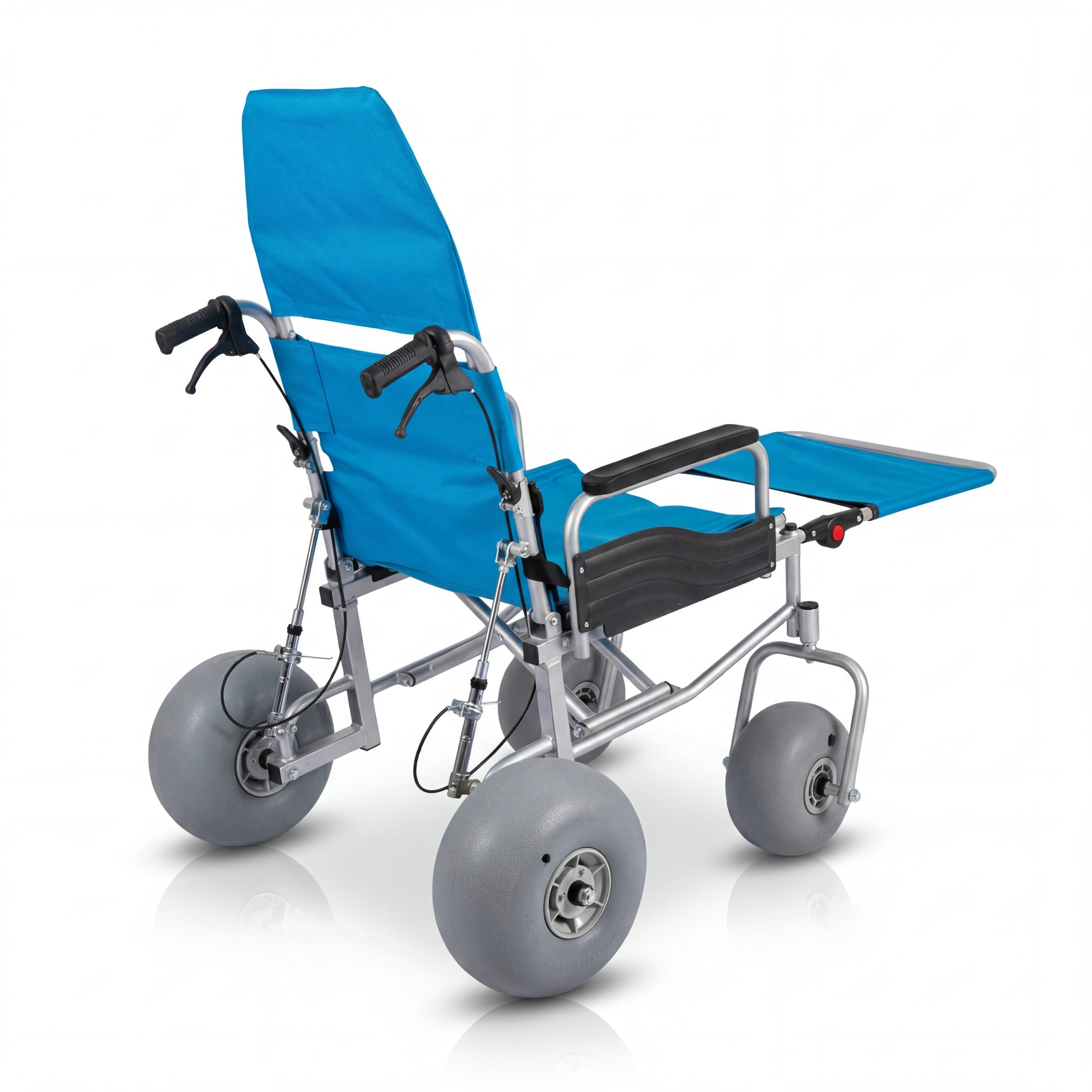
A reviewer may like a sample yet still find a missing label, unclear part, fit question, or configuration difference. Write the item down and state whether it blocks bulk release, limits scope, or needs follow-up. The beach accessibility projects page is programme context, not a substitute for this record.
An open item needs a consequence. “Pending” alone does not tell procurement what to do.
- Name the open question.
- Assign an owner and due decision.
- State whether bulk release is held or limited.
Close items with evidence
Close each item with a corrected record, reviewer note, approved change, or decision to exclude it. Keep the original finding so a later buyer sees why the sample moved to release.
| Open item | Decision effect | Closeout proof |
|---|---|---|
| Unclear part | Hold affected scope | Identity check |
| Fit question | Hold user group | Fit review |
| Setup change | New check | Updated sample record |
| Missing claim proof | Exclude claim | Source or omission |
Key takeaway: An open item stays visible until its effect on bulk release is clear.
7. What should a written sample review contain?
A written sample review should contain sample identity, scope, observations, fit responsibility, open items, evidence links, and a named decision.
Build a review record another person can read
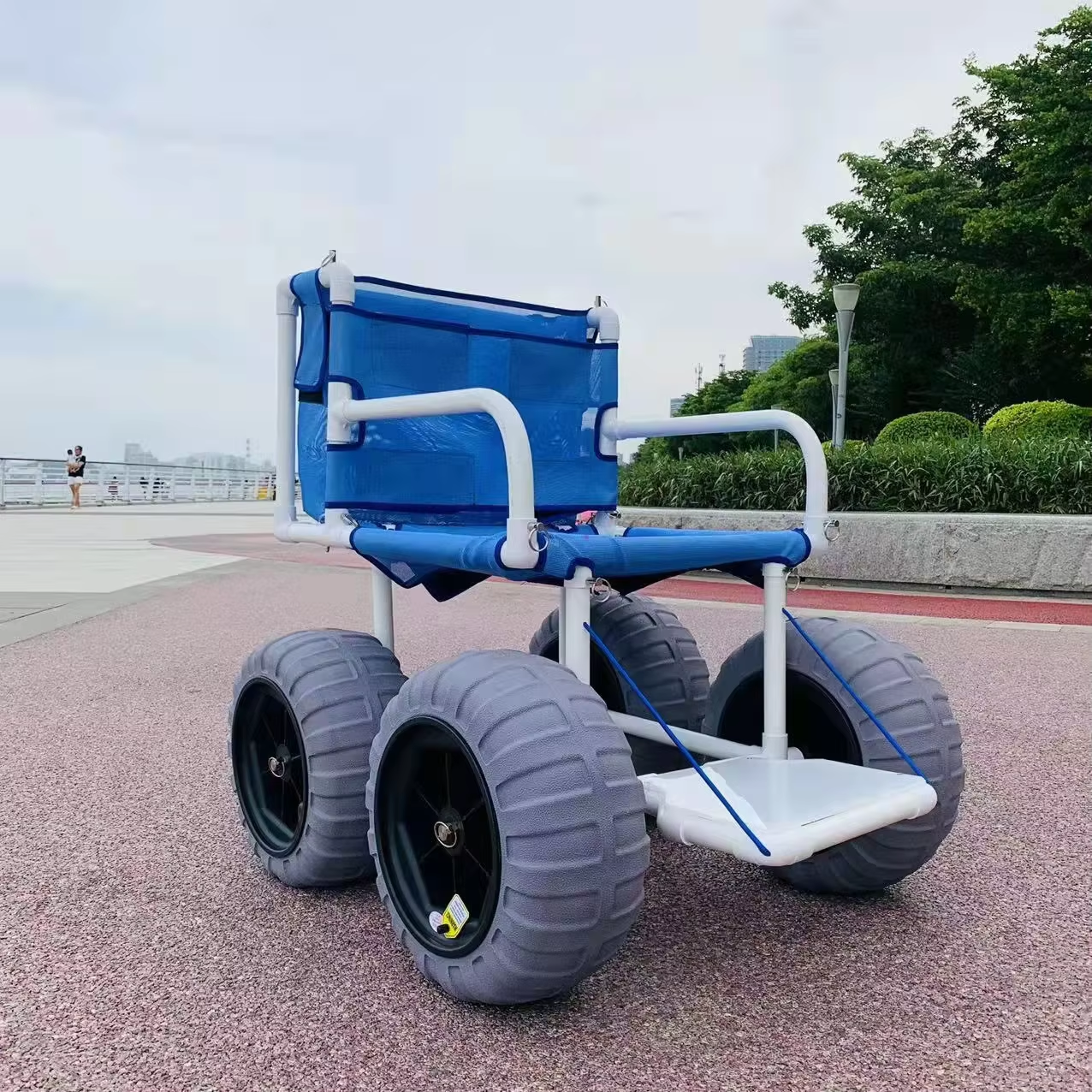
Use short labels and linked photos. State what the reviewer saw, what the brief required, and where the two differ. The portable beach wheelchair travel guide may inform a separate transport discussion; it does not approve this sample.
Write for the next reviewer. A useful record survives a staff change.
- Identify the sample and review date.
- Link each finding to a source or photo.
- List exclusions beside open items.
Add a decision line
End with one outcome: approve within scope, hold for named items, or do not approve. List every condition. “Looks good” cannot guide a bulk purchase.
| Review part | Record | Owner |
|---|---|---|
| Identity | Model and setup | Buyer |
| Findings | Notes versus brief | Reviewer |
| Fit | Review status | Assigned reviewer |
| Decision | Approve, hold, reject | Assigned buyer |
Key takeaway: A sample review needs a decision line, not just photographs.
8. How does sample approval differ from a product photo?
Sample approval differs from a product photo because approval joins one physical sample with a scope, observations, fit review, and decision record.
Use photos for identification
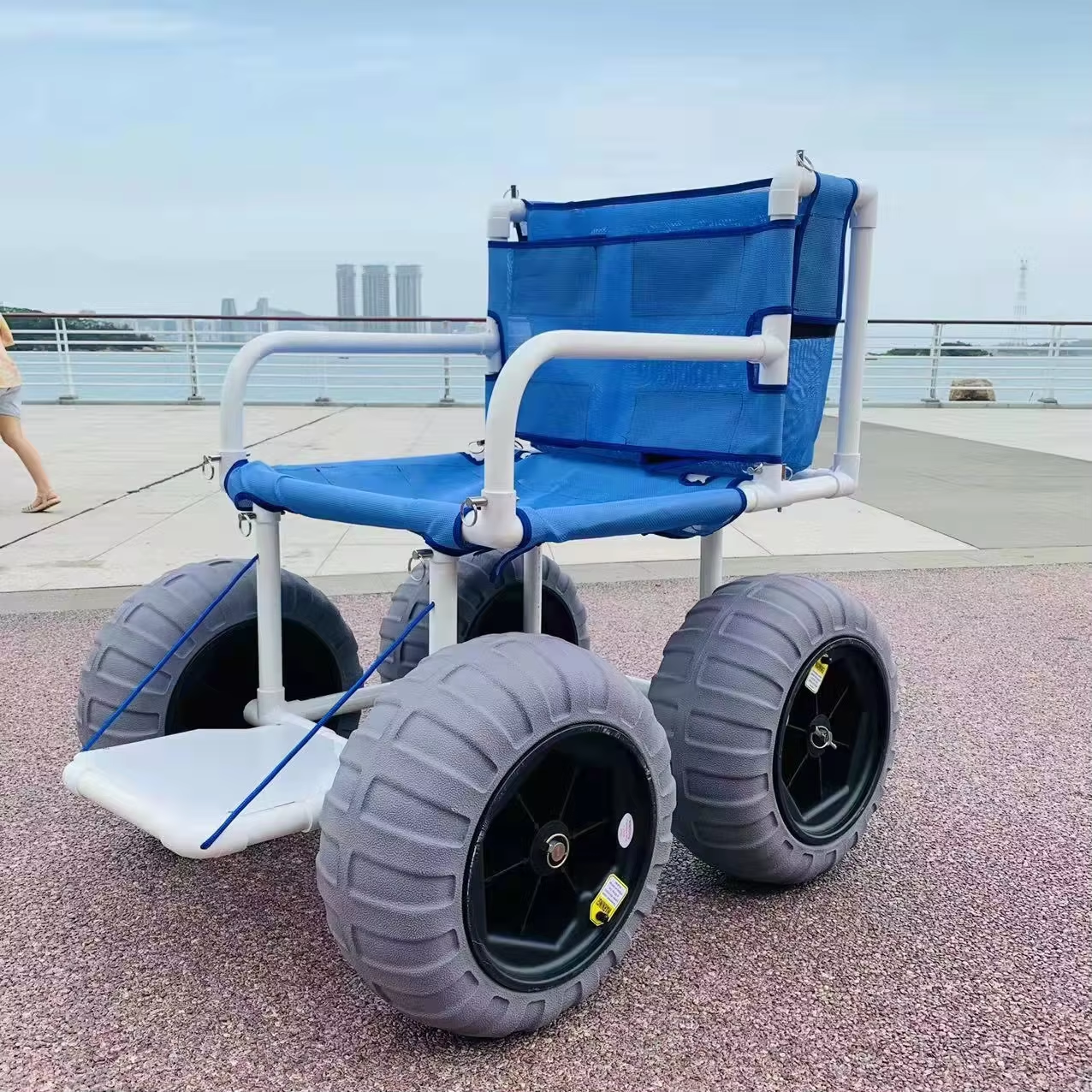
Photos help compare frame layout, wheel arrangement, support parts, labels, and visible finish. They can anchor a review record. They cannot establish hidden dimensions, personal fit, certification, warranty terms, or future bulk consistency. The new floating beach wheelchair page is a separate product reference, not proof for this sample.
A photo starts the question. The sample record must answer it.
- Tie each image to the sample reference.
- Describe what the image can actually show.
- Keep hidden or future claims open.
Compare sample and bulk identity
Check that bulk units carry the same model, visible parts, included items, and review conditions. A changed component needs a new comparison line. Do not let a polished image hide a changed sample.
| Evidence | Supports | Still open |
|---|---|---|
| Product photo | Visible appearance | Fit and hidden values |
| Sample record | Observed unit | Bulk consistency |
| Written claim | Stated condition | Applicability |
| Change log | Difference | New check needed |
Key takeaway: Use photos to identify a sample, not to approve every claim.
9. Who signs the sample release?
The authorised buyer should sign the sample release. Name fit and operations reviewers when their decisions affect scope.
Give each role a clear decision
Procurement can release the commercial gate. A qualified fit reviewer handles individual fit questions. An operations lead can confirm whether staff and route requirements were included. The beach walker page is a separate product context and does not assign a wheelchair sign-off role.
One signature cannot answer every question. Name the people whose decisions shape the approval.
- Name the authorised buyer.
- Record fit and operations reviewers.
- Keep supplier responses attached to their claims.
Avoid a false certificate
A signature confirms a scoped buyer decision. It does not create a certificate, legal approval, clinical result, or universal safety promise. Write that boundary beside it.
| Role | Can decide | Cannot create |
|---|---|---|
| Buyer | Buying release | Product certificate |
| Fit reviewer | Personal fit question | Universal suitability |
| Operations lead | Local handoff ready | Legal compliance |
| Supplier contact | Reply or proof | Buyer approval |
Key takeaway: Signatures show responsibility; they do not enlarge the evidence.
10. What is a defensible bulk-release decision?
Approve bulk ordering only after findings, fit responsibilities, and open items close or receive clear limits. Keep the same sample identity and configuration.
Release within a written scope
Review the sample reference, observation record, fit outcome where needed, open items, and authorised signature. State whether bulk ordering may follow, which identity must stay unchanged, and which claims remain outside the decision.
The release rule is simple. Same identity, clear scope, closed findings, named responsibility.
- Hold bulk release for unresolved blockers.
- Reopen review for a changed configuration.
- Keep the signed record with the order.
For a sample brief or review checklist, contact us with the approved scope and open questions.
Key takeaway: Release bulk ordering only inside the sample record’s written boundaries.
Q1: Does a product photo approve a beach wheelchair sample?
No. A photo supports identification, while approval needs a defined sample and written decision.
Q2: Who should review personal fit?
A qualified seating or care professional should review individual fit questions within the stated context.
Q3: Can an approved sample change before bulk ordering?
Yes, but a changed part, configuration, or identity needs a new comparison and recorded decision.
Q4: Does a buyer signature create a certification?
No. It confirms a scoped commercial decision and does not create a certificate or universal suitability claim.
Q5: What happens when a sample has an open item?
Name the owner, state whether bulk release is held or limited, and close the item with evidence.