
In practice, a tender brief works best when every vendor sees the same need, option line, evidence request, exception field, acceptance role, and handover output. A buyer may serve a resort, town, recreation site, distributor, or access team. A sample buyer can prepare one vendor-response file without interpreting procurement law or promising a winning offer. A clear beach wheelchair tender brief helps teams compare answers without treating a product photo or sales phrase as proof.
What should a beach wheelchair tender brief decide?
At the start, a tender brief should state the service need and the answer format for each vendor. It should stop suppliers from guessing which route, users, staff roles, records, or handover points matter. Put one decision question beside each request so reviewers can check it later.
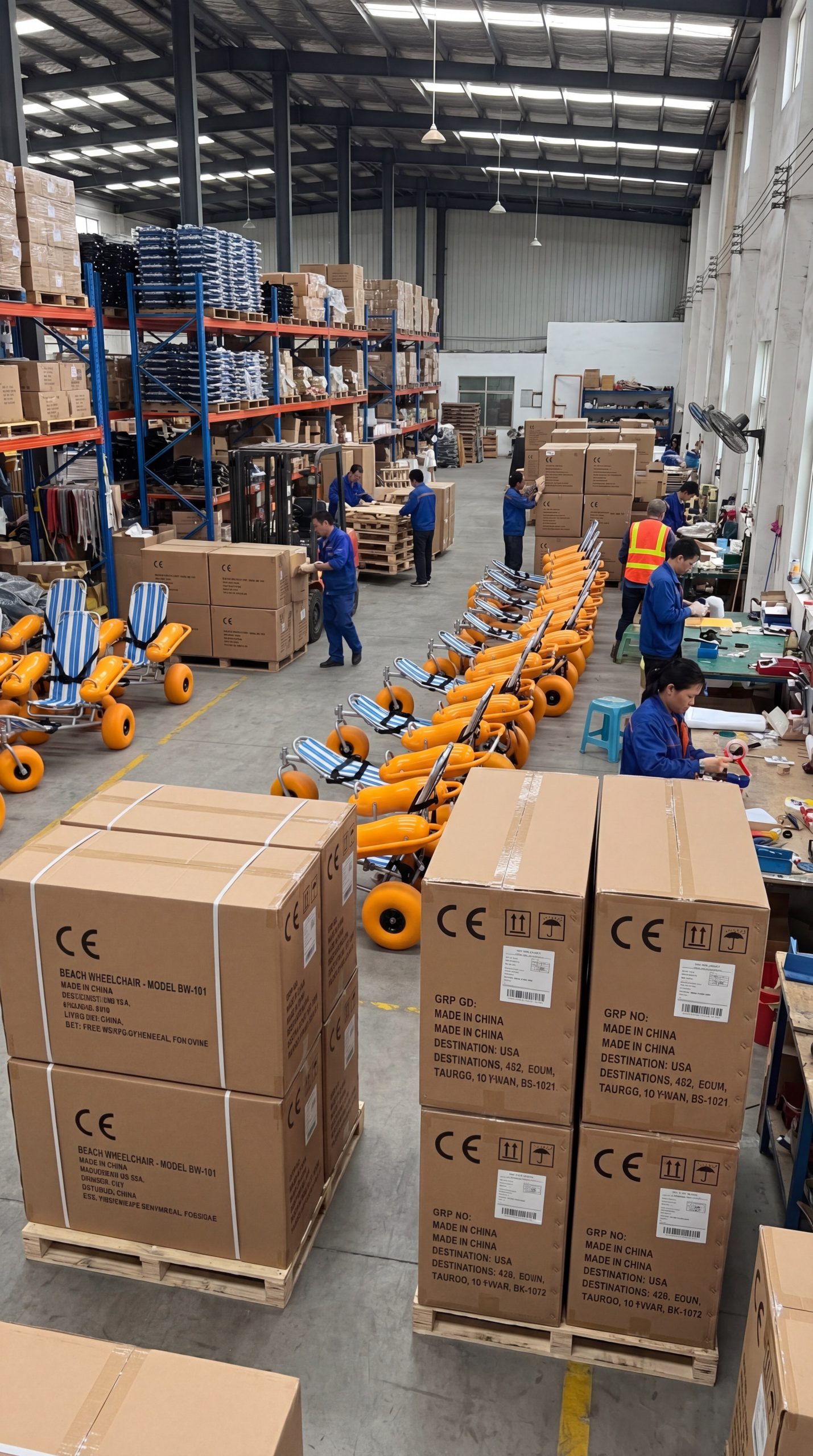
Give the response one spine. Set out:
- the operating purpose and service boundary;
- the equipment role or option line;
- facts the vendor must state in writing;
- evidence the institution will review;
- acceptance and handover responsibilities.
Do not paste a generic product list into a tender. “High quality” and “safe use” give vendors no shared answer field. Ask for an observable detail, evidence, or an open question. Keep business terms and local policy in the buyer’s own file.
Build the decision map
The brief should leave a future reviewer with one document set: need, response, exception, acceptance, and handover.
| Brief element | What to write | Review use |
|---|---|---|
| Need | Service and user context | Checks relevance |
| Requested line | Chair role or option | Keeps answers comparable |
| Evidence | Record or demonstration needed | Separates fact from claim |
| Decision owner | Institution role | Prevents silent approval |
Action: write a one-page decision map before adding product wording.
Key takeaway: a tender brief should make each decision visible.
How should the statement of need describe service?
The need statement should say who uses the equipment, where staff hand it over, which route matters, and what service the buyer wants. Name no solution until need is clear. For example, a coastal site may need a manual chair for supervised access. Its staff route and storage point still need a record.
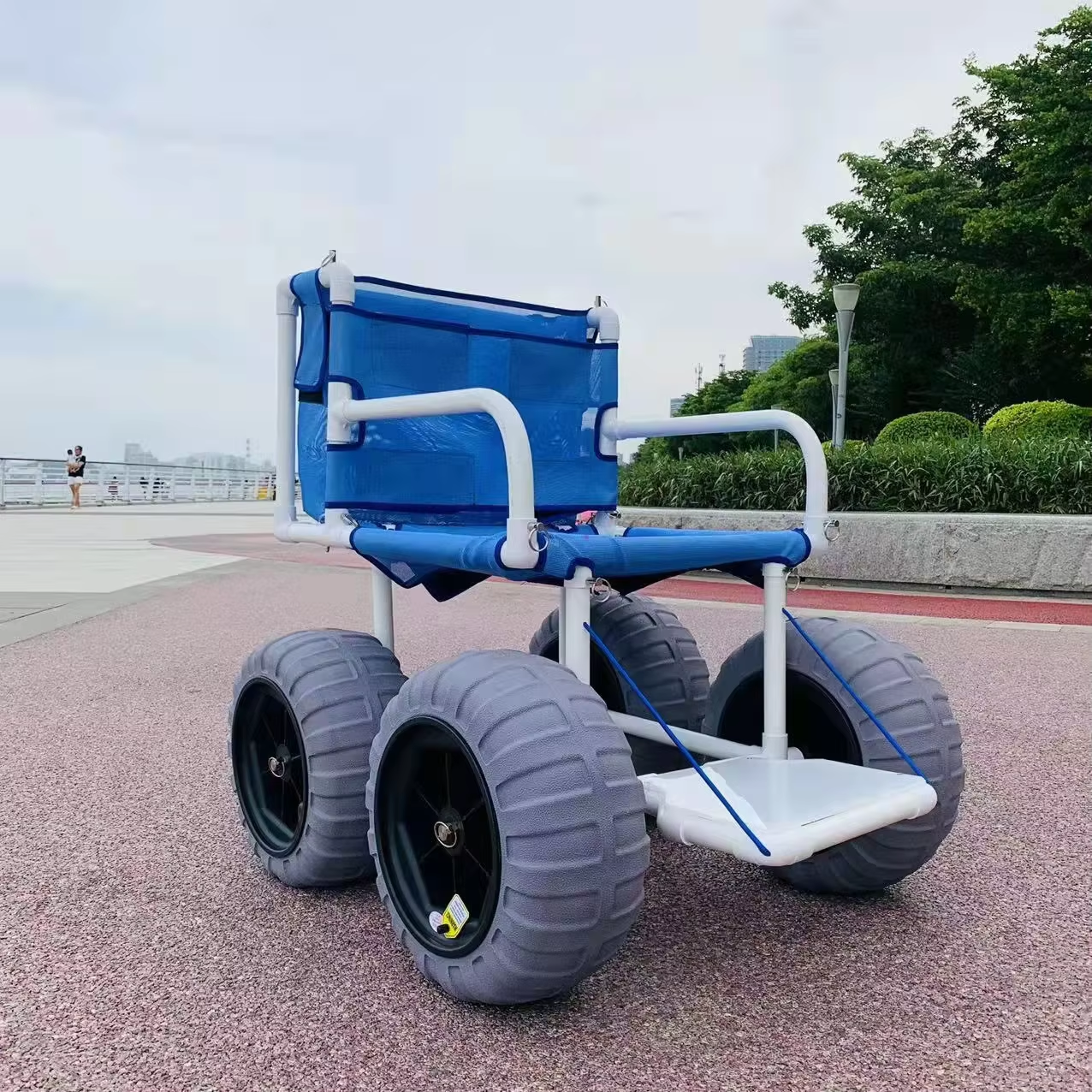
Describe the work before the model. Ask the internal team to record:
- user groups and personal-fit review responsibility;
- arrival point, route, destination, and return path;
- staff who move, hand over, clean, or store equipment;
- operating boundary, including any water or non-water distinction;
- service period and handover context, without inventing demand.
The applications page can help a team discuss use contexts, but it does not approve a chair for every site. Keep route facts apart from supplier text. If a route has an open surface, slope, or access issue, mark that question instead of hiding it in a product requirement.
Make the need testable
A vendor can answer a clear need. A reviewer can also explain why an answer fits, remains open, or requires a site decision.
| Need field | Useful wording | Avoid |
|---|---|---|
| User | Named user group and reviewer role | “Everyone” |
| Route | Start, end, surface, and staff boundary | “Any beach” |
| Service | Handoff and return purpose | A broad promise |
| Open point | Question with an owner | Hidden assumption |
Action: ask operations and accessibility staff to sign off on the need statement before sending it to vendors.
Key takeaway: a testable need keeps vendor answers relevant.
Which option lines belong in the request?
Option lines should split equipment roles, setups, and evidence. That lets a vendor answer each line without bundling claims. The brief may list a main chair, an alternative, accessories, spare parts, or service records. It should not force all items into one package.
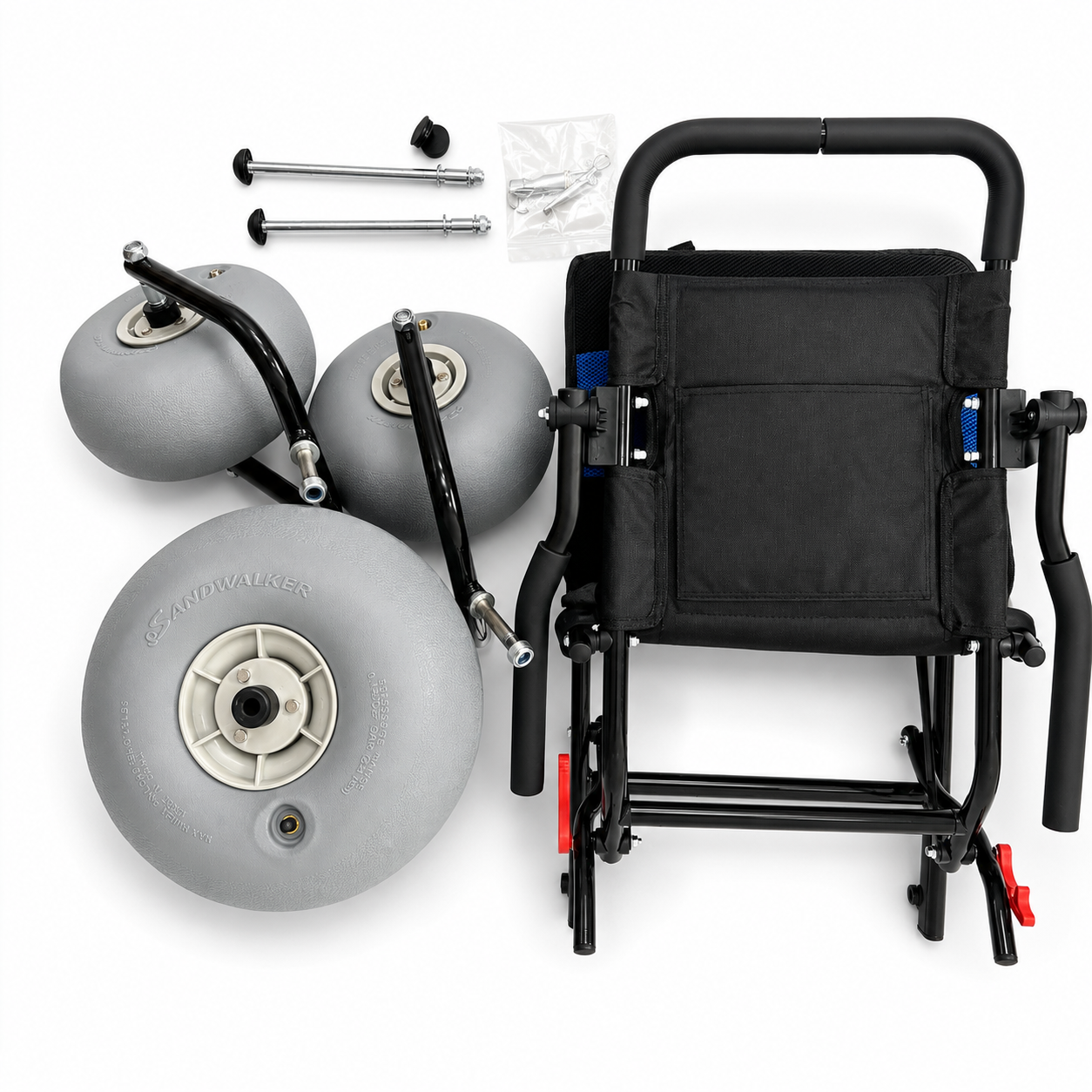
Give every line a response slot. A useful option register may include:
- base equipment role and model reference;
- configuration or accessory requested;
- quantity or allocation field supplied by the institution;
- evidence or sample review expected;
- accepted alternative, if internal policy allows one.
Keep “required,” “preferred,” and “optional” lines apart. Do not turn a photo into a spec. A component image can show a visible part, but model identity and fit need written proof. An all-terrain beach wheelchair line should state its role and route limits.
Keep alternatives visible
Separate lines prevent a low-cost alternative from being judged against a requirement it never claimed to meet.
| Line type | Vendor response | Reviewer question |
|---|---|---|
| Required | Confirm, qualify, or decline | Does answer address need? |
| Preferred | State available option | What evidence supports it? |
| Optional | Price or scope field if requested | Does it alter handover? |
| Alternative | Explain difference | Can institution compare fairly? |
Action: number each option line and repeat its number in every vendor answer.
Key takeaway: visible alternatives prevent bundled assumptions.
What evidence should each vendor response include?
Each vendor reply should name the fact, its source, its condition, and its contact. “Suitable for beaches” says little unless the brief asks what it means. Evidence can be a product record, matching manual, sample note, or stated limit.
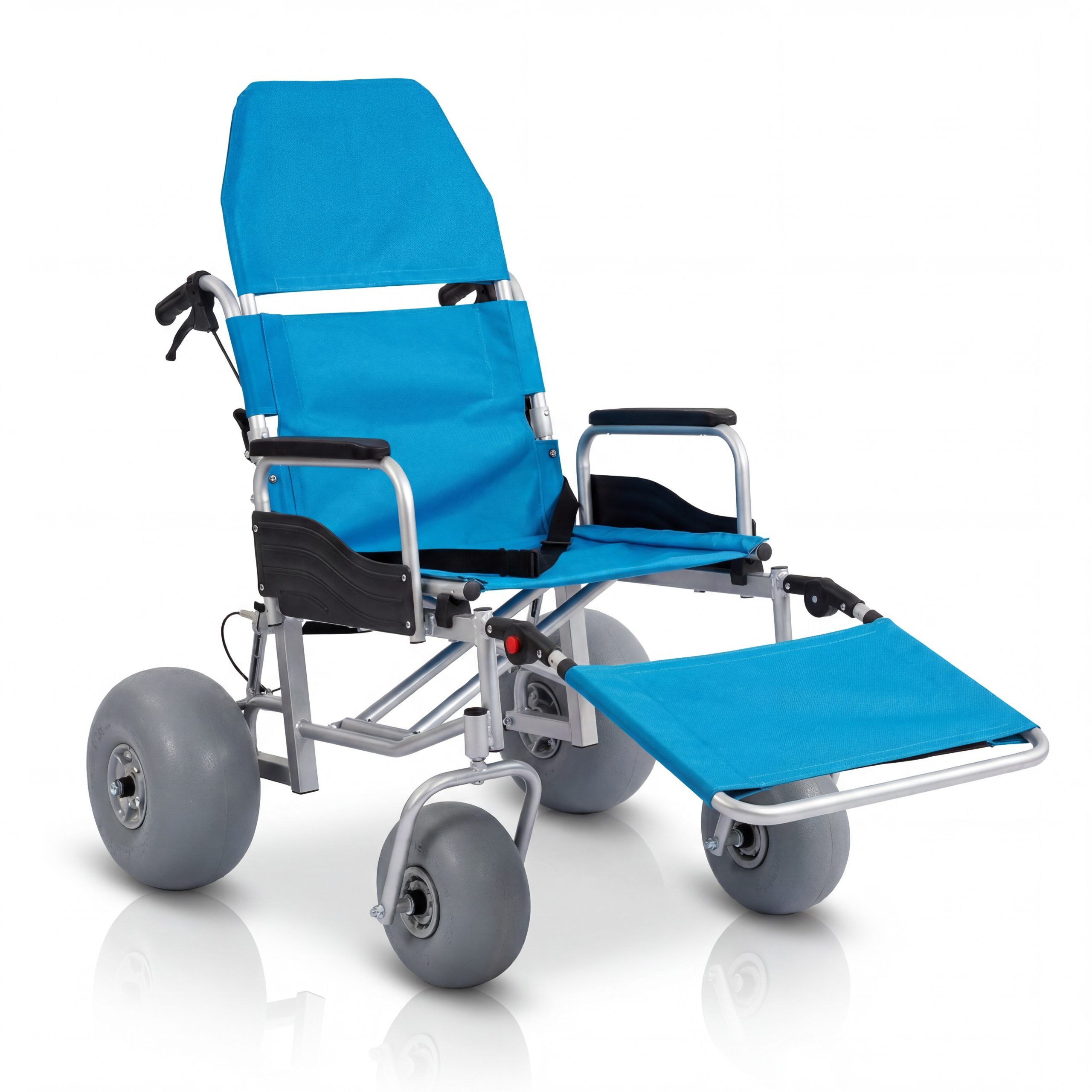
Ask for evidence that can be filed. Put these fields beside each line:
- exact model or configuration identity;
- visible or documentable feature;
- operating condition or boundary;
- care, storage, or staff information supplied;
- unresolved exception and response owner.
The WHO wheelchair provision guidelines place assessment and fitting with trained personnel. That service principle can guide acceptance roles. It does not set tender law, warranty terms, or a maker’s certificate. A buyer should set its review method and ask each vendor to state limits. If a manual is requested, match the beach wheelchair user manual to the named model.
Label claims and evidence
Reviewers need to see whether a line is confirmed, qualified, observed, or still open.
| Response label | Meaning | Follow-up |
|---|---|---|
| Confirmed in writing | Vendor states a defined fact | File the source |
| Conditioned | Answer depends on a stated limit | Check local fit |
| Observed | Institution saw it in sample review | Record observer and scope |
| Open | Vendor or buyer still needs input | Assign an owner |
Action: reject unlabeled adjectives and request one evidence field for every material requirement.
Key takeaway: a response earns trust when its evidence and limits are filed.
How can buyers build a comparable response matrix?
Next, a response matrix makes vendors answer the same numbered questions in order. It should compare evidence and exceptions, not create made-up scores. Leave space for a limit because yes-or-no can hide an operating problem.
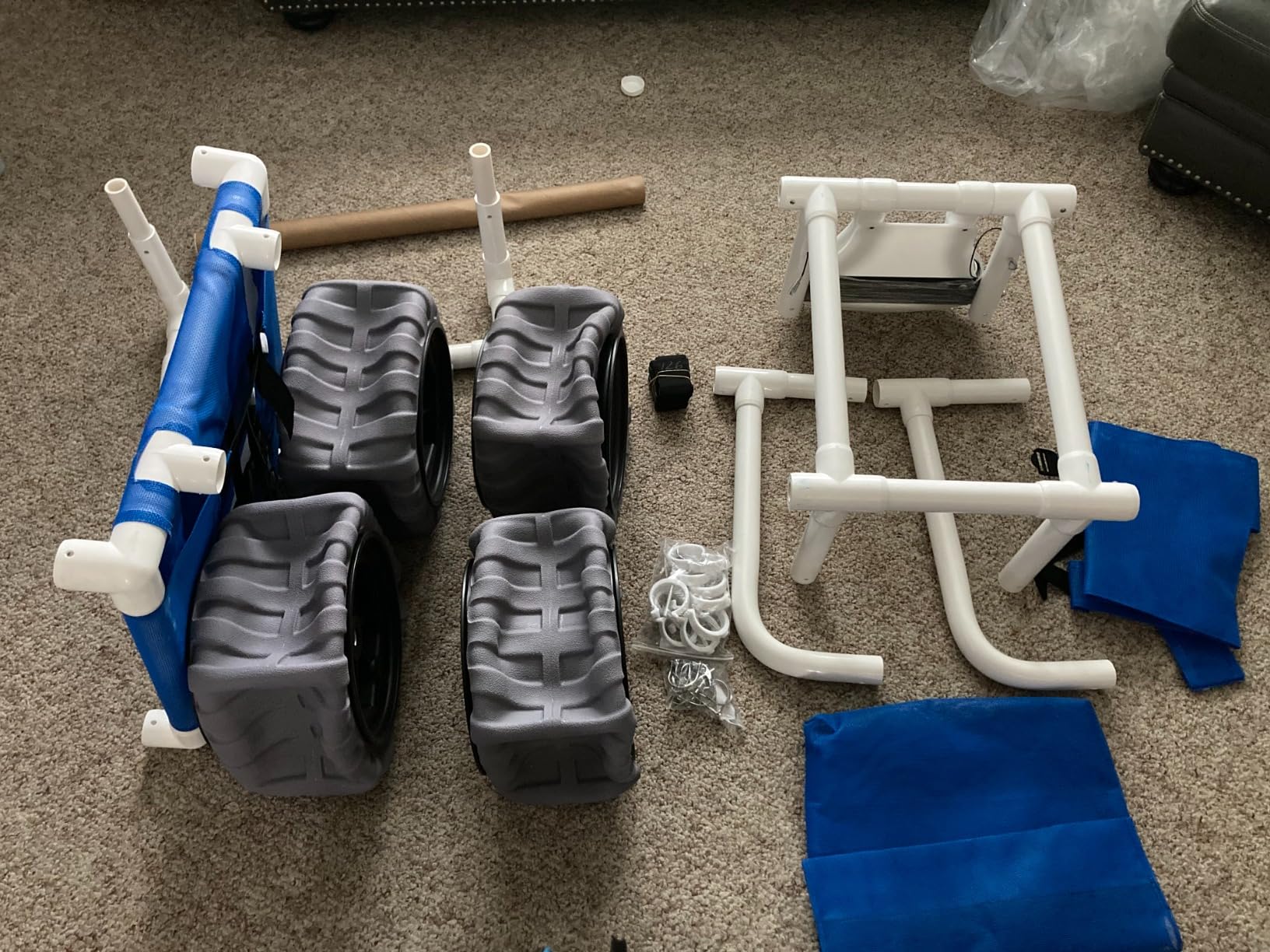
Use one row per decision point. Matrix columns can include:
- brief line number and requirement;
- vendor answer and supporting reference;
- condition, exception, or alternative;
- sample or document reviewed;
- institution owner and review state.
Do not ask vendors to rank themselves against rivals. Do not combine delivery, service, product, and acceptance questions in one score. A procurement team can keep its approved buying process in a separate file. Keep the matrix easy for operations staff who did not write it.
Compare like with like
Consistency comes from repeated questions and visible limits, not from a decorative scorecard.
| Matrix field | Good practice | Common failure |
|---|---|---|
| Requirement | Copy numbered brief line | Reword each response |
| Evidence | Name file, sample, or observation | Accept a sales adjective |
| Exception | Keep beside answer | Hide in email footer |
| Owner | Assign review role | Leave blank |
Action: pilot the matrix with one internal reviewer and remove any row that cannot lead to a decision.
Key takeaway: comparable rows matter more than a decorative score.
How should exceptions be recorded?
Exceptions should show a clear difference from the brief, an owner, and a state. An exception may be an alternative, a missing file, a route question, or a condition the buyer cannot accept.
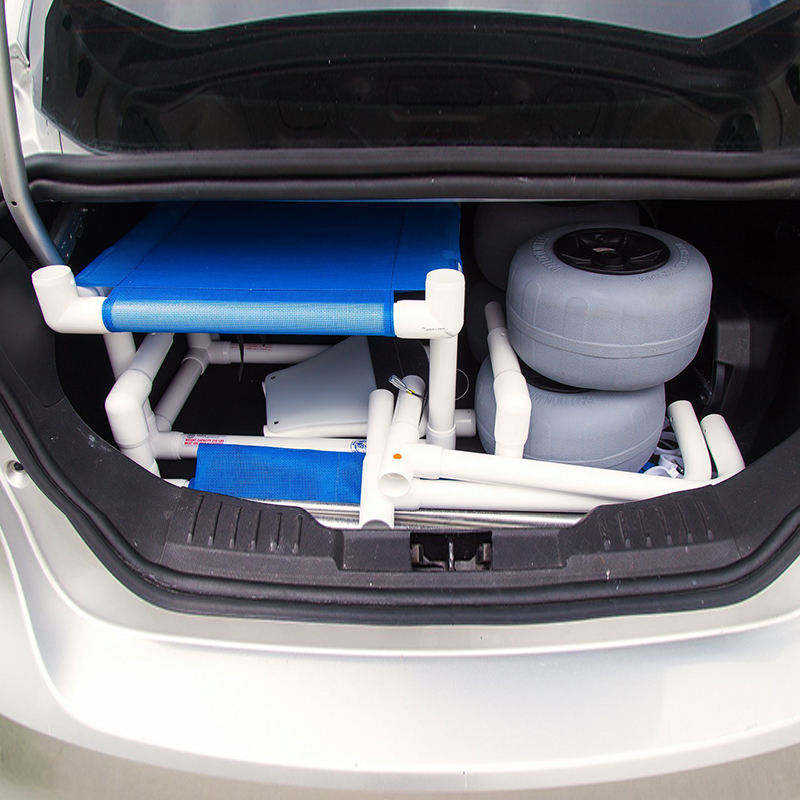
Make the gap visible. For each exception, capture:
- the original requirement line;
- vendor wording and supporting reference;
- operational consequence to review;
- clarification question and owner;
- accepted, rejected, or open status.
If a vendor offers another component or setup, keep its identity apart from the requested line. Do not infer fit from similar shapes. A component list starts a discussion; a qualified reviewer or supplier must settle fit. A projects page may give context, not proof.
Record every exception
An exception register gives a decision-maker a short view of what needs judgment before an award or internal approval.
| Exception state | What it tells the team | Next step |
|---|---|---|
| Clarification needed | Answer cannot be compared yet | Send one question |
| Accepted alternative | Difference reviewed | Carry difference into handover |
| Rejected | Requirement remains unmet | Keep reason on file |
| Open site issue | Institution must decide locally | Name site owner |
Action: review exceptions in a separate meeting so they do not disappear inside a general score discussion.
Key takeaway: an exception stays useful when an owner and state are visible.
Who owns acceptance checks and sign-off?
The buyer should name one owner for business acceptance. Separate reviewers can handle route, user fit, condition, records, and release. One signature cannot prove every point. Match each role with real authority and training.
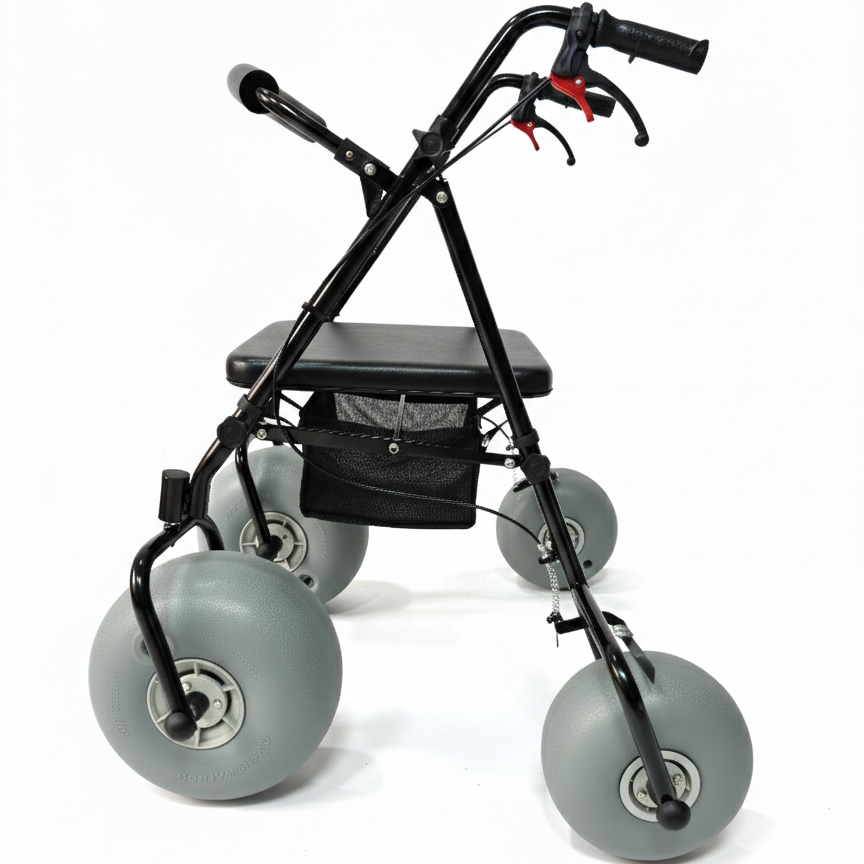
Put the people beside the checks. A responsibility map can name:
- purchasing or contract owner;
- operations and storage owner;
- accessibility or fit reviewer;
- receiving and condition checker;
- supplier contact for open points.
The beach walker page can keep a walker option apart from a chair option when one buyer needs both. A reviewer should sign only within the stated role. If fit or safety stays open, hold handoff and use a qualified review.
Sign by scope
Signatures become useful when each one states what was checked and what remains outside that check.
| Responsibility | Sign-off question | Boundary |
|---|---|---|
| Receiving | Did identified items arrive? | Not a fit approval |
| Operations | Can local process accept handoff? | Not a supplier remedy |
| Fit reviewer | Was stated review performed? | Not a commercial decision |
| Contract owner | Are open terms recorded? | Not a technical test |
Action: add a role and scope line beside every acceptance record before issuing the brief.
Key takeaway: each signature should state its own boundary.
What handover deliverables belong in the brief?
Handover records should give operators enough detail to store, brief, care for, and raise a case. Name the records needed, but do not invent one pack for every buyer. Ask vendors what they will supply and what the buyer must make.
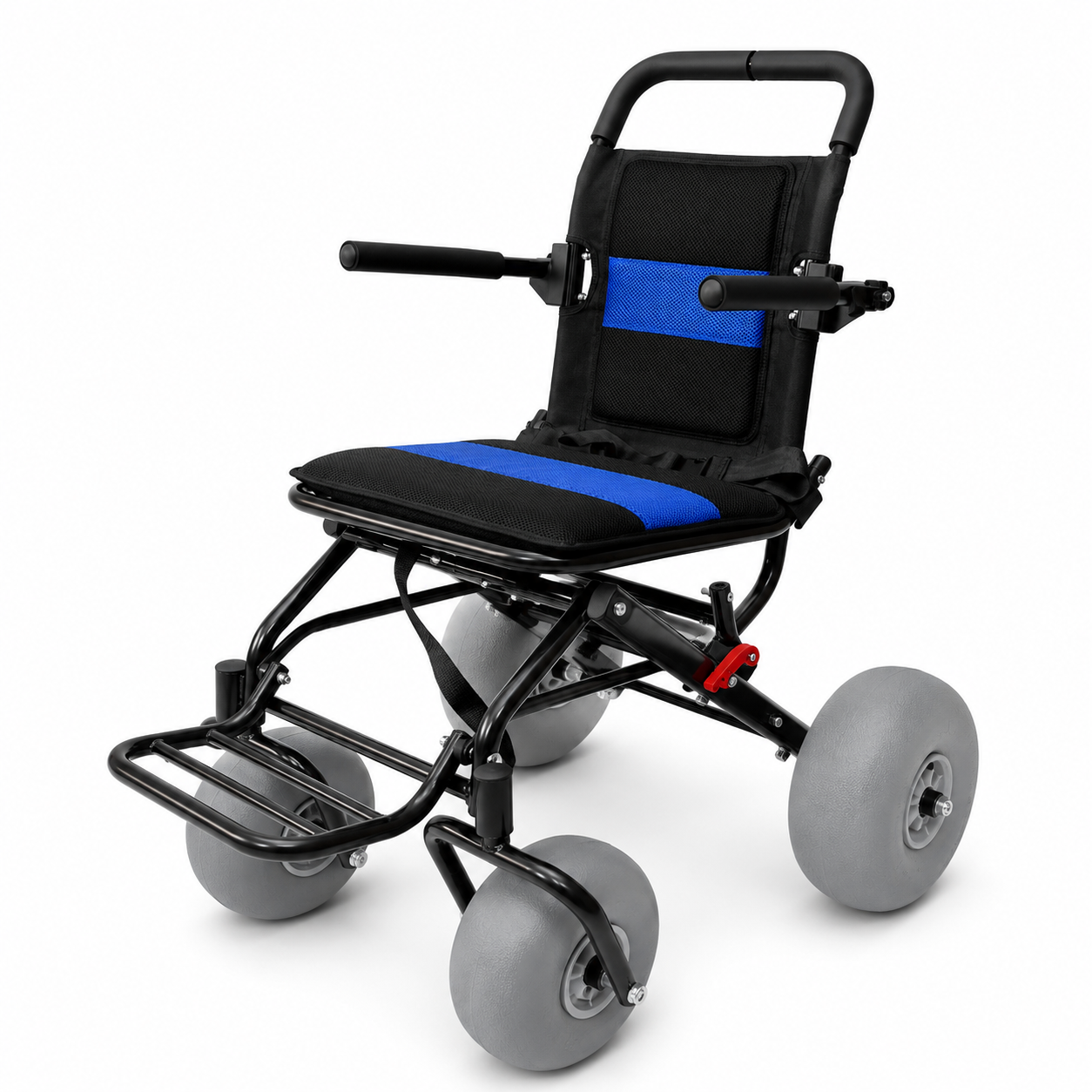
Write the handoff as an output list. Possible fields include:
- model or configuration identity;
- available user and care information;
- component or spare-part identity when requested;
- packing or receiving reference;
- open issue and owner list;
- staff briefing or review record, if agreed.
The brief may request certificates, test results, or training that the buyer needs. Ask vendors for model-specific evidence. Have them list missing items and conditions. Have the procurement lead confirm local requirements before the request is final. Keep local staff instructions apart from supplier material. Record the version used at handoff. If a route also needs a mat, keep it in a separate accessible beach mat line.
Close the handover loop
Delivery is not the same as operational acceptance. A handover file should show what arrived, what staff reviewed, and what remains open.
| Handover output | Owner | Closeout question |
|---|---|---|
| Product identity | Supplier and receiver | Does record match order? |
| User or care information | Supplier and operator | Is correct version filed? |
| Open items | Institution and supplier | Who follows each item? |
| Staff handoff | Operations owner | Who received the briefing? |
Action: add a handover checklist to the tender before vendors write their response.
Key takeaway: delivery closes only when identity, records, and owners meet.
How should clarification questions change the draft?
Clarification questions should clear up ambiguity for every vendor. Keep a versioned log with the original line, question, answer, and approved change.
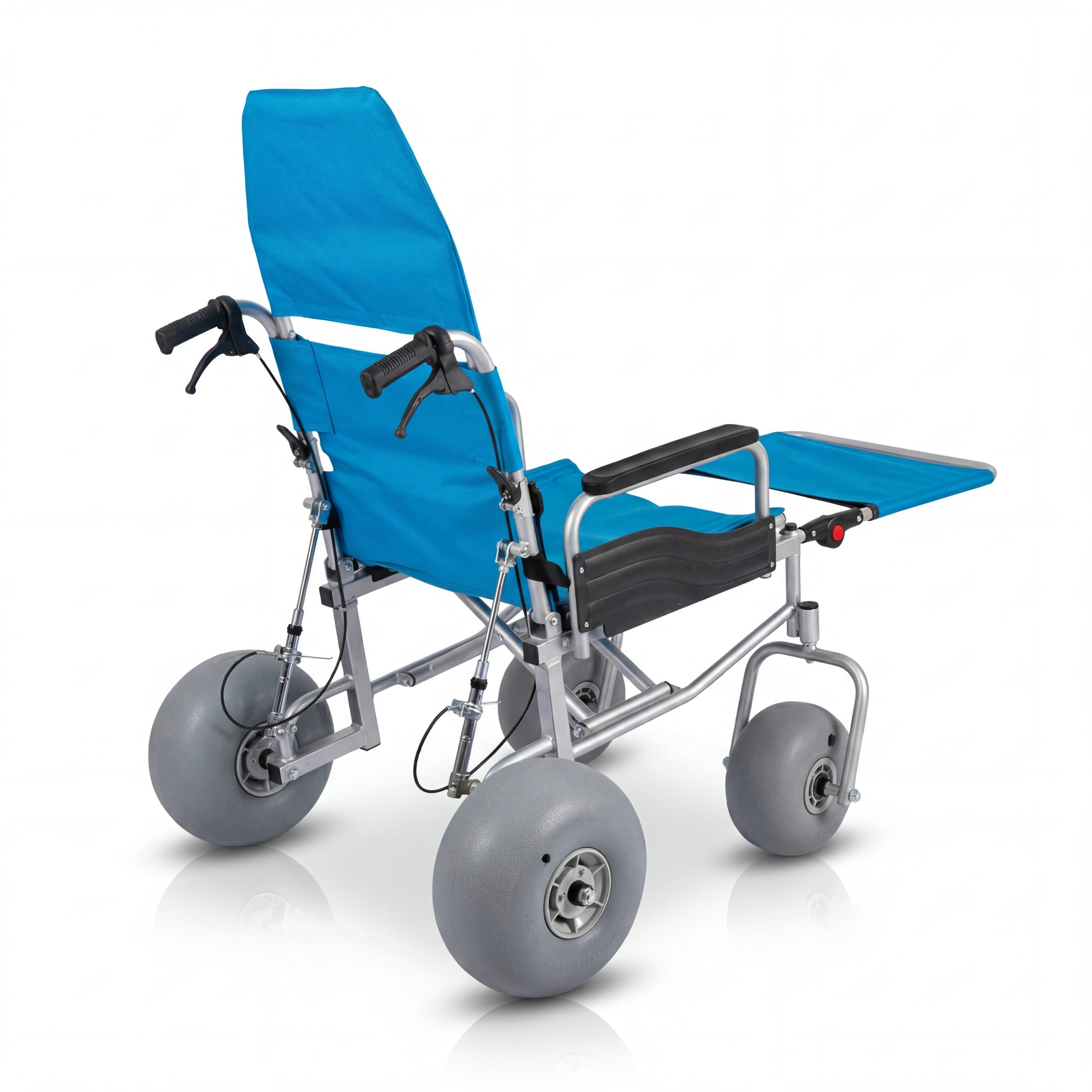
Treat a question as controlled change. Record:
- who asked and which line caused uncertainty;
- answer received and its stated limitation;
- whether all vendors receive the clarification;
- resulting brief or matrix revision;
- version date and approval owner.
Use plain questions: “Which model record supports this answer?” or “What local condition limits this statement?” Avoid leading questions. If a new requirement changes route, role, or handover, send the full change through the buyer’s approved process.
Preserve clarification history
A question log lets later reviewers understand why wording changed without rewriting history.
| Change record | Required entry | Review benefit |
|---|---|---|
| Original line | Exact requirement text | Preserves baseline |
| Question | Ambiguity in plain words | Shows reason |
| Answer | Vendor wording and limit | Supports comparison |
| Revision | Version and approval owner | Controls change |
Action: freeze each issued version and keep withdrawn wording out of the active response matrix.
Key takeaway: a controlled question trail protects fair comparison.
How can a tender brief stay useful after award?
After award, numbered lines can become an acceptance, handover, and open-item record. The brief can guide the next decision without replacing a contract or local process.

Carry the useful fields forward. Keep:
- final requested line and accepted response;
- recorded exception and condition;
- acceptance owner and review scope;
- handover output and version;
- open issue owner and next action.
Keep a vendor reply separate from a product claim. Route, user-fit, and local safety decisions belong with the buyer. A tender file earns its keep when it shows why a line was accepted or held.
Action: after award, create a short handover register from the accepted matrix and review open items with operations.
Key takeaway: a useful brief continues as an accountable handover record.
For company context, the about page is separate from vendor evidence. Teams can contact us with a numbered brief question when they need a product or document answer.
Common buyer questions
Q1 Is a beach wheelchair tender the same as a general buying checklist? No. This brief focuses on consistent vendor responses, evidence, exceptions, acceptance roles, and handover outputs.
Q2 Should every requested feature receive a yes-or-no answer? No. A useful matrix also records conditions, alternatives, evidence, and open questions.
Q3 Does a supplier photograph prove a tender requirement? No. It can illustrate a visible feature, but written identity and relevant evidence still need review.
Q4 Who signs acceptance? The buyer should name each signer and check. Receiving, fit, operations, and business approval may belong to different people.
Q5 Can a tender brief promise compliance or a winning result? No. It should state the buyer’s need and review process. Legal and buying decisions stay with the responsible buyer.