
A safe check for beach wheelchair tires matches one chair, wheel position, assembly identity, and supplier record before ordering. A similar-looking tire can still use a different hub, axle interface, fastener pattern, or approved configuration. A focused replacement request lets purchasing, receiving, and service teams audit the answer. It does not provide fitting directions, pressure values, torque figures, or a universal compatibility promise.
What Does “Fit” Mean for Replacement Wheel Requests?
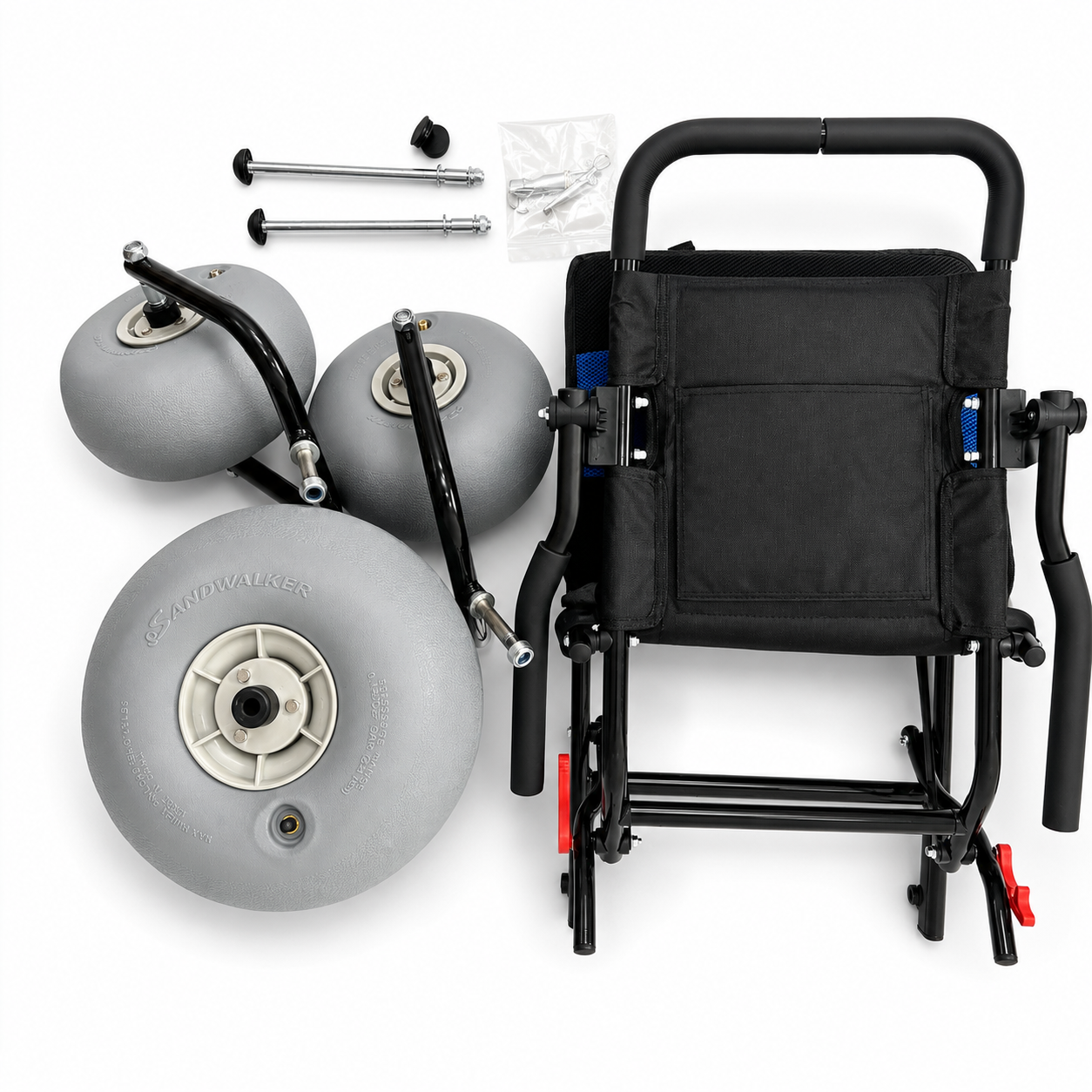
“Fit” means a supplier can connect a replacement item with the exact chair configuration and approved wheel position. It does not mean a tire looks the same, shares a color, or has a familiar width. A complete replacement decision identifies item, interface, chair record, and release approver.
Define fit as an evidence chain
Start the request with chair identity, not a generic search phrase. Ask a supplier to confirm whether you need a tire only, a wheel, or a complete rolling assembly. Keep any alternate part outside the ready state until written compatibility arrives.
A matching photo is only a clue: fit begins with identity and ends with an approved release.
- Name chair model, configuration, revision, and chair ID.
- State wheel position and side when the record requires it.
- Describe tire, wheel, hub, axle interface, and attachment scope.
- Ask for current supplier confirmation and document revision.
- Record who may accept the replacement into service.
The request should remain narrow enough for a supplier to answer without guessing. If identity or scope remains unclear, hold the order rather than selecting a visually similar item.
Buyer check: what counts as a match?
| Match element | Evidence | Hold trigger |
|---|---|---|
| Chair | Model, revision, and ID | Identity is missing |
| Position | Front, rear, side, or named location | Position is vague |
| Assembly | Tire, wheel, or complete unit | Scope is mixed |
| Approval | Supplier response and release owner | No accountable decision |
Key takeaway: Put chair identity and replacement scope in an opening line of every request.
Which Chair Identity Details Should Start the Request?
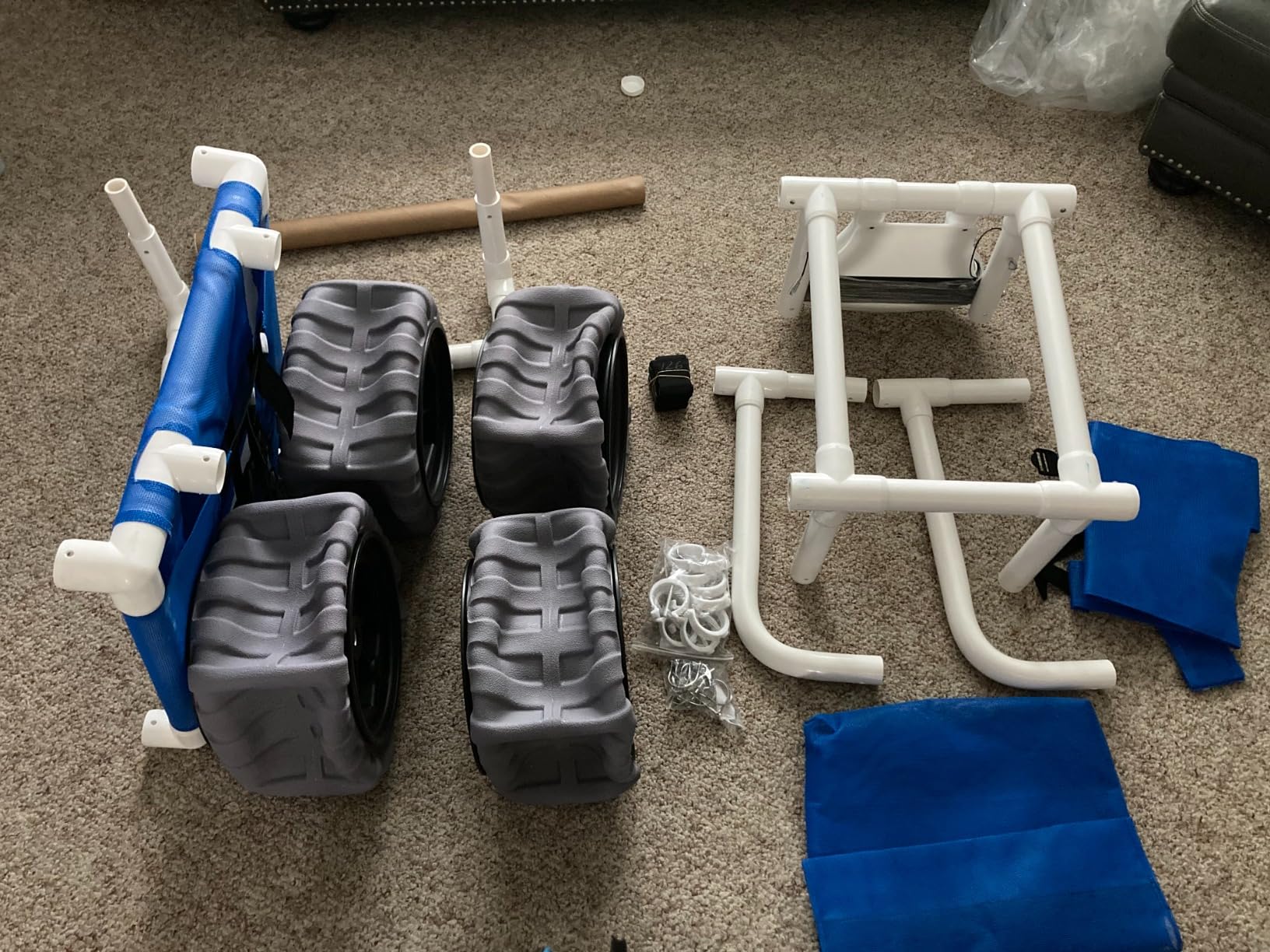
Chair identity details should start with the model, configuration, revision, and local chair ID that appear in your controlled records. Add wheel position, visible markings, and the reason for replacement only after that identity is clear. A product-family name alone cannot establish compatibility.
Build a short identity block
Give purchasing one repeatable template. Use supplier records for names and revisions. Do not copy a dimension from another chair or assume a component carries across a similar frame.
The identity block prevents a parts scavenger hunt: every reply should point back to one chair.
- Chair model and configuration as recorded by supplier.
- Drawing or manual revision currently held by your team.
- Chair or fleet ID, purchase record, and service history reference.
- Wheel position, side, and visible part marking if present.
- Replacement reason, observed damage, or missing component.
The Ary Beach Wheelchair user manual page can help locate document context. Use current files for an exact chair, never a remembered version.
Buyer check: does the request identify one chair?
| Identity field | Useful entry | Problem if absent |
|---|---|---|
| Model | Supplier model name | Parts may cross families |
| Revision | Drawing or manual revision | Old and new records mix |
| Chair ID | Fleet or asset reference | Receiving cannot assign item |
| Replacement reason | Damage, wear, or missing part | Scope remains unclear |
Key takeaway: Send one controlled identity block before asking for a replacement price.
How Do You Name Wheel Position and Assembly Scope?
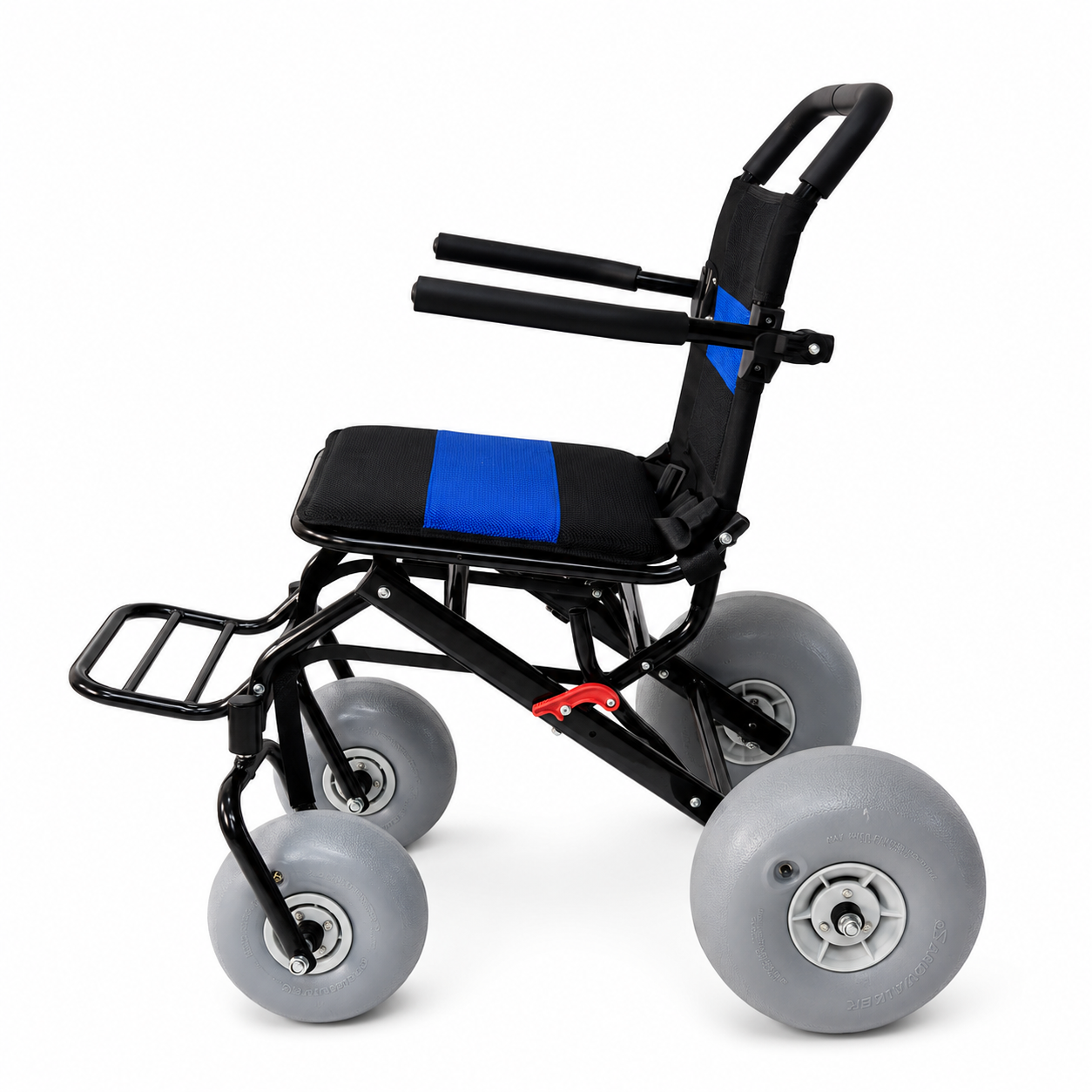
Name wheel position and assembly scope by stating where an item belongs and how much of a rolling system a quote covers. “Wheel” can mean a tire, a wheel with hub, or a complete assembly with interface parts. Front, rear, left, and right labels should follow supplier records rather than buyer assumptions.
Use controlled component language
Ask for the supplier’s part name and location. If a model uses paired or position-specific items, request that relationship in writing. Do not turn a visible wheel count into an installation plan.
Position words carry the handoff: a clear label keeps a right item from reaching a wrong chair.
- Front or rear position, with side named where relevant.
- Tire-only scope, wheel-only scope, or complete rolling assembly.
- Hub, axle interface, spacer, retainer, and fastener identity.
- Included accessories, packaging, and separate small parts.
- Supplier-approved substitutions, if any, with revision record.
The all-terrain beach wheelchair page provides product-family context. It does not establish that a pictured wheel fits another model.
Buyer check: can receiving read the same scope?
| Scope phrase | Supplier should state | Receiving action |
|---|---|---|
| Tire only | Tire identity and approved wheel | Keep wheel out of assumption |
| Wheel assembly | Wheel, hub, and interface scope | Match parts list |
| Complete unit | All included rolling parts | Count against quote |
| Alternate part | Written compatibility and revision | Hold until approved |
Key takeaway: Name position and assembly scope before discussing quantities or delivery.
What Photos Help Confirm a Replacement Match?
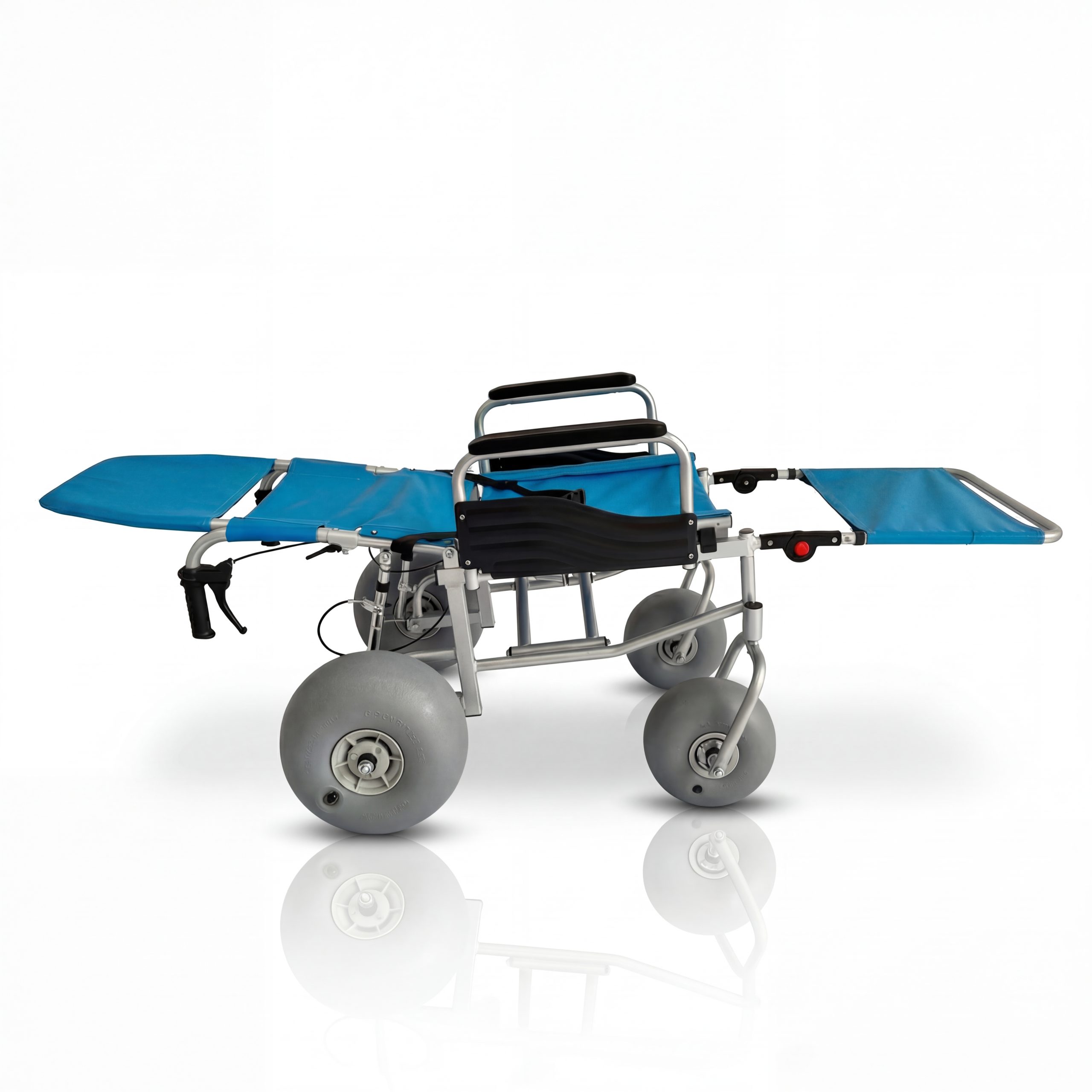
Photos help confirm a replacement match when they show the chair identity, wheel position, interface area, and visible markings in context. A photo cannot confirm internal dimensions, hidden fasteners, material grade, approval, or a service boundary. Use images as supporting evidence beside controlled records.
Send a useful photo set
Ask staff to follow local privacy and safety rules. Keep the chair empty, stable, and identified. A supplier may request additional views, yet buyers should not dismantle a wheel system to create a picture.
A photo set works when each frame answers one question: context, position, interface, and marking.
- Full chair view showing configuration and chair ID.
- Wheel-position view showing front, rear, or named side.
- Hub and axle-interface view without removing parts.
- Close view of labels, markings, damage, or missing hardware.
- Package or old-part view linked to chair ID when permitted.
The applications page may help explain product context, but it cannot replace a supplier’s compatibility response.
Buyer check: does each image have a purpose?
| Photo | What it can show | What it cannot prove |
|---|---|---|
| Full chair | Model context and layout | Hidden compatibility |
| Position view | Location on the chair | Approved substitution |
| Interface view | Visible hub or axle area | Internal dimensions |
| Marking view | Printed or molded identity | Safe release by itself |
Key takeaway: Attach purposeful photos to a controlled chair record, never as a stand-alone fit decision.
How Can Buyers Separate Tire, Wheel, and Assembly?
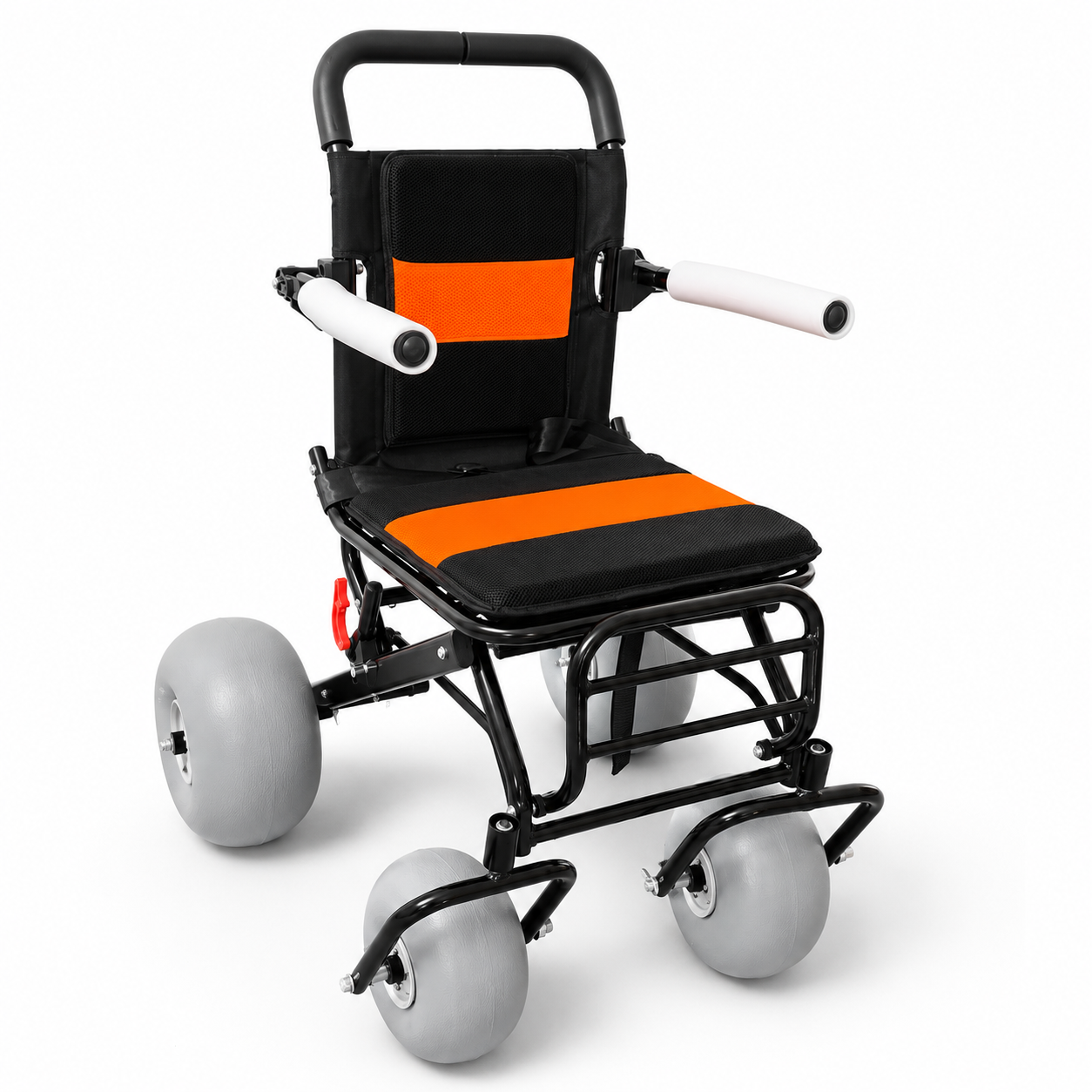
Buyers can separate a tire, a wheel, and a complete assembly by asking which physical item arrives and which interface parts are included. A tire may be only the outer component. A wheel may include a hub. A complete assembly may include additional attachment parts that still require supplier confirmation.
Set the quote vocabulary
Use one term per line in the request. Ask the supplier to mark optional, excluded, superseded, or substitute items. This prevents a purchasing team from comparing a tire price with a complete assembly price.
Clear nouns protect the budget: describe what arrives before comparing a number.
- Tire or outer rolling component only.
- Wheel with hub or other named center component.
- Complete wheel assembly with stated interface parts.
- Pair or set scope when a supplier requires matched items.
- Packaging, spare parts, and excluded hardware.
The lightweight beach wheelchair page can provide family context; a quote must still state item scope.
Buyer check: does price compare like with like?
| Quote label | Include | Comparison rule |
|---|---|---|
| Tire | Outer item and identity | Do not treat as full wheel |
| Wheel | Center and interface scope | Confirm included hardware |
| Assembly | Complete stated unit | Count every listed part |
| Set | Quantity and pairing rule | Match fleet need |
Key takeaway: Compare replacement prices only after item scope and included parts are written.
Which Supplier Records Belong in a Replacement Quote?
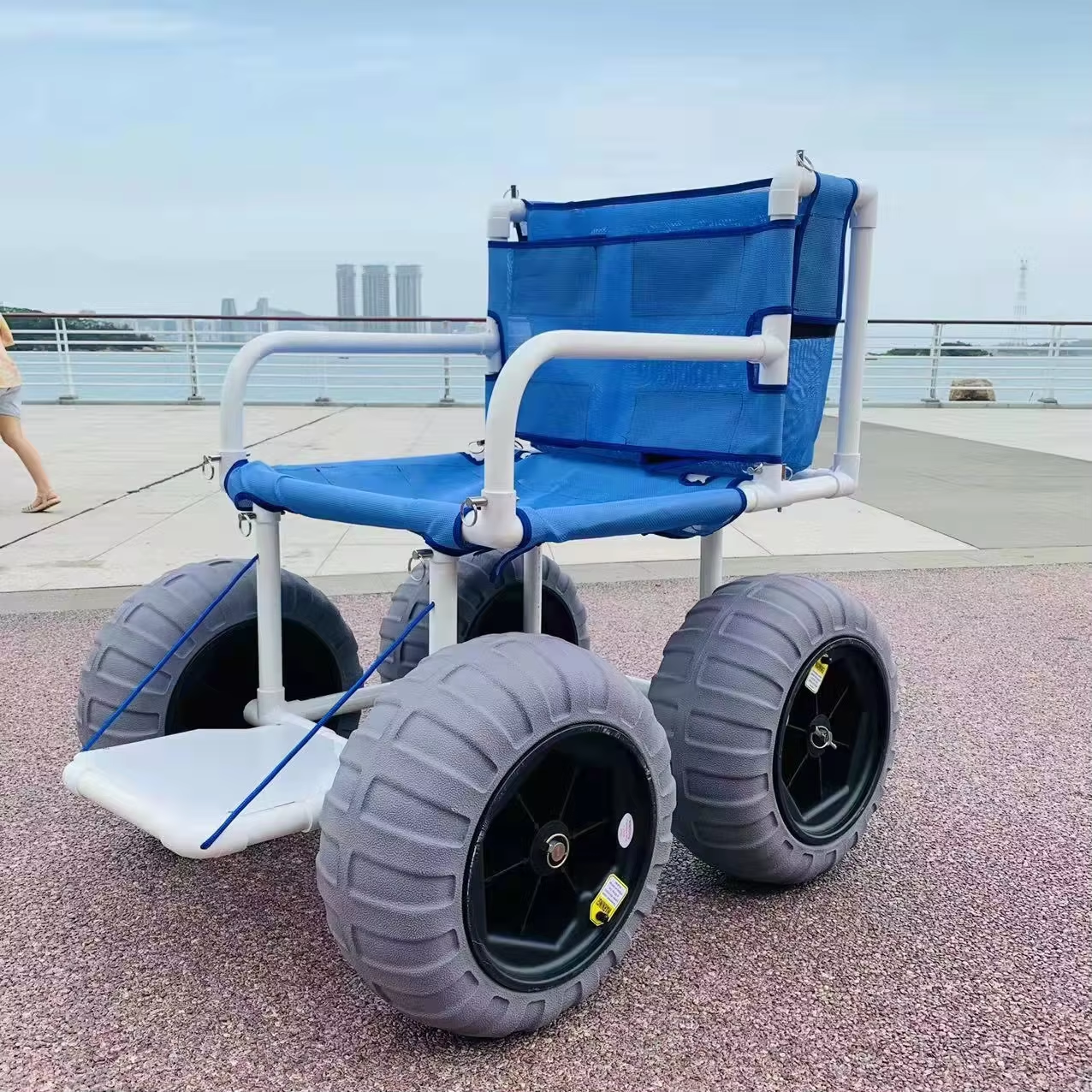
A replacement quote should include the exact item reference, compatible chair configuration, wheel position, included parts, revision, care notes, packaging, and approval path. The quote should also show what remains outside scope. A supplier reply that only says “same as photo” leaves purchasing exposed.
Ask for a matched document pack
Keep quote files with the chair record and service request. Ask the supplier to mark superseded references and written alternatives. Do not add a generic parts list to a specific order without checking revision.
A quote becomes auditable when every line has an owner: purchasing checks scope, receiving checks identity, and service controls release.
- Item name, part reference, and compatible model.
- Position, side, quantity, and complete assembly scope.
- Drawing or manual revision supporting the response.
- Included hardware, packaging, and excluded work.
- Inspection and release contact for the delivered item.
The projects page can support a project discussion, but it does not replace a quote pack for your chair.
Buyer check: can the quote survive handoff?
| Quote field | Owner | Hold trigger |
|---|---|---|
| Part identity | Purchasing | Reference is vague |
| Compatibility | Supplier and buyer | Model is unnamed |
| Package scope | Receiving | Parts are missing |
| Release contact | Service owner | No approval path |
Key takeaway: Require a line-by-line quote that names compatibility, scope, revision, and release ownership.
What Should Receiving Teams Check on Arrival?
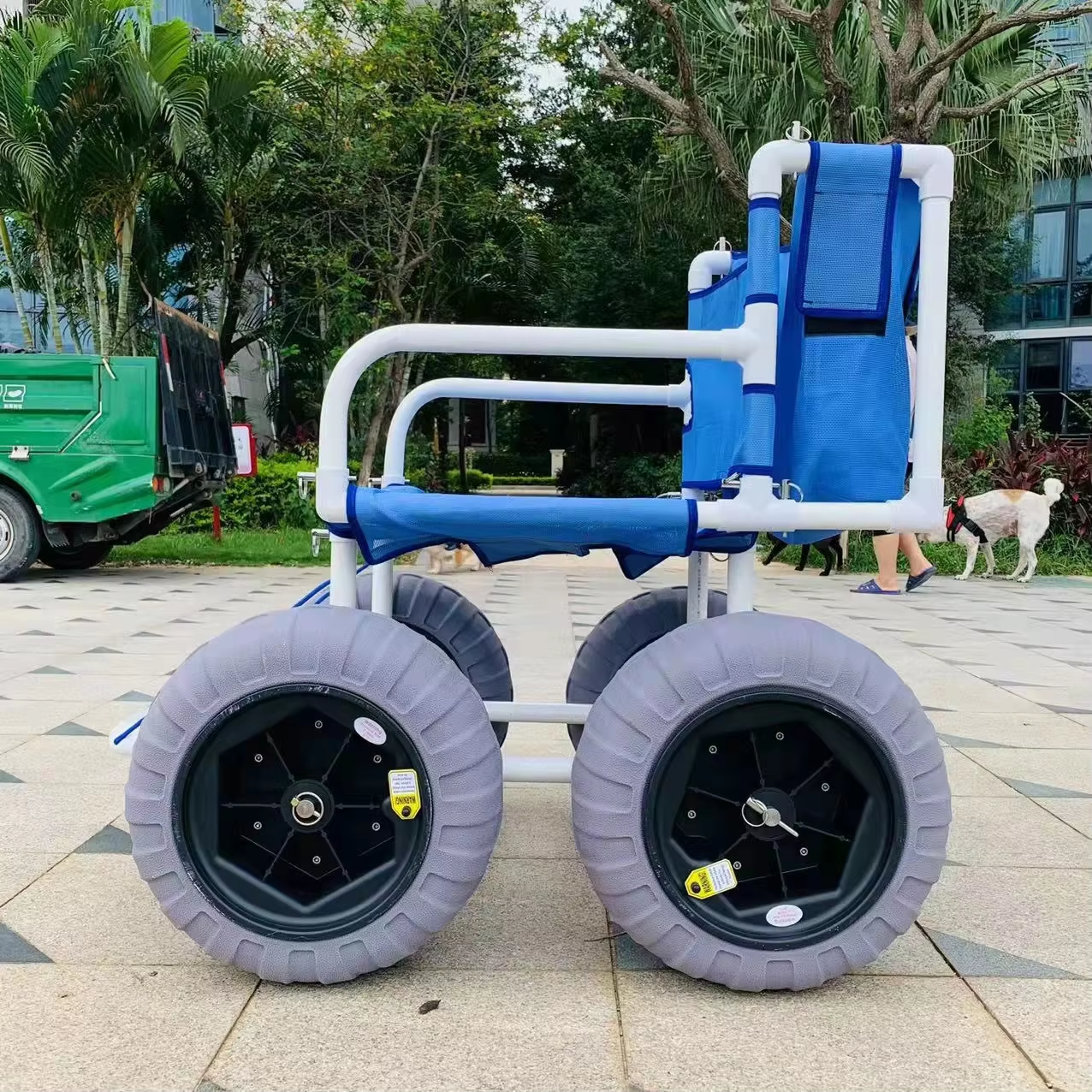
Receiving teams should check identity, quantity, visible condition, packaging, and paperwork before a replacement item enters service stock. Compare a delivered item with an approved quote and place any mismatch on hold. Receiving is an identity check, not permission for staff to improvise fitting work.
Create a receiving record
Use good light and a clean inspection area. Do not remove parts or alter a chair outside current instructions. Link photos and findings with chair ID, purchase reference, and supplier document revision.
The receiving gate protects service stock: no item moves forward while identity or condition remains unclear.
- Match model, reference, position, side, and quantity.
- Check packaging, labels, visible damage, and missing pieces.
- Compare included parts with the approved line items.
- Record supplier paperwork and revision references.
- Assign a hold status for mismatch, damage, or uncertainty.
Keep an item separate from ready stock until a named service owner confirms its next approved action. A delivered part is not automatically compatible because it arrived in familiar packaging.
Buyer check: what should receiving record?
| Receiving check | Evidence | Status |
|---|---|---|
| Identity | Label and approved reference | Accept or hold |
| Quantity | Count against quote | Short or complete |
| Condition | Visible inspection record | Hold damage |
| Documents | Revision and packing record | Escalate gaps |
Key takeaway: Keep a received replacement on hold until identity, condition, and paperwork match.
How Should Teams Record a Released Wheel Replacement?
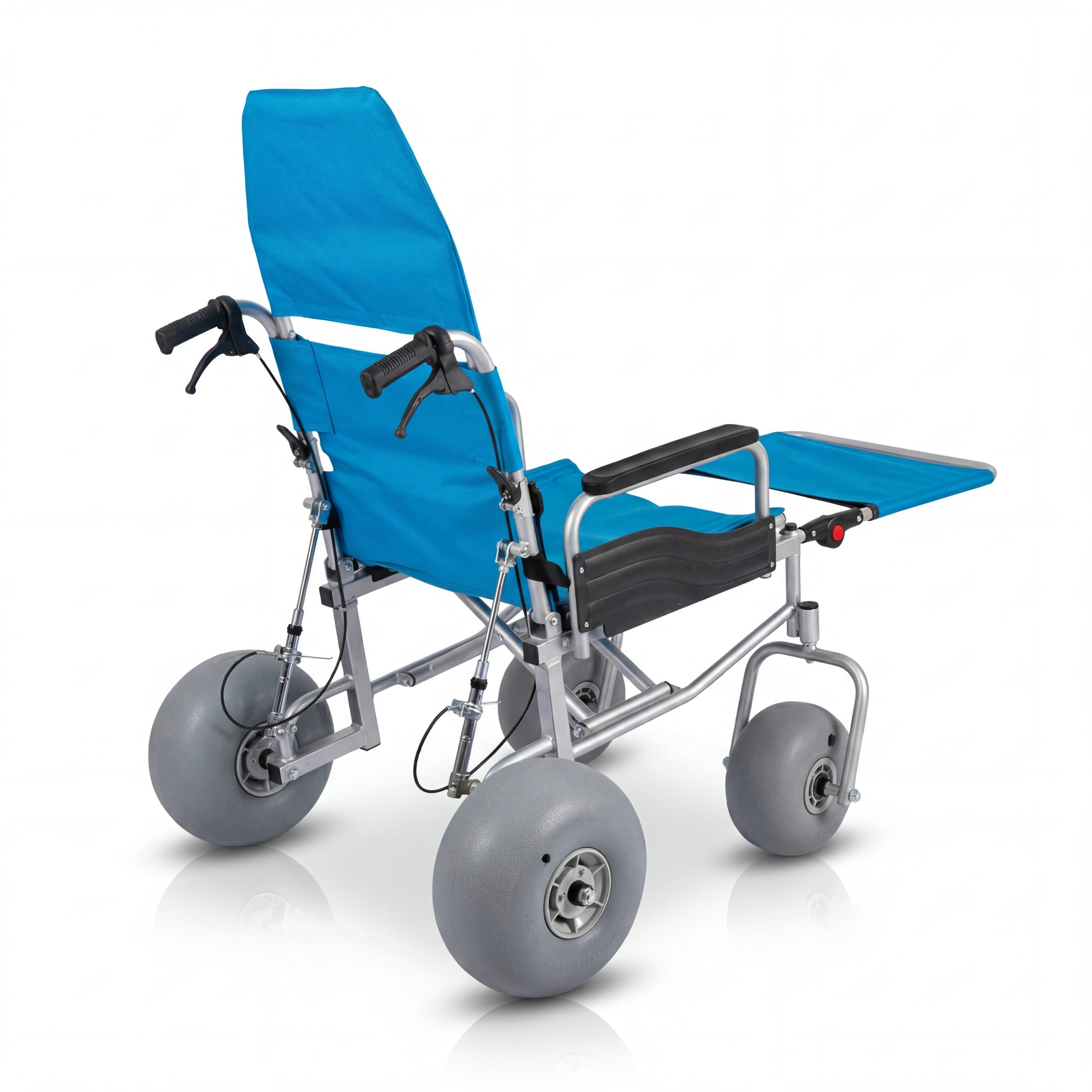
Teams should record a released wheel replacement against one chair, one position, one supplier response, and one named approver. Record what changed without adding a fitting procedure. Any service action must follow current model instructions and staff authorization.
Close the replacement record
Link old-item status, new-item identity, service reference, and release decision. If staff cannot confirm an approved action, leave a chair on hold and contact its supplier or service owner.
A release record tells the next person what happened: keep identity, decision, and date together.
- Chair ID, model, configuration, and wheel position.
- Removed-item reference and reason for replacement.
- Delivered-item reference, revision, and supplier response.
- Service owner, approver, date, and open follow-up.
- Ready, hold, or other controlled status after review.
The beach wheelchair product families link supports catalog context, but service records belong to each exact chair.
Buyer check: does the record show release authority?
| Record field | Purpose | Missing-field response |
|---|---|---|
| Chair and position | Locate changed item | Hold assignment |
| Old and new reference | Trace replacement | Ask supplier |
| Approver and date | Show release authority | Keep on hold |
| Follow-up | Track open condition | Assign owner |
The WHO wheelchair provision guidance supports follow-up with trained personnel. It does not verify a wheel’s compatibility or approve service work.
Key takeaway: Release only after a chair record names its approver and status.
How Should Buyers Compare Complete Wheel-System Quotes?
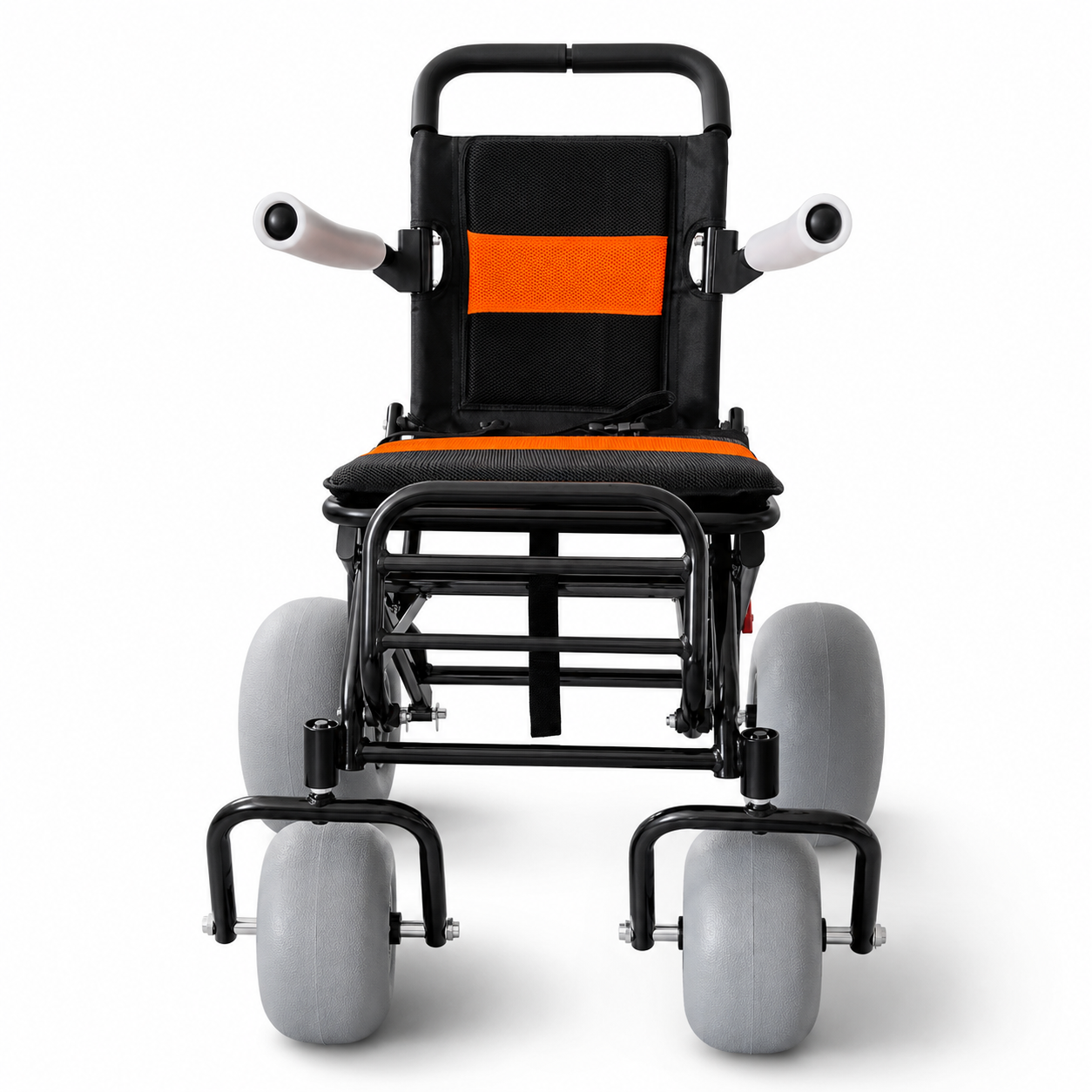
Buyers should compare complete wheel-system quotes by identity, compatibility evidence, package scope, service boundary, care record, and release path. Price alone cannot show whether two quotes cover the same item or responsibility. A complete comparison keeps old and new references visible.
Use a comparison sheet
Ask each supplier to answer the same fields. Keep a separate line for items not included. Do not fill an absent field with a guess drawn from a similar photo.
A fair comparison starts with equal scope: normalize identity before looking at price.
- Exact chair model and configuration.
- Wheel position and assembly scope.
- Compatibility source and document revision.
- Included parts, packaging, and exclusions.
- Receiving, service, care, and release support.
For a quote discussion, use the approved contact page after your owner assembles a chair record.
Buyer check: which quote carries less uncertainty?
| Comparison field | Quote A / B entry | Decision question |
|---|---|---|
| Identity | Model and revision | Are both records exact? |
| Scope | Tire, wheel, or assembly | Do prices cover the same item? |
| Evidence | Compatibility source | Can receiving check it? |
| Service | Release and follow-up | Who owns the next step? |
Key takeaway: Select a quote with matched scope, not a familiar-looking wheel.
What Should Your Replacement Request Include?
Your replacement request should include chair identity, wheel position, assembly scope, photos, supplier records, receiving checks, service ownership, and release status. This format turns a vague “new beach tires” message into an auditable request that a factory, distributor, resort, or rental team can answer.
Use a copy-ready request
Send one message with the same fields every time. Keep fitting, pressure, torque, and any structural work inside current model instructions and authorized service roles.
A short request saves a long correction: give suppliers enough identity for a definite reply.
- Chair model, configuration, revision, and chair ID.
- Wheel position, side, photo set, and visible markings.
- Tire-only, wheel, or complete assembly scope.
- Compatibility evidence, included parts, and exclusions.
- Receiving, service, approval, and follow-up owners.
For a product or project quote, contact us with the chair record and purposeful photos.
Keep the next action concrete
Collect an identity block, attach purposeful views, request a matched quote, and hold delivery until receiving and service owners confirm its record. A tire becomes a usable replacement only when identity, scope, compatibility, and release evidence stay together.
Q1: Does a similar-looking beach tire prove compatibility? No. Match model, position, assembly identity, and supplier evidence.
Q2: Should a buyer request a tire or a complete wheel? State scope and ask a supplier to define included interface parts.
Q3: Can staff use a generic fitting instruction? They should follow the current model record and authorized service boundary, not a generic recipe.
Q4: What should happen when a delivered wheel does not match its quote? Keep it on hold, record a mismatch, and ask its supplier or service owner.
Q5: Does an old wheel photo identify every replacement part? No. A photo supports a request; controlled model and part records decide a match.