
In practice, a donation plan works when a real need, accepted chair, named service owner, clear user information, and ongoing care meet before handoff. A donor may want a chair to reach a coastal operator, nonprofit, resort, town, or recreation team. The scenario is a sample donor-to-operator transfer. It does not promise an Ary donation scheme, tax deduction, grant, free equipment, or funding eligibility. A clear beach wheelchair donation plan keeps a recipient from taking a chair that no one can store, explain, care for, or release.
What does a beach wheelchair donation program need to solve?
A donation plan must solve a service problem, not only move a product between owners. The recipient must know who will use the chair, where staff will keep it, how handoff works, and who owns follow-up. A product photo can start a talk, but it cannot prove acceptance or site readiness.
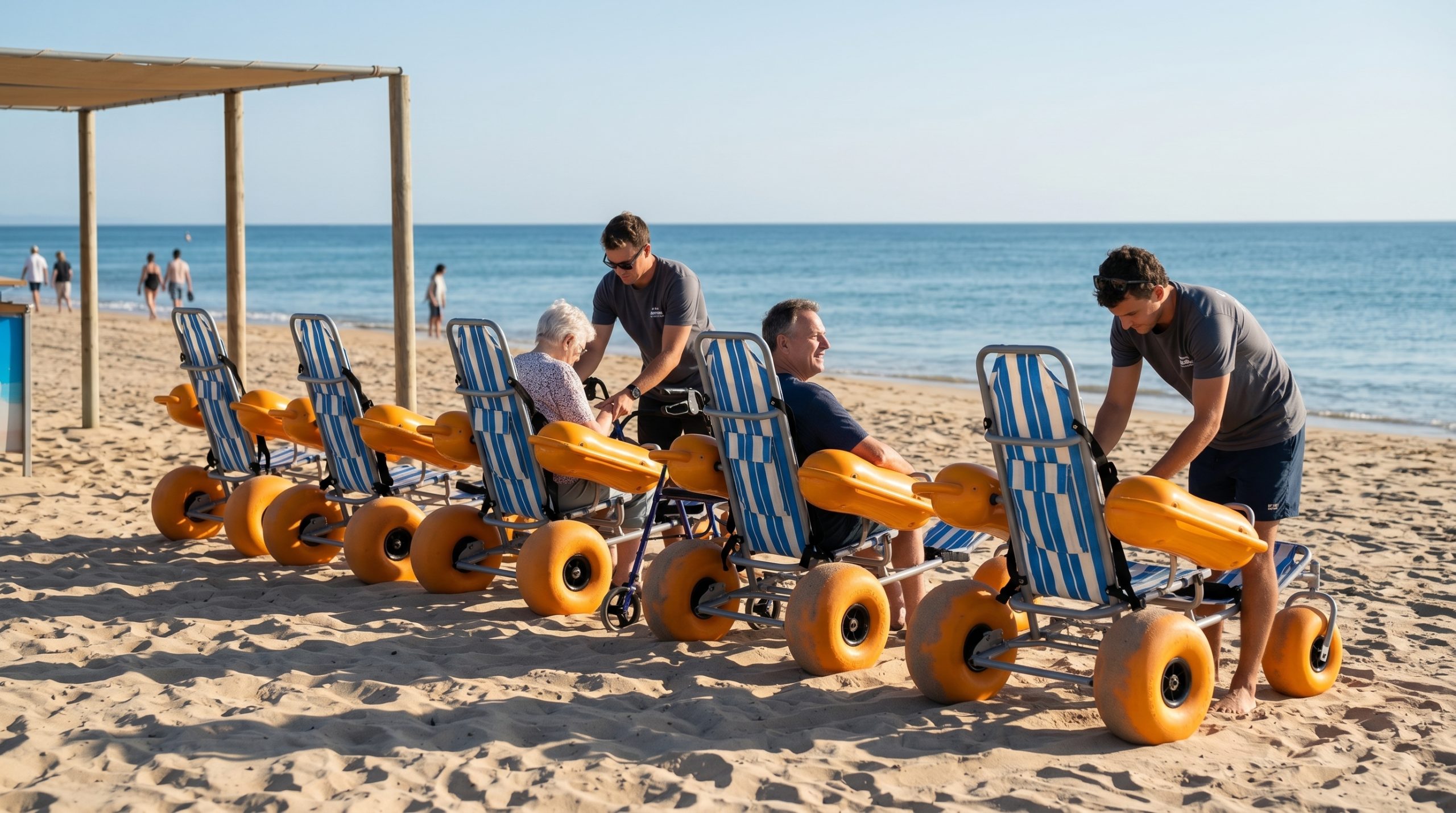
Start with the recipient’s work. Define:
- intended service and user group;
- location, route, and handoff boundary;
- named operator and local custodian;
- care, storage, and review resources;
- information still needed before acceptance.
Describe a sample park as a planning case, not a finished program. It may receive a chair but still need staff, storage, clear instructions, and a local release process. Record these gaps. Do not present goodwill as guaranteed access.
Define recipient ownership
The recipient should be able to state what problem equipment will address and who owns each next step.
| Program question | Record | Decision use |
|---|---|---|
| Who needs service? | User group and service purpose | Tests relevance |
| Where will chair operate? | Site and route boundary | Tests local fit |
| Who owns equipment? | Named operator and custodian | Prevents orphan assets |
| What remains open? | Evidence or resource gap | Sets acceptance condition |
Action: ask the recipient to approve the need statement before a donor schedules handoff.
Key takeaway: delivery follows ownership, not goodwill alone.
How should a recipient define real operating need?
The recipient should define need from its route, users, staff tasks, and service hours, not from a donor’s model. The need statement can be short, but it must name operating limits. If fit or safety matters, assign a trained reviewer before handoff.
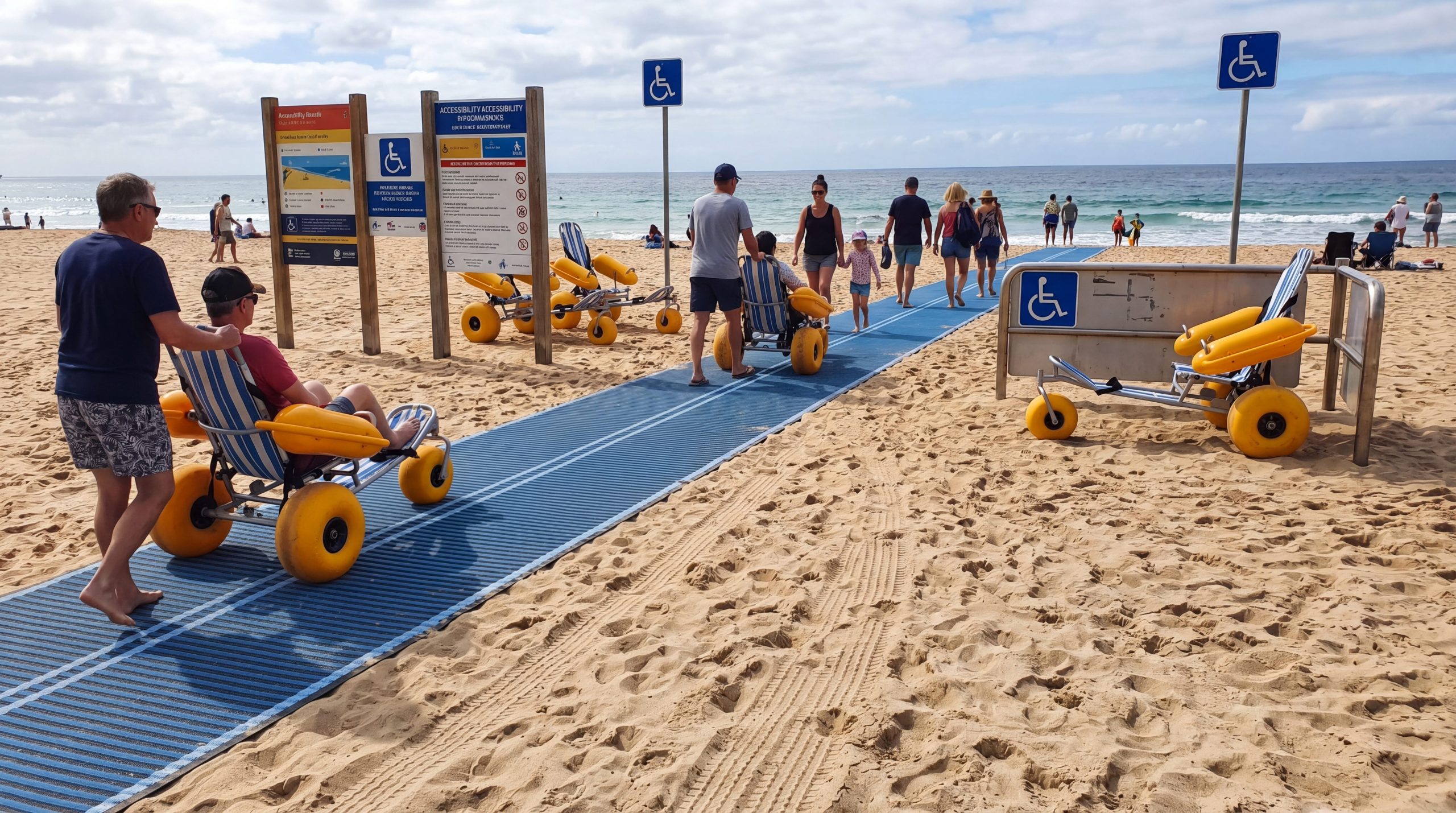
Describe the day, not the wish list. Ask the operator to record:
- start point, route, destination, and return path;
- users served and fit-review responsibility;
- staff who move, hand over, clean, or store equipment;
- weather, surface, or water boundary that staff must clarify;
- service information the public needs before requesting help.
The applications page can frame use contexts, but it does not approve a chair for every site. If a route also uses an accessible beach mat, review that item apart. The recipient owns site decisions; a donor should not call a route suitable without operator review.
Make operating need observable
An observable need helps both parties decide whether a proposed chair belongs in a real service plan.
| Need detail | Useful record | Weak substitute |
|---|---|---|
| Route | Start, surface, destination, return | “Beach access” |
| User | Group and reviewer role | “Anyone” |
| Staff | Handoff and care roles | “Volunteers” |
| Boundary | Water, storage, or weather limit | An implied promise |
Action: have an operator, not a donor, approve route and user assumptions before equipment is accepted.
Key takeaway: the recipient decides whether a need is real and manageable.
Which equipment details should a donor disclose?
A donor should share chair identity, visible condition, included parts, records, and limits backed by facts. Appearance, service history, or sales text cannot prove performance. If a fact is missing, mark it missing and let the recipient decide whether review can proceed.
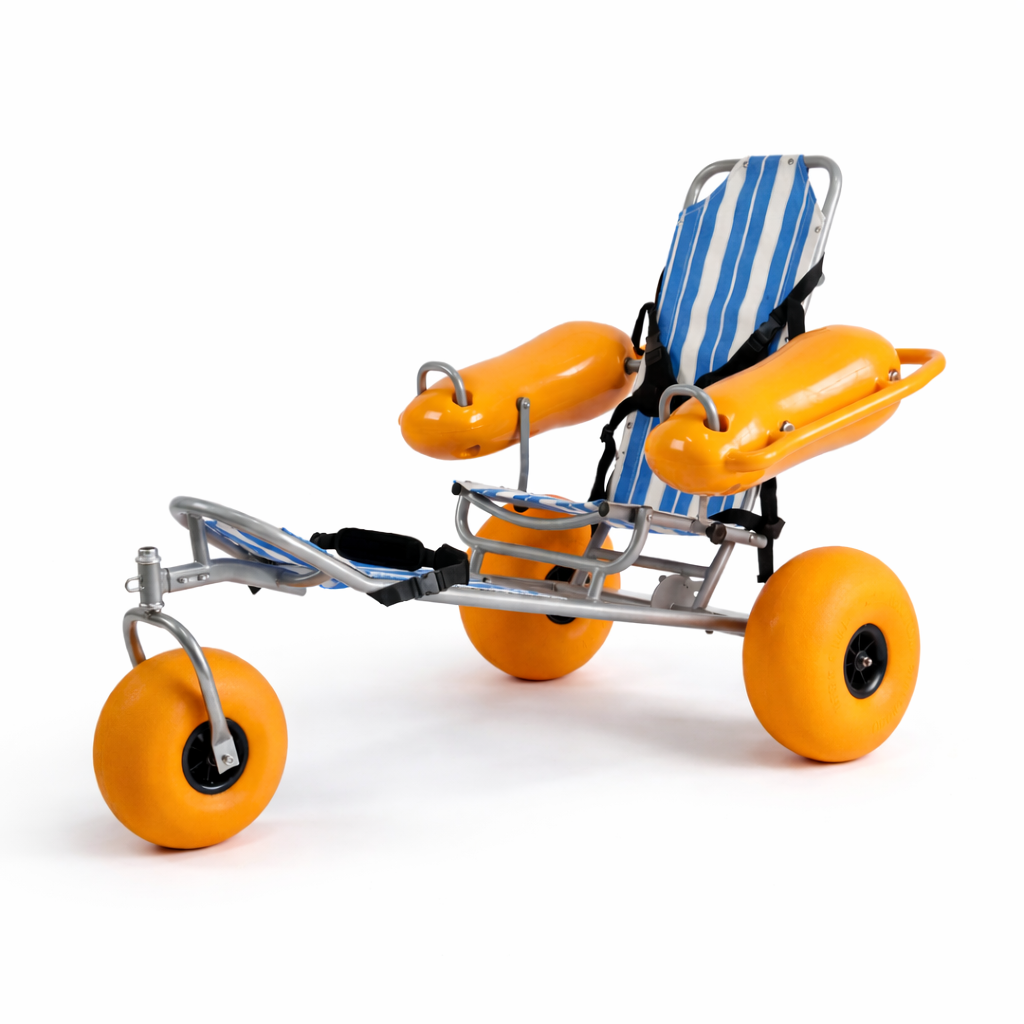
Make the offer inspectable. Share:
- model, order, or asset identity when available;
- photographs of the actual equipment and included parts;
- care, storage, or prior service records that exist;
- known changes, missing items, or visible damage;
- user information or instructions supplied with the chair.
An all-terrain beach wheelchair label still needs a model reference and fit review. A photo cannot prove water approval, fit for every user, or route fit. The recipient can ask for more detail before acceptance.
Disclose facts and gaps
An honest equipment sheet helps the recipient decide whether inspection, hold, or refusal is appropriate.
| Disclosure | What it supports | What it cannot prove |
|---|---|---|
| Identity | Matching chair and records | Suitability for every user |
| Visible condition | Inspection planning | Hidden condition |
| Included parts | Handover check | Compatibility without review |
| Missing record | Open-question list | A positive claim |
Action: send an itemized equipment sheet before moving the chair, including a clear “not verified” field.
Key takeaway: a donor’s facts and gaps belong in the acceptance review.
How can an operator accept or hold a donated chair?
An operator can accept a donated chair only after a named reviewer checks identity, condition, records, storage, and planned use. If a key question stays open, the operator can hold acceptance. Acceptance belongs to the local organization; delivery alone does not prove it.
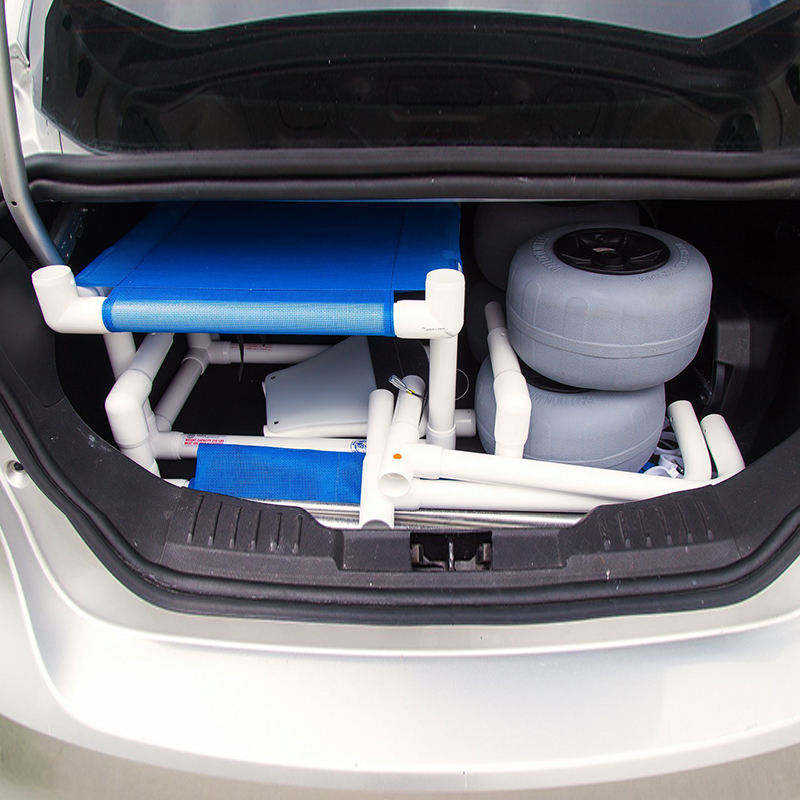
Use an acceptance gate. Check:
- chair and component identity against the offer;
- visible condition and missing-item record;
- operator, custodian, and storage location;
- user or fit review responsibility;
- care information and unresolved questions;
- accepted, held, or declined status.
The lightweight beach wheelchair page can name a product group, but it cannot approve a donated unit. Hold a chair while acceptance or a safety review remains open. Show both parties why it is held.
Record acceptance gates
The operator should be able to explain what was accepted, what was held, and who owns every open point.
| Gate | Evidence | Status choice |
|---|---|---|
| Identity | Matching chair and records | Match or open |
| Condition | Inspection note and photos | Accept, hold, or decline |
| Operation | Named custodian and route review | Ready or open |
| Information | Instructions and care record | Complete or missing |
Action: issue a signed acceptance or hold record before public booking or user handoff.
Key takeaway: acceptance is a local decision with a named owner.
Who owns cleaning, storage, and routine care?
The recipient operator should own cleaning, storage, care, and status after acceptance unless a written plan names another owner. A donor can share care details or take an agreed task, but goodwill alone does not create service capacity.
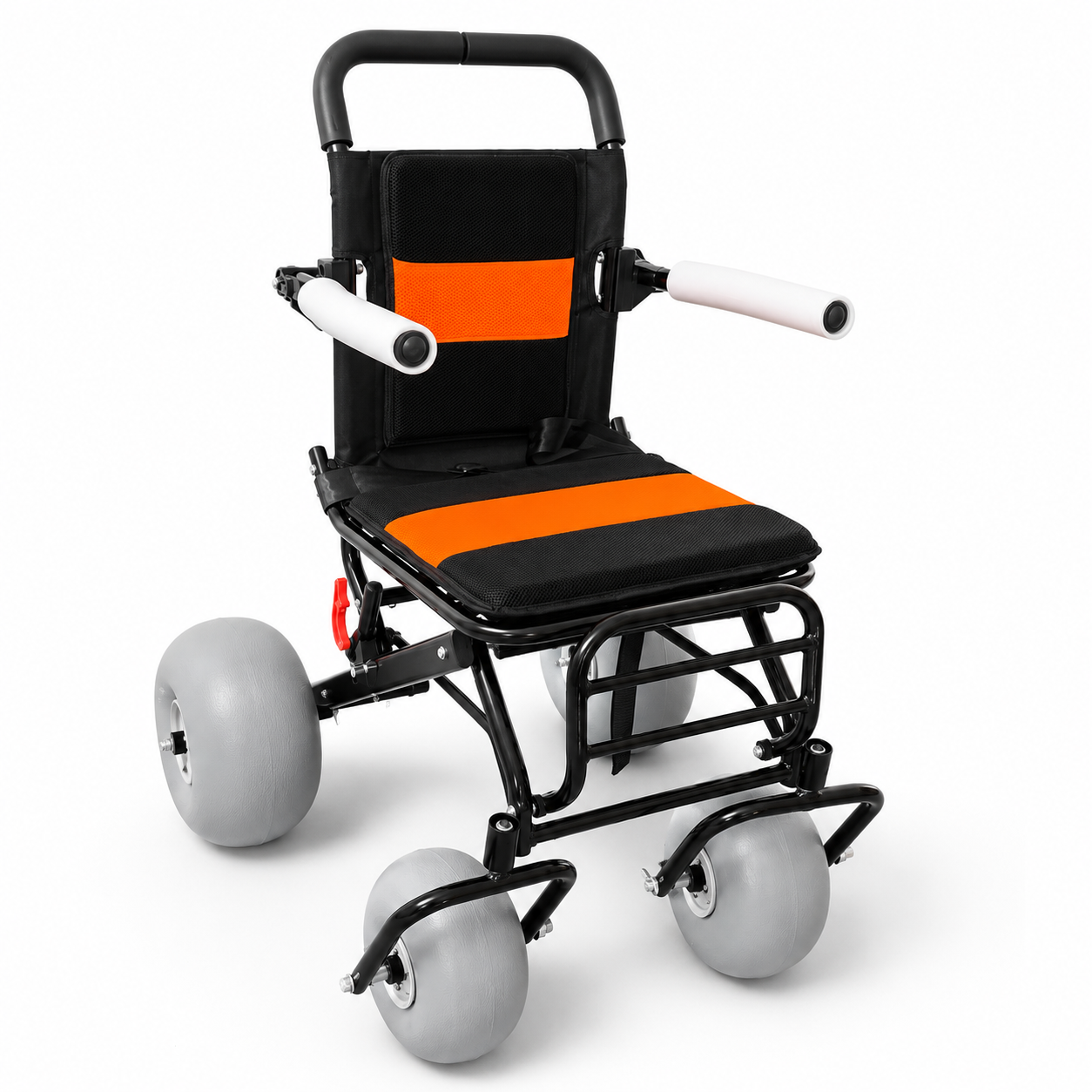
Put routine work on a person’s calendar. Assign:
- daily or per-use condition observation within local practice;
- cleaning and drying responsibility;
- protected storage location and access;
- maintenance hold or escalation owner;
- record location for care and release decisions.
The beach wheelchair user manual helps only when it matches the chair. Do not invent wash, repair, lift, or water steps from a photo. If instructions are unclear, hold the task and ask a qualified reviewer or supplier.
Assign a service owner
An equipment transfer without a care owner creates an asset that may sit unused or return to service without review.
| Care area | Named owner | Evidence |
|---|---|---|
| Cleaning | Operator role | Care entry or local record |
| Storage | Site custodian | Location and access note |
| Hold status | Operations reviewer | Visible status decision |
| Escalation | Supplier or contract contact | Case reference |
Action: assign care owners and backup owners before the chair enters public service.
Key takeaway: a donated chair still needs routine service ownership.
What training and accessible information belong at handoff?
The handoff should give staff clear information about the chair, route, roles, care, and return. Training should match the model and actual tasks. A donor should not promise a clinical result or assume one short demo trains everyone.
The WHO assistive technology fact sheet includes products and related services within assistive technology.
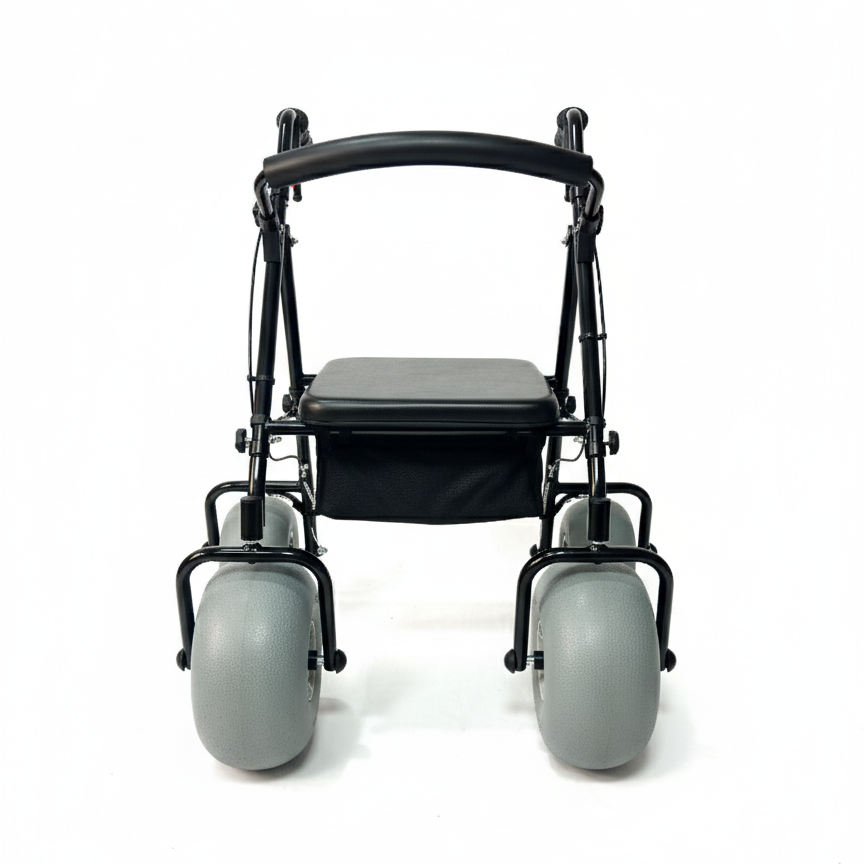
Give staff usable information. Plan for:
- model and component identity;
- plain-language user and operator information;
- route, handoff, and return boundaries;
- care and hold process;
- contact for open technical or operational questions;
- a record showing who received the briefing.
The beach walker page can keep a walker briefing apart from a chair briefing. Keep fit and safety questions with trained staff. A handoff record should say what was explained and what remains open.
Carry information to users
Accessible wording and a visible contact path help operators answer routine questions without making unsupported promises.
| Handoff item | Audience | Record |
|---|---|---|
| Device identity | Staff and users | Matching model note |
| Route boundary | Staff and users | Local service brief |
| Care status | Operators | Routine record |
| Open question | Named reviewer | Follow-up entry |
Action: test handoff information with a staff member who did not prepare the donation file.
Key takeaway: accessible information should work for the person receiving it.
How should user feedback shape continued service?
User feedback should show whether service, information, route, or handoff needs review. It should not become a product promise. Invite feedback in private and give an operator power to act.
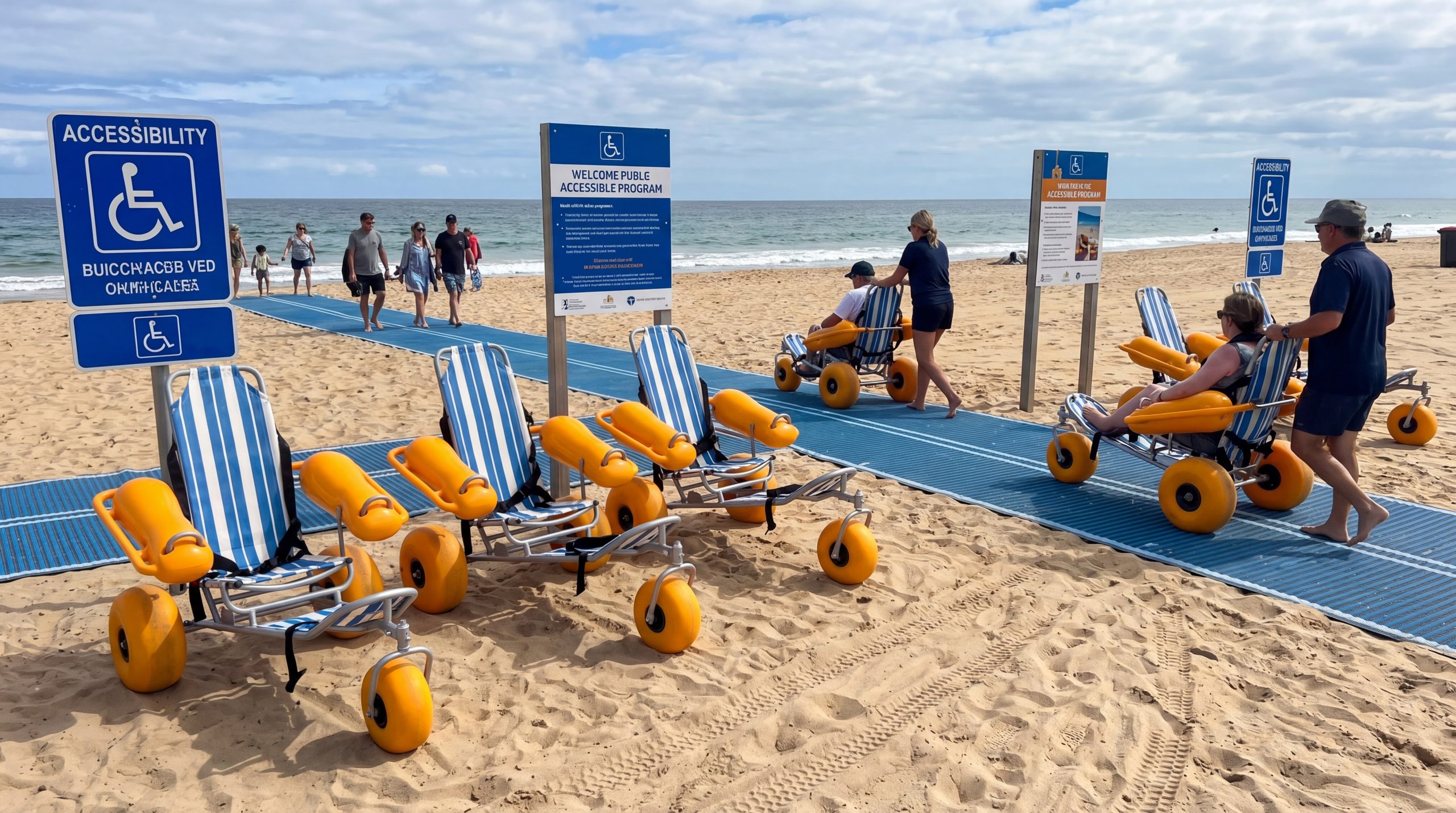
Ask about the service, not private diagnosis. A feedback form can record:
- ease of requesting or locating help;
- clarity of route and handoff information;
- staff communication and return process;
- visible equipment issue or access barrier;
- permission to follow up, when appropriate.
Keep a user’s experience apart from a technical finding. If feedback points to fit or safety, hold the service and send the concern to a qualified reviewer. Do not publish a personal story as proof that a chair fits all users.
Give feedback an owner
Feedback becomes useful when the operator can route it to service, equipment, access, or information review.
| Feedback type | Route | Possible record |
|---|---|---|
| Handoff clarity | Operations owner | Briefing update |
| Route barrier | Site owner | Access review |
| Visible issue | Equipment owner | Support case |
| Fit concern | Qualified reviewer | Private follow-up |
Action: review feedback on a set cadence chosen by the operator and record the action without publishing personal data.
Key takeaway: feedback matters only when someone can act on it.
What records keep donor and operator aligned?
Shared records should show the offer, acceptance, chair identity, custodian, care owner, open questions, and later changes. Keep donor messages apart from the operator’s service file. Link both with one asset reference.
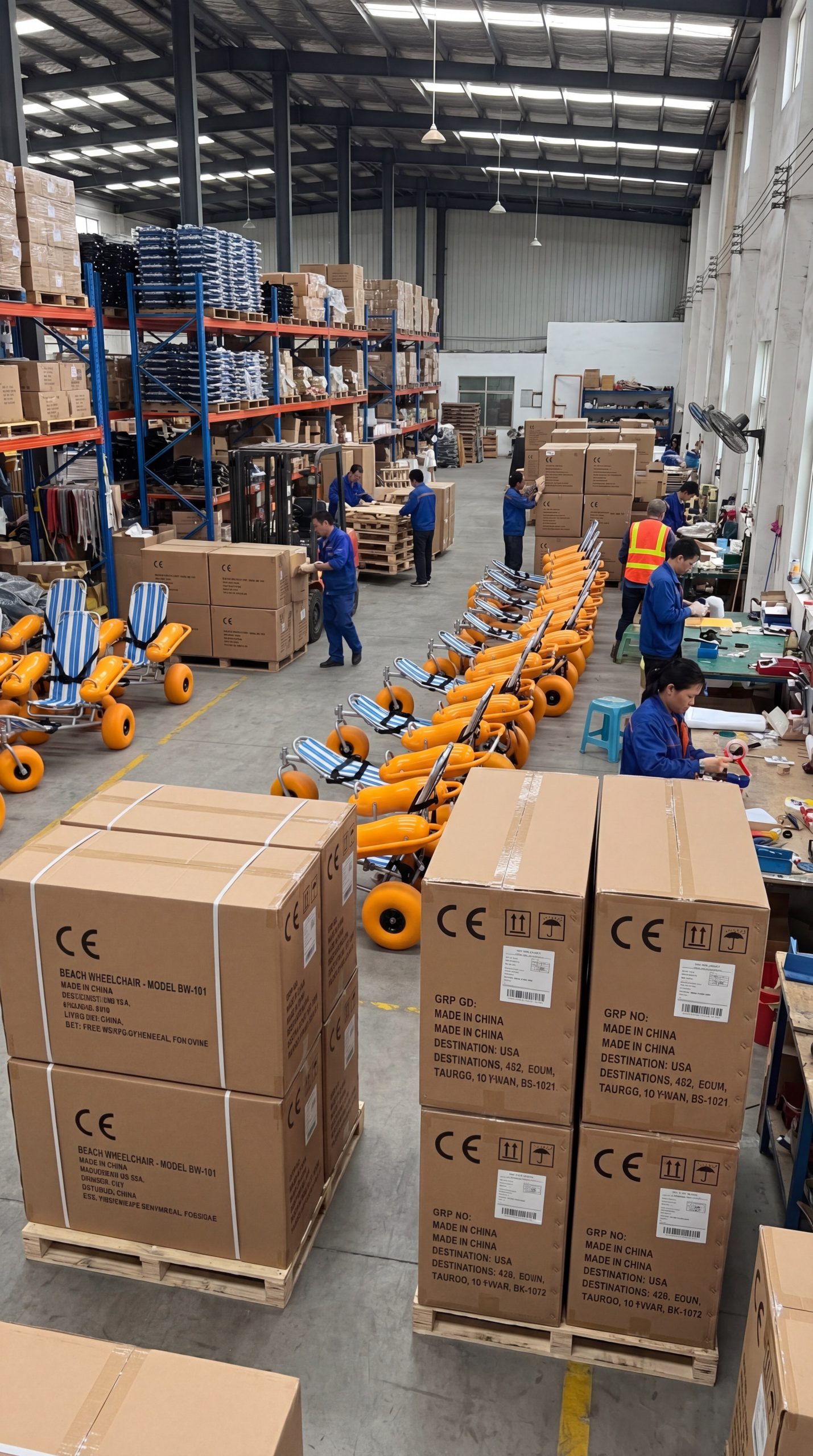
Keep one simple transfer file. Include:
- donor and recipient organizational contacts;
- equipment list and condition record;
- acceptance, hold, or decline decision;
- named service and care owners;
- handoff information version;
- support, feedback, and change entries.
The projects page may give public context, but it does not prove a donation, approval, or ongoing service. Keep private user details out of a shared donor file. Record only what each party needs.
Use one reference across files
A common asset reference lets donor and operator discuss the same chair without exposing unnecessary personal information.
| Shared field | Donor file | Operator file |
|---|---|---|
| Asset identity | Offer and transfer | Acceptance and service |
| Condition | Disclosed state | Local inspection |
| Custodian | Recipient contact | Storage owner |
| Open item | Donor response | Operator action |
Action: agree on a neutral asset reference and file owner before handoff day.
Key takeaway: one reference keeps donor and operator records aligned.
How should a program handle change or retirement?
A program should handle a change or retirement through a recorded operator decision. The decision should weigh condition, service need, care capacity, and any agreed replacement or transfer path. Donor and recipient should check any continued-use condition against their shared duties.
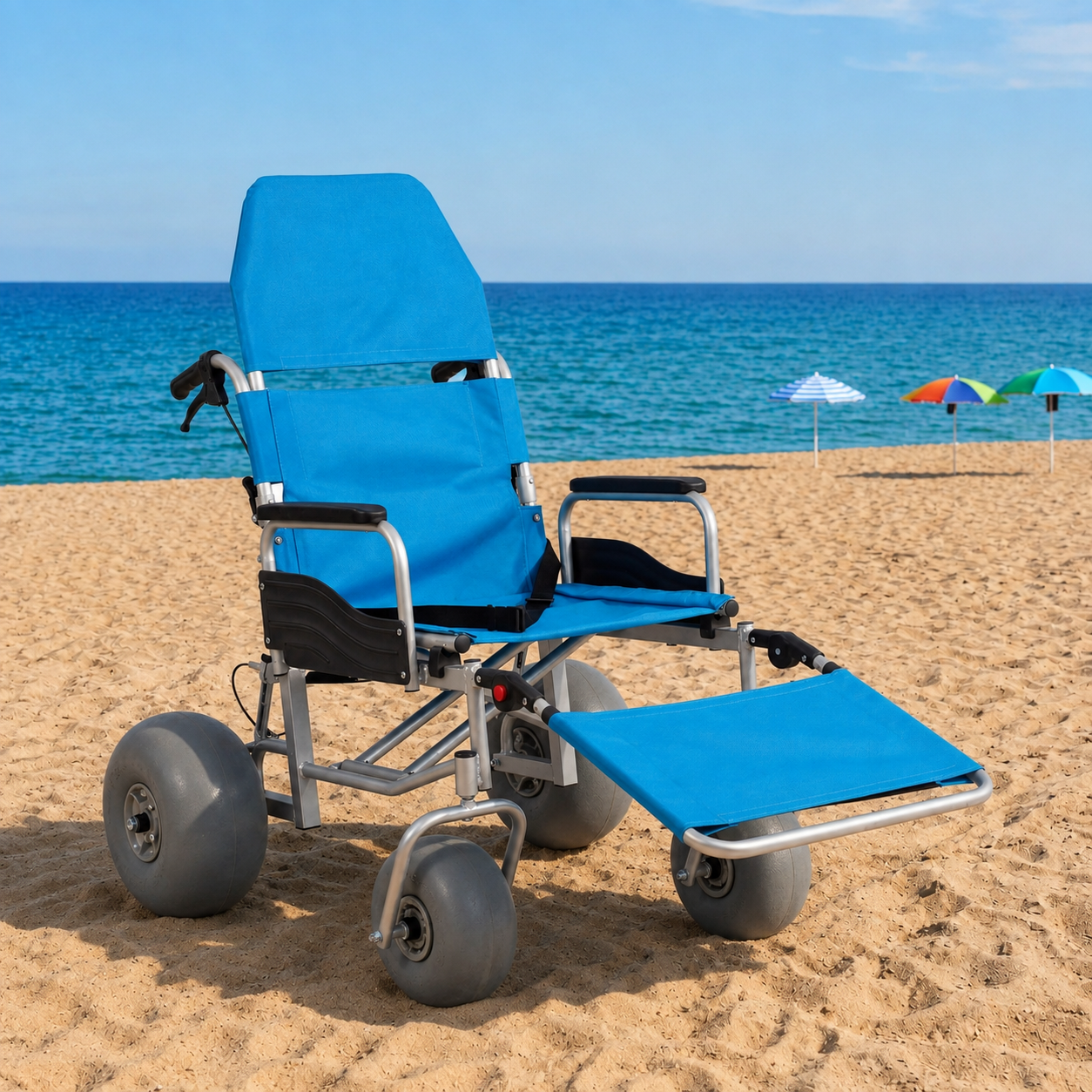
Plan for the day service changes. Record:
- reason for hold, change, or retirement;
- last known status and storage location;
- owner of user communication;
- parts, repair, or review question still open;
- approved next destination or disposal process, if any.
Do not claim a retired chair can be repaired, moved, or used in water without exact facts and a qualified review. If the route or users change, reassess need before using the old acceptance decision.
Plan for retirement
Clear change records protect users, operators, donors, and future custodians from guessing about an old asset.
| Change state | Record | Owner |
|---|---|---|
| Temporary hold | Reason and review question | Operations |
| Service change | New route or user need | Recipient |
| Retirement | Status and final location | Asset owner |
| Transfer review | New recipient acceptance | Named reviewer |
Action: add a change and retirement field to the original acceptance record rather than starting an unconnected file.
Key takeaway: stewardship includes the day equipment leaves service.
How can partners plan a responsible handoff?
Partners can plan a handoff by agreeing on need, chair facts, acceptance authority, care owner, user information, feedback, and change records before any public promise. The transfer is complete when the operator can manage the chair within its own process.
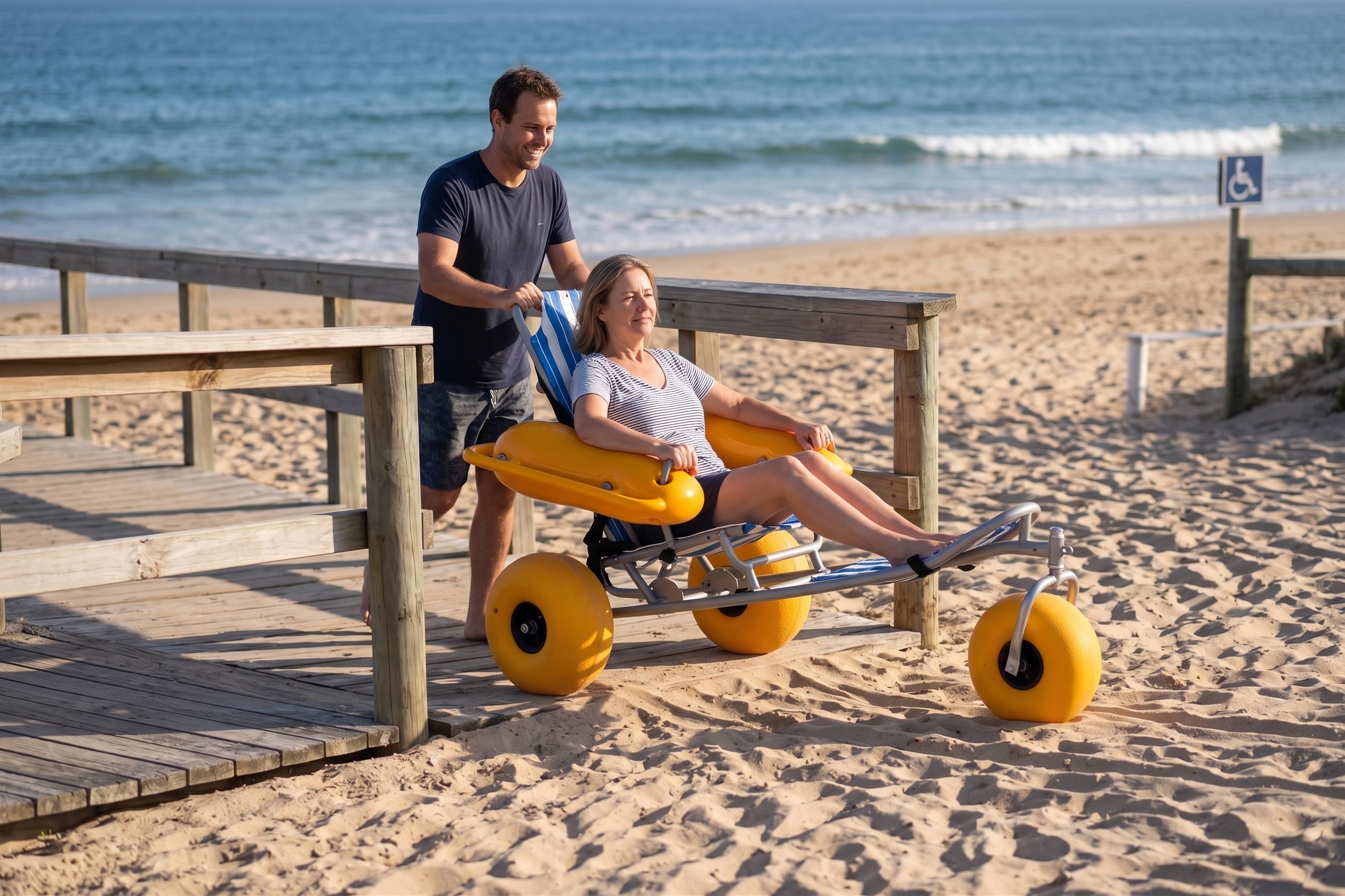
Use a staged handoff. Keep this sequence:
- recipient defines need and route boundary;
- donor discloses equipment and known gaps;
- operator reviews identity and condition;
- both parties name care and follow-up owners;
- staff receive matched information;
- acceptance or hold is recorded;
- feedback and retirement path remain visible.
This plan does not promise funding, tax treatment, a grant, or free equipment. It lets two organizations decide with the facts they hold. For a product or handoff question, partners can contact us with model identity and operating context. A response still needs recipient review.
Action: run a tabletop handoff with the actual operator, custodian, and reviewer before announcing service to users.
Key takeaway: a responsible handoff ends with an operator who can continue the work.
Common buyer questions
Q1 Does a beach wheelchair donation automatically create a public service? No. The recipient still needs a route, operator, care plan, information, and acceptance decision.
Q2 Can a donor promise free equipment or a tax deduction? No promise follows from a transfer plan. Funding, tax, and eligibility questions belong to the responsible organizations and advisers.
Q3 What should a recipient inspect before acceptance? Match identity, visible condition, included parts, records, storage, care ownership, and intended operating boundary.
Q4 Who owns the chair after handoff? The recipient should name its asset custodian and service owner in writing. A different plan needs its own written terms.
Q5 What happens if a donated chair no longer fits the program? Put it on hold, record why, and let the operator decide on review, change, retirement, or another accepted path.