
A better beach wheelchair reservation system matches booking promises with real chairs, trained staff, checked routes, and realistic turnaround windows. A calendar alone cannot manage walk-ups, weather pauses, cleaning, late returns, or equipment holds. The operating system should give guests a clear request path while giving staff one reliable view of availability and responsibility. This B2B guide outlines ten practical questions for designing booking channels, request fields, time slots, confirmations, check-in, cancellation rules, privacy boundaries, and service records without publishing invented availability or guest outcomes. Each question links a guest-facing promise with an accountable staff action.
Related planning resources cover beach wheelchair procurement checklist and booking system outage.
For broader destination-level context, consult the UN Tourism accessibility publications and guidelines. Apply local requirements and current product documents to the specific project.
What booking channels should the system support?
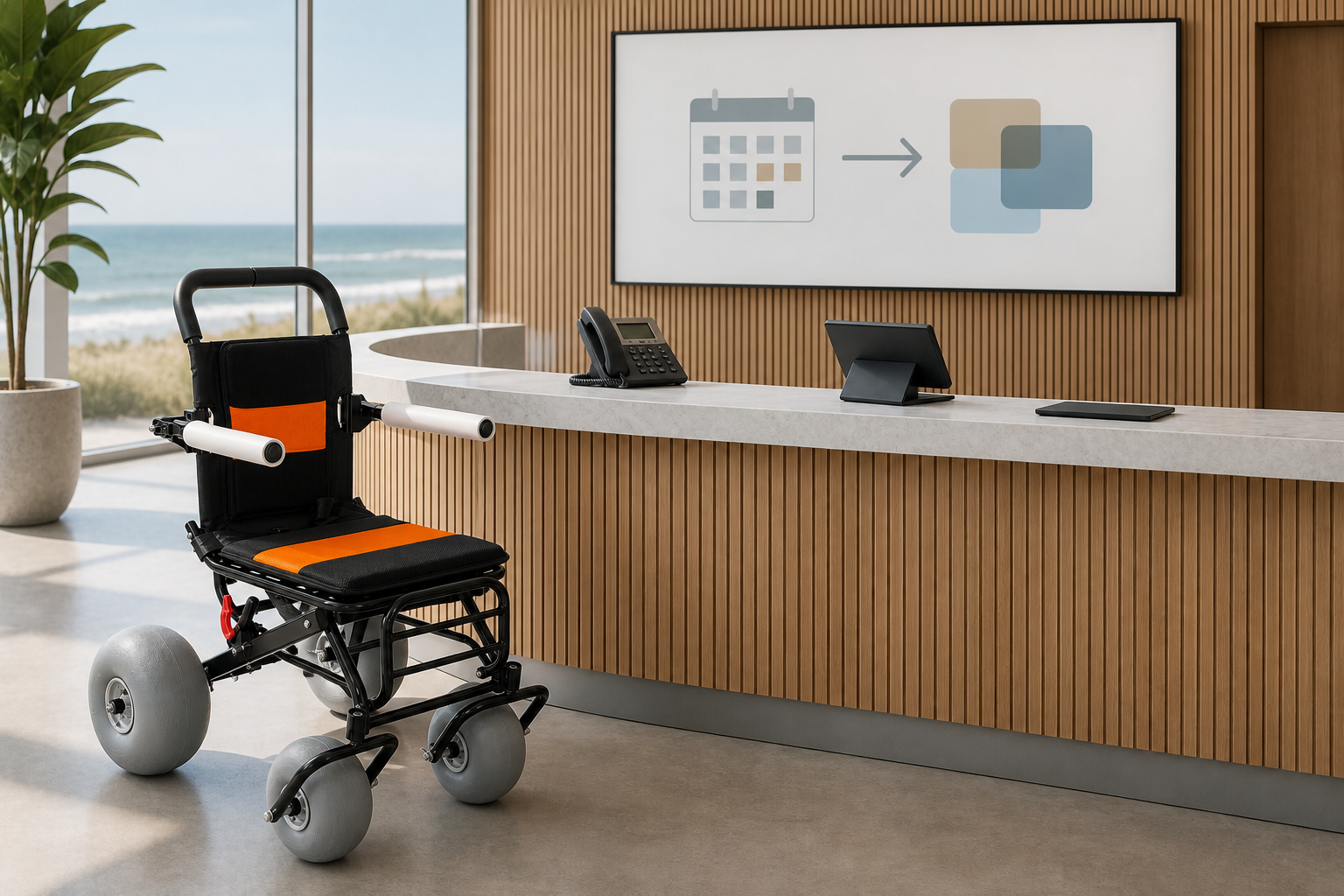
Beach wheelchair reservation system should accept the channels guests use while maintaining one shared queue. Web forms, phone calls, front-desk requests, partner referrals, and walk-ups can work together when every request reaches the same availability record. Parallel calendars create double booking and unclear ownership.
For resort, park, public beach, and rental service managers, staff examine request source, received time, and assigned staff role against current product guidance and site policy. Any unclear point goes to the role authorized to decide, keeping the current service state visible.
Route every request into one queue
Here is the working point: Define the accepted channels and map each one to the shared schedule. The assigned role records the request source, owner, and response state. If a channel cannot update the current chair and staff status, the item or service moves out of the ready flow until the named owner documents what happens next. A later shift should be able to understand the state from the record and the physical setup without relying on memory.
- Check request source
- Confirm received time
- Record assigned staff role
Key Takeaway: One queue gives staff a single working view of demand and capacity.
| Review point | Working response |
|---|---|
| Observe | Record the current condition |
| Decide | Assign the next action and owner |
Use the table as a short discussion prompt, then watch the task on the real route and revise wording that staff cannot apply consistently.
Which details belong in each request?
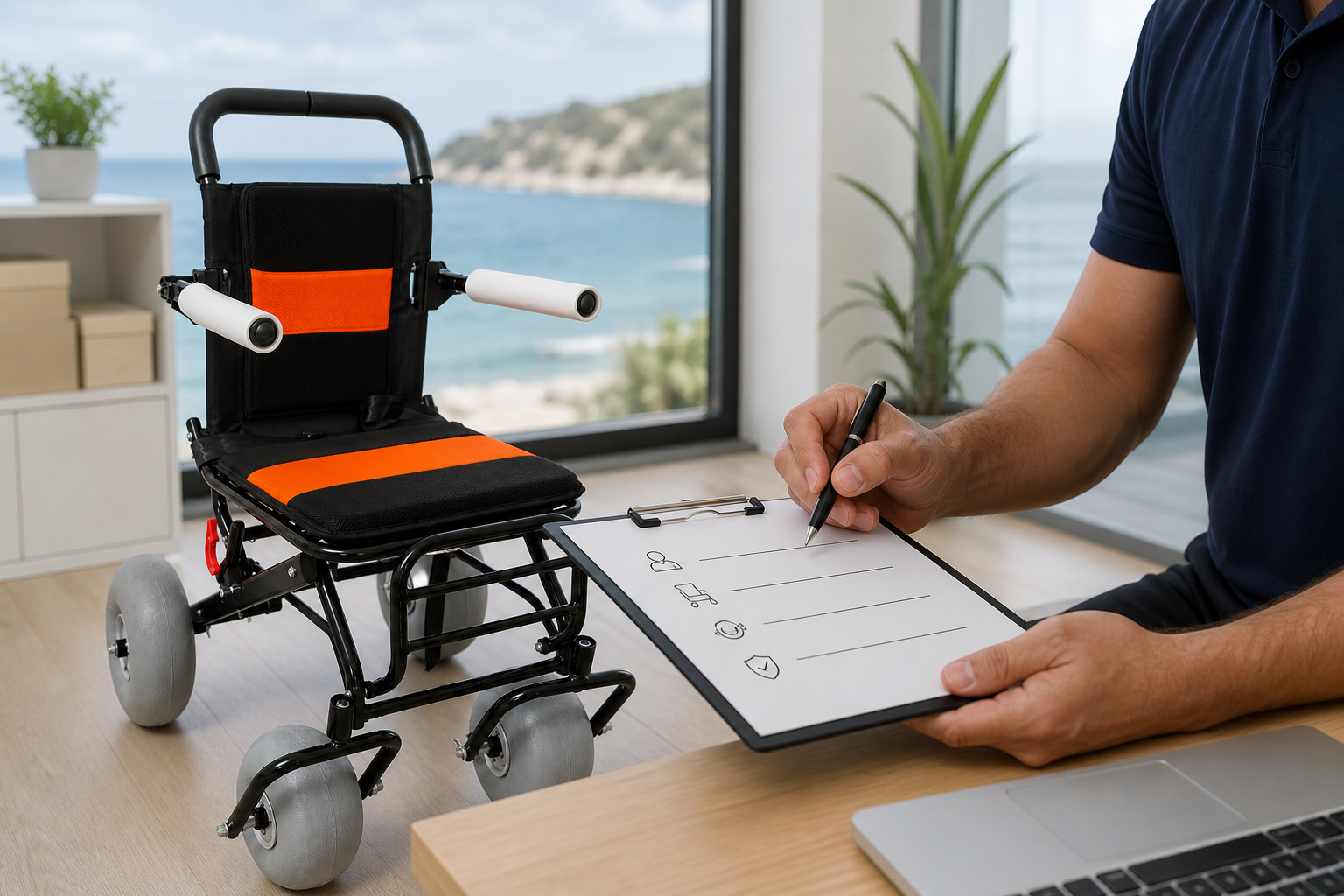
Beach wheelchair reservation system should collect the details needed to plan a clear handoff. The request can cover preferred date and window, service point, party contact, attendant arrangement under site policy, route request, communication needs, and consent to local rules. Avoid asking for unrelated personal information.
For resort, park, public beach, and rental service managers, staff examine time and place, contact route, and service arrangement against current product guidance and site policy. Any unclear point goes to the role authorized to decide, keeping the current service state visible.
Collect only handoff-ready details
What should staff see: Review every field and keep it only when it changes preparation or communication. The assigned role records the operational need for each retained field. If a request lacks enough information to assign a service window, the item or service moves out of the ready flow until the named owner documents what happens next. A later shift should be able to understand the state from the record and the physical setup without relying on memory.
- Check time and place
- Confirm contact route
- Record service arrangement
Key Takeaway: Focused request fields support service planning and respect privacy boundaries.
| Review point | Working response |
|---|---|
| Observe | Record the current condition |
| Decide | Assign the next action and owner |
Use the table as a short discussion prompt, then watch the task on the real route and revise wording that staff cannot apply consistently.
How should time slots match service capacity?
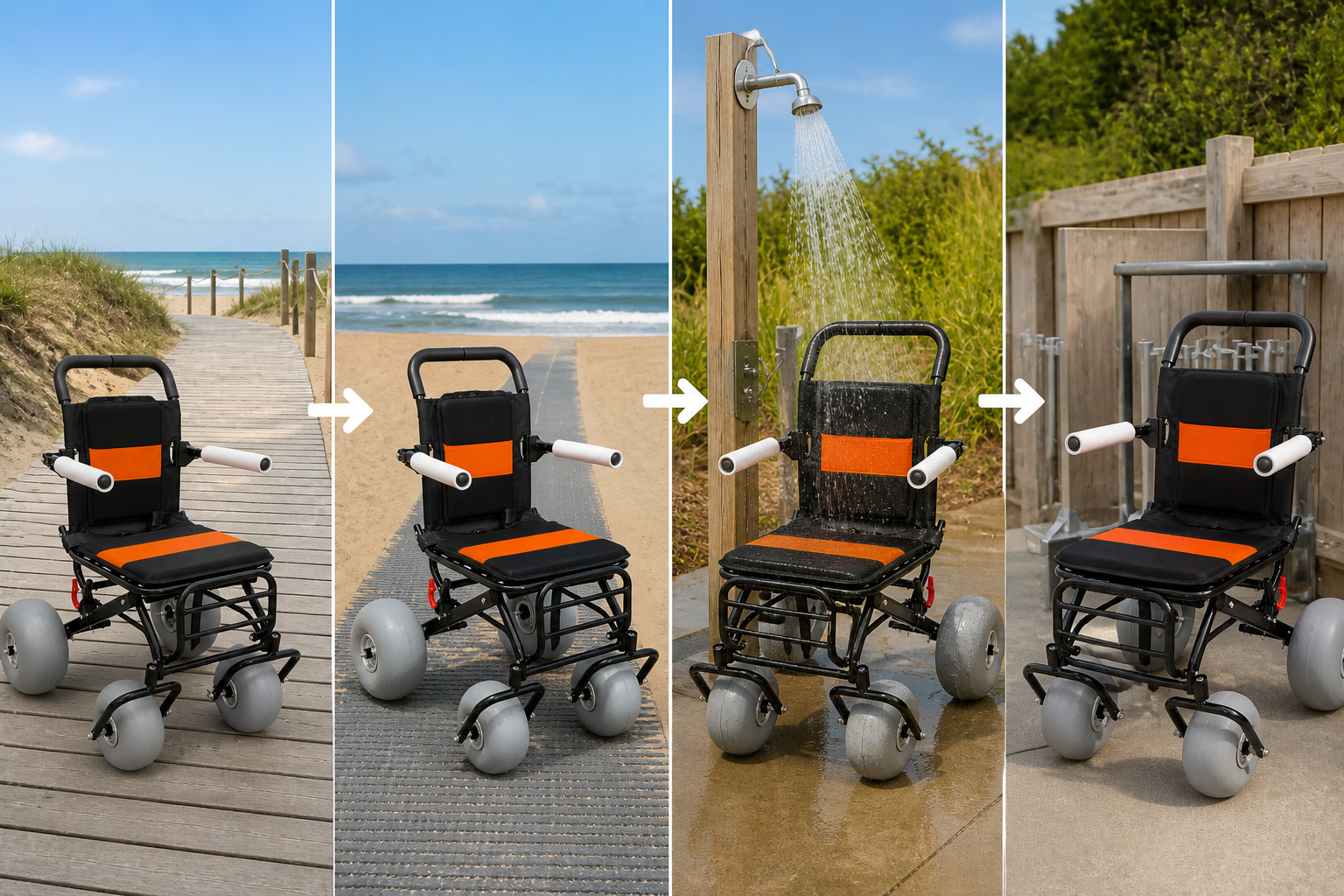
Beach wheelchair reservation system should base time slots on the complete service cycle. Preparation, guest conversation, route time, return, cleaning, drying, inspection, and staff breaks all affect availability. A short booking window can still need a longer blocked period in the operating schedule.
For resort, park, public beach, and rental service managers, staff examine prep time, route and return, and turnaround work against current product guidance and site policy. Any unclear point goes to the role authorized to decide, keeping the current service state visible.
Build slots from the complete service cycle
Use this field cue: Observe several normal cycles and block the schedule around the full chair service path. The assigned role records planned and observed cycle events without invented targets. If the prior chair has not returned to ready status, the item or service moves out of the ready flow until the named owner documents what happens next. A later shift should be able to understand the state from the record and the physical setup without relying on memory.
- Check prep time
- Confirm route and return
- Record turnaround work
Key Takeaway: Capacity-based slots protect the booking promise from hidden turnaround work.
| Review point | Working response |
|---|---|
| Observe | Record the current condition |
| Decide | Assign the next action and owner |
Use the table as a short discussion prompt, then watch the task on the real route and revise wording that staff cannot apply consistently.
What rules balance bookings and walk-ups?
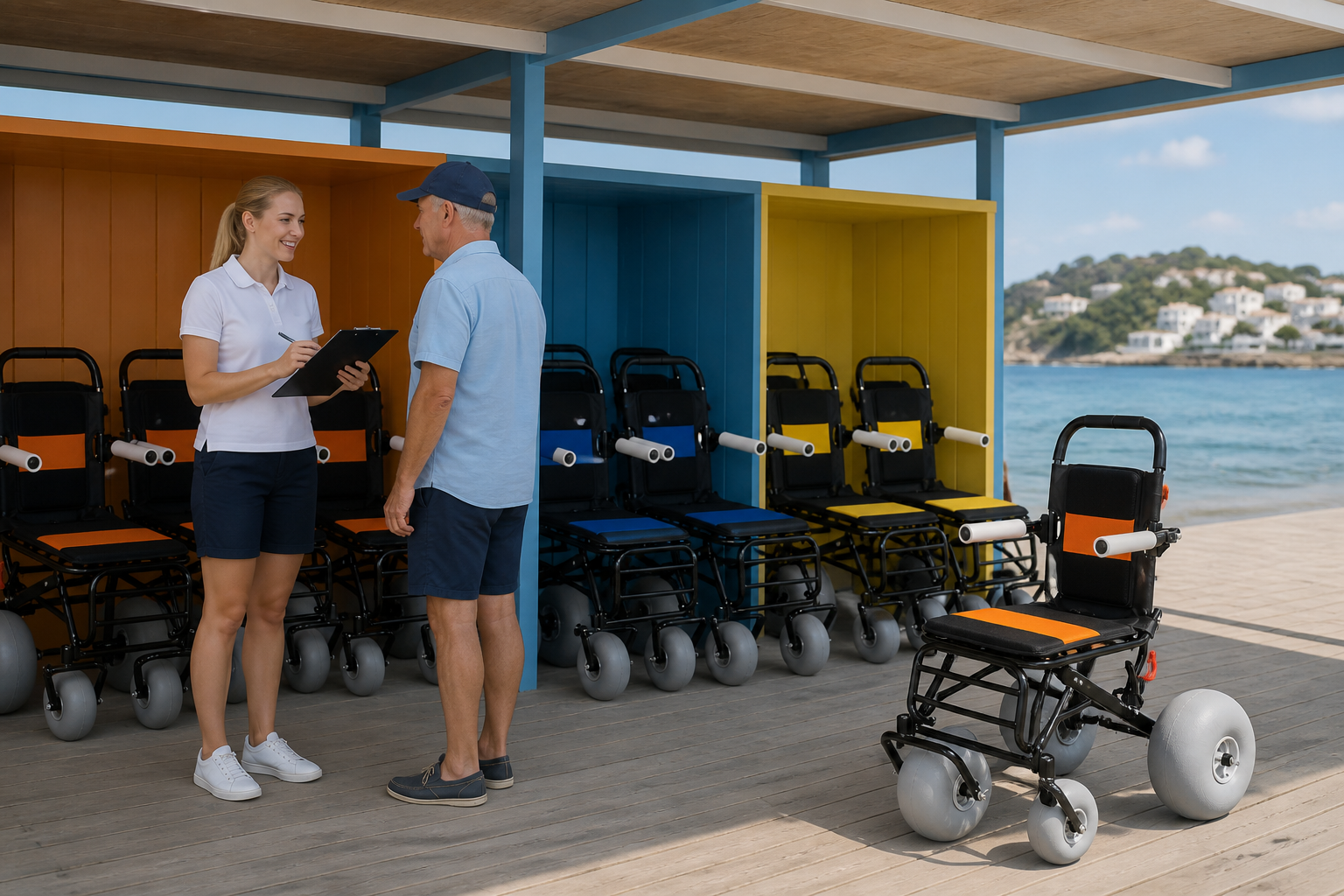
Beach wheelchair reservation system should use a time-based rule for confirmed bookings, grace periods, and walk-up release. Holding every chair for a future booking can block current access, while releasing reserved stock too soon can break a promise. Staff need a rule that reflects local demand and the time required to prepare another chair.
For resort, park, public beach, and rental service managers, staff examine reserved status, grace window, and release authority against current product guidance and site policy. Any unclear point goes to the role authorized to decide, keeping the current service state visible.
Use a visible release rule
The practical test: Mark reserved and ready zones and name who may change the status. The assigned role records the status change, reason, and approving role. If the schedule and physical chair status disagree, the item or service moves out of the ready flow until the named owner documents what happens next. A later shift should be able to understand the state from the record and the physical setup without relying on memory.
- Check reserved status
- Confirm grace window
- Record release authority
Key Takeaway: A visible release rule balances planned access with current demand.
| Review point | Working response |
|---|---|
| Observe | Record the current condition |
| Decide | Assign the next action and owner |
Use the table as a short discussion prompt, then watch the task on the real route and revise wording that staff cannot apply consistently.
How should teams confirm a reservation?

Beach wheelchair reservation system should provide a confirmation that states the working arrangement. Guests need the date, time window, meeting point, contact route, service boundary, attendant rule, arrival request, change policy, and any step still pending. Staff need the same version in the shared schedule.
For resort, park, public beach, and rental service managers, staff examine meeting point, service boundary, and change contact against current product guidance and site policy. Any unclear point goes to the role authorized to decide, keeping the current service state visible.
Send one complete confirmation
Keep the response simple: Use one approved message template and verify that schedule details match it. The assigned role records the sent version, date, and unresolved item. If a required arrangement remains unclear or unaccepted, the item or service moves out of the ready flow until the named owner documents what happens next. A later shift should be able to understand the state from the record and the physical setup without relying on memory.
- Check meeting point
- Confirm service boundary
- Record change contact
Key Takeaway: A complete confirmation reduces uncertainty before the guest reaches the beach.
| Review point | Working response |
|---|---|
| Observe | Record the current condition |
| Decide | Assign the next action and owner |
Use the table as a short discussion prompt, then watch the task on the real route and revise wording that staff cannot apply consistently.
What should happen when weather changes?
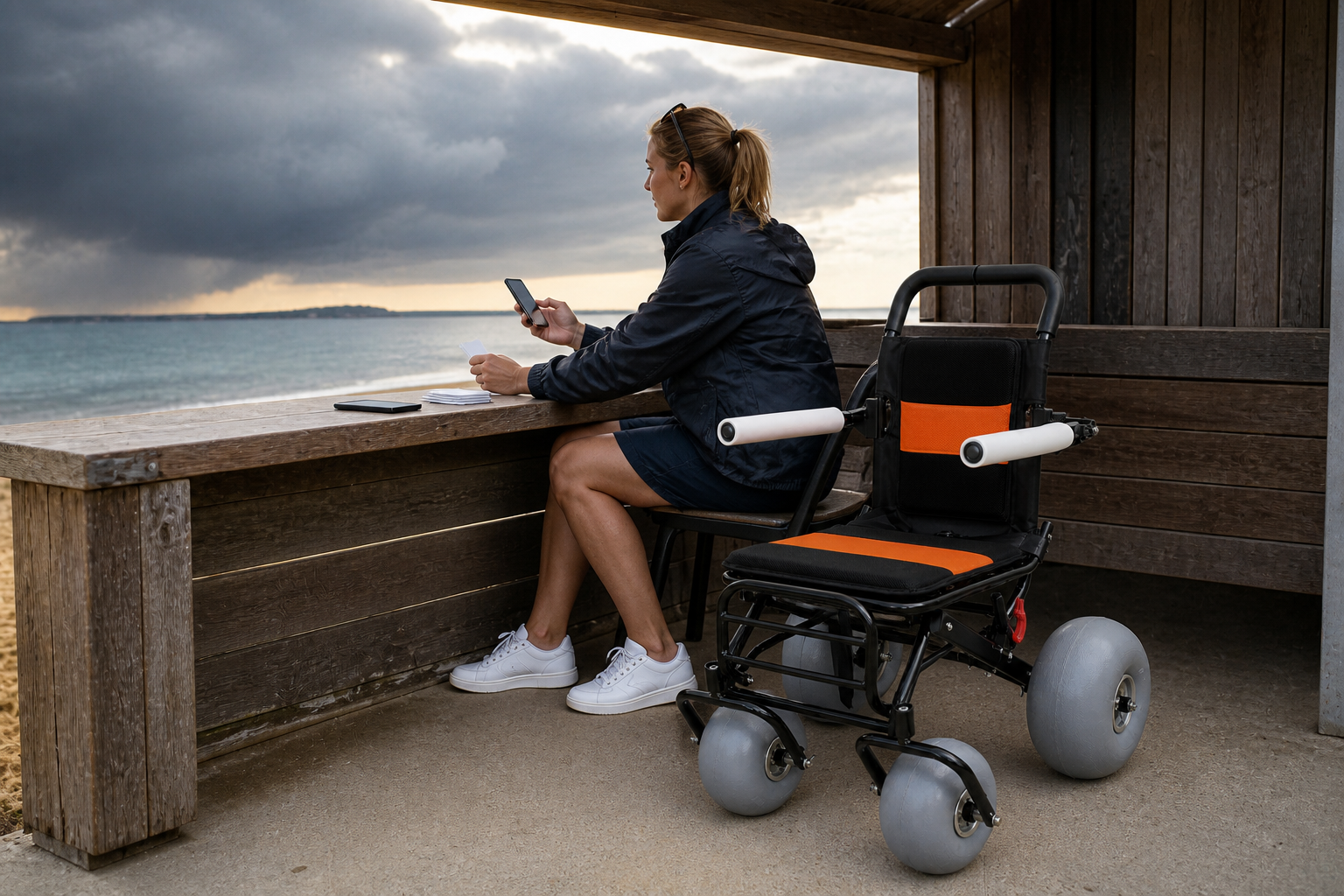
Beach wheelchair reservation system should connect site-condition decisions with clear guest communication. The responsible local role should decide whether service continues, pauses, moves, or cancels under site policy. The reservation record should show the current decision and the next communication action.
For resort, park, public beach, and rental service managers, staff examine decision authority, affected bookings, and contact action against current product guidance and site policy. Any unclear point goes to the role authorized to decide, keeping the current service state visible.
Connect weather decisions with booking status
This is the operating move: Review site conditions, set one service state, contact affected guests, and log the next review. The assigned role records the decision time, authority, contact attempt, and new state. If the checked route or local operating rule does not support service, the item or service moves out of the ready flow until the named owner documents what happens next. A later shift should be able to understand the state from the record and the physical setup without relying on memory.
- Check decision authority
- Confirm affected bookings
- Record contact action
Key Takeaway: A defined change flow gives guests one current answer and staff one action list.
| Review point | Working response |
|---|---|
| Observe | Record the current condition |
| Decide | Assign the next action and owner |
Use the table as a short discussion prompt, then watch the task on the real route and revise wording that staff cannot apply consistently.
How can staff manage check-in and handoff?

Beach wheelchair reservation system should guide check-in from identity confirmation to equipment release. Staff can match the booking, confirm current arrangements, explain the checked route, review chair controls and supports, invite questions, agree on pause cues, and record release. The conversation should stay respectful and avoid medical advice. Provide product instructions through the site’s user manual page when they apply to the selected chair.
For resort, park, public beach, and rental service managers, staff examine booking match, route briefing, and release record against current product guidance and site policy. Any unclear point goes to the role authorized to decide, keeping the current service state visible.
Use a short arrival sequence
Watch the handoff: Assign one staff lead and follow the same calm handoff sequence for every booking. The assigned role records release time, chair status, and responsible role. If the chair, route, staffing, or agreed arrangement is not ready, the item or service moves out of the ready flow until the named owner documents what happens next. A later shift should be able to understand the state from the record and the physical setup without relying on memory.
- Check booking match
- Confirm route briefing
- Record release record
Key Takeaway: A repeatable check-in joins the booking promise with the real service handoff.
| Review point | Working response |
|---|---|
| Observe | Record the current condition |
| Decide | Assign the next action and owner |
Use the table as a short discussion prompt, then watch the task on the real route and revise wording that staff cannot apply consistently.
Which privacy boundaries keep records focused?
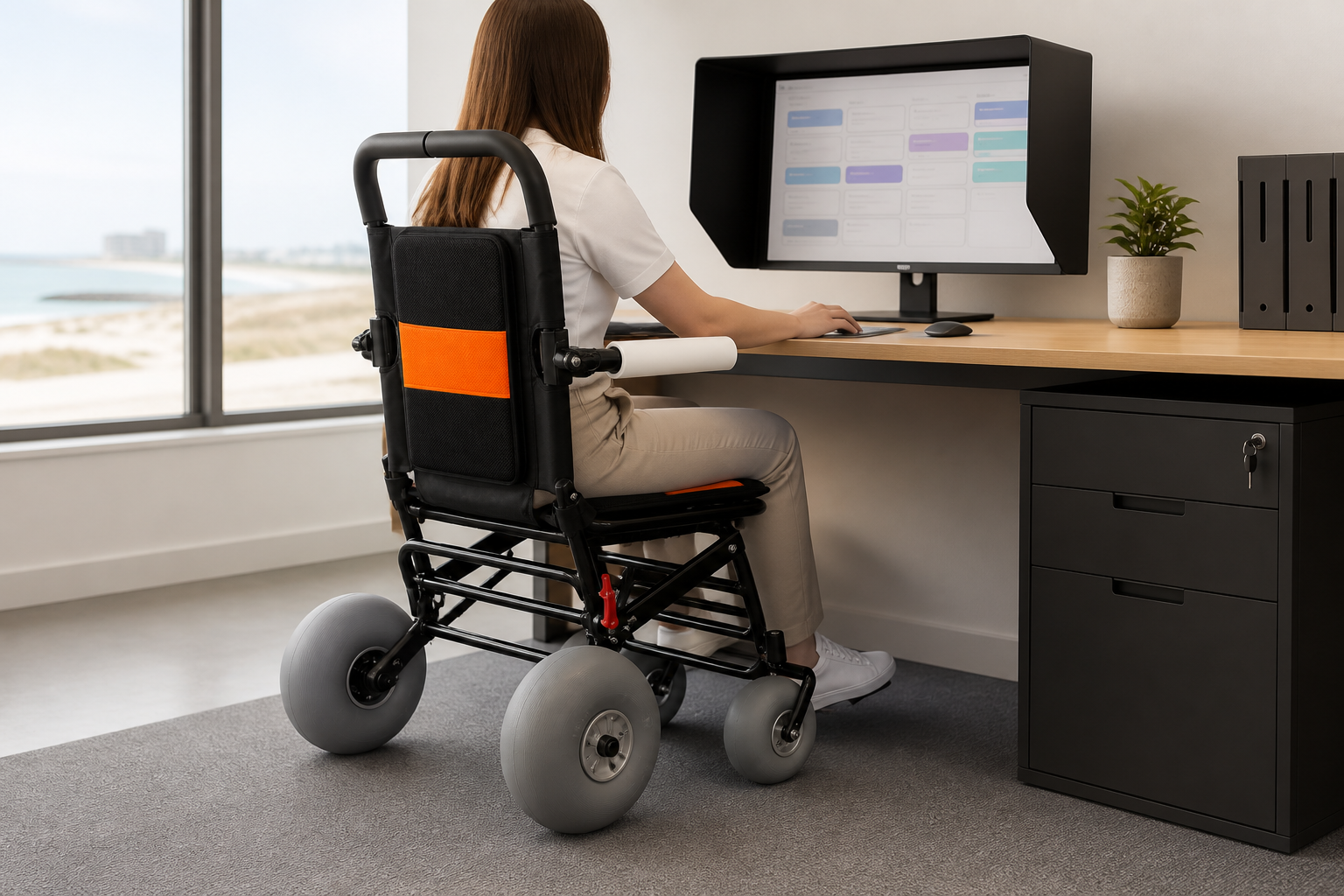
Beach wheelchair reservation system should display only the information staff need for the service task. Public labels and shared operating views can use a booking code or limited name under local policy. Protected details should sit in an approved system with role-based access, retention rules, and a named owner.
For resort, park, public beach, and rental service managers, staff examine visible schedule fields, protected record location, and access and retention rule against current product guidance and site policy. Any unclear point goes to the role authorized to decide, keeping the current service state visible.
Separate operations from protected details
Use one clear rule: Map each field to a working need and remove it from broad views when that need is absent. The assigned role records field purpose, access group, and retention owner. If staff cannot explain why a displayed detail is needed, the item or service moves out of the ready flow until the named owner documents what happens next. A later shift should be able to understand the state from the record and the physical setup without relying on memory.
- Check visible schedule fields
- Confirm protected record location
- Record access and retention rule
Key Takeaway: Focused records support the handoff without exposing unrelated guest information.
| Review point | Working response |
|---|---|
| Observe | Record the current condition |
| Decide | Assign the next action and owner |
Use the table as a short discussion prompt, then watch the task on the real route and revise wording that staff cannot apply consistently.
How should late returns and cancellations be handled?
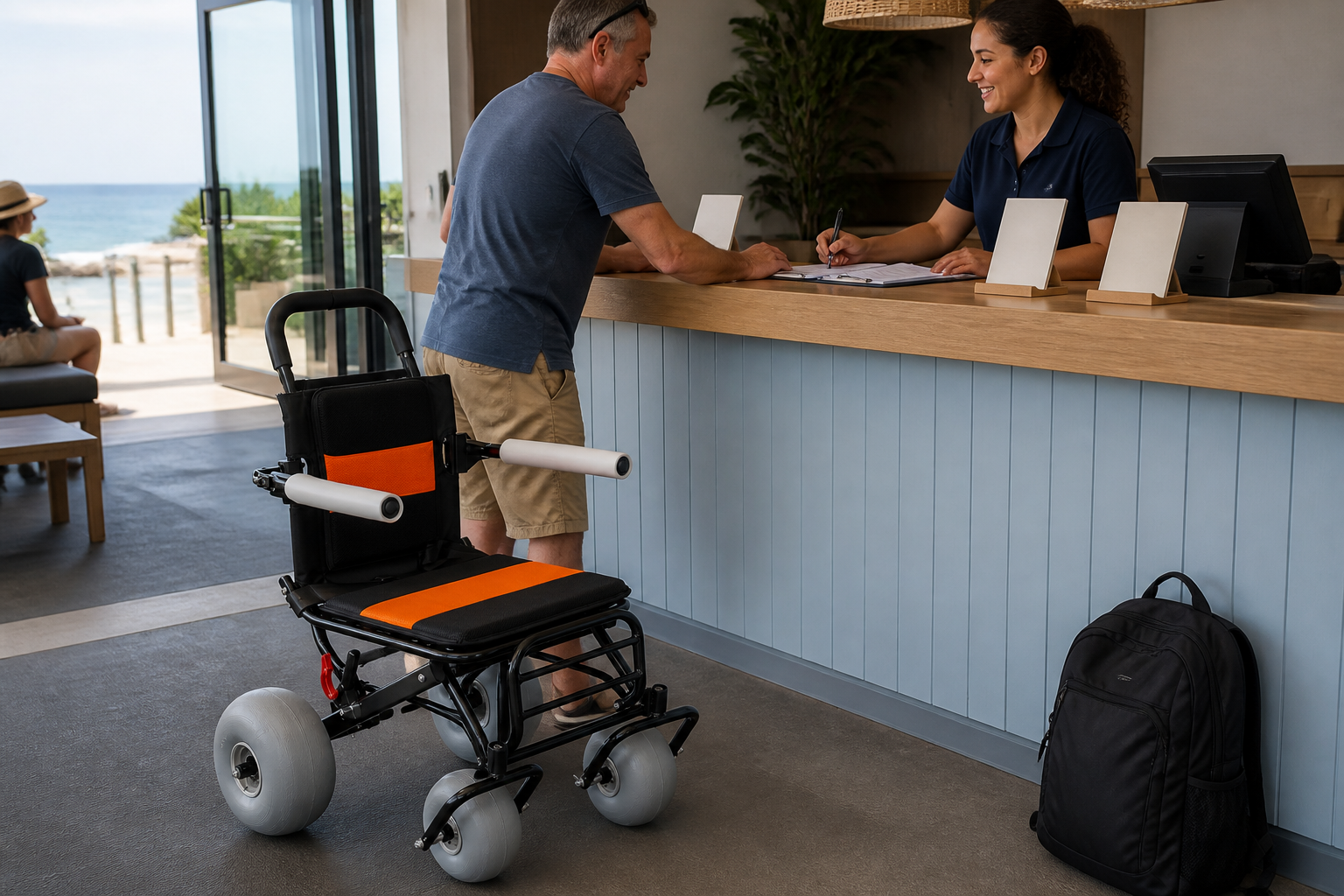
Beach wheelchair reservation system should define actions for cancellations, no-shows, late arrivals, and late returns. Each exception can affect staff time, another booking, cleaning, and reserve stock. A short rule should state the grace period, contact steps, release authority, rebooking path, and what staff record.
For resort, park, public beach, and rental service managers, staff examine exception type, contact action, and inventory effect against current product guidance and site policy. Any unclear point goes to the role authorized to decide, keeping the current service state visible.
Prewrite common exception actions
Make the status visible: Publish the guest-facing rule and give staff a matching decision card. The assigned role records the event, contact attempt, decision owner, and chair state. If an exception creates a conflict that the rule does not cover, the item or service moves out of the ready flow until the named owner documents what happens next. A later shift should be able to understand the state from the record and the physical setup without relying on memory.
- Check exception type
- Confirm contact action
- Record inventory effect
Key Takeaway: Prewritten exception rules keep busy staff from improvising inconsistent answers.
| Review point | Working response |
|---|---|
| Observe | Record the current condition |
| Decide | Assign the next action and owner |
Use the table as a short discussion prompt, then watch the task on the real route and revise wording that staff cannot apply consistently.
Which reports help improve the reservation system?
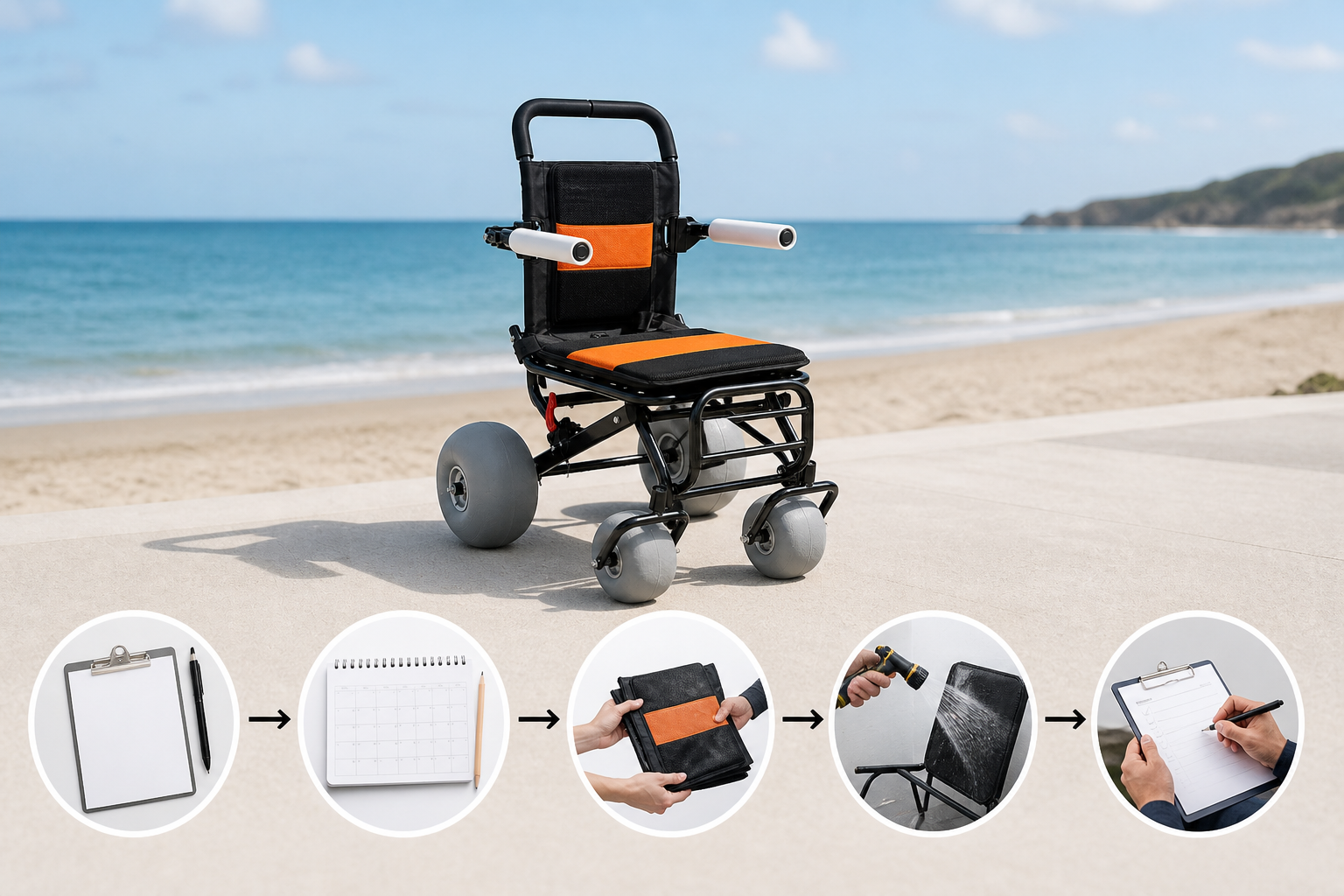
Beach wheelchair reservation system should review request patterns, unavailable periods, no-shows, late returns, weather changes, holds, and turnaround delays. The purpose is to find a working bottleneck, not publish a flattering metric. Managers can group repeated events, select one process change, and observe whether the same friction returns. A portable beach service example can prompt workflow questions without serving as a local result claim.
For resort, park, public beach, and rental service managers, staff examine request outcome, chair state change, and service exception against current product guidance and site policy. Any unclear point goes to the role authorized to decide, keeping the current service state visible.
Review events that change service
Close the decision loop: Collect clear events, review them on a fixed cadence, assign one action, and check the next cycle. The assigned role records the event group, decision, owner, and review date. If the data source is inconsistent or the proposed action has no owner, the item or service moves out of the ready flow until the named owner documents what happens next. A later shift should be able to understand the state from the record and the physical setup without relying on memory.
- Check request outcome
- Confirm chair state change
- Record service exception
Key Takeaway: Event-based reporting keeps system changes tied to observable service friction.
| Review point | Working response |
|---|---|
| Observe | Record the current condition |
| Decide | Assign the next action and owner |
Use the table as a short discussion prompt, then watch the task on the real route and revise wording that staff cannot apply consistently.
FAQs
Can I accept both online and phone reservations?
Yes. Route both channels into the same availability record so staff do not create competing calendars.
What’s the best time-slot length?
Use the slot that fits your route, handoff, cleaning, and return workflow. Review observed turnaround before changing it.
Reservation control checks
How do I know if a booking is confirmed?
Give the guest a clear confirmation with time, place, service boundary, attendant rule, change contact, and any action still required.
Can walk-up guests use reserved inventory?
Only under a written release rule. The rule should name the grace period and the staff role allowed to release it.
What guest data should the schedule display?
Show only what staff need for the handoff. Store protected details according to local privacy policy and restrict public-facing labels.
Closing perspective
A better reservation flow links guest requests with real service capacity, checked routes, trained roles, turnaround time, and current chair status. Start with one shared schedule and one set of rules, then review exceptions that change an action. Teams designing a booking flow can contact us today with their equipment and service questions.