
Beach wheelchair replacement should follow a documented decision, not a guessed time in service or a tempting product photo. An owned chair may need repair, a temporary hold, a new unit, or retirement depending on unresolved defects, available approved parts, downtime, and changed user needs. A hypothetical coastal operator can use this process to make a defensible call without giving DIY repair instructions. If you are reviewing beach wheelchair replacement, begin with the chair’s current record and the next supported use.
What should trigger beach wheelchair replacement review?
A replacement review should start when a chair has an unresolved condition, repeated downtime, missing approved parts, or a changed service need that affects its intended use. The trigger opens a review; it does not decide replacement by itself.
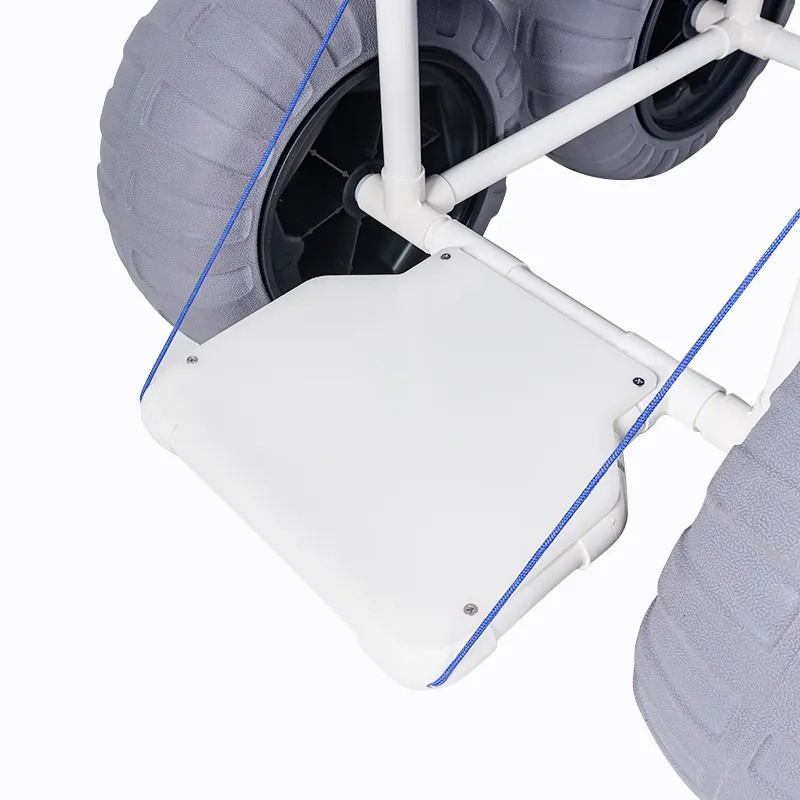
Record the trigger with an asset identity, date, current location, observed condition, and affected task. Keep a chair on hold if its condition or fit cannot be cleared by the responsible reviewer. Do not use a numeric life-expectancy rule as a shortcut. The buyer needs evidence tied to this chair and this service.
Start with the trigger: write what changed and what work the chair can no longer support.
- Unresolved defect or repeated condition concern.
- Approved part or support path no longer available.
- Downtime that disrupts a planned service.
- User or route need changed since original approval.
Open a replacement review file
Create one record that follows the chair through hold, repair review, replacement decision, or retirement. It should distinguish an observed condition from a suspected cause. Keep technical diagnosis with a qualified service person rather than guessing from a photograph.
| Trigger | Record now | Decision question |
|---|---|---|
| Condition concern | What was observed and when? | Can a qualified reviewer clear it? |
| Missing support | Which approved part or guidance is absent? | Is a supported repair path open? |
| Downtime | Which service window is affected? | Can the operation tolerate the delay? |
| Changed need | What intended use changed? | Does the current chair still fit? |
Action: open the review before requesting a replacement quote, so a quote does not hide the original problem.
Key takeaway: a trigger starts a review; only evidence and a qualified decision should end it.
How should a buyer separate repair from replacement?
A buyer should separate repair from replacement by asking whether an approved repair path can restore the intended use within a workable support window. If the path, parts, or qualified review are missing, the chair remains unresolved rather than “probably fine.”
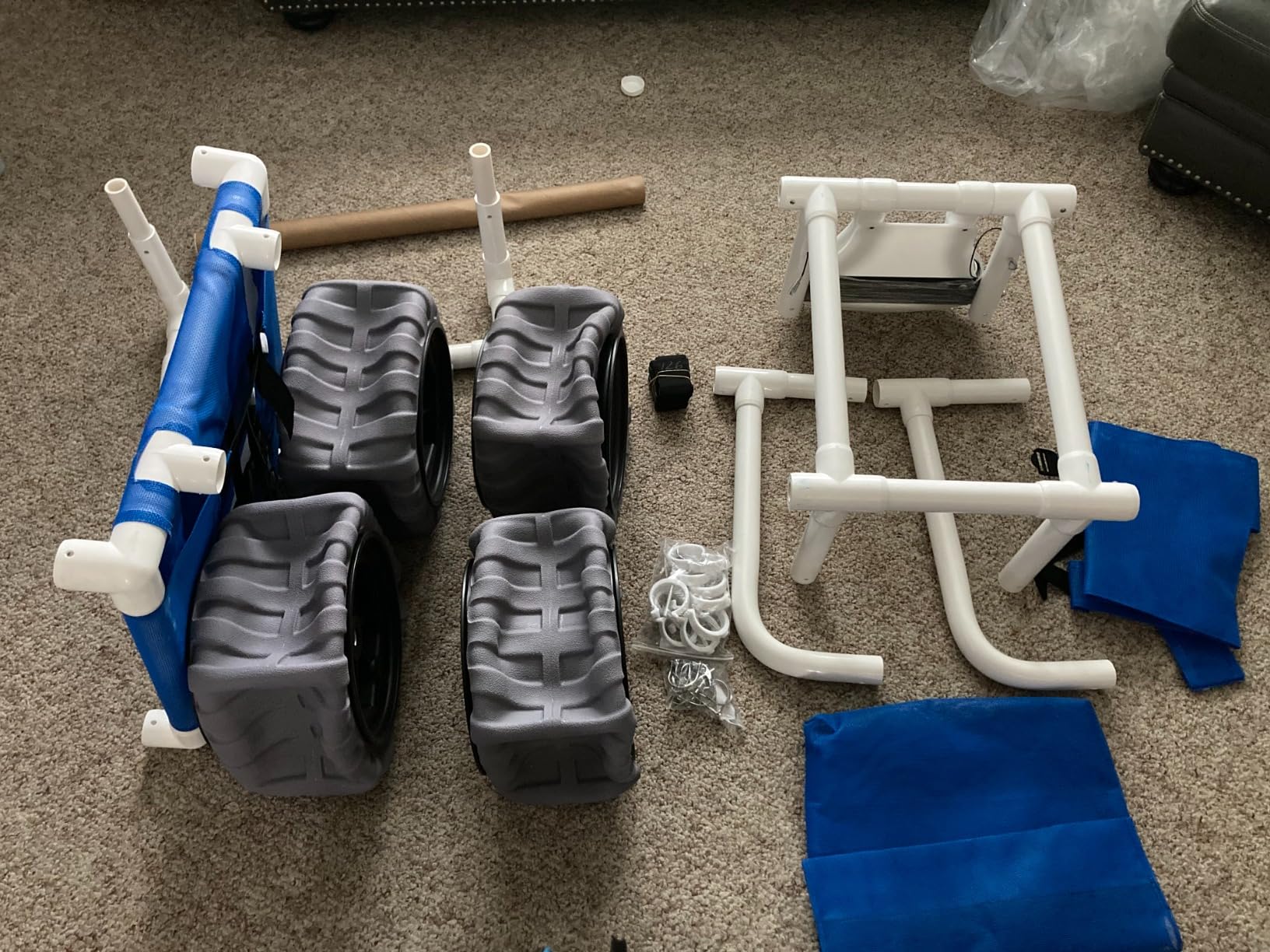
Use the beach wheelchair user manual as a supplied reference where it applies to the model. It does not authorize improvised repair. Ask the equipment owner or qualified service person to state what can be reviewed, which approved information is missing, and what release condition would close the hold.
The decision has two lanes: a supported repair path and a replacement path should be documented beside each other.
- Define the intended use that must return.
- List known condition and missing information.
- Identify who can review the chair and parts.
- Set a hold status until release evidence exists.
Compare the two paths without guessing
Write repair and replacement as options with conditions, not as a sales contest. A repair path may depend on approved information, qualified work, and a clear release check. A replacement path may depend on fit, route, receiving, and retirement of the owned chair.
| Path | Evidence needed | Remains open when |
|---|---|---|
| Repair review | Approved part or service information | Cause or release check is unknown |
| Temporary hold | Safe storage and named owner | Intended use cannot be cleared |
| Replacement review | New requirement and fit review | New choice is not approved |
| Retirement review | Asset identity and disposition record | Custody is unclear |
Action: ask the responsible reviewer to write the release condition for repair before approving either path.
Key takeaway: replacement becomes clearer when repair is a documented option with a real release test.
Which defects justify holding a chair?
Hold a chair when a known condition could affect its intended use and no qualified person has cleared it. A hold protects the record while the buyer gathers facts; it does not label the chair permanently unusable.
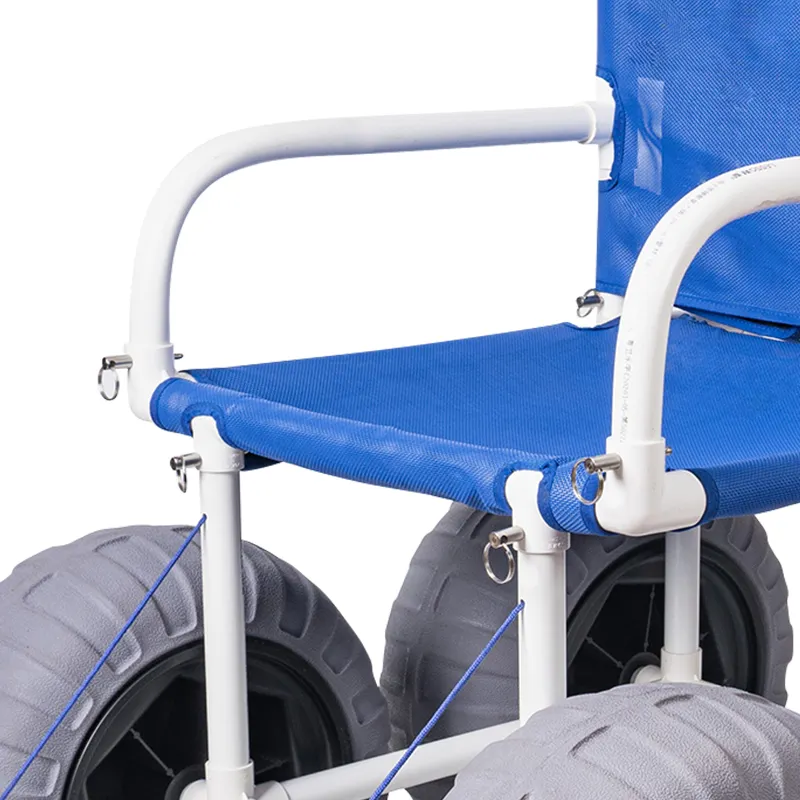
Record what staff can see, hear, or identify from the chair record. Avoid telling staff to tighten, fabricate, or replace a part from a general article. A model page for an all-terrain beach wheelchair may help identify a category, but it does not clear this owned chair.
Put a hold before diagnosis: remove pressure from staff who cannot safely interpret a condition.
- Mark the chair’s status and location.
- Stop the affected use until review.
- Photograph or describe the observation without a cause claim.
- Send the question to the named equipment owner.
Use a condition hold, not a vague warning
“Needs attention” is too broad for a replacement decision. Write the observation, affected task, reviewer, and next action. If a condition cannot be reproduced or interpreted, keep it open rather than filling the blank with a guess.
| Hold field | Good record | Weak record |
|---|---|---|
| Observation | Visible frame or wheel interface concern | “Looks bad” |
| Affected use | Task paused | “Maybe unsafe” |
| Reviewer | Named qualified person | “Someone will check” |
| Next action | Review or part question | “Fix soon” |
Action: use a dated hold label that links back to the asset record and reviewer.
Key takeaway: a hold is useful when it protects use and creates a specific next question.
How do missing parts change the decision?
Missing approved parts change a replacement decision by widening uncertainty around repair, support, and release. A buyer should record the exact chair identity, requested part information, supplier response, and effect on the intended task before choosing a new unit.
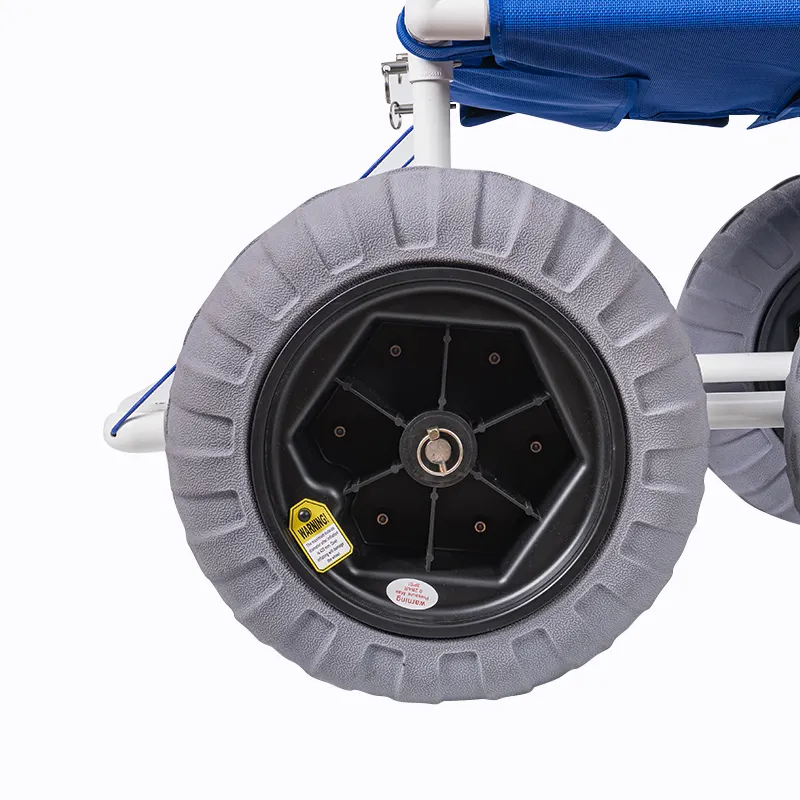
Do not substitute a visually similar component or assume that a universal item fits. A lightweight beach wheelchair may appear similar in a photograph, yet appearance does not prove interchangeability. Keep a missing-part question open until an authorized source resolves it.
Missing does not mean interchangeable: identity comes before a replacement part or chair.
- Copy the owned chair’s model and revision details.
- Identify the missing item by its approved name.
- Record supplier or service response.
- State whether use remains on hold.
Build a parts evidence trail
Attach the request, response, and decision to the asset file. If a part cannot be confirmed, note that fact rather than quietly changing the model. This evidence helps procurement explain why a whole-chair review started.
| Parts question | Record | Decision effect |
|---|---|---|
| Identity | Model and revision | Prevents mix-up |
| Availability | Approved response | Opens or closes repair path |
| Compatibility | Qualified confirmation | Supports release decision |
| Impact | Affected task | Sets hold status |
Action: keep the chair on hold until part identity and release responsibility are both clear.
Key takeaway: an unresolved parts trail is a decision signal, not a reason to guess.
How can service downtime influence replacement?
Service downtime should influence replacement by showing how long an owned chair remains unavailable, which planned work it affects, and whether a supported repair path can meet the operation’s needs. Downtime alone does not prove that a new chair is required.
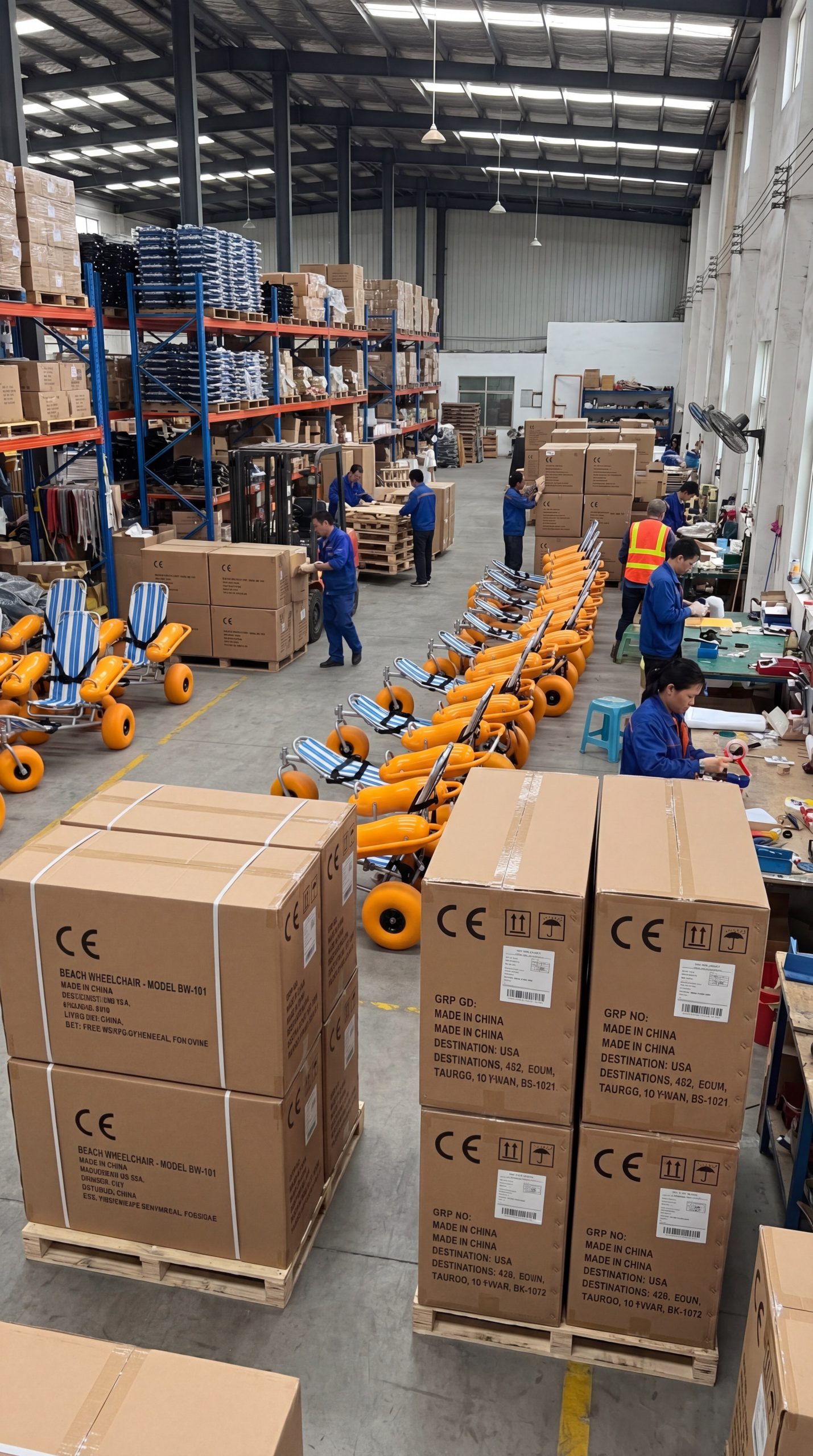
Record each hold and release attempt against the same asset. A short interruption may be manageable; repeated unresolved holds can change a service plan. Use the applications page as general context, not proof that a new unit solves a local staffing or route problem. For a water-related task, keep the floating water beach wheelchair review separate.
Downtime tells a story: connect each unavailable period with the task it interrupted.
- Record hold start and release decision.
- Name the affected program or route.
- Note temporary alternatives without calling them equivalent.
- Escalate repeated interruptions to the owner.
Turn downtime into a requirement
Write a replacement requirement around service effect rather than an invented promise. “Need a supported chair for this route window” says more than “need a better model.” Keep timing commitments out unless the responsible supplier has confirmed them in writing.
| Downtime record | Buyer question | Result |
|---|---|---|
| Hold period | What work stopped? | Service impact |
| Review status | Who owns the answer? | Open or cleared |
| Temporary plan | What changed for users? | Separate note |
| Repeat pattern | Is support path workable? | Review trigger |
Action: include downtime evidence in the replacement brief, without turning it into a promised delivery deadline.
Key takeaway: downtime earns weight when it is tied to a service task, not counted as a dramatic number.
What changes in user needs require a fresh review?
Changed user needs require a fresh review when the chair’s approved role, fit, route, or support arrangement no longer matches intended use. A replacement should address a written need, not a vague request for something newer.
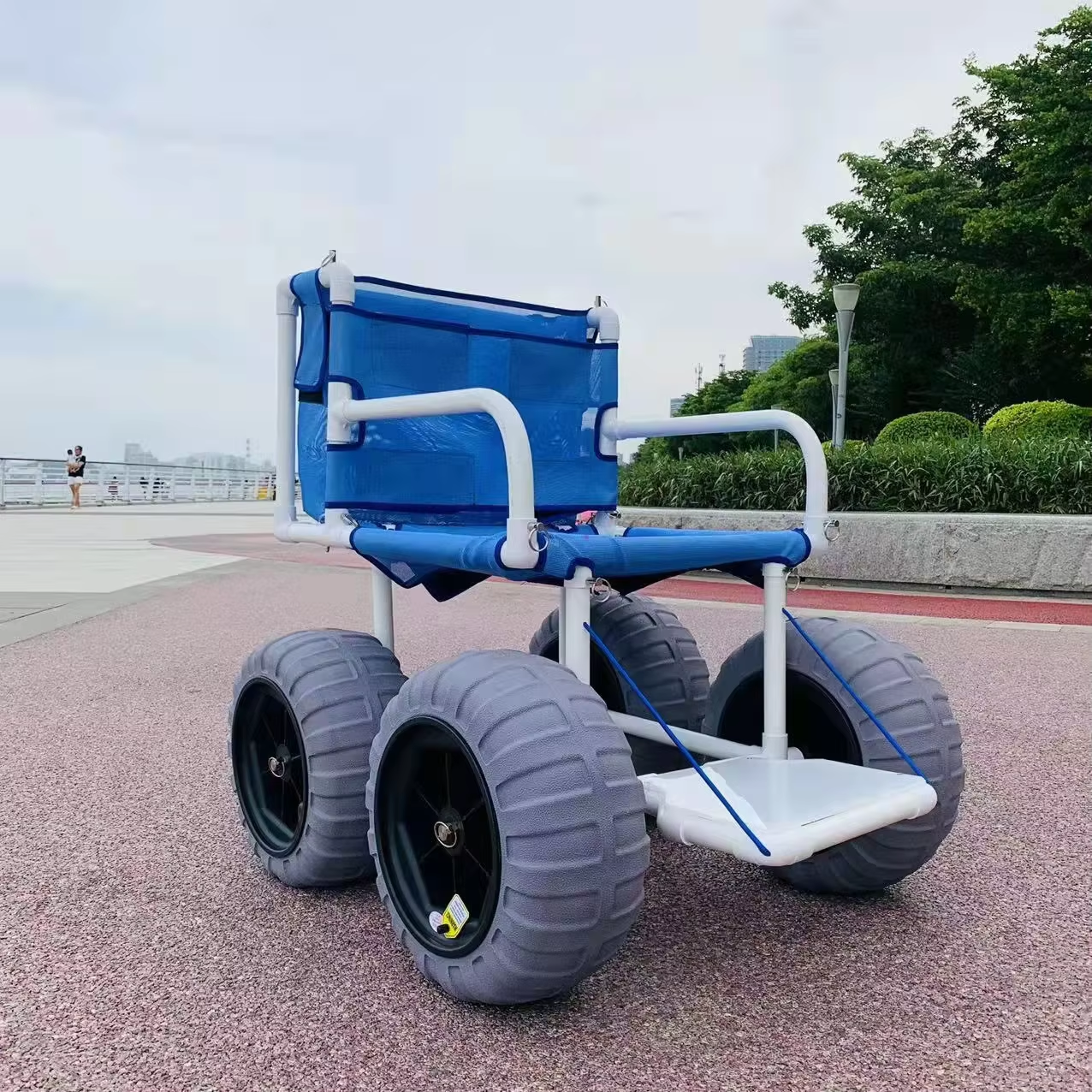
Describe the changed need in operational language, then refer personal fit or safety questions to a qualified reviewer. A replacement may be a poor answer if the route, attendant, or handoff changed instead. Keep those causes separate from product selection.
The user need leads: choose equipment after the intended task and qualified review are clear.
- State the current intended task.
- Describe what changed since approval.
- Separate fit questions from route questions.
- Record who approves the new use.
Keep the requirement human and specific
Avoid a generic “more comfortable” or “more versatile” request. Explain the task, environment, support arrangement, and unresolved concern. Do not invent clinical outcomes or promise that a different chair resolves every personal need.
| Changed need | Clarifying question | Review owner |
|---|---|---|
| Route change | Does the current chair suit the new route? | Site lead |
| Support change | Who assists the intended use? | Program lead |
| Fit question | What needs qualified review? | Qualified reviewer |
| Role change | Is this still the same service task? | Buyer |
Action: make every user-need change a written review question before adding a model to the shortlist.
Key takeaway: a fresh review protects the user when an old approval no longer matches the task.
Who should approve fit and safe release?
A qualified reviewer should approve personal fit and safe release, while the equipment owner confirms identity and the program lead confirms operational need. Procurement can coordinate evidence but should not replace that review with a catalogue comparison.
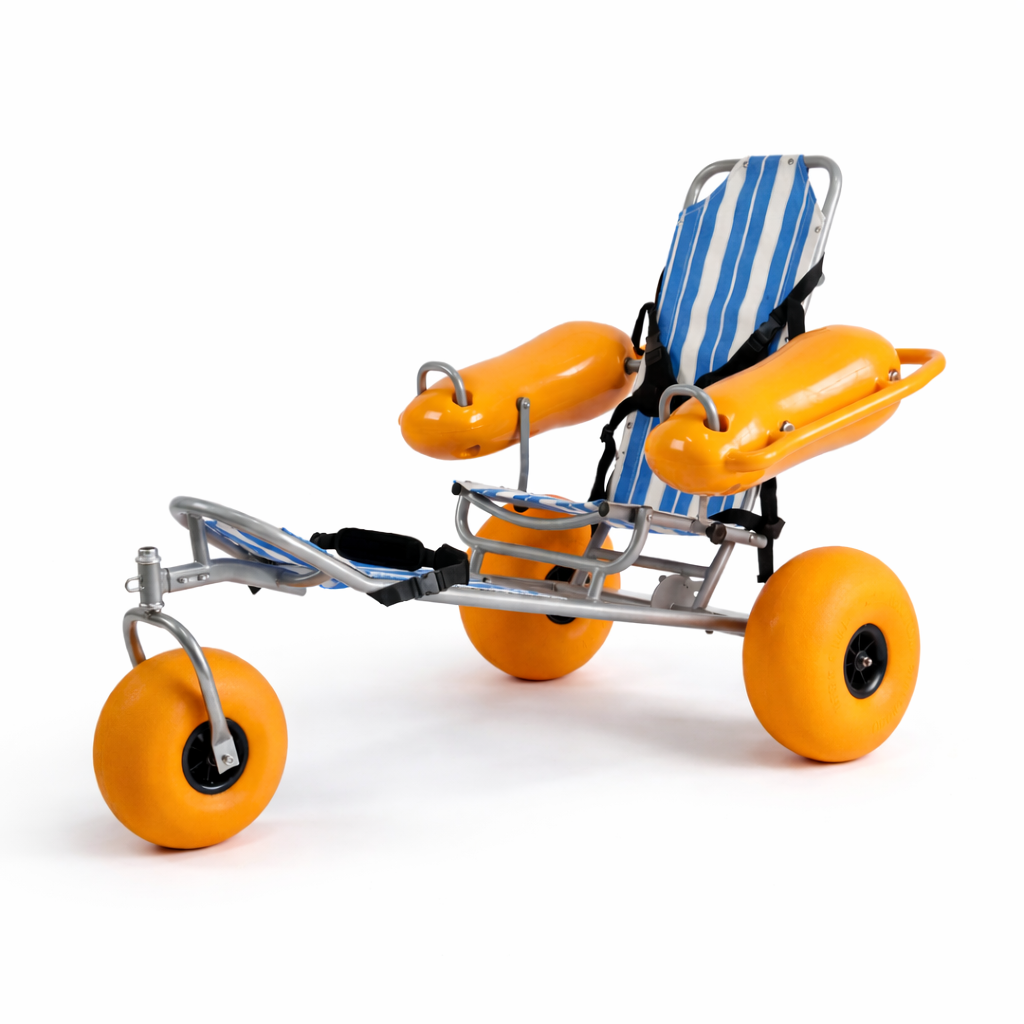
WHO wheelchair provision guidance calls for individual assessment, fitting, training, and follow-up by trained personnel. Use that principle for fit review, not as a product warranty or replacement guarantee.
Put the right person at the gate: a buyer can coordinate a release without pretending to be a fit assessor.
- Procurement records the requirement and evidence.
- Equipment owner confirms model and condition.
- Qualified reviewer assesses fit and release.
- Program lead accepts the operational handoff.
Keep approval roles distinct
Write signatures or names beside decisions. A supplier response can answer a model question; it cannot silently become a personal-fit approval. If a required reviewer is unavailable, leave the release open.
| Decision | Responsible role | Evidence |
|---|---|---|
| Model identity | Equipment owner | Asset record |
| Fit and release | Qualified reviewer | Review note |
| Route use | Site or program lead | Route brief |
| Purchase approval | Buyer | Approved requirement |
Action: refuse a final release when fit review or training responsibility has no named owner.
Key takeaway: safe release depends on the right reviewer, not the confidence of the person holding the quote.
How should a replacement requirement be written?
A replacement requirement should state the owned chair’s problem, intended task, route context, review owner, evidence needed, and release condition. It should not begin with a preferred colour, generic “upgrade,” or an invented service-life number.
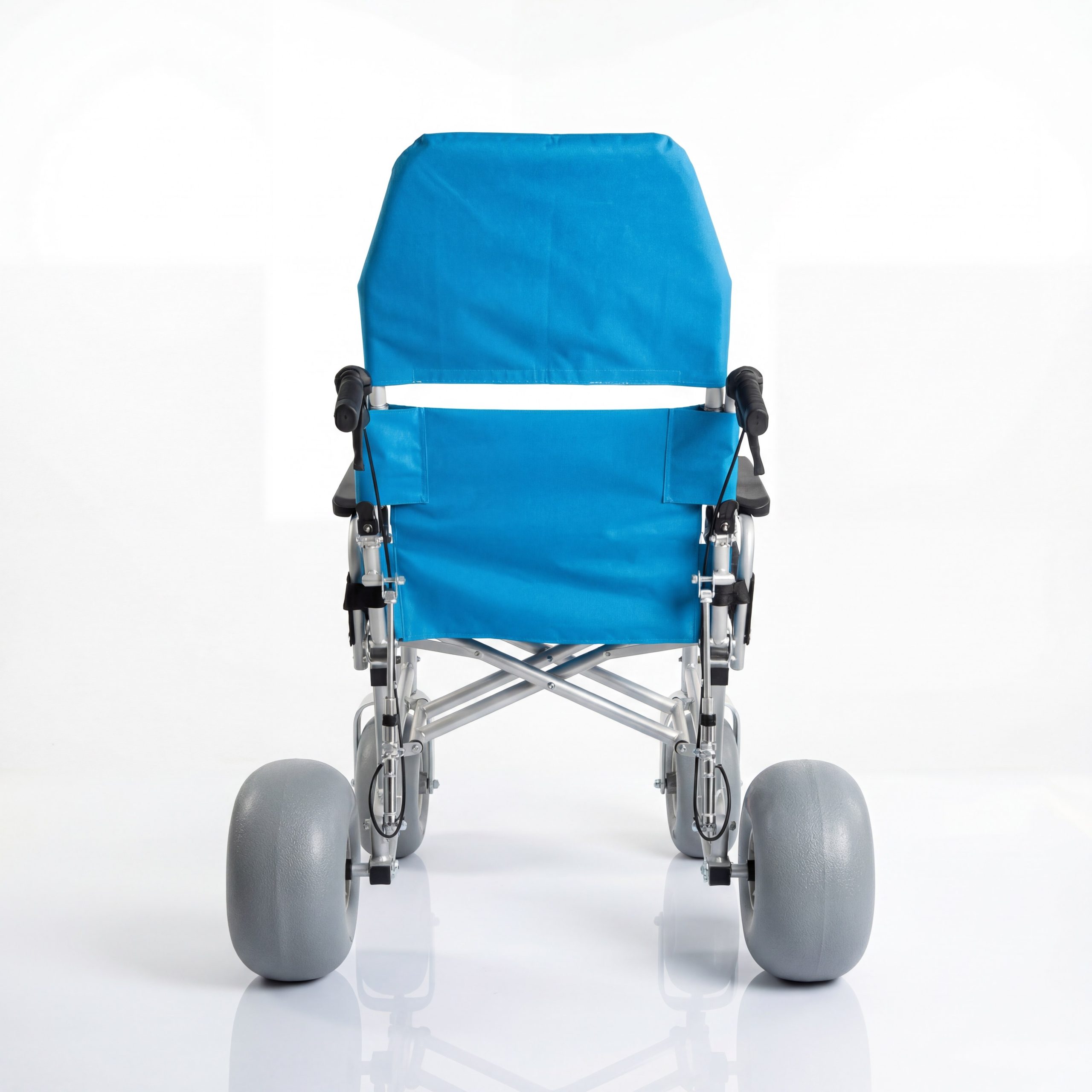
Use a requirement that another supplier can understand without seeing confidential records. Include the model identity, affected task, known open issues, and any fit or route question. If the need touches water use, refer to the new floating beach wheelchair as a product reference only, then keep the local review separate.
Write the need before the model: a clean requirement gives every option the same starting line.
- Problem and affected service task.
- Route or operating context.
- Required evidence and reviewer.
- Release or retirement condition.
Give suppliers a response matrix
Ask suppliers to answer each requirement line, identify exceptions, and attach applicable instructions. A response matrix makes missing information visible. It also prevents a polished brochure from standing in for a point-by-point answer.
| Requirement line | Supplier response | Buyer status |
|---|---|---|
| Intended task | Supported use information | Open or accepted |
| Model identity | Exact model and revision | Open or accepted |
| Fit review | Information for qualified review | Assigned |
| Release | Required handoff evidence | Open or accepted |
Action: send one matrix to every option and keep unanswered lines open in the decision file.
Key takeaway: a requirement earns its keep when it forces comparable answers without inventing specifications.
What belongs in a retirement record?
A retirement record should identify the owned chair, explain why it leaves service, state who approved that decision, and show where custody goes next. Retirement is an asset decision; it is not a casual instruction to discard equipment.
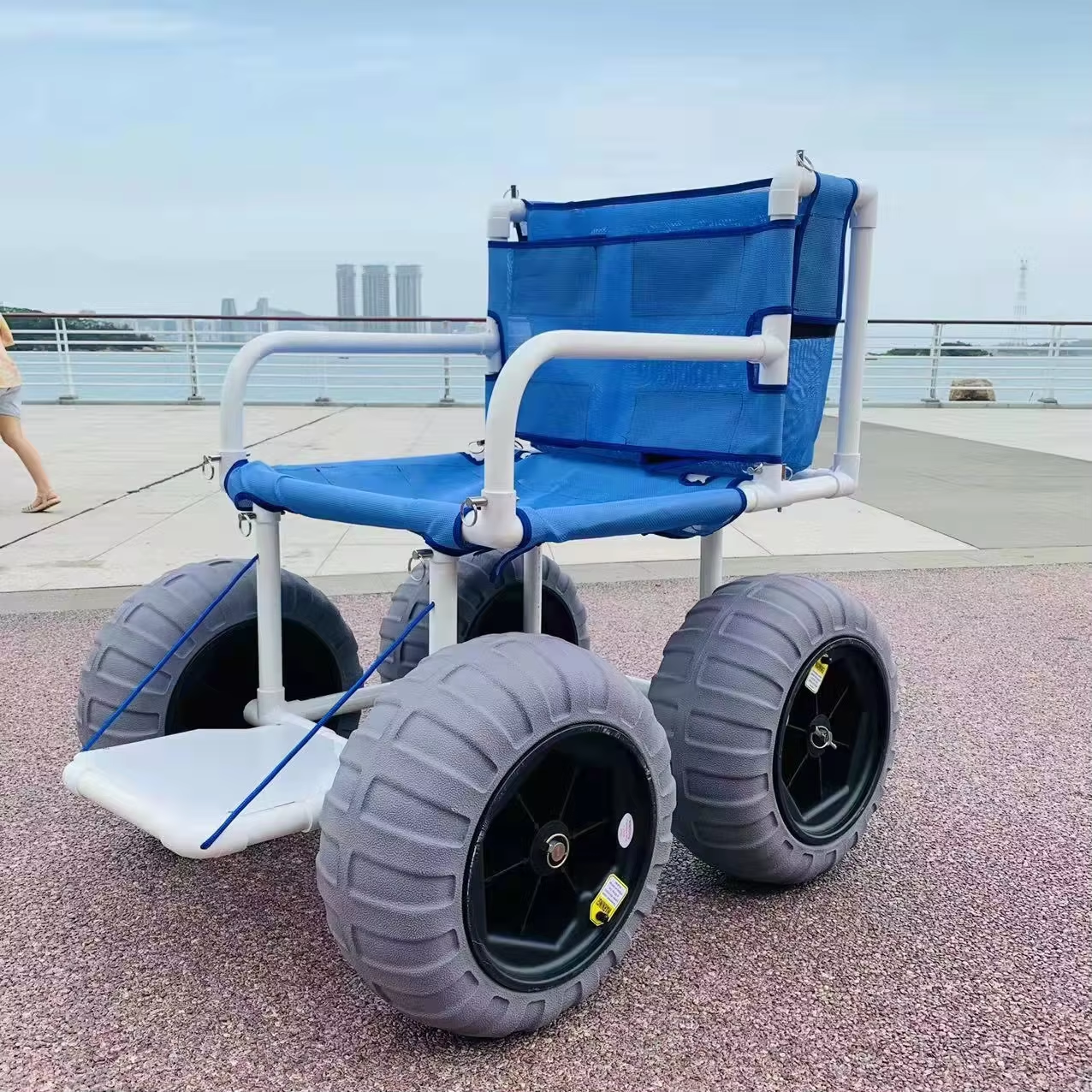
Separate repair hold, replacement approval, and retirement status. If an approved repair path remains open, do not write “retired” because a replacement quote arrived. If the chair leaves service, record its location, disposition route, and next custodian. Questions about an owned unit can go through the contact page.
Close the old asset properly: a new chair does not erase the old chair’s history.
- Asset identity and final status.
- Reason for retirement decision.
- Approver and decision date.
- Custody or disposition next step.
Connect replacement and retirement files
Link the old asset record to the replacement requirement without copying old claims into the new chair file. Keep any open incident, condition, or fit question with its original chair. This protects both procurement clarity and later service review.
| Retirement field | Why it belongs |
|---|---|
| Asset identity | Prevents a different chair being retired |
| Decision reason | Explains the service change |
| Approver | Shows who closed the decision |
| Next custody | Prevents an untracked handoff |
Action: close the owned chair’s record only after its status and next custody are written.
Key takeaway: retirement is complete when the old asset has an owner, a reason, and a traceable next step.
How can a buyer make the final call?
A buyer can make the final call by comparing repair, hold, replacement, and retirement against the same evidence: intended task, condition, support path, downtime, changed need, qualified review, and custody. The right choice may be to hold while one answer is obtained.
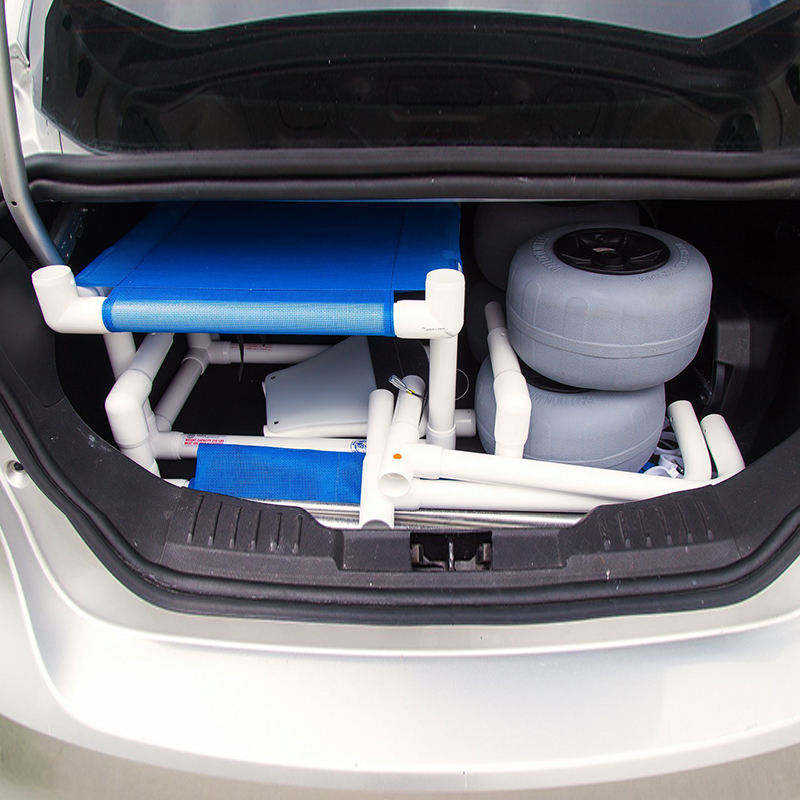
Use accepted, open, or rejected statuses for each decision line. Do not let a low price, a newer photo, or a broad feature claim close an open safety or fit question. An owned chair deserves a record that another manager can read months later.
The final call should be boring: approve what the evidence supports and leave the rest open.
Apply one decision gate
Check whether a qualified reviewer cleared fit and release, whether the supplier answered the requirement, and whether the old chair’s custody is closed. A replacement order is only one part of this gate. If the buyer still needs route or service information, keep the decision conditional.
- Is the intended task written clearly?
- Is the owned chair’s status traceable?
- Are fit and release responsibilities named?
- Is the replacement requirement answered?
- Is old-asset custody closed or assigned?
Action: approve repair, hold, replacement, or retirement only after every open line has an owner. For a model-specific review, contact us with the asset identity and requirement.
Key takeaway: the best replacement call protects the user, the service, and the record at the same time.
Q1: Does an old beach wheelchair always need replacement?
No. Review repair, hold, replacement, and retirement against current condition, supported use, parts, downtime, and qualified release.
Q2: Can a buyer repair a chair from a general article?
No. Use approved model information and qualified service review. General content should not become a DIY repair instruction.
Q3: What if an approved part cannot be identified?
Keep the affected use on hold, record the missing identity, and ask the equipment owner or qualified service contact for a supported answer.
Q4: Who approves personal fit for a replacement?
A qualified reviewer should assess fit and safe release. Procurement can coordinate the evidence but should not replace that review.
Q5: What proves a chair was retired properly?
An asset identity, reason, approver, decision date, and next custody or disposition record provide a traceable closeout.