
Beach wheelchair packaging should protect the chair, keep wheels and small hardware identifiable, and leave a clear condition record from packing through receipt. A buyer needs a physical pack-out plan, not a vague promise that a carton will be “safe.” This article stays with outbound packing and inbound condition.
Imagine a distributor receiving chairs for a seasonal access programme. This general scenario calls for package matching, condition photos, and a hold for damaged or incomplete units.
1. What should beach wheelchair packaging protect?
Beach wheelchair packaging should protect the frame, wheels, fabric or support parts, and small hardware while keeping every item traceable.
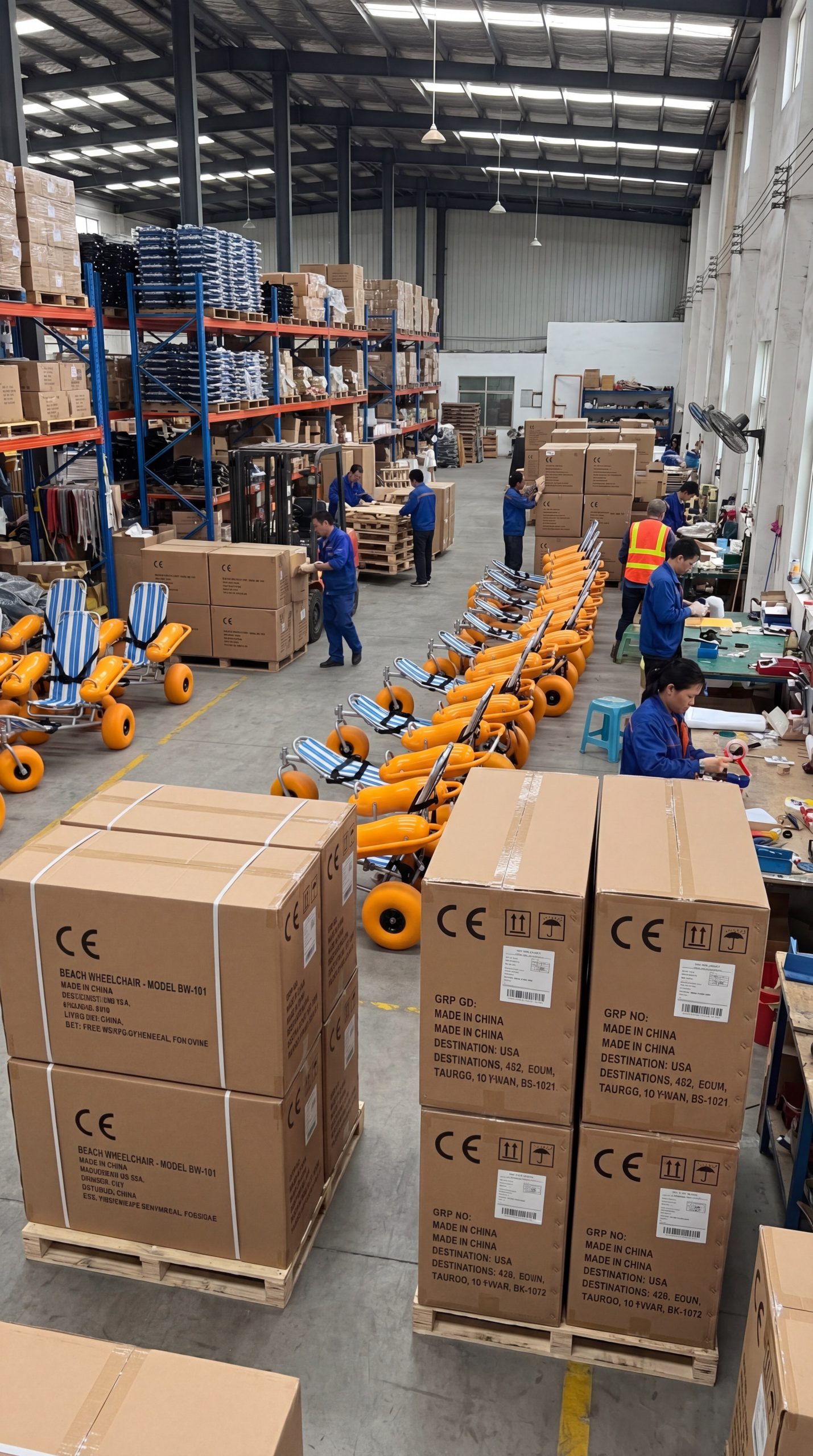
Define the packed state
Write down what “packed” means for this order. It may include a complete chair, a separate wheel set, removable supports, and a small hardware pack. The beach wheelchair category gives product context, yet a category page cannot replace the chosen order’s pack-out record.
Protect item and identity. A strong pack-out keeps both intact.
- Name each package and contents.
- Keep hardware in a labelled pack.
- Separate vulnerable parts from frame contact.
List practical damage risks
Look at contact points, box movement, exposed edges, wheel faces, and fabric surfaces. State what staff protect and photograph. Avoid unverified material, drop-rating, or carton-standard claims.
| Risk | Check | Hold signal |
|---|---|---|
| Frame | Padding/separation | Hard-edge contact |
| Wheels | Faces and position protected | Wheel rubs frame |
| Small parts | Closed label pack | Hardware loose |
| Condition | Photos before closure | Damage visible |
Key takeaway: Define the packed state before requesting price.
2. Which parts should be packed separately?
Wheels, removable supports, and small hardware should be packed separately when separation prevents contact damage or preserves part identity.
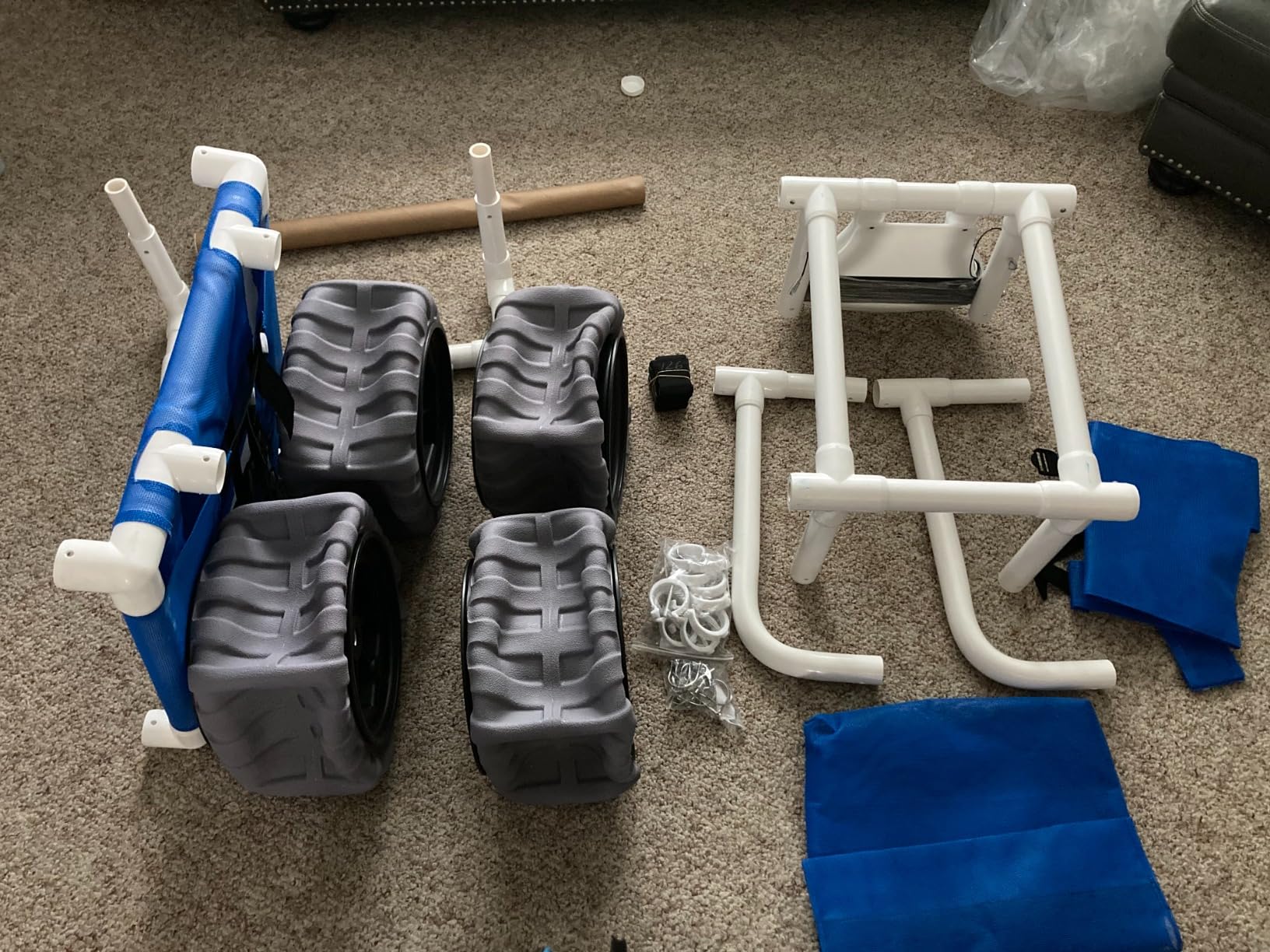
Give each part a clear home
A wheel should not disappear into mixed hardware. Mark each wheel or support with its chair and position. Keep the arrangement aligned with the accepted configuration; do not invent a universal packing kit.
Separate parts with a reason. Separation should improve protection or traceability.
- Group hardware by chair or assembly.
- Keep wheel identity with its chair.
- Note parts shipped uninstalled.
For a wheel assembly, show where contact could occur before the carton closes. Keep wheel faces, fork areas, and nearby frame surfaces from rubbing against one another. If a protective separator moves during packing, record its position in the photo. This detail gives receiving staff something concrete to compare rather than a generic “well packed” statement.
Match packing separation with receiving
Receiving staff should know whether a wheel set belongs inside a chair carton, in a labelled accessory carton, or in a separate package. The all-terrain beach wheelchair page can help a buyer describe a broad-wheel configuration, but the order record still controls package identity.
| Part group | Separate when | Receive by |
|---|---|---|
| Wheels | Contact/position needs protection | Chair and position |
| Hardware | Loose items could scatter | Packet count/label |
| Supports | Shape/surface needs separation | Name and condition |
| Main frame | Contact needs padding | Identity and photos |
Key takeaway: Every separate package needs an owner, label, and receiving check.
3. How should each package be marked?
Each package should carry plain marks connecting order, chair identity, package number, and part group without relying on memory.
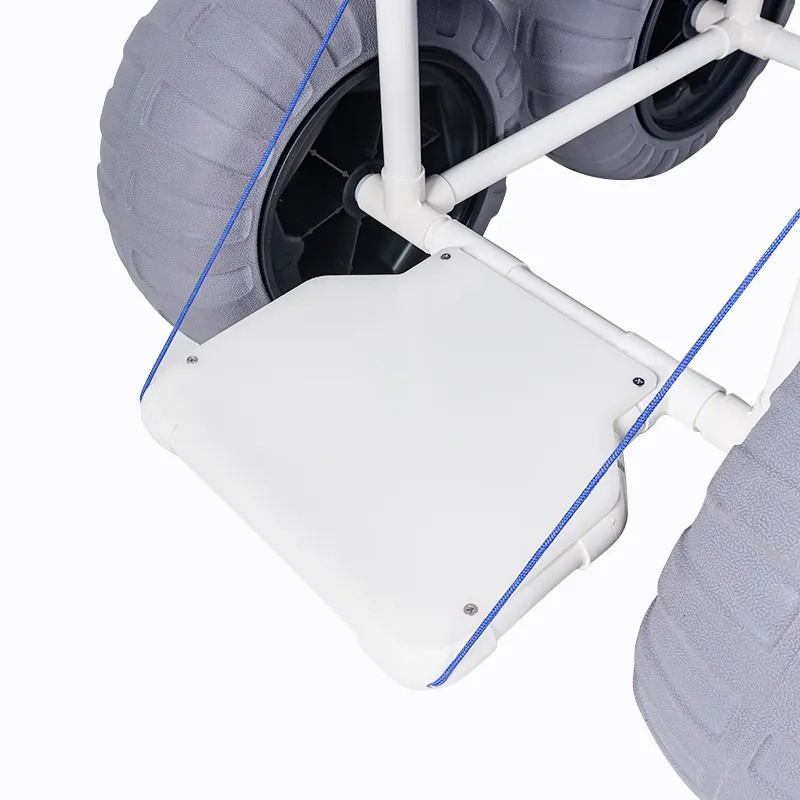
Use repeatable package marks
Use the same order reference on packing, carton, and receiving records. Add chair identity, package count, and part group such as “wheel set.” Avoid a label that says only “beach chair.”
One mark should answer the opening question. Staff should know the order and chair before opening.
- Repeat the order reference on every package.
- Number packages consistently, such as 1 of 4.
- State the part group in plain words.
Keep position language stable
If a wheel or support has a side or position, use one wording in every file. “Right rear” should not become “rear wheel B.” The lightweight beach wheelchair page is separate product context, not a package mark. A floating configuration can be reviewed separately through the new floating beach wheelchair page.
| Element | Example | Purpose |
|---|---|---|
| Order | Buyer reference | Joins purchase |
| Chair | Model/local identity | Prevents mixing |
| Package | 2 of 4 | Shows count |
| Part group | Wheel set/hardware | Speeds receiving |
Key takeaway: Repeat identity language from quote through carton.
4. What should packing photos show?
Packing photos should show the package state, visible protection, marks, and closure condition without pretending to prove certification or hidden performance.
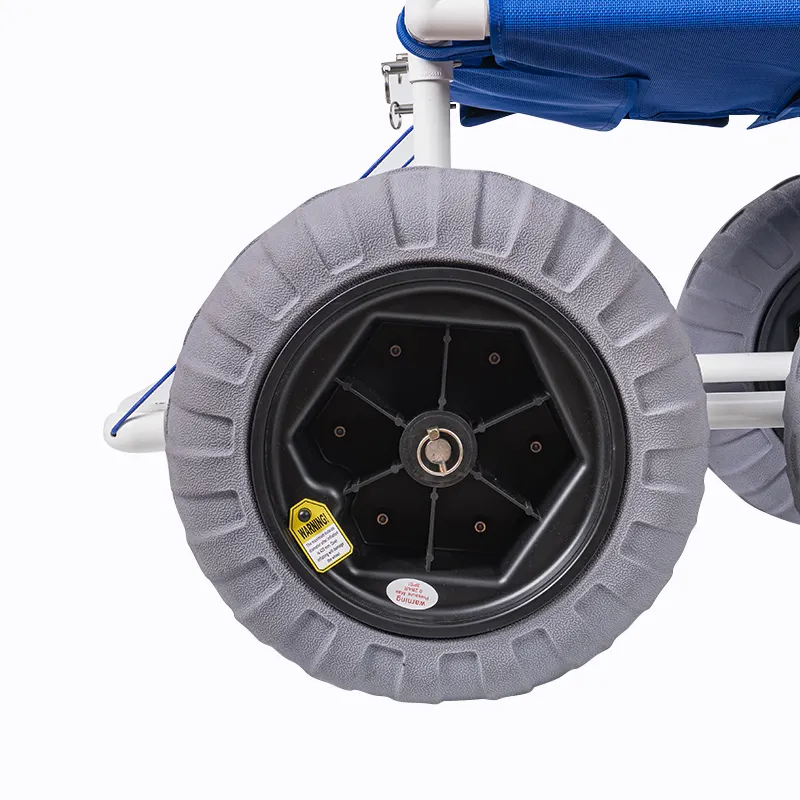
Capture useful views
Take a wide pack-out view, a package-mark close-up, and a detail of wheel or hardware protection when needed. Keep the order reference visible. A photo records packing-time condition; it does not replace a part list.
Show the handoff, not a staged promise. Another person should compare the photos later.
- Photograph before and after closure.
- Include marks, seals, and protection.
- Tie each image to a package record.
When a package contains separate wheel or hardware groups, include one detail photo with the group label visible beside its contents. A close-up of a closed packet can confirm that the packet exists, but it cannot confirm unseen pieces. Pair that image with the written part count and keep both under the same package reference.
Avoid claims a photo cannot carry
A chair picture cannot prove capacity, corrosion performance, test results, or certification. It cannot prove a package stayed untouched after dispatch. Mark each photo with date, package identity, and observed condition.
| View | Records | Does not prove |
|---|---|---|
| Wide pack-out | Arrangement | Hidden protection |
| Mark close-up | Order/package identity | Route compliance |
| Hardware detail | Visible separation | Unseen contents |
| Closure view | Seal/tape state | Undisturbed delivery |
Key takeaway: Use photos as condition evidence, not a pack-list substitute.
5. How should a team check outbound condition?
An outbound check should compare each package with the accepted order line, record visible condition, and assign a named release owner.
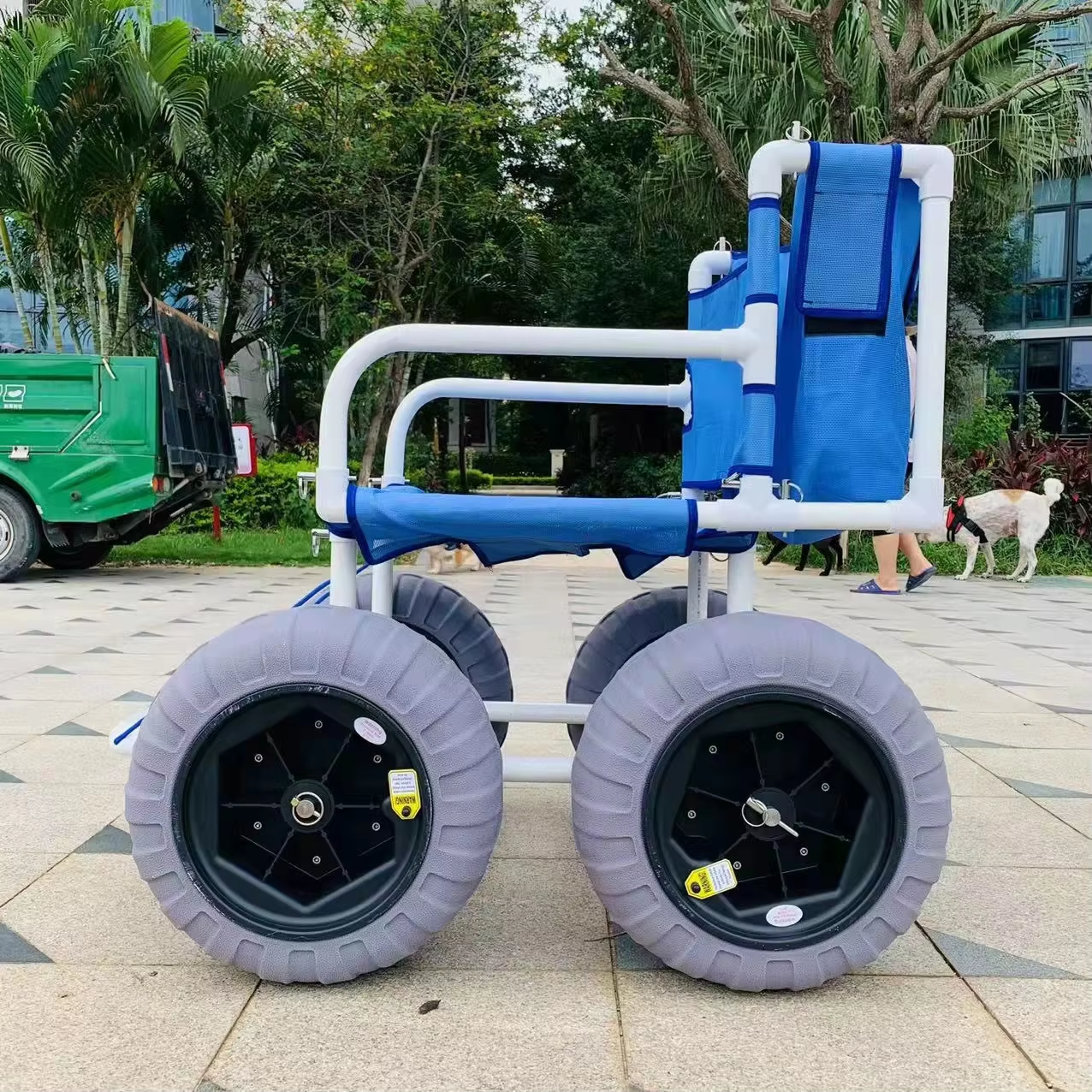
Review before closure
The packing colleague can compare chair identity, package count, part separation, and visible surfaces before closure. A colleague may review photos when packages look alike. The applications overview explains use settings, not this physical check.
A release check should be boring. Every package follows the same short list.
- Match package marks with the order.
- Confirm protection and part separation.
- Record the release owner.
Hold what cannot be explained
Hold a package if contents, label, count, or visible condition differs. Do not close a carton to keep a schedule moving. Preserve the photo and note the decision needed.
| Check | Release evidence | Hold |
|---|---|---|
| Identity | Order/chair match | Label unclear |
| Count | Package count | Missing/extra |
| Protection | Contact points addressed | Loose movement |
| Condition | Photos/owner | Damage unexplained |
Key takeaway: Release only packages a colleague can reconcile.
6. What should a receiver check on arrival?
The receiver should compare package marks, count, visible condition, and expected part groups before a chair enters service stock.
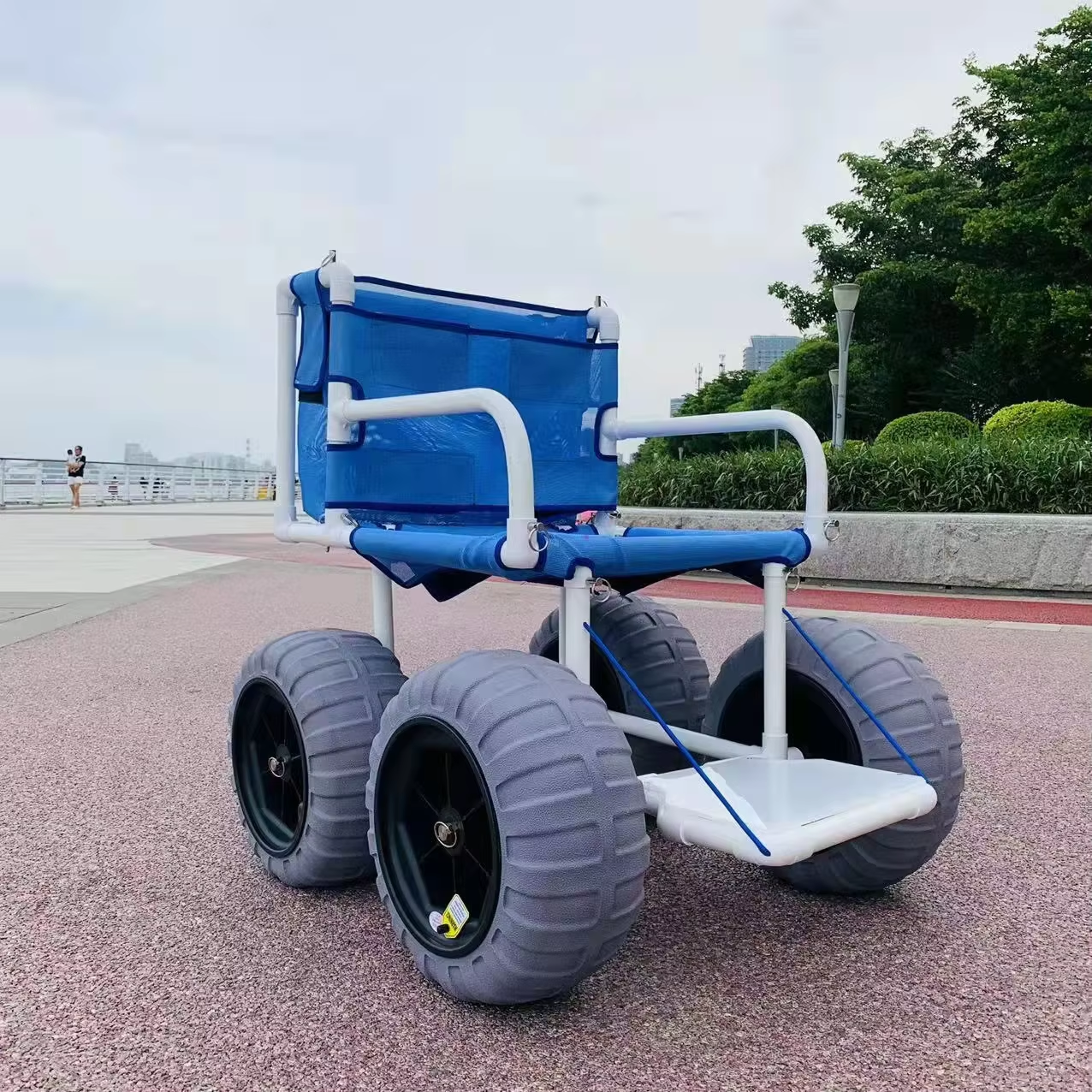
Check the outside before opening
Record package identity and visible damage before opening. Photograph a torn surface, crushed corner, broken mark, or wet area while the package remains received. A normal-looking package still belongs in the receiving record.
Start with what arrived. An early record preserves the condition story.
- Match package number with the order.
- Photograph damage before moving items.
- Keep affected packages identifiable.
After opening, keep the outer carton, inner separators, labelled packets, and chair together until the count is complete. Do not move loose parts into a common service bin before the receiver has matched them. If a packet is open, photograph its state and record whether the count was completed or remains pending.
Reconcile contents after opening
After opening, compare chair, wheels, supports, and hardware against the package record. The accessible beach mat page is route context; it does not change package contents or the receiving decision.
| Stage | Check | Record |
|---|---|---|
| Outside | Mark/condition | Photo/receiver |
| Open | Chair/part groups | Count/identity |
| Compare | Order versus contents | Match/hold |
| Release | Stock status | Owner/date |
Key takeaway: Release a chair after package and contents records agree.
7. How should damage or missing parts be handled?
Damage or missing parts should create a written hold with photos, package identity, affected chair, and a named decision owner.
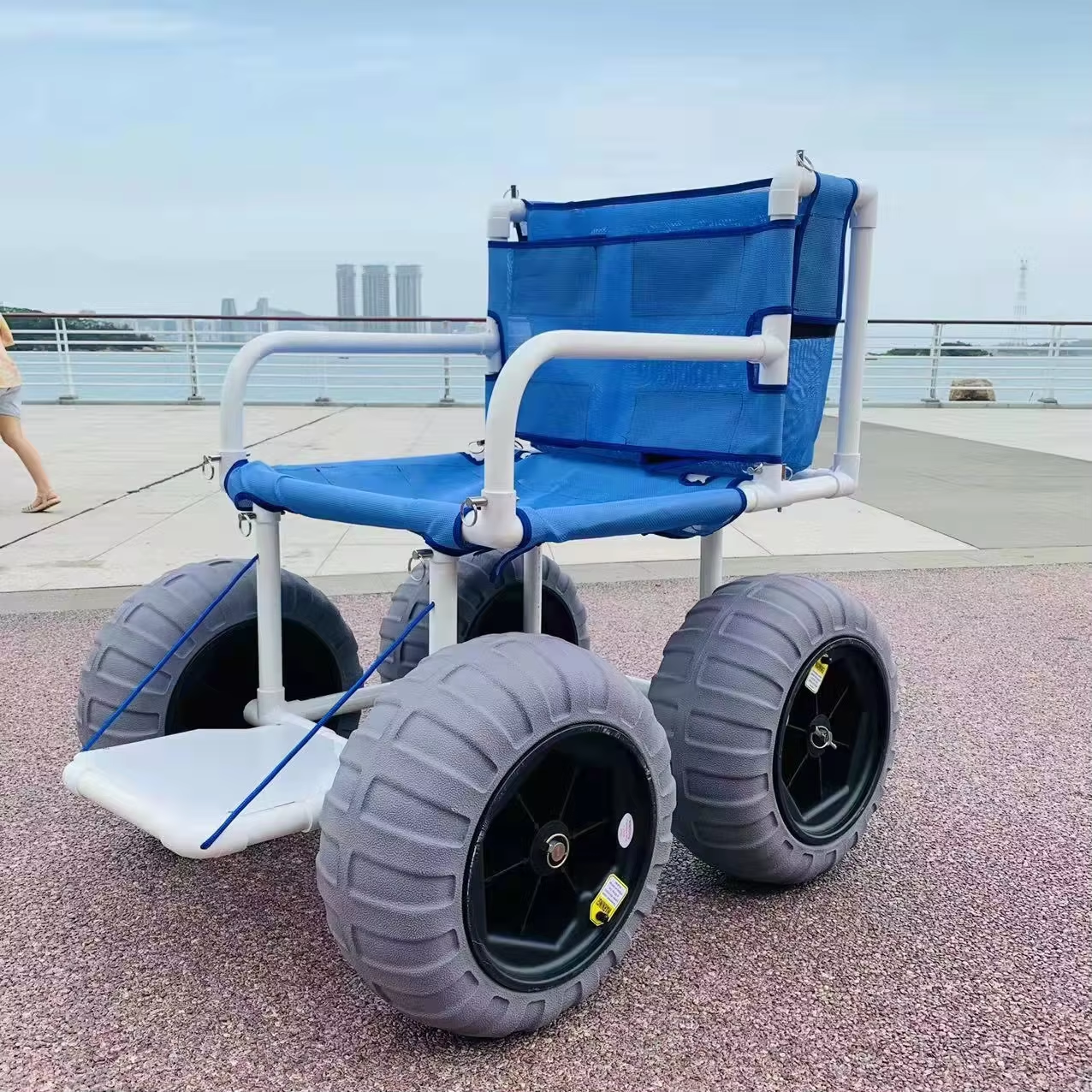
Preserve the condition record
Keep package, marks, photos, and affected contents together during review. Do not discard a damaged carton before recording it. Describe visible facts: torn surface, missing packet, damaged wheel face, or mismatched label.
A hold protects evidence. It stops an uncertain unit entering clean stock.
- Assign a discrepancy reference.
- Keep affected parts separate.
- Name the disposition owner.
Close the discrepancy cleanly
The owner may confirm a match, request clarification, or keep the item held. This article sets no universal claim deadline or replacement promise. Close with a decision and supporting photos.
| Discrepancy | State | Closeout |
|---|---|---|
| Torn package | Hold chair | Owner decision |
| Missing hardware | Hold unit | Part outcome |
| Wrong mark | Isolate package | Identity correction |
| Part damage | Hold/photo | Review result |
Key takeaway: Keep a damaged or incomplete unit out of stock until its record closes.
8. How do packing and shipment records stay aligned?
Packing and shipment records stay aligned when order, invoice, packing list, package marks, and carrier handoff use the same chair identity and quantities.
Keep documents consistent
Trade.gov notes that a packing list describes packages and does not replace a commercial invoice. The importer or freight forwarder confirms route-specific requirements. This article stays with physical packing and record consistency.
Paper follows the package. If a chair identity changes on one sheet, a receiver has to guess.
- Copy chair identity across records.
- Match package marks with the packing list.
- Assign one discrepancy owner.
Measure only what the record needs
Record package count, part group, visible condition, and agreed fields. Do not invent dimensions, weights, tariff codes, duties, or clearance outcomes. A carrier or importer may need information the packing team cannot decide.
| Record | Match | Owner |
|---|---|---|
| Order | Chair/quantity | Buyer |
| Invoice | Transaction/goods | Commercial owner |
| Packing list | Contents | Packer |
| Carrier handoff | Marks/count | Dispatch owner |
Key takeaway: Keep one identity across every record.
9. What should a buyer agree before dispatch?
Before dispatch, a buyer should agree on pack-out state, part separation, package marks, photos, discrepancy ownership, and receiving closeout.
Put the pack-out brief in plain language
Write the accepted configuration, assembled parts, separate parts, and package marks. Add the dispatch photo and condition record. The beach accessibility projects page is programme context, not an order brief.
Agree before tape goes on. A short brief defines “packed.”
- Name configuration and part groups.
- Set photo and mark requirements.
- Name outbound and receiving owners.
Define the closeout
Closeout should state what happens after receipt: match, release, hold, or discrepancy review. Identify the record location. The portable beach wheelchair travel guide is separate operating context, not a receiving check.
| Agreement | Answer | Owner |
|---|---|---|
| Pack-out | Together or separate? | Packer |
| Marking | Identity repeated? | Dispatch owner |
| Photos | Which views saved? | Photo owner |
| Closeout | Who releases/holds? | Receiver |
Key takeaway: Agree physical state and record owner before dispatch.
10. What is the best packaging release decision?
The best packaging release decision releases a shipment only when physical packages, marks, photos, and order records tell the same story.
Release a reconciled shipment
The release owner should identify every package, part group, visible condition, and open item without memory. A clean release does not promise gentle handling; it shows a clear physical record and receiving response.
Use one practical rule. If identity or condition cannot reconcile, hold the package.
- Protect parts and keep them identifiable.
- Photograph before closure and after receipt.
- Close discrepancies with named owners.
For a packaging brief, contact us with chair identity, part groups, and receiving needs.
Key takeaway: Release only when packages and records agree.
Q1: Should wheels always ship separately?
No. Separate them when protection or identity requires it, then mark the relationship.
Q2: Do photos replace a packing list?
No. Photos show visible condition; a packing list identifies package contents.
Q3: What should a receiver photograph?
Record marks, visible damage, closure, and affected contents before moving a questionable package.
Q4: What happens when hardware is missing?
Hold the unit, preserve package evidence, assign an owner, and close the discrepancy.
Q5: Can a packing plan set route-specific requirements?
No. The importer or freight forwarder should confirm route requirements; this plan covers physical packaging and receiving.