
NDIS funding for a beach wheelchair may be considered only through the participant’s current plan, applicable rules and authorised decision path; no supplier can guarantee approval from a product name alone. A participant may arrive with a plan, a beach access goal and a short deadline. Meanwhile, the supplier still lacks the evidence or invoice detail requested for review. A careful beach wheelchair NDIS process separates product suitability, funding decisions, provider status and payment administration.
This guide helps suppliers, participants and support teams ask better questions before a quote becomes an order. It avoids blanket eligibility claims and treats plan managers, therapists and the relevant agency as separate decision points with different roles.
What Does Beach Wheelchair NDIS Purchasing Mean?
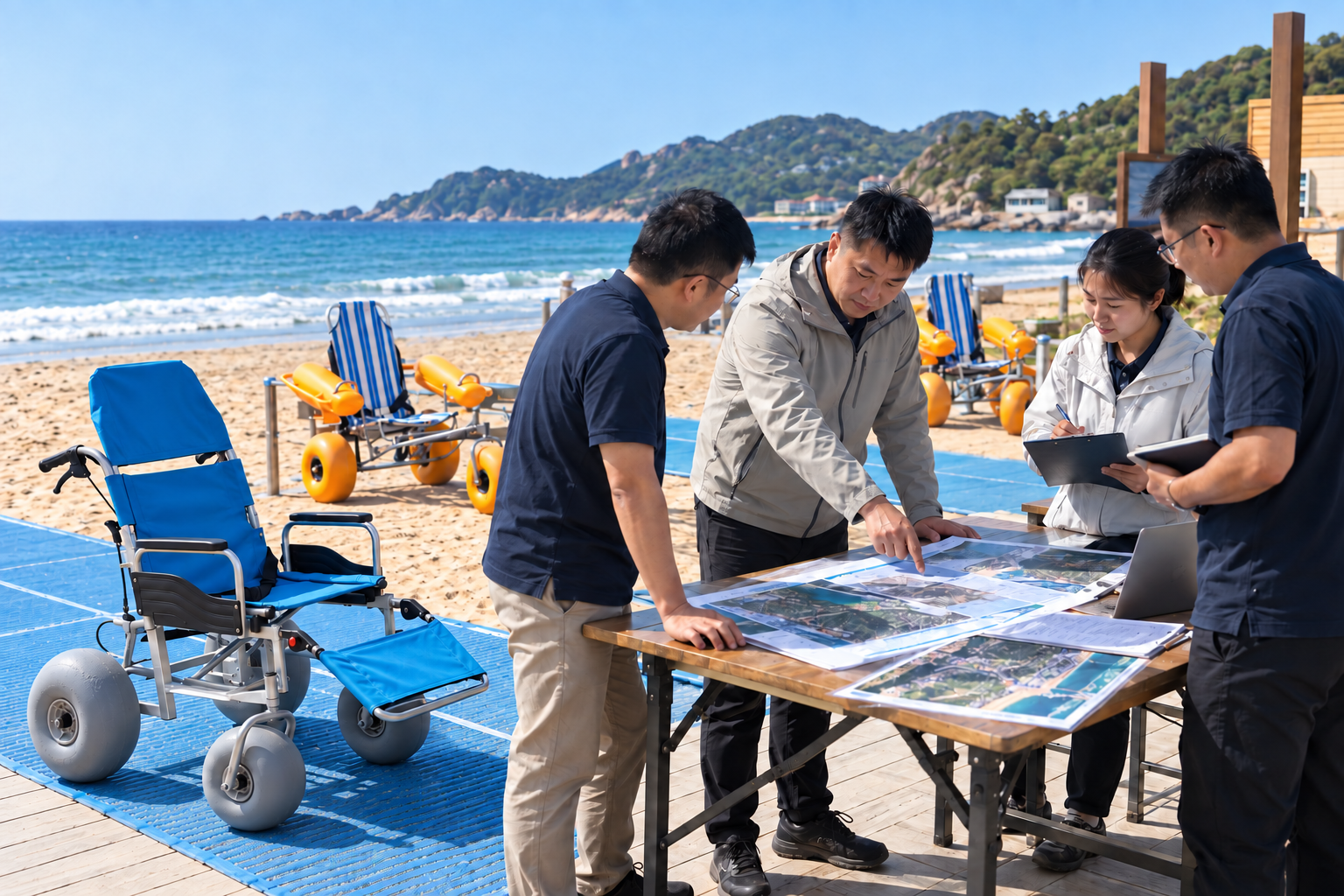
Beach wheelchair NDIS purchasing means a participant may seek to use plan funds for suitable beach mobility equipment under current funding and plan rules. It does not mean every beach chair, participant or invoice receives approval. The decision depends on individual circumstances.
Suppliers should describe equipment accurately and leave funding interpretation to the authorised people. A clear quote can support a decision without presenting a funding outcome as certain.
Which decisions are separate?
Also, separate suitability, plan fit, provider requirements and payment method. Keep the roles clear: a supplier explains the product. Meanwhile, the participant’s support team decides what evidence and approval path applies. Review current public accessibility guidance before launch.
- Equipment suitability for the user
- Fit with goals and plan budget
- Management method and invoice route
- Any professional evidence requested
What should a supplier say?
Also, use conditional language and direct the buyer to current plan guidance. Avoid phrases such as approved for everyone or guaranteed funding.
| Question | Responsible party |
|---|---|
| Does the chair suit the user? | Participant and advisers |
| Can plan funds be used? | Authorised plan decision path |
| What does the quote include? | Supplier |
| How will payment occur? | Buyer or plan manager |
Clear boundaries protect the participant and supplier from false expectations.
Key Takeaway: Treat product suitability, funding and payment as related but separate decisions.
Who Uses a Beach Wheelchair NDIS Process?
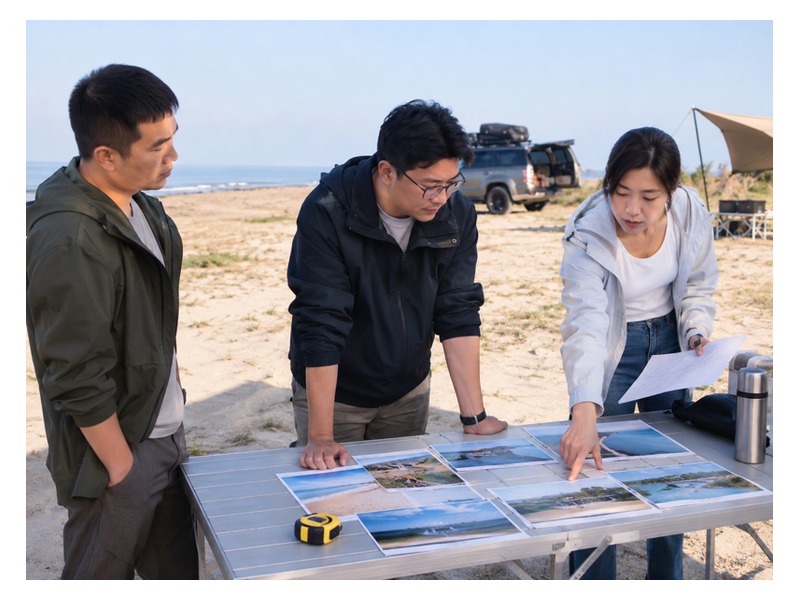
A beach wheelchair NDIS process may involve the participant, family, support coordinator, plan manager, therapist and supplier. Not every purchase needs every role, and management arrangements differ. Ask who can authorise the order and who needs documents.
Do not assume the person requesting a quote can approve payment. Put contact roles and consent in writing before sharing personal or plan information.
What does the participant control?
Also, the participant defines goals, preferences and practical needs. Start with their use case: beach frequency, transport, support people, terrain and storage shape the equipment discussion.
- Intended beach and route
- User fit and support preferences
- Vehicle and storage constraints
- Land or water activity goal
What do other parties do?
Support roles may help with evidence, suitability, budget checks or invoice processing. The supplier should ask what each person needs rather than sending a large document pack without direction.
| Role | Possible task |
|---|---|
| Participant | Goals and purchase choice |
| Therapist | Suitability advice when requested |
| Plan manager | Budget and invoice process |
| Supplier | Quote, documents and delivery |
As a result, this map keeps requests and decisions with the right person.
Key Takeaway: Confirm who chooses, advises, authorises and pays before preparing the order.
How Does Beach Wheelchair NDIS Plan Management Work?
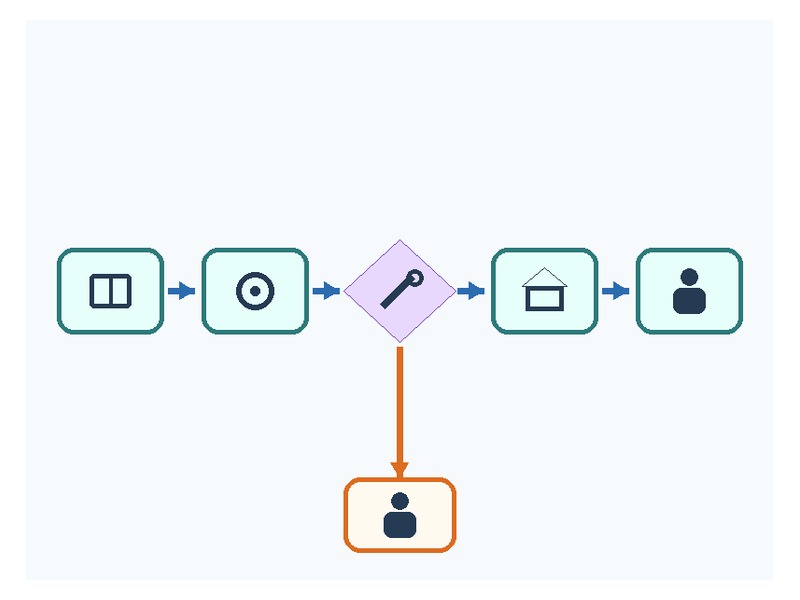
Beach wheelchair NDIS purchasing processes can differ under self-managed, plan-managed and agency-managed arrangements where those categories apply. Suppliers should not infer a management type from a buyer’s email. Ask the authorised contact and verify the current process.
Provider registration may matter for some transactions, but registration alone does not prove a purchase will be funded. Verify current requirements through the buyer’s authorised support path.
What changes between management methods?
Also, the invoice recipient, approval steps and supplier requirements may differ. Ask before invoicing: reissuing documents slows delivery and can create accounting confusion.
- Quote recipient
- Available budget confirmer
- Purchase approver
- Final invoice recipient
What should suppliers record?
Keep the management method, billing contact, written authorisation and agreed payment terms with the order. Store only information needed for the transaction.
| Record | Purpose |
|---|---|
| Management method | Correct process |
| Billing contact | Correct recipient |
| Written approval | Order authority |
| Invoice reference | Payment matching |
A concise record reduces repeated questions and privacy risk.
Key Takeaway: Confirm the management method and invoice route before accepting an order.
How Do You Check Beach Wheelchair NDIS Suitability?
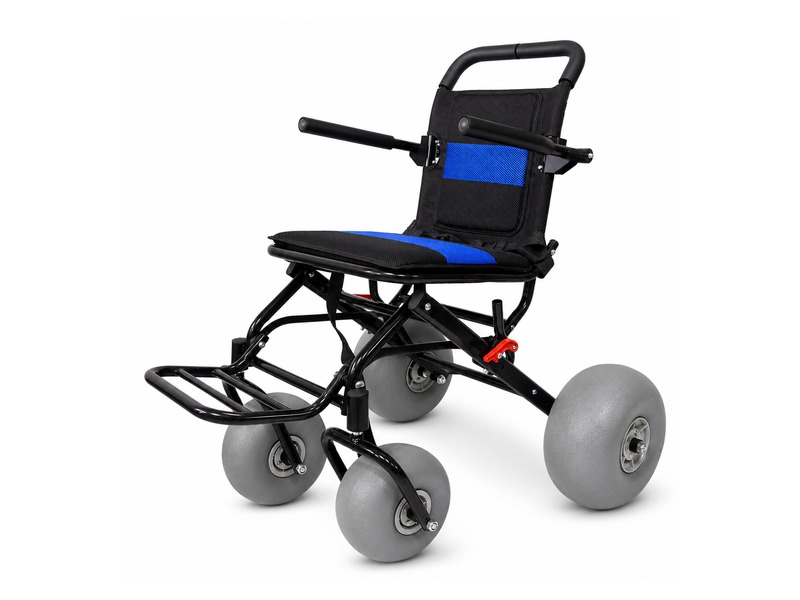
A beach wheelchair NDIS suitability check starts with the individual, intended beach and support arrangement. Product category alone cannot show fit. Use current manuals, dimensions and professional input where the participant’s needs call for it.
Separate land-based, floating and powered options. A chair built for soft sand may not be designed to float. Meanwhile, a water chair may need a controlled environment and support people.
Which questions belong in a suitability check?
Also, ask about user fit, posture, transfers, route, assistance and transport. Details beat labels: all-terrain does not mean suitable for every slope, surface or person.
- Seat and support needs
- Transfer method and help available
- Sand, path and water boundaries
- Vehicle, assembly and storage limits
When should a trial happen?
Use a trial where it is available and useful for the participant. If an in-person trial cannot occur, request current documents and discuss the limits of remote selection.
| Check | Evidence |
|---|---|
| User fit | Dimensions and informed review |
| Route fit | Site conditions |
| Support fit | Operator capacity |
| Transport fit | Vehicle and packed size |
As a result, this comparison keeps the decision tied to real use.
Key Takeaway: Assess the user, route, support and transport needs rather than relying on a category name.
What Evidence Supports a Beach Wheelchair NDIS Request?
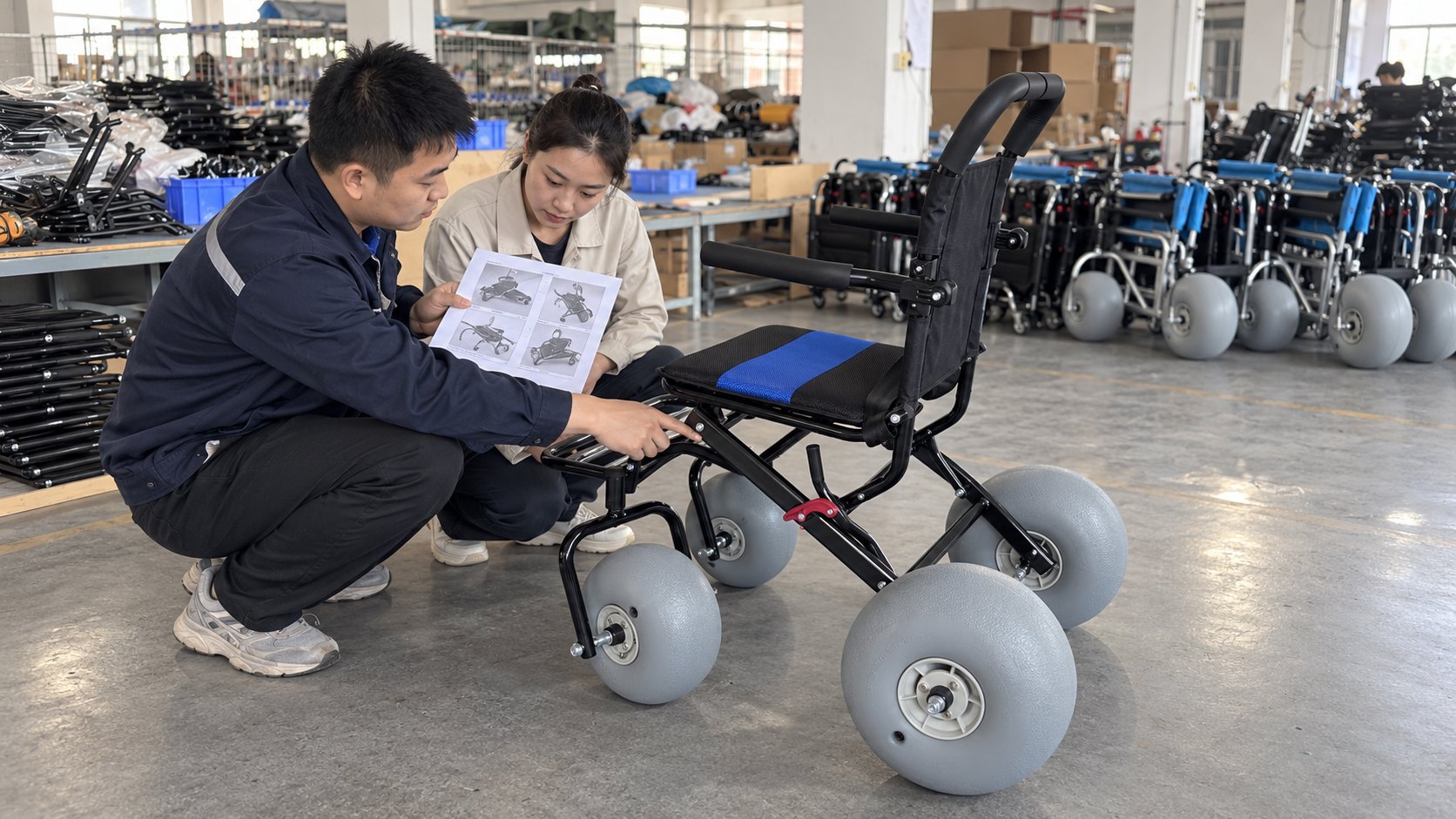
Beach wheelchair NDIS requests may need evidence connecting the participant’s goal, barriers and proposed equipment. Requirements differ, so suppliers should ask what documentation the authorised decision-maker wants. Do not invent clinical claims for the buyer.
A supplier can provide factual product documents, while the participant or professional explains personal need. Keeping those contributions separate preserves accuracy.
What can the supplier provide?
Also, provide current model information in plain language. Use documents, not promises: a manual and itemised quote are more reliable than marketing statements.
- Current user manual
- Dimensions and stated limits
- Product category and intended use
- Quote, freight and included parts
What may come from the participant’s team?
Personal goals, functional barriers and professional recommendations belong to people who know the participant. Suppliers should not write those statements as if they assessed the person.
| Evidence type | Likely source |
|---|---|
| Product facts | Supplier or maker |
| Beach access goal | Participant |
| Functional reasoning | Qualified adviser when needed |
| Budget confirmation | Authorised plan contact |
The combined pack can answer both product and participant questions.
Key Takeaway: Let suppliers document the equipment and authorised advisers document personal need.
What Should a Beach Wheelchair NDIS Quote Include?
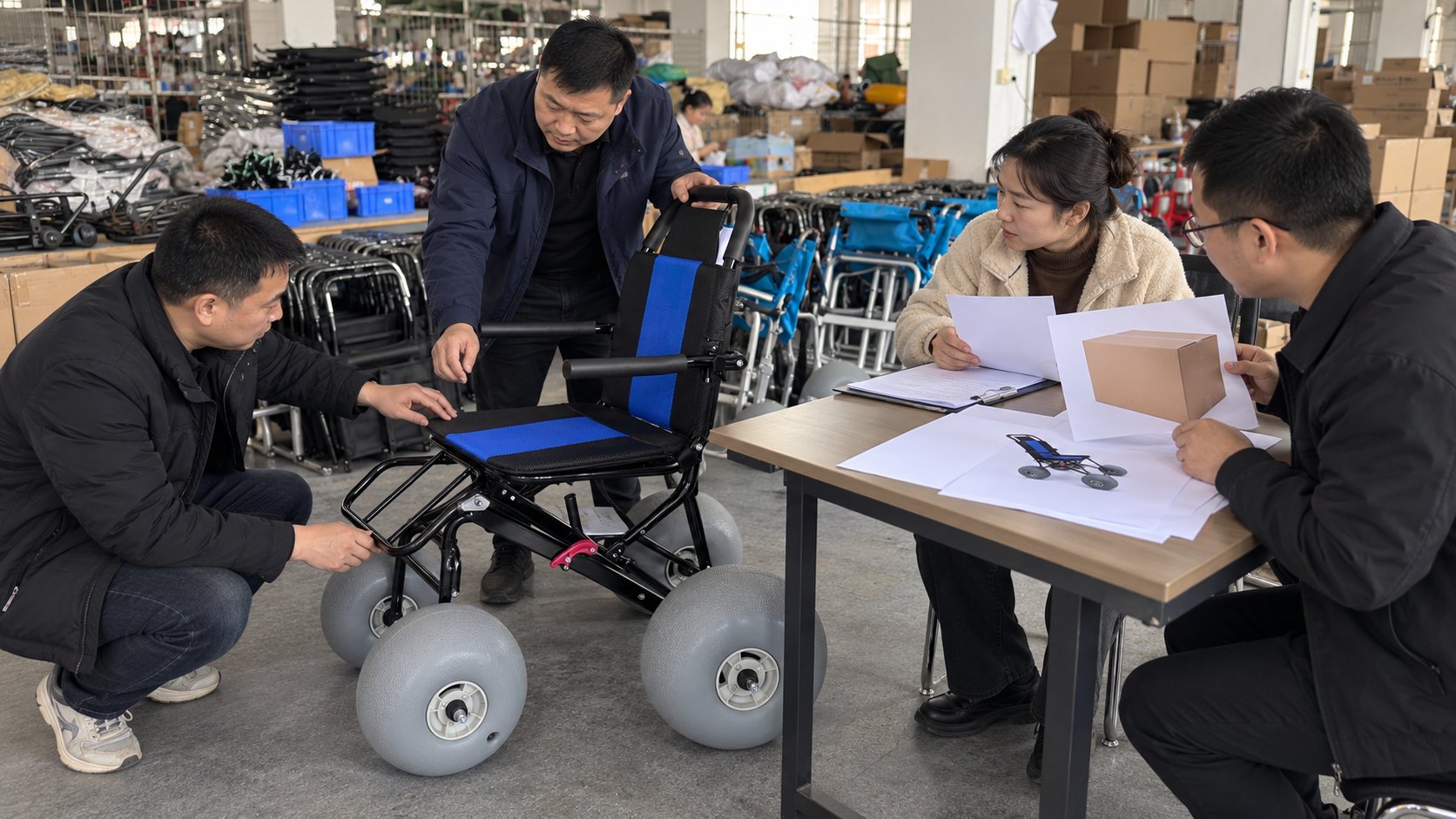
A beach wheelchair NDIS quote should identify the exact model, included components, freight basis, lead time, validity period and invoice details requested by the buyer. Avoid bundling unrelated items under one vague description. Itemisation helps reviewers see what each cost covers.
Use the participant’s approved contact details and reference fields only after receiving consent. Check names and billing information before sending the document.
Which product details matter?
Also, list enough detail to distinguish one model and package from another. Make every line traceable: the delivered shipment should match the quote without interpretation.
- Model and equipment category
- Quantity and included components
- Optional accessories shown separately
- Freight, tax and delivery basis
Which commercial details matter?
However, state payment terms, quote expiry, expected lead time and any conditions. Do not hide possible delivery charges in fine print.
| Quote field | Reason |
|---|---|
| Model identity | Correct equipment |
| Itemised total | Review clarity |
| Validity date | Current pricing basis |
| Delivery basis | Landed-cost clarity |
A complete quote reduces revisions during approval and payment.
Key Takeaway: Build an itemised quote that matches the model, package and invoice route exactly.
How Do Beach Wheelchair NDIS Suppliers Handle Privacy?

Beach wheelchair NDIS suppliers should apply data-minimisation and privacy obligations to quote, order and payment records. Ask the authorised recipient which documents are required for the current step rather than requesting a diagnosis or full plan by default. Seek local privacy advice where responsibilities are unclear.
Use secure business systems and limit internal access. Do not copy participant information into general sales notes, image prompts or unrelated marketing tools.
Which information may be needed?
Also, contact, delivery and billing details may be enough at early stages. Collect in stages: request more only when the next authorised step requires it.
- Buyer and authorised contact
- Delivery location
- Invoice recipient and reference
- Product fit details with consent
How should records be controlled?
Also, define who can view participant data, where it is stored and when it is removed under applicable policy. Share documents only with approved recipients.
| Control | Practical action |
|---|---|
| Data minimisation | Request only needed fields |
| Access control | Limit staff permissions |
| Correct recipient | Verify before sending |
| Retention | Follow business policy and law |
Privacy care belongs in the sales process, not after a mistake.
Key Takeaway: Collect the minimum data needed and verify every recipient before sharing documents.
How Do Beach Wheelchair NDIS Orders Reach Australia?
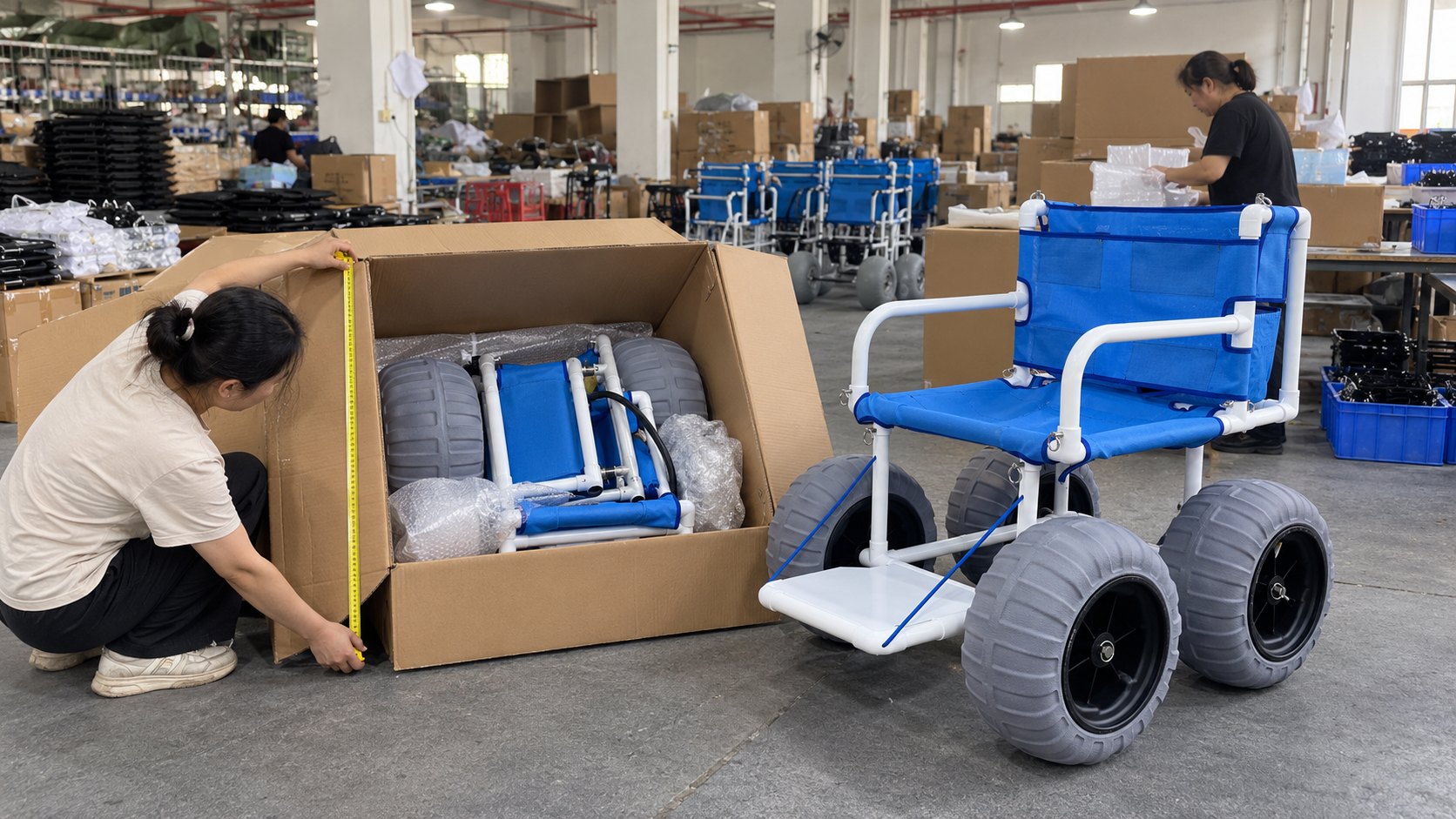
A beach wheelchair NDIS order supplied from overseas needs a clear freight, import, delivery and acceptance plan. Funding approval does not remove shipping work or guarantee every logistics cost is covered. Confirm the landed arrangement before the final invoice.
Ask who acts as importer, who handles local delivery and what happens if packaging arrives damaged. Keep product acceptance separate from a participant’s later use assessment.
What should the freight plan cover?
Also, record packing format, shipment method, destination access and local handling. Look past dispatch: a large package may need a loading point, storage space and assembly plan.
- Packing dimensions and package count
- Freight basis and destination
- Customs and local handling roles
- Delivery inspection process
What happens at acceptance?
Also, check package condition, model identity, included parts and documents before signing the internal acceptance record. Photograph damage before unpacking further.
| Acceptance check | Record |
|---|---|
| Carton condition | Photos |
| Model and quantity | Packing list |
| Included parts | Checklist |
| Manuals | Document file |
Meanwhile, good acceptance records make freight and supply issues easier to resolve.
Key Takeaway: Define landed delivery and inspect the shipment against the quote before closing the order.
How Do Beach Wheelchair NDIS Suppliers Plan Support?
Beach wheelchair NDIS suppliers should explain spare parts, maintenance documents and contact paths before delivery. Participants need to know how routine care and repairs will work after the initial purchase. Avoid promising local service where none exists.
For coastal equipment, rinse and storage routines deserve attention because salt, sand, moisture and sun affect care. Follow the current manual rather than a generic schedule copied from another model.
Which support details belong in writing?
Also, list the contact route, parts identification method and document set. Plan for downtime: even a well-cared-for chair may need a component or service review.
- Manuals and care guidance
- Spare-parts identification
- Fault reporting contact
- Warranty terms and exclusions
How should users prepare for care?
Also, match maintenance tasks to the manual and local capability. A buyer may need a hand pump, rinse point, dry storage and a plan for sending parts or equipment for service.
| Support need | Planning question |
|---|---|
| Routine care | Who performs it? |
| Parts | How are they ordered? |
| Repair | Is local help available? |
| Downtime | What is the backup plan? |
Written support planning reduces uncertainty after delivery.
Key Takeaway: Confirm care, parts and repair pathways before the participant accepts the quote.
How Do You Finalise a Beach Wheelchair NDIS Order?
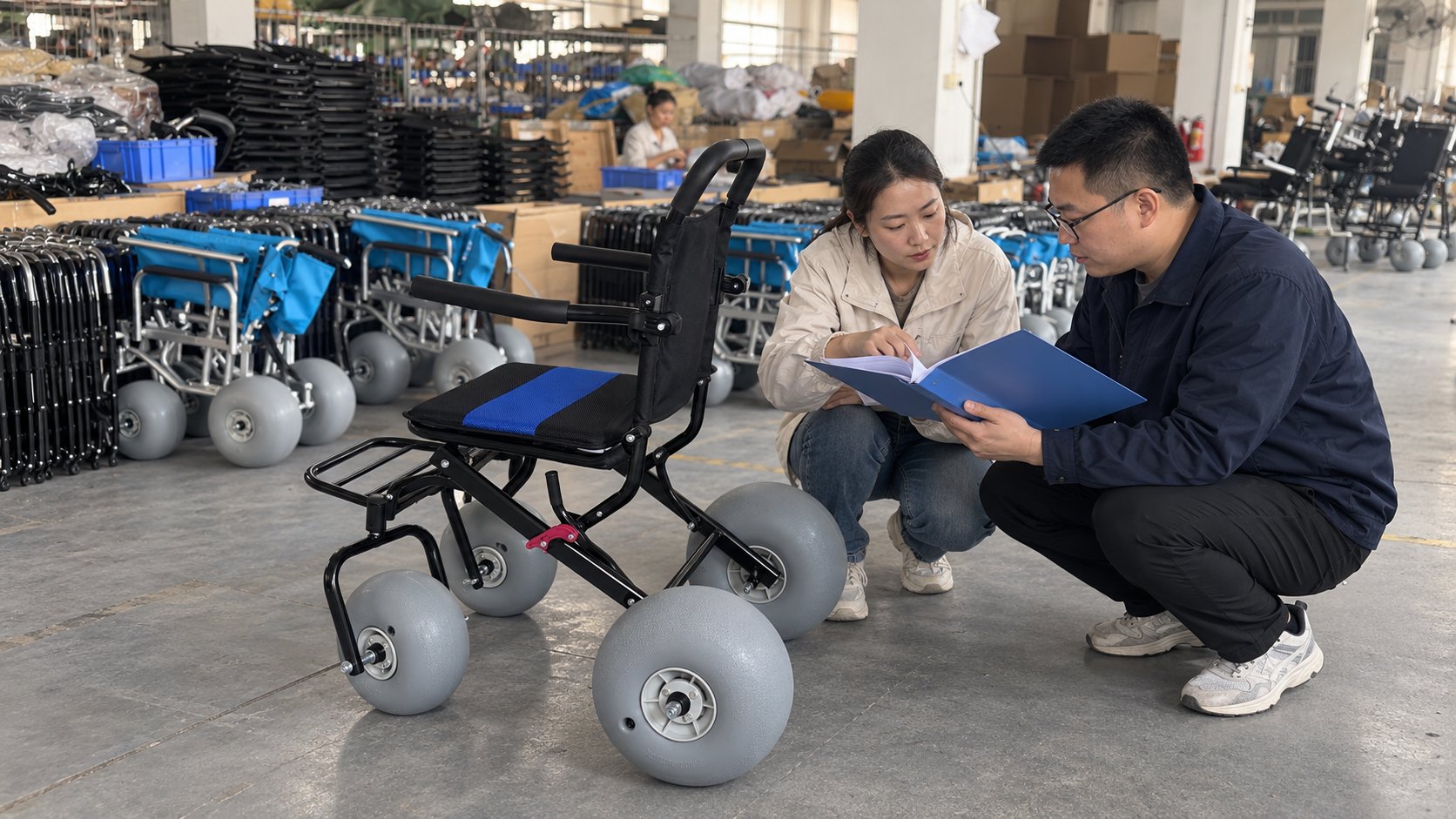
A beach wheelchair NDIS order should proceed only after suitability, funding, authority, quote and payment details have been checked by the responsible parties. Do not treat a verbal expression of interest as purchase approval. Keep the final authorisation with the order file.
Review the model and package one last time because quote revisions can change accessories, freight or delivery dates. Send the final invoice through the confirmed billing path.
What belongs in the pre-order check?
Also, use a short checklist shared with the buyer. Pause on mismatches: a different model name, total or recipient should be corrected before the order enters production or dispatch.
- Suitability review completed
- Funding path confirmed by authorised party
- Quote and package accepted
- Billing and delivery details verified
- Privacy consent recorded where needed
What records close the process?
Also, retain the approved quote, order confirmation, invoice, shipping record and delivery acceptance under the business retention policy. Give the buyer manuals and support contacts in an accessible format.
| Order stage | Core record |
|---|---|
| Approval | Accepted quote |
| Supply | Order confirmation |
| Payment | Final invoice |
| Delivery | Acceptance record |
These records create a clear line from decision to delivered equipment.
Key Takeaway: Finalise only after the authorised parties confirm suitability, funding path and order details.
Final Thoughts
A responsible NDIS-related purchase process avoids shortcuts. The participant’s goal and product fit come before the invoice. Meanwhile, funding decisions, provider requirements, privacy, freight and after-sales support each need a named owner.
If you need factual model documents, an itemised export quote, packing details or a spare-parts plan for review, contact us today with the intended activity and required document fields. We believe suppliers should make equipment facts clear without making promises about an individual’s funding outcome.
FAQ
Can I assume every beach wheelchair qualifies for NDIS funding?
No. Funding depends on the participant, plan, current rules and authorised decision process rather than the product category alone.
What’s the best document to request from a supplier?
However, start with an itemised quote and current manual. Ask for dimensions, intended use, freight basis and included parts when they are not clear.
How do I know if a registered provider is required?
Check the participant’s management arrangement and current requirements. Provider registration does not prove that a specific purchase will be approved.
Can I order before written funding confirmation?
Only follow the authorised purchase process that applies to the participant. Do not assume a later reimbursement will occur.
How do I know if the chair suits the participant?
Also, review fit, posture, transfer, terrain, support and transport needs. Use a trial or suitable professional advice where the individual situation calls for it.