
A beach wheelchair funding application may be clearer when an organisation that has verified its eligibility links a defined public access problem with proposed equipment, a quote and a workable operating plan. A council team may see a boardwalk end at soft sand, receive access requests and still struggle to turn that need into a defined proposal. Current beach wheelchair grants Australia programs vary across jurisdictions and rounds. As a result, applicants should verify live rules with the relevant authority before committing funds.
This guide shows councils, not-for-profits and community partners how to define scope, gather evidence, request comparable quotes, document demand, manage risk and plan service delivery. It does not promise eligibility or approval, and commercial buyers should confirm whether a named program accepts their organisation type.
What Are Beach Wheelchair Grants Australia Programs?
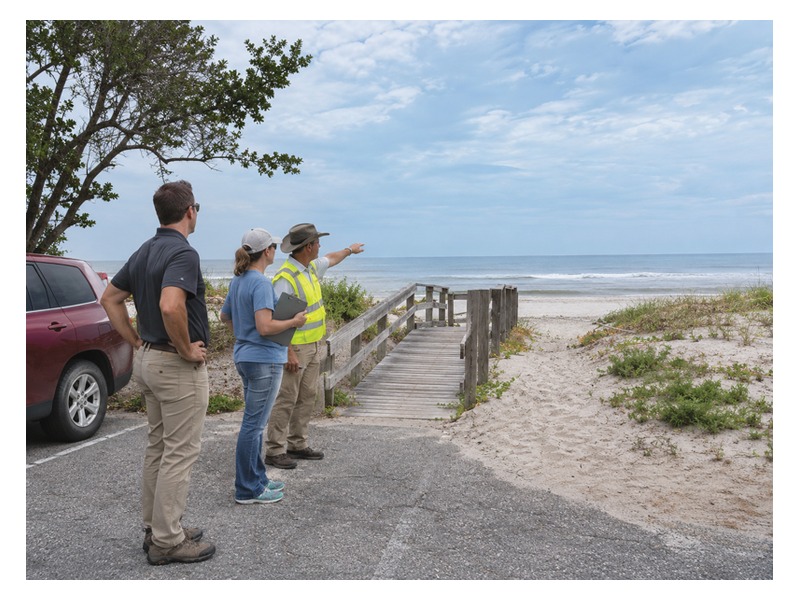
Beach wheelchair grants Australia programs are funding opportunities that may support portable beach access equipment in public community settings. They may sit within national initiatives, state or territory rounds, local grants or philanthropic programs. Rules, dates and contribution rates can change.
Treat a grant page as the starting document rather than a promise. Read current guidelines, contact the administering body and keep a dated copy of every clarification used in your application.
What problem should the grant solve?
Also, describe the route barrier and the people affected without making unsupported claims. Start with the site: show where standard mobility equipment stops and what service the proposed purchase would make possible. Review current public accessibility guidance before launch.
- Boardwalk ending before usable sand
- No suitable chair available for public loans
- Existing equipment unavailable during repairs
- Storage or access route limiting use
What makes the project clear?
However, a clear project names the site, operator, equipment type, storage point and public access process. It also separates land-based chairs, floating chairs and matting because each has a different operating role.
| Project field | Clear response |
|---|---|
| Site | Named public beach |
| Operator | Council or community partner |
| Equipment | Defined category and quantity |
| Service | Booking or walk-up loan |
This structure lets a reviewer see how funding becomes a usable service.
Key Takeaway: Frame the request as a public access service, not a stand-alone product purchase.
Who Can Apply for Beach Wheelchair Grants Australia?
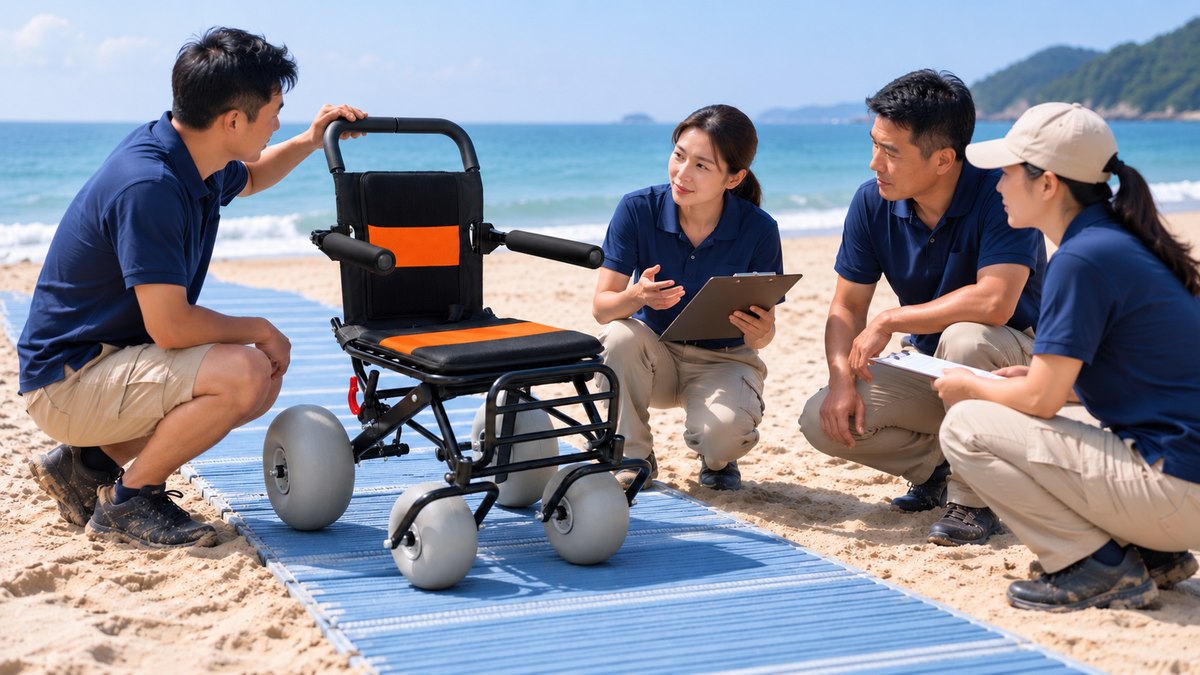
Eligibility for beach wheelchair grants Australia depends on the live program and applicant type. Some public initiatives accept government-owned bodies and not-for-profit organisations, while commercial businesses may be outside scope. A partnership does not automatically change that rule.
Check legal entity status, site ownership, public access conditions and the required operating period. Ask the grant contact about any unclear point before paying for designs, quotes or professional advice.
Which applicants often fit public rounds?
Also, some public-site programs may focus on organisations responsible for open community facilities. Check the fine print: an operating partner and an applicant may have different roles. However, the live guidelines decide which entities can submit.
- Local councils or public agencies
- Incorporated not-for-profit bodies
- Community organisations where guidelines allow
- Partnerships led by an accepted entity
How should partners divide roles?
Put ownership, storage, bookings, maintenance and reporting in writing. A support letter helps only when it states what the partner will do after the equipment arrives.
| Partner | Possible role |
|---|---|
| Council | Applicant and asset owner |
| Surf club | Day-to-day operator |
| Access group | User review and feedback |
| Supplier | Quote, manuals and support |
In fact, a short responsibility matrix prevents vague commitments.
Key Takeaway: Confirm applicant eligibility and assign every operating role before drafting the submission.
What Can Beach Wheelchair Grants Australia Cover?
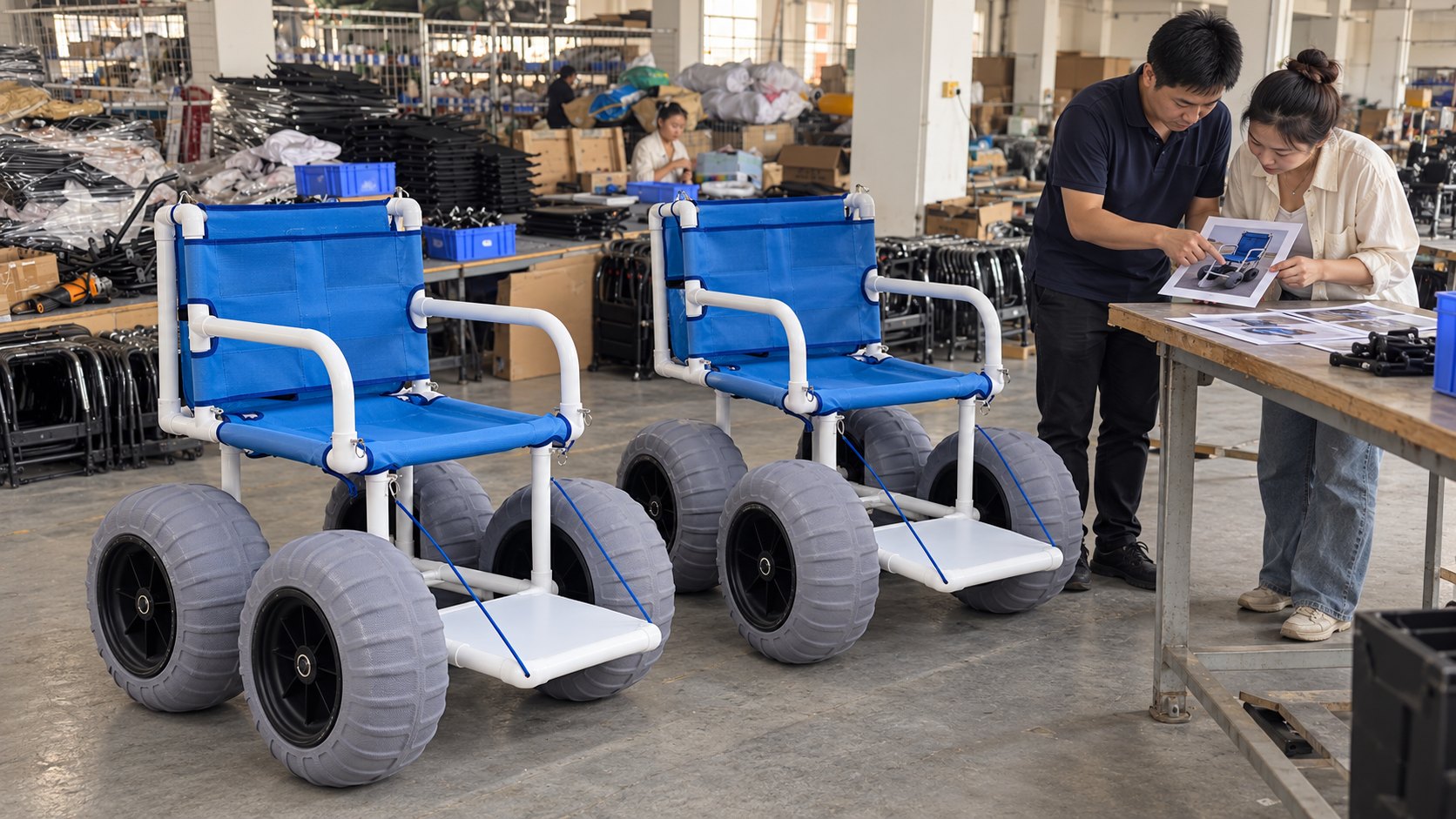
Beach wheelchair grants Australia may list portable equipment categories. However, each round defines its own inclusions and exclusions. A current program may mention beach wheelchairs, floating chairs or accessible matting. That wording does not prove every model, accessory or cost line qualifies.
Build the budget from current cost rules and written clarification. Keep optional items separate so the assessment team can remove one line without making the whole project unworkable.
Which equipment belongs in the scope?
Also, choose equipment from the route, activity and support model. Keep categories separate: a land chair is not a substitute for a floating chair, and matting does not replace personal assistance.
- Land-based all-terrain chair
- Floating chair for controlled water use
- Roll-out access matting
- Accessories or storage items if listed
Which costs need confirmation?
Ask whether freight, storage, signs, training, spare parts or installation may be included. Never hide these costs inside an equipment line if the form requests an itemised budget.
| Cost line | Action |
|---|---|
| Equipment | Match guideline category |
| Freight | Confirm eligibility |
| Storage | Confirm or fund separately |
| Ongoing care | Show future budget source |
This check protects the project from a funding gap after approval.
Key Takeaway: Itemise every cost and verify eligibility for each line with the administering body.
How Do You Scope Beach Wheelchair Grants Australia?
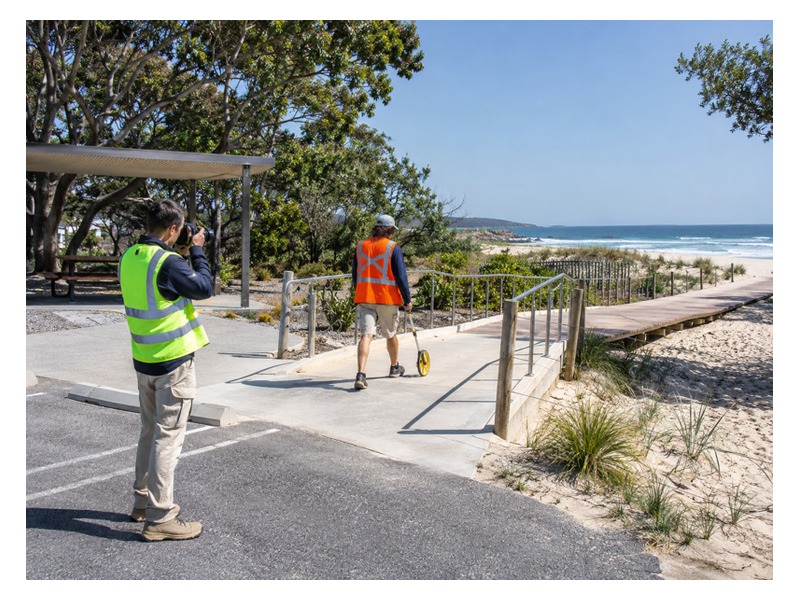
A strong scope for beach wheelchair grants Australia starts with a full route audit from arrival to the intended beach activity. Equipment cannot fix inaccessible parking, a locked storage room or a steep path on its own. Record barriers before selecting a model.
Walk the route with operators and people who use mobility equipment. Note turning areas, firm transfer space, soft sand distance, shade, rinse water, toilets and the location where the chair will be returned.
What should the site audit capture?
Also, use photos, a simple route sketch and measured distances. Here is the practical test: another team member should understand the route without visiting the site.
- Arrival and accessible parking
- Path, ramp and sand conditions
- Transfer and waiting area
- Storage, rinse and drying points
How does scope control quantity?
Quantity should reflect service hours, expected bookings, cleaning time and downtime rather than a hopeful estimate. State assumptions plainly and avoid invented user numbers.
| Scope question | Evidence source |
|---|---|
| Where will chairs operate? | Route audit |
| Who will manage loans? | Partner agreement |
| How many are needed? | Demand records |
| Where will they be stored? | Site plan |
Still, scope connects the access problem with a realistic purchase.
Key Takeaway: Audit the complete user route before deciding equipment type or quantity.
Which Evidence Helps Beach Wheelchair Grants Australia?
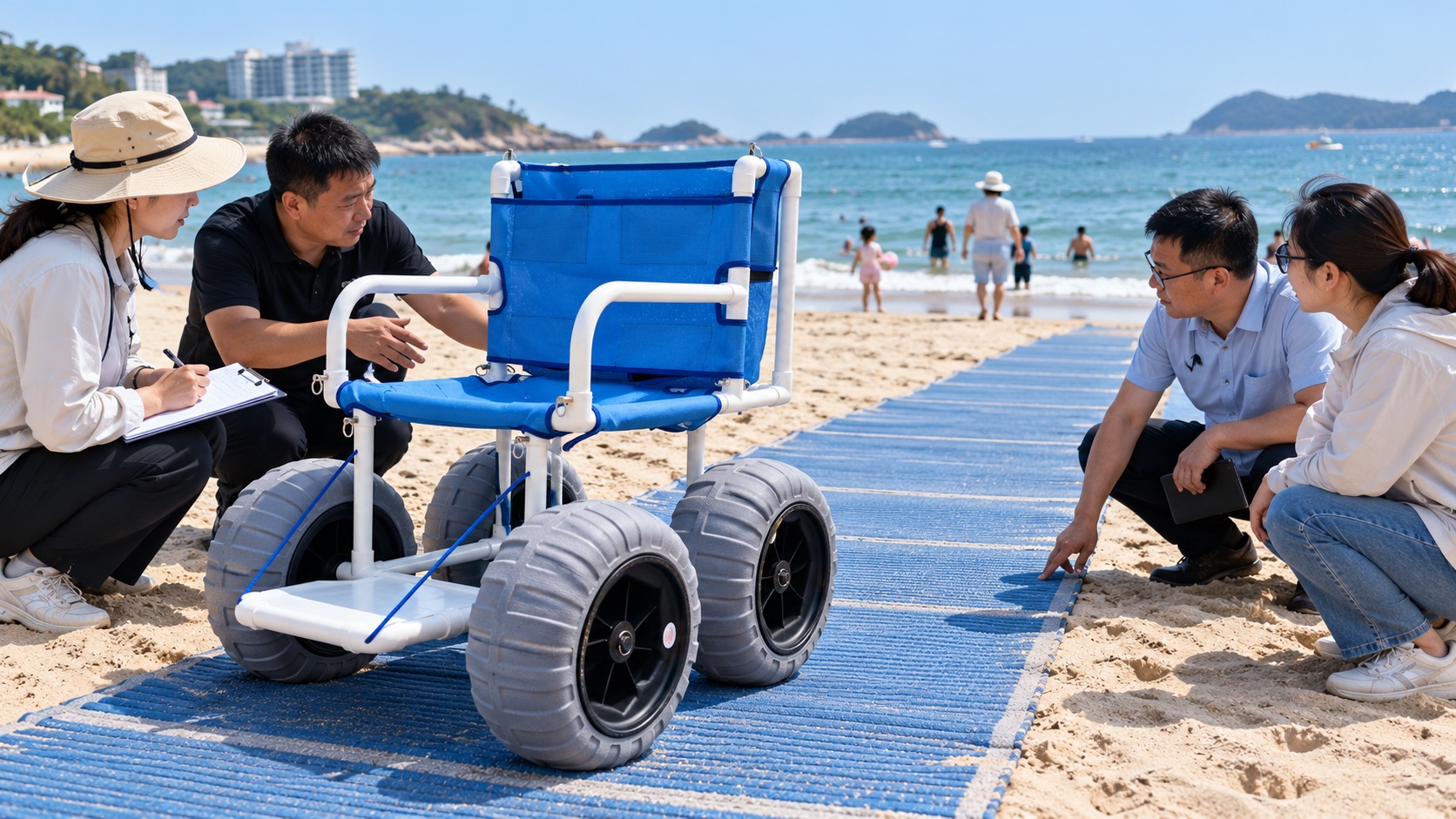
Beach wheelchair grants Australia submissions need evidence that the problem exists and the proposed service can run. Useful evidence may include access requests, consultation notes, route photographs, current booking records and letters from operating partners. Do not invent demand figures to fill a form.
Use dated, traceable material and explain its limits. A small consultation can still be useful when the application says who participated and avoids claiming it represents an entire region.
What evidence shows community need?
Also, combine service records with direct user input. Numbers need context: ten enquiries at a small seasonal beach may mean something different from ten enquiries at a major destination.
- Access requests or complaints
- Booking or waiting-list records
- Community consultation notes
- Access advisory group feedback
What evidence shows delivery capacity?
Include named staff roles, storage approval, a maintenance outline and a partner commitment. Reviewers need confidence that equipment will not remain unused in a shed.
| Evidence | What it supports |
|---|---|
| Route photos | Barrier description |
| User feedback | Service need |
| Operator letter | Delivery capacity |
| Maintenance plan | Ongoing care |
Together these items form a coherent evidence pack.
Key Takeaway: Use traceable demand and operating evidence without exaggerating what the records prove.
How Do Quotes Support Beach Wheelchair Grants Australia?
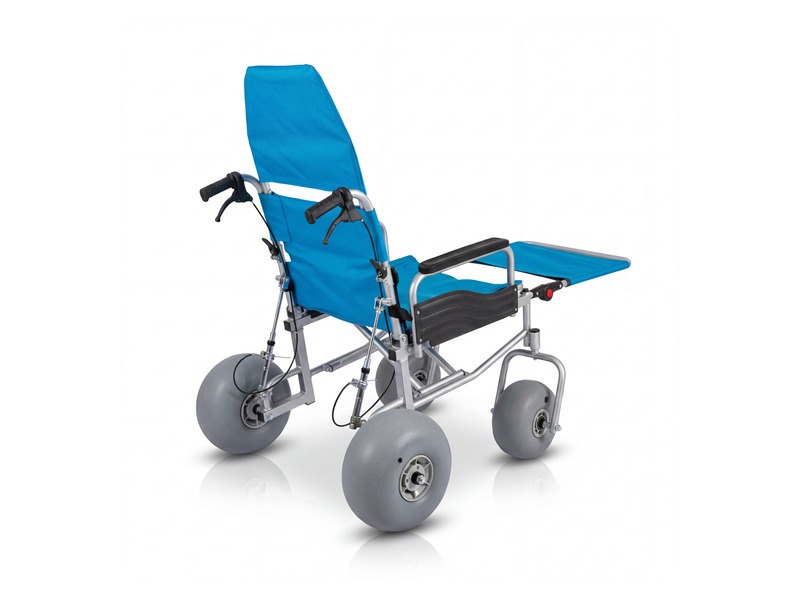
Quotes for beach wheelchair grants Australia should match the application scope and give assessors enough detail to identify what public funds would buy. A one-line total leaves questions about model, inclusions, freight and after-sales support. Request an itemised, dated quote.
Send each supplier the same site and service brief. That produces comparable responses and reduces the chance that one quote includes freight or spares while another does not.
What should every quote contain?
Also, ask for the exact model, quantity, included parts, delivery basis and validity period. Written detail wins: verbal comments are difficult to assess or recover later.
- Model and equipment category
- Included accessories and spares
- Freight and packing basis
- Lead time and quote validity
How do you compare supplier responses?
Also, use a worksheet that separates scope match, support and landed cost. Avoid copying claims from one supplier into another supplier’s column.
| Comparison field | Check |
|---|---|
| Scope match | All requested items covered |
| Documents | Current manuals supplied |
| Service | Parts and contact path stated |
| Cost | Same delivery basis |
Comparable quotes give reviewers a defensible budget.
Key Takeaway: Request itemised quotes against one brief and compare them on the same basis.
How Should Beach Wheelchair Grants Australia Show Demand?
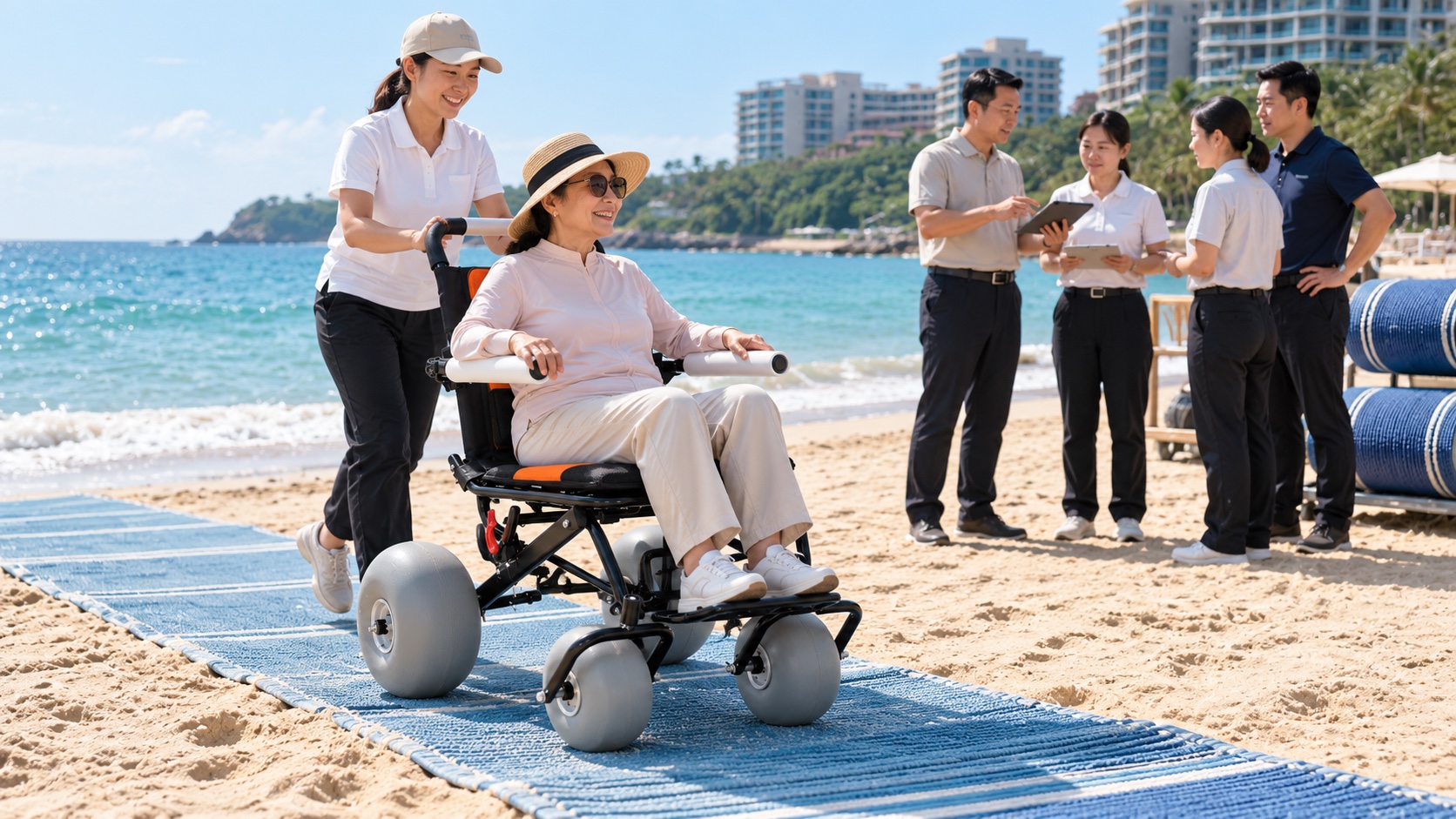
Beach wheelchair grants Australia applications should show demand with honest records and a reasonable service forecast. Avoid claiming guaranteed usage where no program exists yet. Describe what you know, what you expect and how you will measure actual use.
A pilot or seasonal service may be easier to explain than a permanent promise. Set review points so the operator can adjust booking hours, promotion and fleet size after real data arrives.
Which demand signals are useful?
Also, use records already held by councils, clubs or tourism services. Look for repeated friction: requests that cannot be met often reveal the gap better than broad visitor totals.
- Unfulfilled access enquiries
- Existing chair bookings
- Waiting periods or downtime
- Feedback from access groups
How should you forecast use?
Also, state the method and assumptions rather than presenting a precise figure as fact. Tie expected sessions to opening hours, season length and operator capacity.
| Forecast input | Cautious use |
|---|---|
| Past enquiries | Baseline signal |
| Program hours | Capacity limit |
| Seasonal pattern | Timing estimate |
| Chair downtime | Availability allowance |
Transparent assumptions make forecasts easier to review.
Key Takeaway: Separate recorded demand from forecasts and explain every assumption.
How Do Beach Wheelchair Grants Australia Address Risk?
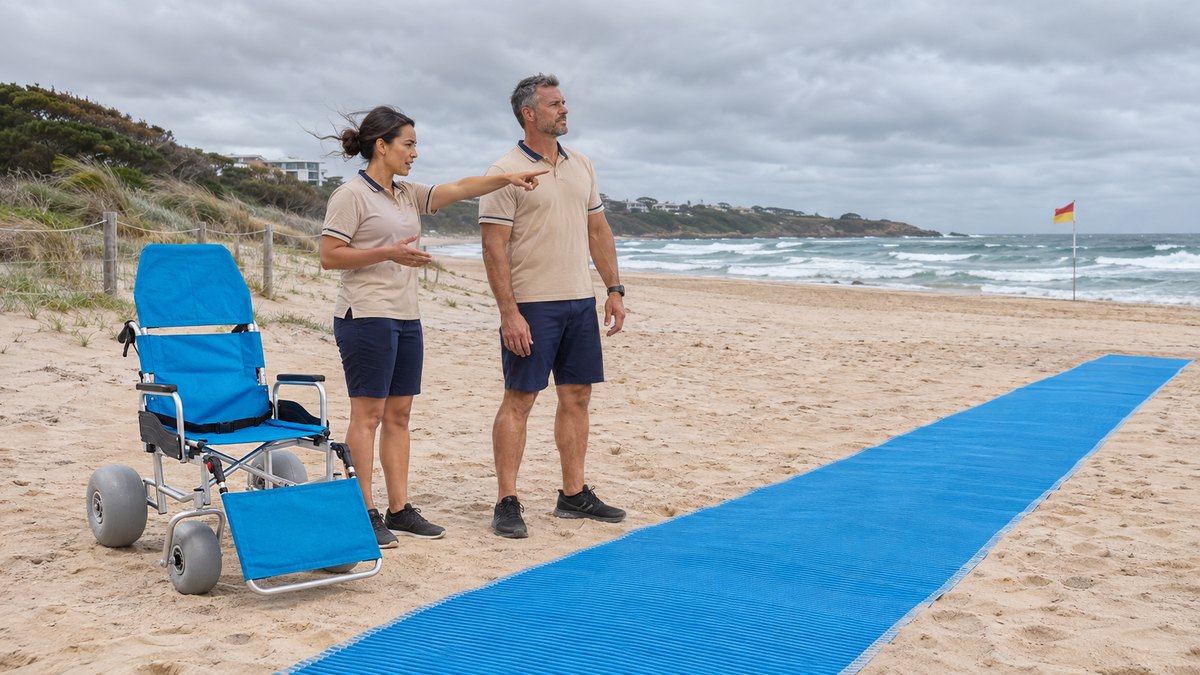
Beach wheelchair grants Australia proposals should show how the operator will manage equipment, site and service risks without pretending every hazard can be removed. Use current manuals, local beach procedures and professional advice where needed. Do not copy another site’s rules without checking local conditions.
Create a simple risk register covering route conditions, weather, water boundaries, transfers, damage, cleaning and incident reporting. Assign an owner and action to each item.
Which risks belong in the register?
Also, focus on conditions the service can monitor and control. Draw a clear line: land equipment should not be presented as water equipment unless its current manual states that use.
- Weather, tide and route changes
- User fit and transfer planning
- Equipment faults or missing parts
- Cleaning and storage failures
How should the operator respond?
Also, use stop-use criteria, a fault quarantine area and a contact path for incidents. Staff need authority to cancel a session when conditions or equipment are unsuitable.
| Risk | Planned control |
|---|---|
| Damaged chair | Remove from service |
| Unsafe beach route | Pause bookings |
| Unclear user fit | Seek suitable advice |
| Salt and sand | Rinse and dry routine |
Meanwhile, named controls show that risk planning extends past purchase day.
Key Takeaway: Pair each material risk with an owner, control and stop-use decision.
How Do Beach Wheelchair Grants Australia Plan Operations?
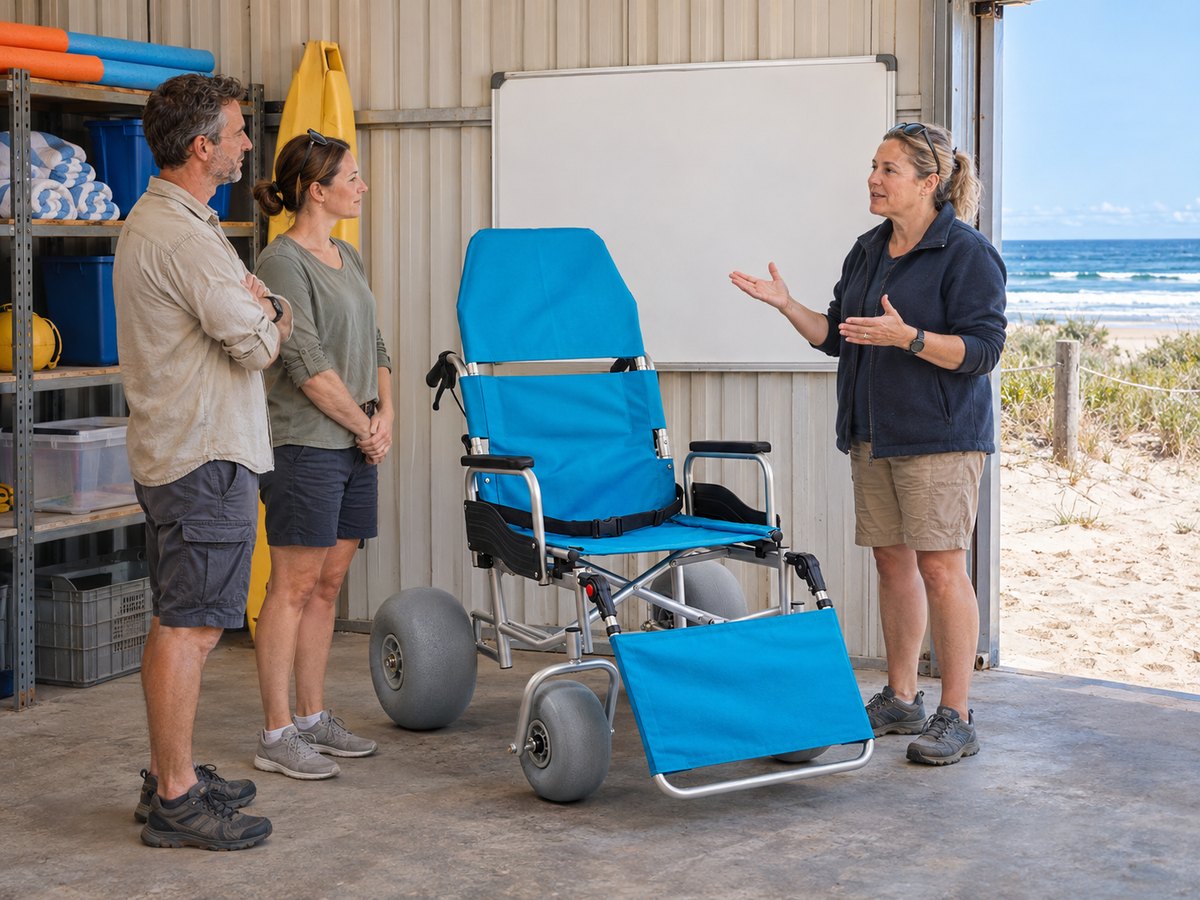
Beach wheelchair grants Australia projects need an operating plan that covers bookings, collection, support boundaries, cleaning, storage and repairs. A funded chair creates access only when people can locate, borrow and return it through a reliable process.
Write the process for a new staff member, not the project champion. Include opening hours, contact details, weather cancellations and what the operator does when a chair is unavailable.
What does a daily workflow include?
Also, start with pre-use inspection and finish with rinse, drying and return to storage. Keep it visible: a short checklist beside the storage area works better than a long policy no one opens.
- Inspect before release
- Record borrower and return time
- Explain model-specific boundaries
- Clean, dry and log faults
How will the service continue?
Also, name the ongoing budget for parts, staff time and replacement planning. A grant may buy equipment without funding every future operating cost.
| Operating area | Named owner |
|---|---|
| Bookings | Service or club desk |
| Daily checks | Trained operator |
| Repairs | Asset manager |
| Reporting | Project lead |
This table turns a proposal into an accountable service plan.
Key Takeaway: Show who runs every stage of the loan, care and reporting cycle.
How Do You Submit Beach Wheelchair Grants Australia?
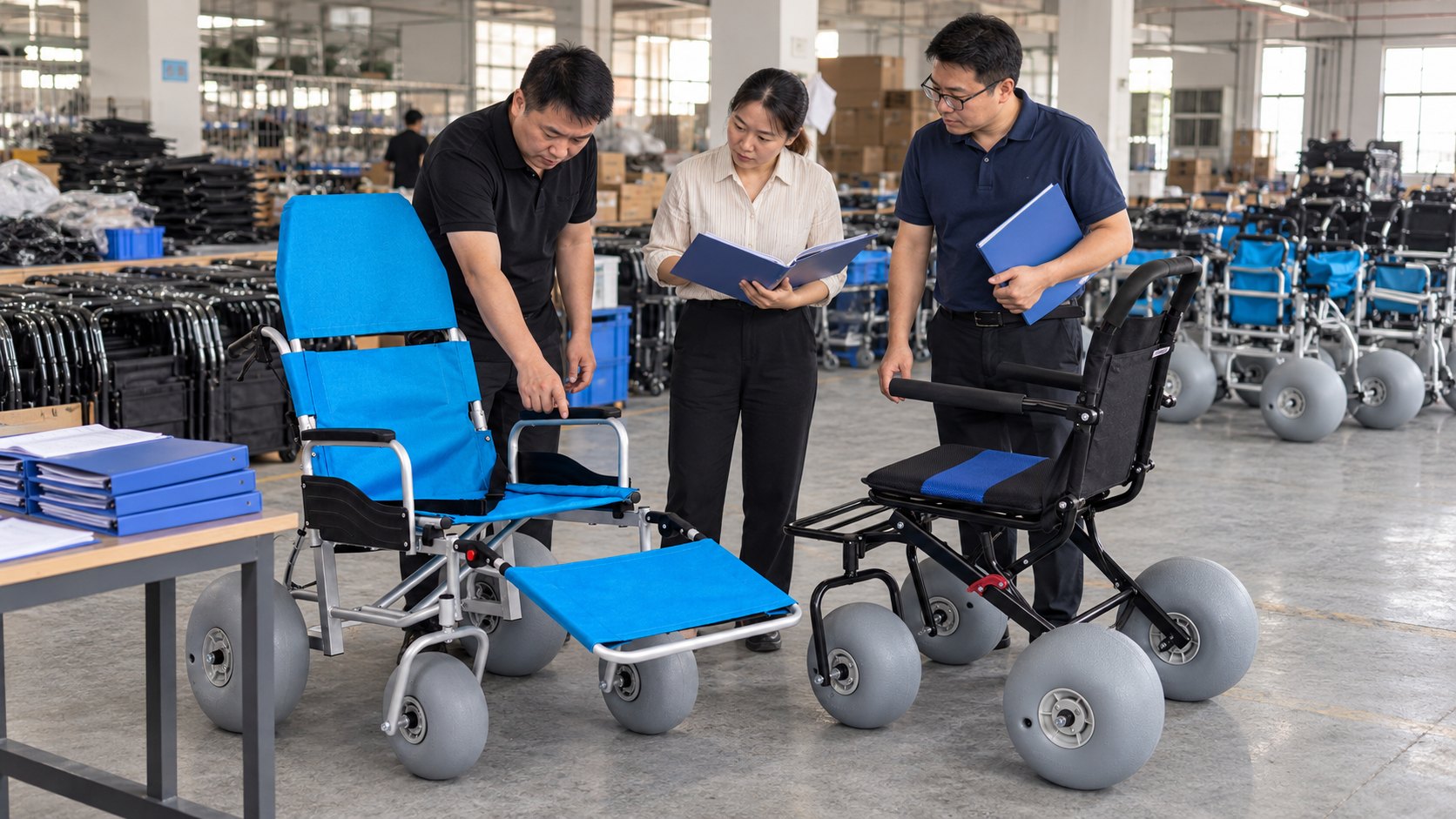
Submit beach wheelchair grants Australia applications only after checking the current portal, deadline, attachments and authorisations. Program details can change between planning and submission. Save a final copy of the form and every uploaded document.
Allow time for internal approval and supplier quote validity. If the funder answers a question by email, retain that response with the project record.
What belongs in the final check?
Also, match every attachment to the current checklist. Read it as an assessor: the problem, response, budget and operating plan should tell one consistent story.
- Eligibility confirmed
- Scope and route evidence attached
- Itemised quote current
- Partner roles signed
- Budget totals reconciled
What happens after submission?
Also, track requests for clarification and avoid ordering before the program permits it. Prepare an unfunded or staged option in case the result or award differs from the request.
| Stage | Record to retain |
|---|---|
| Submission | Form and attachments |
| Clarification | Questions and replies |
| Decision | Notice and conditions |
| Delivery | Invoices and acceptance |
Good records support both project control and later reporting.
Key Takeaway: Recheck live rules, reconcile every attachment and retain a complete submission record.
Final Thoughts
A grant-ready beach access proposal can connect a verified public barrier with equipment listed by the current program, clear evidence, comparable quotes and an operating plan. This guide has covered applicant checks, scope, costs, demand, risk, delivery and submission records without promising a result that only the funding body can decide.
If your organisation needs a detailed equipment quote, manuals, packing information or a spare-parts proposal, contact us today with the site, intended activity and application deadline. We believe beach access equipment should arrive with the documents and support needed for a durable public service.
FAQ
Can I apply if I run a commercial beach business?
Maybe, but some public rounds restrict applicant types. Check current rules and ask the administering body about commercial applicants or partnership structures.
What’s the best evidence for a beach wheelchair grant?
In fact, traceable local evidence is commonly useful. Use access requests, consultation notes, route photos, operating commitments and an itemised quote where the guidelines request or accept them.
How do I know if freight can be funded?
Check the current eligible-cost list. Request written clarification when freight or packing does not appear clearly.
Can I order equipment before receiving a decision?
Do not assume that is allowed. Follow the program’s written rules on commitments, deposits and purchase dates.
How do I know if my application needs more than one quote?
Also, read both grant and organisational procurement rules. Use the higher requirement when your organisation’s policy demands more evidence.