
A beach access mat project in Australia uses a portable roll-out surface intended to create a firmer route across compatible sand, subject to product specifications, site design and land-manager approval. Here’s the scene councils may face. An accessible car park and ramp are finished, but the ramp drops into deep sand, where prams, walkers and wheelchairs may struggle. A beach access mat Australia council or club selects through documented site checks may help bridge that gap, and this guide covers mat types, route design, approvals, installation, upkeep, costs, pairing with chairs and buying.
We supply roll-out access mats alongside beach chairs and walkers and can provide product documents for planning. Your council, land manager and other relevant authorities decide placement, approvals and operating conditions.
Why Install a Beach Access Mat Australia Visitors Can Use?
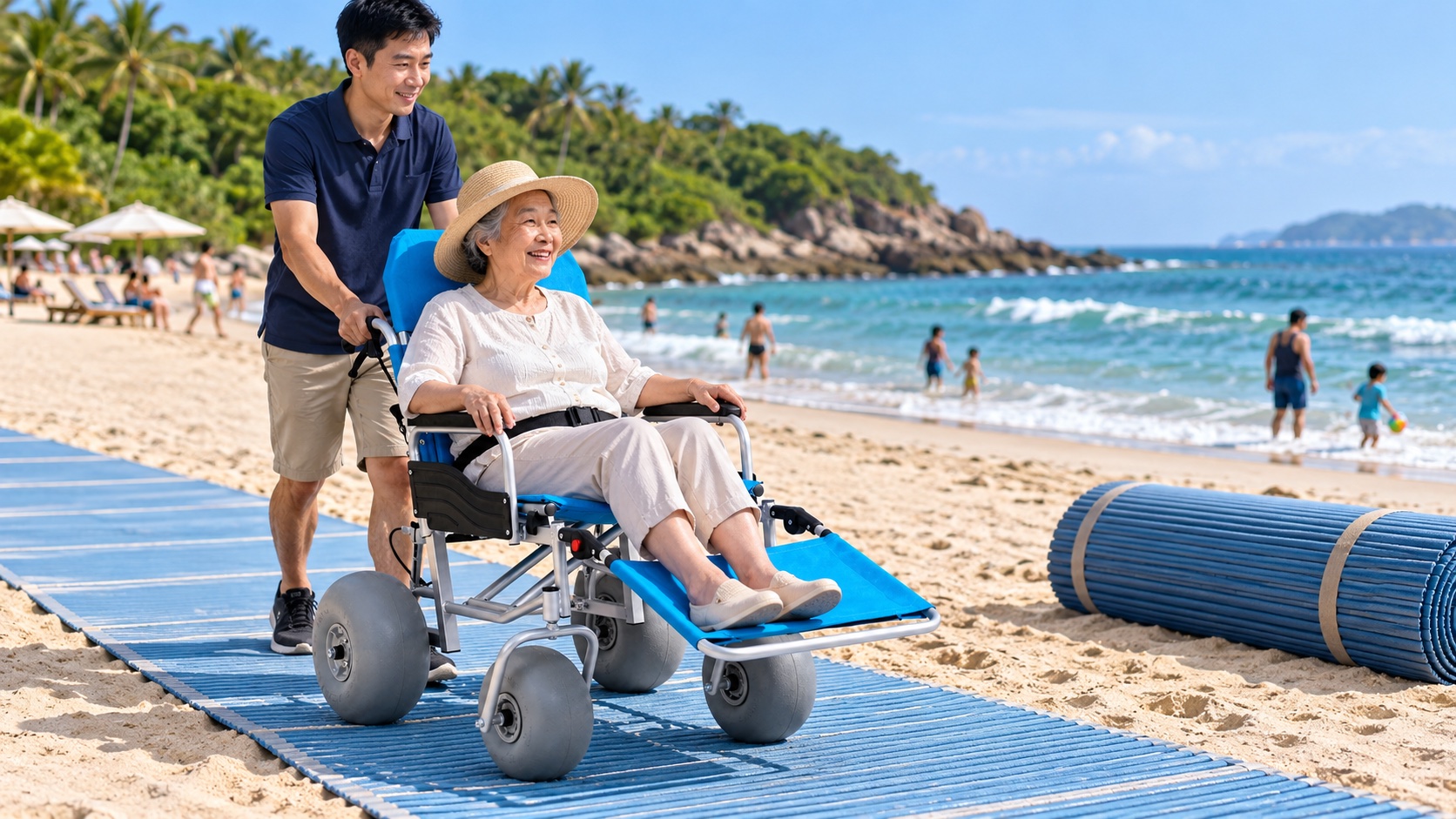
A beach access mat Australia project is intended to create a firmer route for compatible wheelchairs, prams and walkers across selected sand conditions. It may address the gap between a fixed ramp and the chosen beach stopping point. Actual usability depends on design, installation and upkeep.
The route must connect useful destinations rather than end in loose sand. Map accessible parking, toilets, change facilities, shade and the intended beach stopping point before deciding where deployment begins.
Who benefits from matting?
Also, potential users can include wheelchair users, people with walkers and families with prams. Here’s a quick truth: consultation should confirm who uses the site rather than assuming one group represents all demand. Review current public accessibility guidance before launch.
- Wheelchair and beach chair users
- Parents with prams
- Older visitors with walkers
What changes for the site?
For example, the project may create a more defined route and may support beach-chair loan operations when the site layout and equipment are compatible.
| Group | Benefit |
|---|---|
| Wheelchair users | Intended firmer route |
| Families | Possible pram route |
| Walker users | Defined surface option |
| Operators | Defined equipment route |
Matting can form one part of a wider access plan, subject to the needs of local users.
Key Takeaway: Assess matting where a fixed accessible route meets sand and confirm a useful end point.
Which Beach Access Mat Australia Products Suit Your Site?

Beach access mat Australia product selection depends on documented site conditions, user needs, deployment period and the maker’s stated limits. Compare samples and written specifications. Ask how the supplier substantiates material and exposure claims.
Request samples and written care guidance before comparing supply options. Staff can review grip, edge behaviour, cleaning effort and storage volume without pretending a short sample proves long-term performance. Record their observations.
What should the surface do?
Also, the surface should meet the project’s documented mobility, temperature and exposure needs. Think about it: request evidence and test a sample under relevant conditions rather than assuming comfort from appearance.
- Grip under wheels
- Comfortable for bare feet
- UV resistance
Which specs should you confirm?
Width, roll length, material, anchoring and expected life, in writing.
| Spec | Why it matters |
|---|---|
| Width | Passing room |
| Material | Stated exposure limits |
| Anchoring | Site and maker requirements |
| Roll length | Route fit |
In fact, confirmed specs make quotes comparable.
Key Takeaway: Compare surface, exposure and anchoring claims through written specifications and site review.
How Do You Design a Beach Access Mat Australia Route?
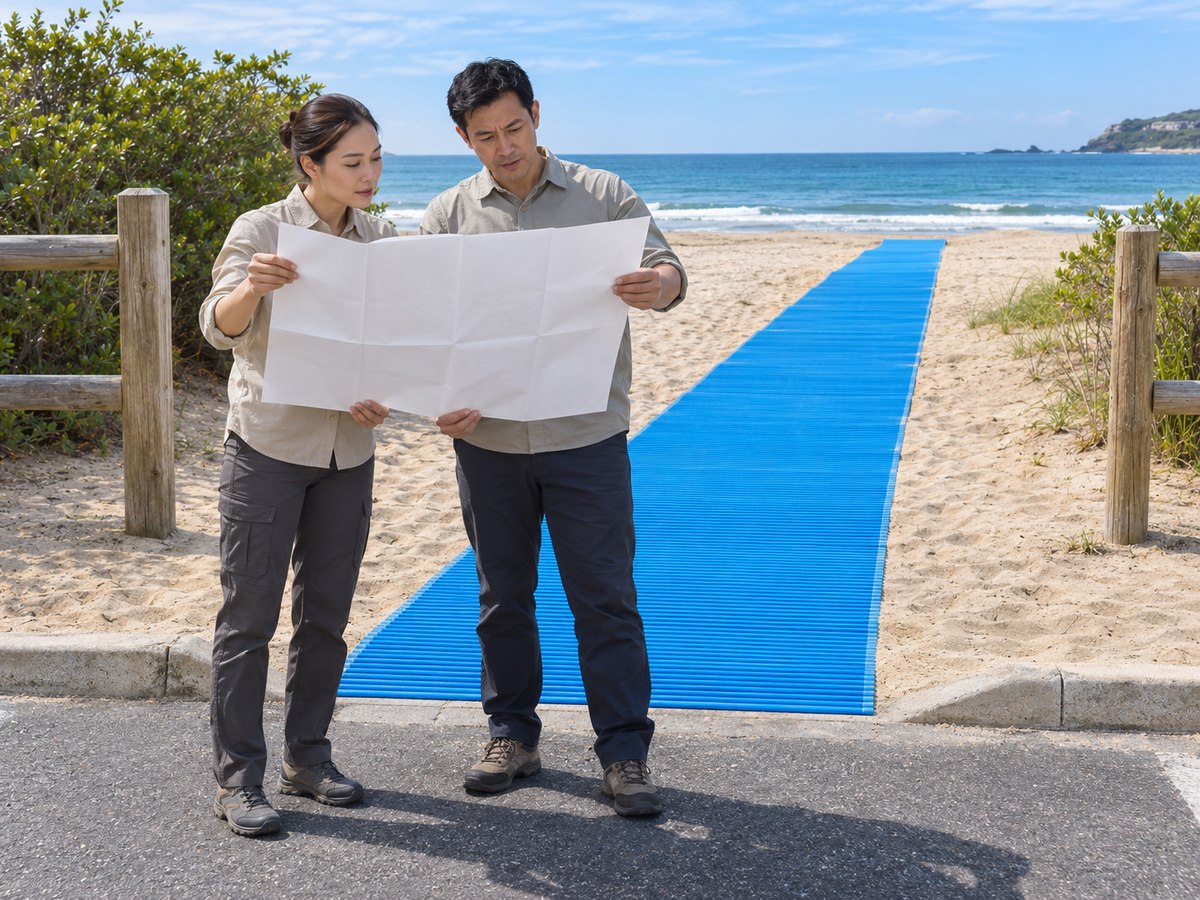
Design a beach access mat Australia route from the fixed accessible path along a line approved for the site, ending at a useful point identified through consultation. Width and rest areas require project-specific review. Relevant guidance and professional input may apply.
Measure the route during conditions that represent normal public use. Include turning space, passing points and the change onto sand because these details affect both wheelchair users and maintenance crews. Photograph problem areas from ground level so the procurement brief shows what drawings may hide.
What should the route include?
Also, include a compatible start, turning or passing areas where required, and a defined end point. But here’s the kicker: the shortest line may cross land where disturbance is restricted or unsuitable.
- Start at the accessible path
- Passing and turning spots
- End near the patrol area
How wide should it be?
Wide enough for a wheelchair and companion. Check relevant guidance with your designer.
| Element | Purpose |
|---|---|
| Start | Link to ramp |
| Width | Wheelchair plus helper |
| Passing spot | Two-way use |
| End point | Rest or patrol area |
User testing and site review help the team judge whether the route works as intended.
Key Takeaway: Plan a gentle, approved route that ends somewhere useful.
What Approvals Does a Beach Access Mat Australia Project Need?

A beach access mat Australia project may require approval from a council, coastal land manager or another authority, particularly where public land or sensitive areas are involved. Requirements vary by location and project. Confirm them early.
Start consultation while the route can still change. Access advisers, land managers, maintenance teams and people with lived experience may identify a barrier that a drawing or supplier quote misses. Record each response and the design action it prompted.
Who should you talk to?
Also, contact the relevant council, coastal management team and land manager identified for the site. Here’s why that matters: environmental controls, seasonal works or other conditions may affect timing and route options.
- Council staff
- Coastal management team
- Land manager or trust
What do they usually want?
A site plan, product details, anchoring method and removal plan.
| Document | Purpose |
|---|---|
| Site plan | Location |
| Product sheet | Materials |
| Anchoring | Stability |
| Removal plan | Storms and seasons |
Still, early confirmation gives the project team a clearer planning timeline.
Key Takeaway: Identify the responsible authority and confirm requirements before ordering or installing matting.
How Do You Install a Beach Access Mat Australia Route?
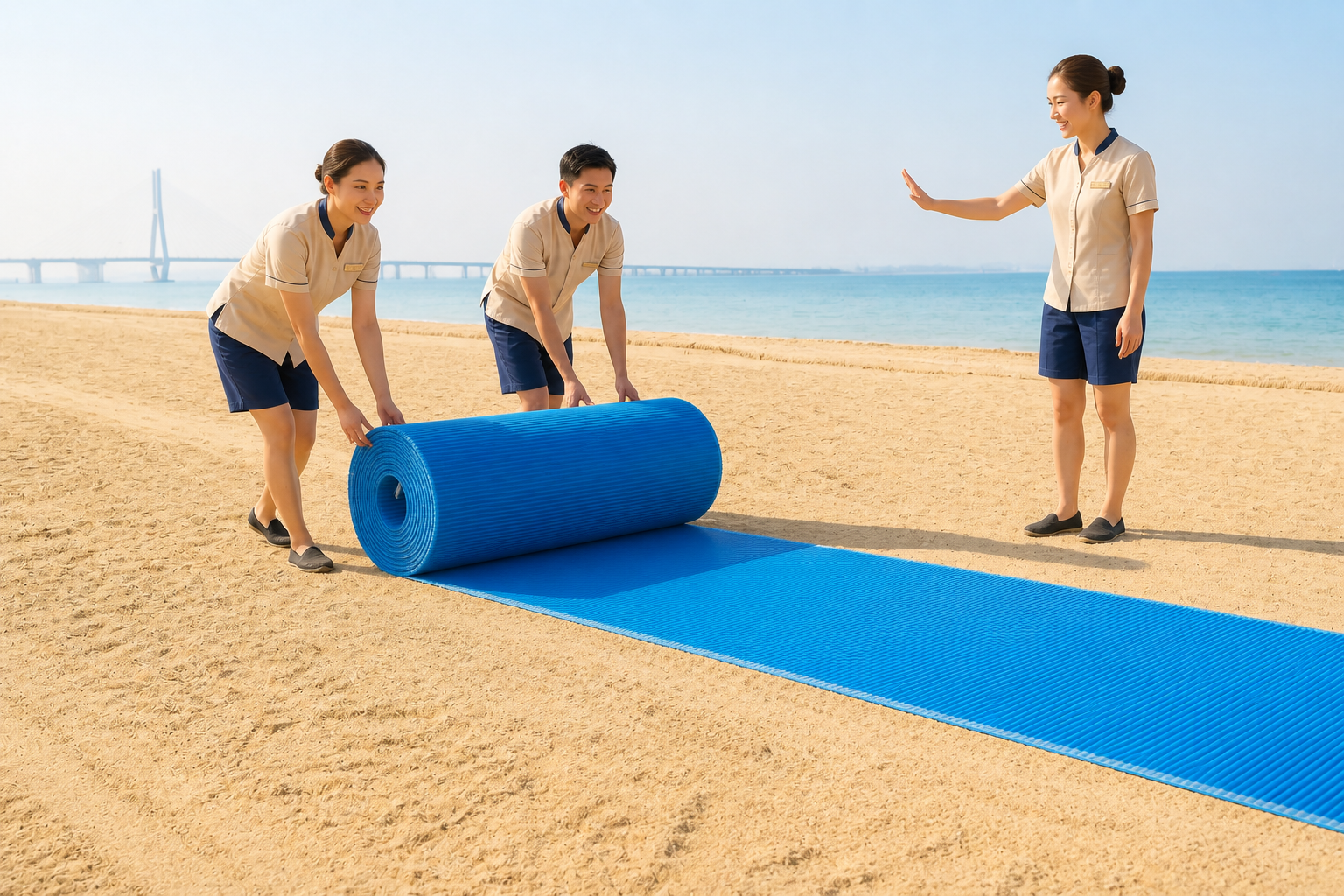
Install a beach access mat Australia route only through the current supplier instructions, approved site plan and any conditions set by the land manager. Crew roles and weather limits should be defined before deployment. Volunteer involvement depends on training and local approval.
Use the supplier’s current installation guidance and the site approval conditions as the work plan. Brief the crew on weather limits, public separation and who may stop the deployment if the surface changes.
What do you need on the day?
Also, use only the tools and anchoring components specified for the product and site. Sounds simple, right? Set a weather limit and stop-work authority rather than relying on a general preference for a calm morning.
- Rakes
- Anchors and mallet
- Tape measure
How do you finish the edges?
Inspect joins, edges and the connection to the fixed path against the installation guide and approved plan.
| Step | Check |
|---|---|
| Level | Even base |
| Unroll | Straight line |
| Anchor | Secure |
| Edges | Flat and smooth |
Recorded installation checks give maintenance staff a baseline for later inspections.
Key Takeaway: Follow the approved plan and product instructions, then record edge and join checks.
How Do Wind and Tides Affect a Beach Access Mat Australia Install?
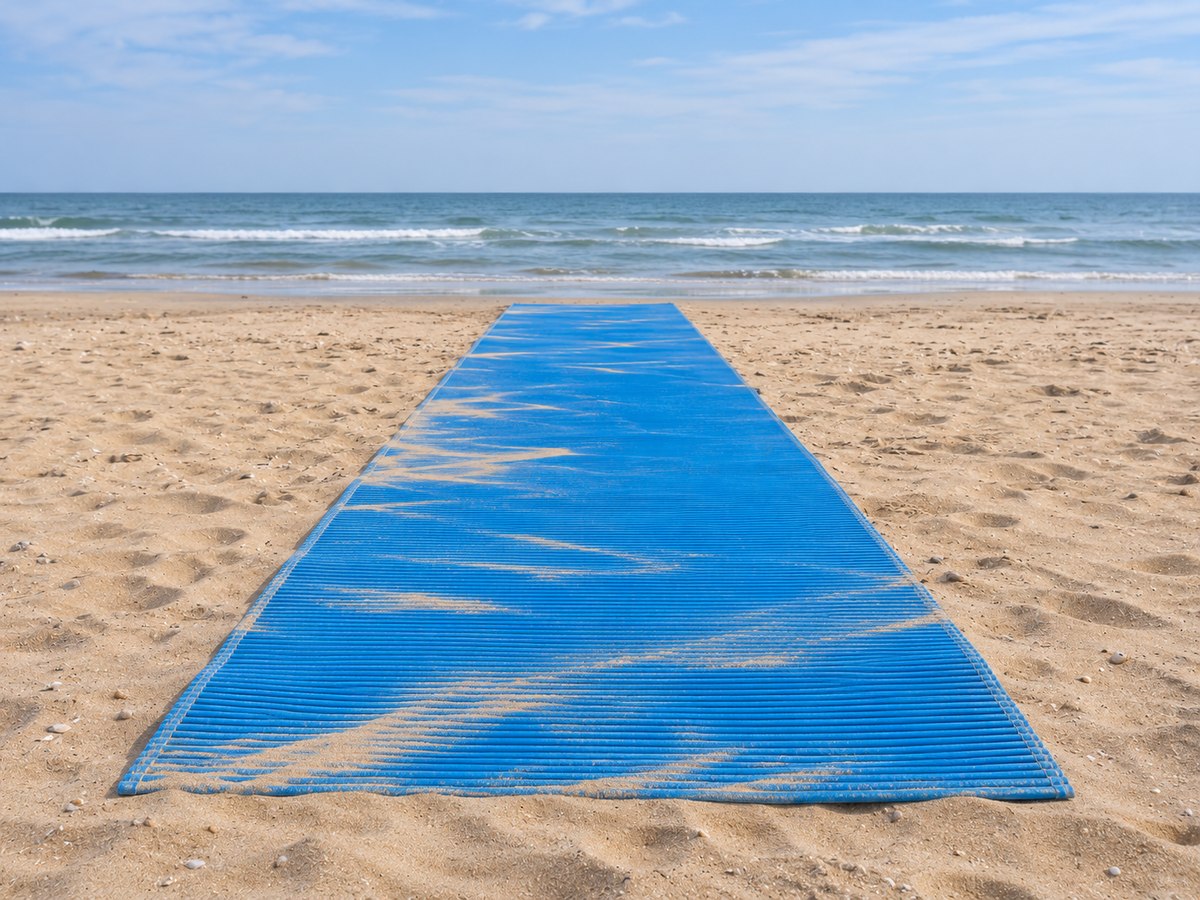
Wind, tides and erosion can affect a beach access mat Australia installation by covering sections, moving sand or changing the shoreline end. Inspection needs depend on exposure and local conditions. The operator should maintain a severe-weather plan.
Define an inspection trigger for wind, tide and heavy public use. A quick post-event review can catch buried edges or displaced sections before the route reopens the next morning. Staff should close any unsafe segment until sand has been cleared and the surface lies flat again.
How do you manage drift sand?
Also, remove accumulated sand only through the approved care method and inspect affected sections after weather events. Now here’s the twist: burial rates vary widely. As a result, local observation should set the response trigger.
- Sweep after wind
- Check edges
- Reset the shoreline end
What about storms and big tides?
Also, follow the operator’s severe-weather plan, supplier guidance and land-manager conditions for removal, shortening or closure.
| Event | Response |
|---|---|
| Wind | Sweep |
| Big tide | Inspect and apply site plan |
| Storm | Apply severe-weather procedure |
| Erosion | Close and seek route review |
Weather planning helps the operator decide when to inspect, close or redeploy the route.
Key Takeaway: Use site-specific inspection and severe-weather procedures instead of fixed weather assumptions.
How Do You Maintain a Beach Access Mat Australia Route?
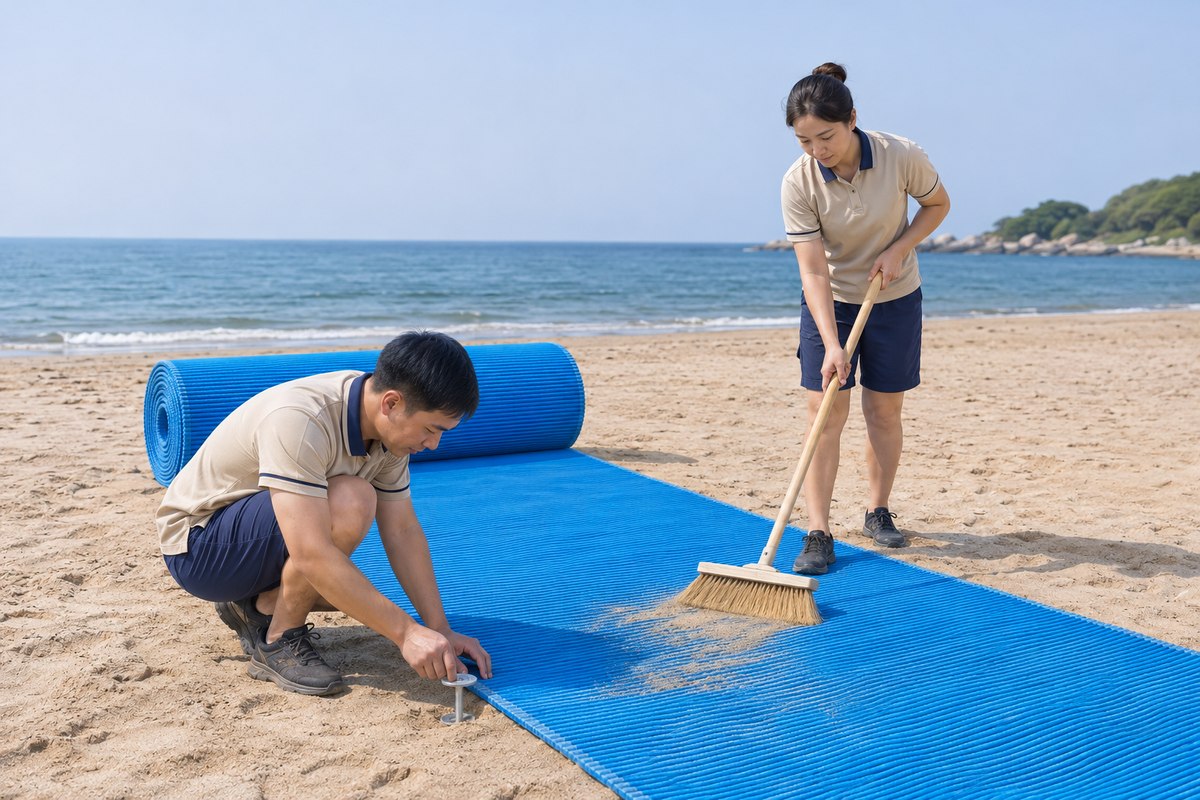
Maintain a beach access mat Australia route through the current care instructions and a site-specific inspection schedule. Assign an owner and define closure criteria. Hold only compatible replacement components identified by the supplier.
Tie checks to opening routines and known weather events instead of relying on memory. Record the location and action for each fault so recurring trouble spots become visible across the season. Use photos when a written note cannot show the defect clearly.
How often should you inspect?
Also, set frequency from usage, exposure, weather events and authority requirements. Keep the role clear: trained staff may report faults during routine duties. However, the named owner decides inspection and corrective action.
- Sweep
- Anchor check
- Join and edge check
What spares should you keep?
Also, spare sections, anchors and connectors.
| Task | Frequency |
|---|---|
| Surface care | Site schedule |
| Anchors | Product and site schedule |
| Joins | Product and site schedule |
| Section swap | As needed |
Named ownership creates a traceable maintenance and closure process.
Key Takeaway: Name an owner and keep spare sections in storage.
What Does a Beach Access Mat Australia Project Cost?
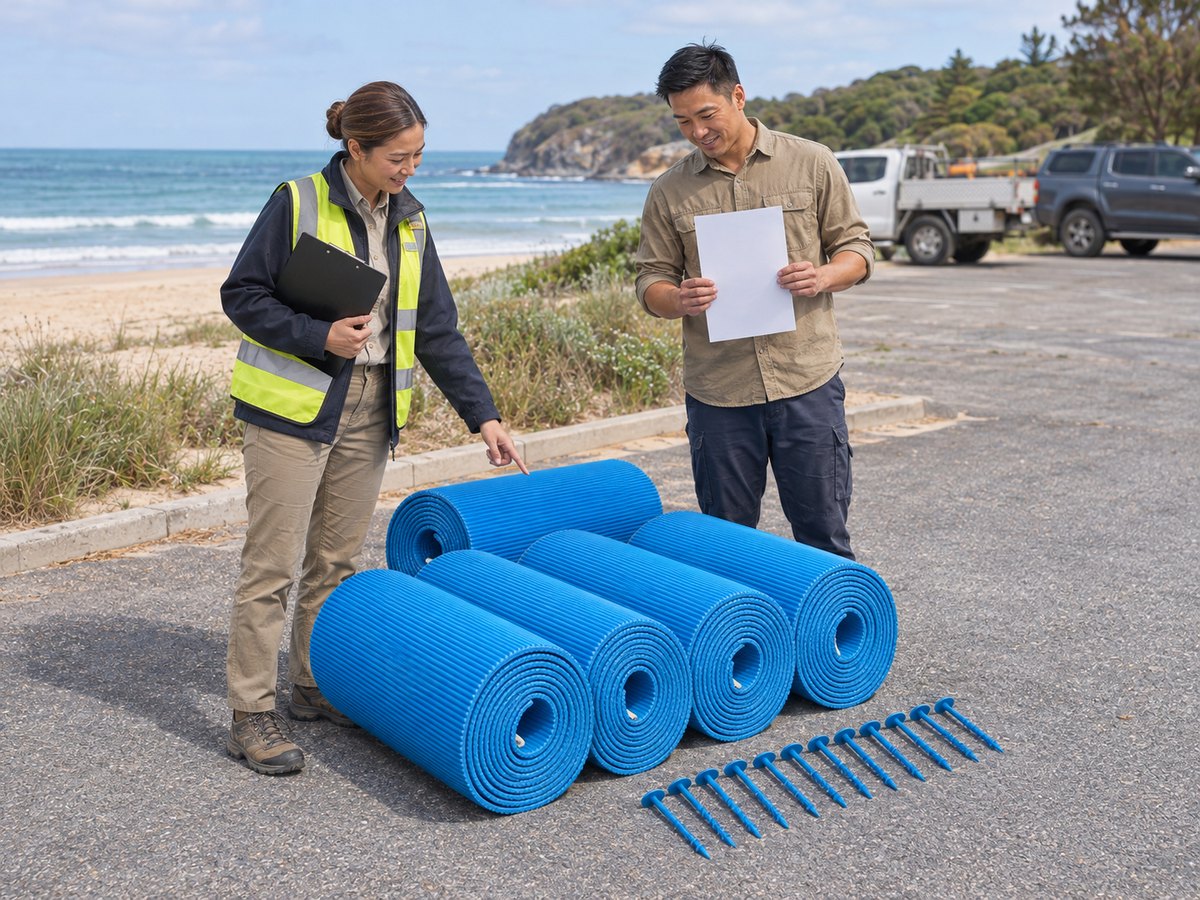
A beach access mat Australia project may include matting, specified hardware, freight, applicable tax, site works, storage and ongoing care. Route length is one cost input. Labour and approval costs vary by project.
Separate the mat purchase from freight, site works, storage and staff time. This gives decision-makers a program budget rather than a single product figure that hides local operating needs.
Which costs are up front?
Also, matting, specified hardware, freight, applicable tax and site work may be up-front costs. Here’s the thing: request a route-specific bill of materials rather than estimating hardware from length alone.
- Mat and anchors
- Freight and GST
- Installation
Which costs recur?
Also, sweeping, storm resets and replacement sections.
| Cost line | Type |
|---|---|
| Mat | One-off |
| Freight and GST | One-off |
| Install | One-off |
| Upkeep | Ongoing |
Meanwhile, documented cost lines give budget and funding reviewers a clearer project basis.
Key Takeaway: Budget for upkeep and spare sections, not just the mat.
Should a Beach Access Mat Australia Route Include Beach Chairs?
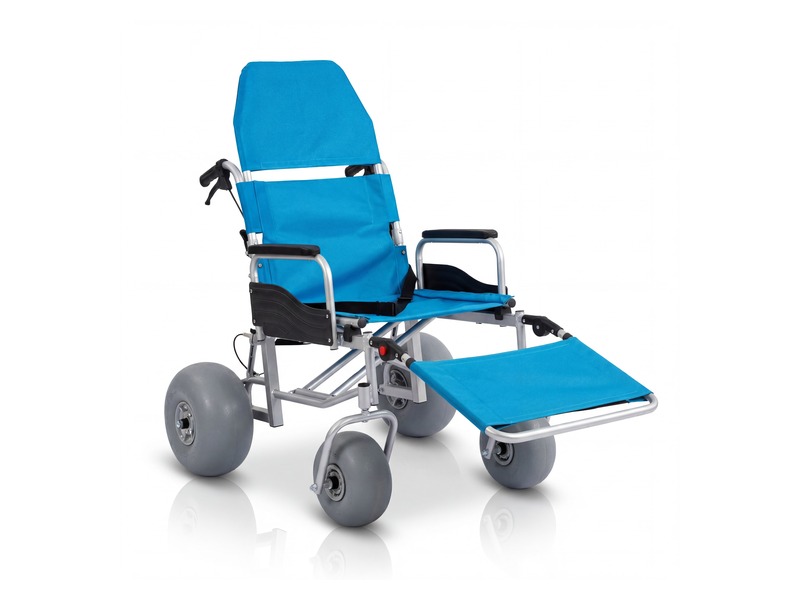
A beach access mat Australia route may be combined with beach chairs when the service needs equipment beyond the mat end. Matting and chairs perform different roles. The operator should confirm route compatibility, storage and support needs.
Plan the change from mat to firm sand as carefully as the mat itself. Users need space to turn, transfer or meet a support person without blocking the route for others. Test the layout with mobility-device users before the opening date and record any route changes they recommend.
How do mats and chairs work together?
Also, matting may provide a defined route, while a compatible chair may serve approved sand or water activities under its own manual. The short version? assess each component separately and then test how the service connects them.
- Mats for the path
- All-terrain chairs for sand
- Floating chairs for patrolled water
Where should chairs be kept?
Also, near the mat start, at the surf club or lifeguard tower.
| Equipment | Role |
|---|---|
| Mat | Firm path |
| All-terrain chair | Open sand |
| Floating chair | Patrolled water |
| Walker | Walking support |
The combination may address more of the route when user testing and site review support it.
Key Takeaway: Consider chairs only where the route, user needs and operating plan justify them.
How Do You Buy a Beach Access Mat Australia Supply?

Buying a beach access mat Australia supply involves confirming specifications, approved anchoring, packing and care in writing. Then, comparing quotes on the same delivery basis. Lead times may affect the project schedule. Set the order date from approvals and supplier confirmation.
Send every supplier the same site sketch, route length and operating conditions. Comparable written answers about packing, care, replacement sections and delivery make procurement decisions easier to defend.
What should you ask?
Also, ask about width, length, material claims, exposure limits, anchoring and compatible replacement sections. This is where it gets specific: record product identifiers so later replacements can be checked against the installed system.
- Specs and UV life
- Anchoring kit
- Spare sections
When should you order?
Also, order only after the required approvals and quote checks, allowing the confirmed production, freight and site-preparation time.
| Check | Why |
|---|---|
| Specs | Fit |
| Landed cost | Budget |
| Spares | Repairs |
| Lead time | Summer timing |
A documented schedule reduces reliance on an assumed seasonal delivery date.
Key Takeaway: Set ordering from confirmed approvals, lead time and deployment date.
Final Thoughts
A beach access mat may extend a fixed route across selected sand when product limits, site design, approval and maintenance align. You’ve seen how to review product choice, route design, permissions, installation, weather exposure, maintenance, costs, chair integration and buying. These checks support a documented decision without promising universal access.
If you’re planning a matting project, we can share product details, quotes and lead times. Contact us today with your route and site details. We believe the way to the water should be open to everyone. Also, we supply mats to help build it.
FAQ
Can I install a beach mat with volunteers?
Only when the supplier instructions, land-manager conditions, training and site plan permit volunteer involvement. Confirm the responsible authority before deployment.
What’s the best mat for hot sand?
However, no single mat fits every hot-sand site. Ask for temperature and material evidence, review a sample and include user feedback in the site decision.
How do I know if approval is needed?
Ask the authority responsible for the site. Public land, dunes, vegetation or coastal controls may trigger approval or other conditions.
Can I leave the mat out all year?
Sometimes, depending on weather and rules. Plan for storm removal.
How do I know if a section needs replacing?
Also, look for tears, lifted edges or loose joins. Replace anything that could trip users.