
A beach-wheelchair service gives an Australian tourism operator an equipment option for documented sand or supervised water activities. A guest may reserve a coastal tour, share mobility needs in advance and still arrive to find an inaccessible meeting point or unsuitable equipment. Planning beach wheelchair for tourism operators Australia experiences around truthful information, equipment categories, staff roles and weather alternatives can help avoid that failure.
We manufacture beach mobility equipment for commercial buyers. Also, this guide addresses the operating choices behind a repeatable service. It covers guest discovery, equipment, itineraries, bookings, staff, partners, weather, care, budgets and supplier documents without claiming that one chair or itinerary fits everyone.
What Is Beach Wheelchair for Tourism Operators Australia?
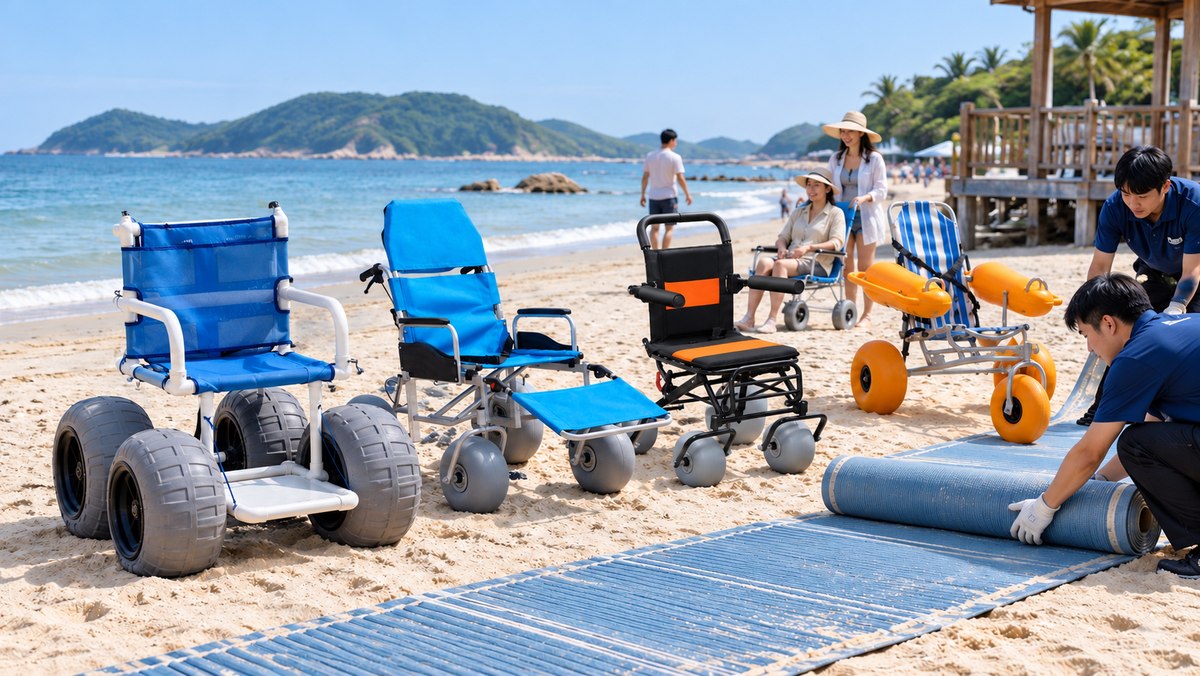
A beach wheelchair for tourism operators Australia service combines suitable equipment with an accessible meeting point, route, itinerary, booking process and trained handover. It can support guided beach visits, nature experiences, resort activities or transport-linked excursions. Operators should describe exactly what they provide and where guest or support-person responsibility begins.
What makes the experience bookable?
Also, guests need enough detail to judge the activity before paying or travelling. The product is more than a chair: timing, route and assistance shape the experience. Review current public accessibility guidance before launch.
- Chair category and documented activity
- Meeting point and accessible facilities
- Route surfaces, distance and rest options
- Staff and support-person roles
- Weather, cancellation and alternative plan
How should the service be documented?
Meanwhile, create one operating sheet used by sales, guides, transport partners and duty managers. Keep model manuals and route records attached to that process.
| Service element | Record needed |
|---|---|
| Equipment | Model and intended use |
| Route | Surface, distance and facilities |
| Assistance | Staff and guest boundaries |
| Alternative | Weather or access replacement |
One controlled description reduces the gap between marketing and delivery.
Key Takeaway: Sell a complete, documented experience rather than advertising equipment without an operating plan.
Who Books Beach Wheelchair for Tourism Operators Australia?
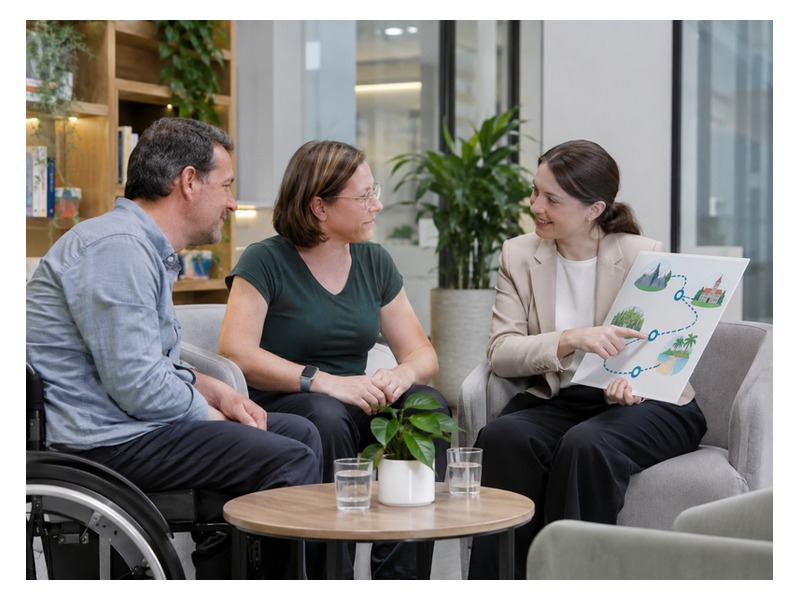
A beach wheelchair for tourism operators Australia experience may be booked by a wheelchair user, older traveller, family member, support worker, group organiser or travel adviser. The person making the booking may not be the equipment user. Operators should confirm preferences directly where possible and avoid assumptions about disability or assistance.
What should discovery questions cover?
Also, ask only what helps deliver the activity and handle personal information under your procedure. Start with the guest’s goal: a shoreline photo stop differs from a long guided walk.
- Intended activity and route
- Preferred communication method
- Support-person arrangements
- Transfer and personal-assistance plan
- Rest, shade or facility needs
How can sales staff avoid overpromising?
However, use current route and equipment information, then refer uncertain fit or clinical questions to qualified advice. Never describe staff assistance that guides have not been trained or rostered to provide.
| Booking topic | Reliable source |
|---|---|
| Route | Current operator audit |
| Chair controls | Exact model manual |
| Personal fit | Documented dimensions and adviser |
| Staff role | Written service procedure |
This approach keeps sales helpful while protecting the guest from vague promises.
Key Takeaway: Ask about the planned experience and communicate only support your team can reliably deliver.
Which Beach Wheelchair for Tourism Operators Australia Fits?
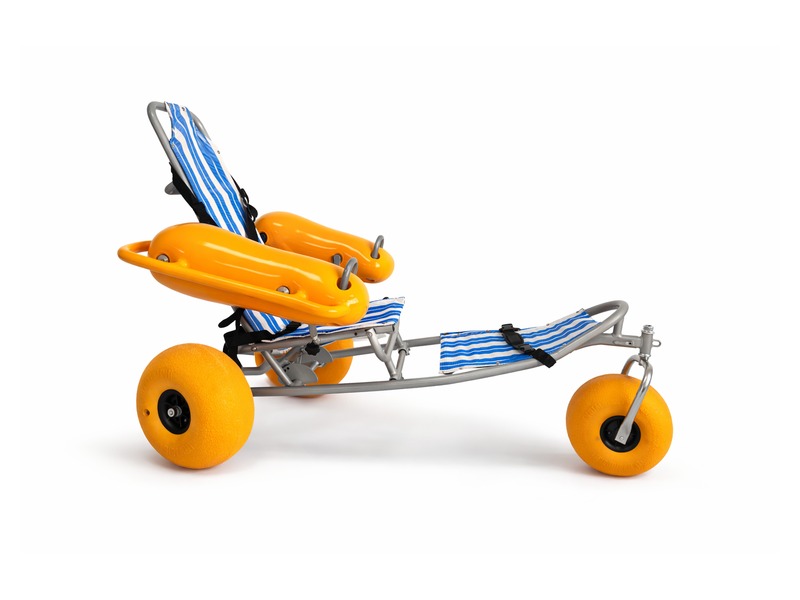
The beach wheelchair for tourism operators Australia category should be reviewed against activity, terrain, transport, storage and supervision. A land chair is intended for documented sand use. A floating chair serves a separate documented water experience. Meanwhile, a folding chair or beach walker may support different routes and users.
How do operators choose a category?
Also, write the itinerary before comparing products. Activity defines equipment: a striking image should never override intended use.
- Land chair for guided sand routes
- Floating chair for documented supervised water sessions
- Folding chair for vehicle-based excursions
- Beach walker for suitable ambulant guests
- Access mat for a defined shared route
Which documents support the choice?
Also, request current manuals, dimensions, intended-use statements, packing details, care guidance and spare lists. Compare models against the same itinerary requirements.
| Document | Operator decision |
|---|---|
| Manual | Training and use limits |
| Specification sheet | Fit and transport review |
| Packing details | Vehicle and storage planning |
| Spare list | Service continuity |
Documented selection gives guides and sales staff one factual base.
Key Takeaway: Choose equipment from a written itinerary and verify every claim against current model documents.
How Is Beach Wheelchair for Tourism Operators Australia Routed?
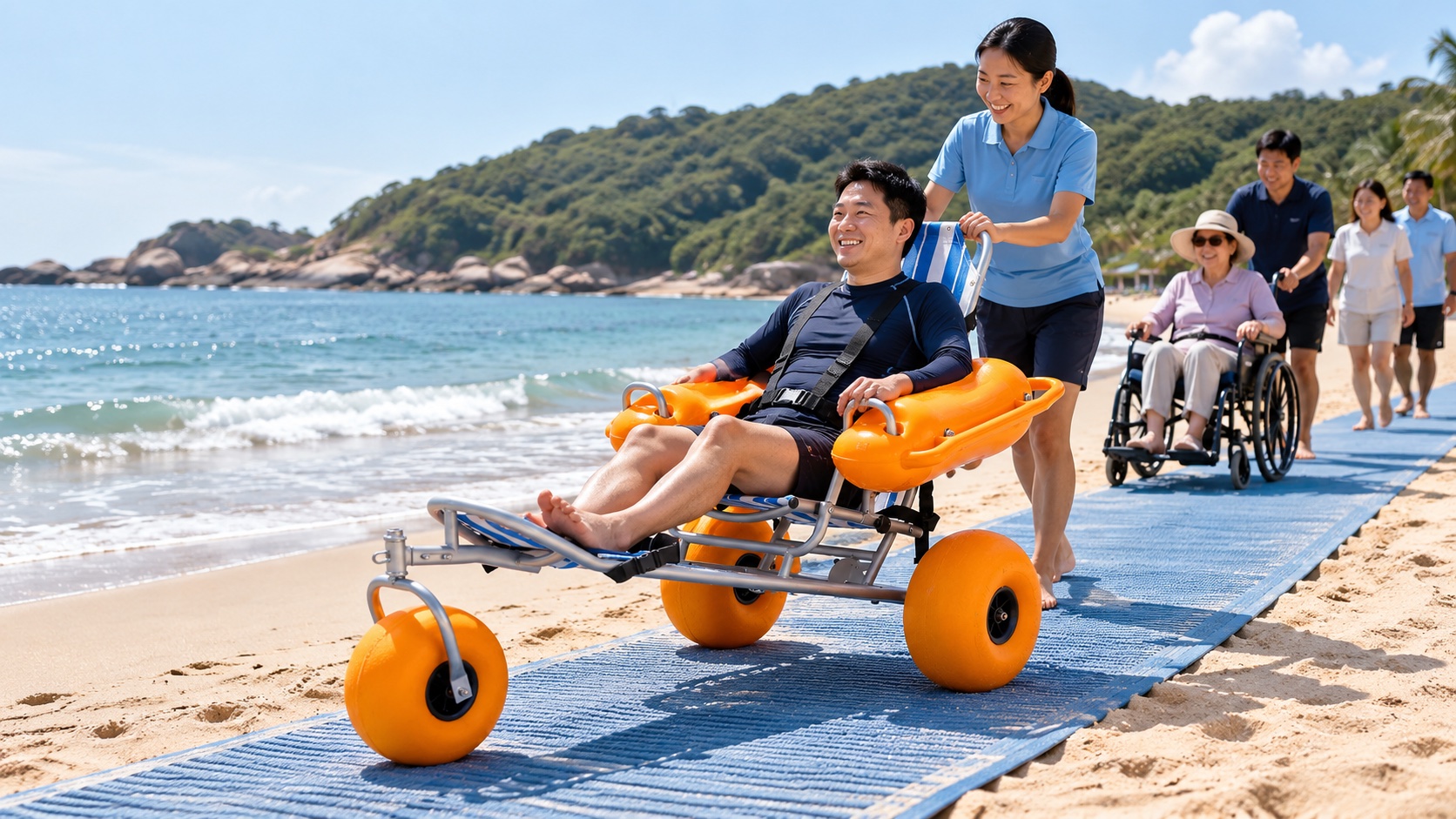
A beach wheelchair for tourism operators Australia route should connect transport, meeting point, toilets, change facilities, beach access and the planned activity without hidden barriers. Sand capability does not solve steps, narrow gates or inaccessible vehicles. Audit both outbound and return routes under realistic timing.
What should a route audit record?
Also, walk the itinerary with operations and guide staff, not only a map. Check every handoff: the route may fail where one partner’s responsibility ends.
- Vehicle loading and drop-off surface
- Gate width, slopes and turning areas
- Boardwalk, matting and soft-sand distance
- Shade, toilets and rest locations
- Return path under tide or crowd changes
How should route information reach guests?
Provide plain surface descriptions, distance, facility details and known limits before booking confirmation. Replace broad accessibility labels with usable facts.
| Route detail | Guest planning use |
|---|---|
| Surface | Helps mobility planning |
| Distance | Helps endurance planning |
| Facilities | Supports personal care |
| Alternative path | Supports weather changes |
Also, specific information helps each guest decide whether the experience matches their needs.
Key Takeaway: Audit the full itinerary and publish concrete route details instead of a general accessible label.
How Should Beach Wheelchair for Tourism Operators Australia Book?

A beach wheelchair for tourism operators Australia booking process should identify the exact experience, chair category, meeting point, support roles and alternative plan. Guests need several ways to ask questions, such as online, phone or email. Each channel should use the same service description.
What belongs in a confirmation?
Also, confirm operational details without repeating unnecessary personal information. Make travel day predictable: answer the practical questions before they arise.
- Meeting time and accessible location
- Chair and activity booked
- Clothing or support items genuinely required
- Staff and companion responsibilities
- Weather update and cancellation contact
How should changes be managed?
Assign one role to update guides, transport partners, sales channels and booked guests when equipment or access changes. Record acknowledgement for material itinerary changes.
| Change | Communication response |
|---|---|
| Chair fault | Pause sales and contact bookings |
| Route closure | Offer verified alternative or refund path |
| Weather risk | Send decision time and update method |
| Staff change | Confirm trained coverage |
However, fast, consistent updates can preserve trust and limit confusion across partners.
Key Takeaway: Confirm the exact accessible experience and use one process for material changes.
What Staff Run Beach Wheelchair for Tourism Operators Australia?
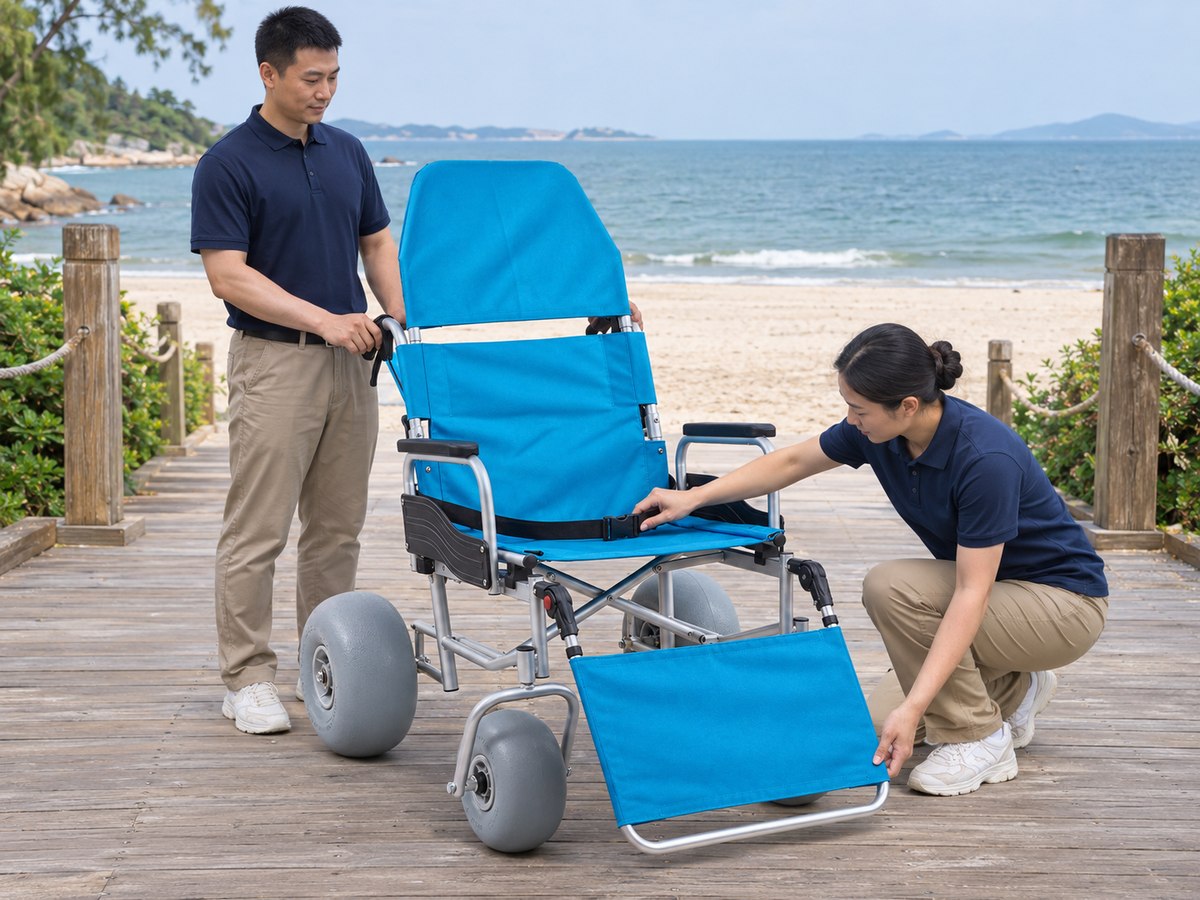
A beach wheelchair for tourism operators Australia experience needs trained guides, booking staff, drivers and duty managers whose roles connect. Not everyone needs the same skills, but each person should know the service promise and escalation contact. Guides should ask guests how they prefer assistance and avoid untrained transfers.
What should guide training include?
Also, use the exact chair manual and real itinerary for practice with an empty chair. A generic induction is not enough: route and model details shape each decision.
- Chair controls and documented activity
- Respectful, user-led communication
- Pushing technique and route hazards
- Weather and stop-work triggers
- Cleaning, fault and incident reporting
How should roles connect during a tour?
Define who meets the guest, checks equipment, leads the route, monitors conditions and authorises a change. Make a backup plan for staff absence.
| Tour stage | Role needed |
|---|---|
| Pre-arrival | Booking coordinator |
| Equipment check | Trained guide or operations staff |
| Route delivery | Lead guide |
| Change decision | Duty manager |
In fact, connected roles keep one staff gap from turning into an improvised guest experience.
Key Takeaway: Train each role for its tasks and connect the team through one escalation plan.
Who Shares Beach Wheelchair for Tourism Operators Australia?
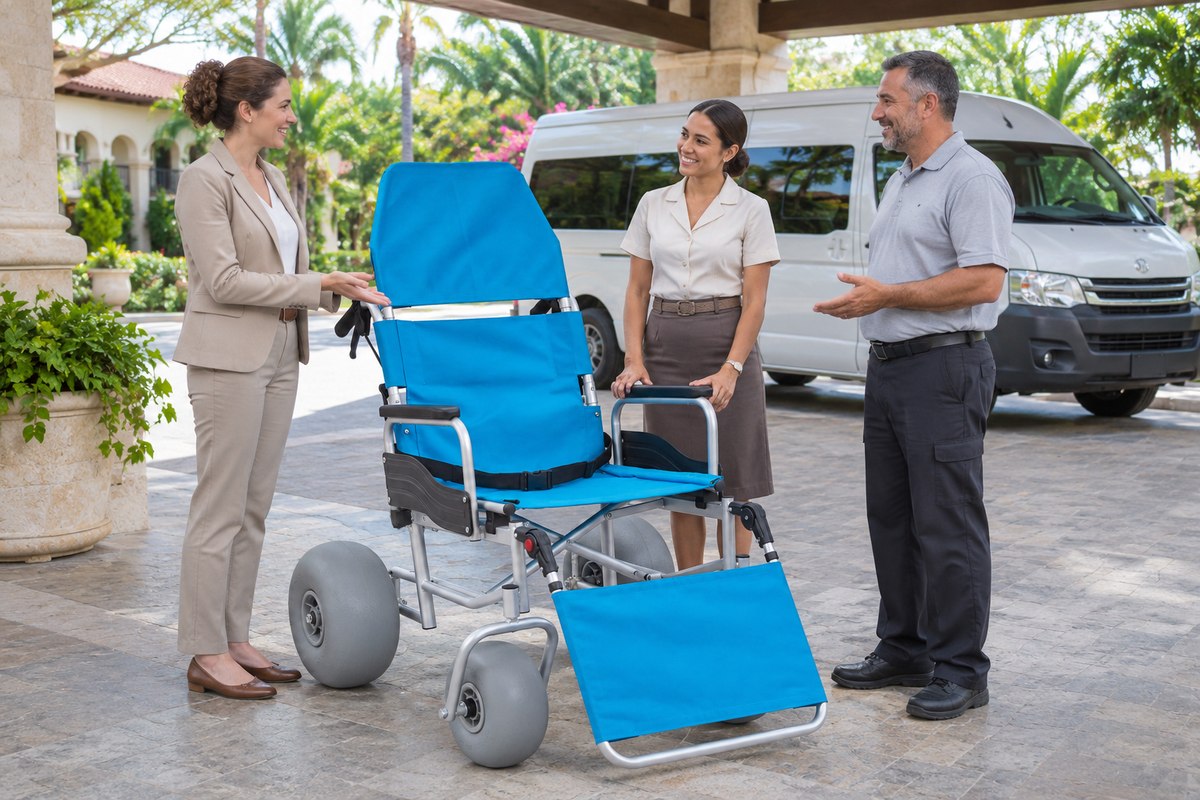
A beach wheelchair for tourism operators Australia itinerary may involve accommodation, transport, a beach venue, equipment owner and guide. Each transfer between partners should have confirmed timing, responsibility and information. Do not assume another business will provide staff help or accessible storage.
What should a partner agreement cover?
Also, keep the operating agreement practical, current and available to duty staff. The handoff deserves attention: guests feel the gap even when contracts divide responsibility.
- Equipment owner and booking authority
- Transport, loading and storage roles
- Cleaning, inspection and repair process
- Guest communication and privacy boundary
- Closure, incident and refund escalation
How should partners test the itinerary?
Also, run a tabletop review and physical route test before selling the experience. Repeat after route, vehicle, equipment or staffing changes.
| Partner handoff | Evidence to check |
|---|---|
| Hotel to vehicle | Meeting and loading access |
| Vehicle to beach | Drop-off surface and guide contact |
| Equipment return | Cleaning and condition record |
| Service disruption | Guest contact and decision owner |
A tested handoff makes the guest experience feel like one product rather than several disconnected services.
Key Takeaway: Name every partner responsibility and test the full guest experience before sale.
When Should Beach Wheelchair for Tourism Operators Australia Pause?
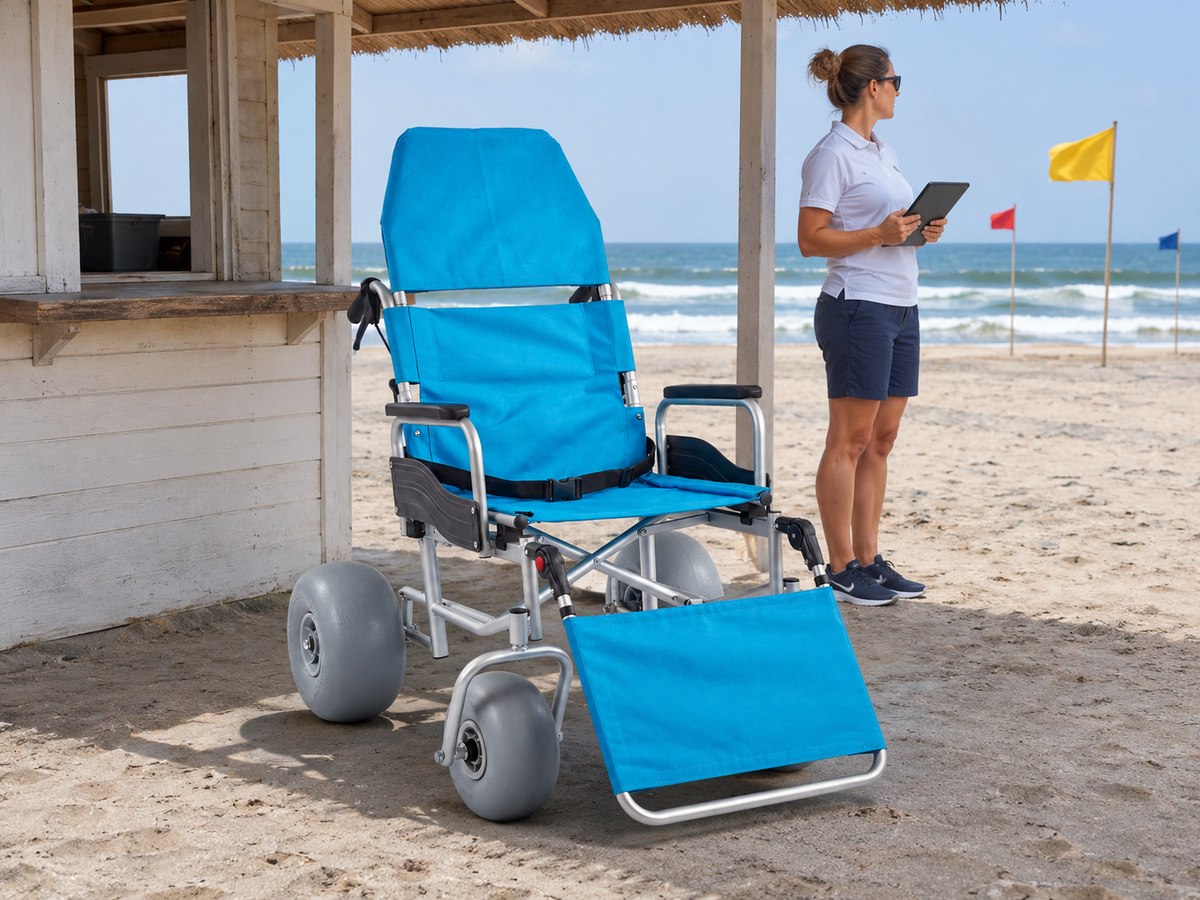
A beach wheelchair for tourism operators Australia operator should set pause rules within local procedures and model guidance. Possible triggers include weather, surf, heat, smoke, route damage, equipment faults or staffing gaps. Land and water itineraries need separate documented decisions, including the operator’s alternative or refund process.
What should operators monitor?
Also, use official warnings and real site checks inside your procedure. A forecast does not inspect the route: debris, erosion or crowds still need local observation.
- Storm, lightning and strong wind
- Heat and exposed surfaces
- Surf and tide for documented water activity
- Route damage or inaccessible facilities
- Equipment fault or missing trained staff
What makes a useful alternative?
Also, an alternative should preserve value without pretending to provide the same activity. Offer a verified land route, another accessible coastal experience, a new time or a clear refund path.
| Disruption | Possible response |
|---|---|
| Water activity paused | Verified land-only itinerary |
| Route closed | Documented alternate site |
| Equipment fault | Rebook or refund path |
| Extreme conditions | Indoor or sheltered experience |
For example, an honest alternative can preserve the guest relationship better than a rushed substitute.
Key Takeaway: Use written pause triggers and offer alternatives that are genuinely accessible and operational.
How Is Beach Wheelchair for Tourism Operators Australia Cared For?
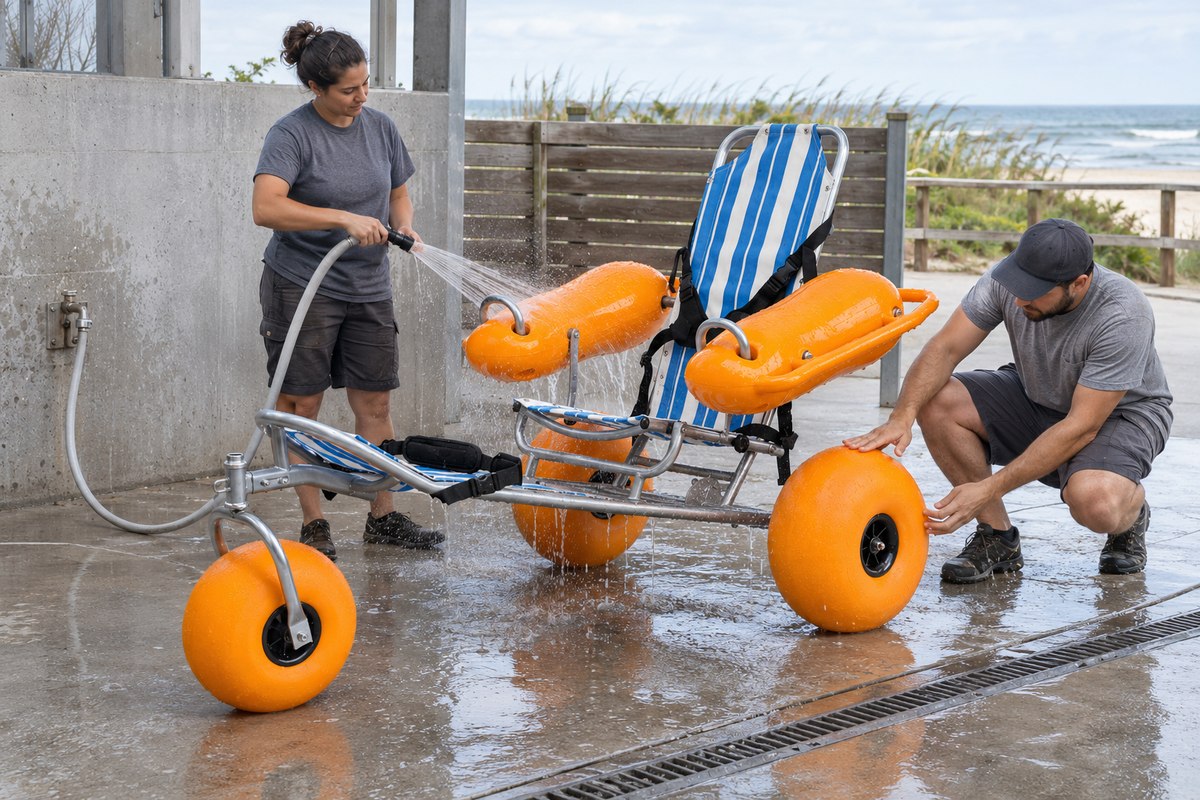
A beach wheelchair for tourism operators Australia fleet needs model-specific cleaning, full drying, inspection, secure storage and verified spare parts. Salt and sand can affect moving areas between tours. Staff should isolate a faulty chair and block the related booking inventory until authorised repair.
What should happen after each tour?
Also, use a checklist based on the current manual and local exposure. Cleaning and inspection are different jobs: a clean chair may still have a loose or damaged part.
- Remove sand without forcing it into joints
- Rinse only as directed
- Dry frame, fabric and straps in shade
- Check wheels, fasteners, brakes and locks
- Record faults before returning availability
How should fleet records guide spares?
Also, track faults, repair time, part numbers and supplier lead times. Schedule deeper checks around operating seasons and tour demand.
| Record | Management use |
|---|---|
| Pre-tour check | Confirms current readiness |
| Fault log | Identifies repeated wear |
| Spare register | Supports reorder timing |
| Cleaning record | Confirms completed care |
Good records help managers plan downtime rather than cancel bookings without warning.
Key Takeaway: Separate cleaning from inspection and connect fault records with booking availability and spare stock.
How Do You Buy Beach Wheelchair for Tourism Operators Australia?
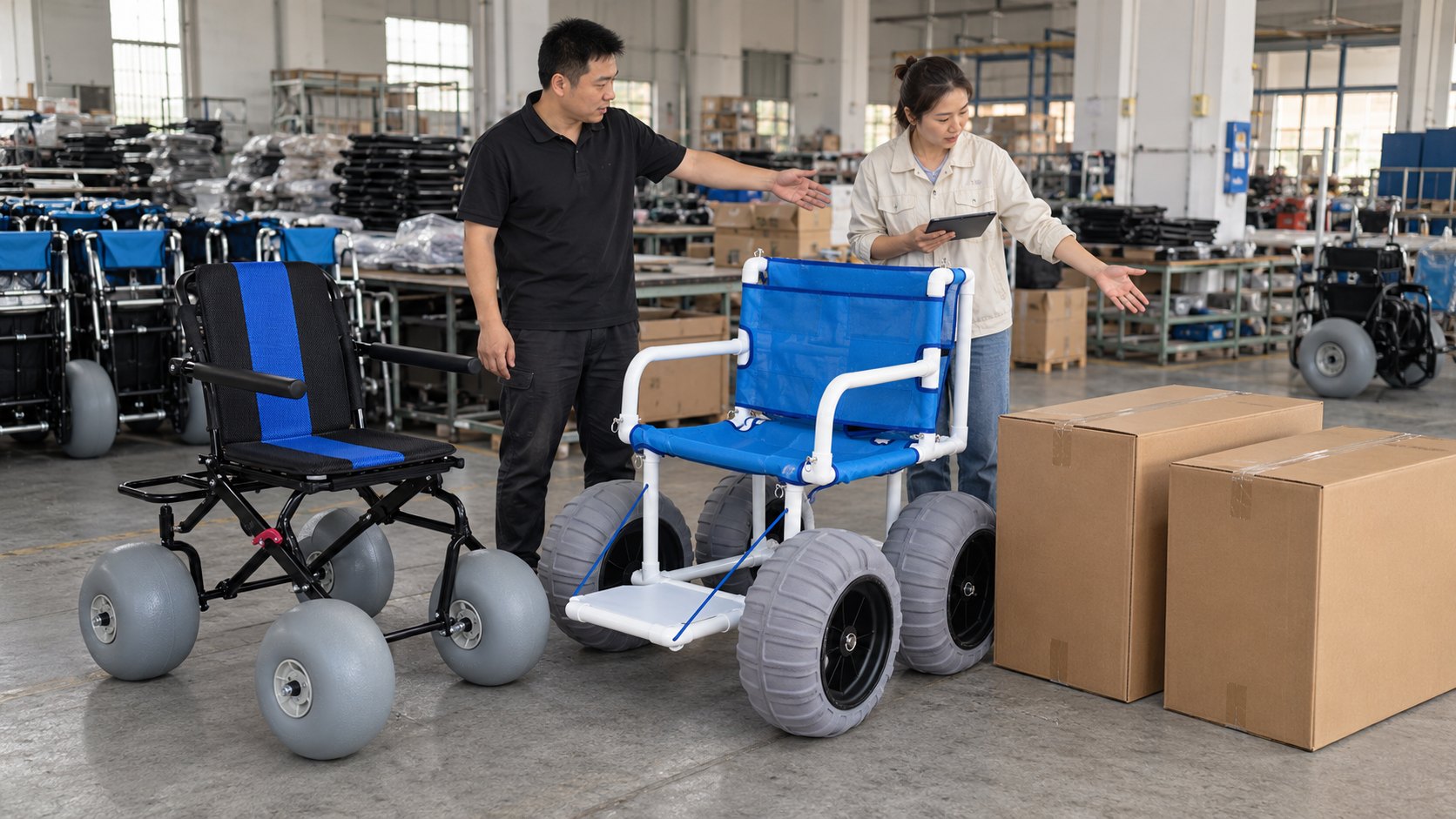
A beach wheelchair for tourism operators Australia buyer should provide suppliers with the itinerary, chair category, route, transport, storage and expected demand. Compare manuals, landed scope, spares and support rather than unit price alone. Request written confirmation for any claim that affects the guest experience.
What should every proposal include?
Also, send the same brief to each supplier and mark omissions for follow-up. Comparable buying starts with comparable evidence.
- Current manual and specification sheet
- Intended-use confirmation
- Packing and freight responsibility
- Spare-parts list and lead-time guidance
- Warranty and service contact
How should a new service launch?
Also, inspect delivery, train staff, run the route, test partner handoffs and review early bookings. Adjust marketing only after the operating team confirms what can be delivered.
| Launch step | Approval question |
|---|---|
| Delivery | Do items and documents match? |
| Training | Can staff complete their roles? |
| Route test | Are barriers and effort documented? |
| Trial booking | Did each handoff work? |
A staged launch turns a product purchase into a reliable tourism offer.
Key Takeaway: Buy against the real itinerary and approve the service through delivery, training and route evidence.
Final Thoughts
Tour operators create accessible value when equipment, route, booking, staff and partner handoffs tell the same story. Weather alternatives, care records and truthful marketing keep the experience workable after launch. Guests can then decide with better information and arrive knowing what support the operator provides.
If you are building a coastal itinerary or equipment fleet, contact us today with your activity, route, transport and operating needs. We can share available model documents and discuss packing or spare options for your review. Our position is firm: accessible tourism should be sold with the same operational discipline as every other professional experience.
FAQ
Can I add a beach chair to an existing coastal tour?
Also, yes, after checking equipment, vehicle, route, facilities, staff roles and partner handoffs. Update the booking description before accepting reservations.
What’s the best chair for a sand-based guided tour?
A land chair suited to the documented terrain is a common starting category. Match the exact model with route, transport and guest needs.
How do I know if our accessibility description is accurate?
However, compare every statement with a current route audit, equipment manual and operating procedure. Remove broad claims that staff cannot demonstrate.
Can I charge for an accessible beach experience?
Pricing is a business decision subject to your market and obligations. State exactly what equipment, guide time, transport and support the price includes.
How do I know if guides are ready?
However, guides are ready when they can complete model checks, handover, route delivery, guest communication and stop-work decisions without guessing.