
A beach wheelchair event needs more than equipment beside a shoreline. Each handoff needs a time window, a meeting point, a responsible person, and a clear return decision. This brief helps a venue plan a short outdoor program without quietly turning it into a year-round rental workflow. A hypothetical coastal coordinator can use it to align venue staff, attendants, and the equipment supplier before invitations go out. If you are arranging a beach wheelchair event, begin with the handoff map rather than a product count.
What should a beach wheelchair event promise?
A beach wheelchair event should promise a defined access experience during a set window, with handoffs limited to what staff can support. Put that promise in writing before discussing chair counts.
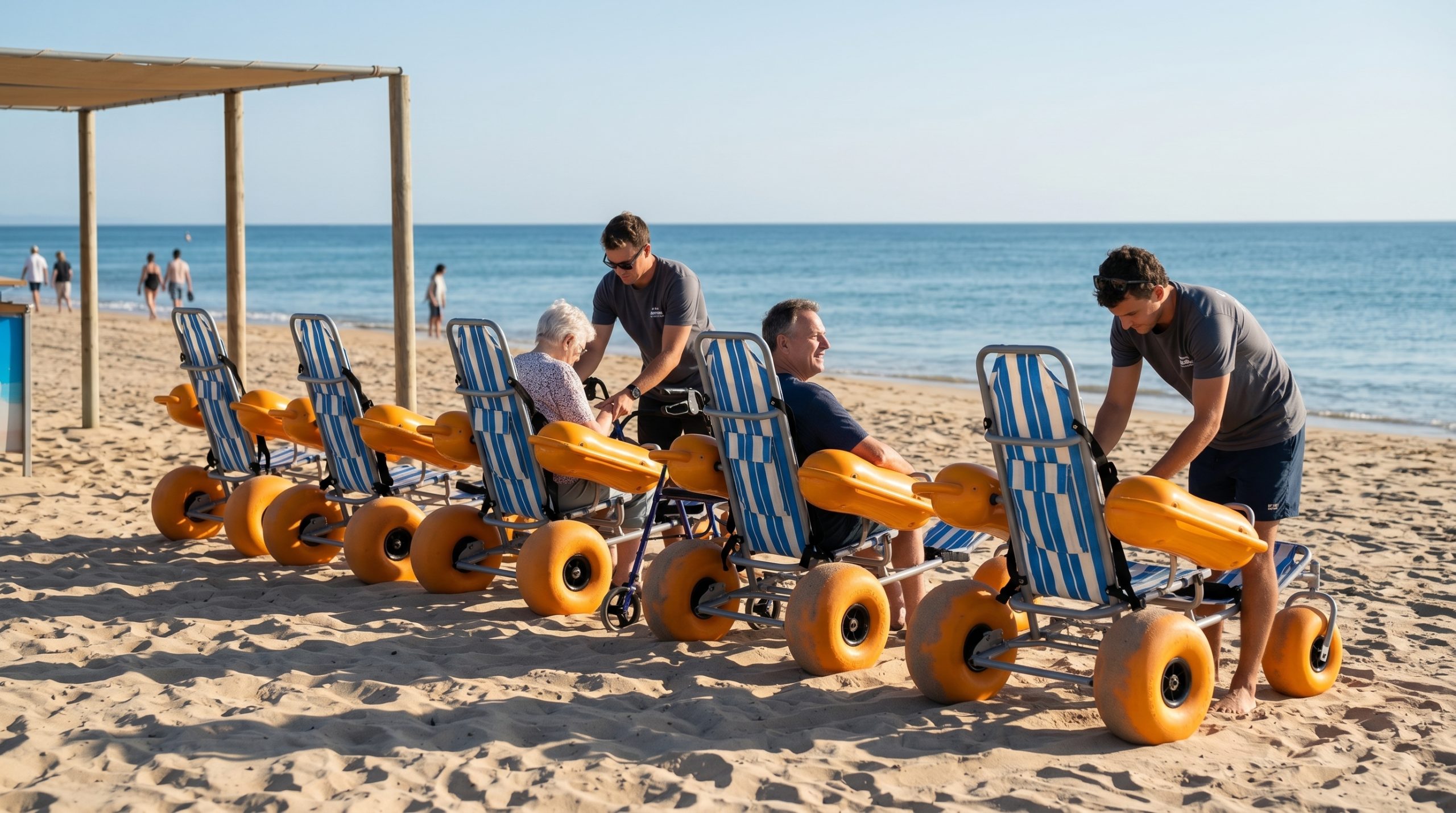
The brief should name the venue, service hours, queue method, return cut-off, pause authority, and attendant boundary. Avoid promising independent operation without qualified review.
Start with the promise: write one sentence that a guest, venue manager, and supplier would interpret in the same way.
- Define the event boundary and any areas outside staff support.
- List equipment types without implying that every chair suits every user.
- Name the person who can pause service when conditions change.
- Publish a return time and a contact route for questions.
Put the service boundary into one short brief
Use plain verbs. “Staff meet guests at the west gate” gives a team something to do; “accessible support available” leaves a hole. A useful brief separates what the event team controls from what belongs to venue management, a trained attendant, or a supplier review. WHO’s assistive technology guidance describes assistive technology as products plus related systems and services. For this event, assign a service owner alongside the chair.
| Brief check | Record before promotion | Owner for the answer |
|---|---|---|
| Event window | Open, handoff, and return times | Event lead |
| Supported area | Route, staging point, and boundary | Venue lead |
| Equipment promise | Available types and approved use | Equipment lead |
| Pause decision | Weather, route, or staffing trigger | Named duty manager |
Action: circulate this one-page boundary brief for written sign-off before publishing an event schedule.
Key takeaway: a credible promise describes a supported handoff, not an unlimited beach experience.
How should an event map arrival and handoff points?
Map an event as a chain of points: arrival, check-in, equipment staging, supported route, and return. A guest should not need to guess where a queue ends or which person holds the next instruction. Put each point on a simple site sketch, then walk it with venue staff before event day.
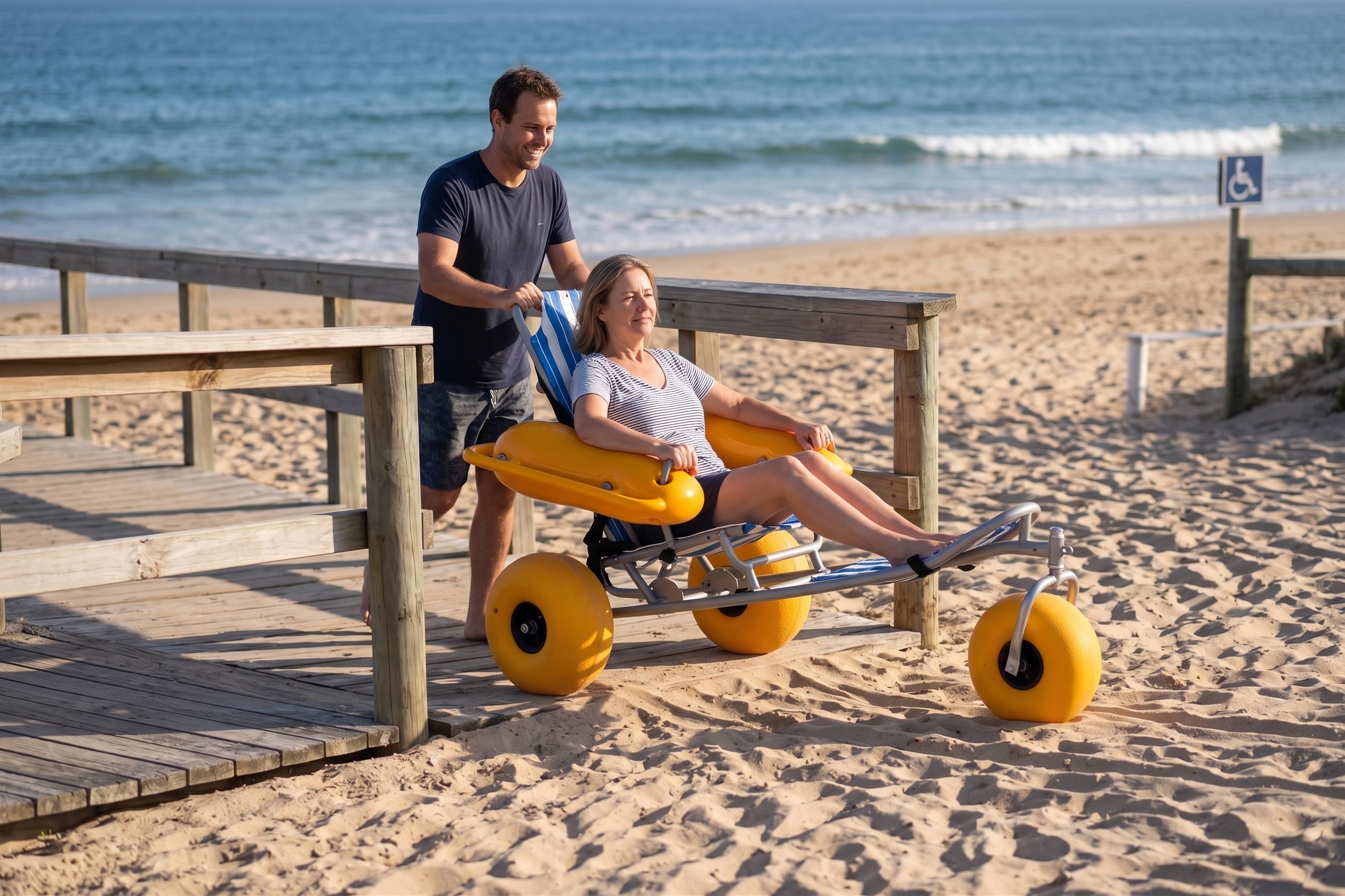
A route map should show arrival, surface changes, waiting space, and the handoff boundary. It need not claim that a beach wheelchair crosses every surface. Record the route reviewed for this event.
Here is the practical split: separate a guest-facing point from a behind-the-scenes storage point.
- Mark a visible welcome point away from moving equipment.
- Give staff a staging area where each chair can be identified.
- Keep a waiting position clear of the active handoff lane.
- Mark the return point separately if it differs from arrival.
Walk the map with the people who will use it
Have the event lead, venue contact, and equipment lead trace one hypothetical guest from arrival through return. Note where a guest might stop, where an attendant needs room, and where a route decision belongs to venue staff.
| Map point | Question to answer | Evidence to keep |
|---|---|---|
| Arrival | Where does a guest ask for help? | Marked site sketch |
| Staging | How is each unit identified? | Asset or station list |
| Supported route | Where does staff support end? | Walk-through notes |
| Return | Who receives equipment back? | Return station record |
Action: walk one route empty-handed, then repeat it with assigned equipment and staff positions.
Key takeaway: a handoff map earns trust when every stop has a purpose and an owner.
Which equipment belongs at each event station?
Place equipment according to a station’s job, not because a product photo looks good there. Check-in needs identification and a safe pause; a route station needs only what trained staff can manage; a water-edge boundary needs a separate review. Do not turn a mat, chair, or walker into a blanket promise about site access.
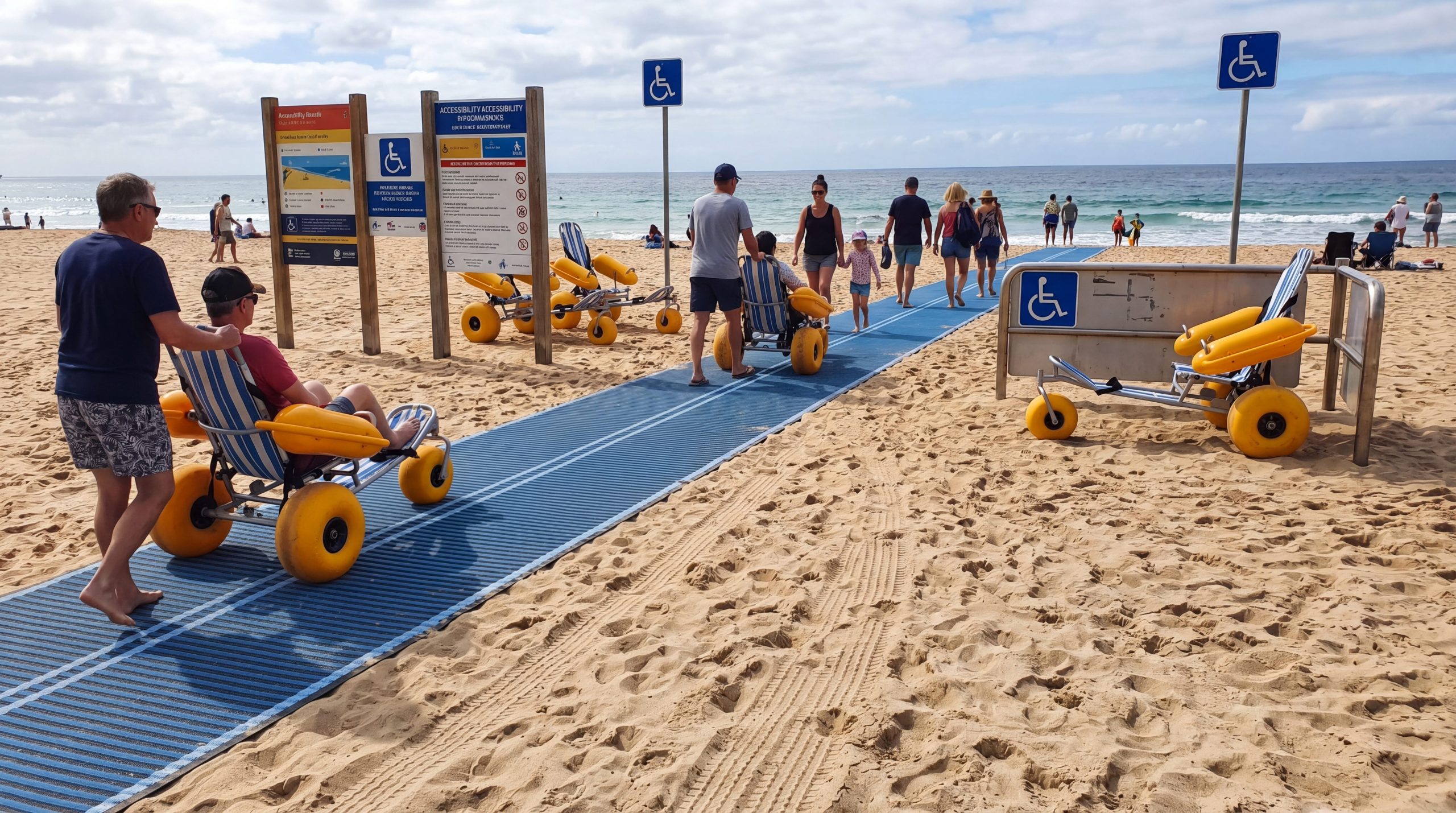
An accessible beach mat may belong to venue route planning, while a wheelchair belongs to equipment handoff. Keep those responsibilities visible. A station may need a sign, a log, and a return location, not every accessory.
The route decides the handoff: assign only equipment that matches a reviewed task and surface.
- Check-in station: identity list, condition note, and guest direction.
- Route station: the assigned chair or walker plus its responsible attendant.
- Waiting station: clear space, queue information, and a pause contact.
- Return station: receiver, condition record, and storage destination.
Separate equipment from route infrastructure
Write two columns in the event brief. One covers movable equipment and its custodian. The other covers venue infrastructure, route decisions, and mat or boardwalk work. This prevents staff from assuming a chair resolves every access issue.
| Station | Equipment question | Route question |
|---|---|---|
| Check-in | Which unit is released? | Where can a guest wait? |
| Route start | Who gives the handoff? | Which surface has been reviewed? |
| Water boundary | What use has been approved? | Who sets the boundary? |
| Return | Who accepts the unit? | Where does it leave the route? |
Action: label each station as equipment-owned, venue-owned, or shared before assigning staff.
Key takeaway: station planning works when equipment and venue infrastructure never blur into one promise.
How can a team run a calm handoff timetable?
A calm timetable gives staff enough room for setup, guest arrival, handoff, pauses, and returns. Use relative phases when attendance is uncertain, then add clock times after venue staff confirm them. A short event can still fail when every task is scheduled for the same minute.
Build the day around gates. A readiness gate confirms equipment identity and route status. An opening gate releases handoffs; a closing gate stops new releases before returns. If an event uses a floating water beach wheelchair, record its approved boundary and responsible attendant.
This is where timing bites: a return cut-off protects the closeout more than an optimistic final booking.
- Set a readiness check before guests arrive.
- Leave a visible gap between handoff waves.
- Stop new releases early enough for every return.
- Keep one person free for late questions or a paused route.
Use gates instead of a crowded minute-by-minute plan
For each phase, write the condition that allows the next phase to begin. “Route lead confirms open” works better than “begin route at 10:00” when wind or a venue activity changes. A gate lets the duty manager explain a pause without improvising.
| Phase | Release condition | Record |
|---|---|---|
| Readiness | Equipment and route contacts present | Readiness note |
| Opening | Welcome point is staffed | Opening time |
| Active handoff | Assigned attendant accepts task | Handoff log |
| Closing | New releases stopped | Cut-off notice |
Action: write one release condition beside each timetable phase, then test it with the event team.
Key takeaway: gates keep a small event flexible without making responsibilities fuzzy.
Who owns each event task?
Assign one named owner for every task that can delay a handoff. Shared work still needs one person who notices a gap and escalates it. Tie role names to actions rather than venue-specific titles.
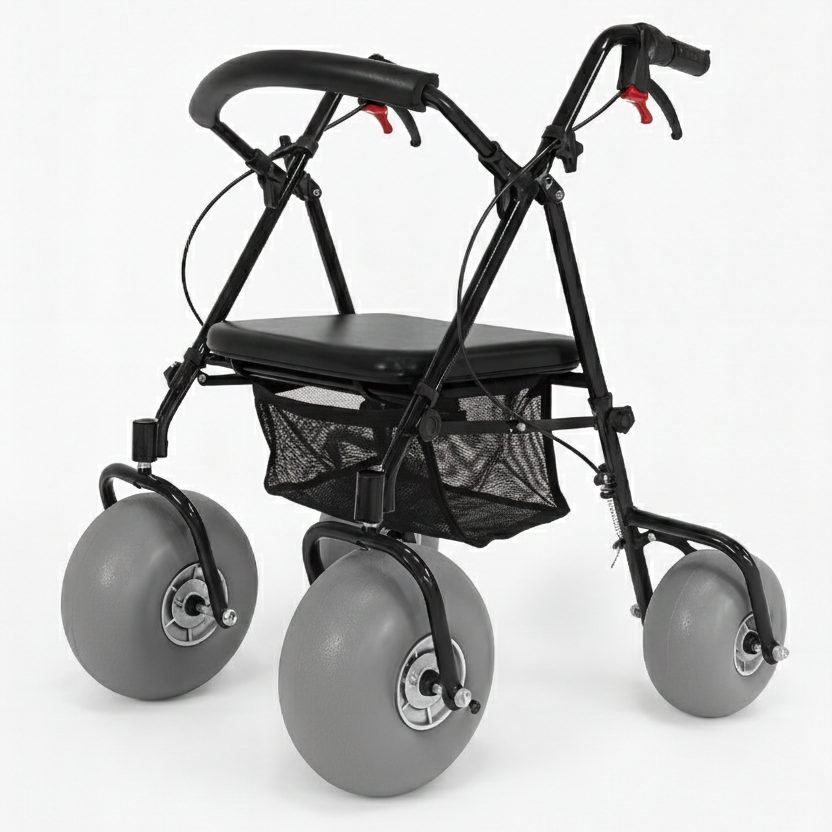
A practical event team may include a duty manager, equipment lead, route liaison, attendants, and a return receiver. The equipment lead can confirm what arrived but should not approve personal fit or use beyond supplied instructions. If a beach walker appears, give it a separate release rule.
Keep roles visible: put a name or radio contact beside each handoff action.
- Duty manager: pauses the event and communicates a change.
- Equipment lead: identifies units and records condition.
- Route liaison: confirms venue route status.
- Attendant: follows the approved handoff and reports a concern.
- Return receiver: closes each unit’s event record.
Build a simple responsibility matrix
Use “does,” “confirms,” and “escalates” in the matrix. When two people coordinate, specify who makes the call if they disagree.
| Task | Does the work | Escalates when |
|---|---|---|
| Route check | Route liaison | Surface or boundary changes |
| Unit release | Equipment lead | Identity or condition does not match |
| Guest handoff | Assigned attendant | Use question needs qualified review |
| Return closeout | Return receiver | Unit or record is missing |
Action: run the matrix aloud at briefing and replace every empty owner cell before opening.
Key takeaway: shared effort works only after one person owns each decision.
What should staff tell guests at handoff?
Staff should give a short, consistent explanation of what happens next, who stays available, where the supported route ends, and when equipment must return. A clear script helps guests make an informed choice without promising a capability that the team has not reviewed.
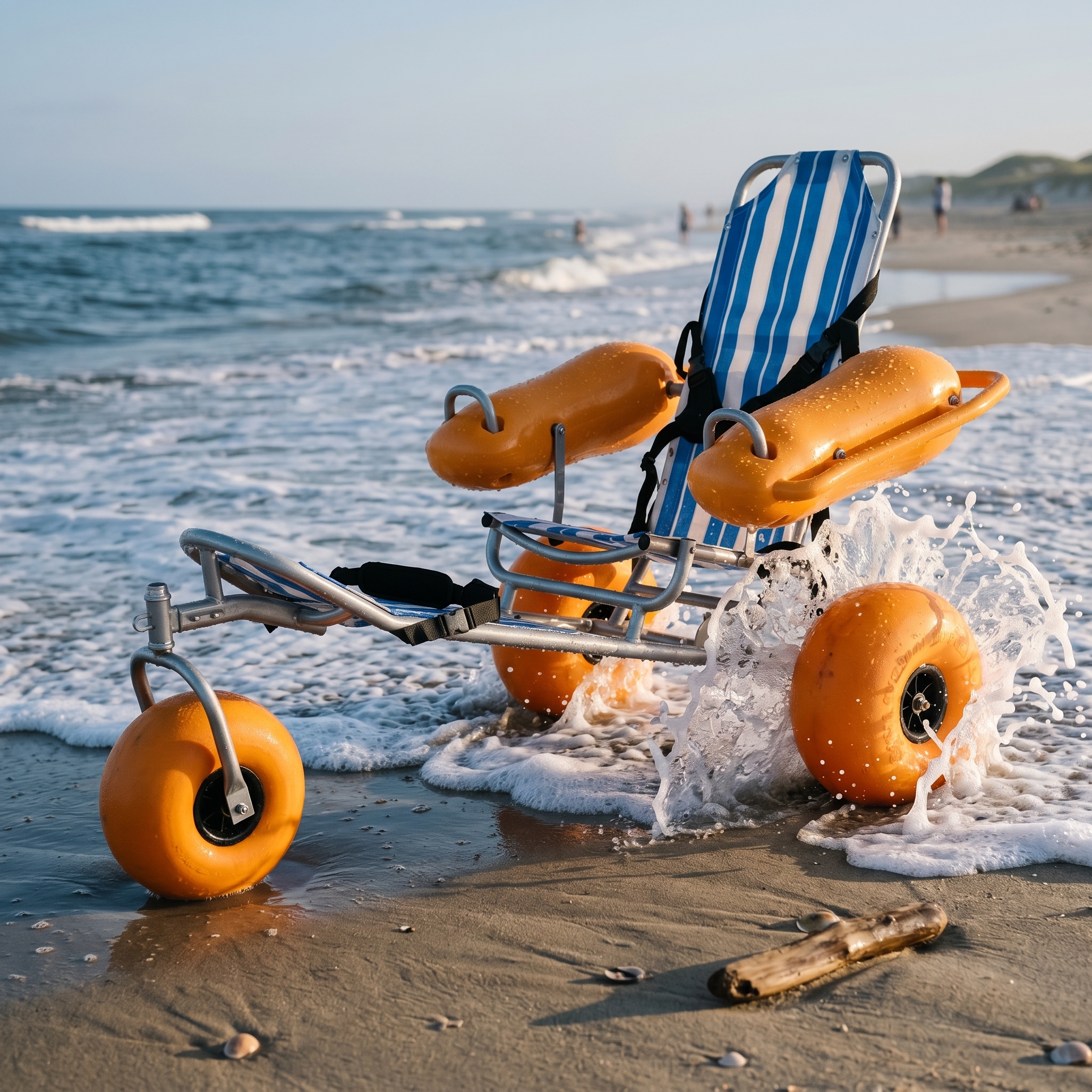
Use ordinary language and pause for questions. A staff member can point out the handoff station, route boundary, and return contact. Record a concern rather than answer a medical or personal-fit question from memory. The new floating beach wheelchair page can be a product reference, not event-specific review.
A small script prevents a big scramble: keep the same four points on a card or briefing sheet.
- “This is where we complete your handoff.”
- “This person remains your event contact.”
- “This route boundary has been reviewed for today.”
- “Please return here before the stated cut-off.”
Make the script honest and short
Avoid words such as “anywhere,” “all users,” or “guaranteed.” They invite a guest to infer more than staff can support. Write a separate escalation line for fit, transfer, or water-use questions, then direct those questions to a qualified reviewer when needed.
| Guest needs | Staff response | Record if unresolved |
|---|---|---|
| Route question | Point to the reviewed boundary | Route concern |
| Fit question | Pause and refer to qualified review | Open item |
| Return question | Repeat time and station | Acknowledgment |
| Equipment concern | Stop release and tell equipment lead | Condition note |
Action: rehearse the script until each attendant can deliver it without inventing extra promises.
Key takeaway: guests need a precise next step, not a grand claim about what a chair can do.
How should the plan handle weather or no-go calls?
The plan should name conditions that pause or cancel an event, the person who makes that call, and the message guests receive. Keep the decision rule tied to venue operations and equipment guidance rather than guessing at a safe threshold.
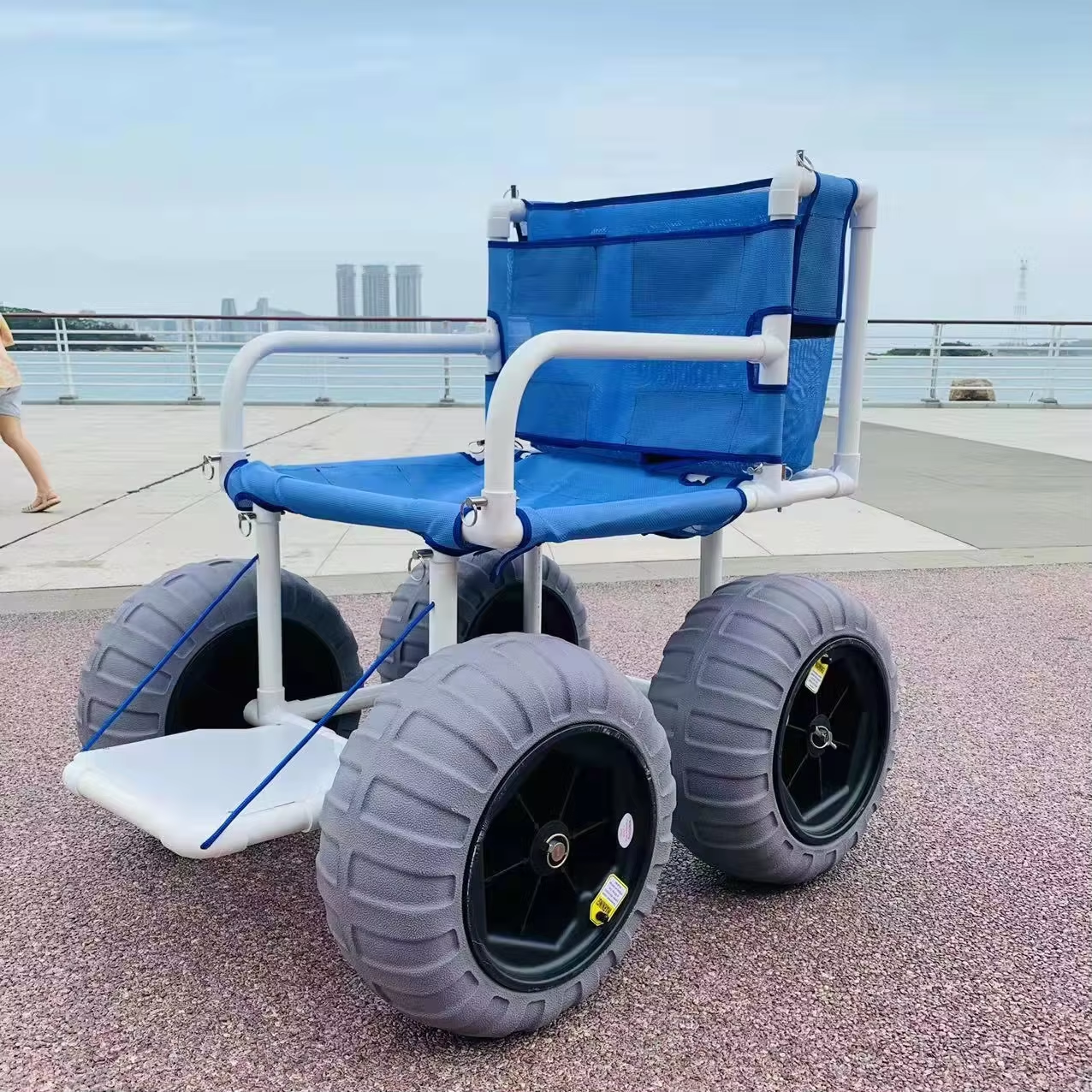
A no-go decision may follow a closed route, weather notice, missing attendant, equipment mismatch, or venue emergency. Record the trigger and stop new handoffs without asking a remote supplier to judge site conditions.
Plan for a no-go call: write the pause message before you need it.
- Name the duty manager and backup contact.
- List route, staffing, venue, and equipment triggers.
- Stop new releases before moving units.
- Tell guests whether the event is paused, changed, or closed.
Keep contingency messages ready
Use one short public message and one internal log entry. Public wording states service status and where questions go. The internal entry records time, trigger, decision owner, equipment location, and any open return.
| Trigger | Immediate move | Message owner |
|---|---|---|
| Route closed | Pause releases | Duty manager |
| Attendant absent | Hold affected handoff | Event lead |
| Unit mismatch | Quarantine that release | Equipment lead |
| Event closure | Move to return plan | Return receiver |
Action: print the pause message and keep it with the station log, not in a manager’s phone only.
Key takeaway: contingency planning is a communication job as much as an equipment job.
How should returns and equipment closeout work?
Returns should follow a visible cut-off, named receiver, identity check, condition note, and storage destination. Closeout starts when the last handoff begins, because a team needs time to find missing units and resolve open questions before staff leave.
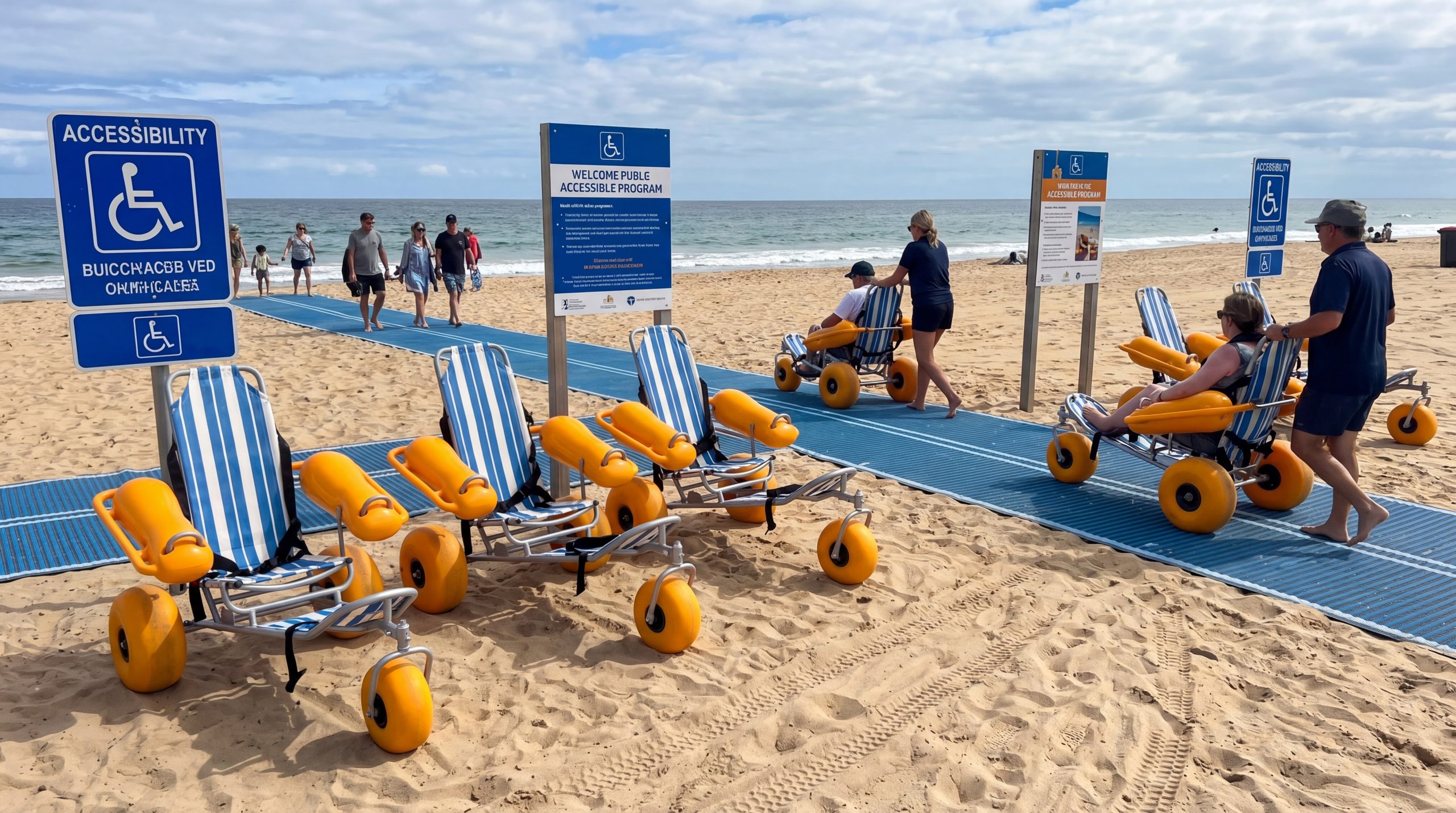
Do not add care or cleaning steps absent from approved model instructions. Record what staff observed, then pass care questions to the equipment owner. A chair may return physically while its condition record remains open.
The closeout starts before sunset: set the last-release time around the work needed for returns.
- Confirm each unit’s identifier at return.
- Note visible condition without diagnosing a fault.
- Mark missing items as open, not resolved.
- Move accepted units to the named storage point.
Make every return traceable
A return sheet can use the same identifier as the handoff log. It should show who received the unit, when it arrived, and whether an exception needs review. If a team uses the applications page as a general product reference, keep event-specific records in the venue file rather than assuming a webpage closes the task.
| Return field | Why it helps | Next owner |
|---|---|---|
| Unit identity | Connects return with release | Return receiver |
| Time received | Shows event closure | Event lead |
| Condition note | Flags an open review | Equipment lead |
| Storage point | Prevents a lost handoff | Venue contact |
Action: reconcile released and returned identifiers before the return receiver signs off.
Key takeaway: a handoff is complete only after the right unit and the right record meet again.
What should the buyer record after the event?
The buyer should record what was promised, what happened, which handoffs changed, and what must be decided before another event. A useful debrief avoids vague praise and blame. It gives procurement a clean basis for adjusting the brief or asking a supplier a precise question.
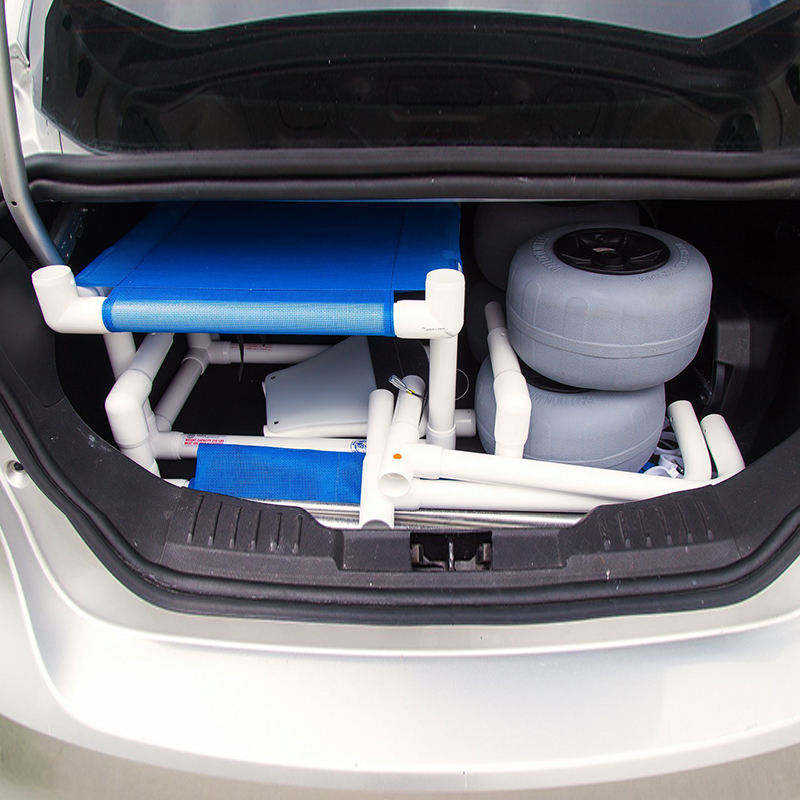
Collect the event brief, route sketch, role matrix, handoff log, pause messages, return sheet, and open-item list. Keep observations separate from comments and ideas. Record queue problems in the next brief. Use the contact page for a supplier question.
Use one owner for loose ends: every open item needs a due date or an explicit decision to close it.
- Compare planned and actual handoff windows.
- Note route or staffing changes with their decision owner.
- Separate equipment questions from venue questions.
- Record whether an item needs qualified review.
Turn debrief notes into the next brief
Phrase each lesson as a change someone can make. “Improve communication” is weak. “Move the return point beside the equipment station” gives the next event lead a task. Keep unresolved personal-fit or safety questions outside a generic debrief until a qualified person reviews them.
| Debrief finding | Next brief change | Evidence retained |
|---|---|---|
| Queue crossed route | Relocate welcome point | Annotated site sketch |
| Return took too long | Stop releases earlier | Handoff and return logs |
| Unit identity unclear | Add visible identifier | Station checklist |
| Fit question stayed open | Add qualified reviewer | Open-item record |
Action: close the debrief with three owned changes, not general satisfaction.
Key takeaway: a good event record makes the next decision easier without pretending every issue was solved.
How can a buyer turn the brief into a decision?
A buyer can decide by checking handoff ownership, route boundaries, equipment identity, contingency communication, and return control. Choose the arrangement staff can explain and close out, not the longest equipment list.
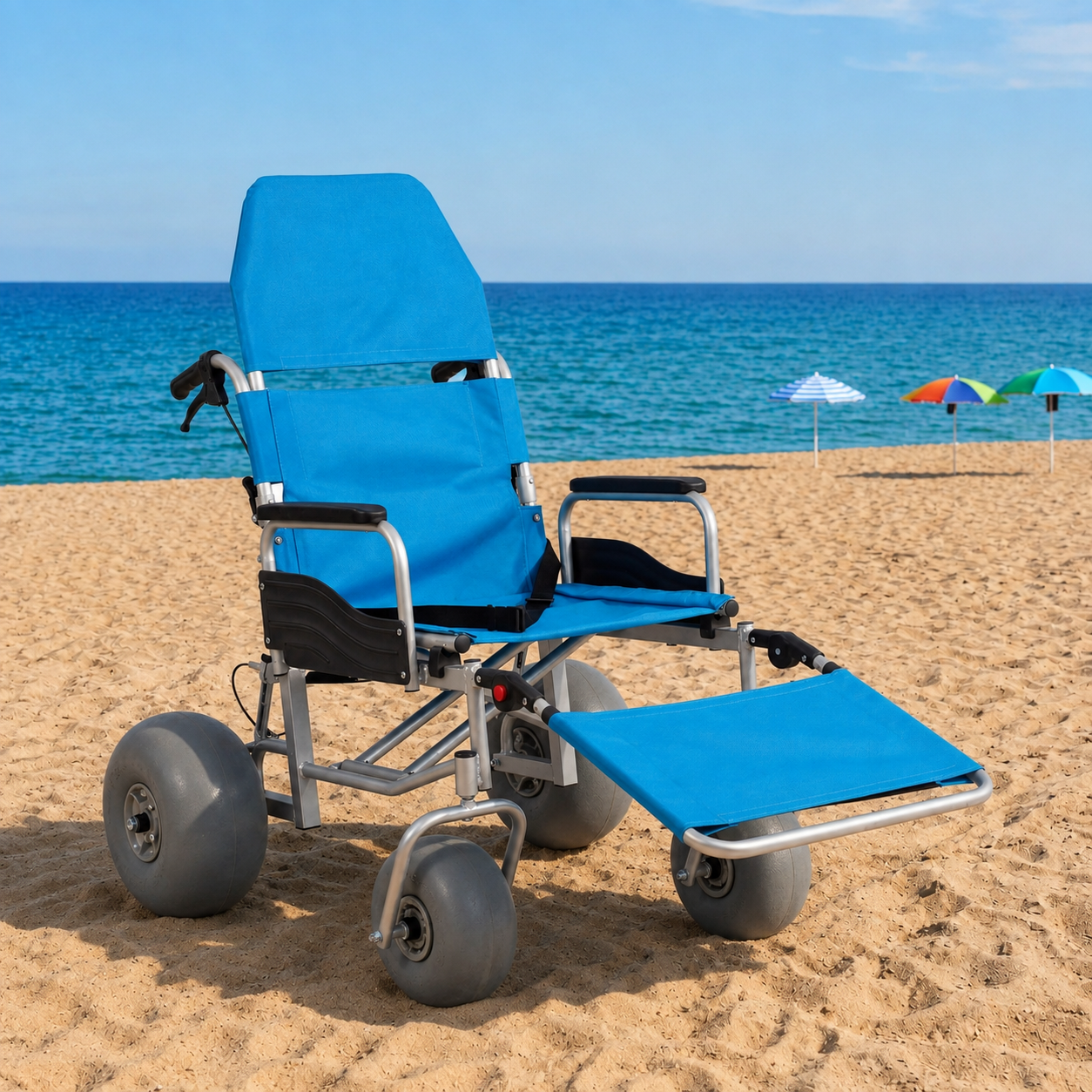
Ask every supplier or venue partner to answer the same brief, with exceptions in writing. Keep a line for qualified fit or safety review.
The useful finish is simple: approve a handoff plan only when a named person can explain release, pause, and return.
Approve the event against decision questions
Use a yes, no, or open status. “Open” tells the buyer what must be settled before a public promise.
- Can guests find arrival and return points?
- Will staff identify each released unit?
- Does one person pause service and message guests?
- Is every return closed before departure?
Action: approve the event only after every open status has a named owner and a dated next step. For equipment questions that remain unresolved, contact us with the brief and the specific handoff question.
Key takeaway: the best event plan is the one a small team can run, explain, and close without guesswork.
Q1: What is a beach wheelchair event handoff?
A handoff is a defined exchange of equipment, instructions, and responsibility at a named point. It is not a promise that every guest can use every route or model without review.
Q2: Should an event use a rental-style booking system?
Not by default. A short event can use a simple queue or booking list, while keeping release, pause, and return records under named staff.
Q3: Who decides whether a guest is a suitable user?
A qualified reviewer should handle personal fit or safety questions. Event staff can pause the handoff and record the question.
Q4: What happens when weather changes?
The named duty manager pauses or closes service under the written event rule, then sends the prepared message and records the trigger.
Q5: What should a buyer request after the event?
Request the handoff log, return reconciliation, open-item list, and three owned changes for the next event brief.