
A beach wheelchair conversion kit fits only when a supplier approves the exact base chair and complete retrofit. Choose a purpose-built model when that approval is missing. The risk comes from axle identity, frame geometry, brakes, seat support, and post-retrofit support.
Choose based on whether one supplier can own the specific base chair, its complete wheel-and-frame arrangement, user support, maintenance, and route.
What does a beach wheelchair conversion kit actually change?
A conversion kit changes selected parts of an existing chair for sand access. It does not make every base chair suitable.
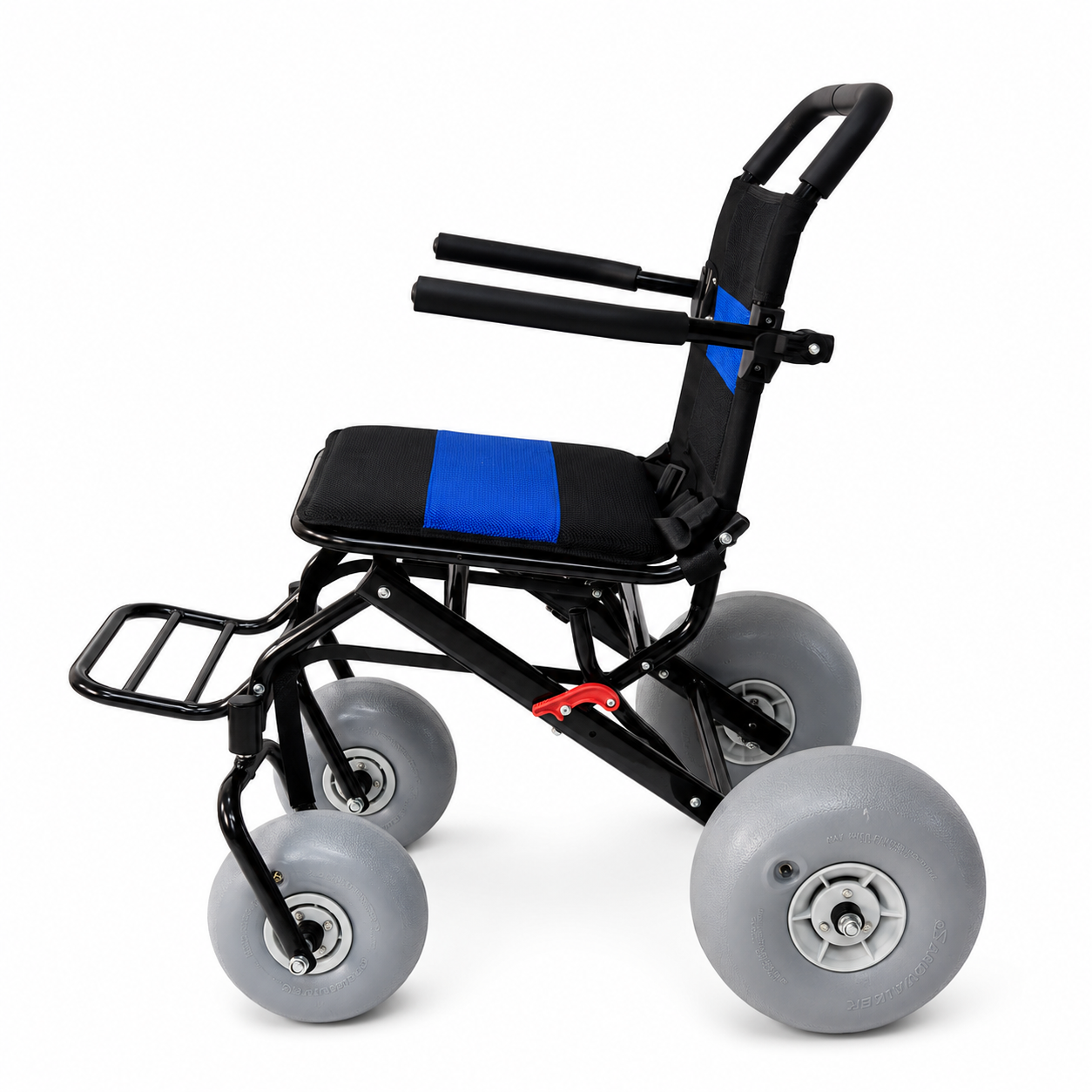
Define the retrofit boundary
A proposed kit might involve wheels, axles, brackets, supports, or other parts. Buyers should treat those as a supplier-defined package, not as an invitation to improvise. A chair can look close in a photograph while its attachment points, brakes, seat position, or frame loads differ.
Draw the line around responsibility. Ask the supplier to name the base chair, supplied parts, approved configuration, and the person responsible for the finished setup. If a component falls outside that list, compatibility remains open.
- Record the base chair model and serial or batch identity.
- Ask which parts the kit supplies and which parts stay original.
- Request an approved configuration drawing or written parts map.
Turn the concept into a decision screen
Use a screening table before discussing price. A “yes” means documented evidence exists; it does not mean a buyer should install anything without the maker’s approval.
| Screen | Evidence needed | Unresolved risk |
|---|---|---|
| Base chair identity | Model and serial recorded | Wrong variant selected |
| Kit contents | Complete part list | Hidden missing hardware |
| Finished use | Approved beach configuration | Ground use remains unapproved |
| Responsibility | Named supplier or installer | No party owns the result |
Key takeaway: Reject any proposal that starts with a generic universal-fit claim.
Which chair details control compatibility?
Compatibility depends on the exact base chair’s frame, wheel attachment, brake arrangement, seat support, and clearance, not on a similar-looking category name.
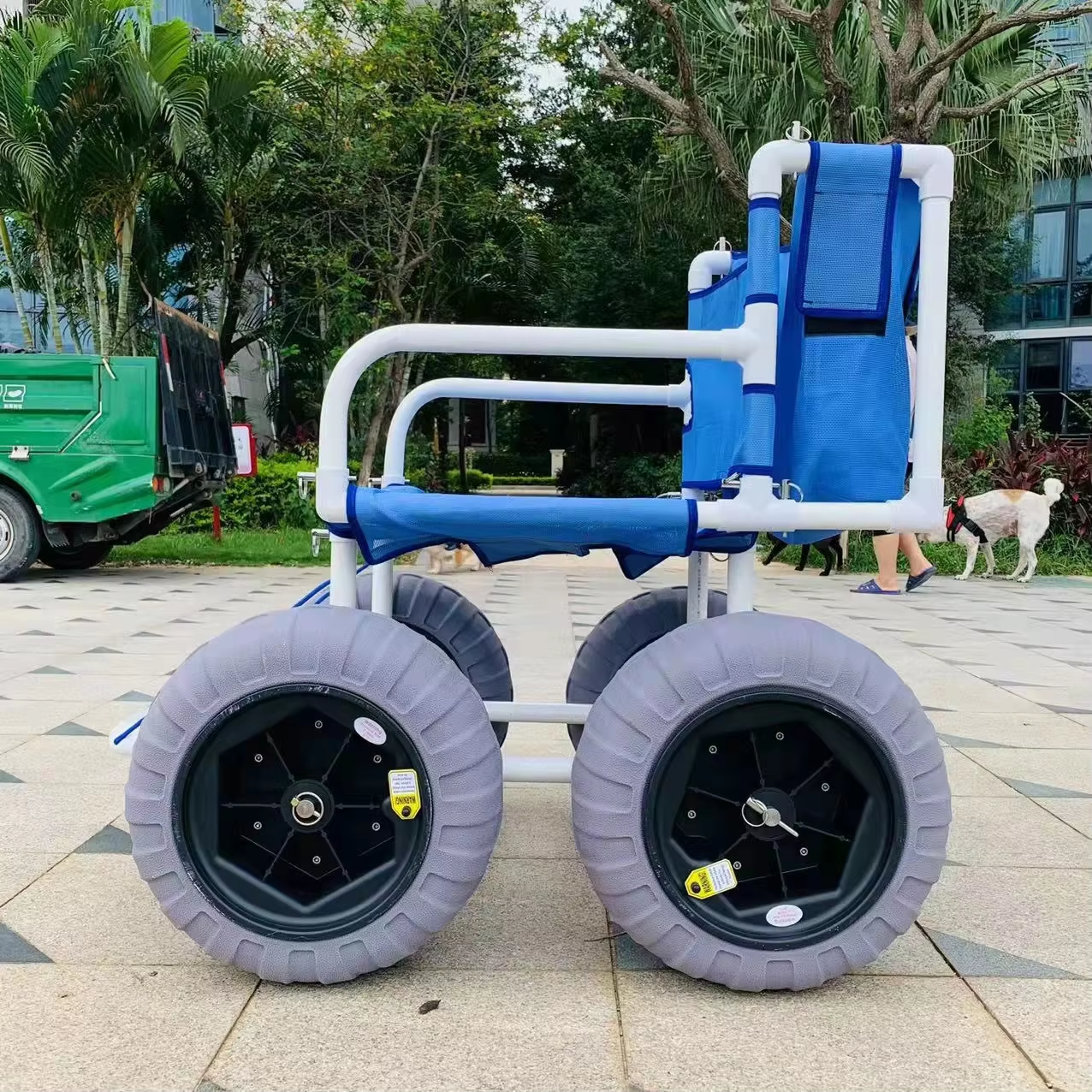
Identify the base chair precisely
Two chairs from one product family may use different axles, frame joints, seat widths, or brake parts. A supplier needs clear photographs of both sides, wheel mounts, labels, seat area, and any existing accessories. Those images support a review; they do not replace a physical inspection when the maker requires one.
Name every interface. Ask whether a proposed part touches the axle, fork, frame tube, seat, foot support, or brake. A vague “fits most chairs” answer does not identify the interface that makes your chair different.
- Send the model label and purchase record where available.
- Photograph wheel mounts, brakes, foot supports, and frame joints.
- List previous repairs or non-original accessories.
Match the evidence to the actual chair
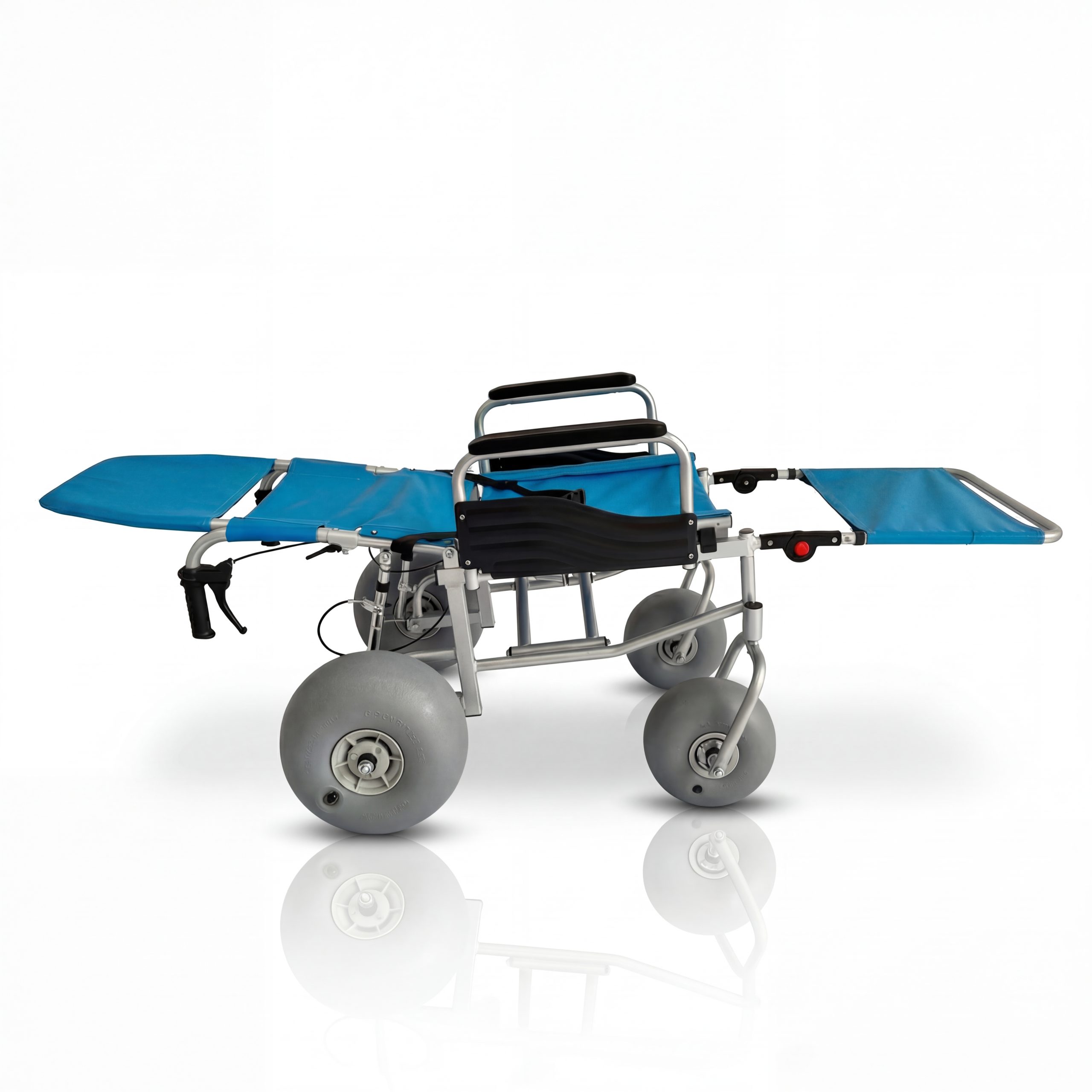
Use the all-terrain beach wheelchair reference to compare complete wheel layouts, then request base-chair fit evidence.
| Base-chair detail | Why it controls fit |
|---|---|
| Frame and joints | Attachment points and clearance |
| Wheel interface | Axle identity and alignment |
| Brake system | Control after wheel changes |
| Seat and foot support | Posture and contact with new parts |
Key takeaway: Send a labelled photo set before requesting a kit quote.
How do you match wheels, axles, and frame geometry?
Match wheels, axles, and frame geometry through supplier-approved drawings and measurements, never through a visual resemblance or a self-chosen part.
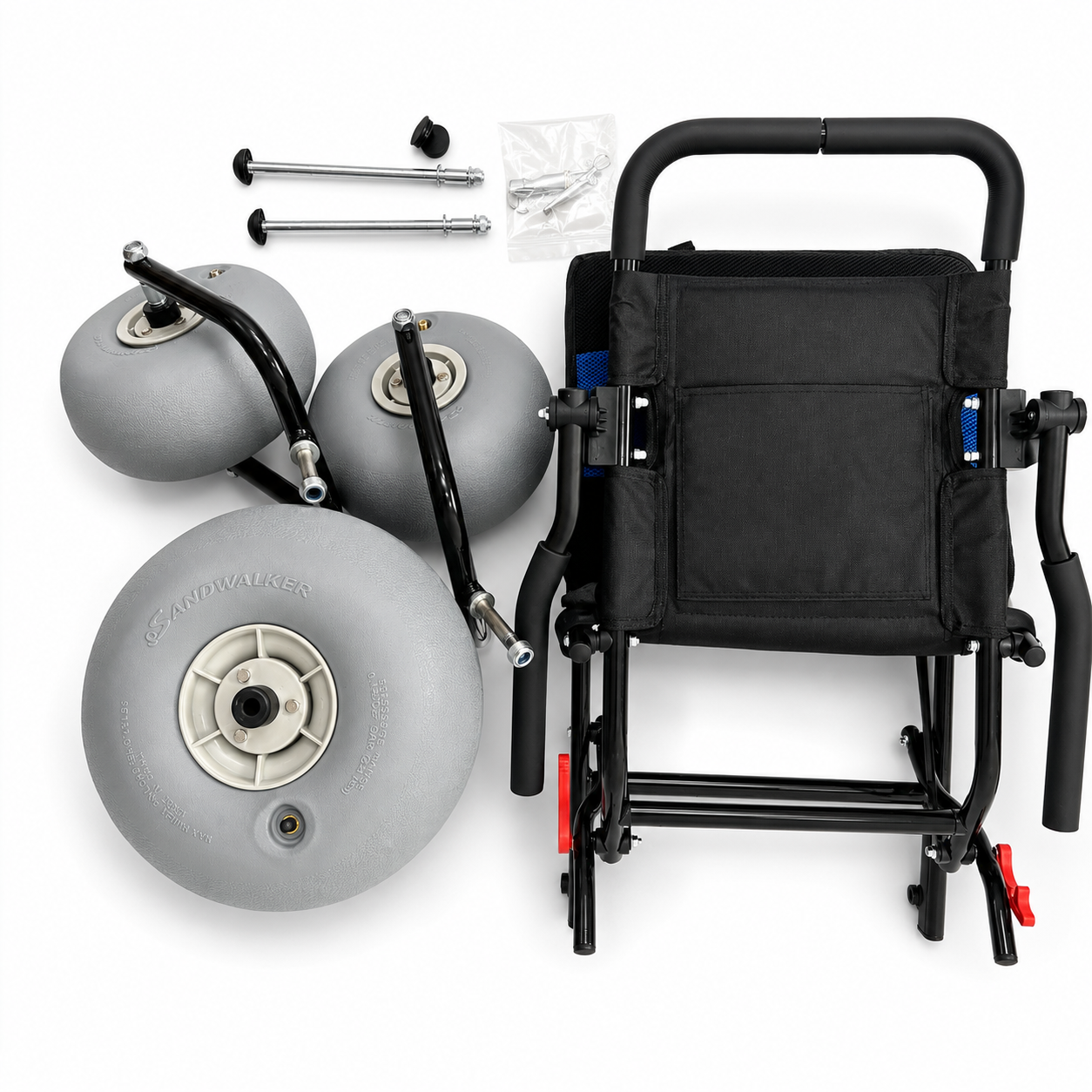
Look for an approved relationship
Large beach wheels alter the chair’s footprint, steering response, balance, and clearance. The base chair’s axle or brake arrangement may not support that relationship. Ask who checked the full assembly and which operating configuration the document covers.
Let geometry stay with the maker. Procurement teams can request dimensions and drawings, but they should not turn those documents into a home modification recipe. A written “approved for model X” statement matters more than a list of attractive wheel sizes.
- Ask for the complete wheel, axle, and frame combination.
- Confirm whether original brakes, hand rims, or foot supports remain.
- Request clearance information for the stated route.
Use a fit matrix without inventing numbers
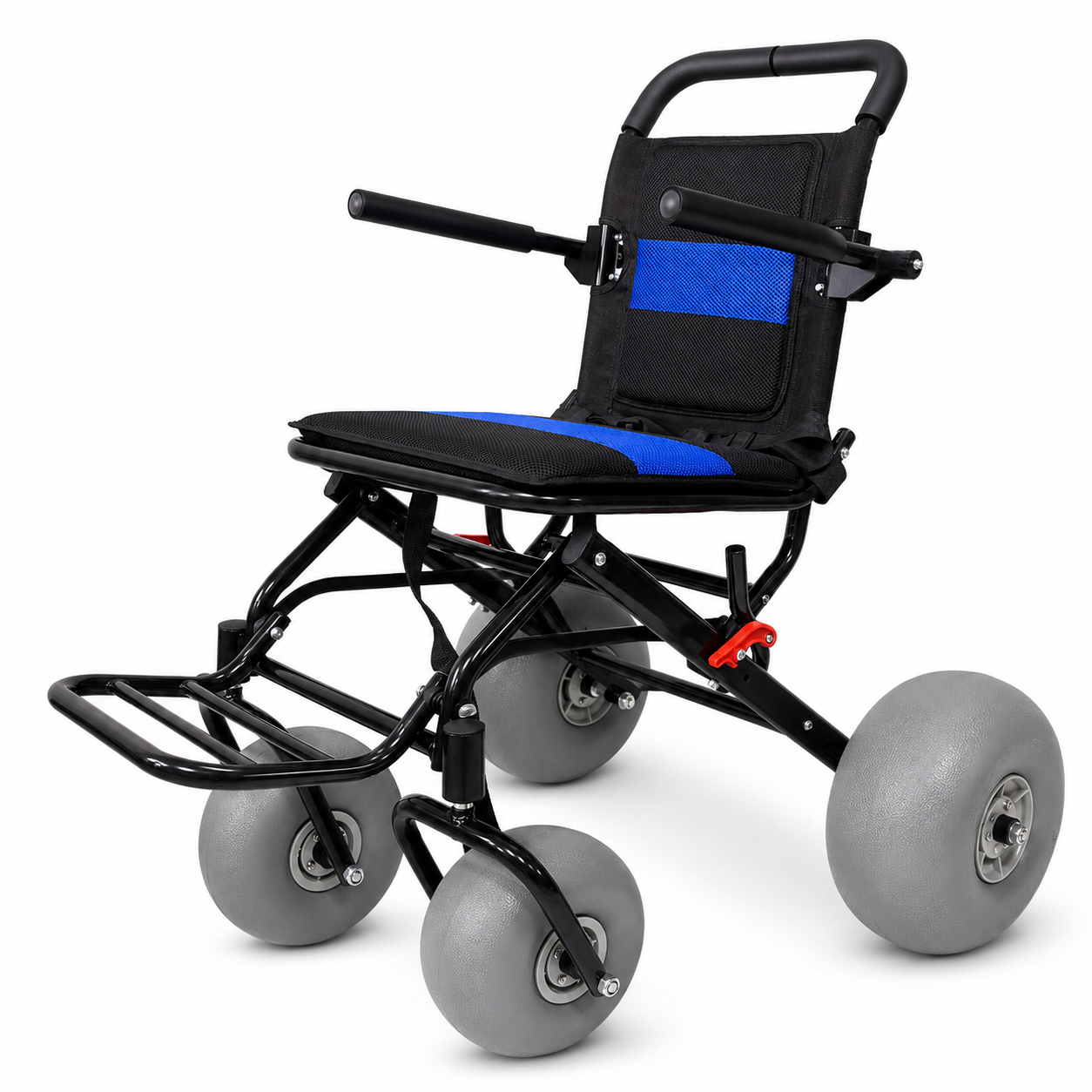
Compare purpose-built geometry on the lightweight beach wheelchair page, then ask a retrofit supplier for chair-specific evidence.
| Geometry question | Buyer evidence |
|---|---|
| Wheel mount | Approved interface for base model |
| Axle path | Alignment and retention statement |
| Brake access | Functional arrangement in finished setup |
| Ground clearance | Route-specific confirmation |
Key takeaway: Hold the decision until the supplier confirms complete geometry.
What must a supplier document before retrofit?
A supplier should document the base chair, kit parts, finished configuration, approved use, care limits, and support path before a retrofit receives approval.
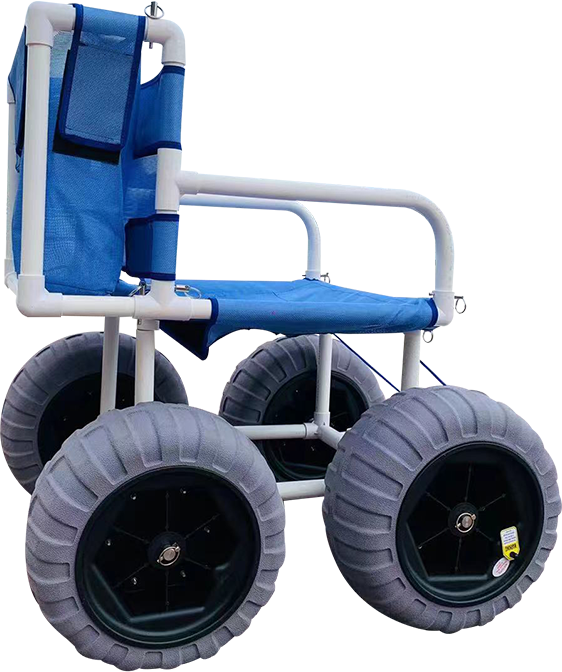
Request a complete evidence pack
The document set should answer a buyer’s operational questions without asking staff to infer missing details. It should identify the chair, parts, compatibility conditions, assembly responsibility, and restrictions. If a supplier cannot document a key interface, a replacement chair may carry less uncertainty.
WHO guidance treats assessment, fitting, training, and follow-up as linked wheelchair services.
Make the paperwork part of the product. Request revision dates, model identifiers, drawings, care instructions, and contact ownership. Store supplier answers with the purchase record so future staff do not rely on memory.
- Ask for a model-specific manual or configuration note.
- Record excluded models and accessories.
- Confirm who inspects or signs off the finished setup.
Sort evidence by decision owner
Use the portable beach wheelchair travel guide to list transport questions, then add compatibility and support to the retrofit file.
| Document | Reviewer | Why it matters |
|---|---|---|
| Parts and drawing | Technical buyer | Confirms complete configuration |
| Use limits | Operations lead | Sets route boundaries |
| Care and service | Fleet owner | Plans upkeep and spares |
| Warranty terms | Procurement | Clarifies responsibility |
Key takeaway: Release a deposit only after every reviewer has a document to sign.
When does a purpose-built beach wheelchair make more sense?
A purpose-built beach wheelchair makes more sense when a base chair lacks approved interfaces or a program needs repeatable service. A split responsibility path is harder to govern.
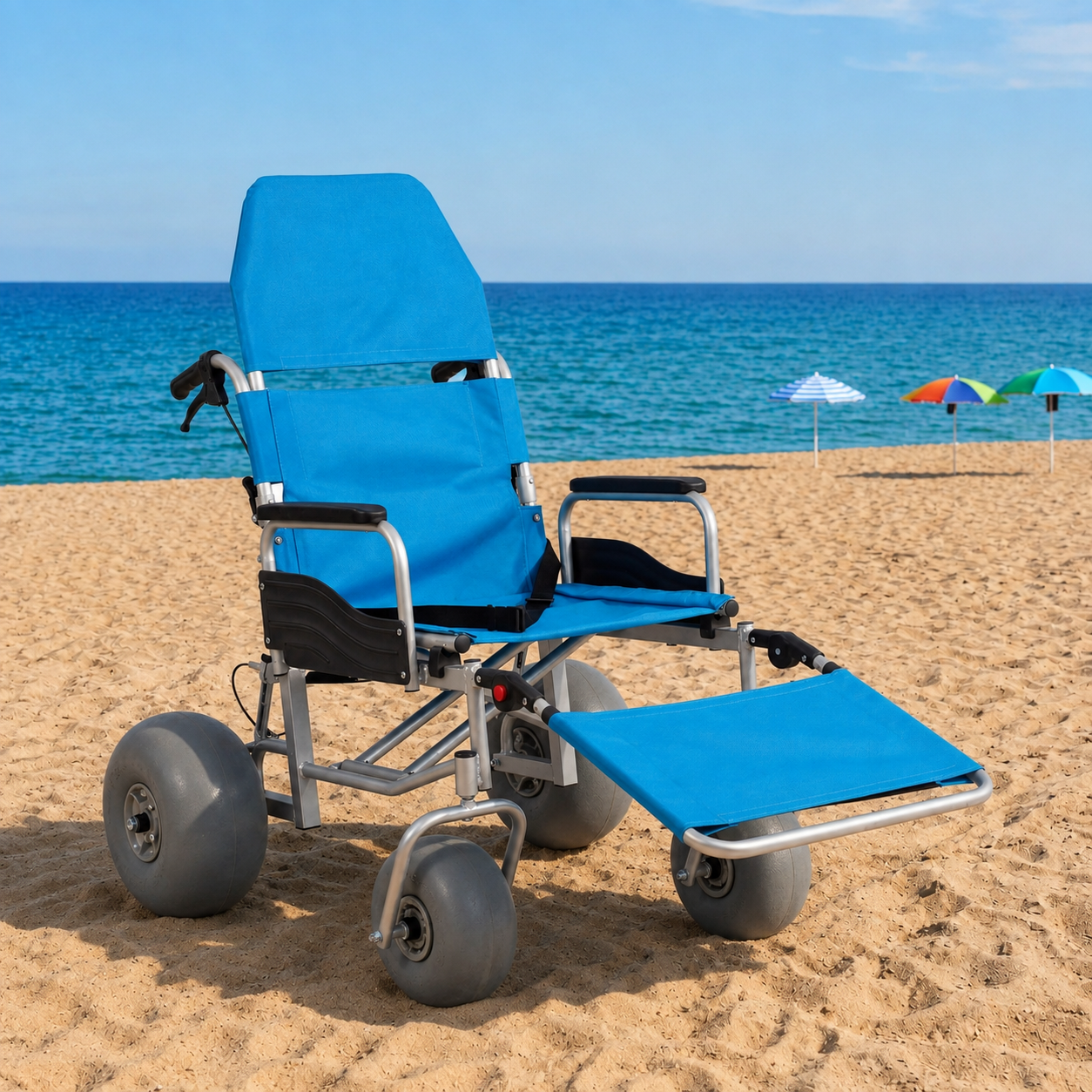
Recognize a poor retrofit candidate
Some base chairs are too different from the proposed wheel or frame arrangement. Others have user-support needs, brake positions, or accessories that the kit cannot cover. A program serving many users may also value consistent, purpose-built controls more than retaining one familiar chair.
Use uncertainty as a signal. If a supplier asks for an unlabelled measurement or suggests a “likely” fit, compare a complete chair.
- Stop when the base model cannot be identified.
- Stop when the finished configuration has no written approval.
- Compare support and maintenance with the retrofit price.
Compare the complete option fairly
Use the beach walker category as a separate mode benchmark; keep chair, walker, and retrofit promises distinct.
| Decision signal | Retrofit may fit | Purpose-built may fit |
|---|---|---|
| Base model | Clearly identified and supported | Unknown or inconsistent |
| Fleet need | Small, controlled program | Repeated shared service |
| Documentation | Complete and model-specific | Supplied as a package |
| Responsibility | One accountable party | One product support path |
Key takeaway: Compare both paths against identical route, user, and support requirements.
How should you compare complete configurations?
Compare a retrofit and a purpose-built chair as complete operating configurations, including seating, brakes, wheels, staff support, and replacement parts.
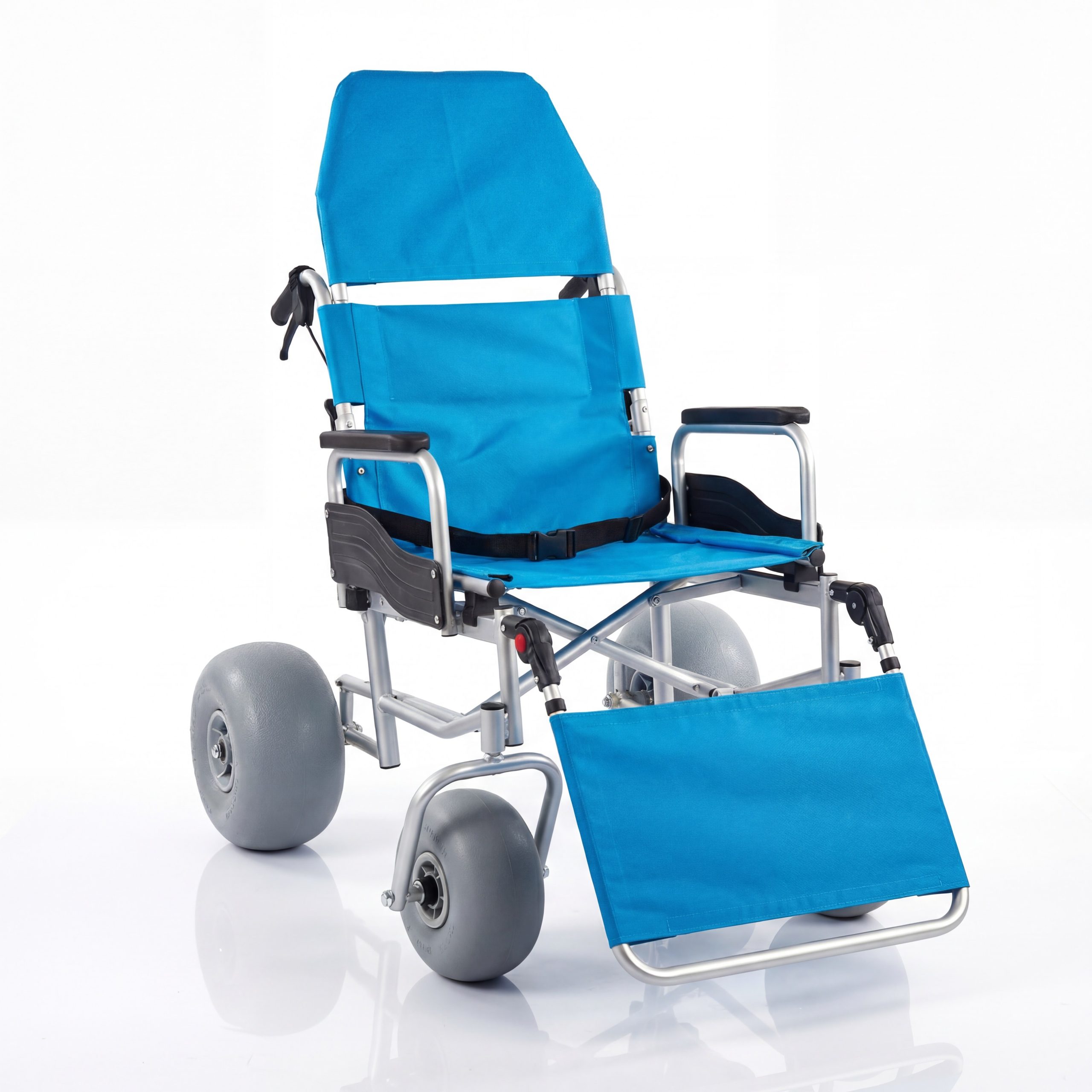
Keep the comparison honest
A kit quote often focuses on added parts, while a complete chair quote shows a finished configuration. Put both into one worksheet. Include base-chair condition, remaining service life, supplier work, training, storage, and return-to-service path.
Compare like with like. Ask both suppliers to state what arrives, who checks it, what users it supports, and which route they approve. That removes the false saving created by omitted responsibilities.
- List every chair component that touches the user or route.
- Mark original parts that remain under the retrofit.
- Add training, inspection, spares, and support contacts.
Put responsibilities beside features
Plan the route with an accessible beach mat, then keep chair support and compatibility as separate quote lines.
| Comparison area | Retrofit question | Complete-chair question |
|---|---|---|
| Seating | Does original support remain approved? | What support comes with model? |
| Control | Do brakes and handles remain usable? | What controls require training? |
| Service | Who owns mixed parts? | Who supplies matching spares? |
| Route | Is complete setup approved? | Which route is documented? |
Key takeaway: Leave unanswered comparison cells visible.
What support should a conversion program require?
A conversion program needs one accountable support route for fit review, installation or inspection, training, warranty, and replacement parts.
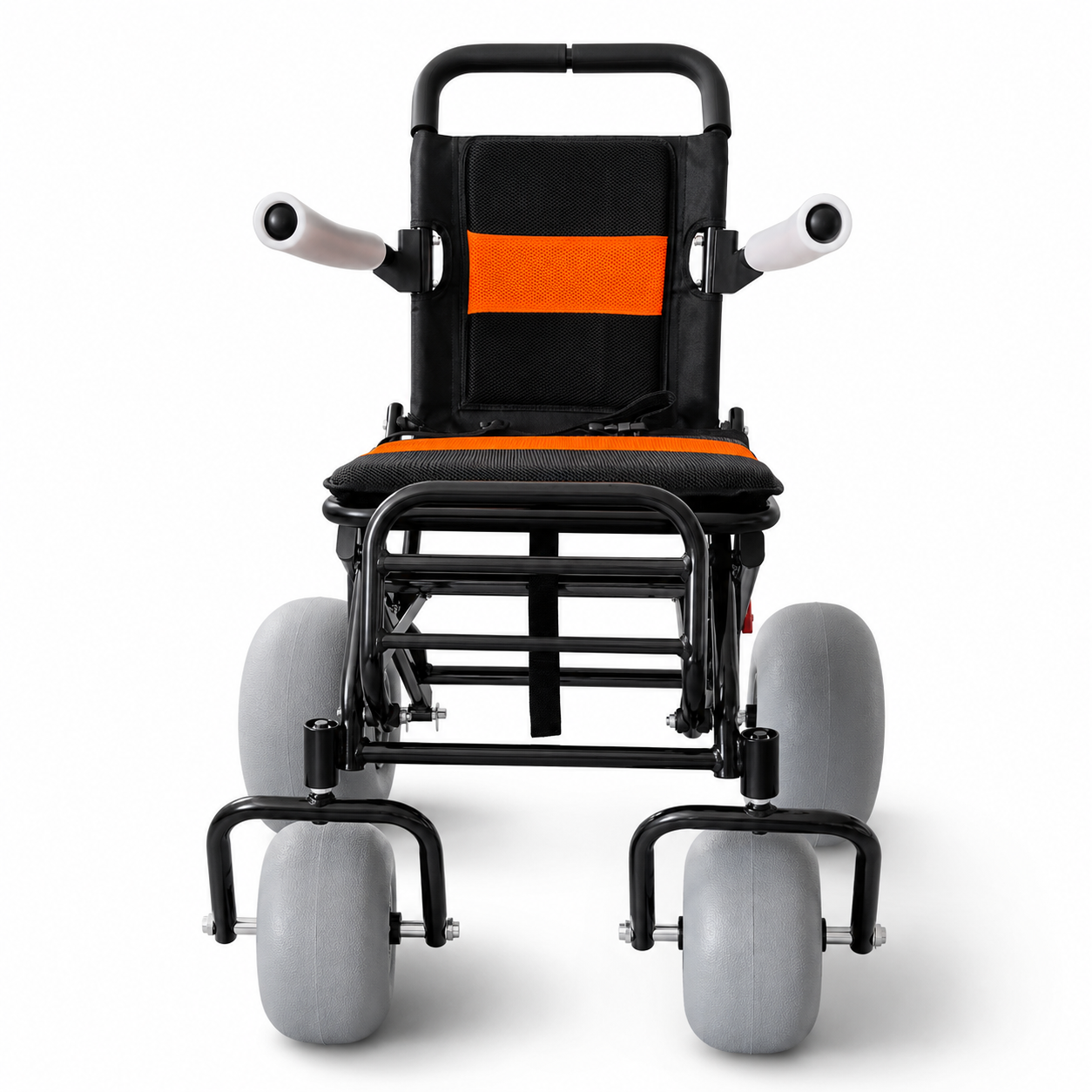
Plan support after delivery
An early beach outing can reveal a retrofit project’s support gaps. Staff need a clear handoff, a way to report unusual movement or damage, and a decision rule that removes the chair from service. A distributor also needs consistent part names for replacement requests.
Ask who answers on a bad day. Put one email or service contact beside each model, then confirm how urgent safety concerns are escalated. A support promise without ownership is only a brochure line.
- Request a handover checklist for the finished setup.
- Keep service records tied to chair identity.
- Confirm replacement-part availability and return process.
Link support to the use program
Use the applications overview for route and service questions, then name supplier support in the retrofit order.
| Support area | Buyer requirement |
|---|---|
| Fit review | Named reviewer and approval record |
| Installation or inspection | Responsible party and checklist |
| Training | Staff briefing and handoff record |
| Service | Parts route and escalation contact |
Key takeaway: Put support contacts and escalation duties in the purchase order.
How do you budget ownership without a false low price?
Budget a retrofit against complete ownership work: supplier assessment, approved parts, service, downtime, storage, and base-chair condition.
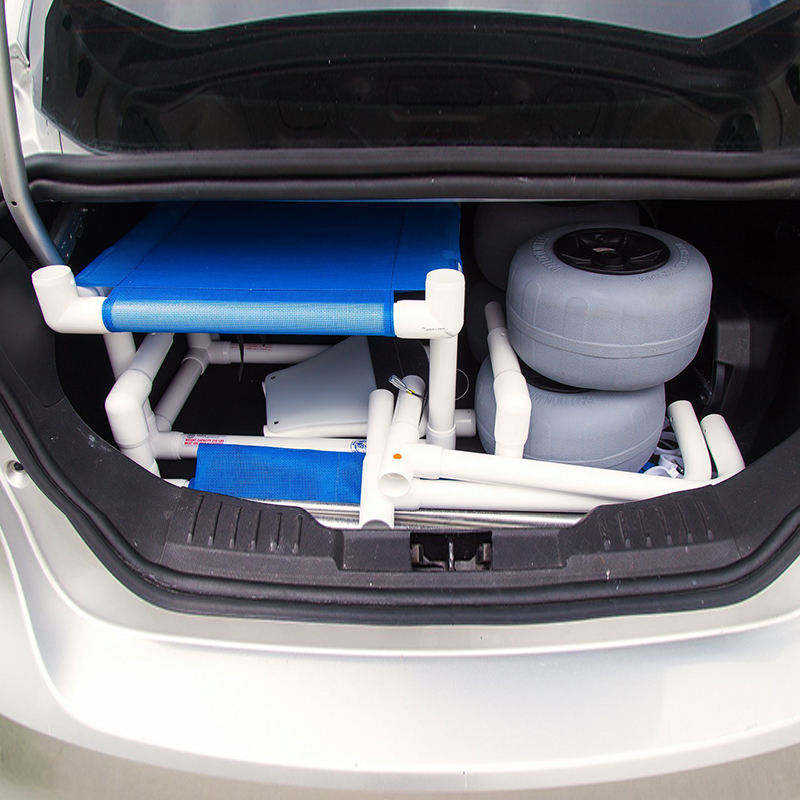
Count the whole ownership path
The kit price is only one line. A program may still pay for inspection, shipping, specialist work, training, spare parts, cleaning, storage, and a backup chair. If the base chair is old, a retrofit may also lock a team into parts that become difficult to source later.
Put downtime beside dollars. Ask how a damaged wheel or bracket affects bookings, and whether a replacement can be identified without sending the full chair away. A lower opening price does not help if service stops access for a busy program.
- Record supplier work and buyer work separately.
- Include base-chair condition and remaining support.
- Add storage, cleaning, inspection, and staff hours.
Compare cost categories, not promises
Use the floating beach wheelchair pages only for a separate water brief; exclude water assumptions from a land retrofit budget.
| Cost category | Retrofit question | Complete chair question |
|---|---|---|
| Upfront | What parts and work are included? | What arrives as a finished unit? |
| Service | Who diagnoses mixed assemblies? | Who supplies matching parts? |
| Downtime | How long could support take? | What backup is available? |
| End of life | Can the base chair return to service? | How is replacement planned? |
Key takeaway: Build an ownership worksheet from verified inputs only.
How should a buyer test a proposed setup?
Test a proposed setup through a supplier-approved inspection and route review, without turning the buyer into an untrained installer or test engineer.
Test the complete route
A meaningful test covers the finished configuration, intended user support, route surfaces, turning points, transfer plan, and return path. A chair that rolls on firm ground may behave differently on loose sand. Staff should follow the model instructions and stop when a condition falls outside written limits.
Run the route with a witness. Ask the supplier or trained reviewer to attend if the configuration is new. Record what was checked, what was excluded, and which changes would require fresh approval.
- Confirm wheel and brake identity before route review.
- Use a clear, controlled area named in the plan.
- Keep the user’s professional seating and transfer advice in scope.
Capture a release record
A release record helps a fleet distinguish an approved unit from one awaiting service. Record the chair, configuration, reviewer, route, and any limits. Do not present that record as a certification document.
| Review item | Release evidence |
|---|---|
| Identity | Base chair and retrofit parts recorded |
| Configuration | Supplier-approved setup identified |
| Route | Surfaces and boundaries documented |
| Staff | Named people briefed on limits |
Key takeaway: Release the chair only after a qualified reviewer closes each check.
What should you send in a conversion-kit inquiry?
Send a conversion inquiry that identifies the existing chair, route, users, support needs, and required evidence without requesting a DIY modification plan.
Give the supplier useful inputs
Suppliers can only review compatibility when a buyer supplies a clear chair identity and route. Add labelled photographs, service history, wheel and brake views, user-support requirements, and working surfaces. State whether the original chair must return to its prior configuration.
Make the request easy to answer. Ask for a line-by-line response covering fit, parts, approval, support, and cost assumptions. Do not ask a supplier to certify a chair from one cropped image.
- Name the base chair model and available records.
- Show both sides, wheel mounts, brakes, seat, and foot supports.
- Describe sand, boardwalk, ramp, and storage conditions.
Keep the inquiry auditable
Use a project folder for photographs, drawings, supplier replies, selected configuration, and staff sign-off. For a direct equipment conversation, contact us with the specific chair and route.
Key takeaway: Request a purpose-built alternative in the same email.
Q1: Does a conversion kit fit every wheelchair? No. Fit depends on the exact base chair, interfaces, clearance, controls, and supplier approval for a complete configuration.
Q2: Can I choose larger wheels myself? No. Wheel, axle, brake, and frame relationships need maker-approved documentation; a visual match does not establish safe compatibility.
Q3: Does a retrofit make a chair suitable for water? No. Land conversion evidence does not authorize water use, flotation, or chemical exposure.
Q4: When should I buy a purpose-built beach chair? Choose a purpose-built chair if the base identity remains unclear, support stays split, fleet consistency matters, or retrofit evidence remains incomplete.
Q5: What should a supplier receive before quoting? Send model records, labelled photographs, route details, support needs, accessory history, and a request for written fit and service evidence.