
If a beach mat joint comes apart, the first call may go to the crew securing the route. The next may go to a buyer who has never seen that joint. Give both people the same location and part reference. The crew can then isolate the affected area while the buyer checks the actual written warranty for the supplied system. The claim decision and the decision to reopen the beach route have different owners.
Find the terms that came with the order
Read covered items, term, remedies, limits, duties and claim steps. Start with the accepted order and the warranty version it incorporates. Match the affected part to the schedule. The mat body, separately purchased connectors, installation work and freight damage may have different contacts or procedures. Check which applies to this item and incident. If the documents disagree about a start date or notice requirement, note the discrepancy and request written clarification promptly.
Retrieve the invoice, delivery date, supplier reference and first-use record where relevant. Add the installed section reference and any lot or serial mark actually provided. A drawing or dated receiving photo may identify a part that has no individual number. Keep the original delivery inspection with the claim so a reviewer can see what the buyer received and any exception recorded then.
Photograph what happened before assigning a cause
Follow the site’s immediate closure or protection procedure. As soon as conditions allow, take a wider photograph locating the reach, a closer view of the affected mat and joint, and a view of the adjoining section and ground. Include scale where useful and identify which direction the camera faced. Record when staff first noticed the condition and whether a storm, sand clearance, relocation or other event had been logged nearby. Keep observation and diagnosis in separate fields.
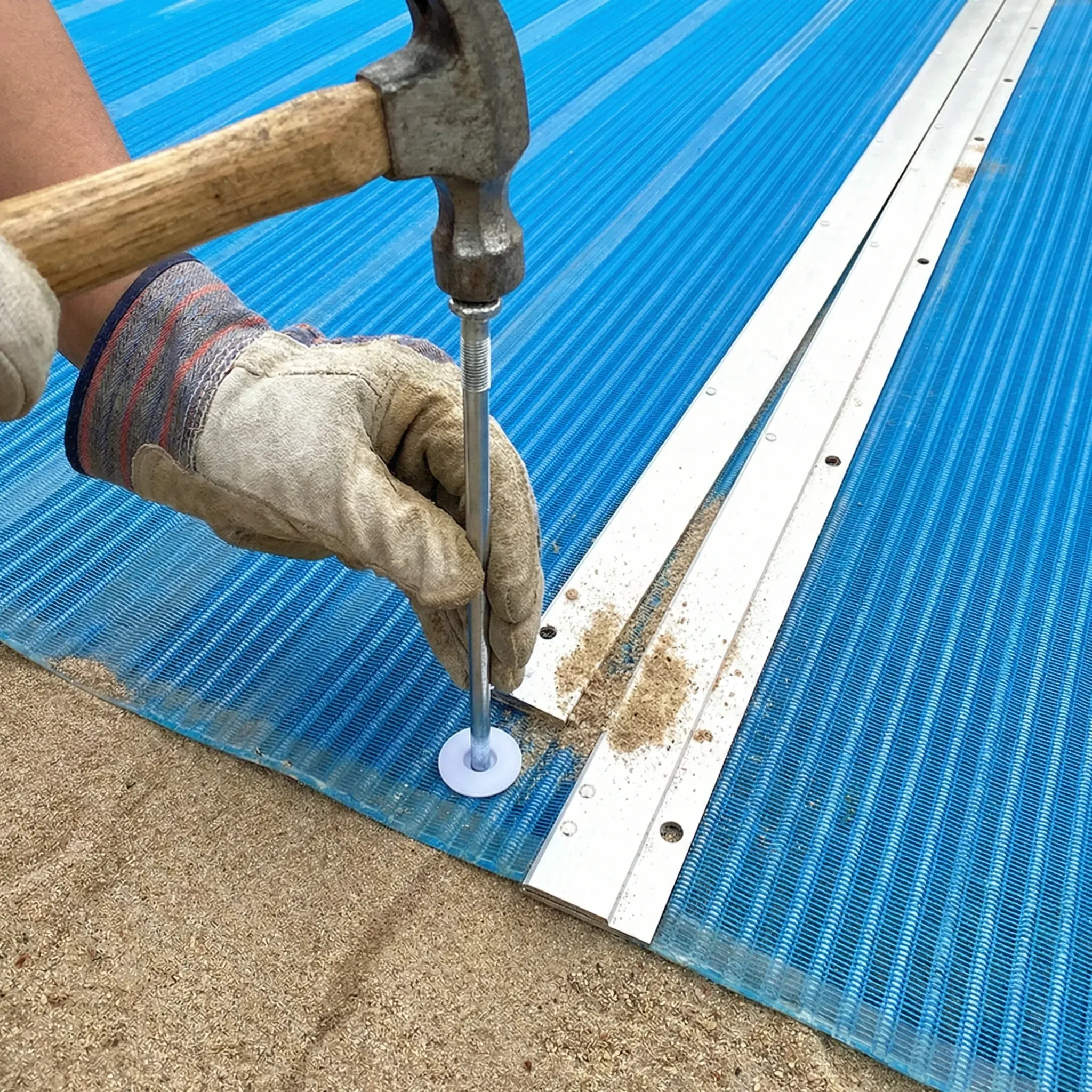
For example, “The connector at J4 is disengaged on the east edge. The adjoining mat is raised. The crew closed the reach at opening” tells the supplier where to start. “The connector was defective” states a conclusion the photos may not establish. Give the last recorded check, the available pictures and the contact who can provide more detail. Do not guess at the time the damage began.
Ask the supplier a specific question
| Put in the claim file | Why the reviewer needs it |
|---|---|
| Order line, supplied part reference and exact reach | Identifies the item and configuration under discussion |
| Dated observations, location photos and comparison with delivery | Distinguishes the condition recorded today from the condition at receipt |
| Relevant installation, care and repair records | Shows what happened to this section and what remains unknown |
| Requested remedy, notice date, acknowledgment and next contact | Makes the outstanding decision and any requested evidence easy to follow |
Before discarding, returning or altering the part, check the warranty procedure and request any inspection or return instructions. If urgent site work was needed to protect visitors, record who moved or removed the part and what was done. Label it and keep it apart from spares available for repairs. When a supplier asks for more evidence, retain the request, the response and the date sent in the same file.
A replacement delivery, authorized repair or agreed credit can resolve the purchasing issue. Enter what the supplier agreed and check it against what arrived or was completed. A credit leaves the physical joint exactly as it was. Keep the affected reach on hold until the site has completed the necessary corrective work, checked the installed section and issued its own reopening decision.