
A buyer should be able to finish a sample review with a purchasing decision another inspector can reproduce. Which chair was examined, which attachments were fitted, what requirement did it meet, and what must the supplier supply on the bulk order? Assign the sample an ID before anyone changes its setup. Photograph the model label, all four wheel assemblies, seat and back supports, leg support, controls and loose fittings as delivered.
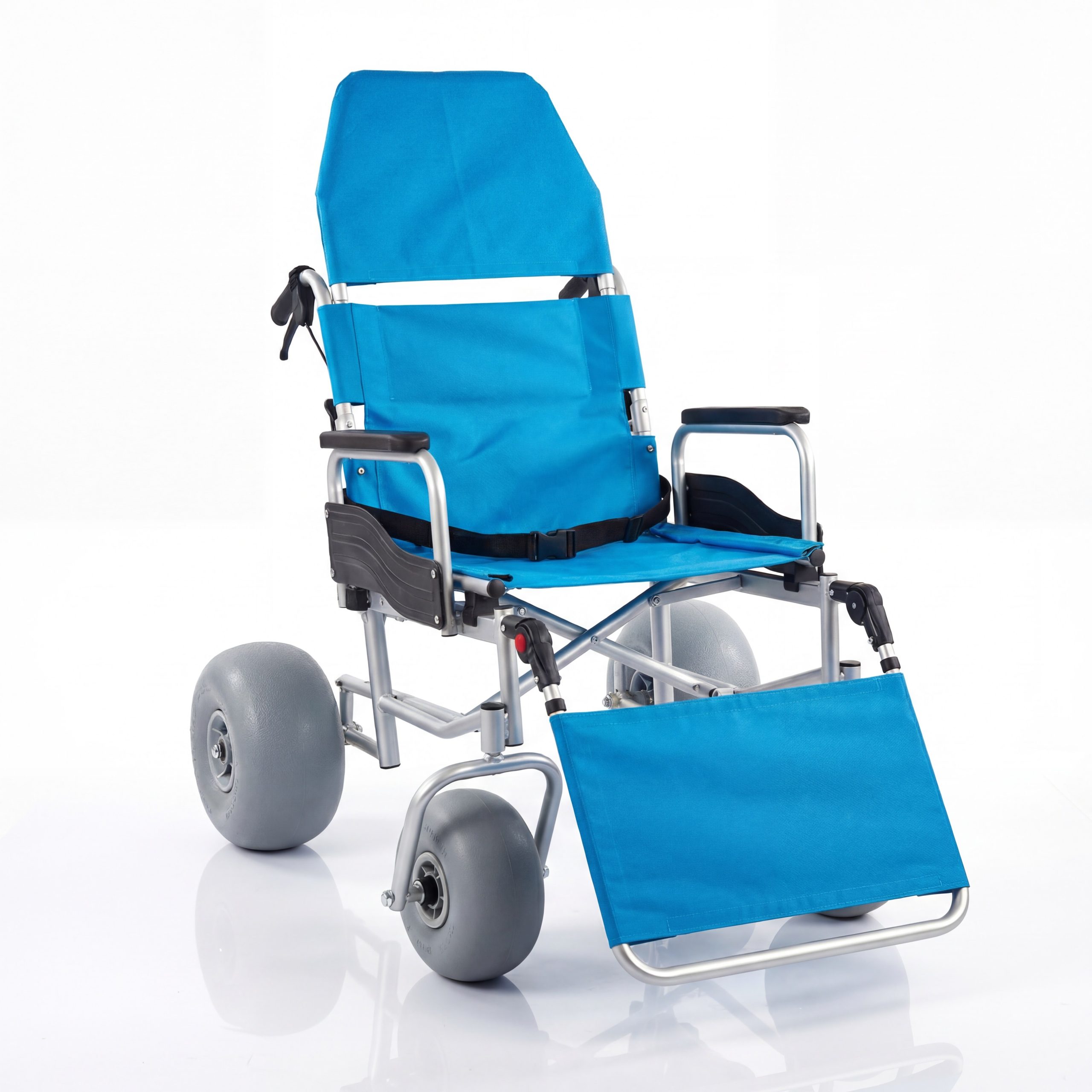
The AY-ST-V2.0 manual describes a folding carbon-steel frame with epoxy paint, stainless-steel fork, removable upper backrest and adjustable leg support. It lists a 45 cm seat width, 43 cm seat depth and overall dimensions of 120 × 110 × 122 cm. These manufacturer-listed dimensions are starting points for a sample comparison. Record actual measurements, the setup and the reference points used. AY-ST-V2.0 manufacturer manual, pages 2–5
Choose the acceptance questions before the demonstration
For a resort land service, a useful question might be whether the configured chair can reach the proposed viewing area and return with the site’s actual staff and handling arrangements. A distributor may also need to know whether a bulk shipment will include the same upper support, wheel fittings and instructions as the sample. Write each requirement beside the proposed method and the person authorised to decide the result.
| Requirement | Evidence from this sample | What remains outside that finding |
|---|---|---|
| Fit through storage access and turn at collection | Configured dimensions, measured opening and an empty handling trial. | Another building, different support position or an occupied trip. |
| Supplied wheels and controls function as instructed | Identified front/rear assemblies, fittings and results of the permitted empty checks. | Universal performance over all sand or slopes. |
| Seating and supports match the order | Part references, photographs and engagement checks for the high back and leg support. | Individual fit and positioning for a particular visitor. |
| The supplier can repeat the configuration | Accepted drawing, parts list, instruction revision and agreed change notification. | Automatic acceptance of every subsequent shipment. |
Follow one sample through the proposed service
Have a trained person prepare the empty unit on firm, level ground using the applicable instructions. Verify the larger rear and smaller front wheels at their intended positions, attachment and retention, the frame, high-back connections, chosen support settings and applicable brake functions. Record any rubbing, failed engagement or missing part before asking for correction. An unresolved equipment fault stops the affected trial.
Inspect the route from store to collection, the limiting gate or turn and the return. Record surface and direction for each observation. A participant stage requires suitable assessment, agreed assistance and consent under the operator’s land-service plan. An empty-chair trial can reveal interference and handling difficulties. It cannot establish clinical fit or approve an occupied vehicle journey. Park route assessment with the V2.0
Return the chair to the care and storage area after the permitted checks. Can staff reach the connections for inspection, dry the seating and keep detachable parts with the correct unit? A sample that passes through the route but cannot be stored in its assigned state may require a different operating plan.
Retest the part that changed
Suppose the sample’s leg support will not hold its instructed position. Keep that finding with the sample ID. If the supplier replaces a fitting, identify the replacement and who installed it. Repeat engagement and any affected clearance checks, and update the proposed production list. An informal demonstration can be stretched into unsupported acceptance when the original and corrected assemblies share one unqualified “pass.”
State the final decision in writing. Identify the accepted sample and revision, checked tasks, excluded uses, outstanding evidence and permitted next step. Keep significant unresolved faults on hold. Include the accepted configuration and deviations with the purchase order so the receiver can compare delivered units against that reference. Receiving an AY-ST-V2.0 shipment