
A USA beach wheelchair plan should connect arrival routes, beach surfaces, equipment, staffing and local authority checks before procurement. When buyers ask about beach wheelchairs in the USA, they often begin with a chair. Public access work needs a different starting point: map a usable route, then select equipment that supports a defined service. The U.S. Access Board’s ABA outdoor developed areas guide treats beach access routes as site elements, while ADA design standards provide program-access context for state and local government services rather than a beach-chair specification.
This article gives councils, beach managers, resorts, and distributors a practical brief. Federal ABA beach-route provisions mainly concern federal facilities, federal lands, and relevant federal projects. Local public beaches and private operations must identify their own governing rules. A product photo cannot prove compliance, and no chair should be described as certified or legally sufficient without a separate authority review.
1. What should a USA beach wheelchair plan start with?
Still, plan the route before choosing a chair. A route describes how visitors reach a meaningful beach destination; a chair describes how staff or visitors may move across a particular surface. One cannot replace the other. A buyer who starts with a catalogue may receive a useful device yet still leave a broken link between parking, boardwalk, sand, water edge, and return point. For that reason, keep the United States route plan tied to a named site.
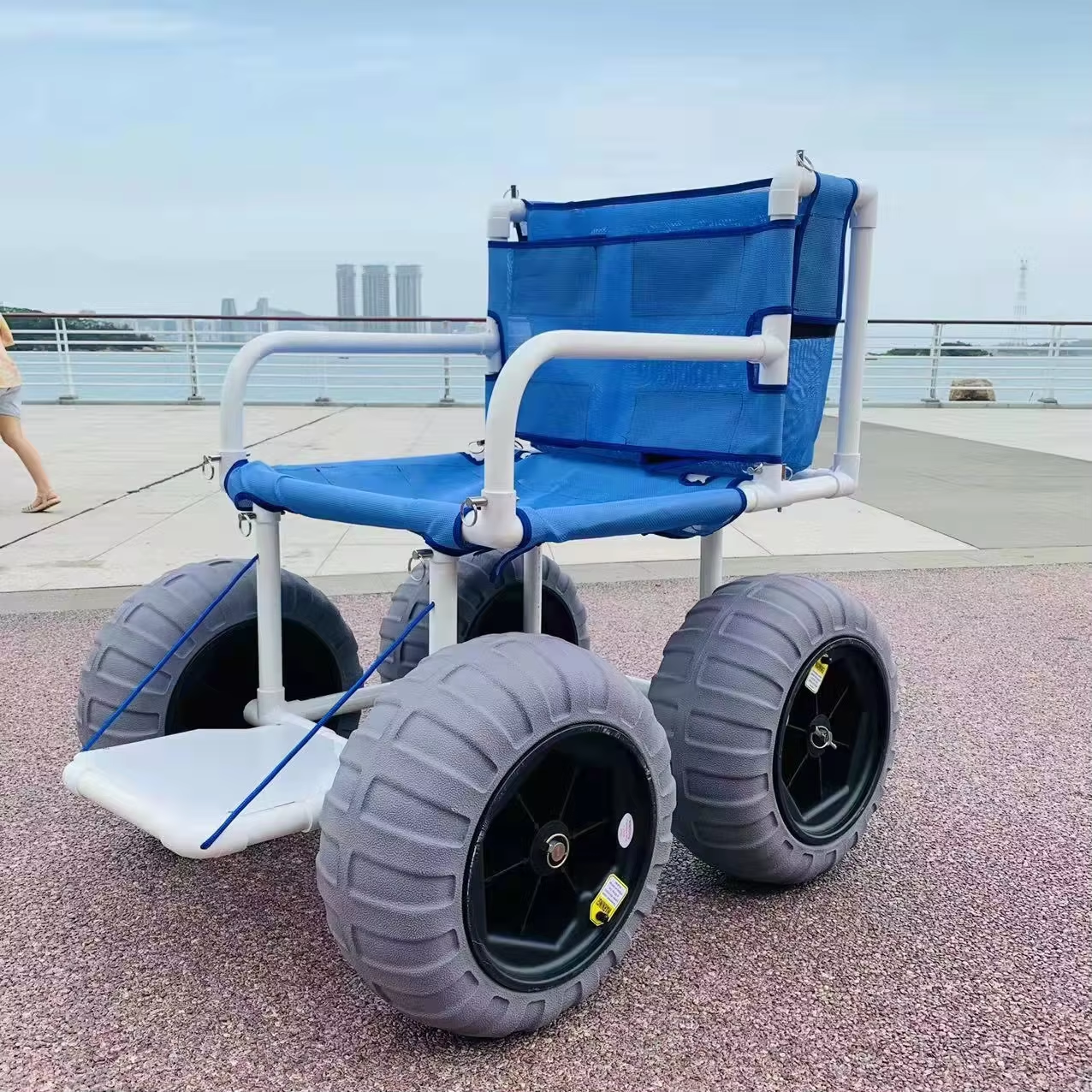
- For example, mark arrival, transfer, route, stopping, and return points.
- Then, record surface changes, loose sand, wash zones, and access restrictions.
- However, assign ownership for route work, equipment, staff, and public information.
In fact, here is the dividing line. A route is a site decision; a chair is a service tool. Buyer action: approve a simple site sketch before requesting product quotations. That sketch should show what a person can reach without borrowing a chair, then show where a loaned chair adds useful reach.
However, teams comparing route materials can also review an accessible beach mat as a separate route component, not as a substitute for the whole site plan.
Route, chair, and service roles
| Layer | Buyer question | Evidence for approval |
|---|---|---|
| Route | Can a visitor reach a meaningful beach point? | Site sketch and surface notes |
| Chair | Which movement task needs assistance? | Use case and equipment brief |
| Service | Who lends, guides, checks, and stores it? | Named roles and daily procedure |
2. What does the federal ABA guide actually cover?
For example, the federal ABA guide covers outdoor developed-area access-route planning within its federal scope. It discusses route endpoints near relevant water levels, permanent or removable routes, and site conditions that affect travel. That guidance does not turn every public or private beach into a federal facility, nor does it prescribe one wheelchair model. A buyer should treat it as a source for route thinking, then confirm which authority controls a site. In practice, local authority evidence should settle this United States question before procurement.
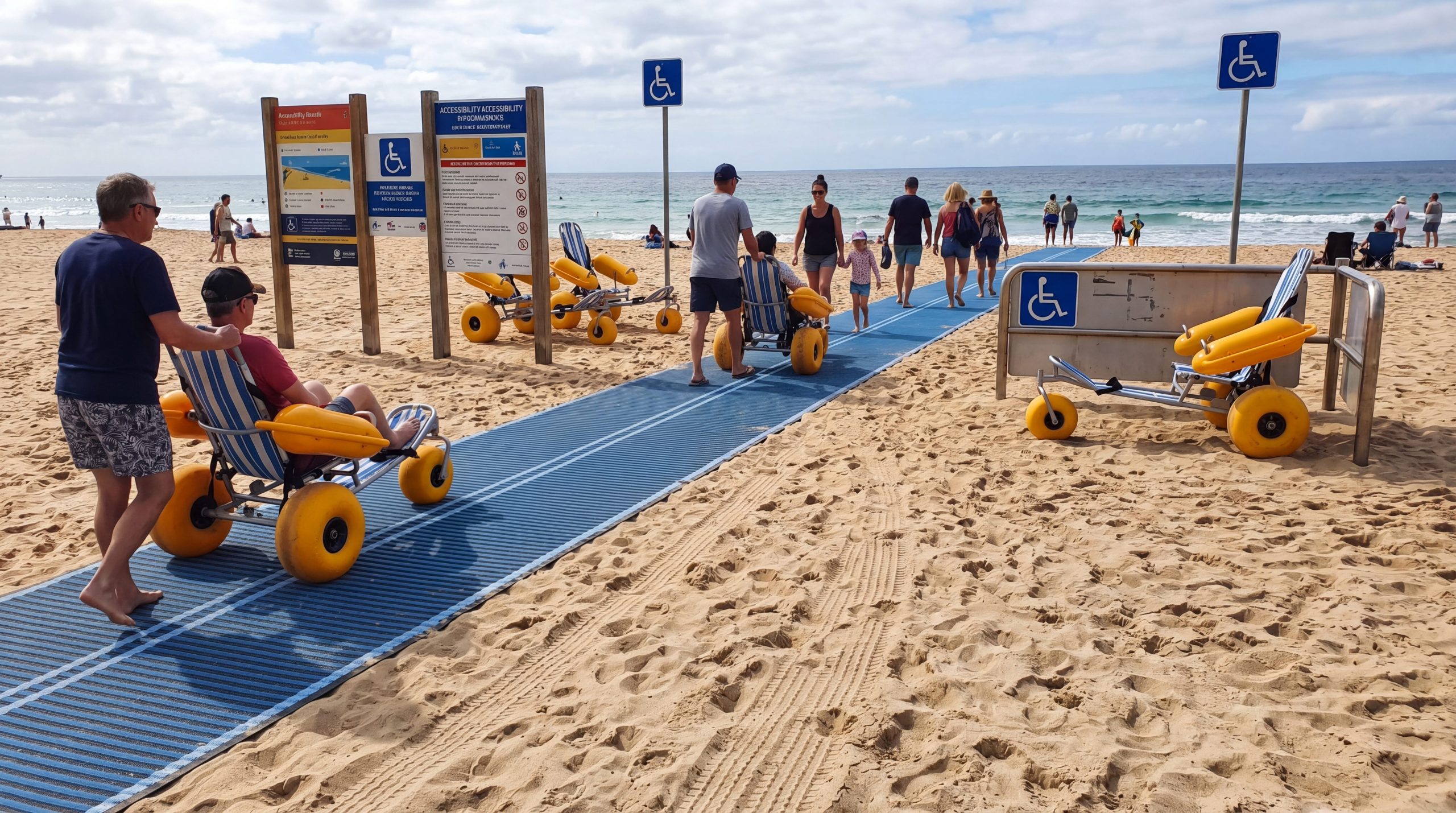
- Also, identify whether land or a project falls within federal ABA scope.
- Instead, compare route conditions at relevant water and weather levels.
- For that reason, separate permanent works from removable seasonal equipment.
However, scope sets the boundary. Buyer action: place a jurisdiction column beside every route requirement in a procurement sheet. Ask a responsible facilities or land manager to confirm whether federal guidance applies, and keep local coastal, environmental, concession, and procurement checks as separate work.
Federal scope versus local site work
| Question | Federal guide can inform | Buyer still confirms |
|---|---|---|
| Route endpoint | Relationship with relevant water levels | Local destination and operating window |
| Route form | Permanent or removable approaches | Permit, maintenance, and seasonal method |
| Equipment | Need for a route beyond a chair | Model fit, training, and service controls |
3. How should local ADA program access shape planning?
Instead, use ADA program access as a service-planning question, not as a product label. A local government should review how residents and visitors receive a beach service, how information is offered, and what reasonable operational changes may be available. ADA design standards do not state that one beach wheelchair satisfies program access. They also do not remove the need to examine site-specific route, land, and service decisions. At the same time, record who owns each United States service handoff.
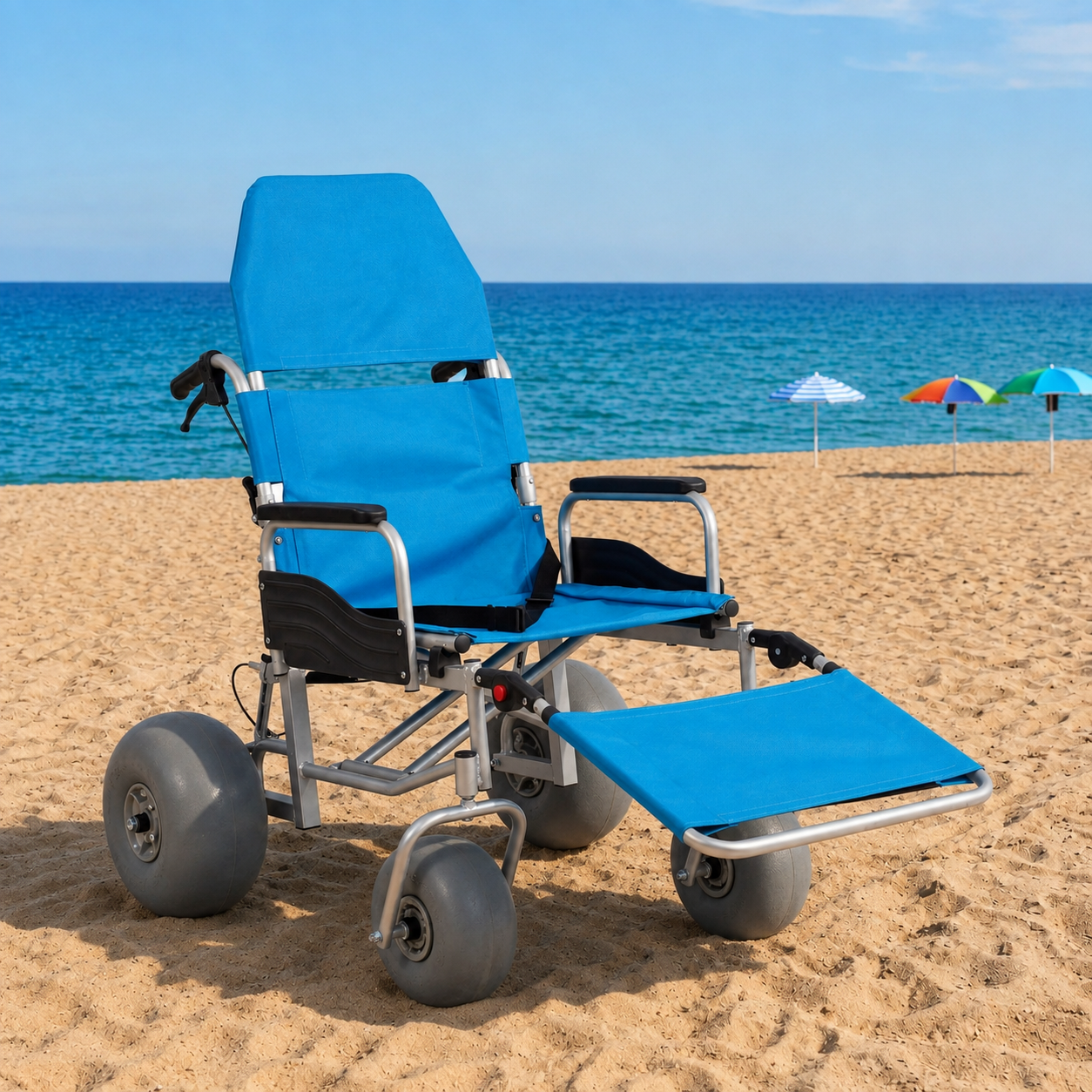
- Meanwhile, name the public service being offered and its access points.
- Still, check booking, loan, assistance, communication, and complaint routes.
- At the same time, record alternatives when a particular shoreline point cannot operate safely.
Also, program access changes the brief. Buyer action: ask a program owner to review visitor steps from request through return, then give that review to procurement. This keeps an equipment purchase connected with a public service rather than treating a chair as a stand-alone legal answer.
Because of that, an applications overview can help teams describe use settings, but local program review still belongs with the responsible authority.
A program-access review
| Service stage | Review prompt | Record |
|---|---|---|
| Request | Can a visitor find out how access works? | Public contact route |
| Arrival | Can staff explain available options? | Handoff script |
| Use | Are route and equipment roles clear? | Operating boundary |
| Follow-up | Can a concern reach an owner? | Response path |
4. What should a route-to-water site survey record?
Meanwhile, record a continuous experience from arrival through the chosen destination. A useful survey notes transitions rather than only measuring one strip of sand. Capture parking or transit arrival, firm walking surfaces, gates, boardwalk links, sand depth, water-edge changes, shade, waiting areas, and return movement. Photographs help teams discuss a site, but they do not establish a legal condition or prove that a route will work on another day. For example, verify this step during normal United States beach operations.
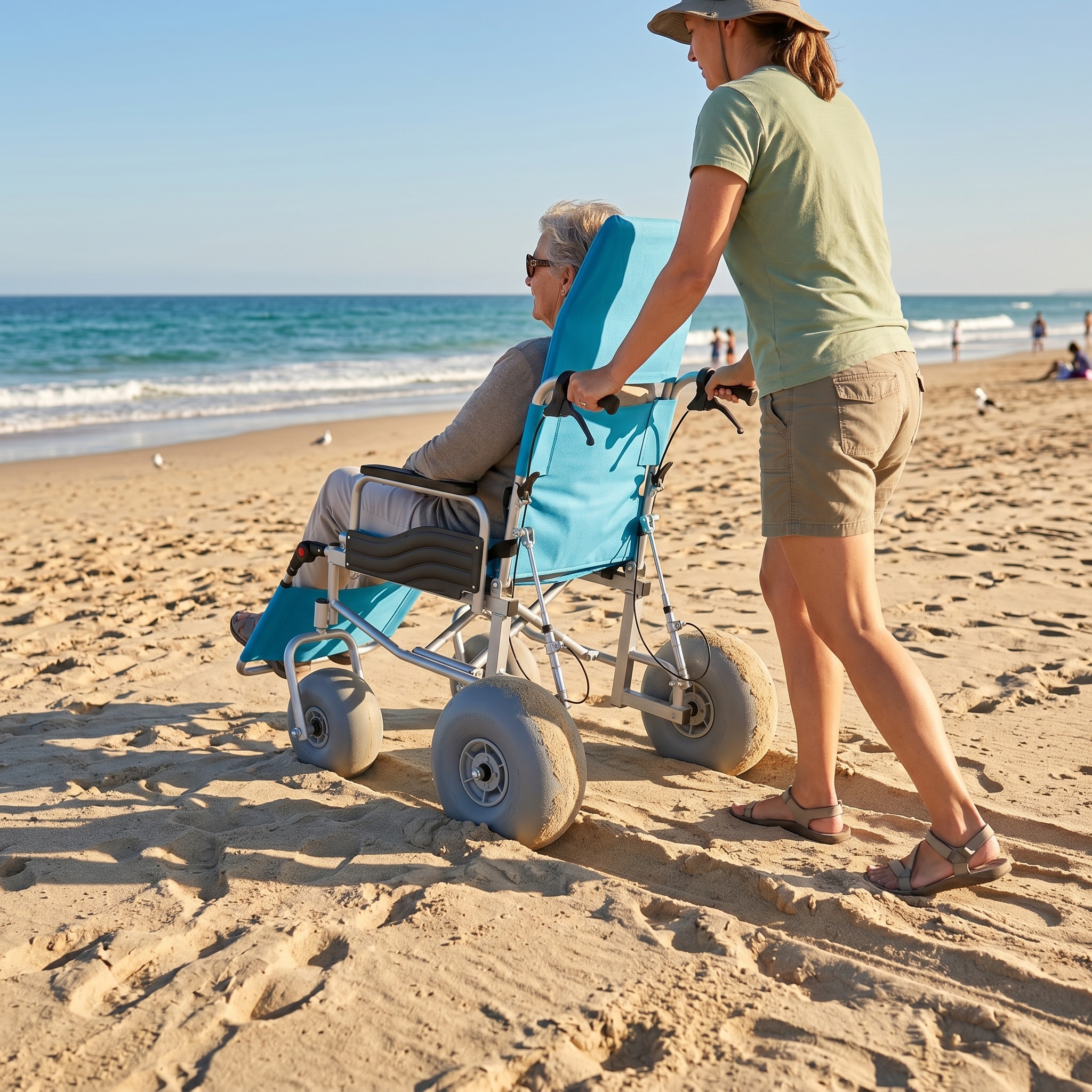
- In practice, walk the intended line with a site manager and an access adviser.
- As a result, note tide, wind, wet sand, loose sand, and crowd changes as observations.
- In fact, mark points where staff support or a temporary closure may be needed.
Meanwhile, walk the route before you buy. Buyer action: run a repeatable survey at more than one operating condition, then attach notes to each quotation request. A supplier can discuss wheel and frame choices only after a buyer explains where movement begins, changes, stops, and ends.
In fact, for loose-surface comparisons, an all-terrain beach wheelchair page can provide product context without proving a site will work.
Site-survey fields
| Field | Why it helps | Buyer output |
|---|---|---|
| Surface sequence | Shows where travel changes | Route sketch |
| Destination | Defines meaningful access | Service endpoint |
| Conditions | Captures change over time | Operating notes |
| Support points | Assigns staff presence | Handoff plan |
5. When does a chair add value beside a route?
As a result, a chair adds value when a defined user need remains after route planning. Wide wheels, a push handle, a floating configuration, or a removable format may suit different tasks, yet a buyer must connect each feature with a place and a supervised service. A manual beach chair may support movement across soft sand; a floating chair may support a water-entry service. Neither automatically replaces a route or creates permission for assisted bathing. However, keep product facts separate from United States site promises.
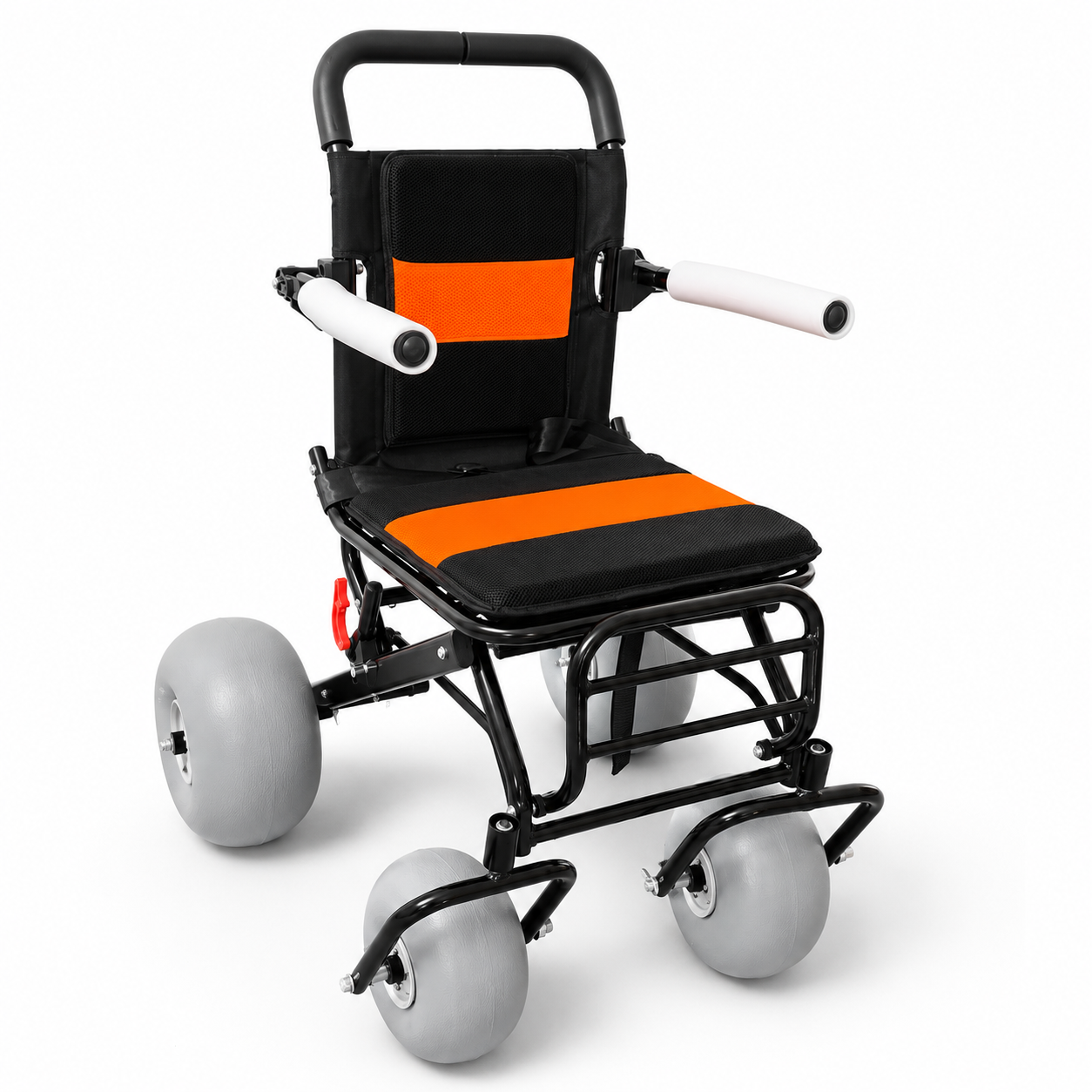
- However, match each chair type with one documented use case.
- In fact, state whether movement needs a visitor, attendant, or trained team.
- Then, keep water use, transfer help, and emergency response as separate decisions.
For example, equipment starts where route planning ends. Buyer action: write a one-page use case before comparing frames or colours. Include surface, user handoff, storage point, staff role, and stop conditions. Link any product review to that page so a low price does not become the sole selection reason.
For that reason, water-edge teams can compare a floating water beach wheelchair as a distinct service question, with supervision and local controls kept in the brief.
Match equipment with tasks
| Task | Equipment discussion | Boundary to state |
|---|---|---|
| Soft-sand movement | Wheel and push arrangement | Route and staff still matter |
| Water-edge support | Buoyant or floating format | Supervision and local rules |
| Transport between points | Fold or storage discussion | Vehicle and handling plan |
6. How can councils separate route and equipment budgets?
Then, create separate budget lines for route works, movable access products, staffing, storage, maintenance, public information, and review. Separate lines make responsibility visible. They also keep a route project from being approved on the strength of a chair quotation alone. A small operating service can require recurring labour and checks even when capital equipment looks simple. Meanwhile, give staff a written United States service boundary they can repeat.
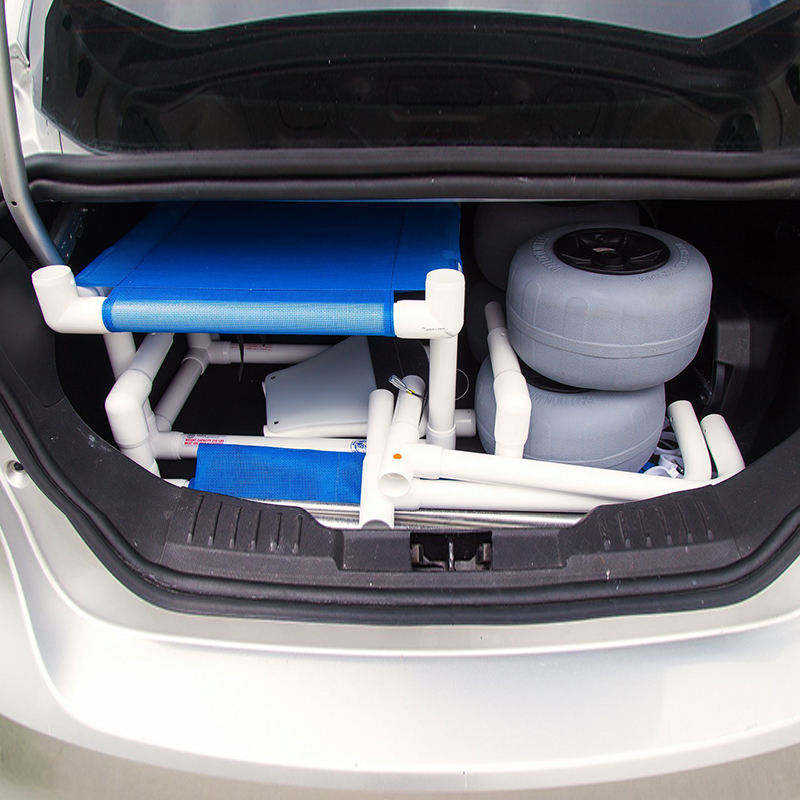
- For that reason, assign fixed or removable route work to a site owner.
- Even so, keep equipment, spares, cleaning, and storage with a service owner.
- Still, place training, opening checks, and public updates with an operations owner.
Still, budget lines should mirror responsibilities. Buyer action: ask finance and operations to sign the same cost map before a bid is released. Mark one-time, seasonal, and recurring costs without inventing prices. A procurement file becomes easier to defend when each cost has a person who can explain it.
At the same time, past beach accessibility projects may help a team frame documentation questions, but they do not establish a local budget or approval.
Budget ownership map
| Cost family | Typical owner | Review question |
|---|---|---|
| Route | Facilities or land manager | What permission and upkeep apply? |
| Equipment | Access-service manager | What task and storage plan apply? |
| Operations | Beach or recreation team | Who opens, assists, and checks? |
| Information | Service communications | What will visitors be told? |
7. What should a beach service brief ask suppliers?
Even so, ask suppliers for evidence that answers your site brief, not for broad claims about every beach. A useful request describes route surfaces, intended service, users, storage, staff handling, cleaning, water exposure, and the kind of delivery support needed. It invites comparable responses without telling a supplier that a product already has a legal status. As a result, every quotation can answer the same United States decision.

- At the same time, request a clear description of intended surface and service role.
- Specifically, ask which setup, inspection, cleaning, and storage steps the supplier documents.
- As a result, ask what information remains for local fit, risk, and authority review.
As a result, a clean brief saves a messy handoff. Buyer action: send identical questions to each shortlisted supplier, then score answers against site evidence. Do not ask for a certification the source material cannot support. Ask for drawings, manuals, visible components, and stated limits where those documents exist.
Before purchase, if handling volume matters, a lightweight beach wheelchair can be one option in a task-based comparison rather than a universal answer.
Supplier-response checklist
| Request | Useful response | Buyer check |
|---|---|---|
| Use case | Plain description of intended task | Fits site brief |
| Handling | Assembly, movement, and handoff notes | Staff can follow |
| Care | Cleaning and storage guidance | Fits local routine |
| Limits | Stated exclusions or conditions | Added to public brief |
8. How should staff manage lending and assisted use?
In practice, run lending as a service with a clear handoff, not as an unattended object placed beside a path. Staff need a reservation or queue method, a condition check, an explanation of route boundaries, and a return record. A visitor may need personal assistance that staff cannot provide; the service should state where responsibility changes and who to call in an incident. Before approval, attach a date and responsible United States service owner.
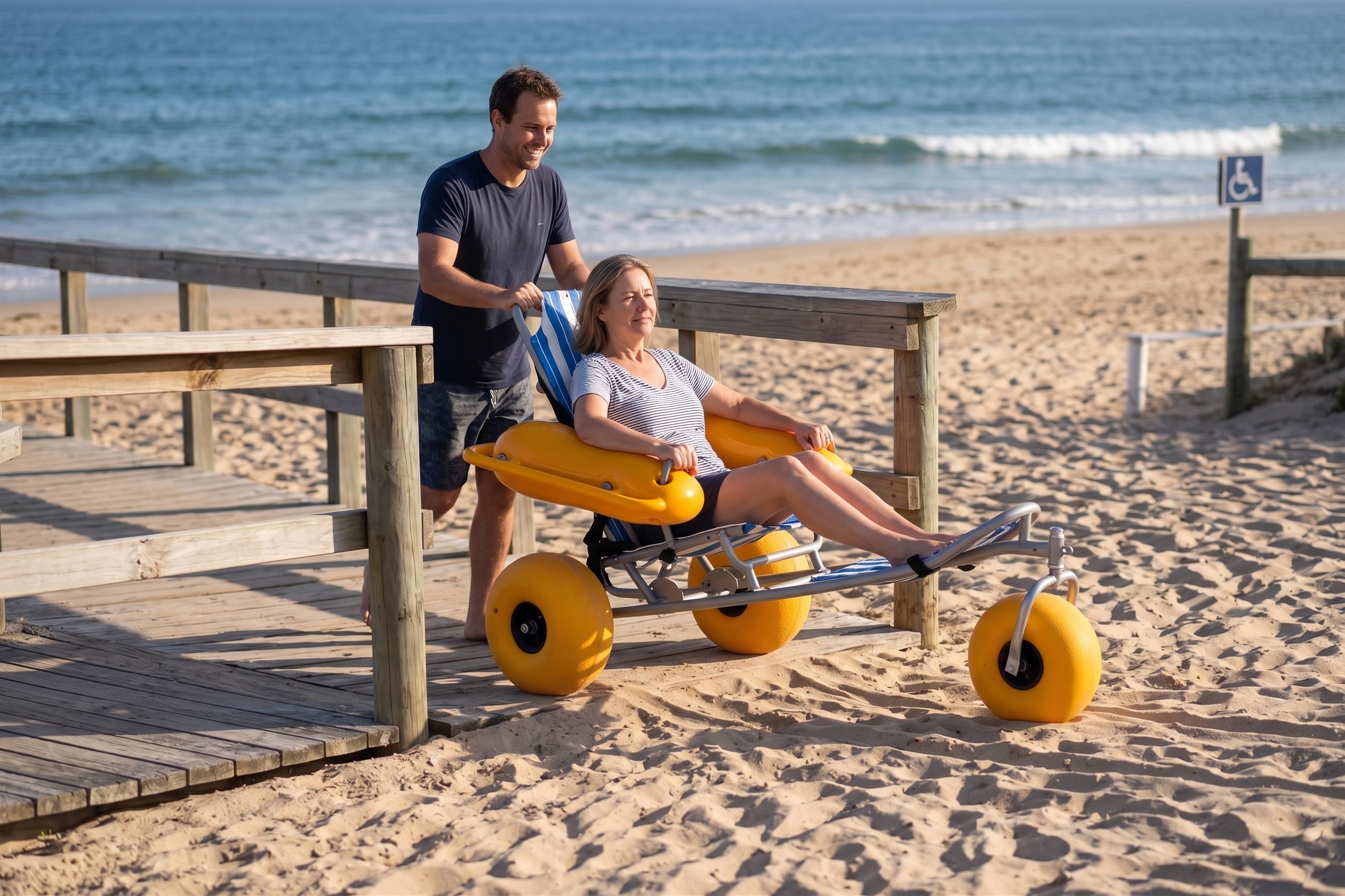
- At first, check frame, wheels, supports, and visible fittings before each loan.
- Then, explain route, water, weather, and return boundaries in plain language.
- Afterward, record faults, near misses, repairs, and staff observations.
At the same time, service design lives in daily details. Buyer action: let staff rehearse one booking, handoff, pause, and return before opening a public service. Keep a short script that describes available help without promising personal care, rescue, or a particular outcome.
During review, use the beach wheelchair user manual as a document reference only after the selected model and local operating procedure are confirmed.
Daily service controls
| Control | Staff question | Record |
|---|---|---|
| Check-in | What condition arrived? | Loan record |
| Briefing | What can this service provide? | Visitor acknowledgement |
| During use | Who monitors changing conditions? | Contact or patrol note |
| Return | What needs cleaning or repair? | Closeout record |
9. How can buyers review claims before approval?
At that point, review every claim against its source, its jurisdiction, and its operating context. A sentence about an ABA route should not become a claim about an ADA chair. A supplier statement about a frame should not become a public promise about every user or beach. Use a claim register with source links, responsible reviewers, and plain-language wording approved for public material. During review, leave unsupported United States claims marked open.
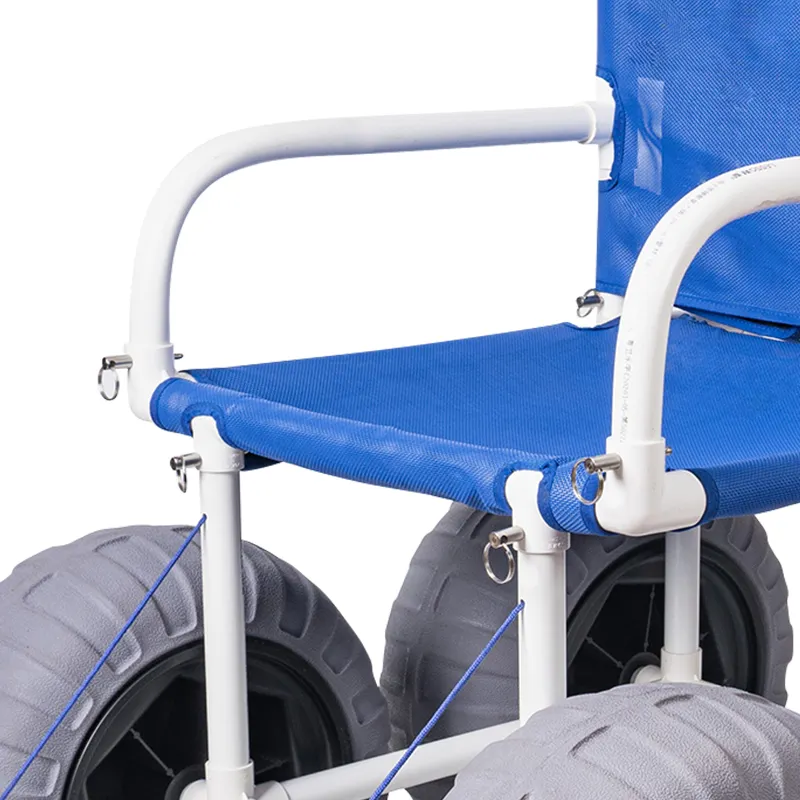
- For example, mark official source, local interpretation, supplier statement, and open question separately.
- Also, ask an access or legal reviewer to examine public-facing compliance language.
- Instead, remove certification, grant, performance, or safety language without evidence.
Instead, evidence belongs beside every promise. Buyer action: hold a short claim-review meeting before purchase approval. Keep a versioned sheet showing what can be said, what needs local confirmation, and what has been omitted. That record protects procurement staff from turning a helpful concept into an unsupported guarantee.
Claim-review register
| Claim type | Acceptable wording | Hold for review |
|---|---|---|
| Federal route | Guide supports route planning within scope | Site automatically compliant |
| Local service | Team plans a defined public service | Chair satisfies ADA |
| Product | Supplier describes visible features | Universal fit or outcome |
| Funding | Budget has an identified owner | Grant eligibility promise |
10. What should a USA buyer do next?
On the other hand, start with a site meeting that includes facilities, beach operations, procurement, and people who use access services. Approve a route sketch and service boundary before selecting a chair. Then request comparable supplier answers, review maintenance and staffing, and confirm local or federal jurisdiction with the responsible authority. That sequence keeps route, chair, and program access in their proper lanes. Afterward, update United States visitor information when conditions change.
- Afterward, define the destination a visitor should reach.
- Later, identify the team that owns route and equipment decisions.
- Also, list evidence still needed before public claims or approval.
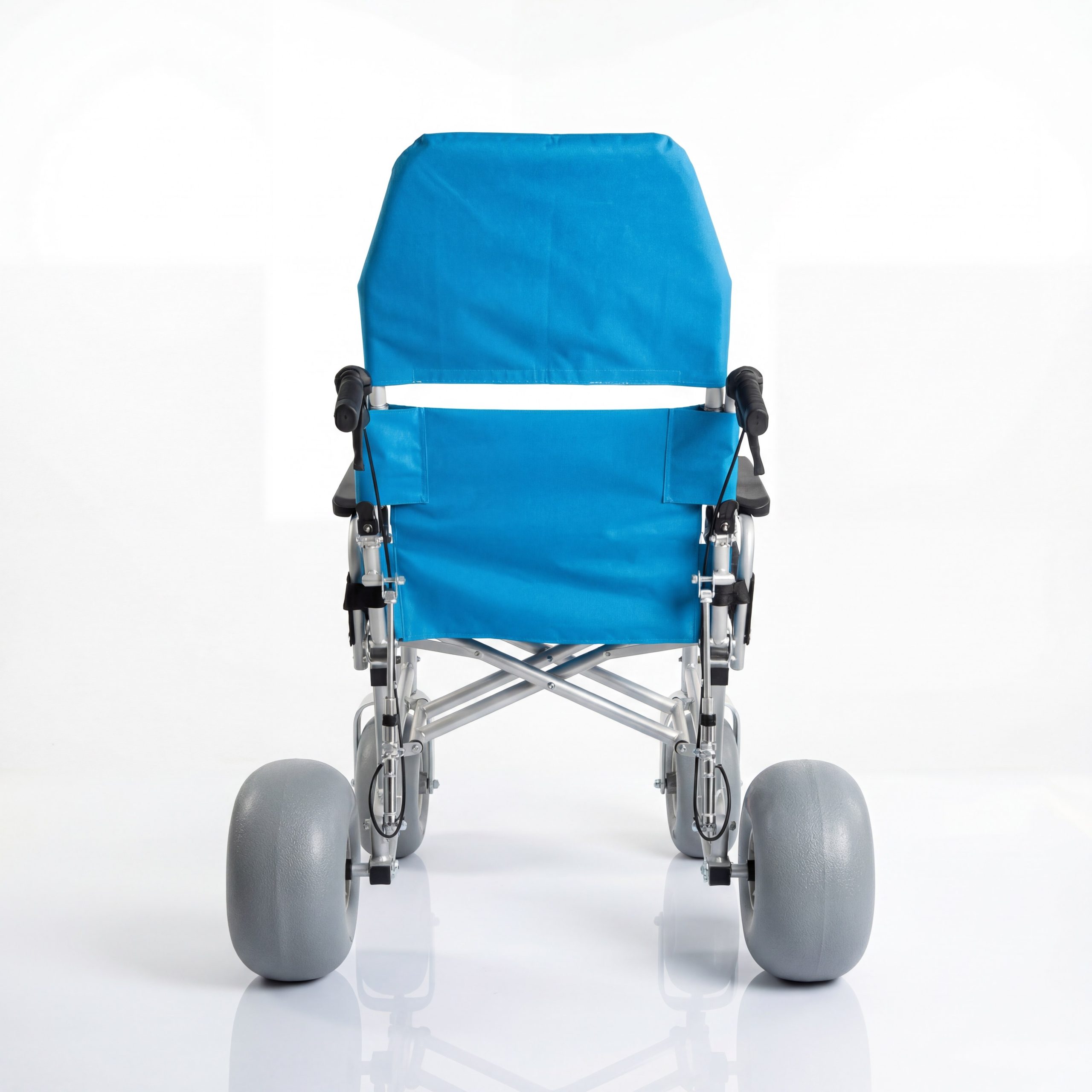
For that reason, one clear decision keeps work moving. Buyer action: issue a short internal brief with route map, operating window, equipment task, staffing plan, and jurisdiction questions. For a product conversation tied to that brief, contact us with your site conditions and service role. We can discuss a product fit without treating a photograph as proof of local compliance.
Common buyer questions
Q1: Does a beach wheelchair replace an accessible beach route? In practice, no. A chair can support a defined movement service, while a route remains a site and access-planning question.
Q2: Does the ABA guide apply to every USA beach? For example, no. Its beach-route provisions mainly concern federal facilities, lands, and relevant federal projects. Confirm local rules separately.
Q3: Does ADA design guidance specify one chair? However, no. ADA standards provide program-access context for state and local government services, not a model or product approval.
Q4: Should a council buy a chair before surveying sand and water conditions? Also, a site survey should precede a purchase. Surface, destination, staff role, storage, and seasonal conditions shape a useful brief.
Q5: What should a supplier quotation include? For that reason, ask for the intended task, handling, care, storage, stated limits, and documents that help your team review fit. Keep local authority checks separate.