Any therapeutic use should follow an individualized plan led by a qualified healthcare professional. Do natural seaside settings and specialized mobility devices support water rehabilitation? Yes, floating beach wheelchairs provide a safe, supportive transition from dry sand into therapeutic water environments, enabling structured rehabilitation sessions in natural shorelines and shallow pools. Imagine a scenario where an eager participant with mobility challenges wishes to join outdoor sensory exercises, but the rough terrain and shifting tides block their progress. This frustrating barrier often prevents clinical therapists from utilizing natural coastal environments for their patients. By introducing a dedicated floating beach wheelchair into your program, you can with less handling effort bridge this gap and provide refreshing rehabilitation opportunities.
How does a floating beach wheelchair support therapy?
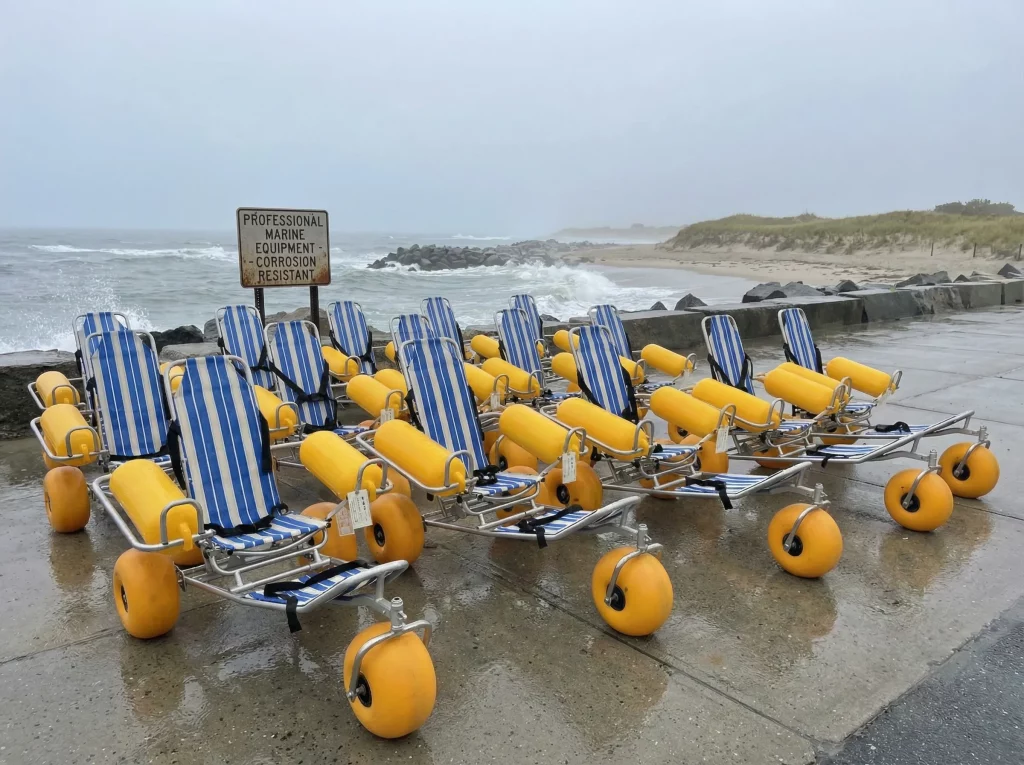
A floating beach wheelchair supports therapy by allowing patients to move smoothly from sandy shores directly into therapeutic shallow waters. The specialized design utilizes buoyancy-assisted frames to keep users stable and upright during movement. This smooth transition lets clinical specialists run structured rehabilitation sessions in natural water environments safely.
What physical benefits are achieved?
Aquatic therapy in natural settings helps relax tight muscle groups and improves joint movement. By utilizing natural resistance, patients can rebuild strength without putting excess pressure on their joints. The gentle motion of waves adds a sensory element that stimulates physical coordination.
- For example, decreased impact on sore skeletal joints
- Also, improved blood flow from gentle water resistance
- In addition, improved range of motion in safe environments
How does the design maintain stability?
Here’s the practical point: the engineering utilizes a tri-point base configuration to stabilize weight distribution. The lower center of gravity reduces the chance of tipping, even when waves create movement. The floating armrests also act as side stabilizers to keep the frame balanced.
| Feature | Stability Function |
|---|---|
| Tri-Point Base | Supports a wider stance on uneven ground |
| Floating Armrests | Offers lateral support in shallow water |
Understanding these features helps staff plan approved shallow-water movements and recognize when to stop.
Key Takeaway: The physical engineering of the device supports the user by balancing flotation and ground contact. Therapists can focus properly on muscle exercises rather than constantly balancing the equipment in moving currents.
Who benefits from a floating beach wheelchair session?
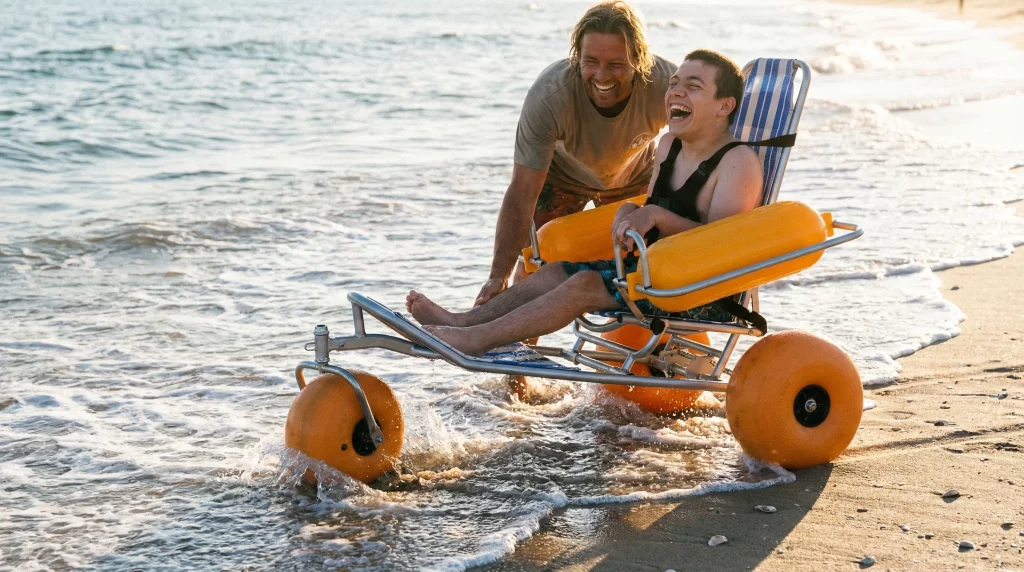
Some people with mobility limitations may be considered for a clinician-led floating beach wheelchair session after an individual assessment. This equipment allows users to cross difficult sandy paths to participate in water exercises safely. It provides an inclusive path for people who cannot use standard mobility aids on the beach.
Which patient groups gain the most?
Patients recovering from major joint operations or living with permanent physical disabilities get immediate relief in water environments. Pediatric patients with sensory needs find the gentle water movement soothing and engaging. Elderly individuals also find the stable, buoyant support helpful for balance exercises.
- Next, post-operative orthopedic patients
- For example, children with sensory processing difficulties
- Also, seniors requiring low-impact balance training
Why is outdoor therapy effective?
What matters next? Natural coastal settings provide sensory stimulation that indoor clinical pools directly cannot match. The fresh air, sunlight, and natural sounds help lower stress hormones during difficult exercises. This combination improves patient compliance and makes therapy sessions more enjoyable.
| Environmental Factor | Therapeutic Benefit |
|---|---|
| Natural Sunlight | improves mood and vitamin production |
| Open Space | Reduces clinical anxiety for patients |
This psychological lift translates directly into improved physical efforts during sessions.
Key Takeaway: Combining natural elements with specialized equipment improves patient outcomes. Outdoor water therapy increases participation rates because sessions feel like recreation rather than clinical work.
What makes a floating beach wheelchair safe in water?
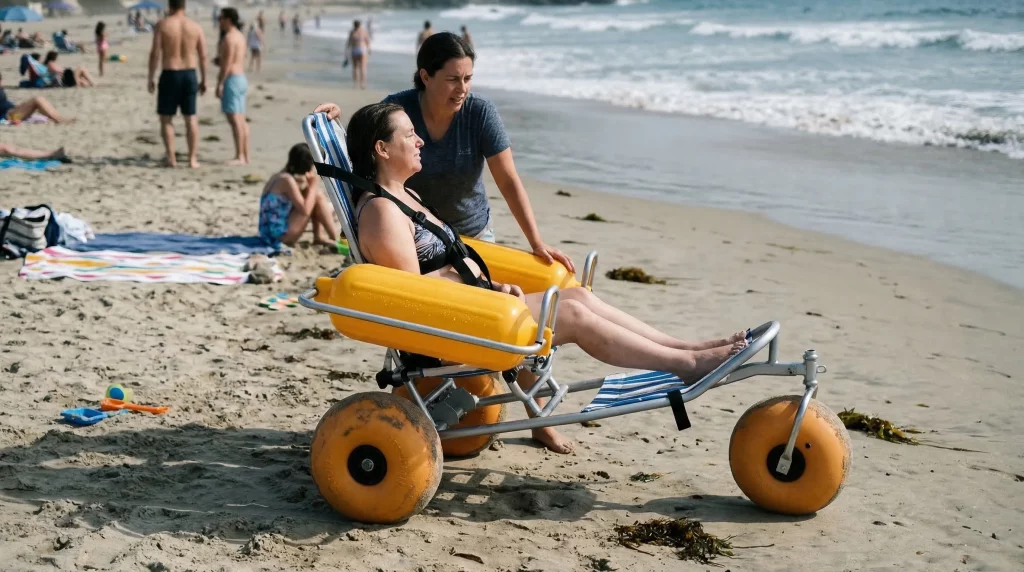
A floating beach wheelchair can support controlled water entry only when the model instructions, user fit, qualified supervision, and site conditions align. Buoyant components support flotation within documented limits, while staff must monitor posture, water depth, and the exit route throughout the session. In addition, CDC drowning-prevention guidance reinforces the need for close, capable supervision around water.
What are the key safety components?
Think about this: a multi-point safety harness supports the user from sliding forward during transitions. The marine-grade aluminum frame resists the destructive effects of constant saltwater exposure. Highly visible orange armrests help lifeguards and assistants keep track of the patient with less handling effort.
- In addition, marine-grade corrosion-resistant metal frame
- Next, integrated quick-release chest harness straps
- For example, high-visibility flotation armrests for tracking
How do therapists manage water safety?
Therapists must evaluate water depth limits and current strengths before starting any beach exercise session. A trained assistant must stay with the patient to guide the chair and maintain steady control. This supervision makes sure the patient remains in safe, calm waters at all times.
| Review Area | Practical Guidance |
|---|---|
| Water conditions | Use only calm, controlled, designated zones |
| User fit | Confirm the model instructions and harness adjustment |
| Attendant control | Maintain hands-on supervision throughout use |
By maintaining these boundaries, clinics avoid unnecessary safety issues in changing shorelines.
Key Takeaway: Standardized safety rules combined with rugged equipment design create a secure environment for water therapy. Caregivers can confidently direct rehabilitation exercises knowing the equipment is built to handle coastal conditions.
Can a floating beach wheelchair enter therapy pools?
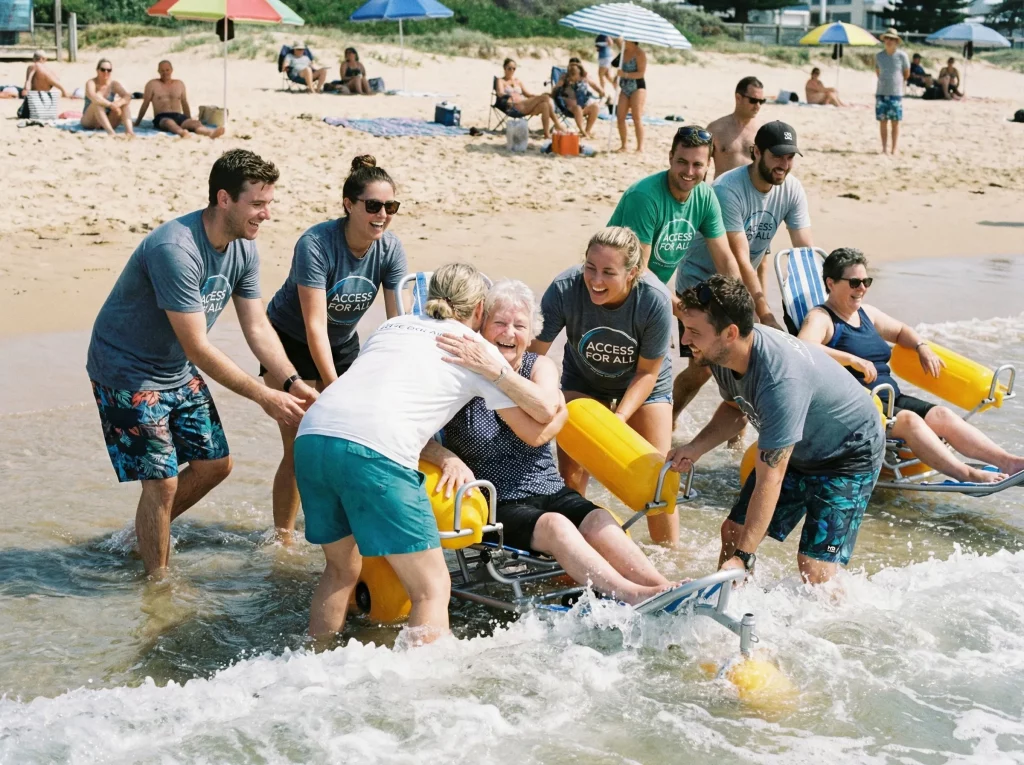
Yes, a floating beach wheelchair can enter therapy pools with less handling effort, provided there is a ramp or zero-entry slope. The non-marking pneumatic tires glide gently over pool liners without causing damage or leaving scuffs. Because the materials do not degrade in chlorinated water, facilities can move the equipment between outdoor beaches and indoor pools. Before pool use, compare the facility procedure with the user manual resource for the exact model.
What pool requirements are necessary?
Facilities need a sloped entrance or a wide pool ramp to allow the chair to glide down safely. The pool deck must have enough space to turn the unit without hitting walls. Clear water depth guidelines help staff know when the flotation features will engage.
- Also, zero-depth entry slope or wide ramp access
- In addition, non-slip pool deck surfaces for turning
- Next, clear depth indicators for flotation control
How does pool water affect the materials?
Why does this matter? Chlorine and pool chemicals can damage standard metals over time if the equipment is neglected. High-quality marine-grade alloys and specialized fabrics resist this chemical wear effectively. A quick freshwater wash after each pool session keeps the parts in excellent condition.
| Material Type | Resistance Characteristic |
|---|---|
| Marine Alloy Frame | High resistance to chlorine corrosion |
| Mesh Sling Fabric | Quick-drying and mold-resistant mesh |
Selecting the correct materials reduces long-term maintenance costs for indoor facilities.
Key Takeaway: The versatile design allows clinics to improve their investment by using the device in both natural lakes and chlorinated pools. Simple maintenance habits protect the chair’s lifespan across different water environments.
Where can you use a floating beach wheelchair today?
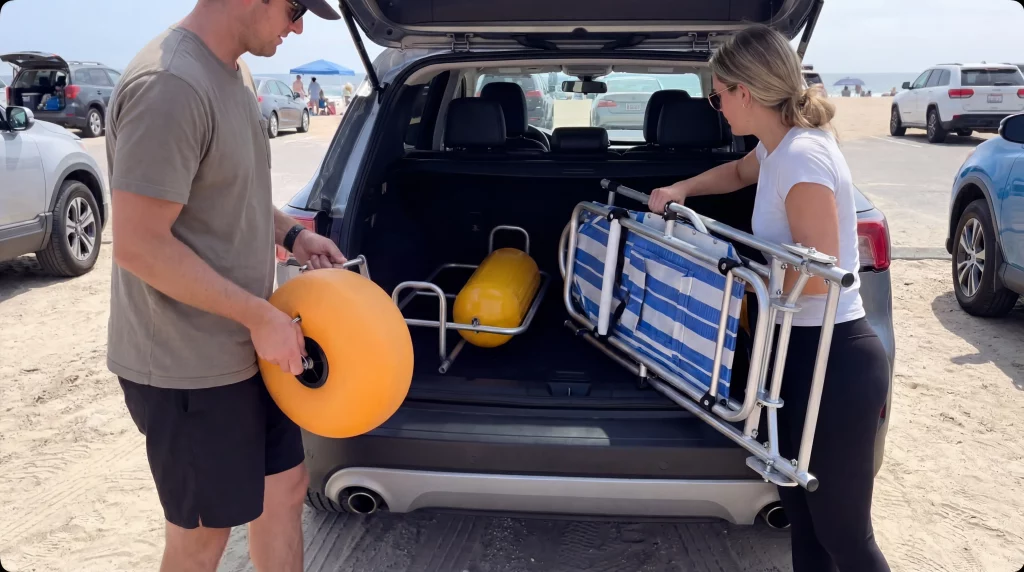
You can use a floating beach wheelchair today at public beaches, resort lagoons, lakeside parks, and modern therapy pools with accessible ramps. Many forward-thinking coastal communities now offer these devices to the public to promote inclusive recreation. Dedicated access pathways make it easier for staff to roll the units from parking zones to the shoreline.
Which locations are best suited?
Protected bay areas and calm lakes with gentle slopes are ideal for these sessions. Heavy wave zones are not recommended because they make balancing the chair difficult for attendants. Public parks with concrete paths leading to the sand provide the smoothest transition.
- For example, calm lakeside beaches with gentle gradients
- Also, protected salt-water bays without heavy surf
- In addition, resorts with paved beach access paths
How do venues plan accessibility?
Here is the real key: successful parks combine these chairs with rollout mats to create a continuous accessible pathway. This system allows users to traverse soft dune sand without getting stuck before reaching the water. Proper storage sheds near the shore keep the equipment ready and protected from weather.
| Infrastructure Component | Operational Advantage |
|---|---|
| Beach Access Mats | Simplifies sand transport for helpers |
| Dedicated Storage | Keeps chairs clean and dry overnight |
Linking path infrastructure with floating mobility devices completes the user journey.
Key Takeaway: direct accessibility requires a combination of accessible paths and specialized water chairs. Planning these items together creates an inviting environment for guests with diverse physical needs.
How does a floating beach wheelchair assist recovery?
A floating beach wheelchair assists recovery by reducing joint loading so patients can perform exercises with less discomfort. Water buoyancy supports the patient’s body weight, allowing them to practice leg movements and core balance safely. This buoyant environment lets patients practice motor patterns that might be too painful on dry land.
How does buoyancy help muscles?
The upward lift of water neutralizes gravity to ease the strain on healing muscles and joints. This weightless state allows patients to rebuild range of motion with minimal pain. Warm shallow waters also increase blood circulation, helping tired muscles recover faster.
- Next, relieves pressure on spinal discs
- For example, lowers pain levels during movement therapy
- Also, allows gentle resistance for muscle toning
What is the therapeutic timeline?
Let’s look closer: early-stage therapy focus is on gentle joint mobilization and muscle relaxation. As physical strength returns, the exercises transition into active resistance training. This gradual approach supports patients from overexertion while making steady physical progress.
| Therapy Phase | Primary Focus Area |
|---|---|
| Initial Phase | Joint mobility and pain relief |
| Progressed Phase | Muscle strengthening and balance |
Tracking these clinical phases helps therapists customize exercises for every individual.
Key Takeaway: Utilizing water flotation makes the transition to land-based exercises much easier and safer. A structured water therapy program builds confidence and physical capacity step by step.
Why use a floating beach wheelchair for rehabilitation?
Using a floating beach wheelchair for rehabilitation combines the healing properties of water with the psychological benefits of natural settings. Therapists can design therapy sessions that feel like refreshing outdoor activities rather than boring indoor clinic work. The safe, stable design allows patients to focus on their movements without worrying about falling.
What are the psychological benefits?
Exercising outdoors supports mental well-being and reduces the feelings of isolation often felt by patients with limited mobility. Natural surroundings stimulate the senses and help lower stress, which speeds up healing. Accomplishing physical tasks in a lake or ocean builds a strong sense of personal independence.
- In addition, lowers depression and stress levels
- Next, restores a sense of personal freedom
- For example, supports motivation to complete therapy
How does this benefit clinical businesses?
This is key: offering outdoor therapy programs helps clinics stand out from competitors. It attracts families looking for complete, modern care options for their loved ones. This service can open up new revenue options through unique outdoor programs.
| Business Area | Impact of Outdoor Programs |
|---|---|
| Brand Image | Positions clinic as purpose-built and caring |
| Client Growth | Attracts patients seeking unique therapies |
Investing in specialized outdoor gear opens doors to a wider, loyal customer base.
Key Takeaway: Outdoor water therapy programs help clinics grow while improving patient care. Combining natural environments with modern mobility aids makes your facility a leader in therapeutic care.
How does a floating beach wheelchair reduce therapist strain?
A floating beach wheelchair reduces therapist strain by utilizing balloon wheels that glide with less handling effort over loose sand, requiring far less physical effort to push. The ergonomic handle design allows caregivers to maintain proper posture while guiding the chair. This prevents back and shoulder strains that often happen when lifting patients over difficult surfaces.
What ergonomic features protect staff?
Large balloon tires roll smoothly over dry sand, reducing the force needed to move patients. The handle heights are carefully positioned to prevent therapists from bending awkwardly. Lightweight frames make steering in water simple and effortless for staff.
- Also, low-pressure tires that glide over dry sand
- In addition, padded pull bars positioned at natural heights
- Next, lightweight frame that handles with less handling effort in water
How does this affect staff retention?
Consider the following: injury rates among physical therapists are often high due to constant lifting. Providing tools that reduce physical strain keeps staff healthy and happy. This investment leads to lower turnover and keeps experienced therapists on your team.
| Operational Metric | Workplace Benefit |
|---|---|
| Lower Injury Rates | Fewer worker compensation claims |
| Staff Satisfaction | Higher retention and team stability |
A healthy clinical team is better equipped to provide high-quality care to patients.
Key Takeaway: Specialized mobility tools protect both the patient and the therapist. Reducing physical strain at work improves staff morale and keeps your facility running smoothly.
Is a floating beach wheelchair useful for stroke patients?
Yes, a floating beach wheelchair may support clinician-led sessions for some stroke survivors because it provides a supportive seat for safe balance and motor exercises in the water. The floating armrests keep the patient upright, which is helpful for those with weakness on one side of their body. Water resistance allows patients to work on walking movements without the fear of falling on hard ground.
How does water therapy aid neurological recovery?
The warm water environment sends calming sensory signals to the nervous system, helping to relax stiff muscles. Safe floating allows the brain to rebuild connections with weak muscles without gravity interfering. This unique setting may let qualified clinicians guide balance and coordination work at an appropriate pace.
- For example, relaxes tight spastic muscles
- Also, provides rich sensory inputs to the brain
- In addition, restores balance without a risk of falling
Why is therapeutic safety critical?
What is the bottom line? Patients with neurological weakness need highly stable support to prevent accidents. Multiple harness straps and stable flotation features protect users throughout their exercises. This strong focus on safety lets patients focus on their healing without fear.
| Safety Need | Equipment Solution |
|---|---|
| Core Support | High-back seating and harness straps |
| Balance Control | Floating armrests for lateral stability |
A secure environment encourages patients to push their limits and reach recovery goals.
Key Takeaway: Water therapy in a secure floating seat can support an approved rehabilitation plan. It provides a gentle, supportive space to rebuild strength and confidence safely.
How can your facility adopt a floating beach wheelchair?
Your facility can adopt a floating beach wheelchair by evaluating your site’s terrain, setting up staff training programs, and purchasing from a trusted manufacturer. It is key to match the equipment with rollout paths to create a complete accessibility setup. Working with experienced suppliers helps maintain you get high-quality products that fit your clinic’s budget. Then use the supplier overview to prepare model-specific questions for the manufacturer.
What steps are needed for launch?
First, evaluate the shoreline gradient and sand thickness at your facility. Next, create a clear set of safety rules for your staff. Finally, store the chairs in a dry, accessible area so they are always ready for therapy sessions.
- Next, evaluate beach slopes and sand conditions
- For example, train therapy staff on safe operations
- Also, build a clean, dry equipment storage space
How do you fund your program?
Here is the breakdown: clinics can often secure funding through government grants, local charity partnerships, or private donors. Many community foundations support local accessibility projects that help residents live healthier lives. This makes purchasing high-quality equipment affordable for facilities of all sizes.
| Funding Route | Practical Advantage |
|---|---|
| Government Grants | Supports public accessibility improvements |
| Private Donors | Fast funding for community health tools |
Using multiple funding sources makes it easier to launch your new therapy program.
Key Takeaway: Securing funding is easier when you show how accessibility benefits the entire community. Our vision is to empower every shoreline facility with specialized equipment, making sure that water-based rehabilitation knows no boundaries and is open to all who seek supervised water access.
Frequently Asked Questions
Can I use a floating beach wheelchair in rough ocean surf? No. High waves and strong undercurrents make sand and water transition unsafe for the user and the helper. These specialized mobility devices are designed specifically for calm, controlled water zones such as protected bay shores, lakes, and quiet swimming pools.
What’s the best way to clean the equipment after saltwater use? A simple freshwater rinse is the finest practice. You must wash down the frame, mesh fabric, and wheels thoroughly with clean water after every outdoor therapeutic session. This routine removes salt residue and fine sand particles, which keeps the mechanical parts moving smoothly and protects the frame from corrosion.
How do I know if my therapy pool is compatible with this chair? Check for a ramp or zero-depth entry slope. The balloon tires are built to glide over pool surfaces without marking, but the pool must have a sloped entrance rather than steps or vertical ladders. This sloped design allows a caregiver to guide the user into the water with minimal physical effort.
Can a patient operate a floating beach wheelchair independently? No, not in this operating approach. A trained attendant should accompany the user and maintain the supervision required by the model and facility procedure. Because changing currents and shifting seabed sand can affect stability, an attendant must maintain constant physical control of the device.
How do I know if this chair will fit in my facility’s standard storage room? Check the dimensions and assembly design. Most models feature modular, tool-free assembly that allows them to be disassembled or folded flat in minutes. This convenient feature makes it simple to store multiple units inside standard clinical equipment sheds or closets when they are not in use.