
Before a visitor leaves their own wheelchair, they should be able to find out who will support the visit, where their chair will stay and whether they can return to it. The staging lead can settle those questions with the visitor while they remain comfortably in their own equipment. Refer decisions about an individual’s transfer method or suitability to the appropriately qualified person under the local procedure.
Look at the space as it will be used
Walk the arrival and return through the staging area with the day’s screens, benches, beach equipment and people in place. Check whether the visitor can enter in their usual device, speak privately and leave if they decide against the outing. A privacy screen that closes off the only clear exit gives the team a layout problem to fix before inviting anyone in.
Identify a secure position for the personal wheelchair, cushion, controls or other items the visitor chooses to leave. Agree what may be moved, who has permission to move it and how its owner can recover it promptly. Mark the position on the staff layout. Use a discreet booking reference for custody and keep personal information out of public view.
Decide whether to offer the transfer
| Readiness question | What the staging lead needs before proceeding |
|---|---|
| Does the visitor want this arrangement? | They know the activity, available assistance, privacy arrangements, how to pause and where their own chair will be returned. |
| Are the assigned staff available now and for the return? | The qualified lead accepts the task and has resolved outstanding assessment or equipment questions under the local procedure. |
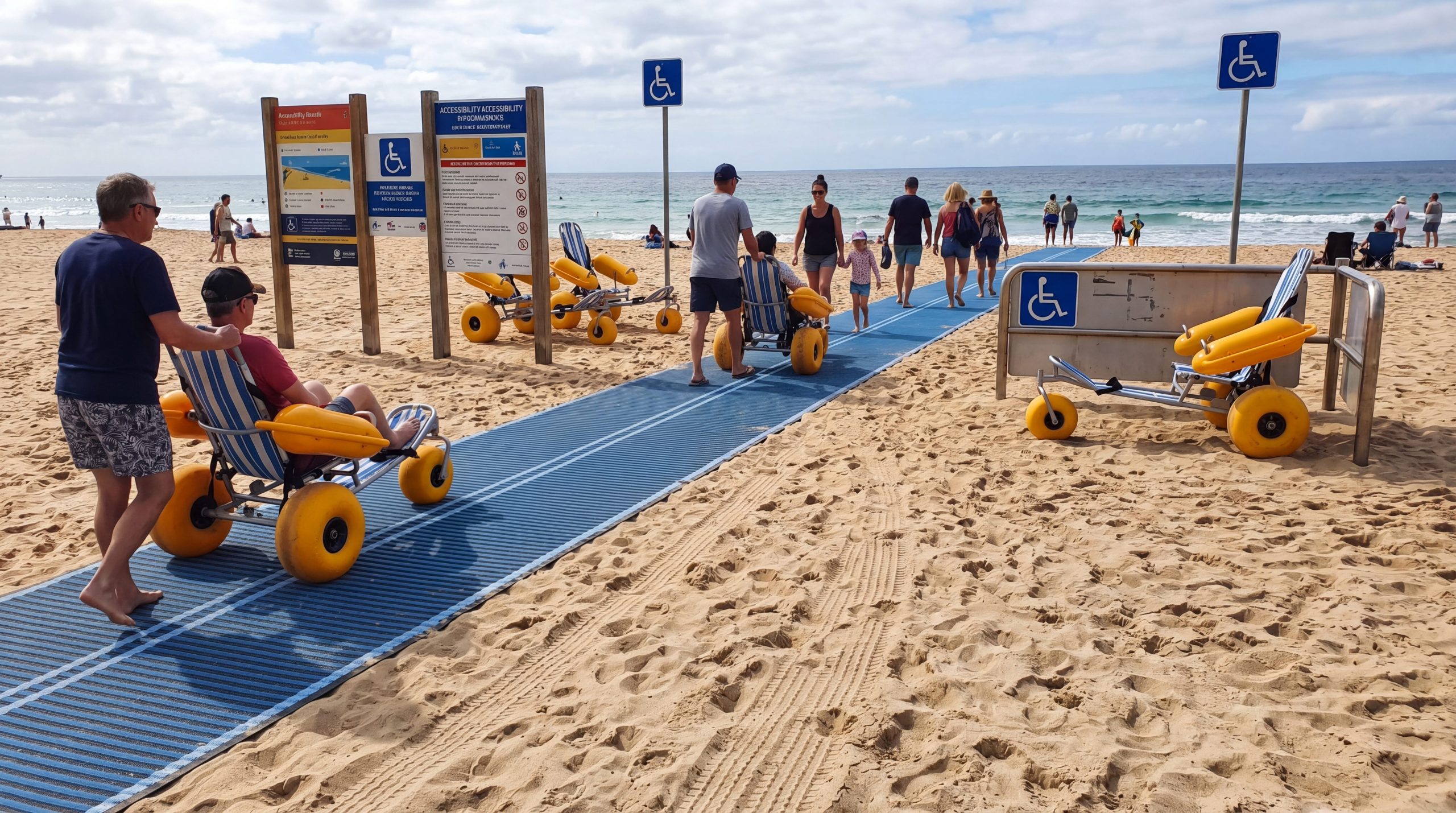
| Is the actual chair released? | Its ID and revision match the record. On the AY-ST-V1.0, staff check the inflatable armrests, their fittings and the three inflatable wheels against the manual. |
| Can the team finish the visit as agreed? | The receiving place, clear return access, person responsible and plan if conditions change are all confirmed. |
The AY-ST-V1.0 manual identifies the removable floating armrests. That feature does not prescribe how an individual should transfer or allow staff to improvise a positioning technique. If the expected support is unavailable or the visitor requests a different arrangement, pause and involve the responsible practitioner or operator. Offer the available choices without pressure.
Keep the visitor’s return available
Suppose the usual return point is a screened bay beside reception. A later event booking will fill that bay with chairs before the outing is due back. Move the event furniture or arrange another suitable private return location and check its route with the visitor before proceeding. Leaving the problem to the returning team could separate someone from their personal equipment at the end of the session.
At handover, give the receiving person the agreed return location and custody reference. Explain any arrangement the visitor has asked staff to remember, sharing only what that person needs. The site lead makes the separate water-entry decision for the supervised calm-water activity, including reliable footing for attendants.
At the end of the visit, return the personal chair and associated belongings to the agreed point. Ask the visitor to confirm receipt and flag any change in condition. Record a missing item or concern while the staff involved can still trace it. If the visitor chose to stay in their own chair, record the service choice without treating a declined transfer as a failed visit.