
The right beach wheelchair for the Gulf Coast is a corrosion-resistant all-terrain chair with UV-tolerant fabric and balloon wheels, run with a care routine built for heat, humidity, salt and storm season. Here’s a story Gulf buyers will recognize. A city buys new beach chairs in spring, leaves them in a damp, closed shed through a humid summer, and by August finds mold on the seats and rust on the bolts. Choosing and caring for a beach wheelchair Gulf Coast conditions demand prevents that, and this guide covers climate, materials, fleet mix, storage, storms, staffing, care, budgets and buying.
We build all-terrain, folding and floating beach chairs and ship them to warm, coastal markets. We’ll focus on what the Gulf climate does to equipment and how to plan for it.
What Makes a Beach Wheelchair Gulf Coast Ready?
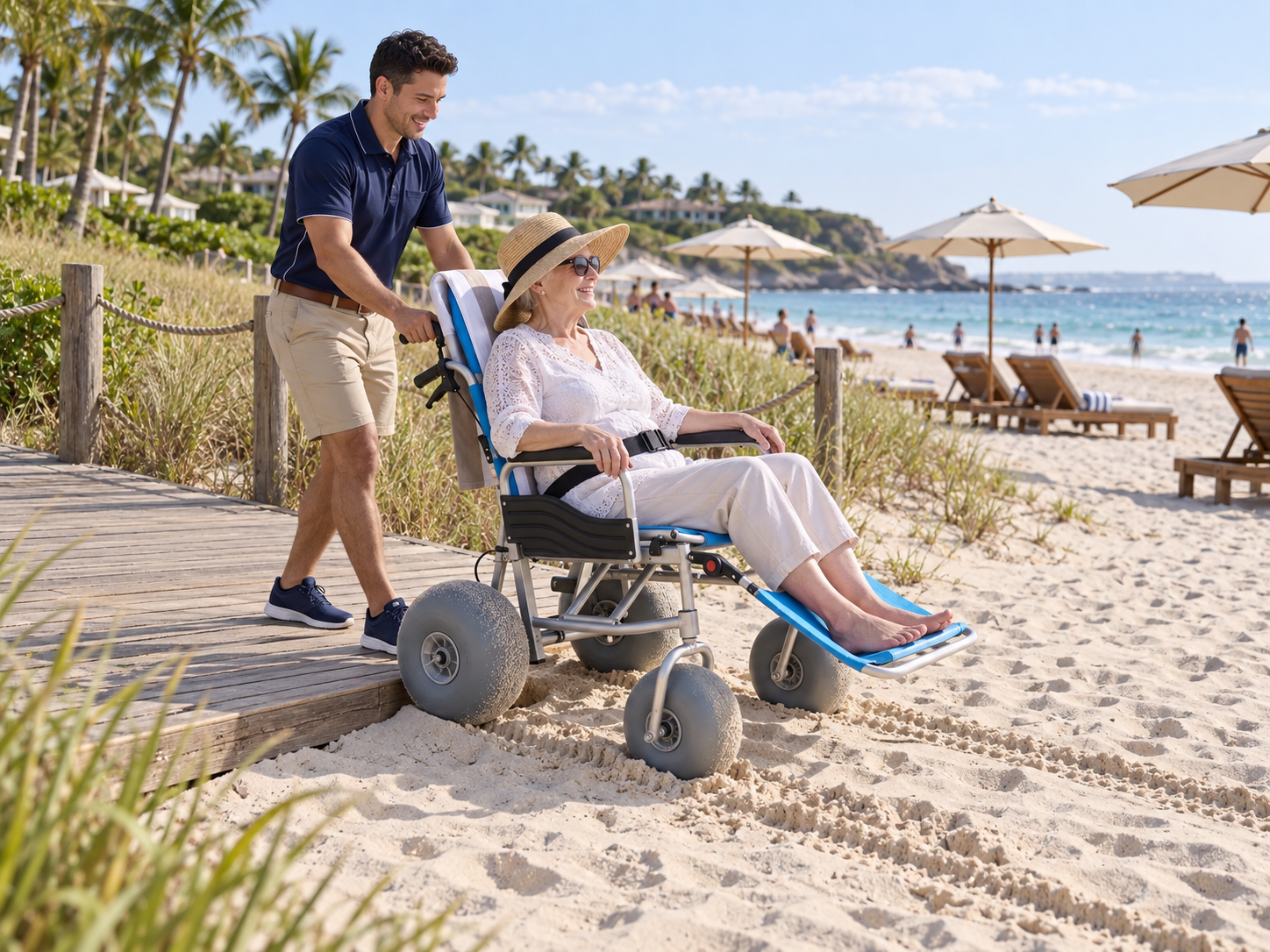
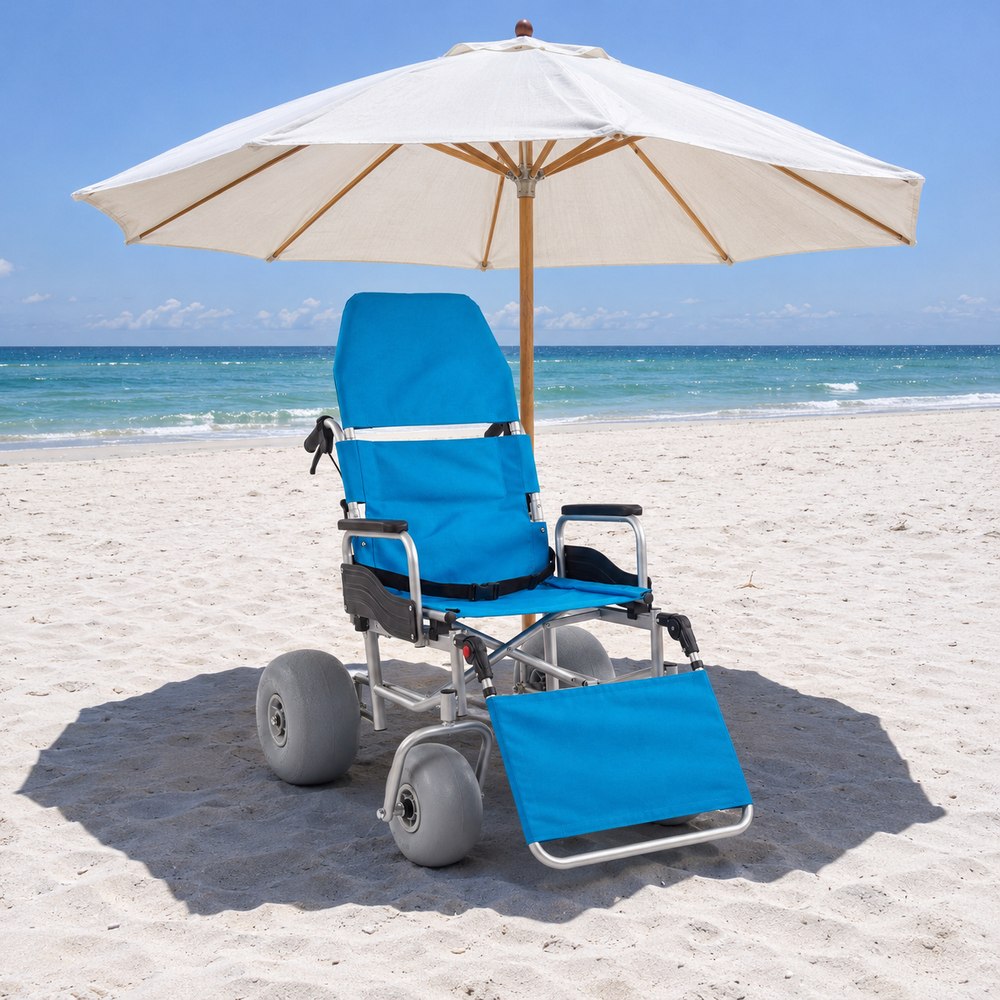
A beach wheelchair Gulf Coast ready chair has a corrosion-resistant frame, UV-tolerant fabric, wide balloon wheels and parts you can replace quickly. Heat and humidity test every part. Salt air works year round.
Which climate factors matter most?
Also, humidity, salt air, strong sun and storms. Here’s the deal: the Gulf climate wears equipment faster than many cooler coasts. Review current public accessibility guidance before launch.
- High humidity
- Salt air
- Strong sun and heat
Before launch, have a colleague unfamiliar with a Gulf Coast access program review which climate factors matter most using only the written procedure. Their questions can expose a missing form, unclear owner or unworkable handoff while corrections remain small.
What should buyers ask about?
Frame material, fabric UV resistance and fastener type, confirmed in writing.
For a Gulf Coast access program, use current manuals and written specifications to decide which questions buyers need answered. Match each feature or quantity to a named user, route or staff task rather than choosing from a showroom impression.
| Climate factor | Effect | Response |
|---|---|---|
| Humidity | Mold | Ventilated storage |
| Salt air | Corrosion | Rinse and checks |
| Sun | Fabric fade | Shade storage |
| Storms | Damage | Storm plan |
Knowing the climate shapes every buying choice.
Key Takeaway: Choose materials for heat, salt and humidity, and plan care around them.
Which Beach Wheelchair Gulf Coast Fleet Should You Choose?
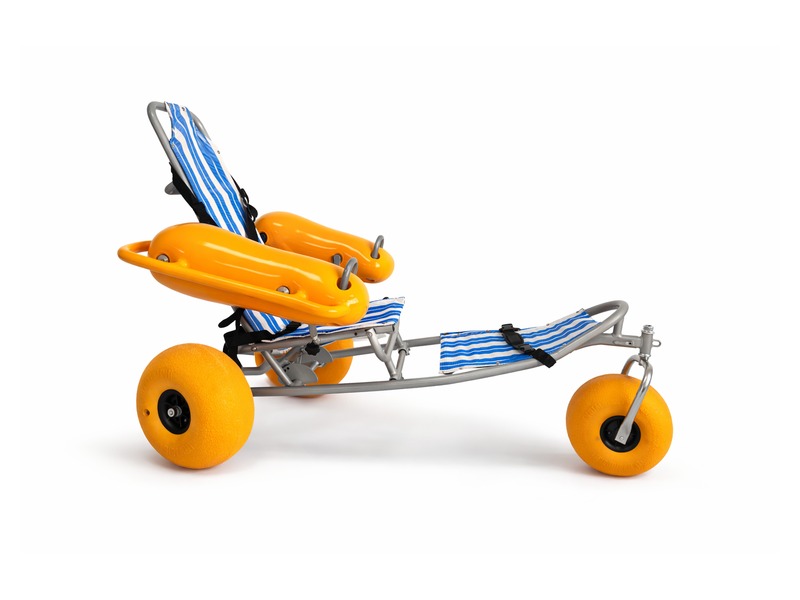
A beach wheelchair Gulf Coast fleet can use land-based all-terrain chairs for sand and add floating chairs only where the site approves supervised water sessions. Set quantities from requests, route conditions and staffing.
Why do floating chairs suit the Gulf?
Also, calm-water access may appear in visitor requests. Keep the boundary clear: offer water sessions only under site rules, current chair instructions and qualified supervision.
- All-terrain chairs for sand
- Floating chairs for supervised water
- Beach walkers for ambulant visitors
For a Gulf Coast access program, record why floating chairs suit the gulf in the operating file with its date and decision owner. Later staff can see why that choice was made and revisit it when the site, season or user group changes.
How do you balance the fleet?
Start with land chairs and add floating chairs as staff and demand grow.
For a Gulf Coast access program, use current manuals and written specifications to decide how staff will balance the fleet. Match each feature or quantity to a named user, route or staff task rather than choosing from a showroom impression.
| Chair | Gulf use |
|---|---|
| All-terrain | Sand loans |
| Floating | Calm-day water sessions |
| Folding | Transport |
| Walker | Walking support |
A mixed fleet fits Gulf beaches well.
Key Takeaway: Lead with land chairs and add floating chairs for supervised water days.
How Does Heat Affect a Beach Wheelchair Gulf Coast Program?
Heat affects a beach wheelchair Gulf Coast program by warming frames and seats, tiring helpers and raising health risks for users. Shade helps. Timing helps more.
How do you protect users?
Also, offer shade, water and shorter sessions in peak heat. But here’s the kicker: dark surfaces get hot fast in direct sun.
- Shade at rest points
- Drinking water
- Morning and late-day sessions
During the opening month, review how staff will protect users in a Gulf Coast access program with front-line staff and one manager. Record a specific observation before changing the procedure so a busy day or isolated complaint does not become a permanent rule without context.
How do you protect helpers?
Rotate staff, schedule breaks and avoid long pushes at midday.
Before launch, staff in a Gulf Coast access program should agree on how staff will protect helpers. Rehearse one handoff and one exception under real site conditions. Then, revise any step that two staff members interpret differently.
| Heat risk | Response |
|---|---|
| Hot seats | Shade storage |
| Tired helpers | Rotation |
| User heat stress | Short sessions |
| Midday sun | Schedule shift |
Planning around heat keeps everyone safer.
Key Takeaway: Schedule sessions outside peak heat and provide shade and water.
Where Should a Beach Wheelchair Gulf Coast Fleet Be Stored?
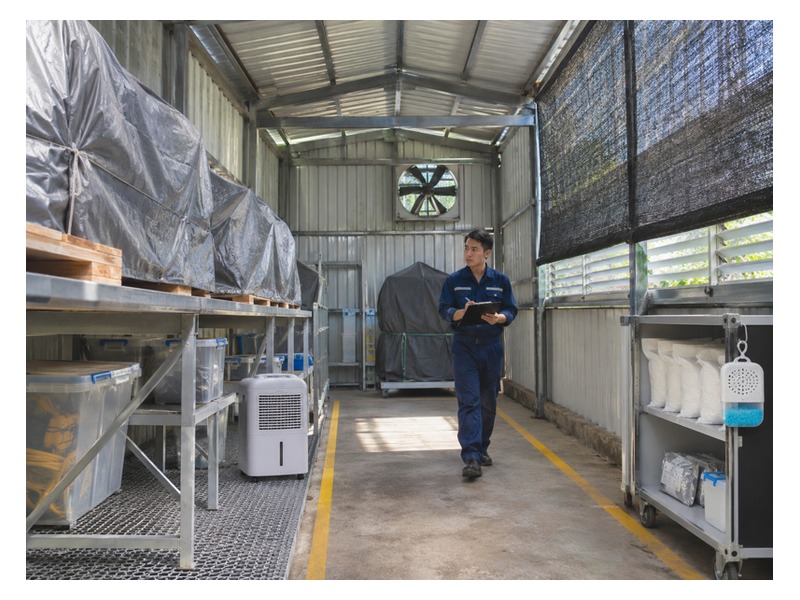
A beach wheelchair Gulf Coast fleet should be stored in shaded, ventilated space that dries chairs quickly and stays secure. Closed, damp sheds cause mold. Airflow matters.
What makes storage Gulf-ready?
Also, ventilation, shade and raised racks. Here’s why that matters: humidity trapped in a closed shed is the main cause of mold.
- Ventilation
- Shade
- Raised racks
For a Gulf Coast access program, write a short daily instruction that states what makes storage gulf-ready. Background detail can remain in a manager file. Meanwhile, shift staff need actions, limits and a clear stop point.
Should you use fans or dehumidifiers?
In enclosed spaces, yes, if power is available.
For a Gulf Coast access program, plan whether the site should use fans or dehumidifiers around numbered positions, inspection space, airflow and a direct route to the cleaning point. Staff should be able to find a missing part or damp item without shifting an entire row.
| Storage feature | Benefit |
|---|---|
| Ventilation | Dry fabric |
| Shade | UV protection |
| Racks | Airflow |
| Lock | Security |
Dry storage protects fabric and frames.
Key Takeaway: Prioritize airflow in storage to fight Gulf humidity.
How Do You Plan Beach Wheelchair Gulf Coast Storm Prep?
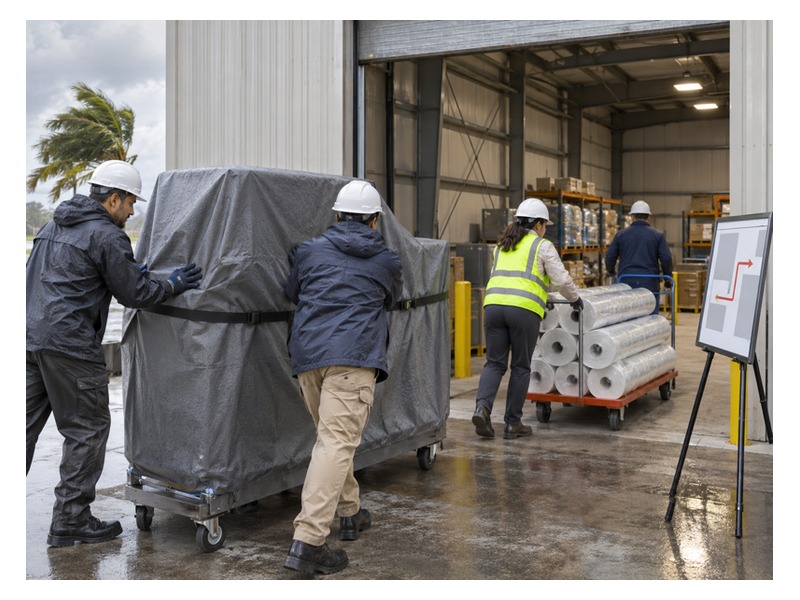
You plan beach wheelchair Gulf Coast storm prep by naming who moves chairs and mats, where they go and when, as part of your hurricane plan. Act early. Mats need removal too.
What should the storm plan cover?
Also, who, where and when for each piece of equipment. Sounds simple, right? In a storm watch, staff have many tasks, so assign this one in advance.
- Named staff
- Indoor storage site
- Trigger point for moving
What happens after the storm?
Inspect, clean and repair before relaunch.
Add a daily checkpoint that states what happens after the storm for a Gulf Coast access program and give staff a written stop rule. Record who paused service, the site condition they observed and what must change before reopening.
| Phase | Action |
|---|---|
| Watch | Prepare |
| Warning | Move chairs and mats |
| After | Inspect |
| Relaunch | Clean and repair |
A clear plan saves equipment and time.
Key Takeaway: Add chairs and mats to your hurricane plan with named staff.
How Do You Staff a Beach Wheelchair Gulf Coast Service?
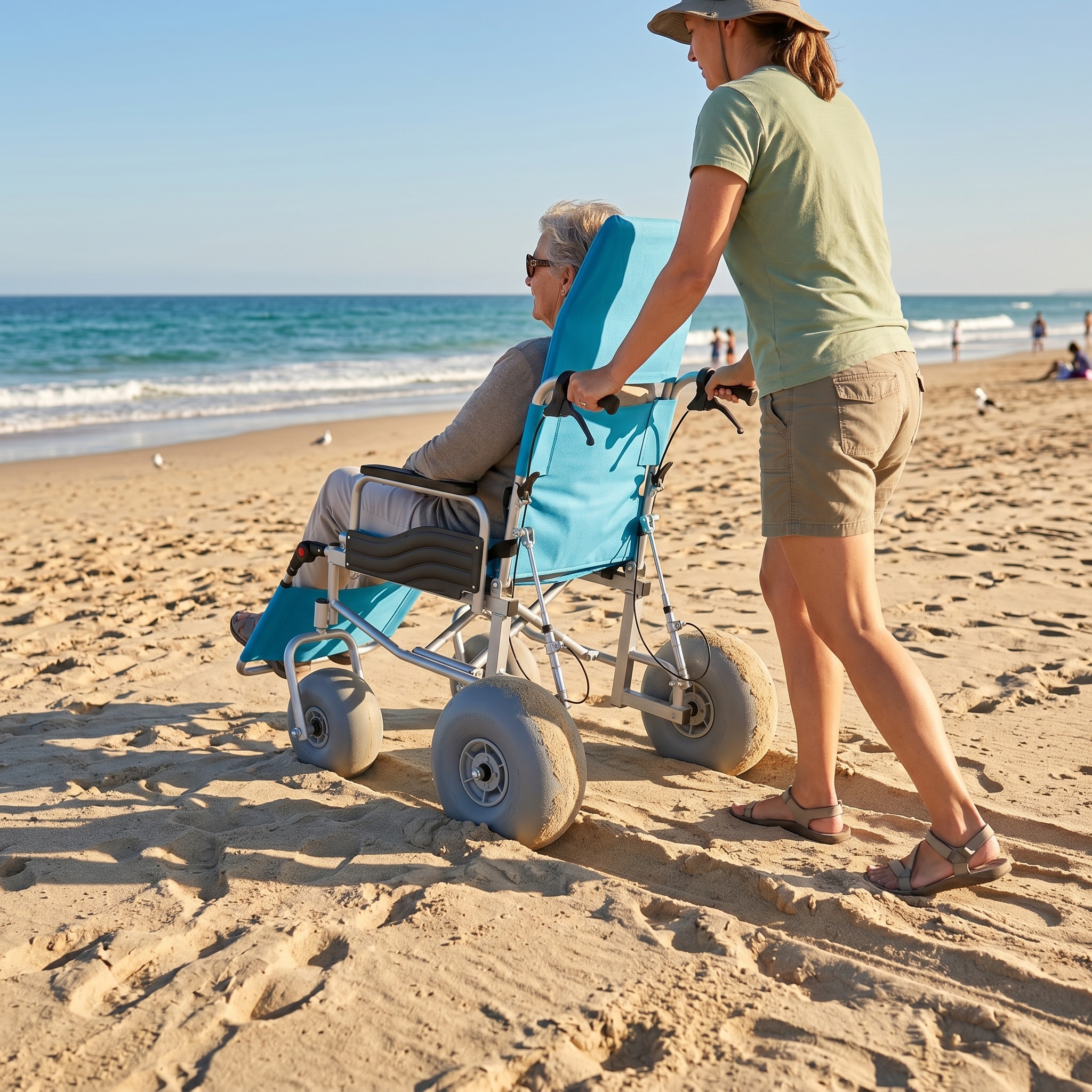
You staff a beach wheelchair Gulf Coast service with trained attendants and qualified supervision for any approved water sessions. Set breaks and rotation from local heat procedures and daily conditions.
Who should run loans?
Also, beach staff, lifeguards or park aides. Now here’s the twist: volunteers can cover the busiest summer weekends.
- Beach attendants
- Lifeguards for water
- Volunteers
What training do staff need?
Handling, heat safety, cleaning and water session procedures.
For a Gulf Coast access program, document what training staff need, assign a named role on every shift and identify a backup. The same procedure should state who may approve a loan, pause service or call for added support.
| Role | Task |
|---|---|
| Attendant | Loans |
| Lifeguard | Water sessions |
| Volunteer | Weekend help |
| Maintenance | Repairs |
Good staffing keeps service steady in peak season.
Key Takeaway: Train staff on heat safety and rotate shifts.
How Do You Maintain a Beach Wheelchair Gulf Coast Fleet?
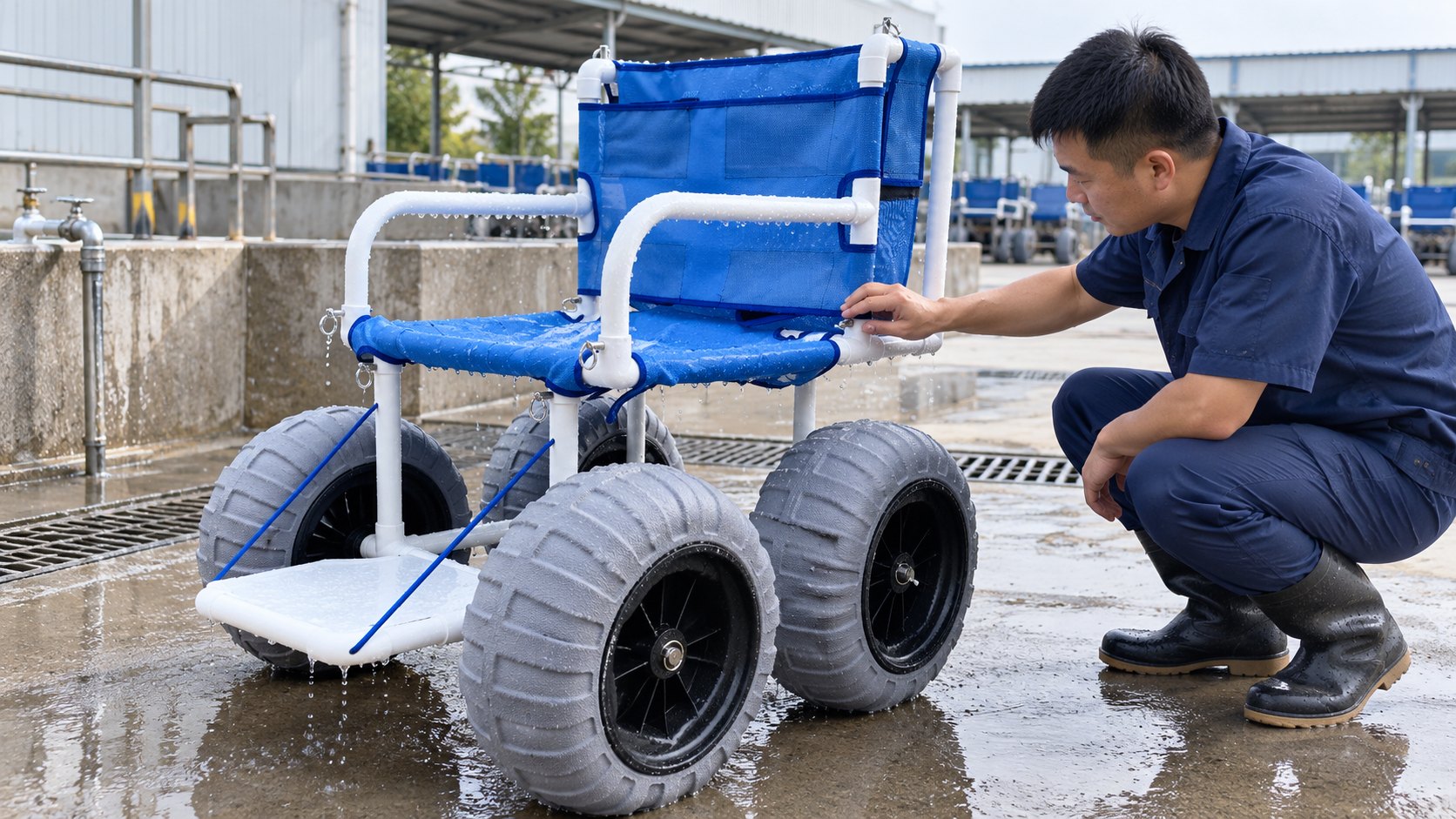
You maintain a beach wheelchair Gulf Coast fleet with a fresh-water rinse after every use, full drying, weekly fastener checks and early replacement of worn parts. Salt and humidity are constant. Routines beat repairs.
What’s the daily routine?
Also, rinse, dry in shade and check wheels. Use the maintenance record: compare fastener condition over time rather than promising a fixed service-life gain.
- Fresh-water rinse
- Full drying
- Wheel and brake check
Which parts wear fastest?
Also, fasteners, bearings and fabric in sun and salt.
In a Gulf Coast access program, document which parts wear fastest, assign a named role and keep a dated record beside the maintenance area. Recurring wear then becomes visible early, while purchasing staff gain a clearer basis for ordering only the parts the site uses.
| Part | Check |
|---|---|
| Fasteners | Weekly |
| Bearings | Monthly |
| Fabric | Weekly |
| Wheels | Daily |
Routine care keeps Gulf fleets running.
Key Takeaway: Rinse every time and check fasteners weekly.
What Does a Beach Wheelchair Gulf Coast Program Cost?
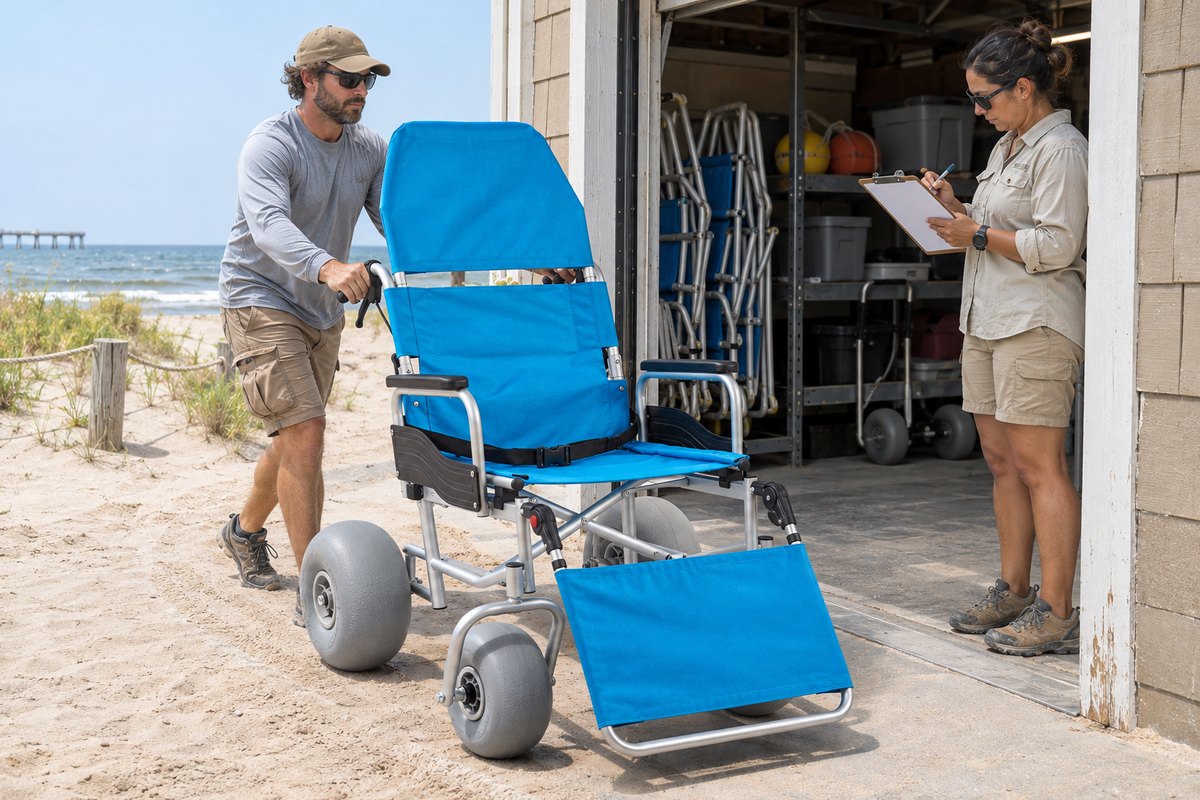
A beach wheelchair Gulf Coast program costs chairs, freight, storage, spares, staff time and storm prep. Spares run higher in harsh climates. Plan for them.
Which costs are higher on the Gulf?
Also, spares and fabric replacement. Here’s the thing: budgeting for wear avoids mid-season gaps.
- Spare fasteners and bearings
- Fabric replacement
- Storm prep time
Which costs are one-off?
Also, chairs, freight and storage setup.
For a Gulf Coast access program, document which costs are one-off with its source, owner, date and local assumption. That record separates a current project estimate from a standing rule and gives reviewers a clear reason for each budget choice.
| Cost line | Type |
|---|---|
| Chairs | One-off |
| Freight | One-off |
| Spares | Ongoing |
| Staff and storm prep | Ongoing |
A climate-aware budget keeps chairs in service.
Key Takeaway: Budget extra for spares and storm prep in Gulf conditions.
How Do You Buy a Beach Wheelchair Gulf Coast Fleet?
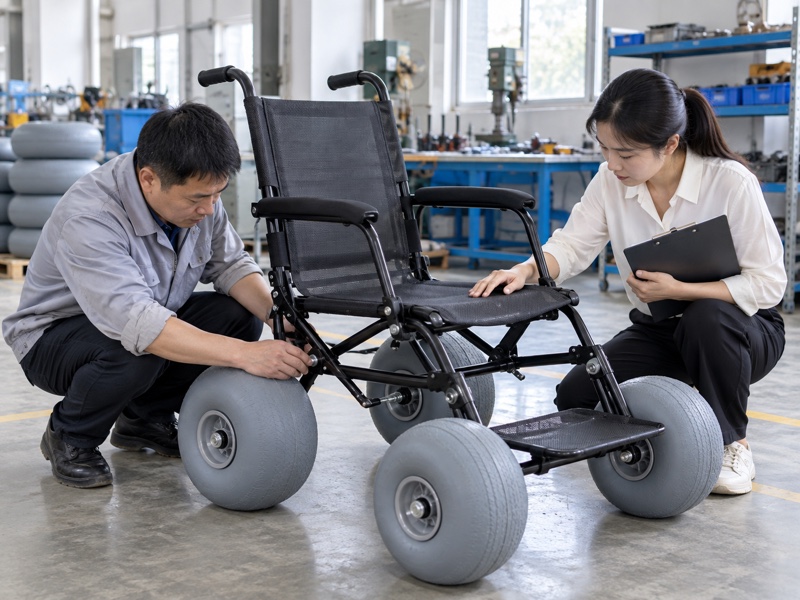
You buy a beach wheelchair Gulf Coast fleet by confirming materials, fabric and fasteners in writing and comparing landed-cost quotes with spares. Ask about salt and UV. Get manuals.
What should you confirm?
Also, frame material, fabric UV resistance, fastener type and spares. The short version? Ask how the chair handles salt and sun.
- Frame material
- Fabric UV resistance
- Fastener type
How do you compare quotes?
Also, use one template with landed cost, materials, spares and warranty.
For a Gulf Coast access program, use one written checklist when deciding how staff will compare quotes. Also, cover documents, packing, delivery, spare parts and support. Ask bidders to answer the same questions so a low unit price cannot hide a missing service or cost line.
| Check | Why |
|---|---|
| Materials | Corrosion life |
| Fabric | UV life |
| Spares | Uptime |
| Warranty | Support |
Clear specs prevent early wear.
Key Takeaway: Confirm materials for salt and UV before you buy.
When Should You Order a Beach Wheelchair Gulf Coast Fleet?

You should order a beach wheelchair Gulf Coast fleet several months before spring break, allowing for production, sea freight and setup. Gulf seasons start early. Plan ahead.
How do you work back from the season?
Also, count back setup, delivery, freight and production. This is where it gets interesting: spring break demand arrives before many buyers expect.
- Production
- Sea freight
- Setup and training
What about storm season timing?
Also, avoid deliveries in peak storm months if you can.
For a Gulf Coast access program, use one written checklist when deciding how the plan handles storm season timing. Also, cover documents, packing, delivery, spare parts and support. Ask bidders to answer the same questions so a low unit price cannot hide a missing service or cost line.
| Stage | Timing |
|---|---|
| Order | Fall |
| Production | Late fall |
| Freight | Winter |
| Launch | Spring |
Early orders put chairs on the sand when visitors arrive.
Key Takeaway: Order in fall for a spring launch, away from storm months.
Final Thoughts
The Gulf Coast’s warm water and wide beaches make beach chairs especially valuable. You’ve seen what makes a chair Gulf-ready, fleet choice, heat, storage, storms, staffing, maintenance, costs, buying and timing. With climate-aware planning, your chairs will last and serve many visitors.
If you’re buying chairs for a Gulf beach, we can share material details, spares lists and freight timing. Contact us today with your site and season dates. We believe warm-water beaches should welcome every visitor. Also, we build chairs that stand up to the climate.
FAQ
Can I leave beach chairs on the beach overnight?
It’s not advised. Store them shaded, dry and secure to protect against humidity and theft.
What’s the best way to fight mold?
Use ventilated storage and dry chairs fully after rinsing. Check damp areas and airflow during routine inspections.
How do I know if a chair suits salt air?
Ask for frame and fastener materials in writing. Check the manual’s care guidance.
Can I run floating chair sessions every day?
Only on calm days with trained staff. Conditions decide each session.
How do I know when to move chairs for a storm?
Set a trigger in your hurricane plan, such as a storm watch.