
The right beach wheelchair for California is a durable all-terrain chair for wide, soft sand, paired with matting and a loan or rental system, and used in the water only through supervised floating chair sessions on calm days. Here’s a common California problem. A visitor drives to a long, sandy state or city beach, finds a paved promenade and a lifeguard tower far across the sand, and has no way to get closer. A well-planned beach wheelchair California program closes that gap, and this guide covers sand, surf, chairs, routes, loans, care, budgets and buying.
We build all-terrain, folding and floating beach chairs and access mats for public and private buyers. We’ll stick to equipment and planning and leave water safety rules to your agency.
Why Does a Beach Wheelchair California Program Matter?
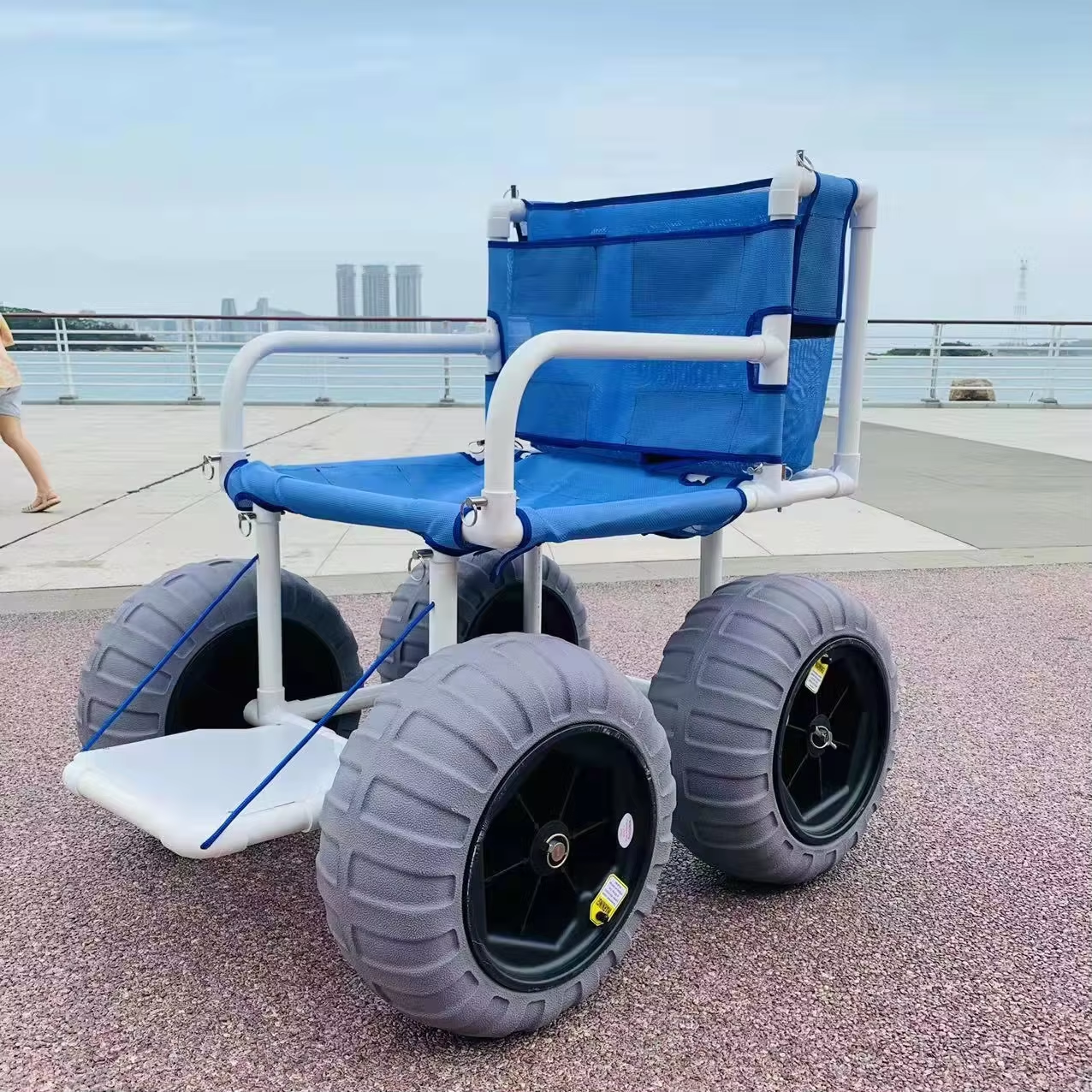
A beach wheelchair California program matters because many beaches have wide stretches of soft sand between paths and the water. Standard wheelchairs stall there. Beach chairs keep going.
Who benefits most?
Also, wheelchair users, older visitors and families visiting together. Here’s the deal: a beach chair means a whole family can sit together on the sand. Review current public accessibility guidance before launch.
- Wheelchair users
- Older visitors
- Families and groups
However, before launch, have a colleague unfamiliar with a California beach program review who benefits most using only the written procedure. Their questions can expose a missing form, unclear owner or unworkable handoff while corrections remain small.
What do providers gain?
Wider access, community goodwill and stronger cases for accessibility funding.
Before launch, staff in a California beach program should agree on what providers gain. Rehearse one handoff and one exception under real site conditions. Then, revise any step that two staff members interpret differently.
| Benefit | Who notices |
|---|---|
| Access | Visitors |
| Goodwill | Community |
| Funding case | Grant makers |
| Visibility | City leaders |
Beach chairs are a practical, visible access step.
Key Takeaway: Beach chairs bridge the wide sand many California beaches have.
Which Beach Wheelchair California Model Handles Wide Sand?
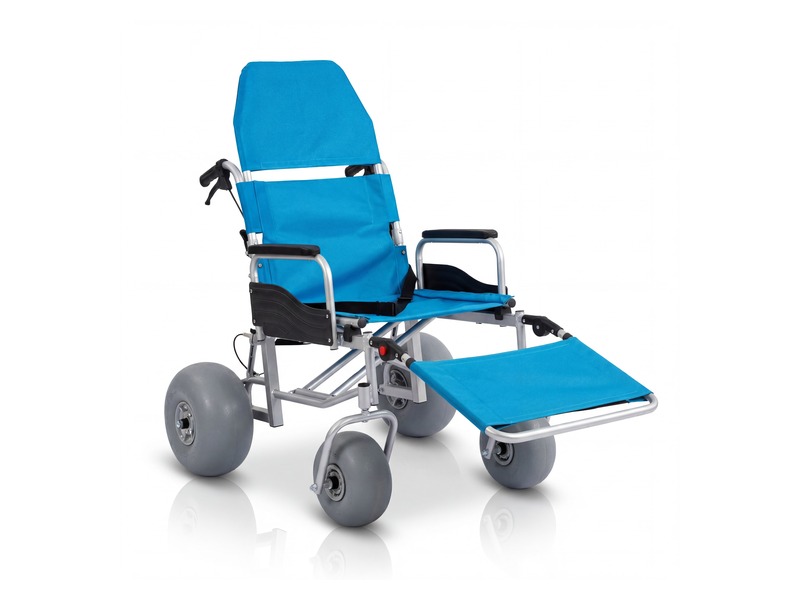
A high-back all-terrain beach wheelchair California model with wide balloon wheels can suit a long soft-sand route. Test the actual distance and plan helper support before selecting it.
Why do balloon wheels matter on long routes?
Also, they reduce pushing effort on soft sand. Think about it: a long push across dry sand is hard work without wide wheels.
- Wide balloon wheels
- High backrest
- Durable frame
For example, for a California beach program, record why balloon wheels matter on long routes in the operating file with its date and decision owner. Later staff can see why that choice was made and revisit it when the site, season or user group changes.
When should you add matting?
Where the route crosses long stretches of soft, dry sand.
At a California beach program, verify when staff should add matting during a normal operating period and photograph each relevant surface, slope or access point. Attach those observations to the operating plan so staff can review actual conditions before opening.
| Factor | Response |
|---|---|
| Long distance | Matting |
| Soft sand | Balloon wheels |
| User comfort | High back |
| Helper effort | Rest spots |
The right chair and route make long beaches manageable.
Key Takeaway: Choose wide-wheel all-terrain chairs and add matting on long routes.
How Does Surf Affect a Beach Wheelchair California Plan?
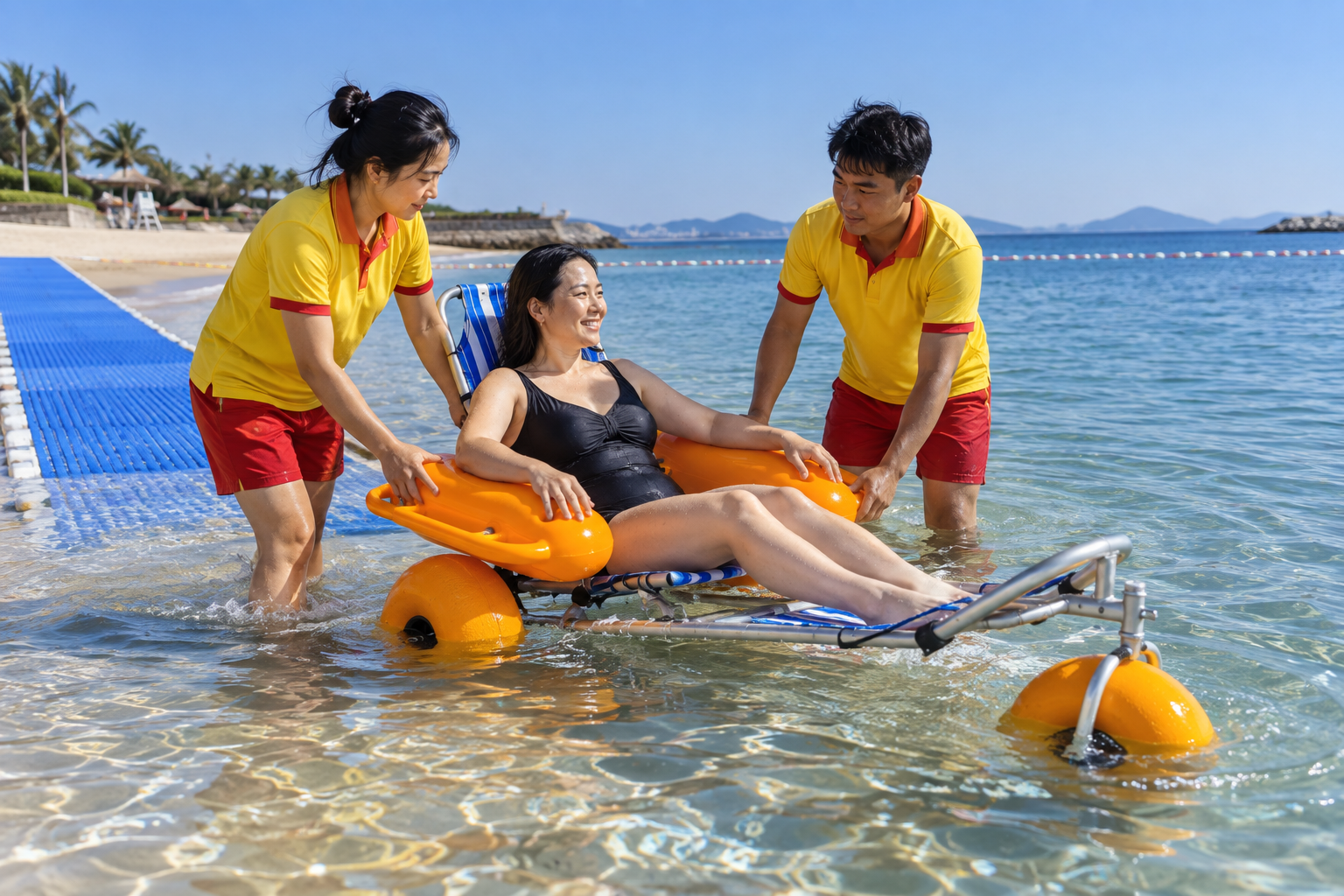
Surf affects a beach wheelchair California plan because many beaches have waves and currents that limit water use to calm days and supervised sessions. Land chairs stay on sand. Floating chairs need calm water.
When can floating chairs be used?
Also, only in calm conditions with trained support beside the chair. But here’s the kicker: conditions can change within an hour.
- Calm days only
- Trained support persons
- Marked areas
Also, set a review date during the opening month and invite front-line staff to bring specific observations. Managers should record each agreed change, its reason and its owner in the same operating file.
Who decides?
Lifeguards or trained staff using your agency’s procedures.
Add a daily checkpoint that states who decides for a California beach program and give staff a written stop rule. Record who paused service, the site condition they observed and what must change before reopening.
| Condition | Water session |
|---|---|
| Calm | Possible |
| Moderate surf | Site decision |
| Strong current | No |
| No lifeguard | No |
Clear rules keep users safe.
Key Takeaway: Keep land chairs on sand and run floating sessions only in calm, supervised water.
What Route Does a Beach Wheelchair California Site Need?
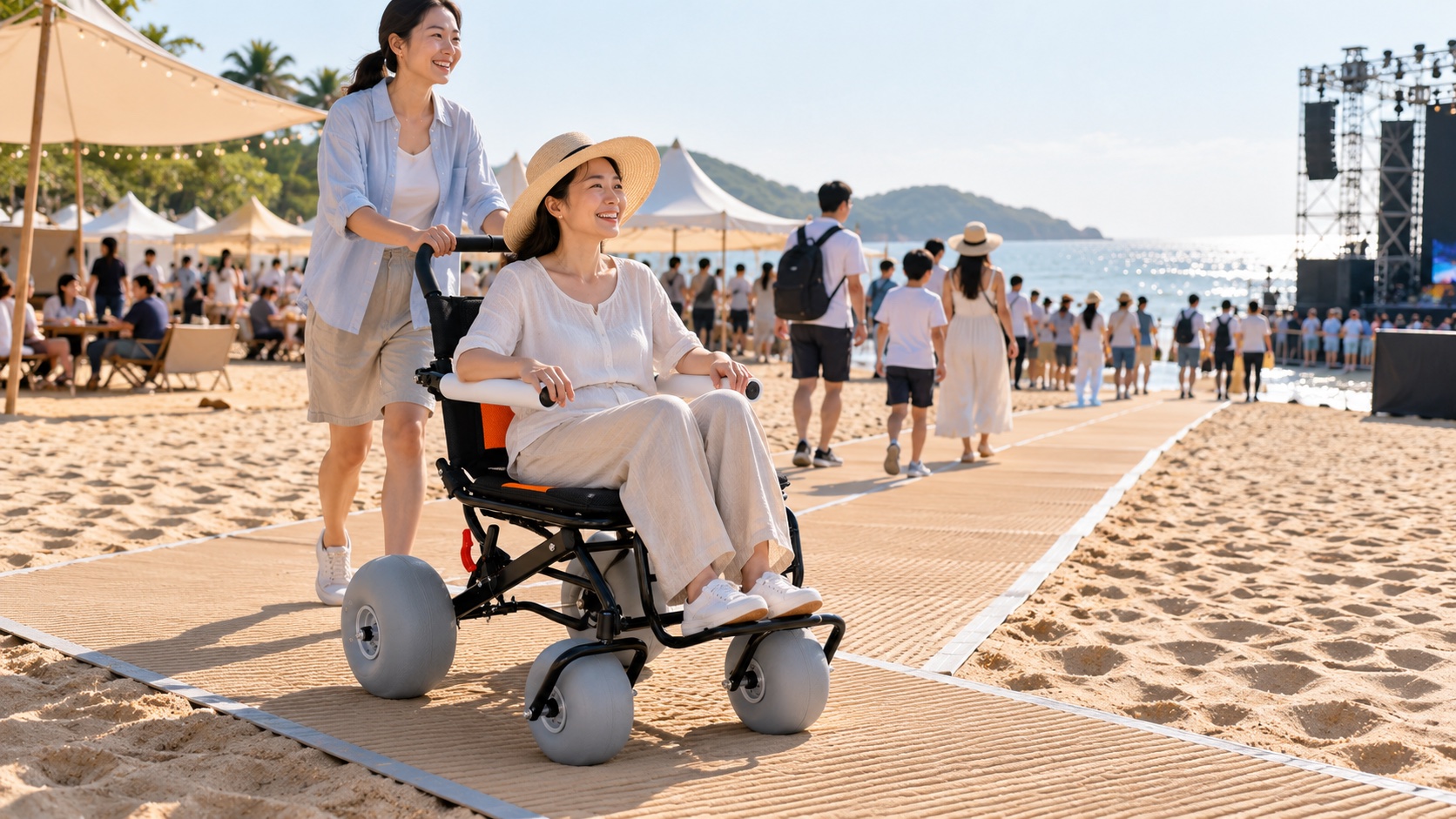
A beach wheelchair California site needs accessible parking, a step-free path and matting or firm sand leading toward the water or a rest area. Check coastal rules for matting. Plan rest spots.
How do you check the route?
Also, walk it with a chair and note barriers. Here’s why that matters: one step or steep ramp can block the whole route.
- Parking and ramps
- Promenade access
- Soft sand stretches
For example, for a California beach program, write a short daily instruction that states how staff will check the route. Background detail can remain in a manager file. Meanwhile, shift staff need actions, limits and a clear stop point.
Do you need approval for matting?
Approval may be required in coastal or habitat zones. Ask the relevant local authority before installation.
At a California beach program, verify whether the site need approval for matting during a normal operating period and photograph each relevant surface, slope or access point. Attach those observations to the operating plan so staff can review actual conditions before opening.
| Route element | Fix |
|---|---|
| Step | Ramp |
| Soft sand | Matting |
| Long route | Rest spot |
| Habitat | Approved path |
A good route is half the program.
Key Takeaway: Audit the route and seek approval for matting early.
How Do Beach Wheelchair California Loans Work?
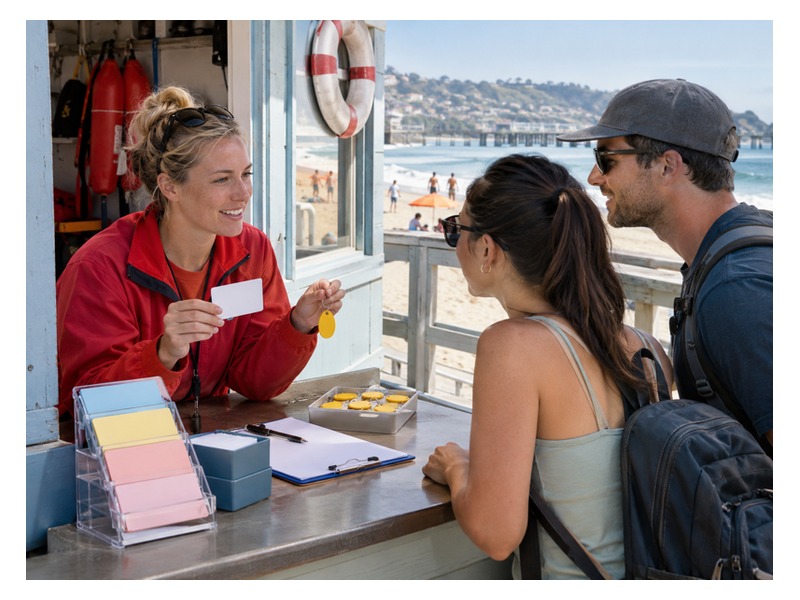
Beach wheelchair California loans may run through lifeguard stations, recreation offices or approved operators. Each site should publish its own fee, reservation, pickup and return rules.
Which loan model fits?
Also, walk-up for quiet beaches, reservations for busy ones. Sounds simple, right? Matching demand avoids wasted chairs and turned-away visitors.
- Walk-up loans
- Reservations
- Concession rentals
However, use a short sign-off to record which loan model fits in a California beach program, showing the date, staff role and any exception. That small record supports handovers between seasonal staff and partner organizations without creating a separate reporting system.
What should terms include?
Time limits, return point, sand-only rules for land chairs and a contact.
Before launch, staff in a California beach program should agree on what terms should include. Rehearse one handoff and one exception under real site conditions. Then, revise any step that two staff members interpret differently.
| Model | Best for |
|---|---|
| Walk-up | Low demand |
| Reservation | High demand |
| Concession | Paid hire |
In fact, simple, clear loans lift use.
Key Takeaway: Pick a loan model to match demand and keep terms short.
How Does Fog and Salt Affect a Beach Wheelchair California Fleet?
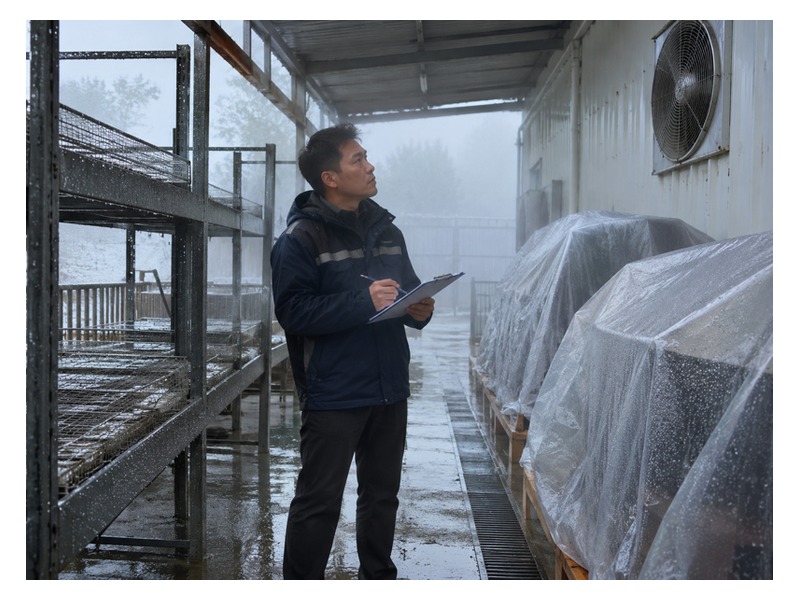
Fog and salt air affect a beach wheelchair California fleet by keeping chairs damp and speeding corrosion. Drying matters. So does rinsing.
How do you fight damp?
Also, ventilated storage and full drying. Now here’s the twist: coastal fog can keep chairs damp even on dry days.
- Ventilated storage
- Full drying after rinse
- Raised racks
How do you slow corrosion?
Rinse after use and check fasteners weekly.
Add a daily checkpoint that states how staff will slow corrosion for a California beach program and give staff a written stop rule. Record who paused service, the site condition they observed and what must change before reopening.
| Factor | Response |
|---|---|
| Fog | Ventilation |
| Salt | Rinse |
| UV | Shade |
| Fasteners | Weekly check |
Simple routines protect chairs in coastal air.
Key Takeaway: Ventilate storage and rinse after every use.
How Do You Maintain a Beach Wheelchair California Fleet?
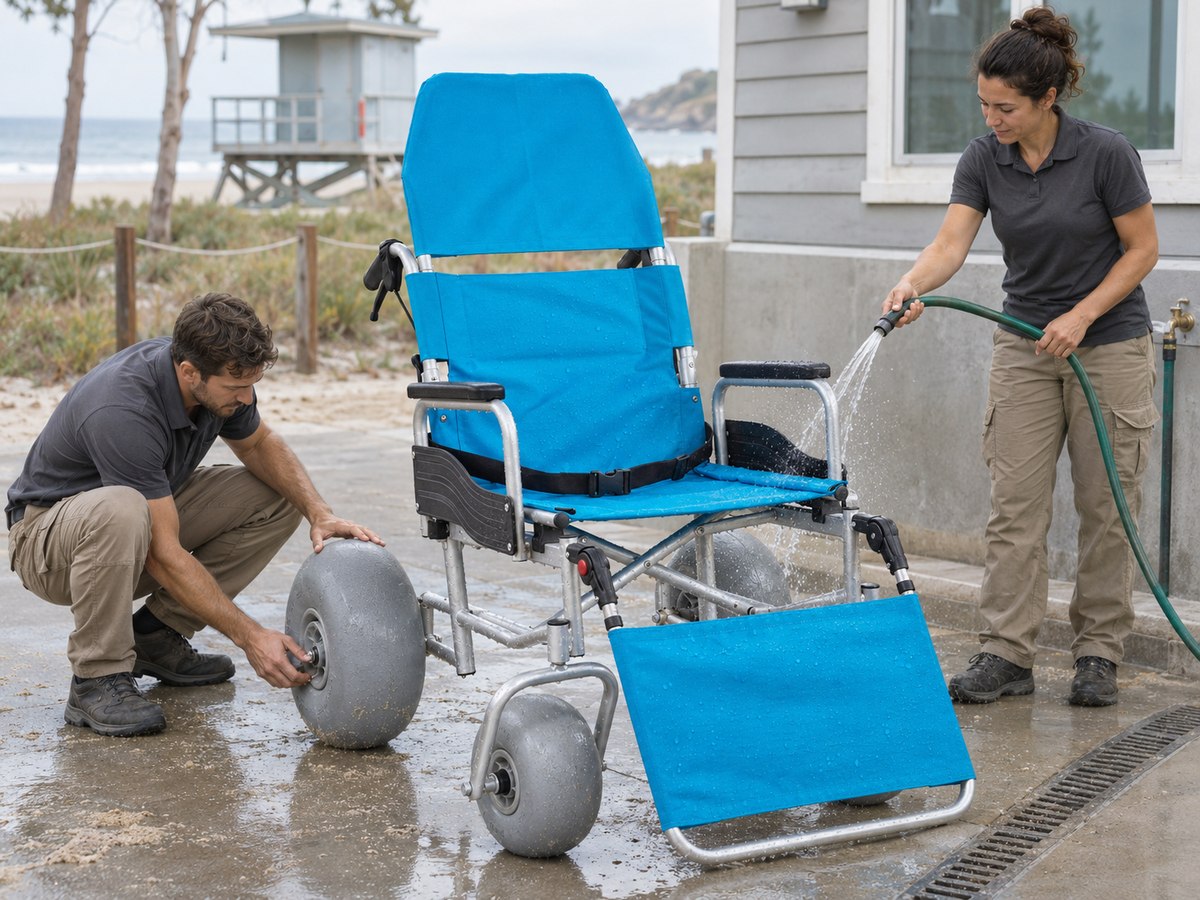
You maintain a beach wheelchair California fleet with a rinse after use, daily wheel and brake checks, weekly fastener checks and an off-season service. Spares help. Logs help more.
What’s the routine?
Also, rinse, dry, check wheels and brakes. Assign the task: only staff trained on the current checklist should sign off the inspection.
- Rinse and dry
- Wheel and brake check
- Log issues
Which spares should you hold?
Also, wheels, fabric, brakes and fasteners.
However, in a California beach program, document which spares the team should hold, assign a named role and keep a dated record beside the maintenance area. Recurring wear then becomes visible early, while purchasing staff gain a clearer basis for ordering only the parts the site uses.
| Task | Frequency |
|---|---|
| Rinse | After use |
| Wheels and brakes | Daily |
| Fasteners | Weekly |
| Service | Off season |
Routine care extends chair life.
Key Takeaway: Rinse and check daily, and keep core spares on site.
What Does a Beach Wheelchair California Program Cost?
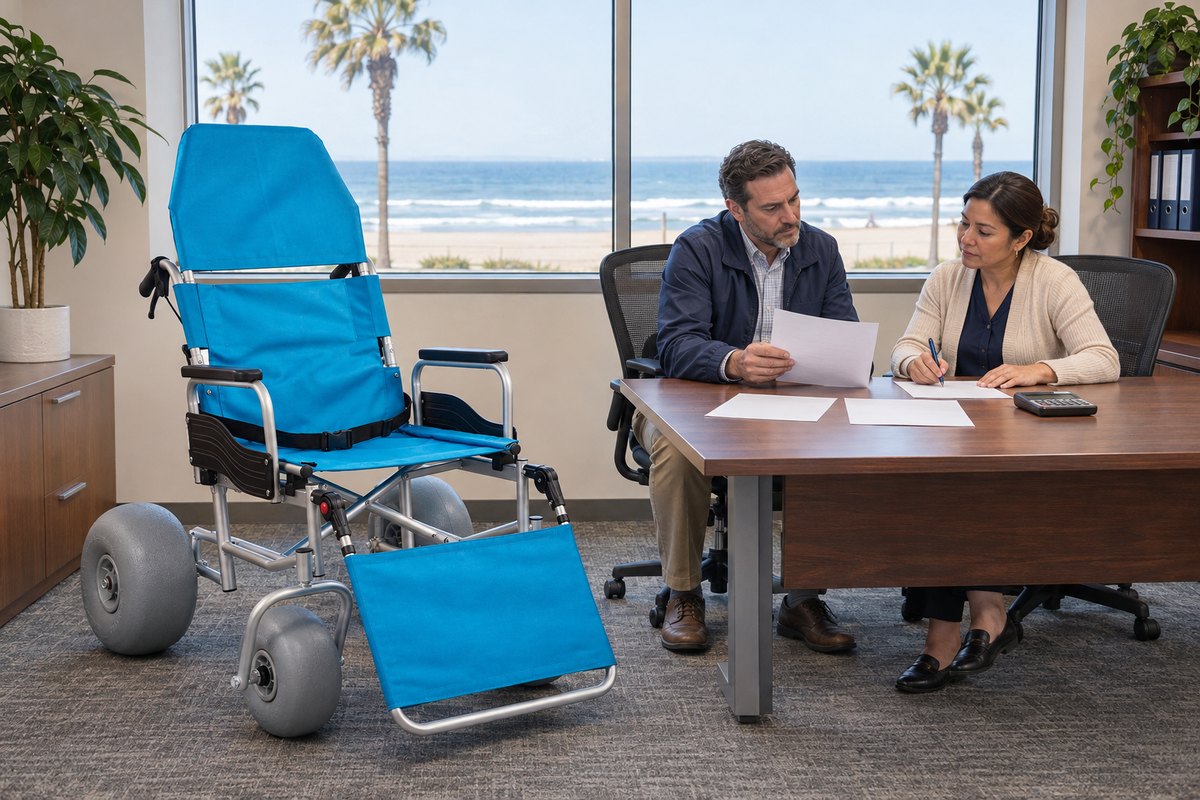
A beach wheelchair California program costs chairs, freight, matting, storage, spares and staff time. Matting can be a large line. Staff time recurs.
Which costs come up front?
Also, chairs, matting and storage setup. Here’s the thing: long beaches may need more matting than expected.
- Chairs and freight
- Matting
- Storage
Which costs recur?
Also, spares, staff time and matting upkeep.
For a California beach program, document which costs recur with its source, owner, date and local assumption. That record separates a current project estimate from a standing rule and gives reviewers a clear reason for each budget choice.
| Cost line | Type |
|---|---|
| Chairs | One-off |
| Matting | One-off |
| Spares | Ongoing |
| Staff | Ongoing |
A full budget prevents surprises.
Key Takeaway: Budget for matting and staff time, not only chairs.
How Do You Fund a Beach Wheelchair California Program?
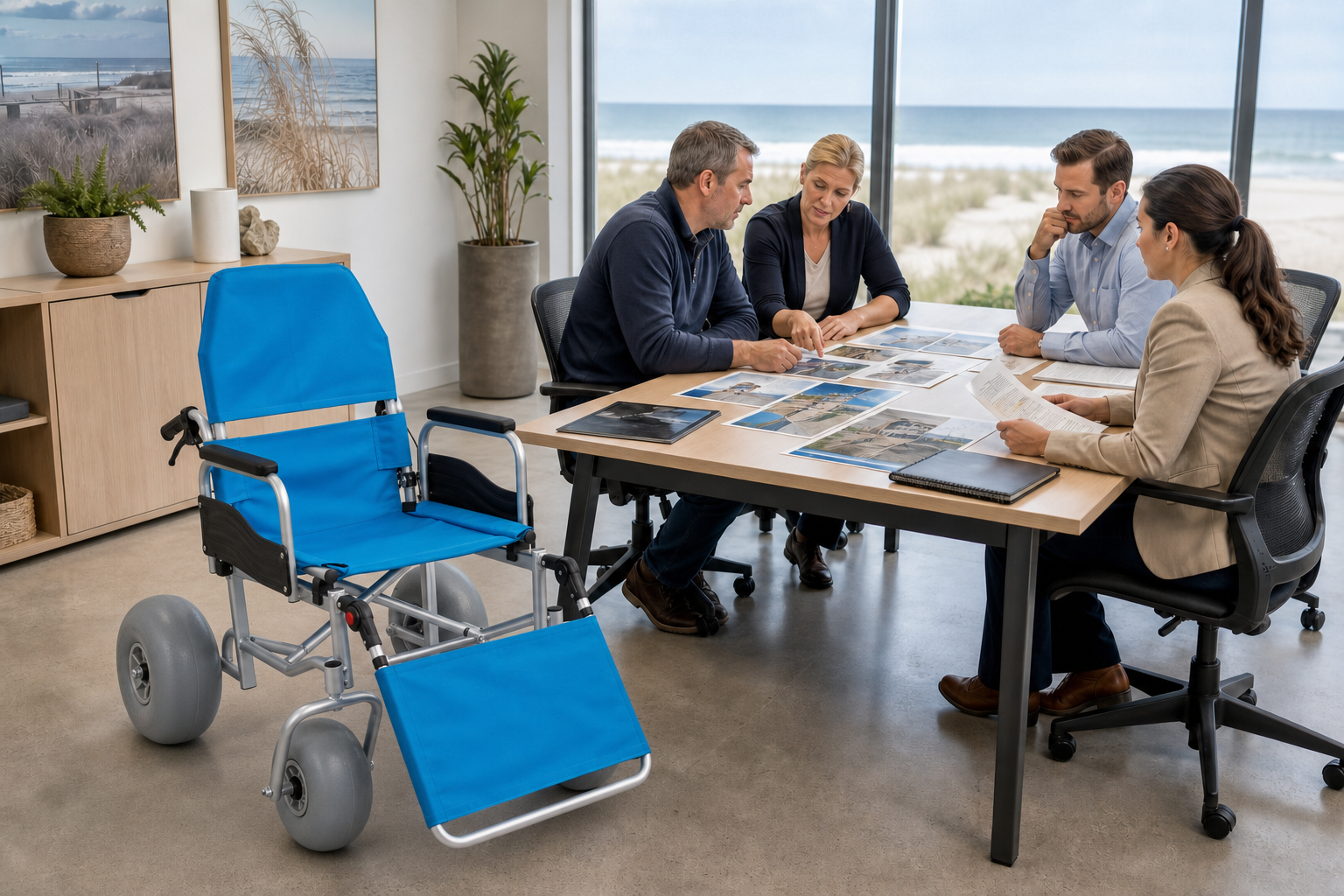
You can fund a beach wheelchair California program through an approved city budget, eligible grants or documented partner support. Confirm each source before adding it to the purchasing plan.
Which sources fit?
Also, foundations, service clubs and accessibility grants. The short version? Donors like equipment they can see.
- City budget
- Grants and foundations
- Local sponsors
What should a request include?
Also, need, budget, partners and a maintenance plan.
Also, for a California beach program, document what a request should include with its source, owner, date and local assumption. That record separates a current project estimate from a standing rule and gives reviewers a clear reason for each budget choice.
| Source | Use |
|---|---|
| City | Staff |
| Grant | Chairs and mats |
| Club | Chairs |
| Sponsor | Storage and signs |
Mixed funding builds stable programs.
Key Takeaway: Combine grants and donations for equipment with budget for staff.
How Do You Buy a Beach Wheelchair California Fleet?
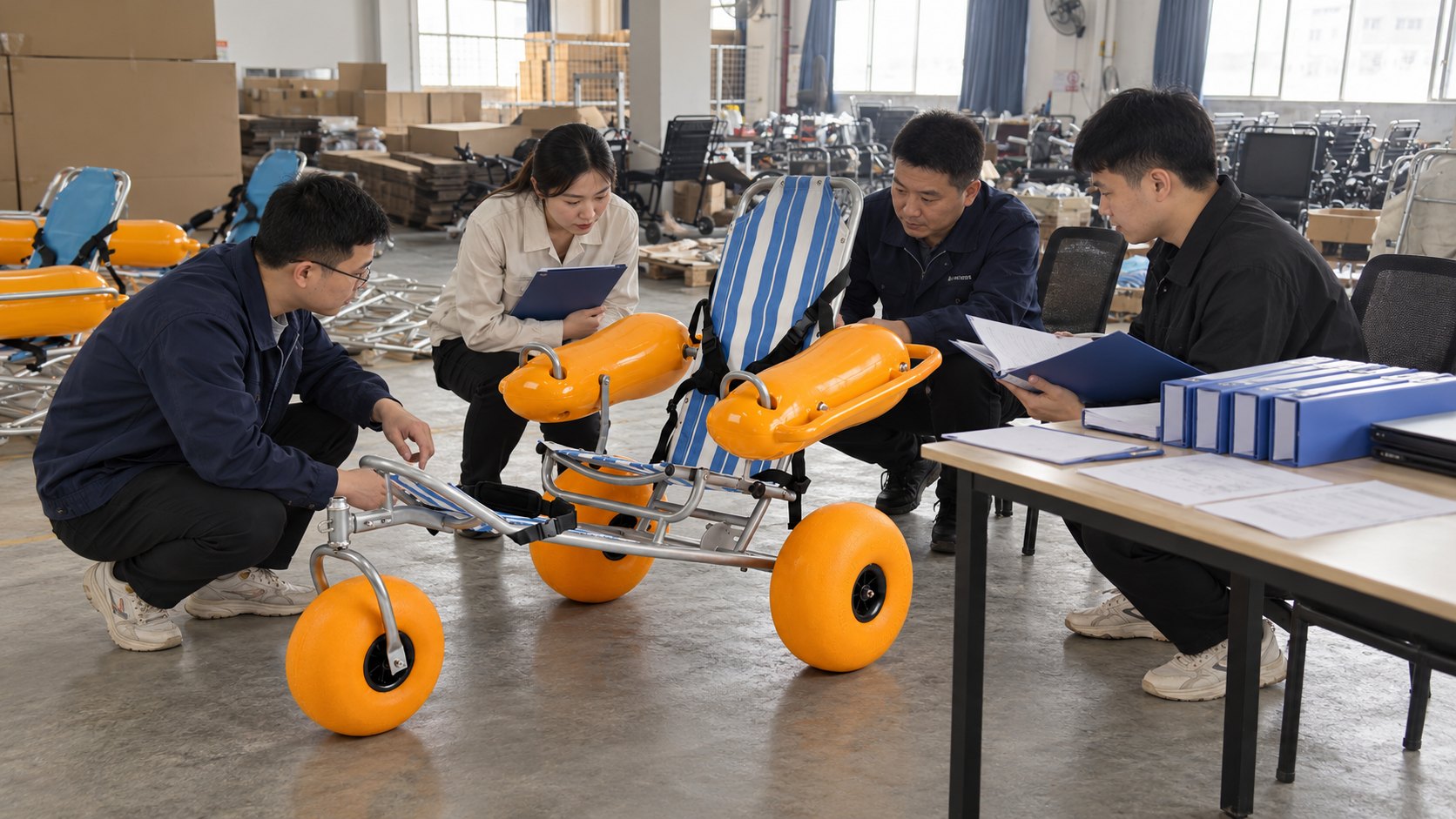
You buy a beach wheelchair California fleet by confirming specs from current manuals, comparing landed-cost quotes and checking spares and support. Procurement rules apply for public buyers. Samples help.
What should you confirm?
Also, weight limits, materials, wheel size and spares. This is where it gets interesting: testing a sample on your own sand reveals a lot.
- Weight limits
- Materials
- Spares and lead times
How do you compare quotes?
Also, score on specs, landed cost, spares and warranty.
For a California beach program, use one written checklist when deciding how staff will compare quotes. Also, cover documents, packing, delivery, spare parts and support. Ask bidders to answer the same questions so a low unit price cannot hide a missing service or cost line.
| Check | Why |
|---|---|
| Specs | Fit |
| Landed cost | Budget |
| Spares | Uptime |
| Warranty | Support |
Careful buying leads to a fleet that lasts.
Key Takeaway: Test a sample and compare full landed cost and spares.
Final Thoughts
A beach-chair program can form one part of a California site’s wider access plan. You’ve seen how to review wide sand, surf limits, routes, loans, fog and salt, maintenance, costs, funding and buying. Use those checks to build a service around local conditions.
If you’re planning a California beach chair program, we can share manuals, spares lists and quotes. Contact us today with your beach and expected demand. We believe every stretch of sand should be within reach. Also, we build our chairs to help make it so.
FAQ
Can I take a beach chair into the surf?
However, no, land chairs stay on sand. Use floating chairs only in calm, supervised sessions.
What’s the best chair for long beaches?
A high-back all-terrain chair with wide balloon wheels can suit long soft-sand routes. Consider matting where the site approves it.
How do I know if I need matting approval?
Ask the relevant local authority and coastal agency. Habitat zones may require review or approval.
Can I rent instead of borrowing?
Yes, some beaches offer concession rentals. Many public programs lend chairs free.
How do I know if the chair is damp-damaged?
Also, look for mold, rust spots and stiff joints. Dry chairs fully to prevent it.