
The right beach wheelchair for public beach programs is a sturdy, easy-to-clean all-terrain chair, loaned from a staffed station with simple rules, spare parts and a clear booking or walk-up policy. Here’s a story many park managers know.
A town buys two donated chairs, parks them behind the lifeguard tower without a sign-out sheet, and by midsummer one has a flat, one has gone missing for a day and residents have no idea the program exists. A well-planned beach wheelchair for public beach programs setup avoids all of that, and this guide covers chair choice, funding, procurement, loans, staffing, care and reporting.
For a connected planning step, compare beach wheelchairs for resorts with beach wheelchair USA.
For broader destination-level context, consult the UN Tourism accessibility publications and guidelines. Apply local requirements and current product documents to the specific project.
We manufacture beach chairs, floating chairs, walkers and access mats for public agencies and the dealers who serve them. The guidance below reflects what parks and beach teams ask us when they plan or grow a loan program.
What Is a Beach Wheelchair for Public Beach Programs?
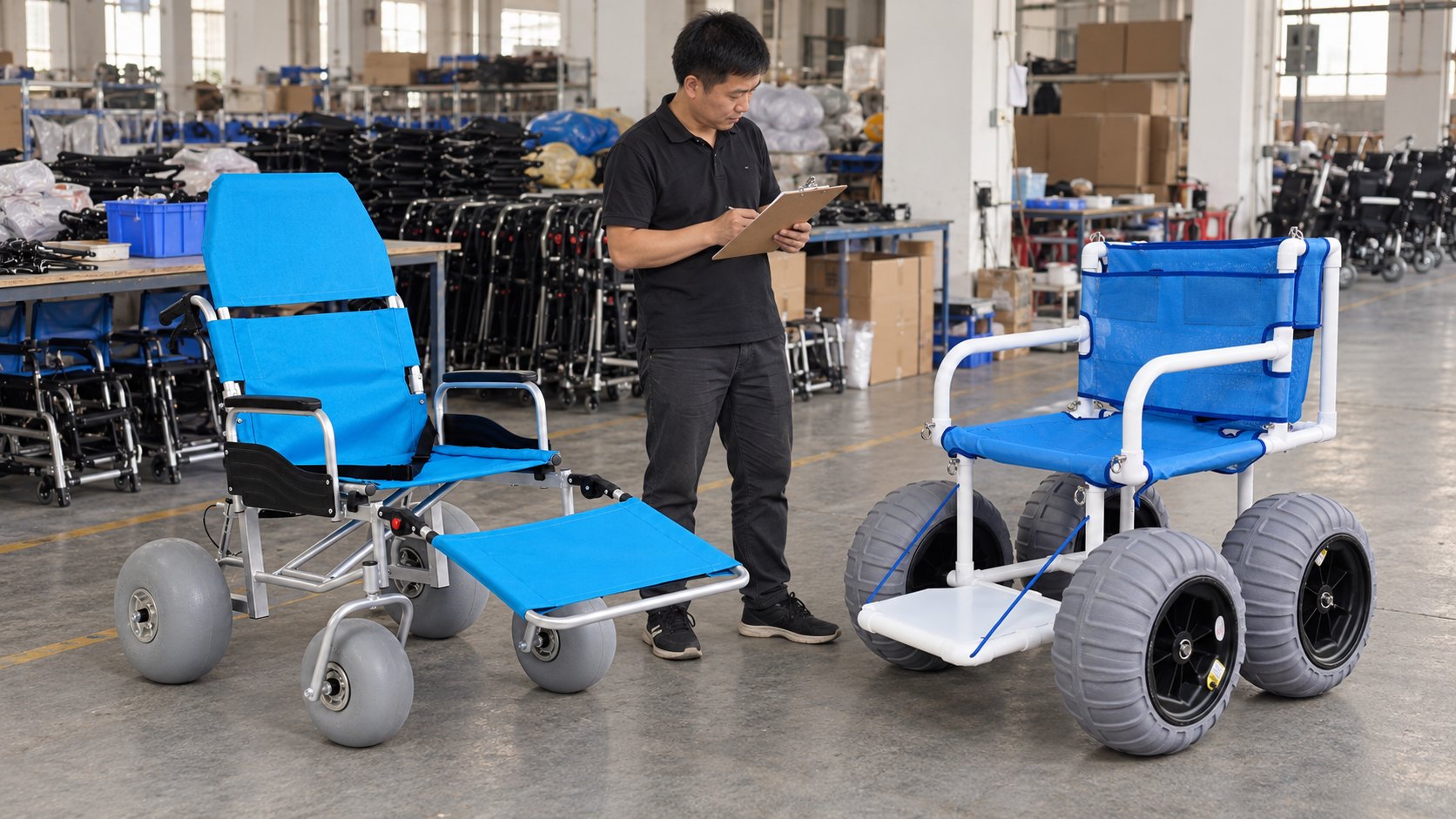
A beach wheelchair for public beach programs is a sand-ready chair that a city, county or park lends free or at low cost so visitors with limited mobility can reach the sand. Most programs use attendant-pushed chairs. Some add floating chairs for supervised water visits.
How do public programs usually work?
Visitors borrow a chair from a lifeguard tower, beach office or kiosk, often with ID and a short agreement. Here’s the deal: the simpler the check-out, the more people use the program.
- Walk-up or reservation-based loans
- ID and a signed agreement
- Return by a set time
What makes public use different?
Public chairs serve many strangers, so durability, cleaning and clear rules matter more than in private use.
| Program element | Public program need |
|---|---|
| Chairs | Durable, easy to clean |
| Rules | Clear and posted |
| Staff | Basic training |
| Information | Online and on site |
A simple, well-explained program gets used and loved by residents and visitors.
Key Takeaway: Design public programs around easy access, durable chairs and clear rules.
Why Fund a Beach Wheelchair for Public Beach Programs?
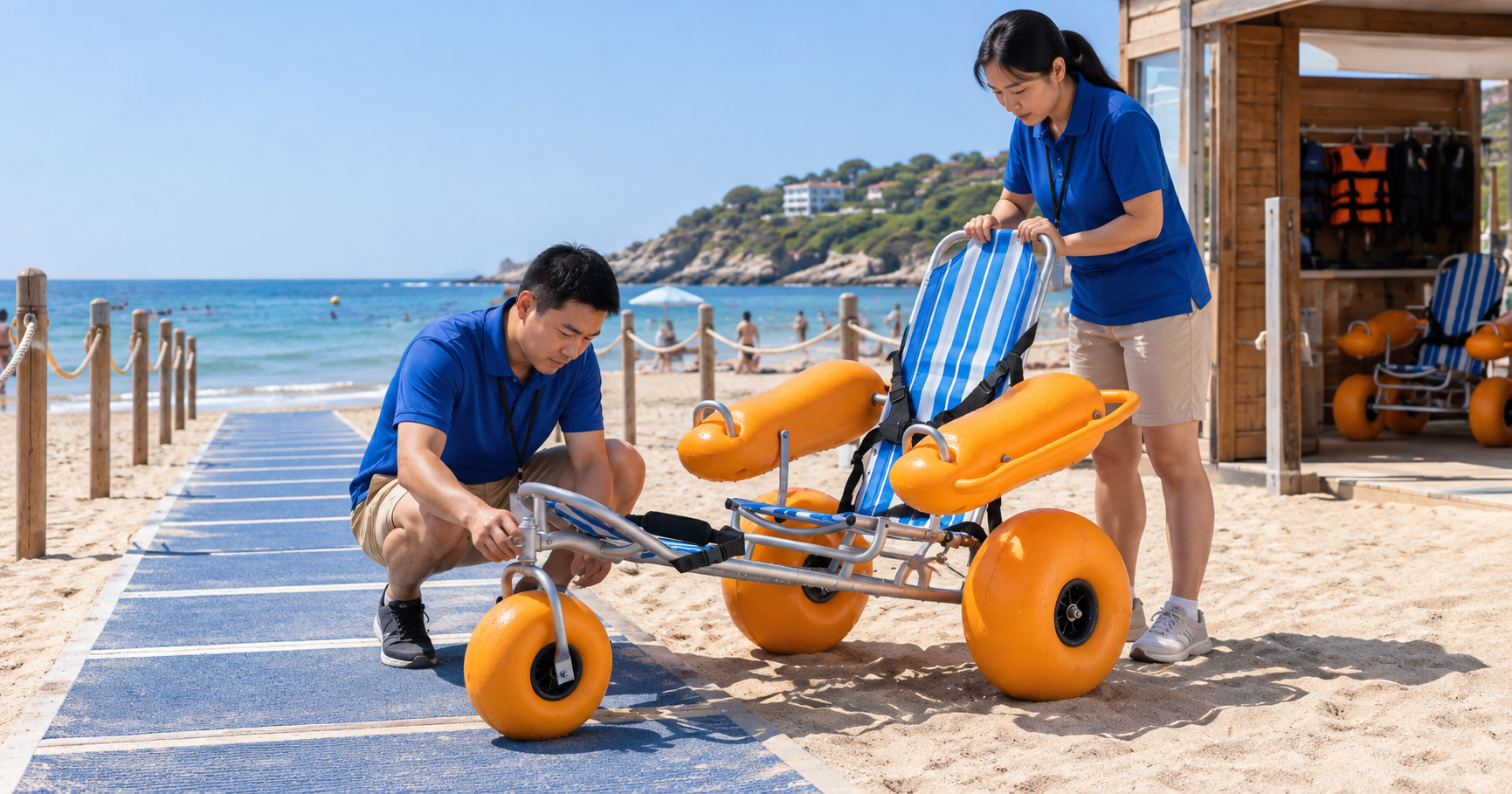
Agencies fund a beach wheelchair for public beach programs because it opens public beaches to residents and visitors who otherwise can’t reach the sand. It supports accessibility goals and community trust. It’s also very visible, which helps sponsors and donors.
Where does funding often come from?
Programs often combine general budgets, grants, sponsors, service clubs and donations. Think about it: a chair with a sponsor’s name on it is great publicity for a local business.
- Parks and recreation budgets
- Local grants and foundations
- Business sponsors and service clubs
How do you build the case?
Show requests from residents, local disability groups and visitors. Include a simple budget and plan for care.
| Funding source | Typical use |
|---|---|
| Agency budget | Staff and storage |
| Grants | Chairs and mats |
| Sponsors | Chairs with recognition |
| Donations | Spare parts and extras |
Mixed funding spreads the cost and builds community ownership.
Key Takeaway: Combine budgets, grants and sponsors, and back the request with real community demand.
Which Beach Wheelchair for Public Beach Programs Works Best?
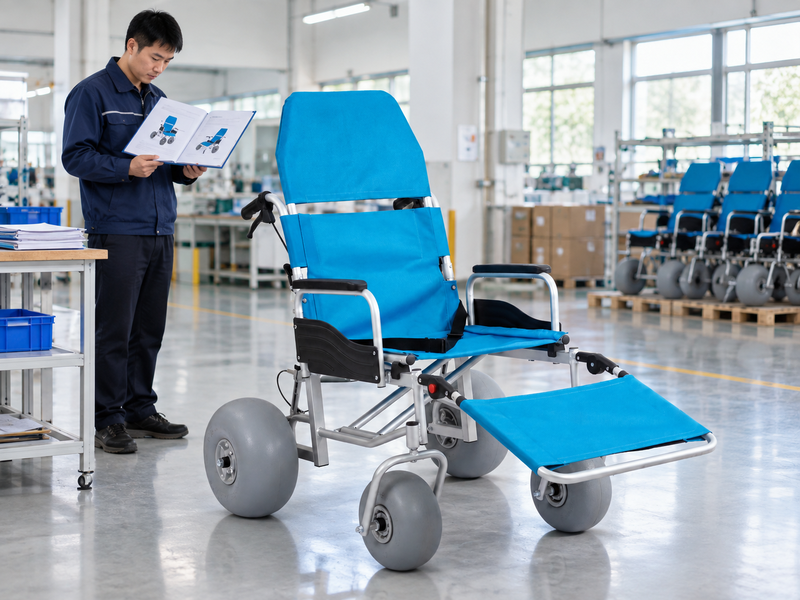
The beach wheelchair for public beach programs that works best for most agencies is an all-terrain chair with four balloon wheels, quick-dry fabric and simple brakes. It handles daily use and cleaning well. Floating chairs suit only supervised water programs.
Why do all-terrain chairs suit public use?
They’re stable, comfortable and easy to explain. Our high-back model includes an adjustable backrest and leg support. But here’s the kicker: comfort keeps users out on the beach longer, which is the whole point.
When should a program add floating chairs?
Add them when you have calm water, lifeguards and trained staff for water use. Many programs add one after their land program runs smoothly.
- Calm, supervised swim area
- Trained attendants
- Clear water-use rules
| Chair type | Best fit | Staffing |
|---|---|---|
| All-terrain | General public loans | Basic |
| Floating | Supervised water use | Trained |
| Folding | Mobile or event use | Basic |
Most programs grow from land chairs toward water access over time.
Key Takeaway: Start with all-terrain chairs and add floating chairs only with a water-safety plan.
How Many Units of a Beach Wheelchair for Public Beach Programs?
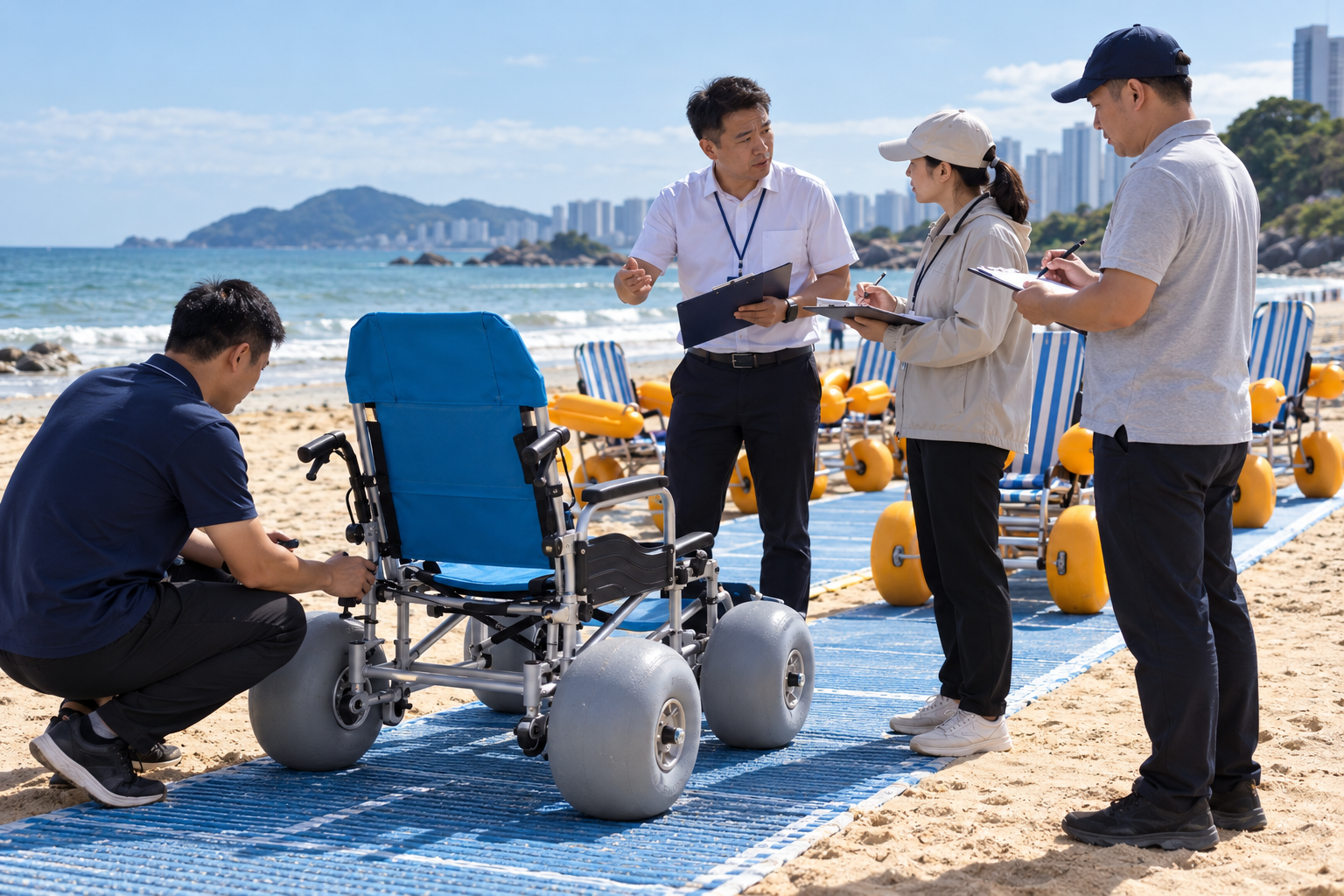
The number of units a beach wheelchair for public beach programs needs depends on beach traffic, loan length, number of sites and how many chairs are out for repair. Small programs often start with two to four chairs. Busy beaches need more.
How do you estimate demand?
Ask lifeguards, local groups and visitor centers about requests. Here’s why that matters: turned-away visitors rarely come back to ask twice.
- Count past requests
- Note busy weekends and holidays
- Plan one reserve chair
Should each beach have its own chairs?
Busy beaches benefit from their own chairs and storage. Smaller beaches can share a fleet with reservations.
| Program size | Starting fleet |
|---|---|
| Single small beach | Two chairs |
| Busy single beach | Several chairs |
| Multiple beaches | Chairs per site plus reserve |
Starting with a reserve chair keeps the program reliable from week one.
Key Takeaway: Size the fleet by demand and sites, and always keep a reserve chair.
How Do You Buy a Beach Wheelchair for Public Beach Programs?
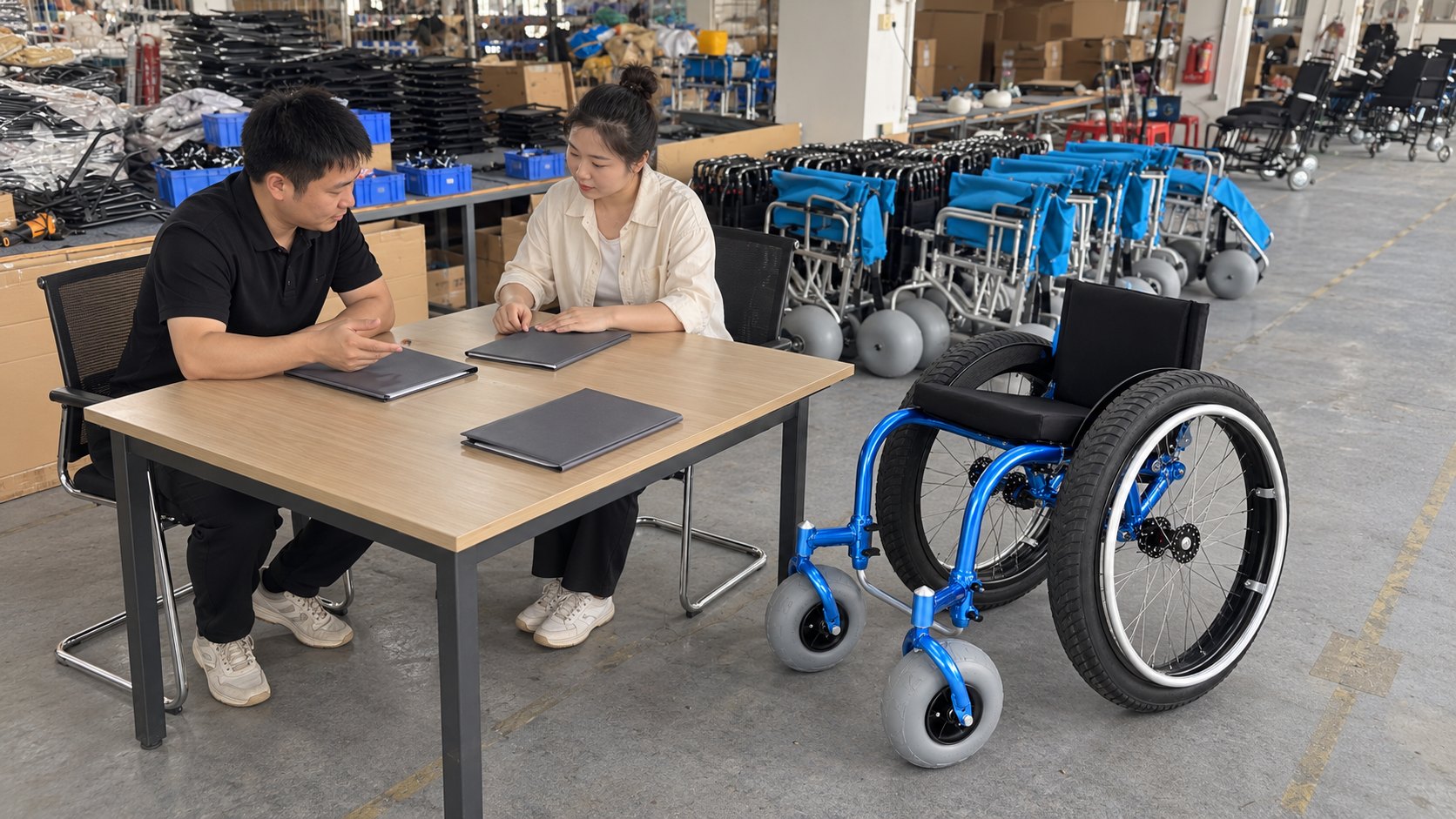
You buy a beach wheelchair for public beach programs by writing clear specs, following your agency’s procurement rules and comparing quotes on landed cost, spares and support. Purchasing thresholds decide whether you need quotes or a formal bid. Your purchasing office can confirm.
What should a spec include?
Chair type, wheel type, frame material, weight limit, fabric and spare parts belong in the spec. Sounds simple, right? Clear specs also make quotes easy to compare.
- Chair type and wheel style
- Weight limit from the current manual
- Spare parts list and delivery terms
How do you compare offers?
Use a scoring sheet that includes price, landed cost, spares, warranty and documents. Ask for samples or videos when possible.
| Scoring item | Why it matters |
|---|---|
| Landed cost | True budget |
| Spare parts | Uptime |
| Warranty | Risk |
| Documents | Spec accuracy |
A fair scoring sheet protects your agency and gets better chairs.
Key Takeaway: Write clear specs and score quotes on total value, not unit price alone.
Where Should a Beach Wheelchair for Public Beach Programs Live?
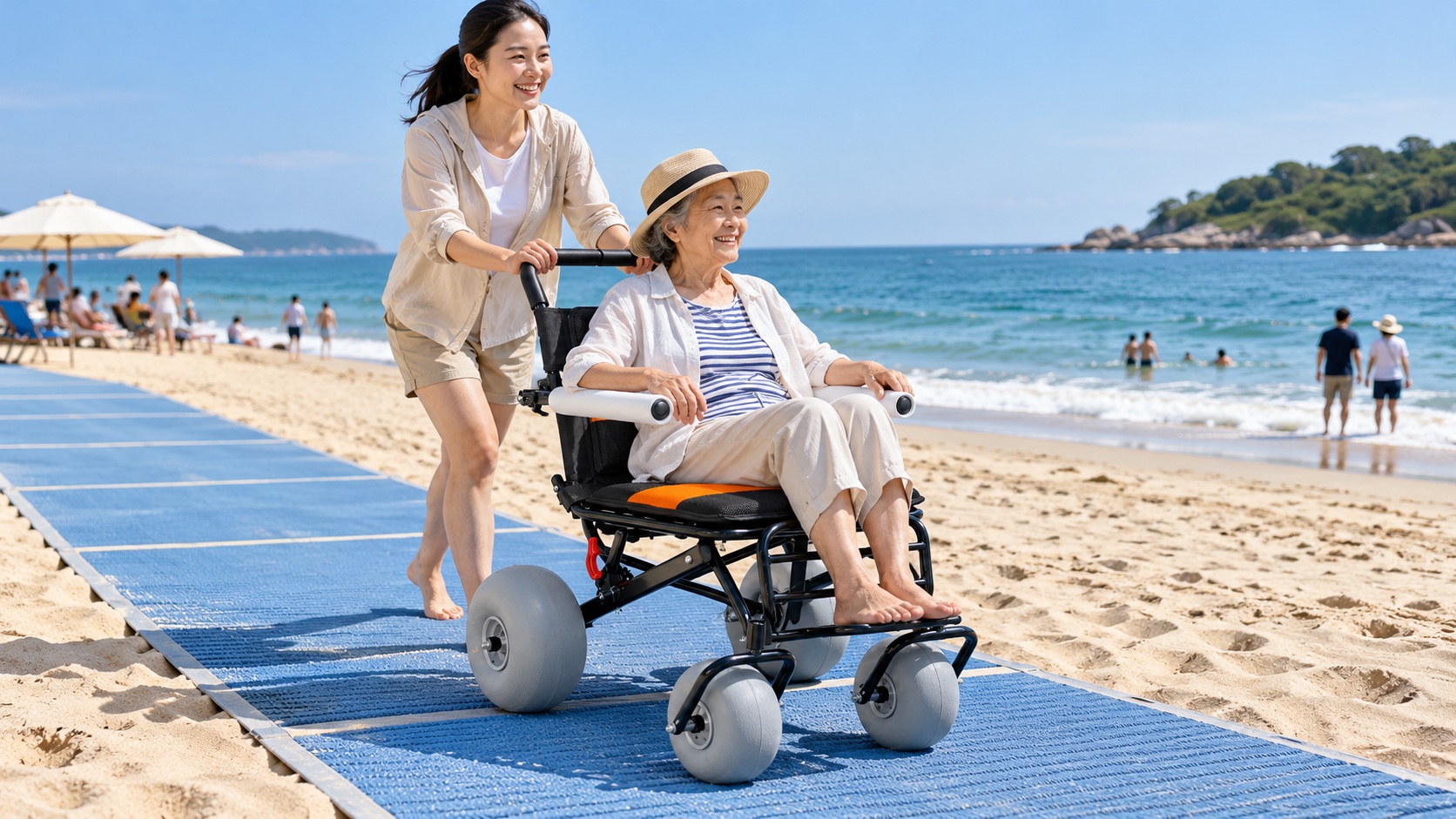
A beach wheelchair for public beach programs should live in a shaded, lockable spot near the beach entrance, ideally beside a lifeguard station or beach office. Close storage means faster loans. Secure storage reduces loss.
What makes good storage?
It’s shaded, secure, close to an access mat and near a rinse hose. Now here’s the twist: a perfect chair stored far from the beach often goes unused.
- Near the beach access path
- Shaded and lockable
- Rinse water nearby
What signs should go up?
Post signs showing where to borrow chairs, hours, rules and contact details. Use clear, large text.
| Storage feature | Benefit |
|---|---|
| Near entrance | Easy access |
| Lockable | Less loss |
| Shaded | Longer chair life |
| Signed | Visitors find it |
Visible, well-placed storage makes the program easy to use.
Key Takeaway: Store chairs close, shaded and secure, with clear signs for visitors.
How Does a Beach Wheelchair for Public Beach Programs Get Loaned?
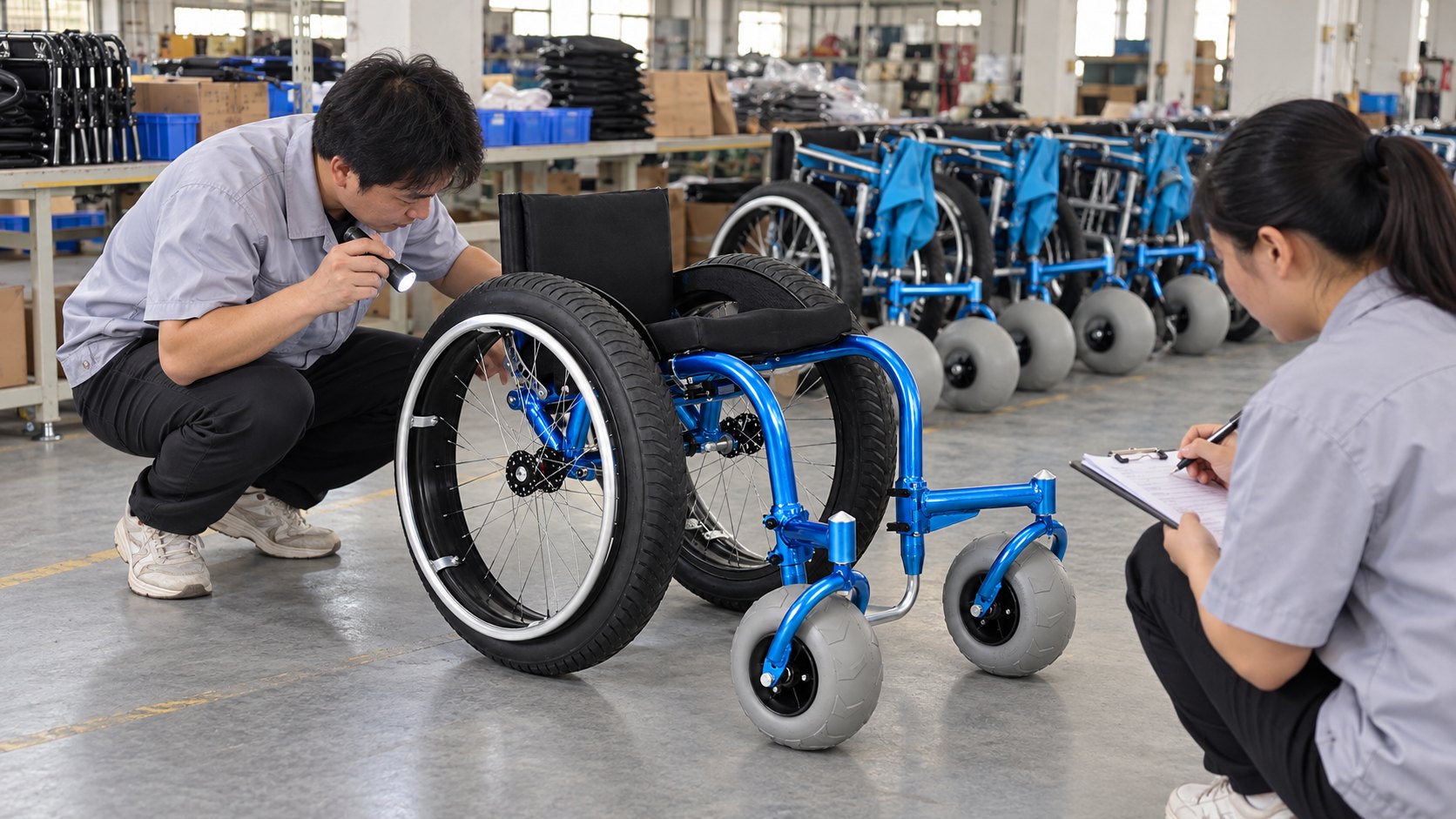
A beach wheelchair for public beach programs usually gets loaned through a quick sign-out with ID, a short agreement and a return time. Some programs take reservations, others are walk-up only. Simple rules help everyone.
What should loan rules cover?
Cover hours, return times, where chairs can go and whether water use is allowed. Want to know the best part? Clear rules reduce disputes and missing chairs.
- Hours and return time
- Use limits such as dry sand only
- Who to contact for help
Should you take reservations?
Reservations help on busy beaches and for floating chairs. Walk-up works well for small, quiet programs.
| Loan style | Best for |
|---|---|
| Walk-up | Quiet beaches |
| Reservations | Busy beaches |
| Mixed | Most programs |
Clear loan rules keep chairs moving and visitors happy.
Key Takeaway: Use a simple sign-out with ID, clear rules and a return time.
Who Staffs a Beach Wheelchair for Public Beach Programs?
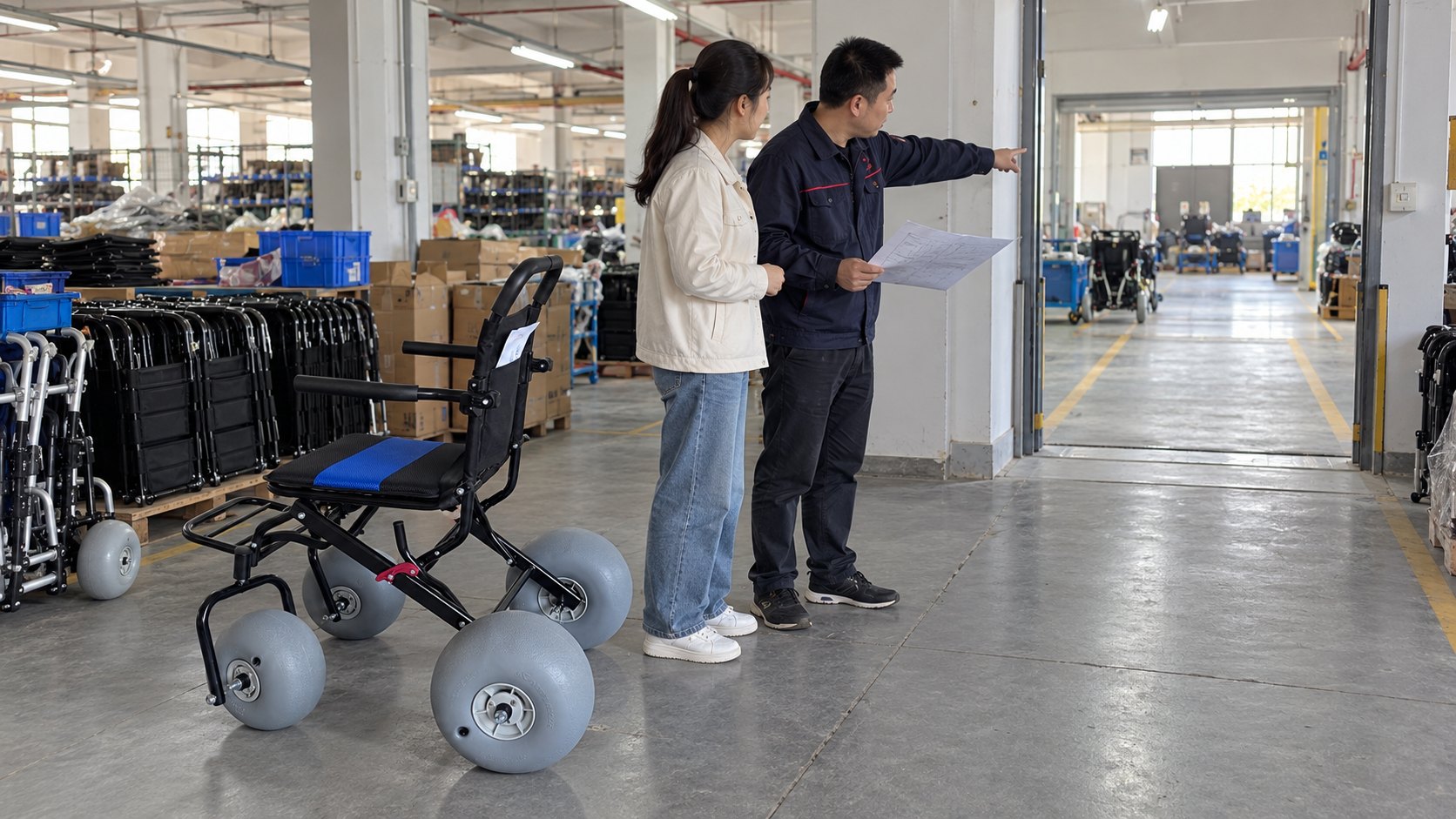
A beach wheelchair for public beach programs is usually staffed by lifeguards, beach attendants, park rangers or trained volunteers. They check out chairs, explain use and check returns. Families usually push the chair.
What should staff know?
Staff should know brakes, footrests, safe routes, cleaning and the loan rules. Here’s the thing: a friendly two-minute explanation makes visitors feel welcome.
- How the chair works
- Loan and return steps
- Cleaning and damage reporting
Can volunteers help?
Yes, many programs use trained volunteers on busy days. Give them the same training and checklist as staff.
| Role | Main tasks |
|---|---|
| Lifeguards | Water-use oversight |
| Beach attendants | Loans and returns |
| Volunteers | Busy-day support |
| Program lead | Training and records |
Clear roles keep the program running smoothly in peak season.
Key Takeaway: Train everyone who touches the program, including volunteers, on the same checklist.
How Is a Beach Wheelchair for Public Beach Programs Maintained?
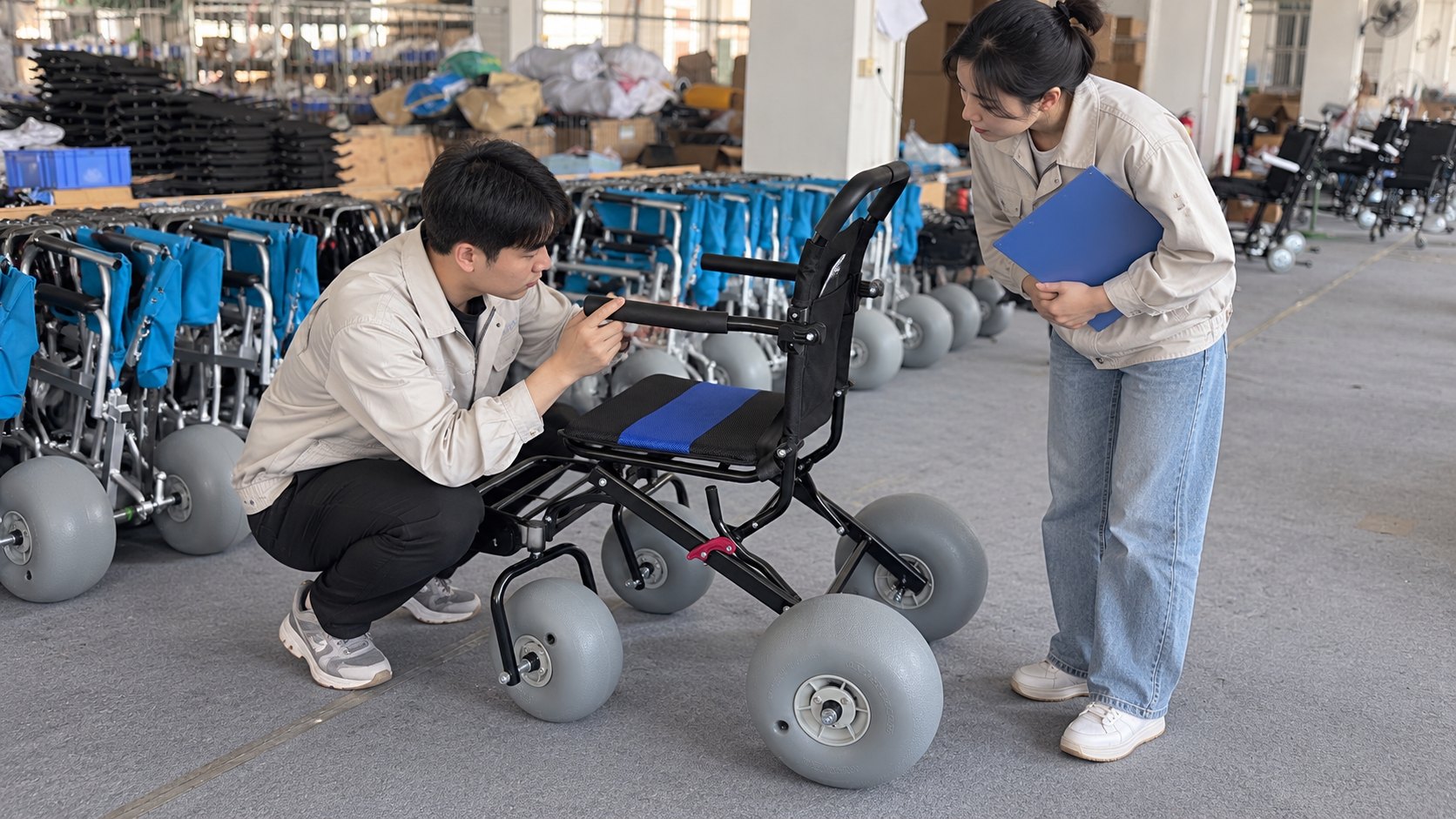
A beach wheelchair for public beach programs is maintained with a fresh-water rinse after use, weekly wheel and fabric checks and an off-season deep clean. Spare parts keep chairs in service. Records track repairs.
What’s the routine?
Rinse daily, check weekly and deep clean before storage. The short version? Care costs minutes, repairs cost weeks.
- Daily fresh-water rinse
- Weekly wheel, brake and fabric checks
- Off-season deep clean
Which spares should a program keep?
Keep spare balloon wheels, fabric sets and fastener kits for each model. Order them with the chairs.
| Task | Frequency |
|---|---|
| Rinse | Daily |
| Wheel and brake check | Weekly |
| Fabric check | Weekly |
| Deep clean | End of season |
Steady care keeps public chairs safe and ready for years.
Key Takeaway: Rinse daily, inspect weekly and keep spares for every model.
How Do You Report on a Beach Wheelchair for Public Beach Programs?
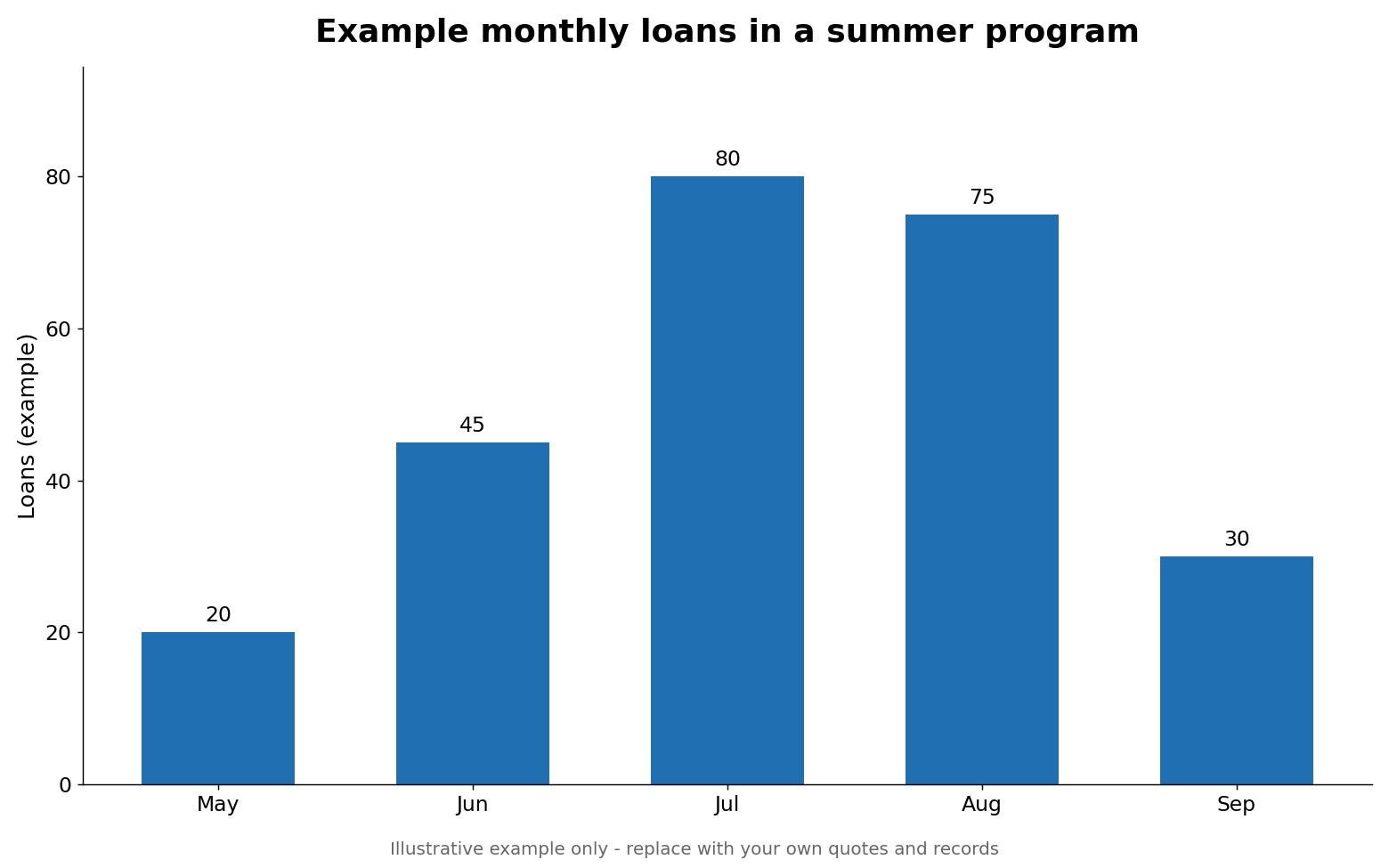
You report on a beach wheelchair for public beach programs by tracking loans, turned-away requests, repairs and user feedback each month. These numbers support budgets and grants. They also show where to add chairs.
Which numbers matter most?
Loans per month and turned-away requests show demand. This is where it gets interesting: turned-away requests often make the strongest case for more chairs.
- Loans per month and per site
- Requests that couldn’t be met
- Repairs and parts used
How should you share results?
Share a short seasonal summary with council, sponsors and local groups. Include a few user comments with permission.
| Metric | Use |
|---|---|
| Loans | Show demand |
| Turned-away requests | Justify growth |
| Repairs | Plan spares |
| Feedback | Improve service |
Simple reporting keeps support and funding coming back each year.
Key Takeaway: Track loans, unmet requests and repairs, and share results with funders.
Final Thoughts
Public beach chair programs open shorelines to people who’ve been left on the pavement for too long. You’ve seen what these programs are, how to fund them, which chairs work, fleet size, buying, storage, loans, staffing, maintenance and reporting. With those in place, your program can serve the community for many seasons.
If you’re planning or growing a public program, we can help with model choices, spec sheets and spares lists. Contact us today with your beaches and expected demand. We believe public beaches belong to everyone, and we build our chairs to help agencies prove it every day.
FAQ
Can I start a public program with just two chairs?
Yes, many programs do. Start small, track demand and add chairs once you see turned-away requests.
What’s the best chair for a public loan program?
An all-terrain chair with balloon wheels is usually best. It’s durable, stable and easy to clean.
How do I know if we need a formal bid?
Check your agency’s purchasing thresholds with your purchasing office. They’ll tell you whether quotes or a formal bid apply.
Can I allow water use with loan chairs?
Only with floating chairs, calm water and trained supervision. Standard land chairs should stay on dry sand.
How do I know if the program is working?
Track loans, turned-away requests and feedback each month. Rising loans and fewer complaints show it’s working.