
A workable lifeguard program separates land-based chair loans from any supervised water service and runs both under the agency’s own procedures. A visitor may ask at the tower for a beach chair, only for staff to find that the available unit needs repair and no owner is named. A well-run beach wheelchair for lifeguard programs service addresses that gap. Also, this guide covers equipment, loans, water sessions, training, storage, care, records and buying.
We build beach chairs, floating chairs and access mats and work with public safety buyers. We cover equipment and logistics, and your agency sets water safety rules.
Why Run a Beach Wheelchair for Lifeguard Programs Service?
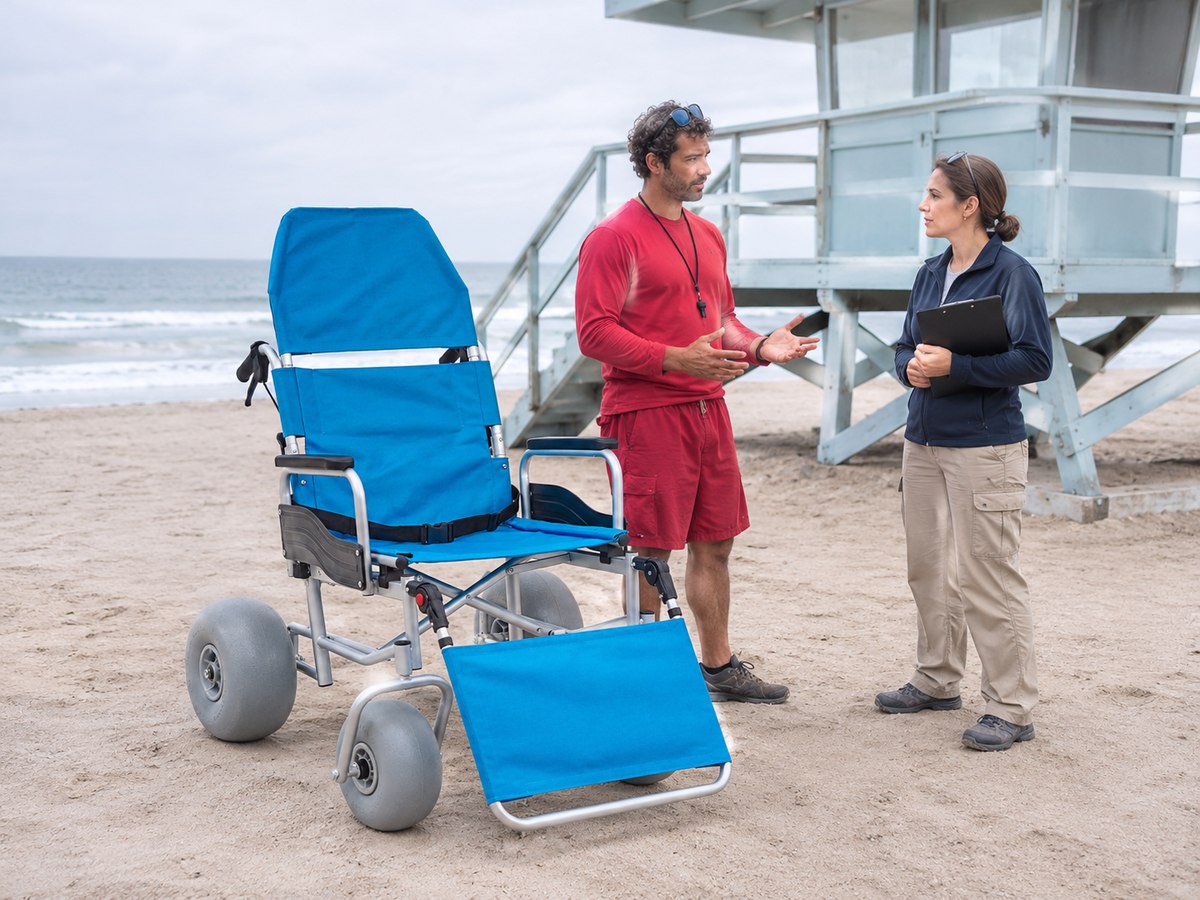
A beach wheelchair for lifeguard programs service puts chairs where visitors already look for help, at the tower or headquarters. Lifeguards know the beach. That makes them natural hosts.
Why do lifeguard sites work well?
Also, they’re staffed, visible and close to the water. Good news: visitors already trust lifeguards to help. Review current public accessibility guidance before launch.
- Staffed during beach hours
- Visible from the sand
- Close to the water
However, before launch, have a colleague unfamiliar with a lifeguard-run service review why lifeguard sites work well using only the written procedure. Their questions can expose a missing form, unclear owner or unworkable handoff while corrections remain small.
What does the agency gain?
Community goodwill, safer assisted beach access and useful data for budgets.
Before launch, staff in a lifeguard-run service should agree on what benefits the agency expects. Rehearse one handoff and one exception under real site conditions. Then, revise any step that two staff members interpret differently.
| Benefit | Who notices |
|---|---|
| Goodwill | Community |
| Safer access | Visitors |
| Use data | Budget holders |
| Visibility | City leaders |
Track requests and completed loans to judge demand at each lifeguard site.
Key Takeaway: Host chairs where staff and visitors already gather.
Which Beach Wheelchair for Lifeguard Programs Fleet Works?
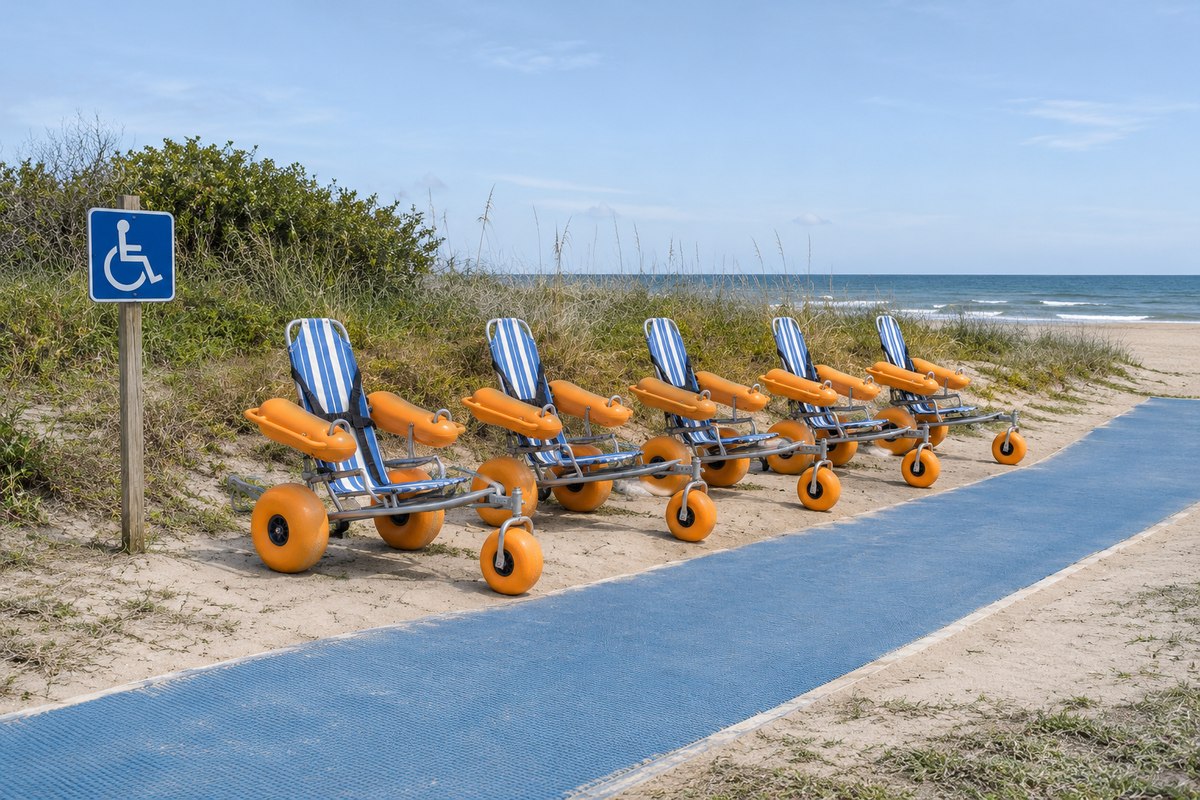
The beach wheelchair for lifeguard programs fleet should reflect documented land requests and any approved, supervised water service. Set quantities from site conditions, staffing and current chair instructions rather than a fixed ratio.
How many of each?
Also, start with more land chairs and a few floating chairs. Here’s the deal: water sessions take staff time, so plan around shifts.
- Land chairs for general loans
- Floating chairs for sessions
- Beach walkers for ambulant visitors
For a lifeguard-run service, record how many of each in the operating file with its date and decision owner. Later staff can see why that choice was made and revisit it when the site, season or user group changes.
What features matter?
Durable frames, simple brakes, replaceable wheels and floats.
In fact, before launch, staff in a lifeguard-run service should agree on what features matter. Rehearse one handoff and one exception under real site conditions. Then, revise any step that two staff members interpret differently.
| Chair | Use | Staff need |
|---|---|---|
| All-terrain | Sand loans | Low |
| Floating | Water sessions | High |
| Beach walker | Walking support | Low |
A balanced fleet fits staff capacity.
Key Takeaway: Lead with land chairs and add floating chairs to match staffing.
How Do Beach Wheelchair for Lifeguard Programs Loans Work?
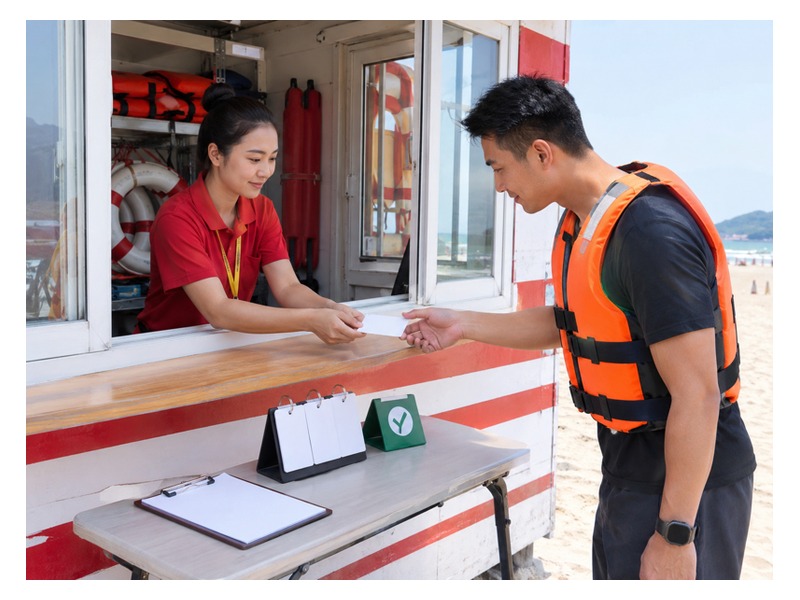
Beach wheelchair for lifeguard programs loans can use walk-up requests, online bookings or both, with written sign-out and return times. Select the method from staffing, demand and site policy.
What should sign-out record?
Also, name, contact, time out and expected return. Think about it: a short form means less time away from watching the water.
- Name and contact
- Time out and back
- Chair number
During the opening month, review what sign-out should record in a lifeguard-run service with front-line staff and one manager. Record a specific observation before changing the procedure so a busy day or isolated complaint does not become a permanent rule without context.
What terms should visitors accept?
Use on sand only for land chairs, return times and how to report problems.
Before launch, staff in a lifeguard-run service should agree on what terms should visitors accept. Rehearse one handoff and one exception under real site conditions. Then, revise any step that two staff members interpret differently.
| Loan step | Owner |
|---|---|
| Request | Visitor |
| Sign-out | Lifeguard |
| Return | Visitor |
| Check | Lifeguard |
Still, a quick process keeps staff focused on safety.
Key Takeaway: Use short sign-out forms and clear terms.
How Do Beach Wheelchair for Lifeguard Programs Water Sessions Run?
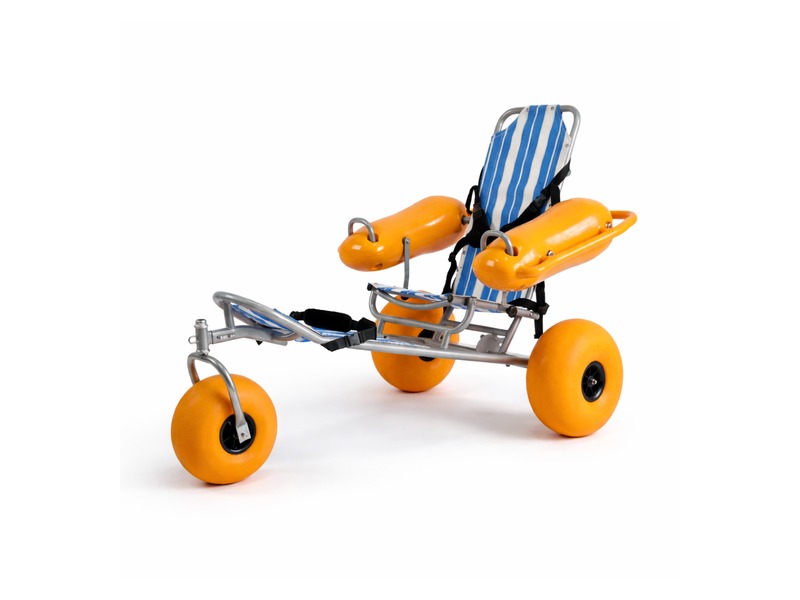
Beach wheelchair for lifeguard programs water sessions run in calm, shallow water with trained lifeguards or support persons beside the chair at all times. Conditions decide go or no-go. Your procedures set the limits.
When should sessions run?
Also, on calm days, in a marked area, within patrol hours. But here’s the kicker: conditions can change fast, so assign someone to watch the water.
- Calm conditions
- Marked area
- Trained support beside the chair
For a lifeguard-run service, write a short daily instruction that states when sessions should run. Background detail can remain in a manager file. Meanwhile, shift staff need actions, limits and a clear stop point.
Who decides on conditions?
The senior lifeguard on duty, using agency procedures.
Before launch, staff in a lifeguard-run service should agree on who decides on conditions. Rehearse one handoff and one exception under real site conditions. Then, revise any step that two staff members interpret differently.
| Factor | Check |
|---|---|
| Surf | Calm |
| Current | Low |
| Staff | Trained |
| Area | Marked |
Clear go or no-go rules keep sessions safe.
Key Takeaway: Run water sessions only in calm conditions with trained staff beside each chair.
How Is a Beach Wheelchair for Lifeguard Programs Team Trained?
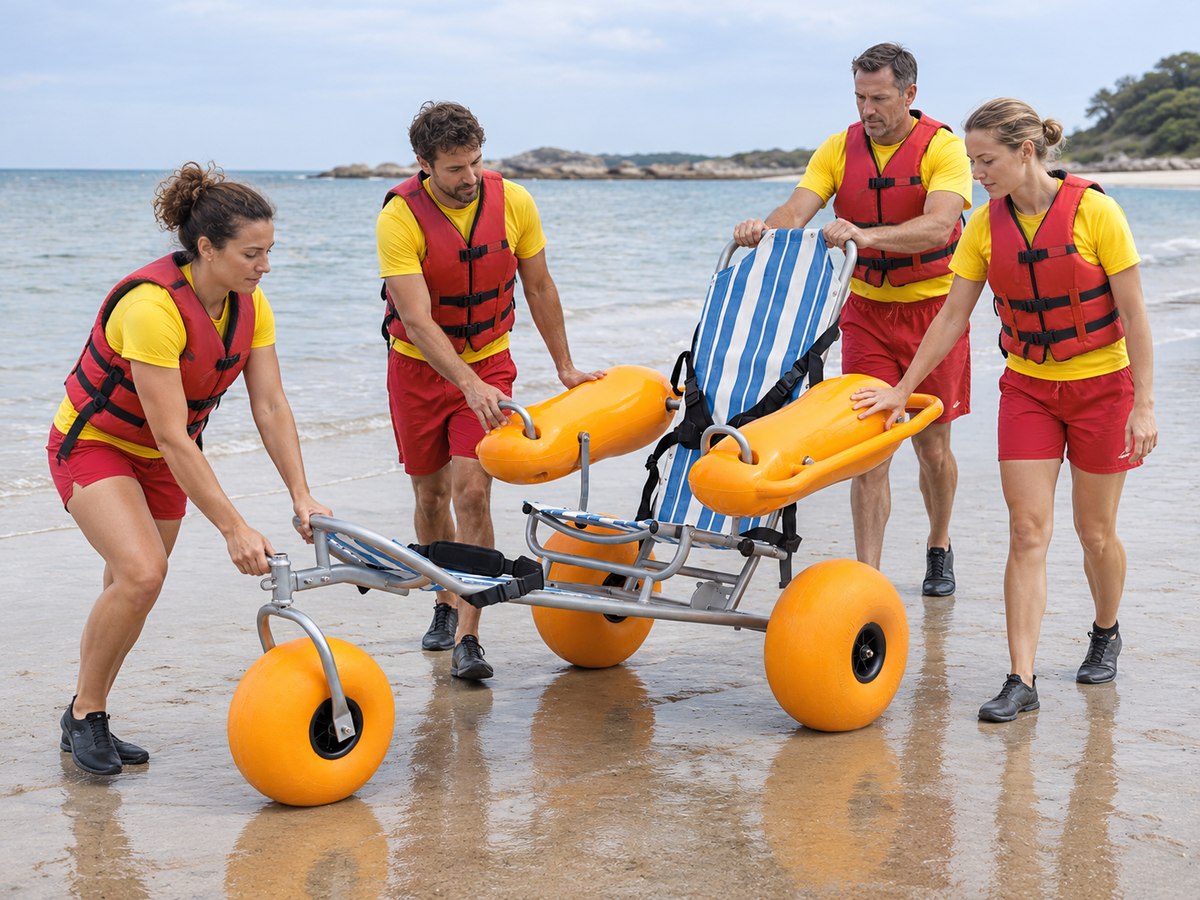
A beach wheelchair for lifeguard programs team is trained in chair handling, brakes, pushing on sand, water session procedures and cleaning. Practice before the season. Refresh mid-season.
What should handling training cover?
Also, brakes, slopes, matting and soft sand. Here’s why that matters: confident handling makes visitors feel safe.
- Brakes and slopes
- Soft sand pushing
- Water entry and exit
How do you keep training current?
Hold a pre-season session and short refreshers for new staff.
For example, for a lifeguard-run service, document how staff will keep training current, assign a named role on every shift and identify a backup. The same procedure should state who may approve a loan, pause service or call for added support.
| Training | Timing |
|---|---|
| Handling | Pre-season |
| Water sessions | Pre-season |
| Cleaning | Onboarding |
| Refresher | Mid-season |
Trained teams run smoother sessions.
Key Takeaway: Train every lifeguard before the season and refresh new staff.
Where Should a Beach Wheelchair for Lifeguard Programs Fleet Live?
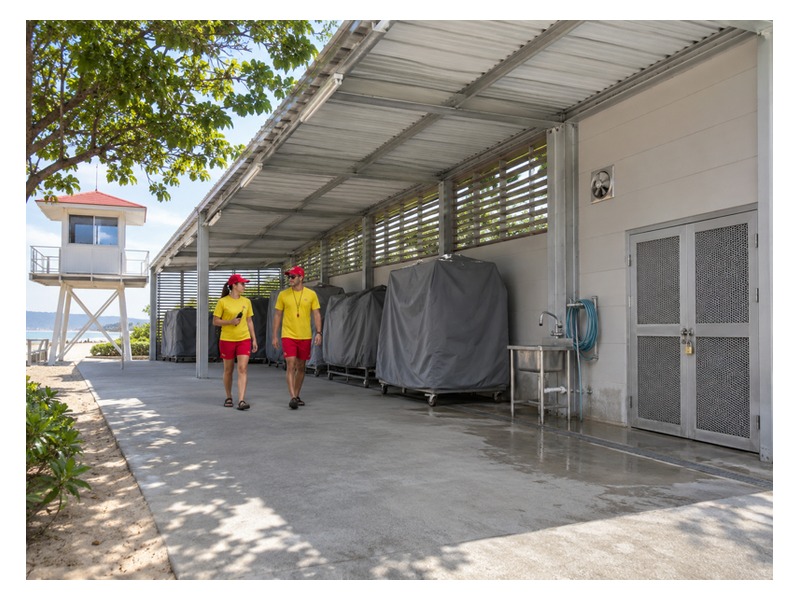
A beach wheelchair for lifeguard programs fleet should live in shaded, lockable storage at the tower or headquarters, with rinse water nearby. Close storage speeds loans. Shade protects fabric.
What should storage include?
Also, shade, a lock, a hose and space for spares. Now here’s the twist: storage at headquarters with tower drop-offs can serve several beaches.
- Shade and airflow
- Lock
- Spares shelf
How do you handle multiple towers?
Keep chairs at main sites and move them by vehicle as needed.
For a lifeguard-run service, plan how staff will handle multiple towers around numbered positions, inspection space, airflow and a direct route to the cleaning point. Staff should be able to find a missing part or damp item without shifting an entire row.
| Storage site | Use |
|---|---|
| Main tower | Daily loans |
| Headquarters | Spares and repairs |
| Vehicle | Moving chairs |
Good storage keeps chairs where demand is.
Key Takeaway: Store chairs at busy towers and keep spares at headquarters.
How Do You Maintain a Beach Wheelchair for Lifeguard Programs Fleet?
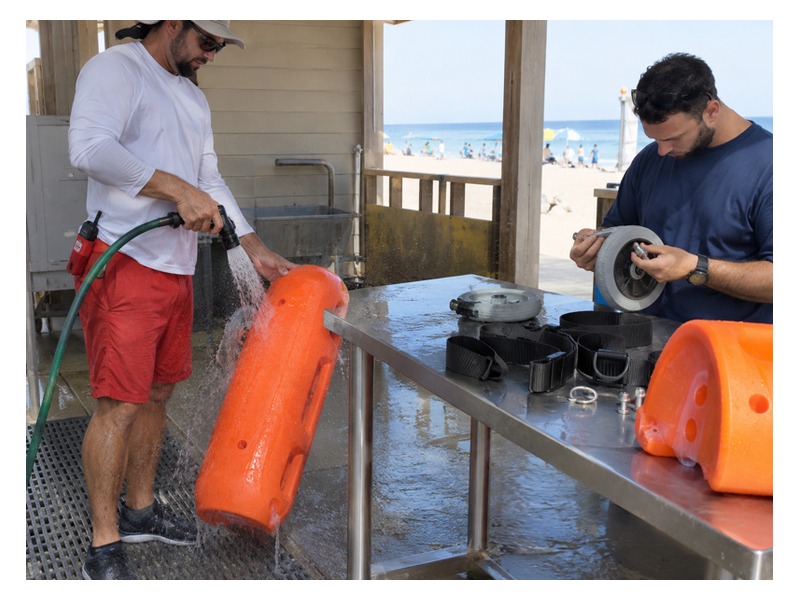
You maintain a beach wheelchair for lifeguard programs fleet with a rinse after use, daily checks of wheels, brakes and floats, and a repair log. Salt water speeds wear. Floating chairs need extra care.
What should daily checks cover?
Also, wheels, brakes, straps and floats. Use the current manual: add every model-specific check rather than relying on a fixed five-point list.
- Wheels and brakes
- Straps and fabric
- Floats and fittings
Who owns repairs?
Also, a named staff member or the city fleet team.
In a lifeguard-run service, document who owns repairs, assign a named role and keep a dated record beside the maintenance area. Recurring wear then becomes visible early, while purchasing staff gain a clearer basis for ordering only the parts the site uses.
| Task | Frequency |
|---|---|
| Rinse | After use |
| Float check | Daily |
| Wheels and brakes | Daily |
| Full service | Off season |
Meanwhile, owned maintenance keeps chairs safe.
Key Takeaway: Check floats and brakes daily and name a repair owner.
What Records Should Beach Wheelchair for Lifeguard Programs Keep?
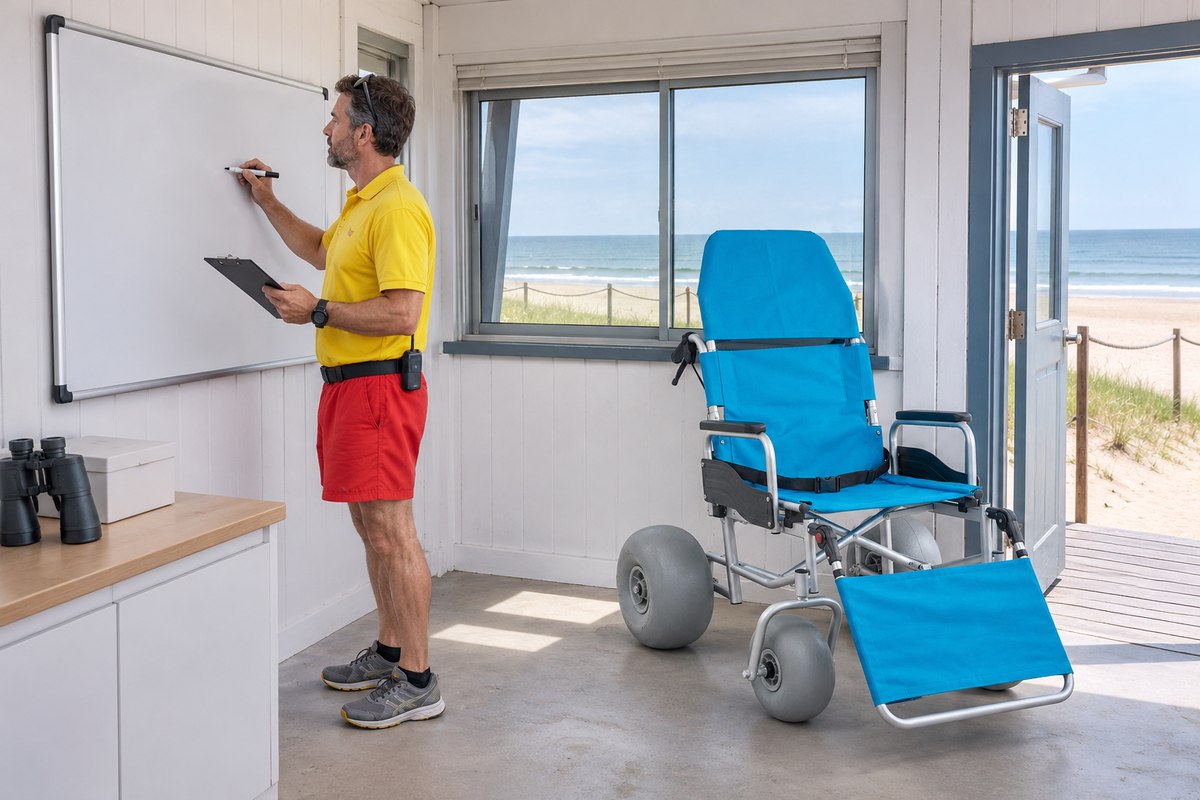
Beach wheelchair for lifeguard programs records should include loans, water sessions, turned-away requests, incidents and repairs. Records support budgets. They also show demand.
What should you track?
Also, daily loans, session numbers and unmet requests. Here’s the thing: good records make next year’s budget request easier.
- Loans and sessions
- Turned-away requests
- Repairs and incidents
Who reviews the records?
Also, lifeguard leadership, city managers and funders.
In a lifeguard-run service, document who reviews the records, assign a named role and keep a dated record beside the maintenance area. Recurring wear then becomes visible early, while purchasing staff gain a clearer basis for ordering only the parts the site uses.
| Record | Use |
|---|---|
| Loans | Demand |
| Sessions | Staff planning |
| Unmet requests | Expansion |
| Repairs | Spares |
Data helps the program grow.
Key Takeaway: Track loans, sessions and unmet demand every day.
How Do You Fund a Beach Wheelchair for Lifeguard Programs Fleet?
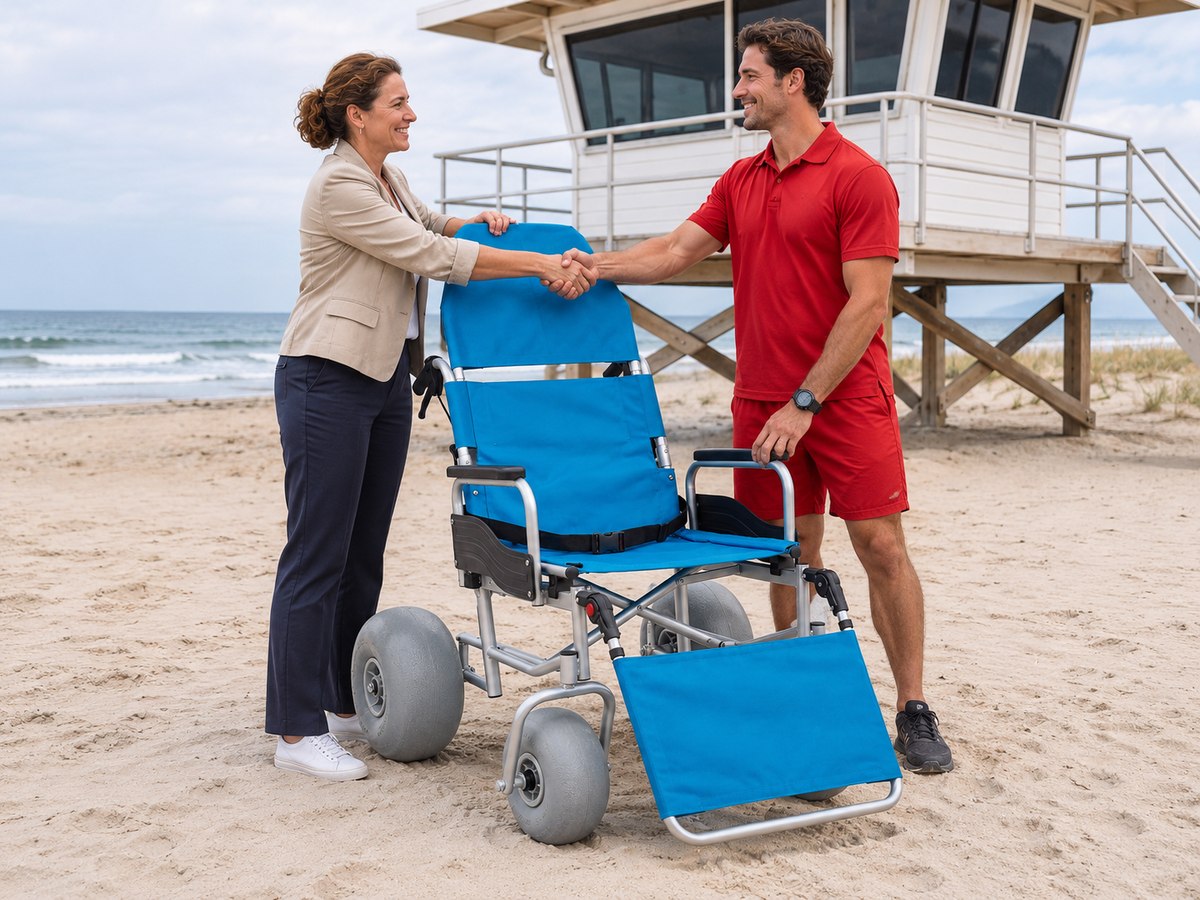
You can fund a beach wheelchair for lifeguard programs fleet through an approved city budget, eligible grants or documented partner support. Confirm equipment and staff funding separately before launch.
Which sources fit well?
Also, service clubs, foundations and local businesses. The short version? Donors like seeing chairs on the sand.
- City budget
- Service clubs
- Grants and sponsors
What should a funding request include?
Also, need, equipment list, staff plan and maintenance plan.
For a lifeguard-run service, document what a funding request should include with its source, owner, date and local assumption. That record separates a current project estimate from a standing rule and gives reviewers a clear reason for each budget choice.
| Source | Typical use |
|---|---|
| City budget | Staff time |
| Service club | Chairs |
| Grant | Fleet expansion |
| Sponsor | Signs and storage |
Mixed funding builds a stable program.
Key Takeaway: Match each approved funding source to equipment, staffing or maintenance before committing the fleet.
How Do You Buy a Beach Wheelchair for Lifeguard Programs Use?

You buy a beach wheelchair for lifeguard programs use by confirming specs from current manuals, comparing landed-cost quotes and checking spares and float parts. Procurement rules apply. Samples help.
What should you confirm?
Also, weight limits, float design, materials and spares. This is where it gets interesting: float parts availability matters as much as the chair.
- Weight limits
- Float and frame materials
- Spares and lead times
How do you compare suppliers?
Also, score them on documents, landed cost, spares and support.
However, for a lifeguard-run service, use one written checklist when deciding how staff will compare suppliers. Also, cover documents, packing, delivery, spare parts and support. Ask bidders to answer the same questions so a low unit price cannot hide a missing service or cost line.
| Check | Why |
|---|---|
| Documents | Verification |
| Landed cost | Budget |
| Float spares | Uptime |
| Support | Reliability |
Careful buying keeps the fleet ready all season.
Key Takeaway: Confirm specs and float spares before you buy.
Final Thoughts
Lifeguard agencies are well placed to host beach chairs and supervised water sessions. You’ve seen why it works, which fleet to choose, loans, water sessions, training, storage, maintenance, records, funding and buying. With these in place, your program can serve more visitors safely.
If you’re planning a lifeguard chair program, we can share manuals, float spares lists and quotes. Contact us today with your beaches and staffing. We believe water access should come with good support. Also, we build chairs that help lifeguards provide it.
FAQ
Can I run water sessions with one lifeguard?
It depends on your procedures. Many agencies require a trained person beside each chair at all times.
What’s the best mix of chairs?
Mostly all-terrain chairs, with a few floating chairs. Match floating chairs to staff capacity.
How do I know if conditions are safe?
Your senior lifeguard decides using agency procedures. Run sessions only in calm water.
Can I lend floating chairs for unsupervised use?
No, floating chairs should be used in supervised sessions. Land chairs suit general loans.
How do I know if we need more chairs?
Also, track turned-away requests. Regular unmet demand means it’s time to expand.