
For an OEM beach mat, approve the joint and the private label against the same product revision. A beautifully printed sample tells the brand owner little about whether a replacement ordered next year will mate with the sections already installed. The buyer needs a controlled connection detail, a physical reference and a way to identify when a revised part enters production.
Open the project with the route and service the brand intends to supply. Give the manufacturer the intended width and installed coverage, substrate, handling and storage constraints, expected joining and removal tasks, and destination of the shipment. Ask which aspects of the proposed product are standard, which would be customised and which remain subject to development. Obtain written acceptance of the proposed scope before committing to a launch date.
Put the mating interface on the drawing
Identify the section body, each mating end, connection parts, end treatments and any separately supplied fixing kit. Ask the technical parties to specify the dimensions, reference faces, tolerances and permitted assembly checks for the particular interface. Where two versions look alike, identify the marking or part reference that distinguishes them. Document which combinations are approved for use together.
Ary’s product description refers to interlocking modular sections with route length configured through section count. Use that information to ask about effective installed coverage and compatibility for the actual offer. It provides no single anchor layout, material grade or warranty term for every branded project. Modular beach mat configuration
| Release item | What the brand owner and supplier should agree |
|---|---|
| Product drawing and parts list | Section ID, revision, connection detail, edge/end components and included hardware. |
| Artwork and instructions | Label text, language, placement, responsible contact and claims that the technical record supports. |
| Joined sample | Which sections and fittings formed the accepted joint, the checks completed and unresolved site conditions. |
| Pack and traceability | Where the hardware travels, which package identifies the revision, and how the receiver matches contents to the order. |
Approve appearance and function separately
Use a joined sample to review how the connection engages and how the crew can inspect it. Record the finished running surface and edge, removal access and the method permitted for replacement. A colour sample or small swatch may be adequate for artwork review. Keep the technical release open until the offered joint, end detail and supporting files have been examined. Physical beach mat sample approval
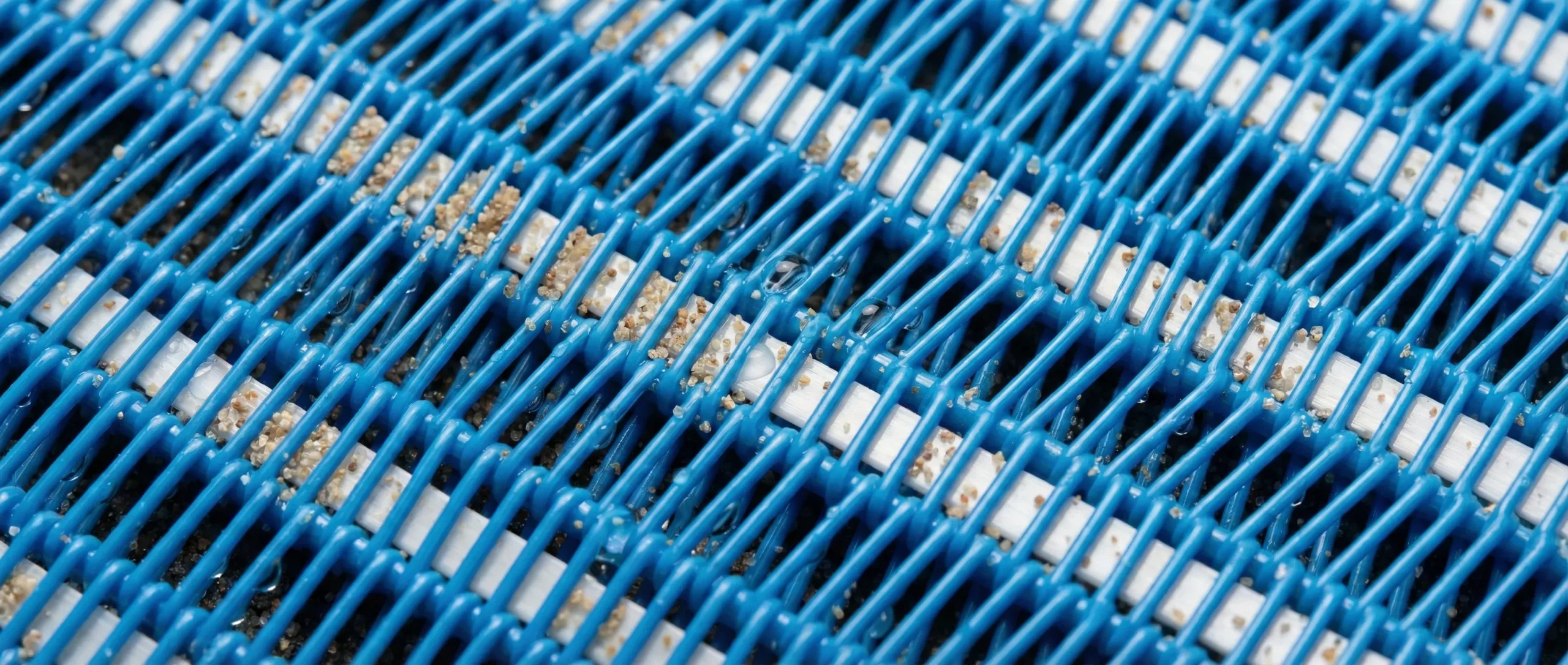
Check the label on the actual sample or agreed print proof. It should remain legible in its intended position and leave necessary operating information visible. Reconcile the model designation on the product, outer package, instructions, quotation and future parts request. If a distributor uses its own stock code, maintain the cross-reference to the manufacturer’s actual revision.
Follow one change all the way to the customer
Suppose a supplier proposes a different end connector after the artwork has been approved. Obtain both drawings, the reason for the revision, the affected section references and the proposed production point. Check whether old and new sections can connect, whether the crew needs another tool, and what happens to stored spares. The supplier and technical reviewer should identify the appropriate repeat checks. A photograph of two similar ends cannot establish compatibility.
If approved, record the effective order or batch, revise the parts list and packaging description, update the demonstration unit and inform affected distributors. Keep earlier stock identifiable. If the new connector cannot mix with an installed system, the order and support terms should explain how the customer can obtain a matching extension or replacement.
Before production release, select one packed set and reconcile the section, connector kit, end components, labels and instructions with the accepted record. Give manufacturing, quality, purchasing and the brand owner the same revision set. State which approvals remain site-specific, including substrate preparation and the fixing method for the actual installation.