A beach wheelchair is a specialized mobility device equipped with oversized, low-pressure tires designed to traverse soft sand and uneven coastal terrain without sinking. Imagine the perfect sunny day at the shore with the sound of waves calling, yet you’re stuck on the boardwalk because your standard chair wheels are digging inches deep into the sand. It is incredibly frustrating to watch your friends head toward the water while you are physically barred from the shoreline. This is where what is a beach wheelchair becomes your ultimate ticket to freedom. These innovative machines use balloon tires and marine-grade materials to glide over dunes. Some even feature floating armrests that allow you to transition directly from the sand into the surf for a refreshing dip. Coastal accessibility has never felt this effortless or looked this good.
What exactly defines a beach wheelchair?
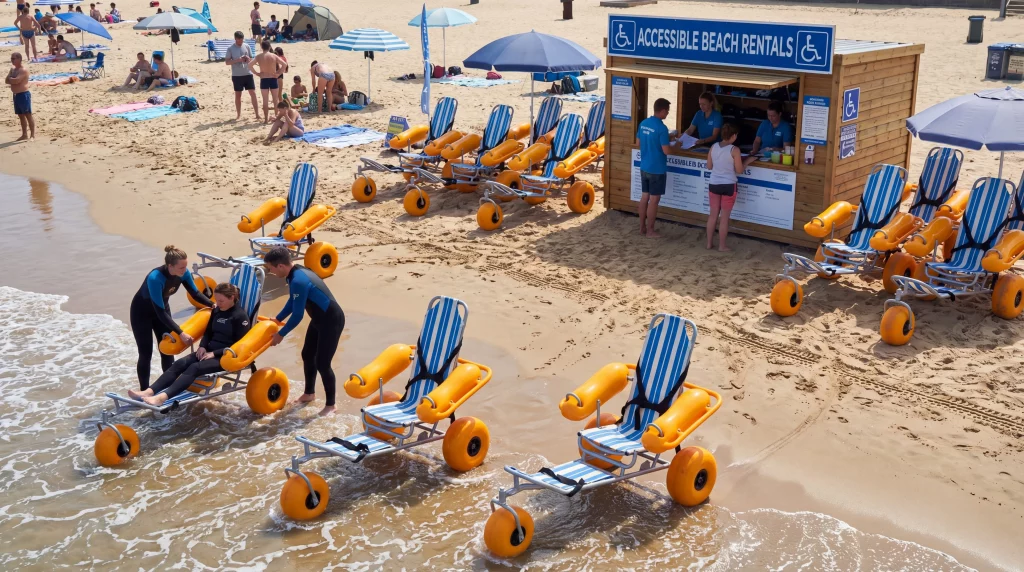
A beach wheelchair is a specialized mobility device engineered with oversized wheels to navigate challenging coastal environments. When you consider what is a beach wheelchair , think of it as a tool that removes the physical barriers of soft sand and uneven dunes. These chairs ensure that your mobility needs don’t stop where the boardwalk ends.
Key features of sand-ready mobility
The defining characteristics of these chairs center on stability and surface area. Most models utilize large, low-pressure balloon tires that glide over loose terrain instead of digging in.
- Oversized, puncture-resistant balloon wheels.
- Corrosion-resistant frames made of stainless steel or aluminum.
- Quick-release components for easy transport.
- Upholstery that is breathable and UV-resistant.
Why standard chairs fail on the coast
Standard wheelchairs are designed for hard, flat surfaces like concrete or carpet. Because their narrow tires concentrate all the weight into a small point, they will inevitably sink into the sand within seconds.
Here is the kicker: Even a high-end manual chair can become completely immobile on a beach. This creates a safety risk and a frustrating experience for you and your companions.
Key Takeaway: A beach wheelchair is defined by its ability to float over surfaces that would normally trap traditional mobility aids, using specialized engineering to ensure coastal access.
| Feature | Standard Wheelchair | Beach Wheelchair |
|---|---|---|
| Tire Width | Narrow (1-2 inches) | Wide (12+ inches) |
| Tire Pressure | High PSI | Low PSI (2-4 lbs) |
| Frame Material | Steel/Chrome | Marine-grade Aluminum/Stainless |
| Best Terrain | Pavement | Sand and Surf |
How do those oversized balloon tires work?
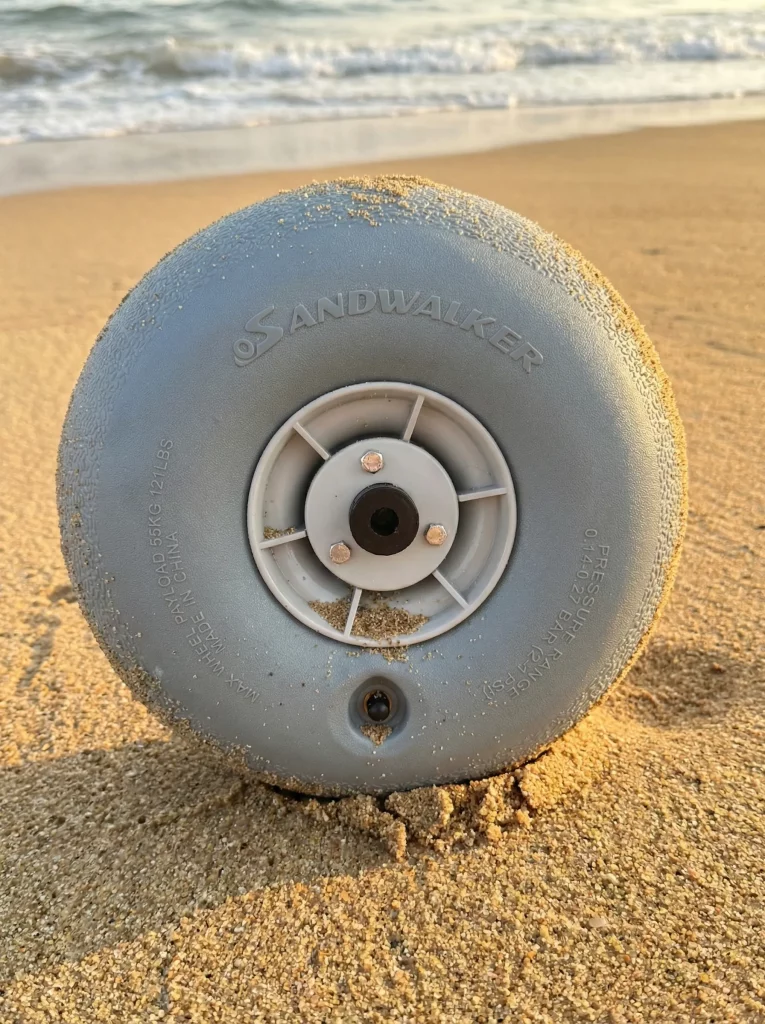
Oversized balloon tires work by distributing the total weight of the chair and the user over a much larger surface area. This principle of physics, known as “flotation,” prevents the wheels from cutting into the sand. You will find that what is a beach wheelchair ‘s primary advantage is this specialized tire technology.
The science of low-pressure weight distribution
Low-pressure tires are designed to deform slightly when they hit an obstacle or soft spot. This deformation allows the tire to “wrap” around the sand rather than pushing against it.
Here is the secret: By increasing the contact patch with the ground, the pressure per square inch is dramatically reduced. This is why you can roll effortlessly over fine, powdery sand that would be impossible to walk through in standard shoes.
Maintaining the right PSI for soft sand
Keeping your tires at the correct pressure is vital for performance. If the tires are too hard, they will act like standard wheels and sink; if they are too soft, the chair becomes difficult to steer.
- Ideal pressure is typically between 2 and 4 PSI.
- Check tire firmness before every beach outing.
- Use a low-pressure gauge to avoid over-inflation.
- Adjust the PSI based on the weight of the passenger.
Key Takeaway: The success of beach mobility depends on the “flotation” effect of balloon tires, which requires maintaining a specific low pressure to stay on top of the sand.
| Tire Condition | Performance on Sand | Ease of Steering |
|---|---|---|
| High Pressure | Poor (will sink) | Good (on hard ground) |
| Optimal PSI | Excellent (floats) | Balanced |
| Under-Inflated | Good (floats) | Very Difficult |
Can beach wheelchairs actually go in the water?
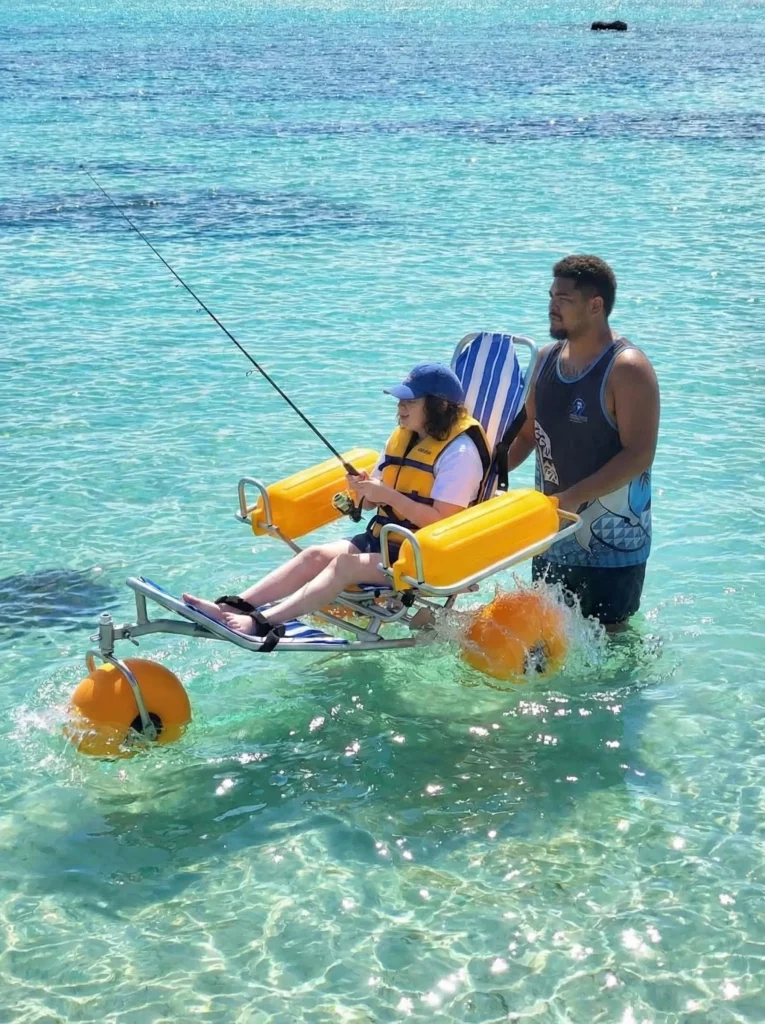
Yes, many beach wheelchairs are specifically designed for water entry, allowing you to enjoy the surf directly from the chair. Understanding what is a beach wheelchair involves recognizing the difference between “sand-only” models and those built for aquatic immersion. These floating models provide a seamless transition from the dunes into the waves.
Understanding floating wheelchair models
Floating models utilize buoyant materials, such as foam-filled armrests and specialized tires, to keep the chair upright in water. These designs allow you to feel the movement of the waves without the fear of the chair tipping or sinking.
But wait, there’s more! These chairs are often made from marine-grade materials like 306 stainless steel to ensure the saltwater doesn’t cause rapid corrosion. You can enjoy the ocean with peace of mind knowing the frame is built for the salt.
Safe water depths for aquatic entry
While these chairs are buoyant, they are not boats and require specific safety protocols. Most manufacturers recommend using them in supervised areas where an attendant can assist with movement.
- Maximum safe depth is typically 1.2 meters (roughly chest height).
- Always use a safety harness while in the water.
- Avoid areas with strong rip currents or high surf.
- Never enter the water without a companion or lifeguard nearby.
Key Takeaway: Floating beach wheelchairs offer a safe and stable way to experience the water, provided you stick to recommended depths and have an attendant present.
| Use Case | Sand-Only Chair | Floating Chair |
|---|---|---|
| Water Immersion | No (damage risk) | Yes (up to 1.2m) |
| Buoyancy | None | High (armrests/tires) |
| Frame Material | Basic Aluminum | 306 Stainless/Plastic |
| Safety Attendant | Recommended | Required |
What are the different types of beach wheelchairs?
Beach wheelchairs come in several specialized configurations, including all-terrain models, floating water chairs, and compact folding versions. When you are trying to understand what is a beach wheelchair , you must consider how you plan to use it. Some are built for rugged trail exploration, while others are designed specifically for buoyancy in the surf.
All-terrain vs. floating designs
All-terrain chairs are the workhorses of the beach, designed to handle gravel, grass, and hard-packed sand with ease. They often feature sturdier frames and may even offer self-propulsion options for users with upper body strength. Floating beach wheelchairs, on the other hand, are the pinnacle of aquatic accessibility, featuring specialized armrests and tires that provide buoyancy in the water.
Lightweight folding models for travel
Lightweight folding models are designed for the traveler who needs to fit their gear into a standard vehicle or storage closet. These chairs often use high-strength aluminum frames that reduce weight without sacrificing the ability to handle soft sand. They are the perfect middle ground for families on the go.
Key Takeaway: Beach wheelchairs range from buoyant water-entry models to highly portable folding units, each serving a specific mobility goal on the coast.
| Chair Type | Primary Advantage | Best Environment |
|---|---|---|
| All-Terrain | Maximum stability | Gravel, grass, and dunes |
| Floating | Water immersion | Calm surf and pools |
| Folding/Travel | Easy transport | Road trips and small cars |
Are these wheelchairs easy to push or pull?
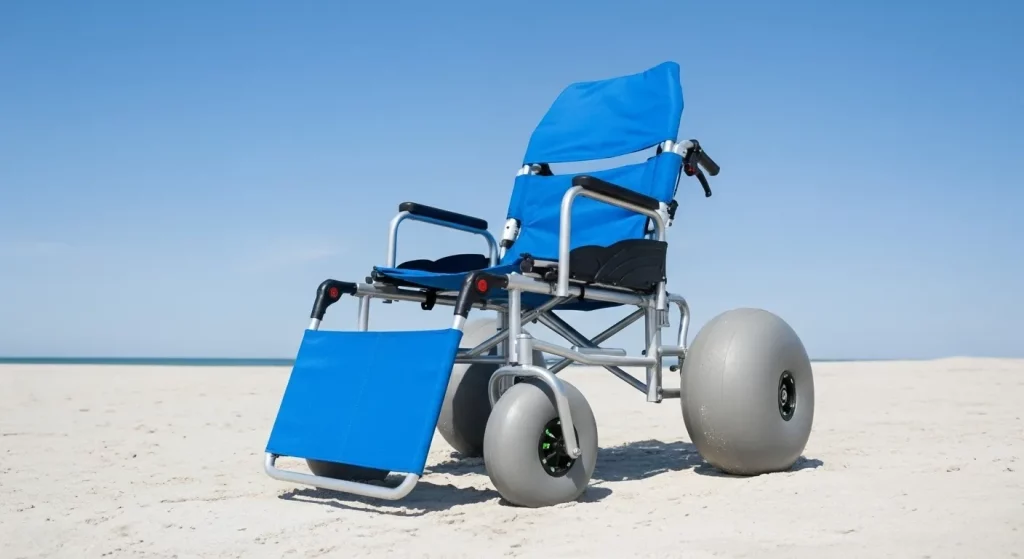
One of the most common questions regarding what is a beach wheelchair is how much effort is required to move them. Because these chairs are designed for soft surfaces, the engineering focuses heavily on reducing the physical strain for the person assisting the user.
Ergonomic handles and frame geometry
High-quality beach chairs feature ergonomic push bars or handles that allow for a natural grip and better leverage. The frame geometry is often balanced so that the center of gravity stays over the large wheels, making it surprisingly easy to tilt and turn even on uneven dunes.
Manual vs. electric beach mobility
While most beach wheelchairs are manual and require an attendant, electric models are becoming more popular. Manual chairs are lighter and easier to transport, whereas electric models offer the user complete independence. However, electric models are significantly heavier and require more complex maintenance for their battery systems.
What materials prevent saltwater corrosion?
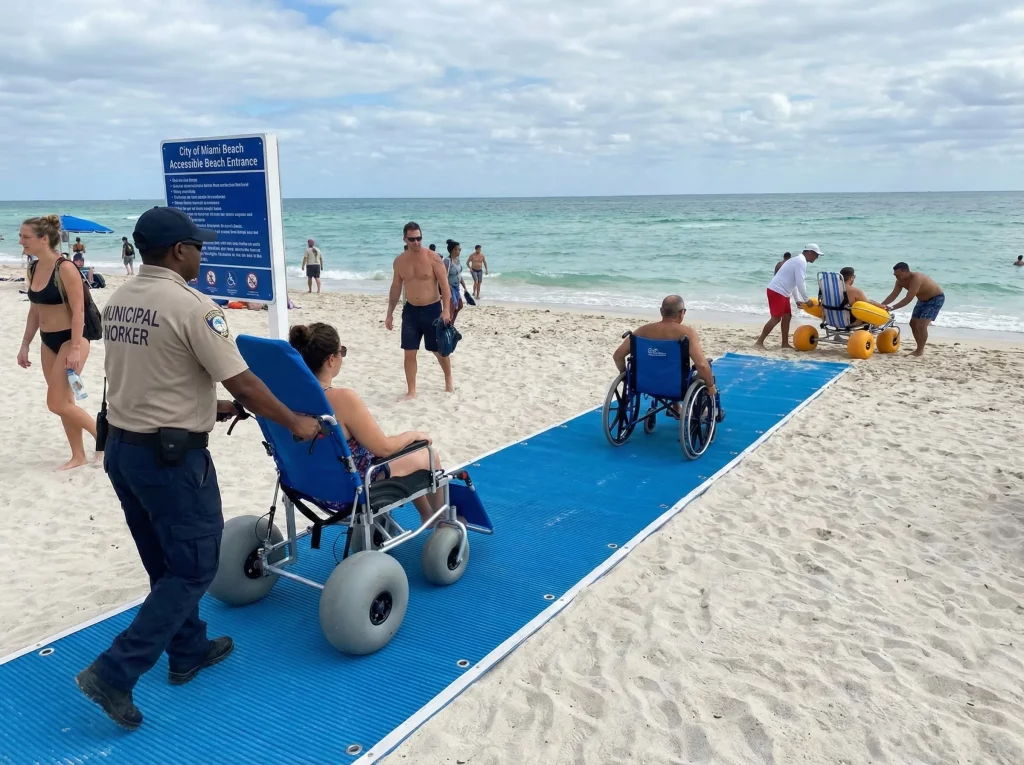
Saltwater is notoriously harsh on metal. To ensure longevity, professional beach wheelchairs are constructed using materials that can withstand constant exposure to salt, sand, and moisture.
Benefits of 306 marine-grade stainless steel
306 stainless steel is the gold standard for beach mobility. Unlike standard steel or lower-grade aluminum, it contains molybdenum, which provides superior resistance to pitting and corrosion in chloride environments. This means your chair won’t rust after its first season at the shore.
Protective powder coatings and finishes
In addition to high-grade metals, many frames are treated with industrial-strength powder coatings. These finishes provide an extra layer of protection against scratches and UV damage, ensuring that the chair remains structurally sound and visually appealing for years to view.
Who can benefit from using a beach wheelchair?
Beach wheelchairs are not just for regular wheelchair users; they provide inclusive access for anyone who finds the sand difficult to navigate. Understanding what is a beach wheelchair helps identify how it can serve a wide demographic.
Solutions for seniors and rehab patients
For seniors with limited mobility or patients recovering from surgery, a standard walk across the sand can be dangerous. A beach wheelchair provides a stable, comfortable seat that allows them to enjoy the coastline without the risk of falls or overexertion.
Inclusive access for resort guests
Resorts use these chairs to ensure that every guest can participate in beachside activities. Whether it’s a destination wedding or a family bonfire, having a beach wheelchair available ensures that no one is left behind on the boardwalk.
How do you transport a beach wheelchair?
Most modern beach wheelchairs are designed for transport, featuring quick-release wheels or folding frames that fit into standard SUVs and vans. The engineering often allows it to break down into manageable pieces despite the large tires.
Quick-release wheels for easy storage
Quick-release axles are a standard feature on professional-grade beach chairs, allowing you to remove the large balloon tires in seconds. Once the wheels are removed, the frame becomes much narrower and flatter, fitting easily into most backseats or trunks.
Fitting your chair into a standard vehicle
While a compact car might struggle with the larger frame, most mid-sized sedans, SUVs, and minivans can accommodate a disassembled beach wheelchair with ease. Folding frames reduce the storage footprint by up to 60%, making it car-friendly for road trips.
| Vehicle Type | Ease of Transport | Preparation Needed |
|---|---|---|
| SUV / Van | Very Easy | Minimal disassembly |
| Mid-Size Sedan | Moderate | Remove wheels and fold |
| Compact Car | Challenging | Full disassembly required |
What maintenance is required after beach use?
Maintenance is straightforward as long as you follow a consistent protocol. Because saltwater is naturally corrosive, a few minutes of care after each trip can extend the life of your chair by several years.
The essential freshwater rinse protocol
The freshwater rinse is the most critical step. Salt crystals can act like sandpaper on moving parts. You should thoroughly spray down the frame, wheels, and fabric with a garden hose as soon as you leave the beach to remove both salt and abrasive sand.
Checking for sand in moving parts
Check the axles and any folding joints for trapped sand, which can cause grinding or jamming over time. Maintaining a tire pressure between 2 and 4 PSI is also vital; if the tires are too hard, they will lose their “flotation” effect and sink into the sand.
| Component | Maintenance Task | Frequency |
|---|---|---|
| Frame | Freshwater rinse | After every use |
| Tires | PSI check / Inflation | Before every use |
| Bearings | Lubrication | Every 3-6 months |
Where can you find beach wheelchair rentals?
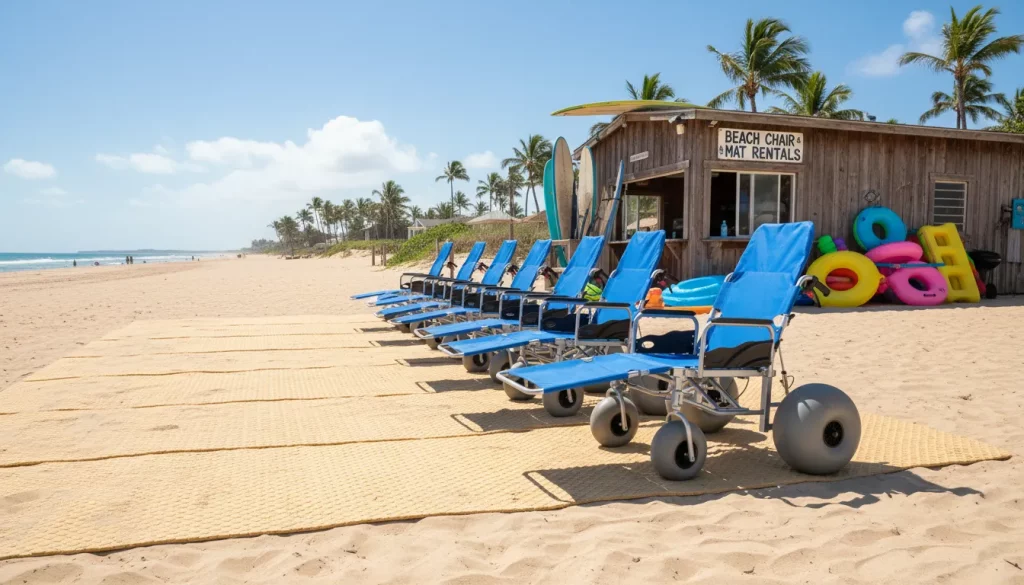
You can find these wheelchairs at public municipal beaches with accessibility programs, high-end resorts, and specialized medical rental agencies. Many coastal cities now offer them for free to ensure everyone has access to the shoreline.
Municipal beach accessibility programs
Many public beaches and coastal state parks maintain a fleet of beach wheelchairs for visitors to borrow on a first-come, first-served basis. These are often managed by lifeguard stations. Most municipal programs offer these chairs free of charge or for a very low fee.
Resort-led mobility services
Luxury resorts increasingly offer beach wheelchairs as a standard amenity. Having a chair waiting for you at the resort eliminates the stress of packing and shipping your own equipment. Resorts often have staff available to help push the chair and set up your spot on the shore.
| Source | Availability | Typical Cost |
|---|---|---|
| Public Beach | First-come, first-served | Free / Low-cost |
| Resort/Hotel | Guest amenity | Included in stay |
| Rental Agency | Reserved in advance | Daily/Weekly fee |
Conclusion: From the Sidelines to the Shoreline
The dream of a perfect beach day often hits a hard reality at the edge of the boardwalk. It is deeply frustrating to feel the ocean breeze and hear the waves, only to be physically barred from the water because standard wheelchair wheels sink inches deep into the sand. This isolation shouldn’t be part of your coastal experience. By embracing specialized beach mobility, you can finally trade that frustration for true independence. With low-pressure balloon tires and salt-resistant frames, the transition from the pavement to the surf becomes effortless. At Ary Beach Accessibility Solutions, our vision is to eliminate coastal barriers through innovative engineering, making every beach accessible for everyone. Don’t let another sunny day pass you by from a distance—reach out and contact us today to find the perfect equipment for your next seaside adventure.
Frequently Asked Questions
Can I operate a beach wheelchair without assistance?Generally no, because the nature of soft sand and the size of balloon tires usually require an attendant to push or pull the chair safely.
What’s the best way to prevent my wheelchair from rusting?A thorough freshwater rinse after every use is the best method, as it removes the salt and sand that can degrade even marine-grade materials over time.
How do I know if I need a floating model or an all-terrain model?You should choose a floating model if your goal is to enter the water, whereas an all-terrain model is better suited for traversing sand, gravel, and grass without immersion.
Can I transport a beach wheelchair in a standard-sized vehicle?Yes, most professional models are designed with quick-release wheels and folding frames, allowing them to fit into the trunk or cargo area of most SUVs.
How do I know if the tire pressure is correct for soft sand?The tires should feel soft to the touch, as maintaining a low pressure between 2-4 PSI ensures the chair glides over the sand rather than sinking into it.