Why This Beach Had to Change
Every summer, thousands gather for this coastal festival. Yet for years, many visitors couldn't reach the water—not by choice, but by design.
Beach Environment
A popular public beach hosting annual summer festivals with peak daily attendance exceeding 5,000 visitors. The natural soft sand terrain stretches over 200 meters from parking area to shoreline, creating significant accessibility barriers during high-traffic periods.
Original Conditions
Deep, unstable sand made wheelchair navigation impossible without assistance. No permanent pathways existed, and temporary solutions required extensive manual labor. Staff reported spending over 20 hours weekly assisting mobility-impaired visitors, limiting their ability to serve all guests effectively.
Core Infrastructure Gaps
Soft Sand Terrain
Natural beach sand prevented wheeled mobility devices from gaining traction, making independent access impossible.
No Continuous Pathway
Gaps in accessibility infrastructure created dependencies on staff assistance, limiting scalability during peak times.
High Labor Demands
Manual assistance was unsustainable at festival scale, with staff unable to meet demand during concurrent arrivals.
See how we transformed this challenge into opportunity
Discuss Your Beach ProjectReal People, Real Barriers
This wasn't about abstract demographics—it was about individuals who wanted to experience the beach but faced physical barriers beyond their control.
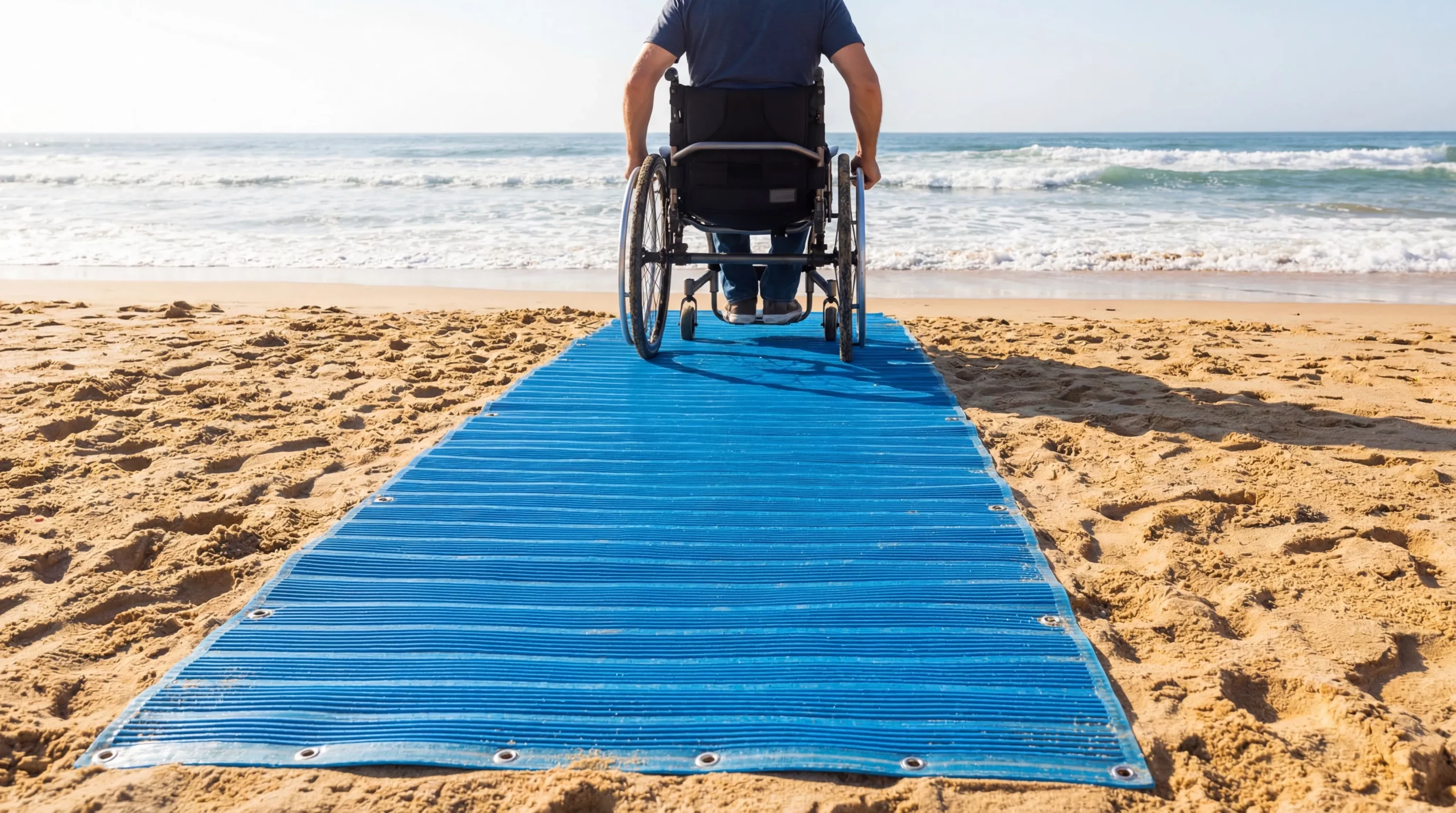
Wheelchair Users
Individuals with permanent mobility devices requiring stable, continuous surface from parking to water access.
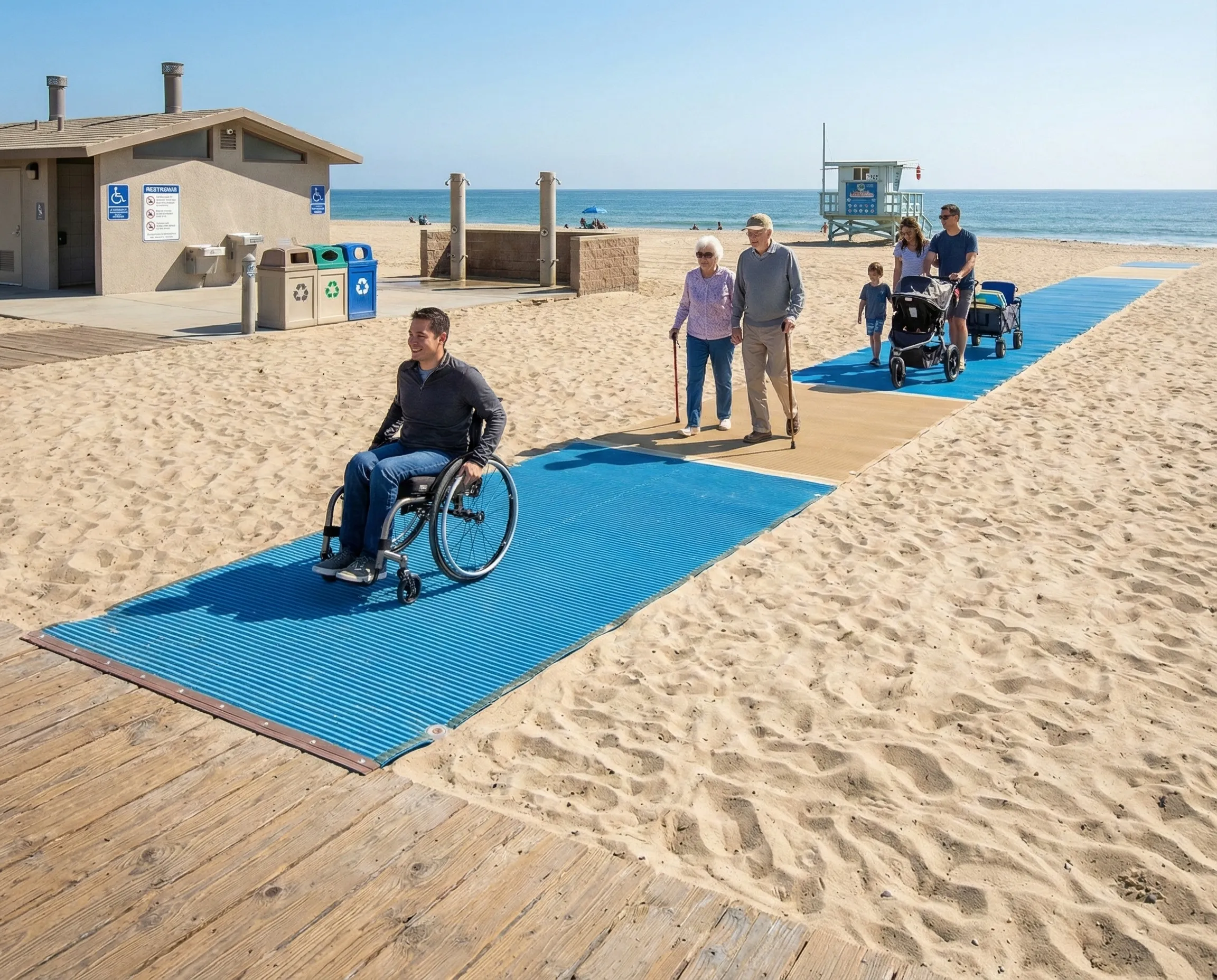
Senior Visitors
Elderly guests with reduced mobility who need safe, slip-resistant pathways to avoid fall risks on unstable terrain.
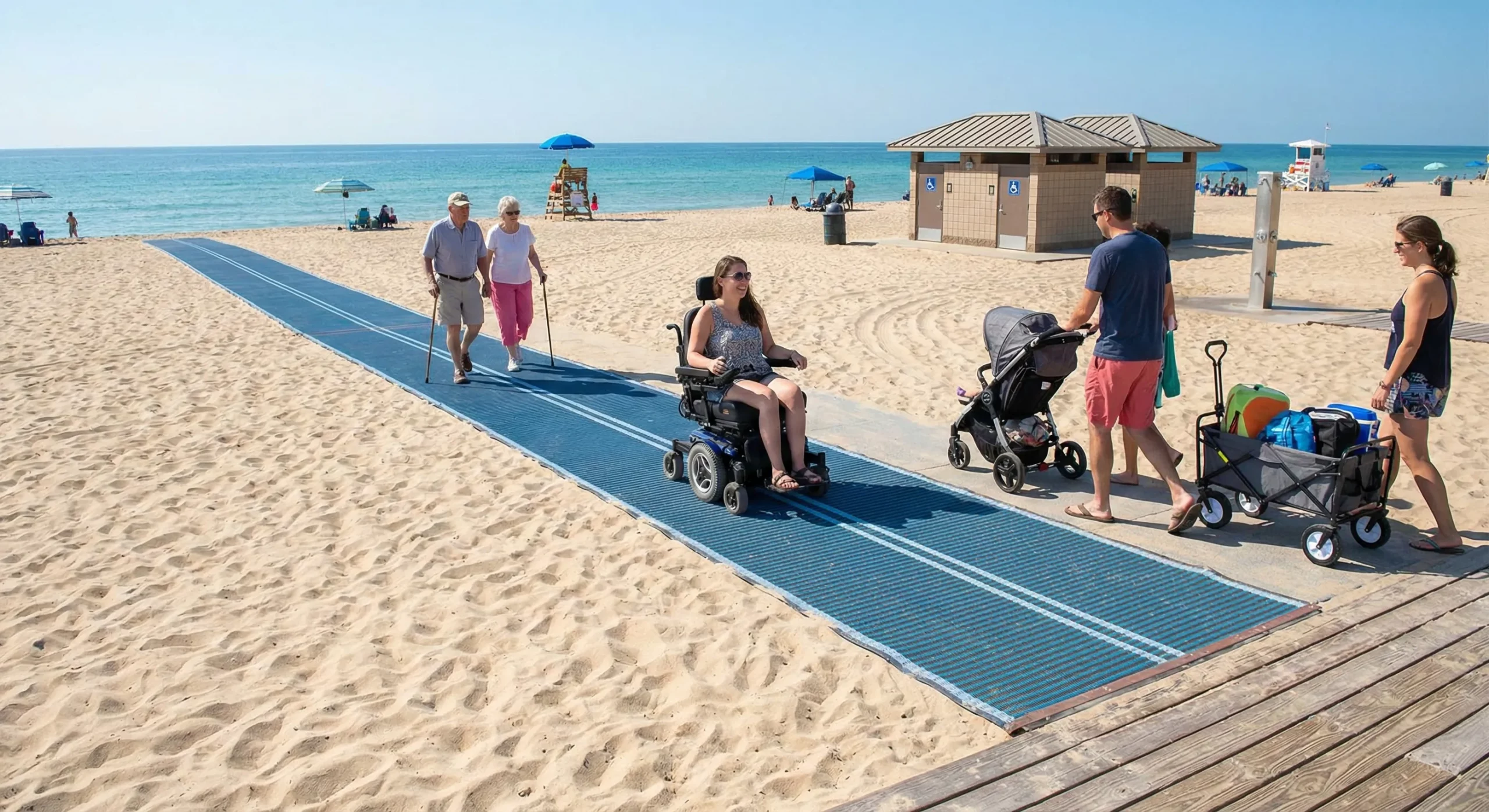
Temporary Mobility Limitations
Visitors using crutches, canes, or recovering from injuries who require temporary assistance navigating soft sand.
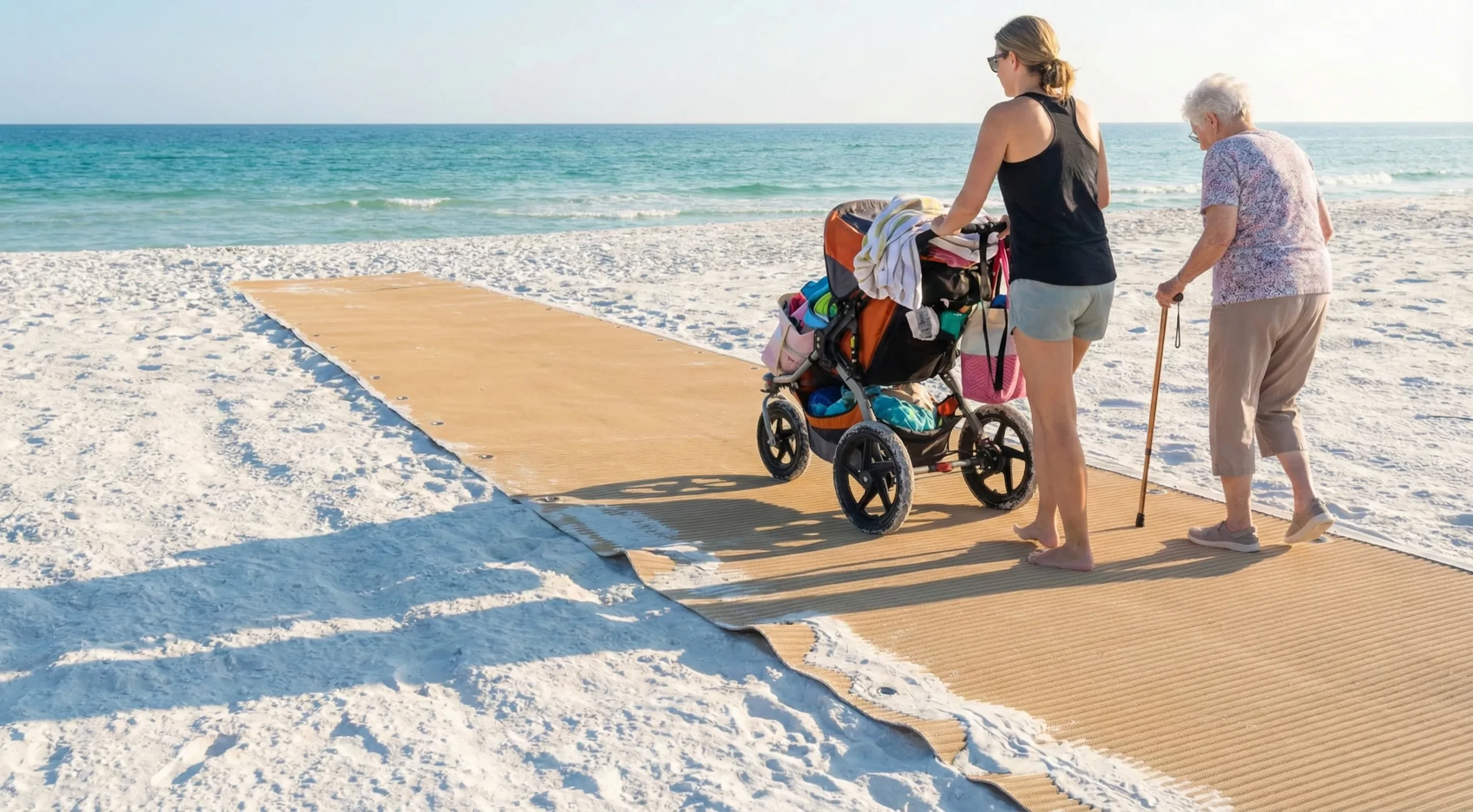
Families with Strollers
Parents managing young children and beach equipment who benefit from smooth pathways for baby strollers and wagons.
"They weren't choosing to stay away—the infrastructure simply excluded them."
Our mission was to remove physical barriers that prevented equal access to public beach resources, enabling dignity and independence for all visitors.
Ready to make your beach accessible to everyone?
Explore Accessibility SolutionsPrevious Attempts and Their Limitations
Before implementing our system, the beach management tested multiple solutions. Each failed to meet the demands of a high-traffic festival environment.
Wooden Boardwalk Sections
Temporary wooden planks laid over sand to create pathways. Initially seemed cost-effective and straightforward to install.
- Wood warped and shifted within days in marine environment
- Created trip hazards with uneven surface transitions
- Required daily maintenance and repositioning
- Splintering wood presented safety and liability concerns
Thin Plastic Roll Mats
Lightweight plastic sheeting designed for quick deployment across sand. Appeared to offer low-cost, portable solution.
- Insufficient load capacity—buckled under wheelchair weight
- Tore easily at connection points during heavy use
- Became dangerously slippery when wet
- Couldn't withstand concurrent foot traffic pressure
Manual Assistance Protocol
Staff-based system where trained personnel physically assisted wheelchair users across sand terrain.
- Not scalable during peak festival hours with hundreds of arrivals
- Removed user independence and dignity
- Diverted staff from other essential festival operations
- Created unpredictable wait times up to 45 minutes
The Common Failure Pattern
None of these approaches were designed for sustained, high-volume use in demanding coastal conditions. They addressed symptoms rather than creating systematic, reliable infrastructure that could operate independently at scale.
See how professional-grade infrastructure solved what temporary fixes couldn't
Request Solution SpecificationsWhy Random Selection Would Have Failed
After learning from previous failures, beach management established non-negotiable technical requirements before evaluating any solution.
Verified Load Capacity
Must support 400+ kg distributed load to accommodate electric wheelchairs plus simultaneous foot traffic without deflection.
Rapid Deployment
Full pathway installation completable within single workday by standard maintenance crew without specialized equipment.
Environmental Durability
Resistant to saltwater corrosion, UV degradation, sand abrasion, and temperature fluctuation from -10°C to 60°C.
Reusable Infrastructure
Multi-season lifespan with efficient storage between events. Must allow expansion for future coverage areas.
These Weren't Preferences—They Were Prerequisites
Discover how our solution met every critical requirement
Get Technical SpecificationsWhy Accessible Beach Mat System Was Selected
After evaluating alternatives, this wasn't about choosing the "best" product—it was about identifying the only system architecturally designed to meet every critical requirement.
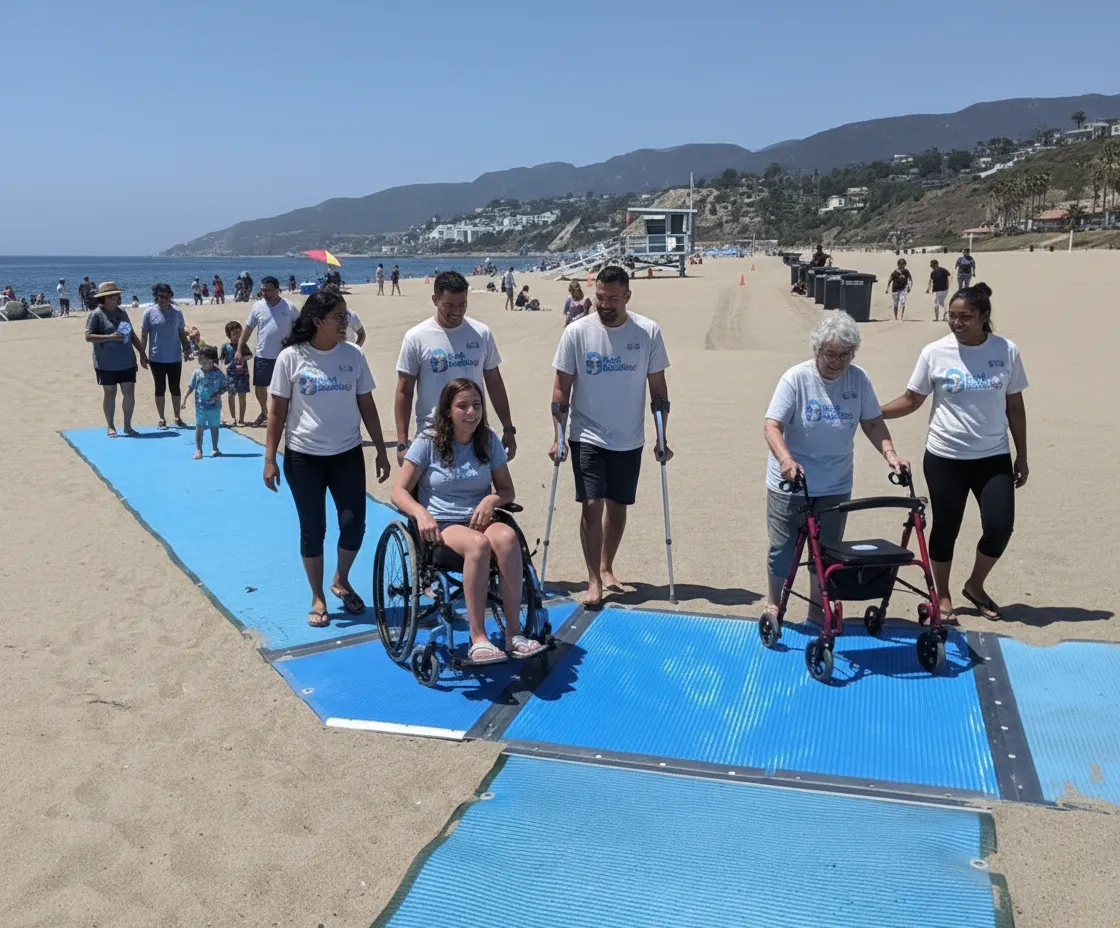
Modular Connection System
Individual panels interlock securely without tools, enabling custom pathway configurations that adapt to varying beach widths and terrain changes.
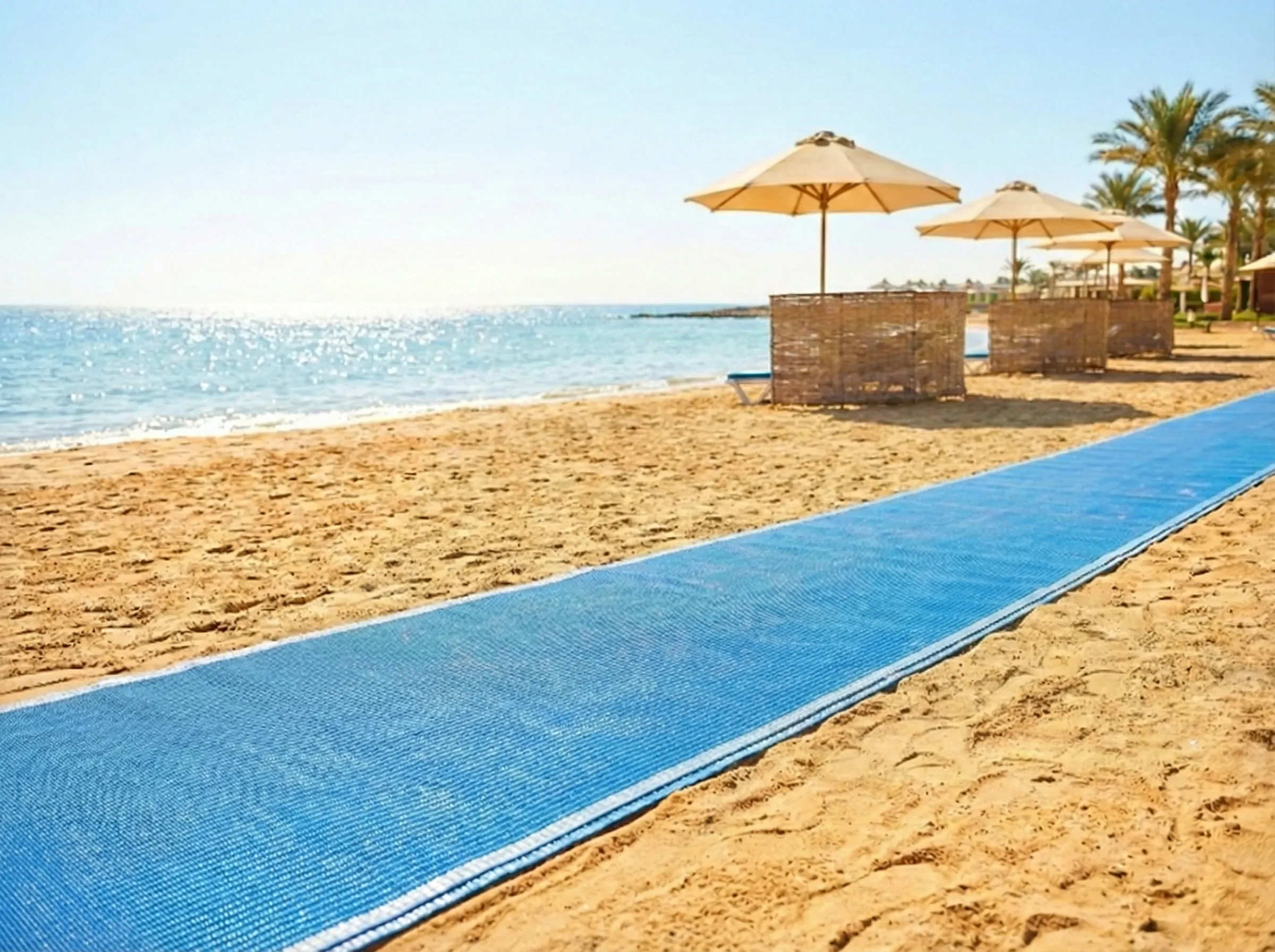
Continuous Flat Surface
Engineered tolerance ensures seamless panel alignment, eliminating gaps or height differentials that create trip hazards or impede wheelchair wheel rotation.
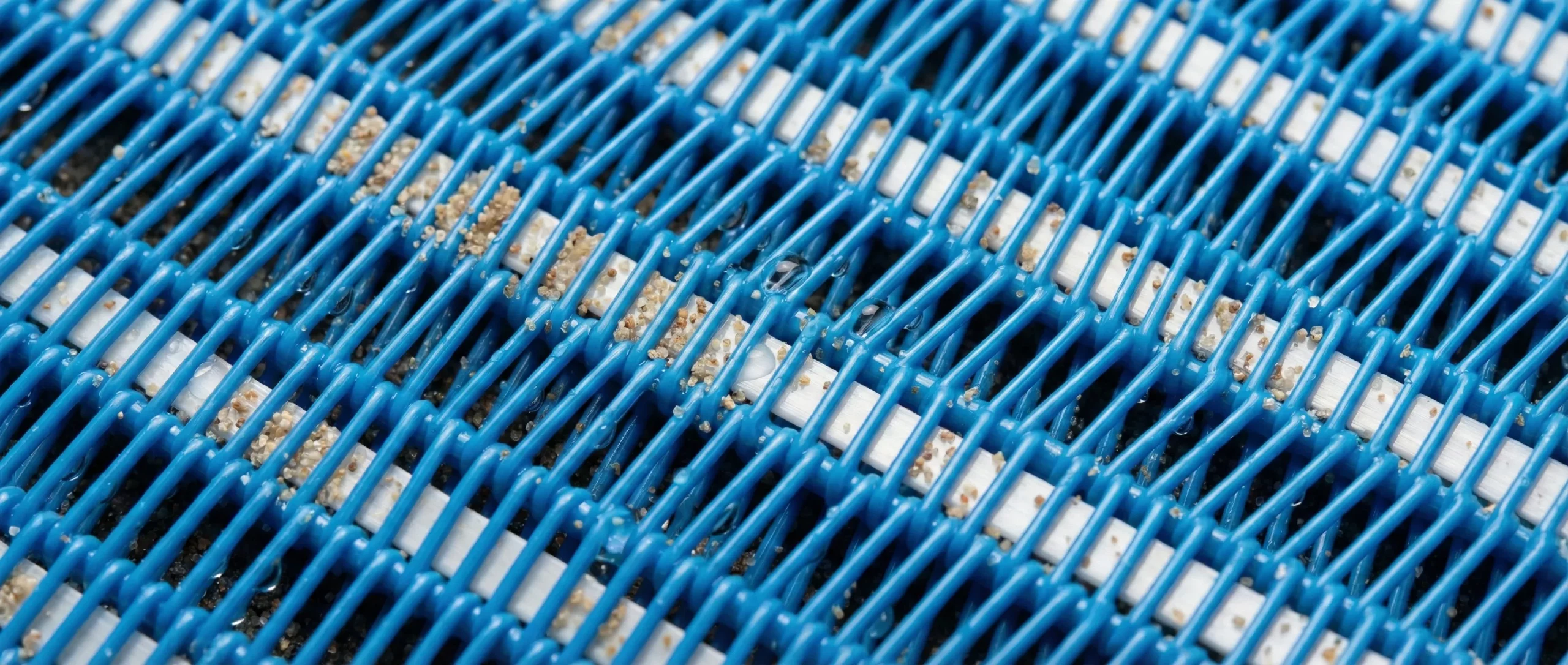
Anti-Slip Textured Surface
Precision-molded traction pattern maintains coefficient of friction >0.6 in both dry and wet conditions, meeting ADA slip-resistance standards.
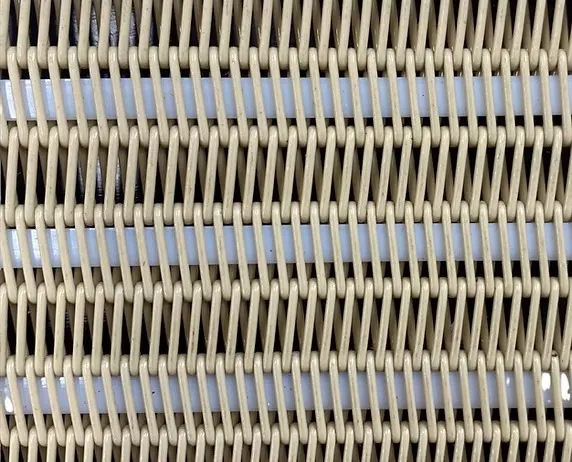
Multi-User Load Distribution
Reinforced composite construction supports simultaneous passage of multiple wheelchairs plus pedestrian traffic without flexing or surface deformation.
Alignment with Decision Criteria
Verified Load Capacity
Tested to 500kg per square meter—exceeds requirement for electric wheelchair (180kg) plus concurrent foot traffic loading.
Rapid Deployment
Tool-free assembly completed by 4-person crew in under 6 hours for 200-meter pathway—no heavy machinery required.
Environmental Durability
UV-stabilized HDPE construction with saltwater-resistant hardware maintains structural integrity through multiple seasons.
Reusable Infrastructure
Modular panels stack efficiently for compact storage, enabling multi-year use and future expansion without replacing existing components.
See how this system can transform your beach accessibility
Request Product SpecificationsEngineering Logic Behind Performance
This isn't a catalog of technical specifications—it's an explanation of why the system functions reliably under real-world festival conditions.
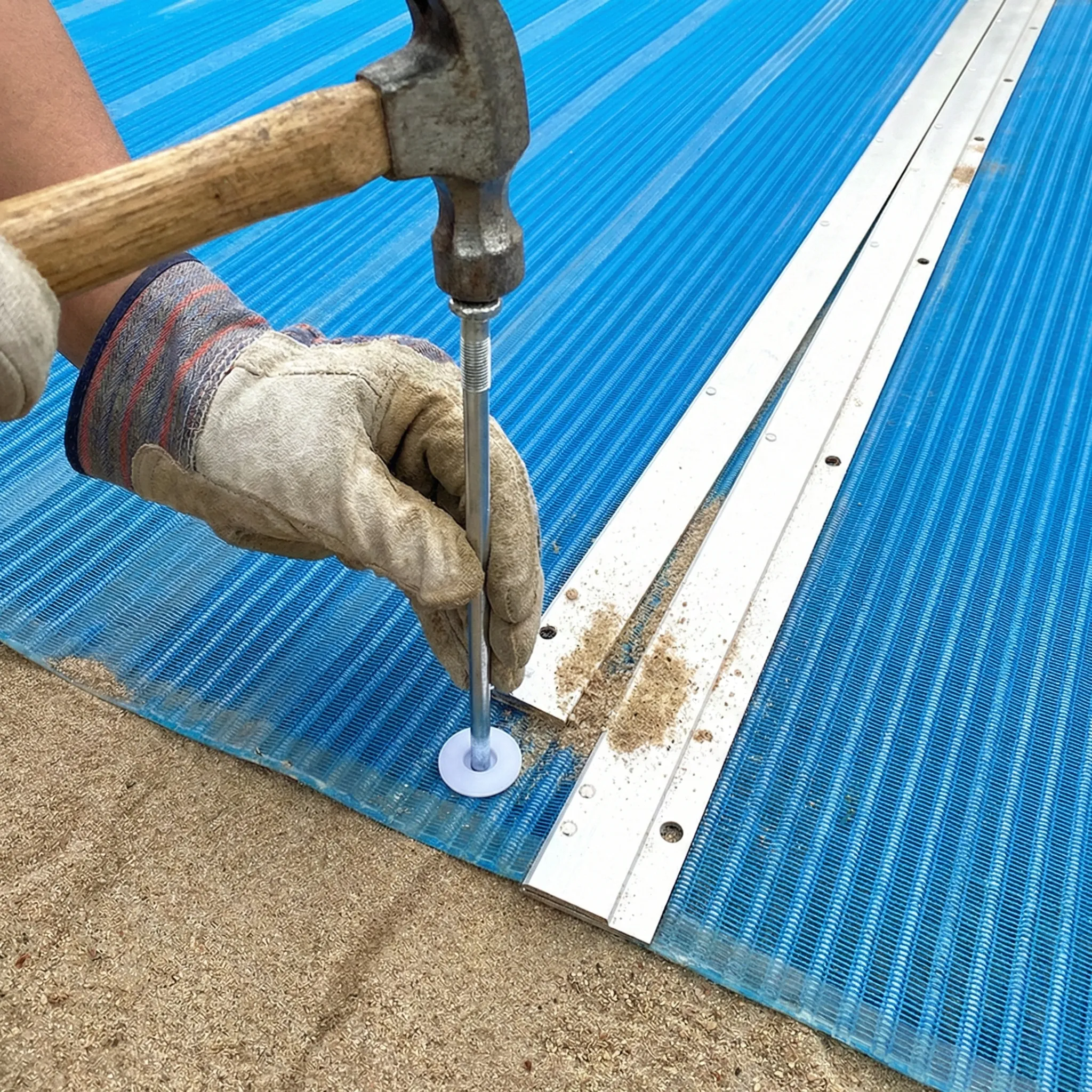
Modular panel system showing interlocking mechanism and load distribution framework
Intelligent Panel Interlocking
Each mat unit features precision-engineered edge connectors that create tension-locked joints. This mechanical bonding prevents lateral shifting under directional forces from wheelchair propulsion or uneven foot traffic, while maintaining pathway alignment over unstable sand substrate.
Width Flexibility Through Modularity
Standard 1.2m-wide panels combine in multiples to create pathways from 1.2m (ADA minimum) to 3.6m+ for high-capacity zones. Entrance areas use triple-width configuration (3.6m) to accommodate simultaneous bidirectional traffic, narrowing to double-width (2.4m) in lower-density sections to optimize material efficiency.
Terrain Conformance Design
Individual panels articulate independently along longitudinal axis, allowing the pathway to follow natural beach contours and elevation changes up to 15° slope without creating rigid transition points. This flexibility prevents structural stress concentration while maintaining continuous surface contact with underlying sand for load distribution.
Interested in the technical implementation for your site?
Get Engineering DocumentationFrom Delivery to Operational in Hours, Not Days
Festival timelines demand rapid infrastructure deployment. This system was specifically engineered for speed-to-operation without compromising installation quality.
Single-Day Deployment Timeline
200-meter pathway, 2.4m width, 4-person crew
Site Preparation
Surface leveling and debris removal. Basic raking to create stable base. 1.5 hours.
Panel Layout
Positioning first row and establishing pathway alignment using guide markers. 1 hour.
Progressive Assembly
Sequential panel connection working toward shoreline. Interlocking mechanism requires no fasteners. 3 hours.
Quality Verification
Load testing at intervals, surface inspection, edge security check. Ready for use. 0.5 hours.
No Specialized Equipment
Installation uses standard beach maintenance equipment already owned by facility. No rental costs for heavy machinery or specialized installation tools.
Standard Crew Capability
Existing maintenance personnel complete installation after brief orientation. No requirement to hire specialized contractors or certified installers.
Pre-Event Installation Window
Complete pathway operational within single workday, allowing installation morning of event opening. Eliminates multi-day advance setup that limits beach access for other preparations.
Plan your installation timeline with our deployment guide
Download Installation ManualPerformance During High-Volume Operations
Festival environments create demands that test infrastructure limits. Here's how the system performed when peak-day attendance exceeded projections.
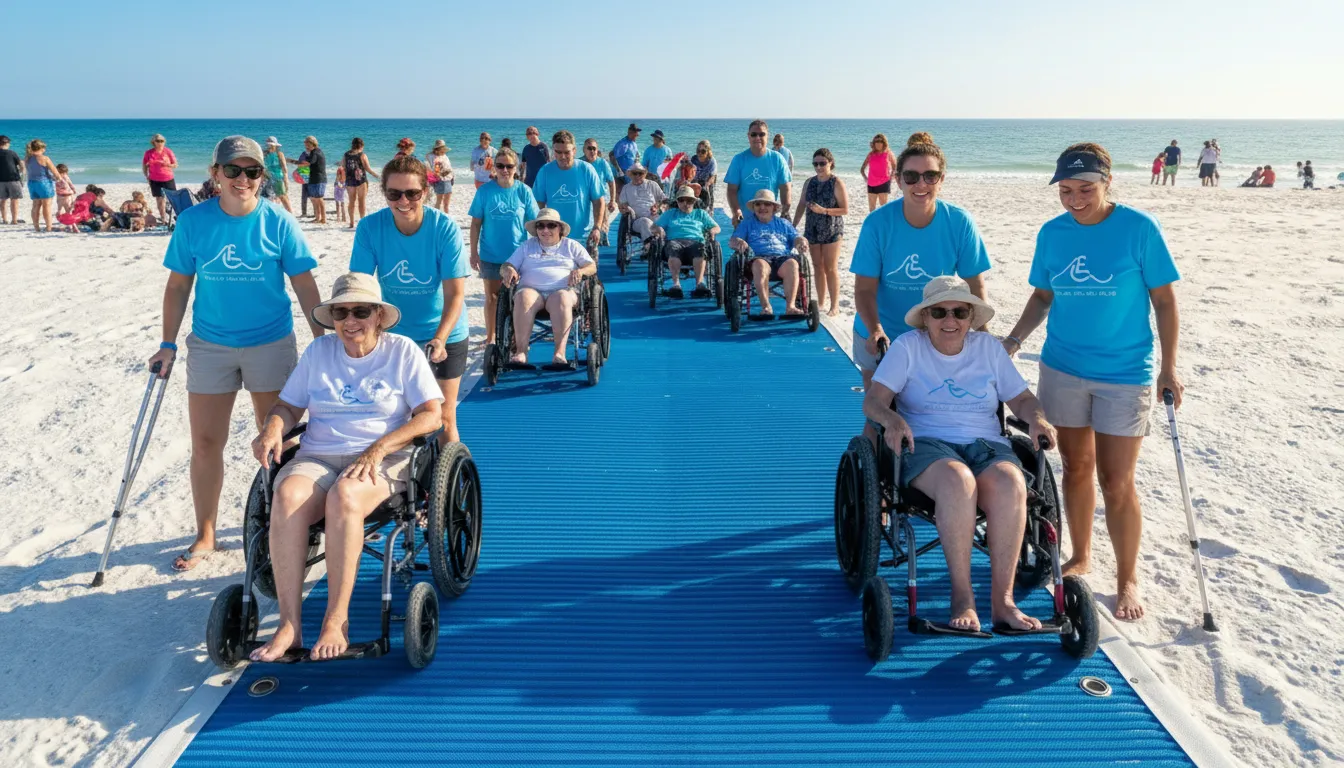
Multiple Wheelchair Simultaneous Transit
During peak arrival window (10-11 AM), pathway accommodated up to 6 wheelchairs in concurrent use—4 outbound toward water, 2 returning—without congestion or surface deflection. 2.4m width configuration enabled passing maneuvers without leaving paved surface.
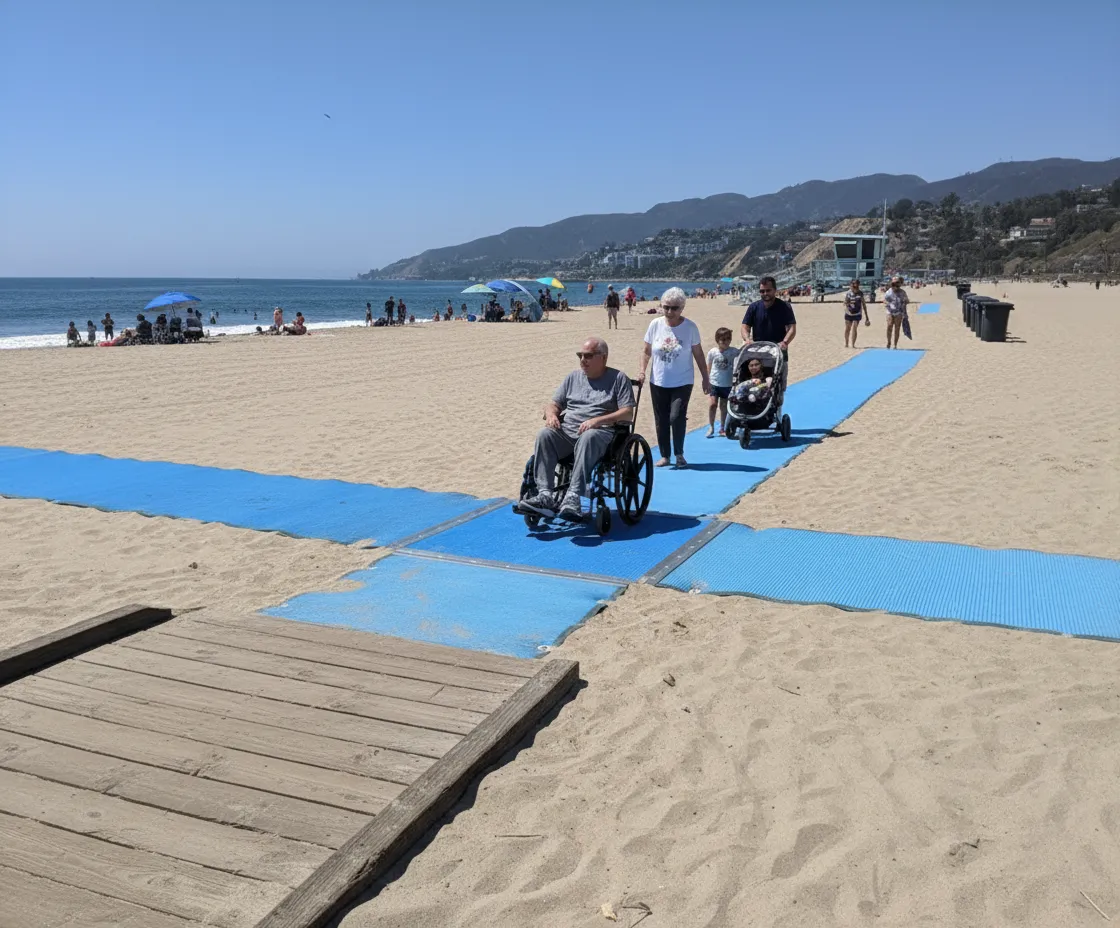
Mixed Traffic Integration
Pathway served as primary access route for all visitors, not isolated "accessible-only" channel. Families with strollers, elderly guests, and general pedestrian traffic used pathway alongside wheelchair users, demonstrating universal design principle in practice.
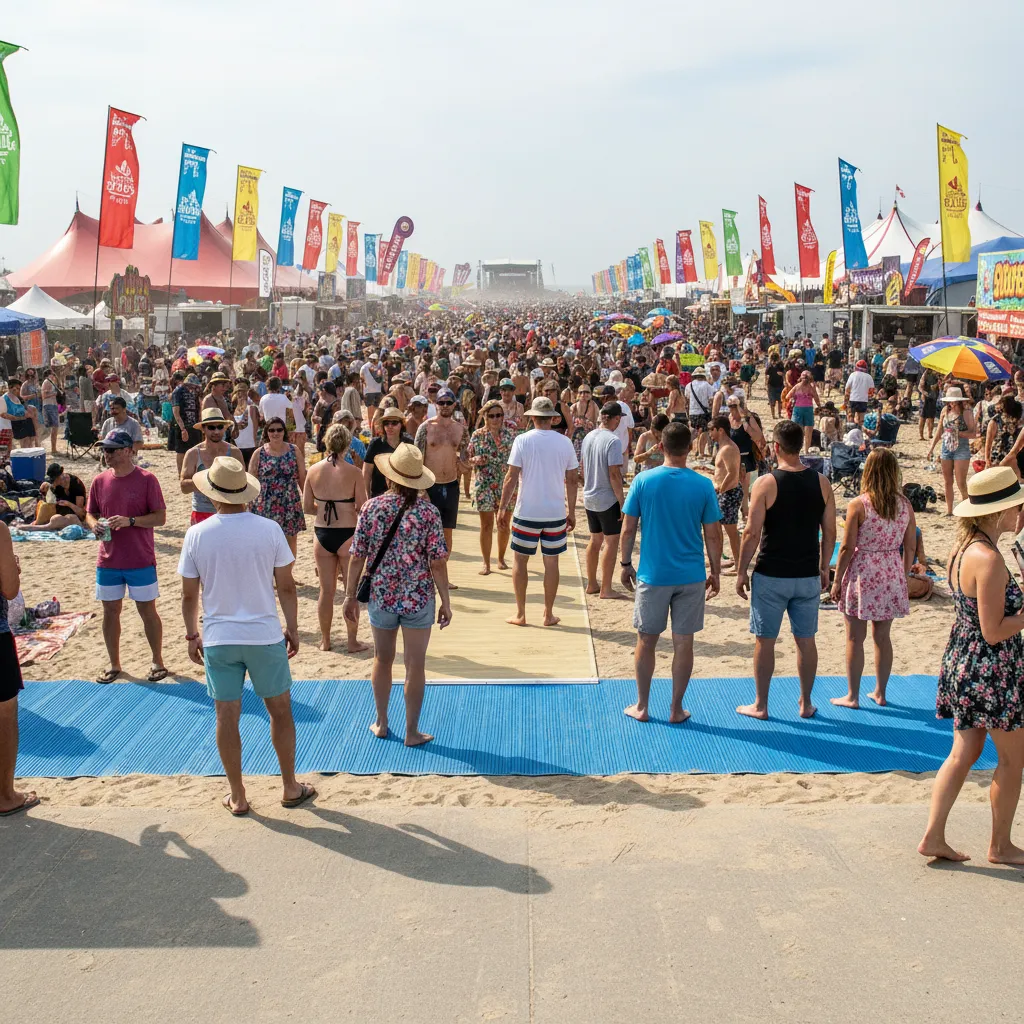
Zero Impact on Beach Experience
Standard beachgoers reported no perception of reduced access or "special accommodation" zones. Pathway integrated seamlessly with festival layout, functioning as infrastructure enhancement benefiting entire visitor population rather than segregated facility.
Universal Access, Not Special Access
The pathway's design intentionally avoided creating separate "accessible routes" that isolate users with mobility devices. By serving as the primary pedestrian corridor, it normalized accessibility as fundamental infrastructure.
All Visitor Categories
Wheelchairs, strollers, elderly, general public
Daily Usage Volume
3,200+ pathway transits during festival weekend
Accessibility Standard
Infrastructure, not accommodation
Create inclusive beach access for your community
Explore Implementation OptionsSafety Factors That Matter to Decision-Makers
For facility managers and event organizers, liability concerns are non-negotiable. These design features directly address the safety questions that keep stakeholders awake at night.
Certified Slip Resistance
Surface texture maintains >0.6 coefficient of friction (exceeds ADA 0.5 minimum) in wet conditions. Independent testing verified slip resistance under simulated rain, ocean spray, and standing water scenarios. Reduces fall liability exposure significantly compared to smooth temporary surfaces.
Anchoring System Prevents Displacement
Edge stabilization stakes secure pathway against wind loads up to 45 mph and lateral forces from directional foot traffic. During festival weekend with sustained 30 mph coastal winds, zero panel shifting occurred. Eliminates trip hazards from mat migration common with unsecured lightweight systems.
No Sharp Edges or Pinch Points
Radiused corners and recessed connector hardware eliminate injury risks to bare feet, hands during panel manipulation, or contact with mobility devices. Child-safe design critical for family-oriented festival environment. Contrast with wooden boardwalks that create splinter and nail-head hazards.
Giving Stakeholders Confidence to Approve
Documentation Package
Load test certifications, material safety data, ADA compliance verification
Standards Compliance
Meets ASTM F1951 slip resistance and ISO load-bearing specifications
Liability Reduction
Engineered system reduces exposure vs. improvised solutions lacking certification
Addressing the Questions Legal Counsel Will Ask
"Has this been tested for our use case?" — Yes, certified for public beach high-traffic deployment.
"What if someone gets injured?" — Documentation demonstrates reasonable care and code compliance.
"Are we meeting accessibility law?" — System exceeds ADA technical requirements for routes.
Get the safety documentation your legal team needs
Request Compliance CertificatesWhat Happens After the Festival Ends
Temporary infrastructure projects live or die on their post-event logistics. Here's why this system makes sense beyond the active deployment period.
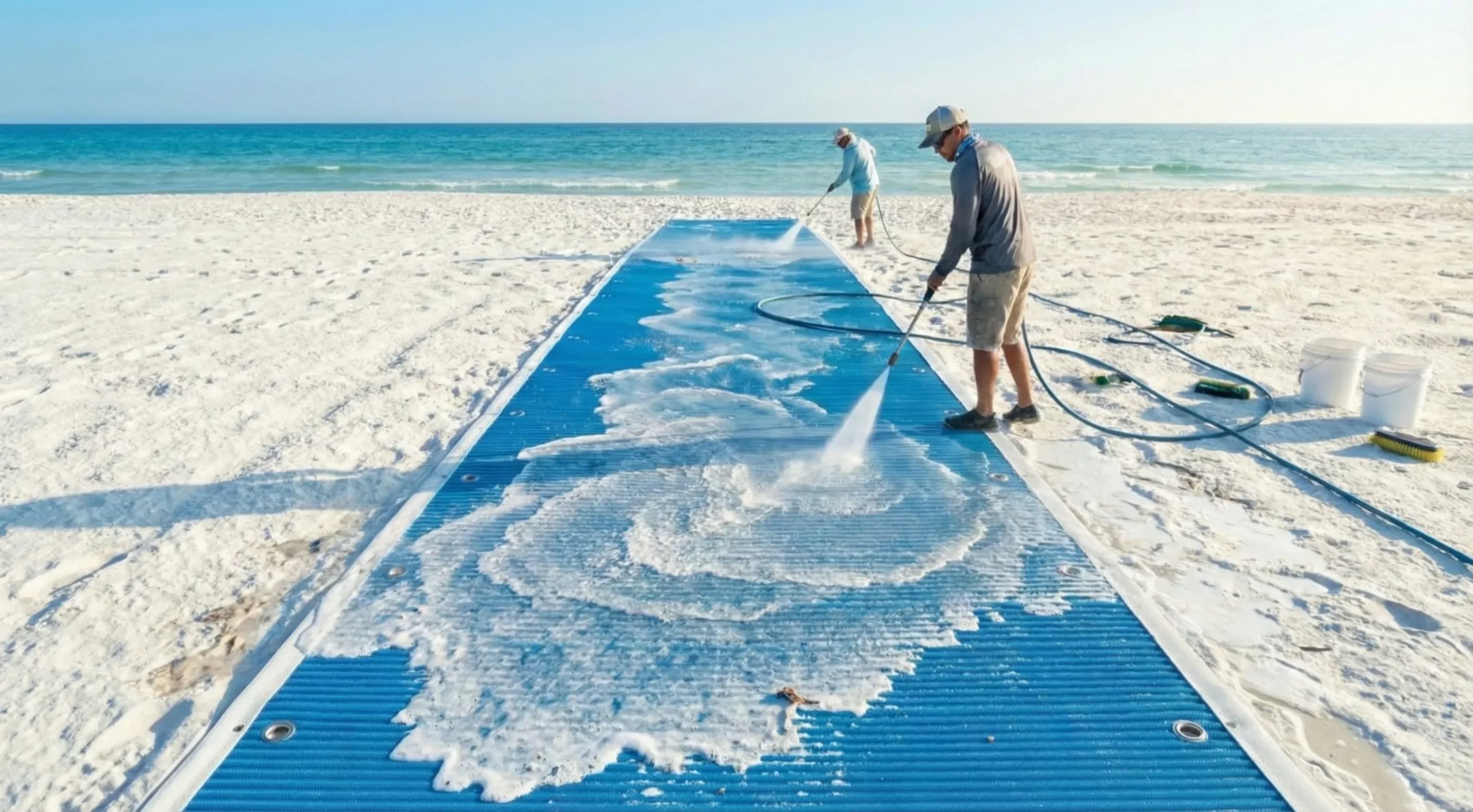
Simple Cleaning Protocol
Post-event cleaning requires only fresh water rinse to remove salt and sand accumulation. Standard pressure washer completes full 200-meter pathway cleaning in under 2 hours. No specialized cleaning agents or equipment needed, reducing post-event labor costs.
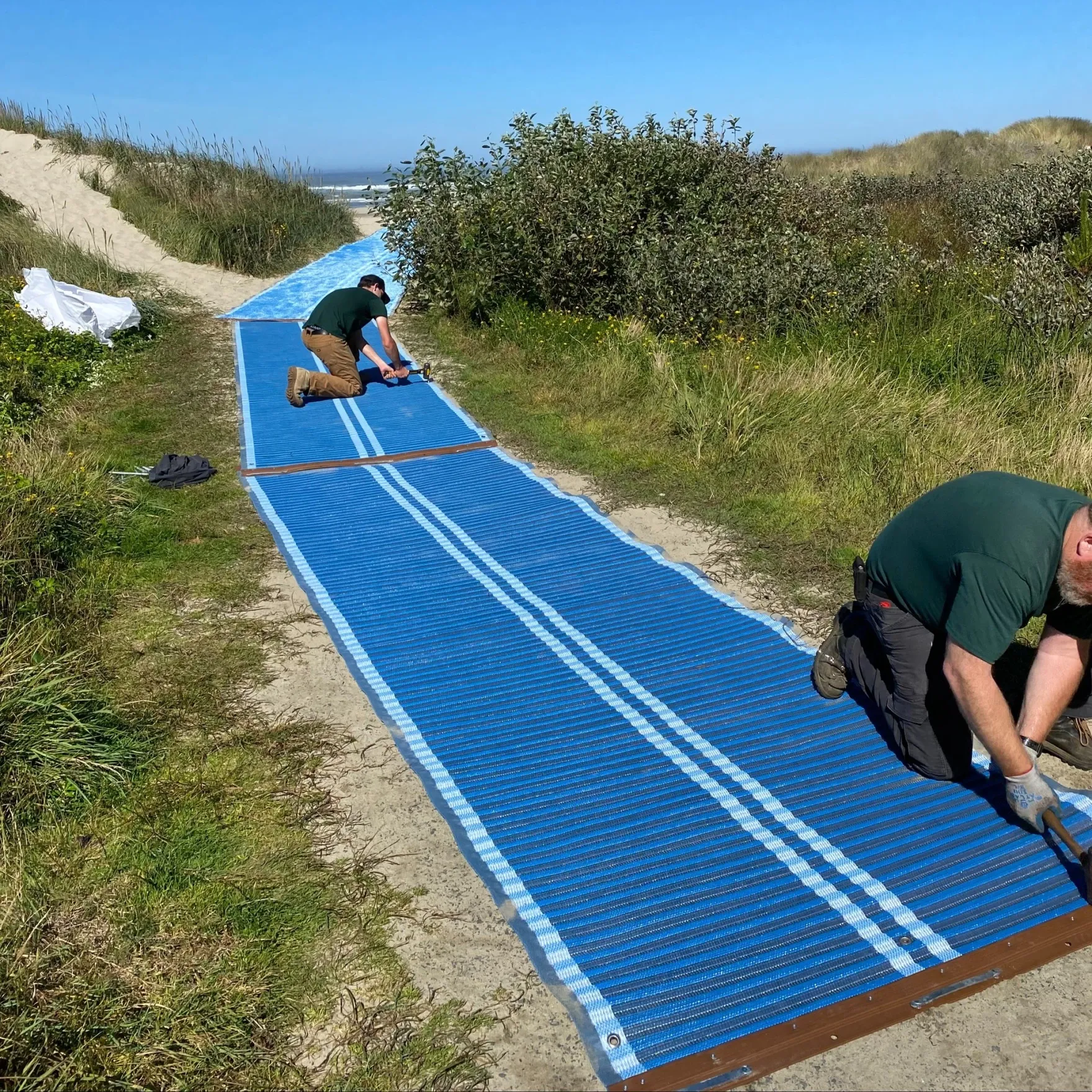
Efficient Panel Removal
Same 4-person crew disassembles pathway in 3.5 hours using reverse installation sequence. Tool-free disconnection prevents loss of small fasteners. Panels roll or stack for transport without requiring specialized handling equipment or flatbed trucks.
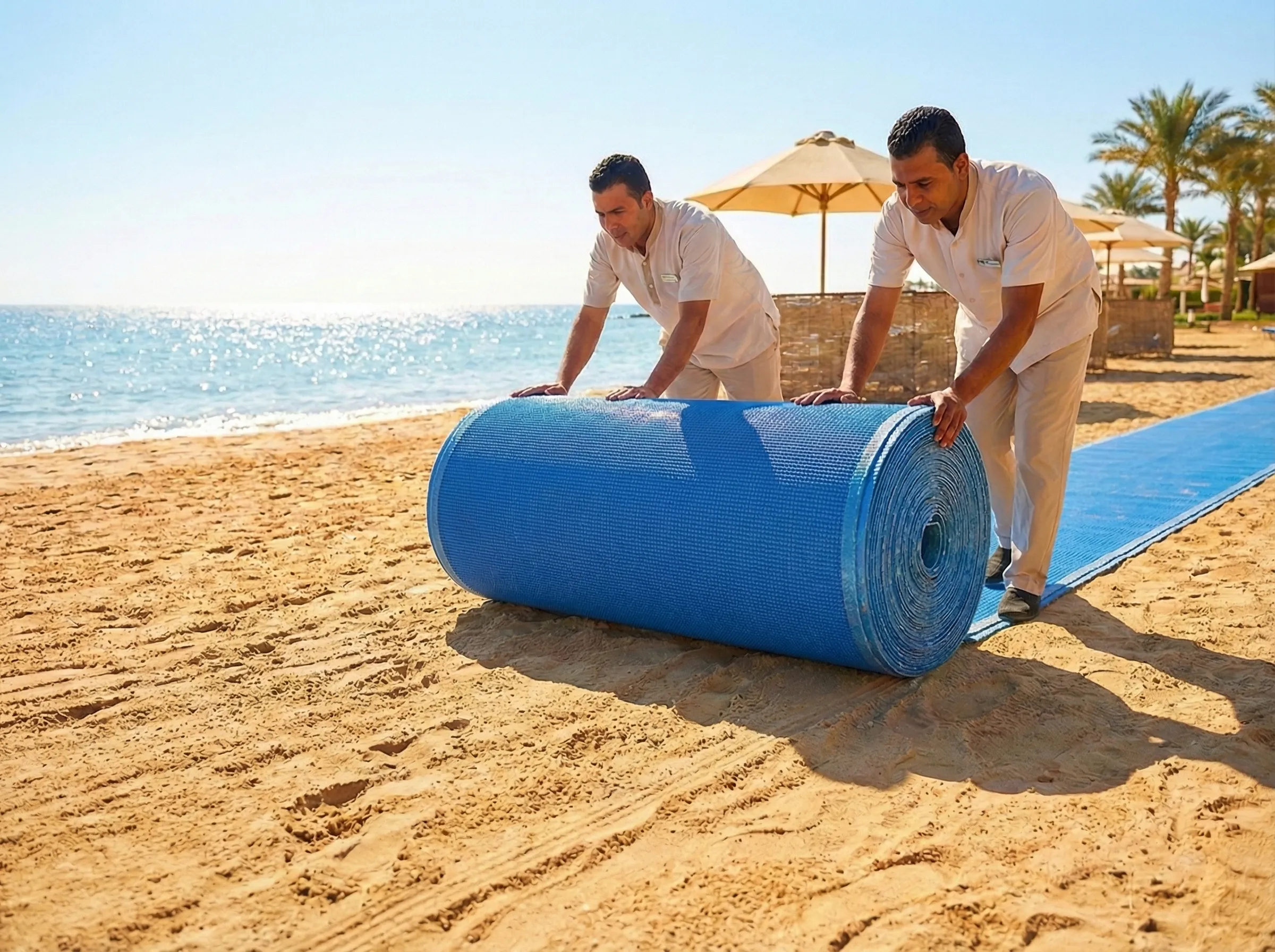
Compact Storage Design
Modular panels stack in consistent dimensions, optimizing warehouse vertical space. 200-meter pathway system occupies approximately 40 cubic meters when stored—equivalent to small shipping container footprint. Allows beach facilities to maintain inventory without dedicating separate storage building.
Long-Term Asset Management
How this investment maintains value across multiple deployment cycles
Reusability Lifecycle
Expected 8-10 season operational life with normal maintenance. Material doesn't degrade from repeated setup/teardown cycles like fabric or inflatable alternatives.
Expandability Investment
Future coverage expansion only requires purchasing additional panels that integrate with existing inventory. No system replacement needed to scale capacity.
Off-Season Maintenance
Annual inspection limited to visual check for cracks or hardware corrosion. Replacement parts available individually—no need to discard entire panels for minor damage.
Sustainable Festival Infrastructure Model
Unlike single-use temporary solutions that create waste streams, this system represents genuine reusable infrastructure. The same panels that served 2024's festival were cleaned, stored, and redeployed for 2025 without performance degradation—demonstrating viable long-term event accessibility strategy.
Plan for multi-season accessibility infrastructure
Get Lifecycle Cost AnalysisResults That Decision-Makers Can Validate
Beyond subjective testimonials, here's what the data showed about pathway performance during the festival weekend.
Total Pathway Coverage from Entrance to Shoreline
Pathway Width Supporting Bidirectional Traffic
Continuous Festival Operation Without Maintenance
Reported Incidents or Safety Issues During Event
Qualitative Performance Indicators
Diverse User Population Served
Pathway accommodated manual wheelchairs, electric mobility scooters, walkers, strollers, and elderly visitors with stability concerns. No user category reported access limitations or required alternative routing.
High-Volume Sustained Use
Pathway supported estimated 3,200+ individual transits over festival weekend (Friday-Sunday). Peak hourly volume reached 280 users without congestion or surface degradation visible to maintenance team.
Maintained Throughout Event
System remained fully operational from Friday 8 AM opening through Sunday 8 PM closure. No emergency repairs required. No sections closed for maintenance. Staff time devoted to pathway management: approximately 30 minutes daily for visual inspection.
The Number That Matters Most: Zero Failures
No accessibility complaints filed. No surface failures requiring repair. No safety incidents attributed to pathway infrastructure. For festival organizers operating under public scrutiny, perfect operational reliability eliminates a major source of reputational and legal risk.
Achieve similar performance outcomes for your facility
Request Project Case ExamplesWhy This Matters Beyond the Product
This wasn't a transaction—it was an infrastructure investment that generates value across multiple organizational dimensions.
Enhanced Public Accessibility Standards
Installation elevated facility from minimal ADA compliance to proactive universal design leader. Demonstrates institutional commitment to inclusive access that extends beyond regulatory obligation, strengthening organizational reputation with disability advocacy groups and municipal oversight bodies.
Regulatory Compliance Confidence
System documentation package provides defensible evidence of reasonable accommodation effort for ADA Title II compliance. Reduces liability exposure from accessibility-related complaints or legal challenges. Gives facility managers credible position when interfacing with civil rights enforcement agencies.
Replicable Model for Future Events
Success at this festival establishes proven deployment framework for other coastal events, seasonal programs, or regional beach facilities within same municipal system. Implementation lessons learned transfer directly, reducing planning uncertainty for subsequent projects and accelerating approval timelines.
How Different Stakeholders Benefit
Facility Managers
Reliable infrastructure that requires minimal oversight, documented compliance, reduced liability exposure
Municipal Leadership
Demonstrable commitment to inclusive public services, positive constituent engagement, defensible use of public funds
Event Organizers
Expanded audience reach, enhanced reputation, reduced operational complexity for accessibility accommodation
This Is Where B2B Decisions Actually Get Made
Products get specified based on features. Projects get approved based on strategic value. This installation created organizational assets beyond physical infrastructure.
Compliance Achievement
ADA accessibility requirement met with documented certification
Public Relations Value
Positive media coverage highlighting inclusive community infrastructure
Portfolio Asset
Reference project for future grant applications and funding proposals
Elevate your facility's accessibility commitment
Discuss Strategic ImplementationWhere Else This Solution Works
This case study isn't unique to festival beaches—it's a template. The same system architecture solves accessibility challenges across diverse coastal and waterfront environments.
Municipal Beach Systems
Public beaches operated by city parks departments with seasonal accessibility requirements and compliance mandates.
Resort Properties
Coastal hotels and vacation properties seeking to provide accessible beach experiences for all guests.
Special Event Venues
Temporary installations for concerts, sporting events, or gatherings hosted on beach or waterfront locations.
Waterfront Recreation Areas
Lake shores, river banks, or recreational waterfront zones requiring accessible pathways over sand or unstable terrain.
System Adapts to Variable Conditions
Length Flexibility
Pathway configurations from 50 meters (small resort access) to 500+ meters (regional beach systems) using same modular components. Scale matches site requirements without engineering redesign.
Width Customization
Single-lane (1.2m) for low-traffic private beaches, dual-lane (2.4m) for moderate use, triple-lane (3.6m+) for high-volume public facilities. Adjust capacity without changing installation methodology.
Deployment Duration Options
Permanent seasonal installation (May-September), temporary event deployment (weekend festivals), or year-round accessibility in temperate climates. Same equipment serves all timeframes.
From Case Study to Deployment Template
The implementation methodology documented here—site assessment, deployment timeline, maintenance protocols, performance metrics—transfers directly to new installations. Organizations don't need to experiment; they can replicate a proven operational model with predictable outcomes.
Apply this proven model to your accessibility challenge
Start Your Project ConsultationLet's Discuss Your Beach Accessibility Project
Whether you're planning a municipal accessibility initiative, outfitting a resort property, or preparing for a coastal event—we provide the technical guidance and product solutions to make it work.
Technical specifications tailored to your site conditions
Detailed pricing and deployment timeline estimates
Compliance documentation and certification support