Nina Crumpton officially launched the new aquatic equipment at Bulli Surf Lifesaving Club to ensure that local residents with mobility challenges can finally enjoy the ocean surf. Imagine the frustration of living near the coast but being unable to touch the water because the sand acts as an impassable barrier. You watch your family play in the waves while your traditional mobility aid sinks deep into the dunes, leaving you isolated on the sidelines. This painful exclusion is exactly why the introduction of a Floating beach wheelchair is a revolutionary solution for community inclusion and coastal freedom.
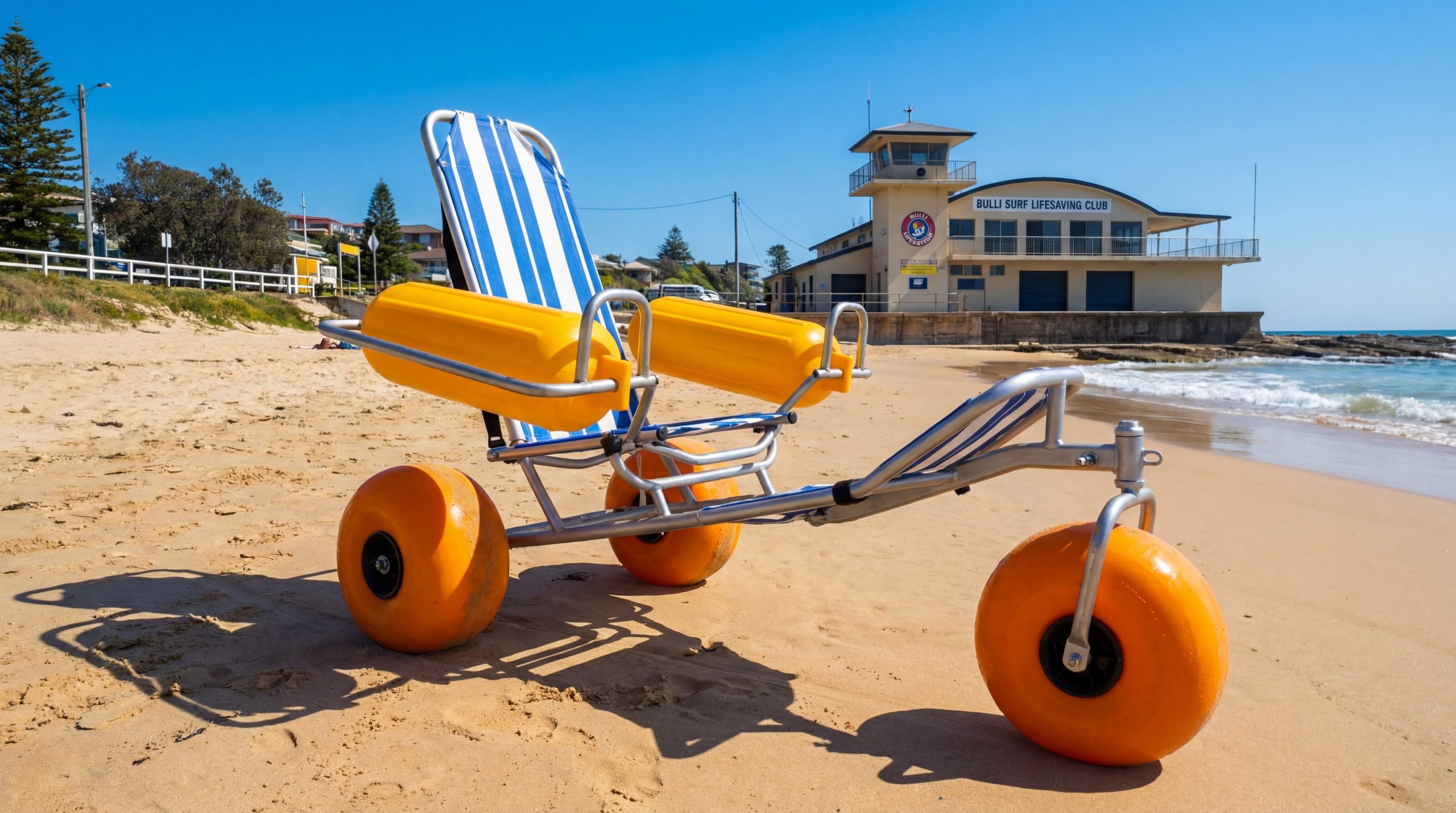
Why use a Floating beach wheelchair at Bulli?
You should use this equipment because it bridges the gap between the shore and the surf, providing a safe transition over soft sand. The Floating beach wheelchair is specifically designed to handle the unique coastal environment of the Illawarra region. By using this tool, you can move from the parking lot directly into the salt water without ever needing to leave your seat.
Restoring coastal access for all
The arrival of this specialized equipment marks a major turning point for inclusive tourism in the local area.
- It eliminates the struggle of navigating soft, powdery sand.
- It provides a way for families to stay together during beach outings.
- It ensures that physical disabilities do not dictate your outdoor experiences.
But here is the kicker: This initiative isn’t just about a piece of hardware; it is about reclaiming the right to enjoy nature. You no longer have to worry about getting stuck or feeling like a burden to those assisting you.
Community launch event highlights
The launch event saw local volunteers and residents coming together to celebrate a new era of accessibility.
- Community members participated in live demonstrations.
- Local clubs committed to maintaining the equipment for public use.
- The equipment is now available for free booking on weekends.
You might be wondering: How can a small community make such a big impact? By prioritizing the needs of every resident, local organizations are setting a high standard for coastal equality.
Key Takeaway: Providing specialized equipment at local beaches ensures that everyone can participate in coastal culture regardless of their physical mobility.
| Feature | Benefit |
|---|---|
| Free Access | Removes financial barriers for users |
| Volunteer Support | Enhances safety during use |
| Surf Club Booking | Ensures equipment is ready when you arrive |
This table demonstrates how community-led logistics support the practical rollout of accessibility equipment.
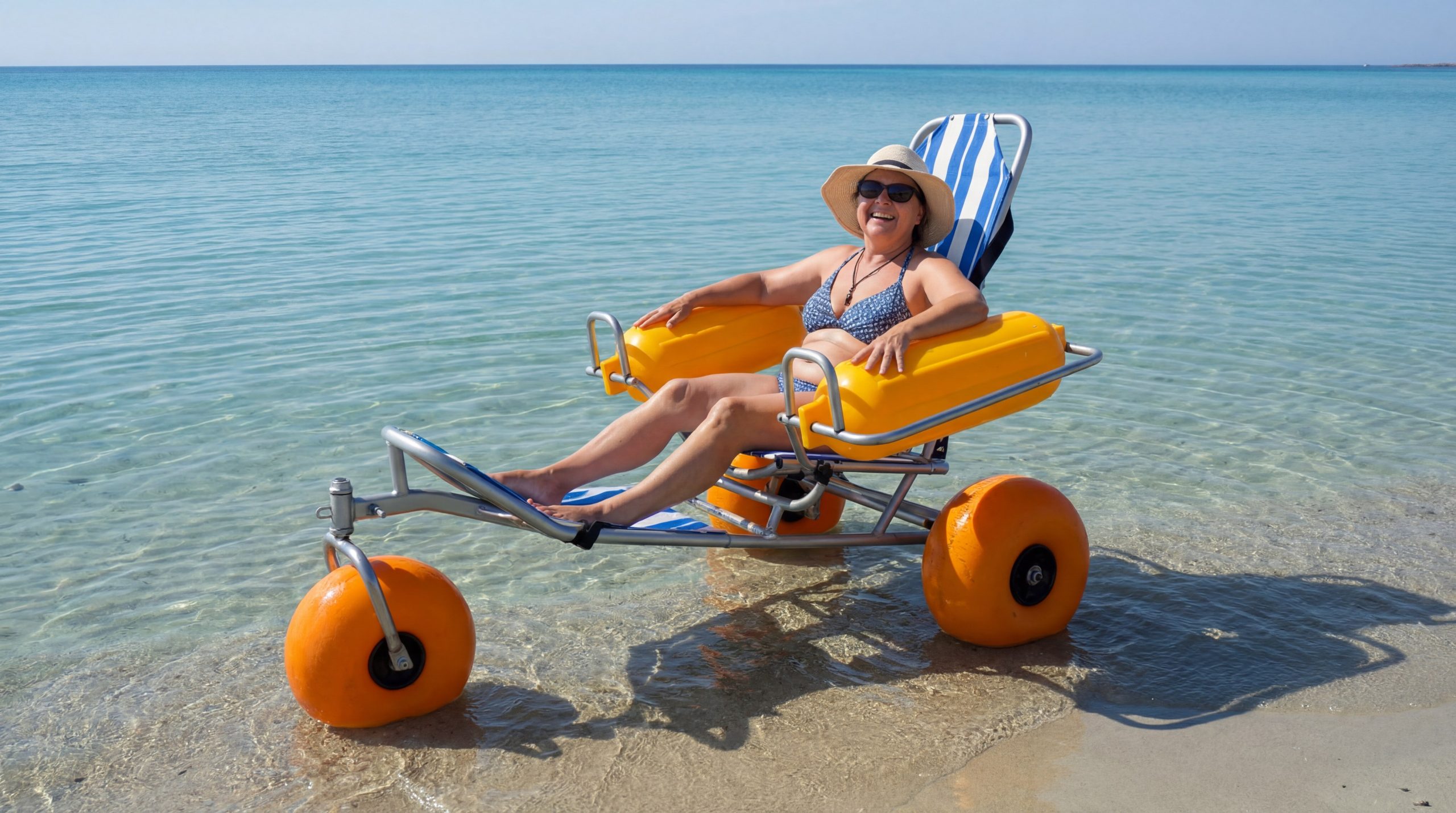
Who needs a Floating beach wheelchair for the sea?
People living with neurological conditions like Multiple Sclerosis or those with limited lower-limb strength are the primary users of this technology. A Floating beach wheelchair provides the necessary support for individuals who cannot walk across unstable surfaces like sand or pebbles. It is an ideal solution for anyone who has felt the loss of the beach experience due to a change in their physical health.
Nina’s journey back to the surf
For Nina, the beach became a distant memory after her diagnosis, but this equipment has changed her reality.
- It allowed her to feel the “cool sea breeze” again after five years.
- It provided a way to experience the tactile sensation of water under her feet.
- It gave her back the independence to visit the beach with friends.
The best part? You can witness the immediate emotional impact that water immersion has on someone who has been restricted to dry land for years. It is a sensory experience that standard chairs simply cannot provide.
Targeted mobility benefits
The engineering behind these chairs focuses on specific user needs to ensure a comfortable and stable ride.
- Pressure-relieving seats accommodate sensitive skin.
- High-visibility colors help lifeguards track users in the water.
- Stable frames prevent tipping during the transition into the surf.
You see: Mobility is not just about moving from point A to point B. It is about the quality of life and the ability to engage with the world in a meaningful way.
Key Takeaway: Specialized aquatic chairs serve a diverse range of people, from those with permanent disabilities to seniors who require extra stability.
| User Group | Primary Benefit |
|---|---|
| MS Patients | Temperature regulation in cool water |
| Seniors | Safe movement on uneven terrain |
| Rehabilitation Patients | Hydrotherapy in a natural environment |
Understanding the user demographic helps organizations choose the right equipment for their specific local population.
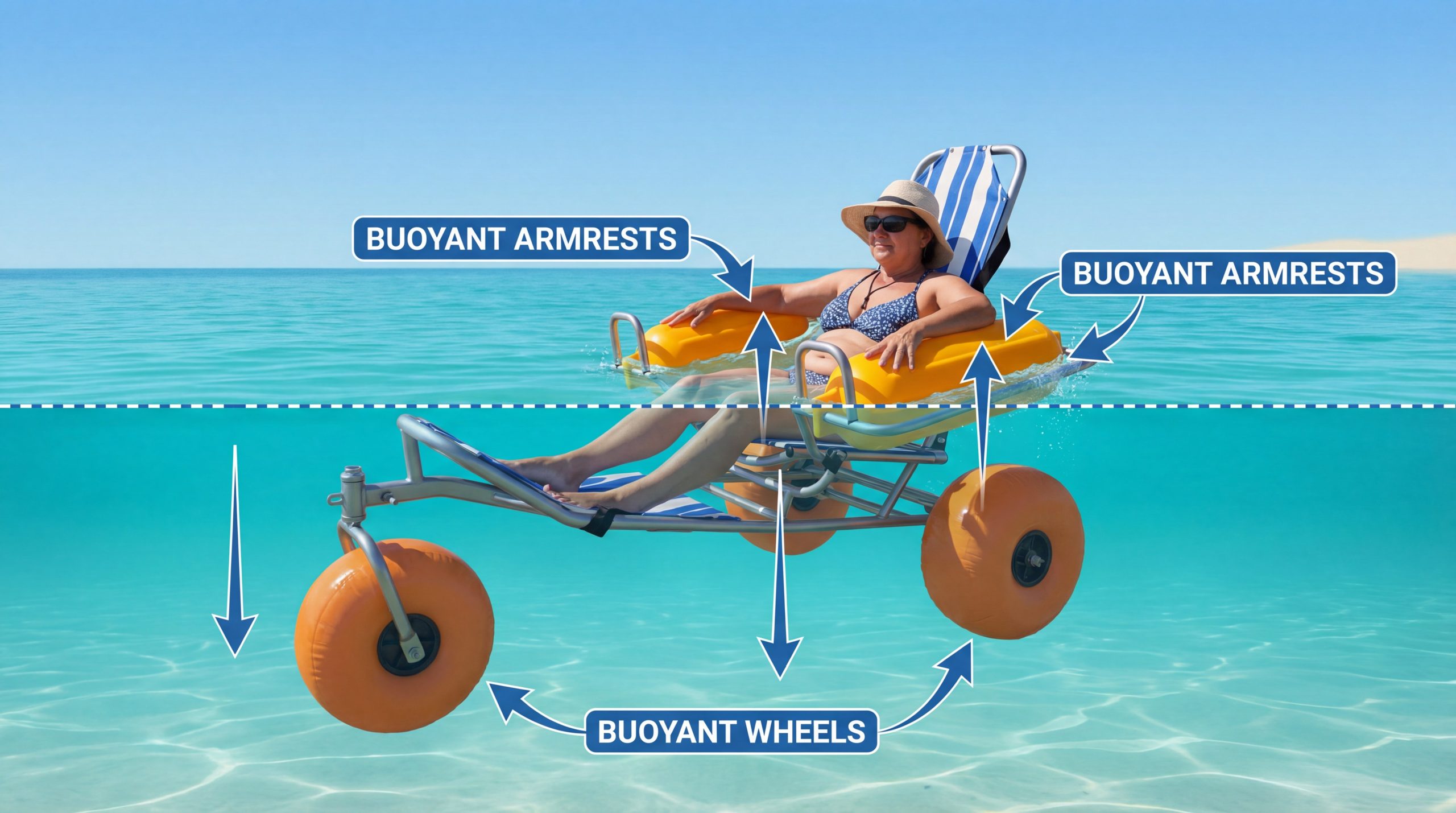
What makes a Floating beach wheelchair buoyant?
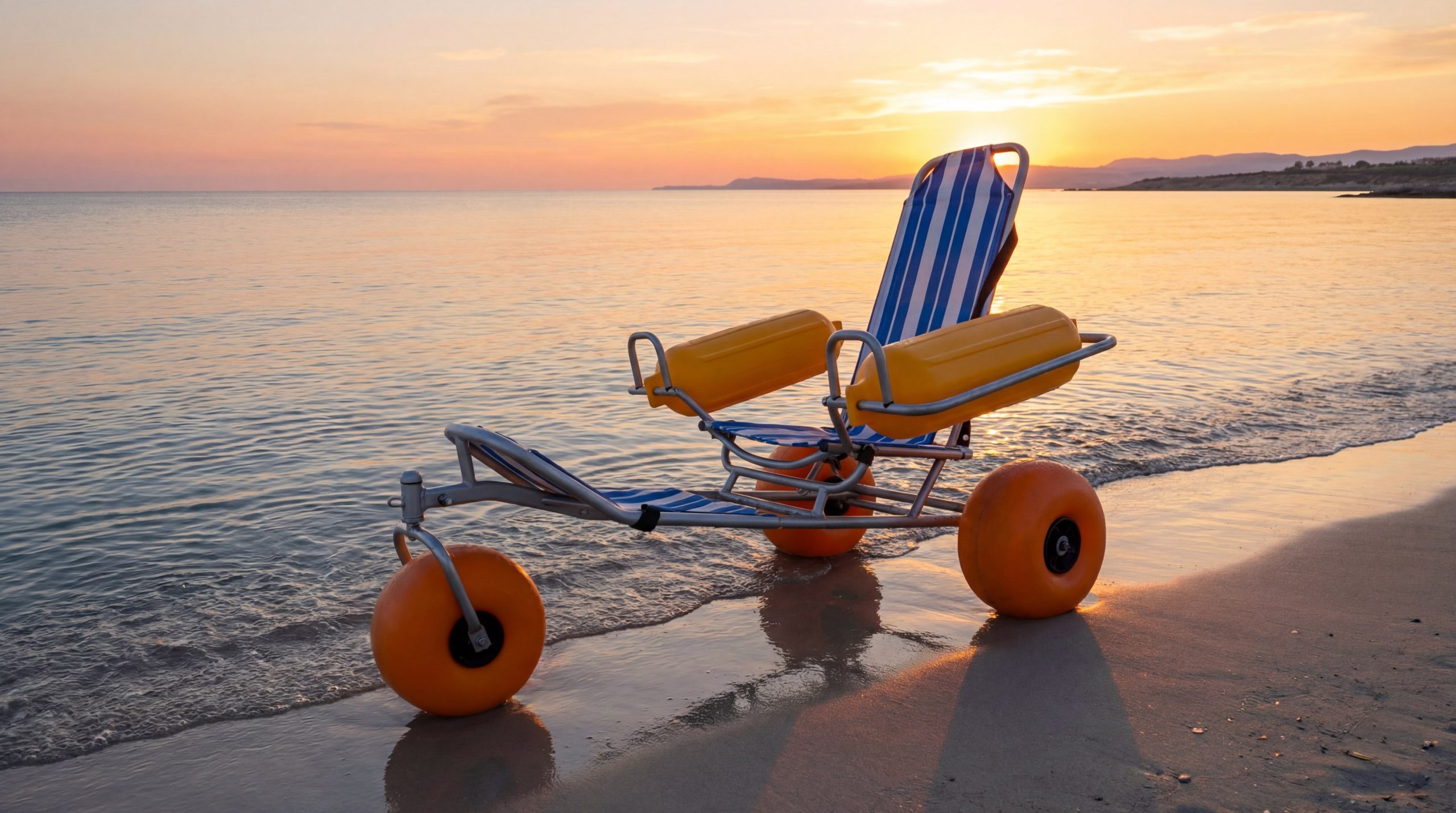
The chair achieves buoyancy through a combination of airtight armrests and specialized low-pressure tires that displace water effectively. By using a lightweight Floating beach wheelchair , the user can float comfortably in a reclined position while staying balanced. The design ensures that the center of gravity remains low, which is crucial for stability when waves are present.
Marine-grade engineering secrets
The materials used in the construction are selected for their ability to withstand the harsh effects of salt and sun.
- Non-corrosive aluminum frames provide a lightweight yet strong structure.
- UV-resistant fabrics prevent the seat from degrading in the Australian sun.
- Stainless steel hardware ensures the joints remain functional over time.
Think about this: Standard chairs would rust and sink almost immediately in this environment. This specialized engineering is the only way to provide a reliable and long-lasting solution for ocean access.
The science of aquatic stability
Stability in the water is achieved through a three-wheel design that mimics the physics of a tripod.
- Floating armrests act as outriggers to prevent the chair from rolling.
- The front wheel provides a pivot point for easy steering in shallow depths.
- Buoyant wheels contribute to the overall lift of the equipment.
But wait, there’s more: The chair is designed to keep the user’s head well above the water line. This allows you to relax and enjoy the environment without worrying about your safety or balance.
Key Takeaway: Advanced buoyancy features allow the chair to transition seamlessly from a rolling vehicle into a floating vessel for a total ocean experience.
| Component | Material | Function |
|---|---|---|
| Armrests | High-density foam | Lateral stability & flotation |
| Tires | Polyurethane | Displacement & lift |
| Frame | 316 Stainless Steel | Corrosion resistance |
This breakdown shows how each part of the chair is engineered to work in harmony with the ocean.
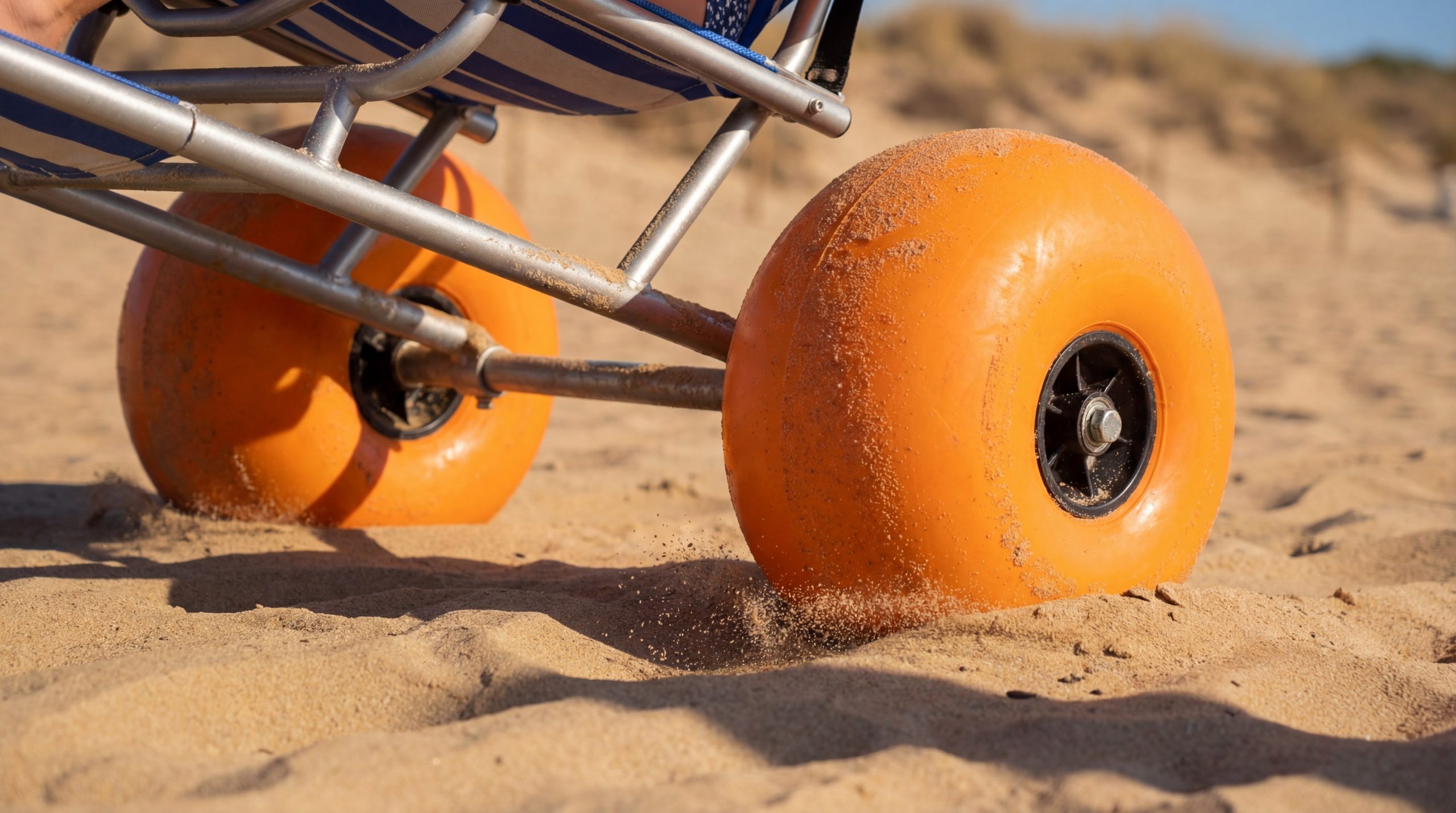
How does a Floating beach wheelchair handle sand?
These chairs use low-pressure balloon tires to distribute weight across a large surface area, preventing the wheels from sinking. A Floating beach wheelchair glides over soft, fine sand where traditional thin tires would immediately become stuck. This allows an attendant to push the chair with minimal effort, even when carrying a full-grown adult across the dunes.
The power of balloon tires
The secret to navigating soft terrain lies in the tire’s ability to “float” on top of the sand rather than cutting into it.
- Low PSI settings allow the tire to deform and grip the surface.
- Large diameters help the chair roll over small obstacles and shells.
- Wide profiles provide a stable base that prevents the chair from tipping.
You might be wondering: Is it difficult to push someone across the beach? With this tire technology, the rolling resistance is reduced so significantly that it feels like pushing a stroller on a sidewalk.
Surface compatibility and performance
While designed for sand, these wheels are versatile enough to handle a variety of coastal surfaces.
- They perform exceptionally well on wet, packed sand near the water.
- They can navigate through loose gravel and small pebbles.
- They provide a smooth ride on paved paths leading to the beach.
The best part? You don’t need a motorized engine to get to the water’s edge. The efficiency of the design makes it accessible for family members and volunteers of all strength levels.
Key Takeaway: Balloon tire technology is the most critical feature for ensuring that a beach chair remains functional in real-world coastal conditions.
| Surface Type | Ease of Use | Recommended Speed |
|---|---|---|
| Soft Sand | Excellent | Walking Pace |
| Wet Sand | Superior | Jogging/Walking |
| Pavement | Good | Controlled |
This performance guide helps users understand where the equipment will be most effective during their visit.
Where can I find a Floating beach wheelchair?
You can find these chairs at participating surf lifesaving clubs, major coastal resorts, and municipal beach access points. Many locations pair the Floating beach wheelchair with a roll-out access mat to create a complete pathway for users. In the Illawarra region, the Bulli Surf Club is now a primary destination for those seeking these specialized mobility solutions.
Access points and infrastructure
Finding the chair is only the first step; you also need a supportive environment to use it effectively.
- Dedicated parking spots are often located near the equipment storage.
- Accessible changing rooms allow for a comfortable transition into swimwear.
- Concrete ramps provide a smooth start for the balloon tires.
But here is the kicker: Just because a beach has a chair doesn’t mean it is fully accessible. You should always look for locations that have invested in the “total journey,” from the car to the waves.
How to book your visit
Most clubs require a quick reservation to ensure that a volunteer is available to assist you.
- Email the local club at least 48 hours in advance.
- Check the weekend and public holiday schedules for availability.
- Verify if there are any weight or height restrictions for the specific model.
You see: A little bit of planning goes a long way. By booking ahead, you ensure that your day at the beach is stress-free and that the equipment is ready for action.
Key Takeaway: High-quality accessibility equipment is becoming more common at public beaches, but checking local club websites for booking info is essential.
| Location Type | Availability | Booking Method |
|---|---|---|
| Public Clubs | Weekends | Email/Phone |
| Private Resorts | Daily | Concierge |
| Municipal Parks | Seasonal | Online Portal |
This table provides a quick reference for how to secure equipment depending on the type of facility you are visiting.
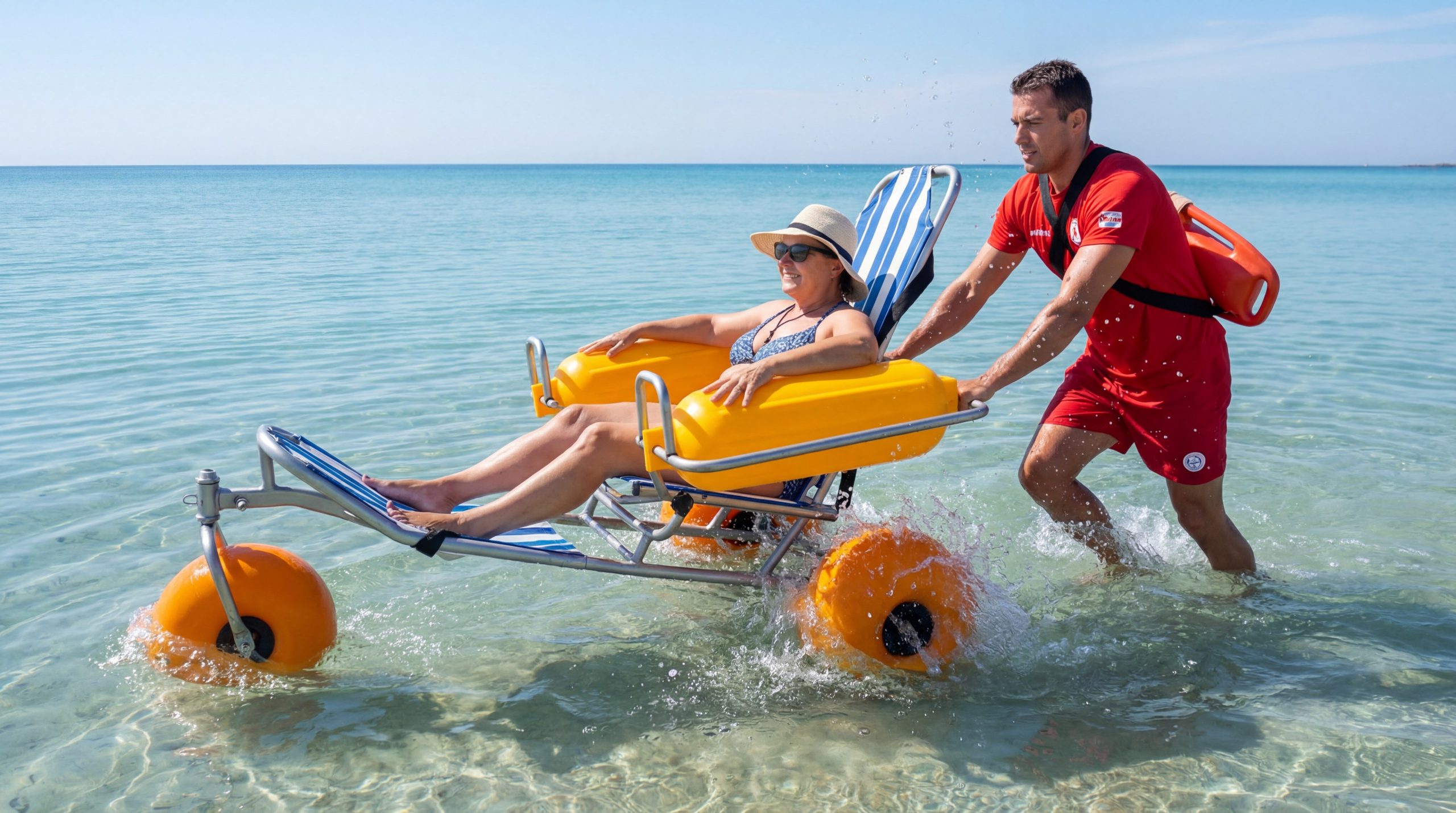
Is a Floating beach wheelchair safe for waves?
Yes, the chair is safe for use in gentle surf when supervised by a trained attendant or lifeguard. While the Floating beach wheelchair is highly stable, it is not intended for use in high-surf conditions or deep water without assistance. The design includes safety straps and a wide wheelbase to ensure that the user remains secure even when small waves wash over the chair.
Stability in the surf zone
The physics of the chair are optimized to keep the user upright and floating in a controlled manner.
- The wide track prevents the chair from tipping sideways in moving water.
- High-buoyancy armrests act as stabilizers against small swells.
- An adjustable harness keeps the user centered in the seat.
You might be wondering: What happens if a wave comes in? The chair is designed to bob gently on the surface rather than being knocked over, provided you are in appropriate depths.
Lifeguard supervision and protocols
Safety is a collaborative effort between the equipment design and the people assisting the user.
- Lifeguards can provide expert guidance on current conditions.
- Attendants should always stay within arm’s reach of the chair.
- Use should be restricted to designated “accessible” zones on the beach.
The best part? When you use the chair under the eye of professional lifesavers, you can let go of your anxiety and focus entirely on the joy of the ocean.
Key Takeaway: Safety features combined with proper supervision make ocean immersion a viable and secure activity for people with significant mobility limits.
| Safety Rule | Requirement | Reason |
|---|---|---|
| Max Depth | Waist-deep | Maintain control |
| Harness | Always buckled | Prevent sliding |
| Surf Limit | Low/Gentle | Avoid tipping |
Following these simple rules ensures that every beach trip remains a positive and safe experience for everyone involved.
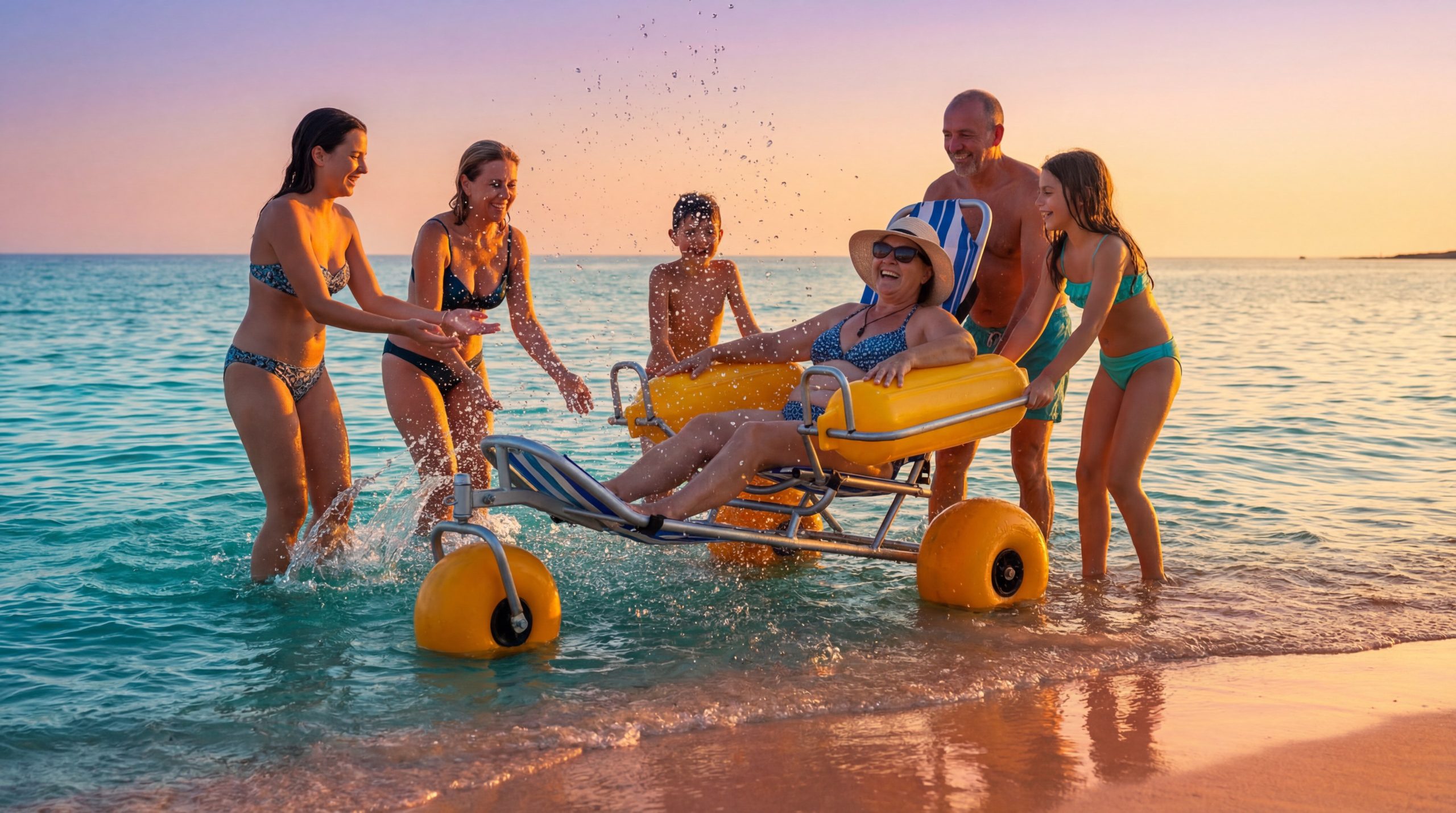
Can a Floating beach wheelchair change a life?
The introduction of this equipment can profoundly impact mental health and social inclusion by removing the barriers to shared family experiences. A Floating beach wheelchair allows someone like Nina to stop being a spectator and start being an active participant in life. The psychological benefit of feeling the ocean after years of exclusion cannot be overstated.
The psychological impact of inclusion
Rejoining the community at the beach helps reduce the feelings of isolation that often accompany physical disabilities.
- It fosters a sense of belonging within the local community.
- It provides a much-needed break from the clinical environment of therapy.
- It creates positive memories that boost overall morale.
But wait, there’s more: The benefit extends to the whole family. You no longer have to leave a loved one behind or stay home because the terrain is too difficult to navigate together.
Fostering an active coastal lifestyle
Accessibility equipment encourages people to lead more active lives and engage with nature more frequently.
- It promotes outdoor activity as a form of natural therapy.
- It encourages regular social outings with friends and neighbors.
- It helps maintain a connection to the local environment and heritage.
You see: When you change how a person interacts with their environment, you change their outlook on what is possible. This equipment is a gateway to a more vibrant and connected life.
Key Takeaway: True accessibility is about more than just movement; it is about the emotional and social freedom that comes with equal access to the world.
| Impact Area | Long-term Benefit |
|---|---|
| Mental Health | Reduced depression and anxiety |
| Social Life | Stronger family bonds |
| Physical Wellbeing | Sensory stimulation and fresh air |
This analysis highlights why investing in accessibility is an investment in the human spirit and community health.
Which Floating beach wheelchair fits your needs?
The best choice depends on whether you prioritize water buoyancy, all-terrain durability, or ease of transport. A Floating beach wheelchair is perfect for those who want to enter the water, while other models might be better suited for long treks across rough coastal paths. You should evaluate your specific environment and how you intend to use the equipment before making a selection.
Choosing the right mobility aid
Different models offer various features tailored to specific user requirements and terrains.
- Amphibious models are the gold standard for full water immersion.
- All-terrain chairs are better for hiking through dunes and parks.
- Lightweight folding models are ideal for families who travel frequently.
But here is the kicker: You don’t have to choose just one. Many facilities provide a range of options so you can select the tool that best fits your activity for the day.
Comparing key specifications
When looking at different chairs, pay close attention to the weight capacity and wheel type.
- Ensure the chair can comfortably support the user’s weight.
- Look for adjustable footrests to accommodate different heights.
- Check if the chair can be disassembled for storage in a standard vehicle.
You might be wondering: Which one is the easiest to use? Generally, the three-wheel floating models offer the best balance of stability and ease of movement for both the user and the attendant.
Key Takeaway: Matching the equipment to your specific lifestyle needs ensures that you get the most value and enjoyment out of your investment.
| Chair Type | Best Use Case | Key Feature |
|---|---|---|
| Floating | Ocean/Pool | Buoyant armrests |
| All-Terrain | Off-road/Parks | Heavy-duty frame |
| Lightweight | Travel/Short trips | Compact folding |
Using this guide helps you narrow down the options to find the perfect mobility solution for your next adventure.
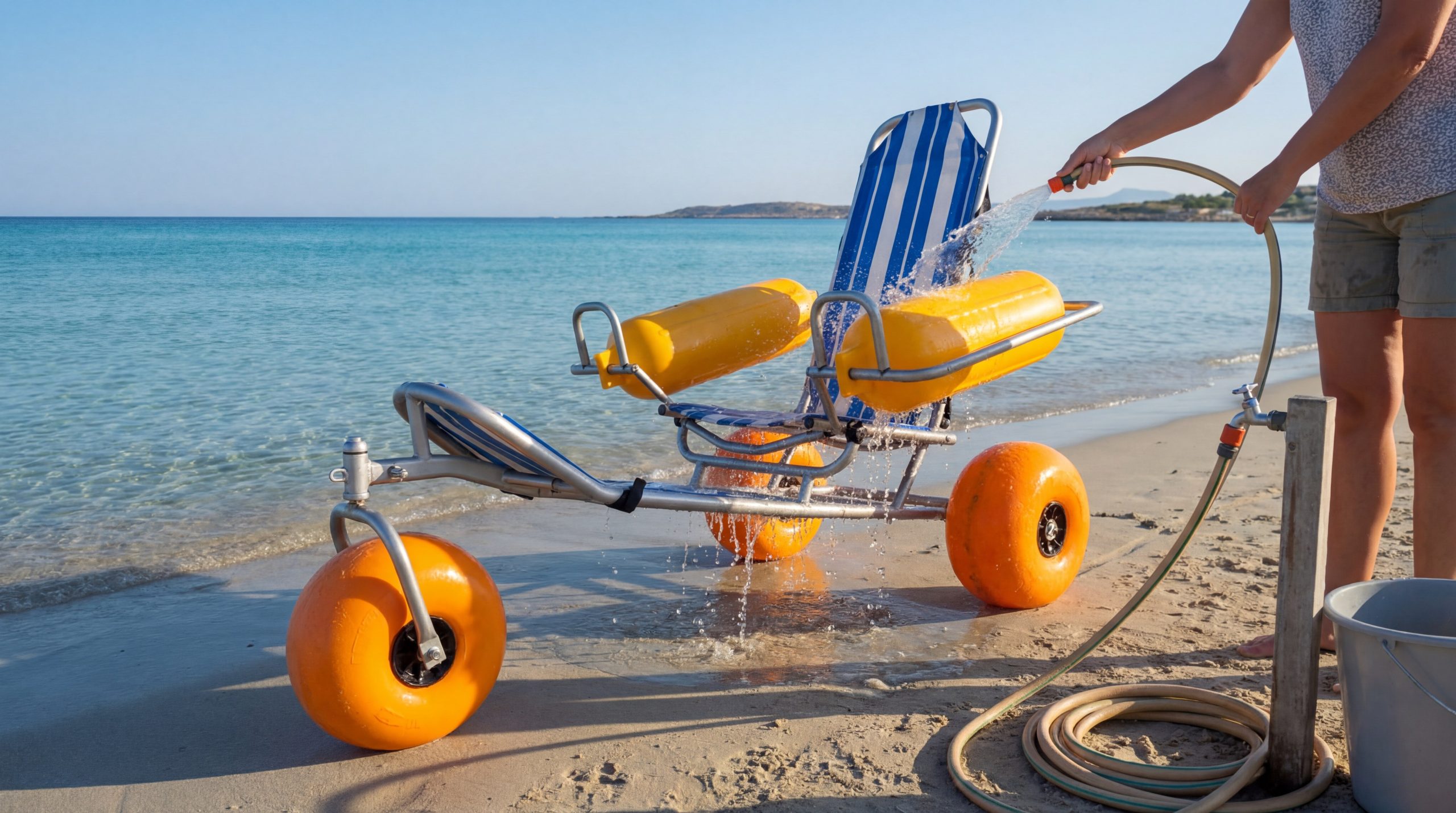
How to maintain a Floating beach wheelchair?
Regularly rinsing the chair with fresh water after every use is the most important step in preventing corrosion and mechanical failure. A Floating beach wheelchair is built to be durable, but the combination of salt, sand, and moisture can be highly destructive over time. You should treat the maintenance of this equipment with the same care you would give to a marine vessel or a bicycle.
Combating saltwater corrosion
Even the highest quality marine-grade materials require basic care to maintain their structural integrity.
- Focus the water stream on the axles and joints to clear out salt.
- Wipe down the seat fabric to prevent salt crystals from becoming abrasive.
- Check the frame for any scratches in the coating that might lead to rust.
The best part? A thorough rinse only takes about five minutes, but it can add years to the life of the chair. You are protecting an important community asset with very little effort.
Seasonal storage and checks
If the chair is not being used during the winter months, proper storage is vital for its longevity.
- Store the equipment in a dry, shaded area away from direct sunlight.
- Periodically check the tire pressure to ensure the balloon wheels stay inflated.
- Lubricate the moving parts once a season with a marine-grade grease.
You see: Maintenance is not just about cleaning; it is about ensuring the equipment is safe and ready for the next person who needs it. Consistency is the key to reliability.
Key Takeaway: Simple, consistent maintenance protocols are the best way to protect the high-value components of aquatic mobility equipment.
| Task | Frequency | Purpose |
|---|---|---|
| Fresh Water Rinse | After every use | Prevent corrosion |
| Tire Pressure Check | Monthly | Ensure easy rolling |
| Joint Lubrication | Seasonally | Maintain smooth movement |
Following this checklist ensures that the chair remains a reliable tool for the community for many years to come.
Why invest in a Floating beach wheelchair now?
Investing in accessibility now ensures that your community or business is prepared for an increasingly diverse and aging population. A Floating beach wheelchair is a powerful symbol of your commitment to equality and social responsibility. You have the opportunity to turn a restrictive environment into a welcoming one for every visitor who arrives at your shore.
Empowering the local community
When a community invests in accessibility, it sends a clear message that everyone is valued and welcome.
- It attracts inclusive tourism and boosts the local economy.
- It provides a tangible service that directly improves lives.
- It builds a stronger, more empathetic community culture.
But here is the kicker: The cost of the equipment is small compared to the massive positive PR and goodwill it generates for your organization. You are investing in your brand’s reputation as a leader in inclusion.
A vision for the future of beaches
The standard for modern public spaces is moving toward 100% accessibility, and the beach should be no exception.
- Accessible beaches set a new benchmark for urban planning.
- They ensure that no one is left behind as they age.
- They create a legacy of kindness and practical support.
You might be wondering: Is now really the best time? With more awareness of disability rights than ever before, there has never been a better moment to make your shoreline accessible to all.
Key Takeaway: Proactive investment in mobility technology creates long-term value for both the users and the organizations that provide the service.
| Investment Goal | Expected Outcome |
|---|---|
| Social Responsibility | High community engagement |
| Service Quality | Inclusive guest experiences |
| Infrastructure | Future-proofed public spaces |
This final table summarizes the strategic benefits of bringing floating mobility solutions to your local coastline.
Reclaiming the Coastline Together
The launch at Bulli represents a significant victory in the fight for coastal equality. By addressing the physical barriers of sand and water, this initiative has restored the joy of the ocean to residents who have spent years on the sidelines. Nina’s first dip back into the surf is a powerful reminder that engineering and community spirit can overcome almost any obstacle. No one should be denied the restorative power of the sea simply because of a mobility challenge.
Our vision is to see a world where every public beach is a playground for everyone, regardless of their physical ability. We believe that coastal access is a fundamental right, and we are dedicated to providing the tools that make this a reality. If you are ready to transform your shoreline into an inclusive haven, please contact us today to discuss how we can help you implement these vital accessibility solutions.
FAQ
Can I use the chair without an assistant?No, it is not recommended for independent use in the water. Because the chair floats and can be affected by currents or waves, you need an attendant to maintain control and ensure your safety at all times.
What’s the best way to handle very soft sand?The best way is to ensure the balloon tires are at the correct low pressure. This allows the wheels to spread out and “float” on top of the sand, making the chair much easier to push even in deep, powdery dunes.
How do I know if the chair will fit my specific disability?You should check the weight capacity and seat dimensions of the specific model. Most chairs are highly adjustable, but it is always best to verify that the support features, like headrests or harnesses, meet your personal medical requirements.
Can I take the chair into a swimming pool?Yes, many floating models are excellent for pool use. The buoyant design makes it easy to enter the water via a ramp, and the non-corrosive frame is resistant to chlorine just as it is to salt water.
What’s the best way to transport the chair to the beach?The best way is to use a model that can be easily disassembled or folded. Many chairs are designed to fit into the back of a large SUV or van once the wheels and armrests are removed, which usually takes only a few minutes.