A modern beach wheelchair is the ultimate tool for 2025 because it integrates advanced flotation technology with all-terrain durability to eliminate coastal barriers. For many individuals and resort operators, the dream of a perfect day by the sea often turns into a frustrating struggle against sinking wheels and inaccessible shorelines. This lack of access doesn’t just ruin a family outing; it agitates a sense of exclusion and causes businesses to lose out on a significant segment of the tourism market. Fortunately, Ary Beach Accessibility Solutions provides the engineered answers needed to turn any sandy environment into an inclusive destination.
Why is a beach wheelchair essential for 2025 coastal access?
A beach wheelchair is essential because it provides the specialized weight distribution required to traverse soft sand and surf where standard mobility devices fail. While traditional chairs are built for hard, flat surfaces, these innovative units are designed to keep you moving across uneven and shifting terrains.
- Eliminates the “Sink” Factor: Wide tires prevent the frame from digging into deep sand.
- Enables Water Entry: Specialized frames allow users to reach the water’s edge safely.
- Boosts User Independence: Advanced ergonomics make self-propulsion a reality for many.
What are the psychological benefits of beach access?
Providing true accessibility allows for a sense of freedom that is often missing from restricted coastal environments. When you can join family activities without the fear of getting stuck, the entire experience changes.
But wait, there’s more:
- Encourages participation in family sandcastle building and BBQs.
- Reduces the anxiety associated with navigating difficult outdoor spaces.
- Fosters a sense of community inclusion for all guests.
Key Takeaway: True accessibility transforms the beach from a barrier into a place of shared memories and physical freedom.
| Feature | Standard Mobility Device | Modern Beach Solution |
|---|---|---|
| Tire Pressure | High (30+ PSI) | Ultra-Low (2-4 PSI) |
| Surface Range | Pavement & Indoor | Deep Sand, Mud, Gravel |
| Water Resistance | Low (Corrodes quickly) | High (Marine-grade materials) |
This comparison highlights why specialized engineering is non-negotiable for meaningful coastal inclusion and equipment longevity.
How does the science of displacement work on soft sand?
The secret to why a beach wheelchair stays above the sand lies in the physics of surface area and low-pressure displacement. By spreading the user’s weight over a larger footprint, the tires “float” on top of loose grains rather than cutting through them.
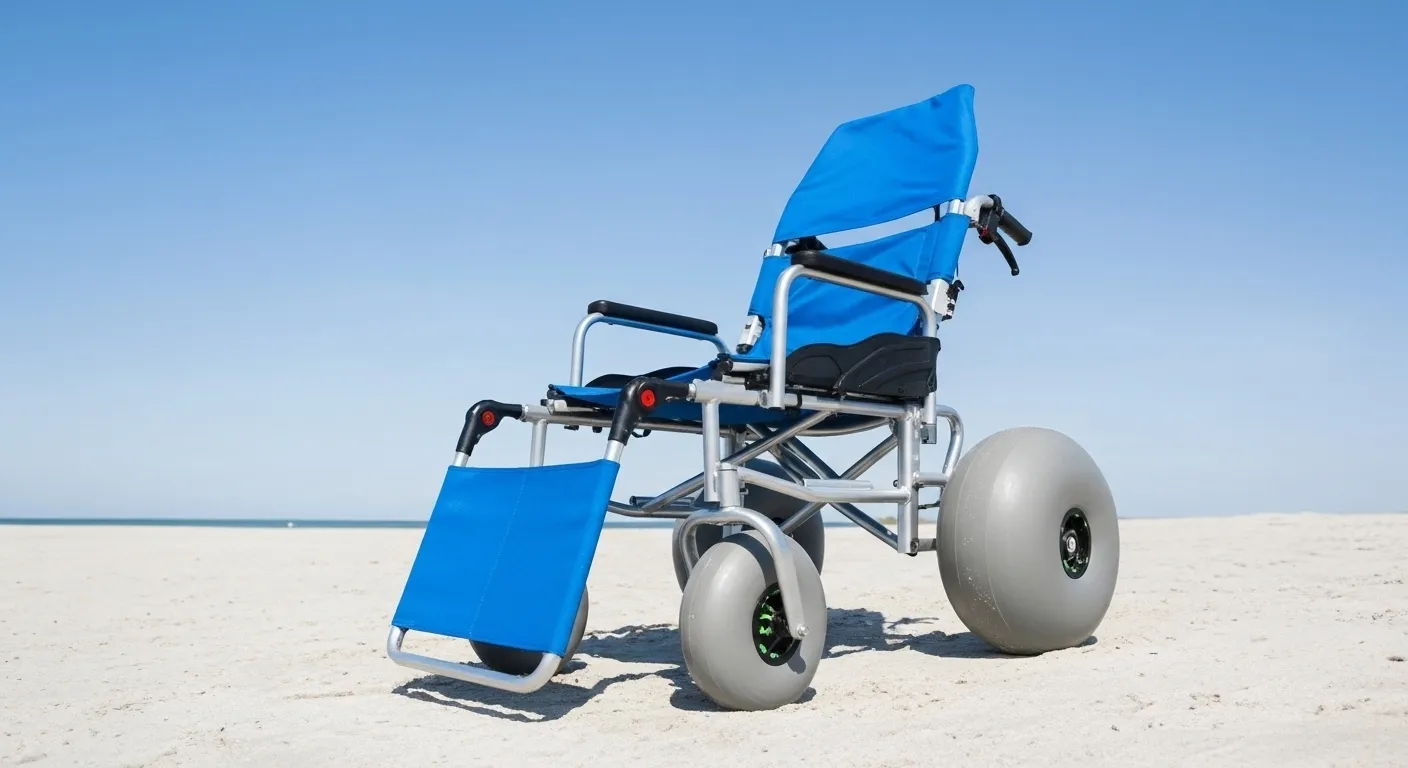
- Pneumatic Balloon Tires: Large, soft tires deform around obstacles.
- Optimized PSI: Maintaining 2-4 PSI ensures maximum contact area.
- Lightweight Framework: Aluminum alloys reduce the total downward force.
Why does tire width matter for mobility?
The width of the wheel dictates how much pressure is exerted per square inch on the sand. A wider tire ensures that the chair does not act like a blade, which is the primary cause of becoming “bogged down.”
Here is the kicker:
- Wider tires require less force to push across deep powder.
- Increased surface area provides better lateral stability on slopes.
- Specialized treads help maintain grip on damp or wet sand.
Key Takeaway: Engineering for displacement is the only way to ensure a smooth, effortless ride over the most challenging beach surfaces.
| Component | Engineering Function | Result for User |
|---|---|---|
| Balloon Tires | Surface Area Expansion | Prevents vertical sinking |
| Offset Hubs | Increased Chassis Width | Enhanced side-to-side stability |
| Low-Pressure Air | Shock Absorption | Smoother ride over shells |
The data proves that increasing surface area is the most effective way to reduce the physical effort required for sand transit.
Which terrain types are best for these mobility solutions?
These devices are engineered to handle a diverse range of environments, including fine sand, gravel paths, and even coastal grass. Selecting the right model ensures that your beach wheelchair performs optimally regardless of the specific shoreline conditions.
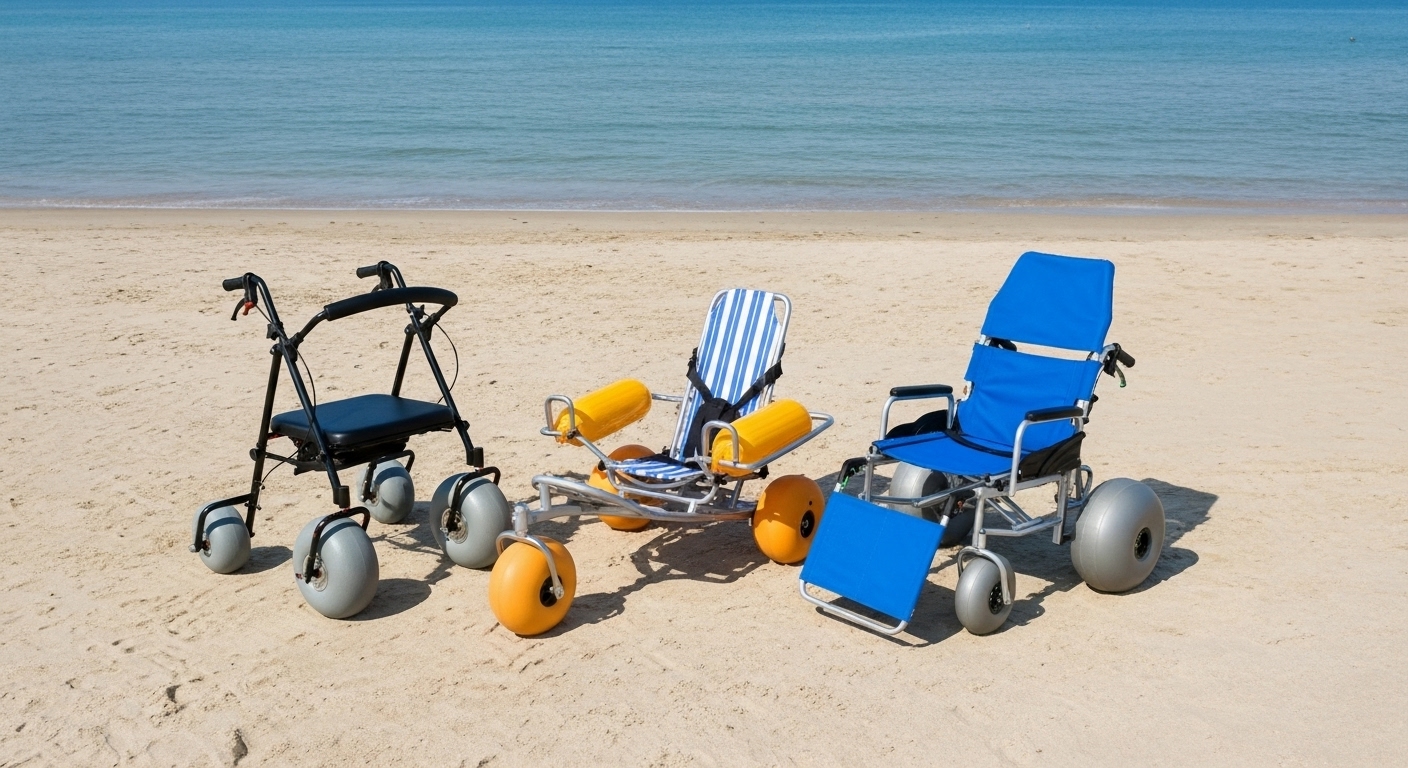
- Deep Powder Sand: Large balloon tires are the gold standard for dunes.
- Gravel and Packed Soil: All-terrain wheels provide traction on firm trails.
- Mud and Silt: Wide treads prevent slipping in tidal areas.
Can you use them on grassy dunes?
Many coastal resorts feature transition areas like grassy lawns or stabilized dunes that require versatile wheel configurations. These “all-terrain” models bridge the gap between the hotel lobby and the actual shoreline.
Think about this:
- Specialized wheels grip blades of grass without damaging the landscape.
- Durable frames withstand the vibration of moving over uneven turf.
- Integrated brakes provide safety on the inclines common in dune areas.
Key Takeaway: Matching your equipment to the specific terrain of your facility ensures operational success and user safety.
| Terrain Type | Recommended Configuration | Primary Environment |
|---|---|---|
| Soft Sand | Orange Balloon Tires | Shorelines & Sand Dunes |
| Mixed Trails | Knobby Off-Road Wheels | Coastal Parks & Resorts |
| Wet Silt | Wide FAT Tires | Tidal Flats & Lakesides |
Understanding your specific geography allows for a more targeted and effective equipment investment for your facility.
Is a floating beach wheelchair necessary for water entry?
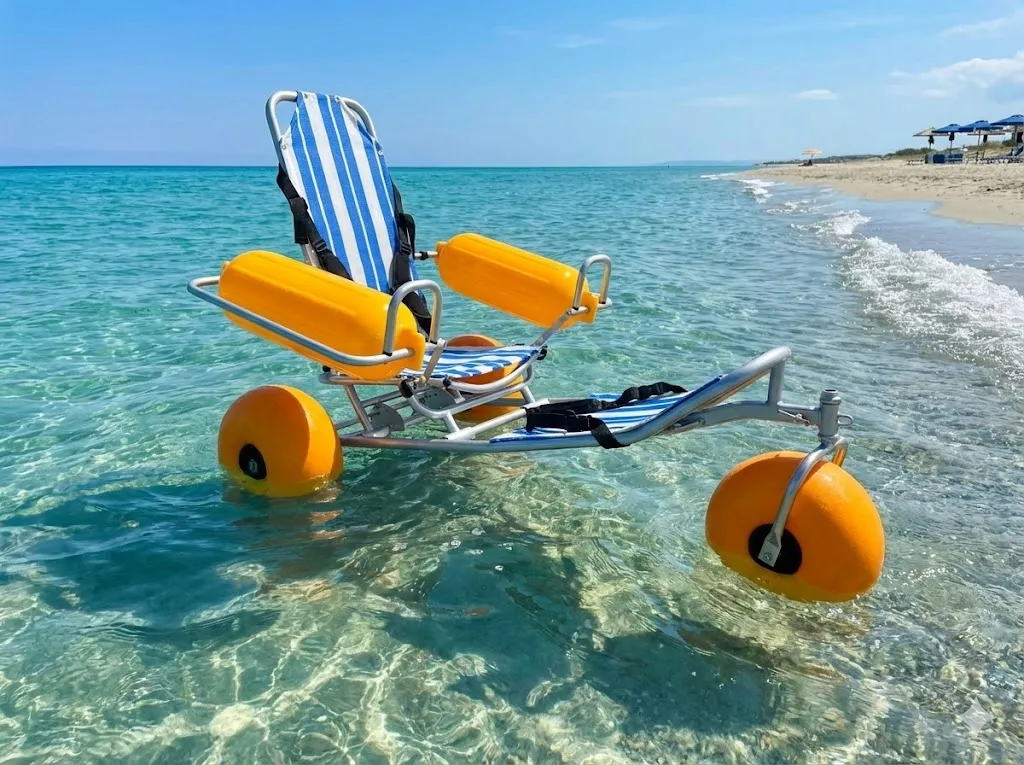
A specialized beach wheelchair with floating capabilities is necessary if you intend to move beyond the waterline and into the surf safely. These amphibious units utilize integrated pontoons to maintain buoyancy while keeping the user in a stable, reclined position.
- Amphibious Transition: Seamlessly moves from dry sand into the water.
- Buoyancy Armrests: Yellow pontoons provide lateral stability in waves.
- Quick-Dry Materials: Mesh seating prevents water pooling and mold growth.
How do floating pontoons improve safety?
The pontoons act as outriggers, ensuring that the chair does not tip over when faced with small waves or current fluctuations. This design allows for a supervised, immersive experience that standard chairs simply cannot provide.
It gets better:
- High-visibility yellow pontoons help lifeguards track users in the water.
- Pontoons can be removed for easier transport and storage when not in use.
- The buoyant chassis supports users up to 300 lbs in shallow water.
Key Takeaway: Floating models are the ultimate solution for inclusive water recreation in resorts and supervised public beaches.
| Floating Feature | Material Used | Safety Benefit |
|---|---|---|
| Armrest Pontoons | High-Density Polyethylene | Provides buoyancy & stability |
| Striped Seating | UV-Resistant Mesh | Drains water & dries quickly |
| Silver Frame | Marine Aluminum | Resists saltwater corrosion |
The integration of buoyancy and stability features makes these units the safest choice for water-based therapy and recreation.
Why do resorts benefit from professional-grade equipment?
Professional-grade equipment acts as a competitive advantage by attracting guests who prioritize accessibility when choosing their vacation destination. Investing in a high-quality beach wheelchair fleet demonstrates a commitment to inclusive tourism that generates positive reviews and repeat bookings.
- Market Differentiation: Stand out from competitors with limited access.
- Reduced Liability: Engineered safety features protect both guests and staff.
- Operational Efficiency: Lightweight designs are easier for resort teams to manage.
Does accessibility improve resort ROI?
Inclusive facilities see a higher return on investment because they cater to the “silver economy” and families with diverse mobility needs. When one family member has access issues, the entire group often chooses a different venue.
Make no mistake:
- Accessibility is a major factor in modern travel booking decisions.
- Professional equipment reduces workplace injuries for resort staff.
- Durable materials mean fewer replacements and lower maintenance costs.
Key Takeaway: Professional accessibility solutions are not just a compliance requirement; they are a strategic business asset for 2025.
| Stakeholder | Direct Benefit | Key Success Metric |
|---|---|---|
| Guests | Full Beach Access | 5-Star Experience Reviews |
| Staff | Ergonomic Handling | Lower Injury Claims |
| Management | Increased Occupancy | Higher Repeat Booking Rate |
Resorts that invest in professional-grade accessibility tools consistently outperform their peers in guest satisfaction and market reach.
What materials ensure your equipment survives the saltwater?
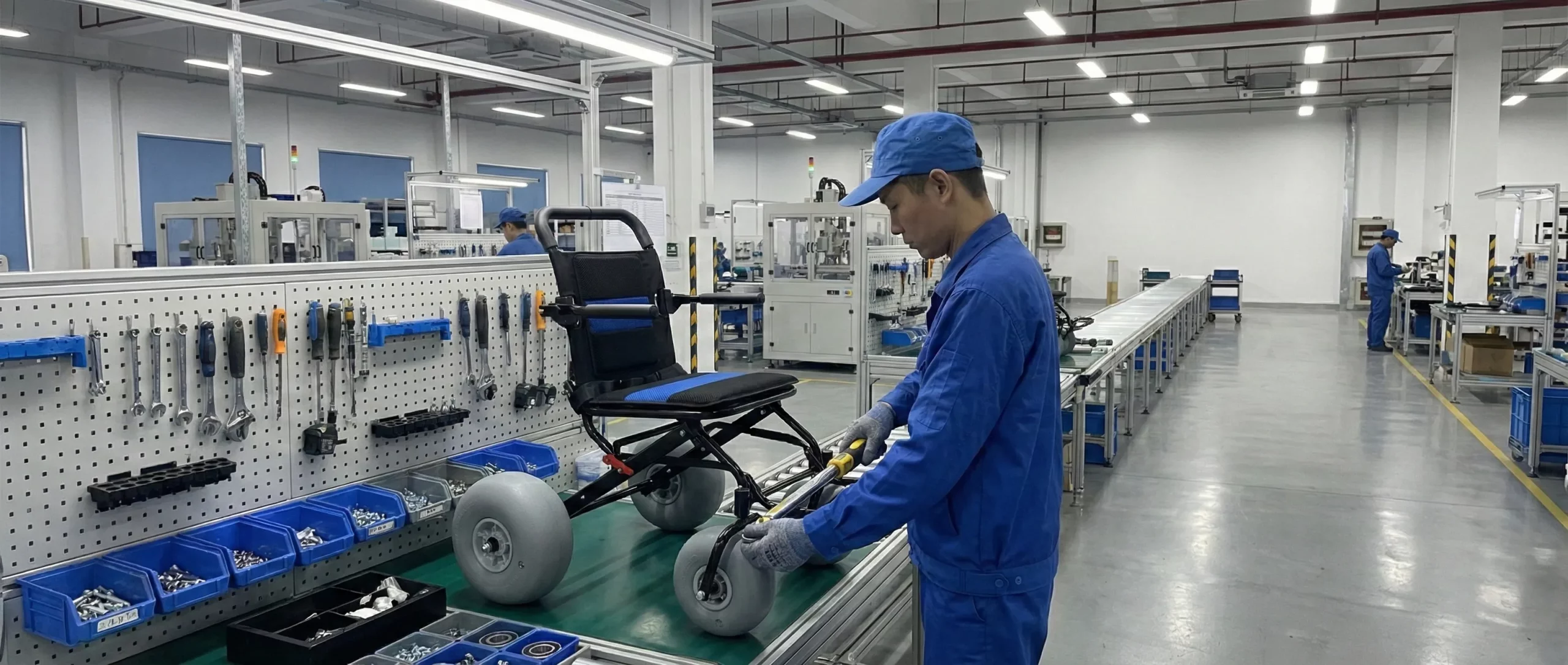
The best beach wheelchair models are constructed from 316 stainless steel or marine-grade aluminum to withstand the corrosive effects of salt and sand. Without these high-end materials, equipment will quickly rust, seize, and become a safety hazard for your users.
- Marine Aluminum: Lightweight and naturally resistant to rust.
- 316 Stainless Steel: The ultimate durability for heavy-use environments.
- UV-Stabilized Plastics: Prevents embrittlement and fading in the sun.
Why is UV protection vital for fabrics?
Constant exposure to harsh sunlight can cause standard mesh to become brittle and tear under the weight of a user. Professional models use specialized polyester mesh that maintains its structural integrity for years.
The best part?
- Breathable fabrics keep users cool during hot beach days.
- Anti-microbial coatings prevent the growth of mold and mildew.
- Reinforced stitching ensures the seat remains taut and supportive.
Key Takeaway: Choosing the right materials at the point of purchase prevents expensive repairs and replacements later on.
| Component | Standard Material | Marine Grade (2025) |
|---|---|---|
| Frame Pins | Zinc Plated | Stainless Steel |
| Seat Fabric | Canvas/Nylon | UV-Resistant Mesh |
| Wheel Axles | Steel | Anodized Aluminum |
Investing in high-grade alloys translates directly to a lower total cost of ownership over a five-year operational window.
How do you implement a successful accessibility program?
Success starts with a structured methodology that includes site audits, proper equipment selection, and thorough staff training for your beach wheelchair service. Following a proven framework ensures that your accessibility corridor is safe, efficient, and welcoming for all users.
- Site Suitability Audit: Measure slopes and sand density before buying.
- Strategic Selection: Match the wheel type to your specific terrain.
- Staff Training: Ensure your team knows the safe transfer protocols.
What does a site audit involve?
A site audit identifies the physical path a user must take from the parking area to the water’s edge. This helps you determine if additional infrastructure, like ramps or mats, is required to bridge the gap.
Wait, there is more:
- Measuring tidal fluctuations to set safe water entry points.
- Identifying storage areas that protect equipment from the elements.
- Assessing the gradient to ensure it does not exceed safe operating limits.
Key Takeaway: A well-planned program is safer for guests and much more manageable for your operational team.
| Step | Action Item | Primary Objective |
|---|---|---|
| 1. Audit | Measure Slope & Sand | Determine pathing needs |
| 2. Train | Safe Transfer Drills | Protect user & staff safety |
| 3. Deploy | Set “Blue Zone” | Clear access to the water |
A systematic approach to accessibility reduces operational friction and ensures that your equipment is used to its full potential.
Can regular maintenance extend the life of your equipment?
Regular maintenance of your beach wheelchair can extend its operational life from two years to over five years, even in harsh salt environments. Simple daily protocols are the most effective way to protect your investment and ensure user safety.
- Freshwater Rinse: Wash away abrasive salt crystals after every single use.
- PSI Monitoring: Keep balloon tires at 2-4 PSI to prevent flat-spotting.
- Lubrication: Apply marine-grade grease to all moving pins and axles.
What is the best cleaning routine?
The most effective routine involves a thorough hose-down of the frame, mesh, and wheels immediately after the chair leaves the sand. Salt acts as an abrasive that can degrade even the best coatings if left to dry.
Listen to this:
- Focus on the wheel axles and locking pins where salt collects.
- Avoid using high-pressure washers that can force salt deeper into joints.
- Allow the mesh to air dry completely before folding or storing the unit.
Key Takeaway: Consistent, simple maintenance is the key to preventing corrosion and ensuring your fleet is always ready for guests.
| Frequency | Task | Focus Area |
|---|---|---|
| Daily | Freshwater Rinse | Frame, Mesh & Wheels |
| Weekly | PSI Check | Pneumatic Tires |
| Monthly | Detailed Lube | Axles & Locking Pins |
Following this maintenance schedule significantly reduces the risk of mechanical failure and extends the aesthetic appeal of the equipment.
Should you pair your equipment with beach access mats?
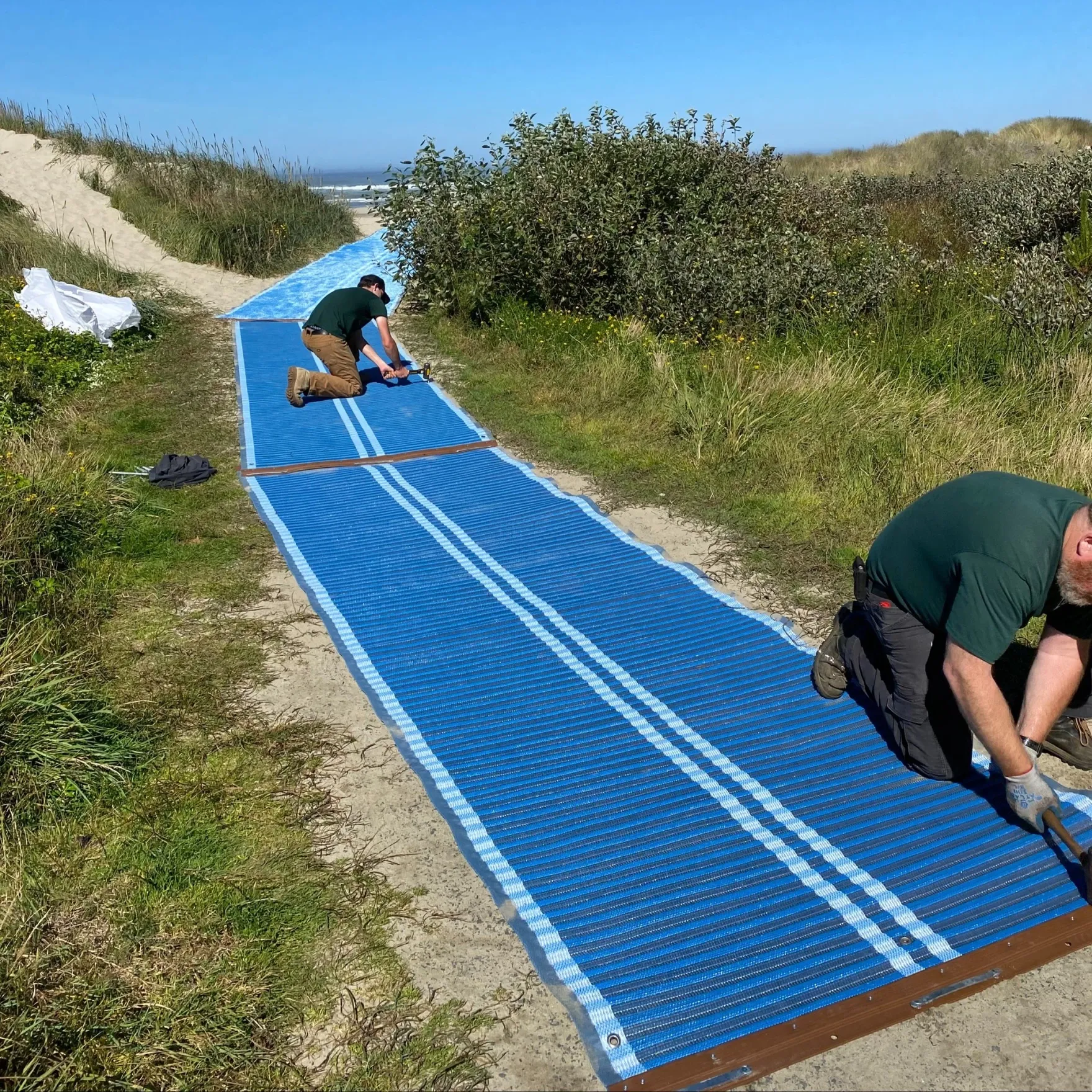
Pairing your beach wheelchair with access mats creates a “Blue Zone” that maximizes independence and reduces the physical effort required for transit. Mats provide a stable, firm surface that allows users to move from the parking lot to the high-water line without struggle.
- Stable Pathway: Reduces the rolling resistance for pushers and self-propellers.
- Independence: Allows ambulatory users with walkers to reach the beach.
- Durability: UV-stabilized mats can withstand heavy foot traffic and sunlight.
Do mats improve the user experience?
Mats provide a psychological “road” that clearly defines the accessible path, making guests feel more confident and welcome. They act as the essential bridge between the hard pavement and the soft shoreline.
Here is the truth:
- Mats are easy to roll up and store during the off-season or storms.
- They help define the designated accessibility zone for your facility.
- Pairing mats with chairs creates a complete accessibility ecosystem.
Key Takeaway: Access mats are the foundational infrastructure that makes every other mobility tool more effective.
| Feature | Accessory Benefit | Impact on User |
|---|---|---|
| Mobi-Mat | Firm Grounding | Easier self-propulsion |
| Safety Harness | Core Support | Stability for limited mobility |
| Weather Cover | UV Protection | Keeps seat cool and dry |
The synergy between access mats and specialized wheelchairs creates a professional-grade environment that guests will appreciate and remember.
Where can you source factory-direct mobility solutions?
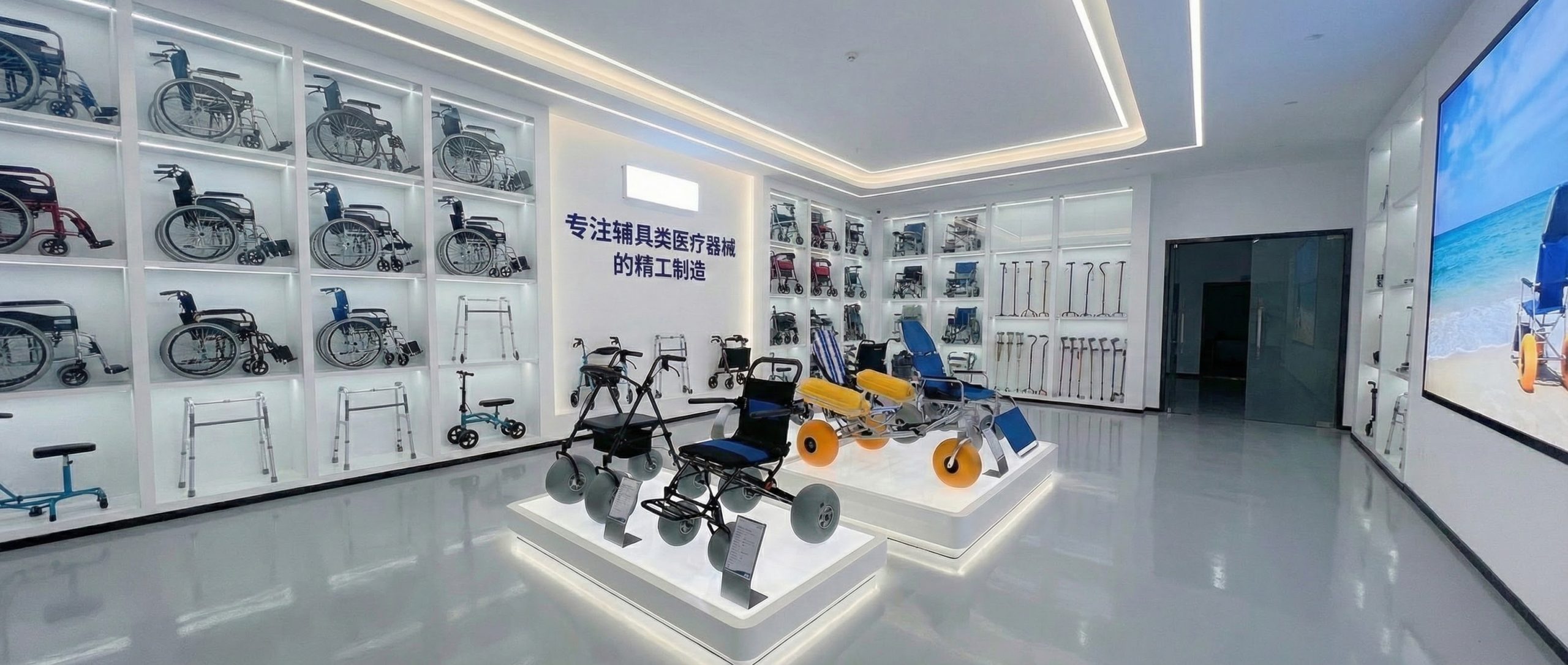
Sourcing your beach wheelchair factory-direct allows you to access wholesale pricing, custom branding, and specialized technical support that retailers cannot match. Working with a dedicated manufacturer ensures that your equipment is built to ISO standards and tailored to your project’s needs.
- Wholesale Rates: Save up to 60% compared to retail markups.
- Custom Branding: Apply your resort’s logo and colors to the equipment.
- Global Logistics: Professional export support for international shipping.
What are the benefits of OEM orders?
OEM (Original Equipment Manufacturer) orders allow large-scale projects, such as municipal beach programs, to specify exact materials and features for their fleet. This level of customization ensures that the equipment perfectly fits the local environment.
Consider this fact:
- Factory-direct partners provide 24-hour technical support for maintenance.
- Custom color matching ensures the equipment aligns with your brand.
- Direct shipping options simplify the procurement process for B2B buyers.
Key Takeaway: Partnering with a specialist manufacturer like Ary Beach Accessibility Solutions provides the most reliable path to a successful accessibility project.
| Route | Cost | Support Level | Customization |
|---|---|---|---|
| Retailer | High (Markup) | General | Limited |
| Factory-Direct | Low (Wholesale) | Specialized | High (OEM) |
By eliminating the middleman, you gain access to superior quality control and the technical expertise needed for long-term operational success.
Achieving Coastal Freedom for All
The transition to a fully accessible beach doesn’t have to be a complicated journey. By choosing a professional beach wheelchair designed for the rigors of 2025 coastal environments, you solve the core problems of sinking, corrosion, and exclusion. Our vision is to ensure that every shoreline—from luxury resorts to public parks—is a place where everyone can enjoy the therapeutic power of the ocean. If you are ready to transform your facility into a leader in inclusive tourism, contact us today to discuss your specific requirements and receive a factory-direct quote.
Frequently Asked Questions
Can I use a beach wheelchair in deep water?Floating models are strictly for supervised shallow-water use. While they provide excellent buoyancy, they are designed for water entry up to 1.2 meters and should always be operated with an attendant to ensure user safety in varying surf conditions.
What’s the best way to transport these specialized chairs?Tool-less disassembly is the most efficient method for transport. Most professional models utilize quick-release pins that allow the wheels and pontoons to be removed in seconds, making it easy to fit the frame into the trunk of a standard SUV or van.
How do I know if the chair fits my guest’s needs?Matching weight capacity and terrain type is the primary metric for selection. You should evaluate the user’s upper-body control and the specific sand density of your beach to choose between a self-propelled all-terrain unit or a floating amphibious model.
Can I customize the equipment colors?Factory-direct orders offer full branding and color options. When ordering in volume, you can choose custom frame powder-coating and fabric colors to match your resort’s visual identity, including the application of your organization’s logo.
How do I maintain the balloon tires correctly?Maintaining 2-4 PSI is vital for optimal weight displacement. You should regularly check the pressure with a low-pressure gauge and ensure the tires are stored away from direct sunlight when not in use to prevent the rubber from “flat-spotting” or degrading.